(Phnom Penh): The Cambodia-Singapore Cooperation Centre (CSCC), Embassy of the Republic of Singapore, today concluded a five-day IAI training course on Sustainable Agriculture Systems and Technology, delivered by trainers from Republic Polytechnic, Singapore, for officials from the Ministry of Commerce, Ministry of Environment, Ministry of Rural Development, Ministry of Water Resources and Meteorology, and Ministry of Agriculture, Forestry and Fisheries.
Held from 28 September to 2 October 2026, the programme covered global and ASEAN food security challenges, controlled-environment agriculture, soilless farming systems, agri-tech and digital solutions, and agricultural standardisation.
Participants examined greenhouse and indoor farming systems, hydroponics, aeroponics and aquaponics, IoT-enabled smart farm dashboards, and standards such as Good Agricultural Practice (GAP) and Clean and Green certification.
The course also included discussions on sustainable agriculture and climate resilience in the Cambodian context.
A key focus was hydroponic crop production as a potential scalable agribusiness model, covering the production cycle from system design and nutrient management to cultivation and crop selection. Participants explored how hydroponic systems can support year-round production while making more efficient use of land and water.
This was complemented by practical approaches to sustainable farming, including efficient irrigation and water conservation, nutrient management, integrated pest management, circular agriculture and waste upcycling, soil health management, and renewable energy adoption.
The programme also examined climate-smart agriculture as an integrated approach to improving productivity, strengthening resilience to drought, pests and disease, and reducing environmental impact.
Nhean Sophea, Director, Department of Rubber Development, Ministry of Agriculture, Forestry and Fisheries, shared that the training provided valuable insights into agricultural technologies that can help address climate change and labour shortages.
He noted that the knowledge gained could support extension work and inform agricultural policy development, while creating opportunities for further collaboration.
Pen Khemraraingsey, Deputy Director, Village and Rural Community Development, Ministry of Rural Development, remarked that the training offered valuable knowledge and practical insights into sustainable agriculture, particularly in addressing climate change, food security and labour shortages through technology and resource-efficient practices.
He added that the experiences shared from Singapore are relevant to Cambodia's sustainable rural development and can contribute to more resilient and sustainable agriculture.
The training reflects the shared interest of Singapore and Cambodia in strengthening food security and the resilience of regional food systems.
Singapore imports more than 90 per cent of its food and relies on a diversified network of global supply partners to mitigate disruptions.
Supporting Cambodia's capabilities in sustainable and controlled-environment agriculture can contribute to stronger local production while complementing Singapore's efforts to build resilience across its food supply network.
The engagement also reflects Singapore's commitment to sharing knowledge and building capabilities with Cambodia and other ASEAN Member States under the IAI framework.
The programme forms part of the CSCC's continued efforts under the Initiative for ASEAN Integration (IAI) to support capacity building among ASEAN Member States.
Since 2002, the CSCC has trained more than 19,000 Cambodian government officials through a wide range of technical and professional courses.
About the Initiative for ASEAN Integration (IAI)
The Initiative for ASEAN Integration (IAI) was launched in 2000 by then Singapore Prime Minister Goh Chok Tong, with the aim of narrowing the development gap within ASEAN and supporting the newer member states, Cambodia, Lao PDR, Myanmar and Viet Nam (CLMV), in their integration into the regional community.
The CSCC serves as a key platform through which Singapore delivers IAI programmes to Cambodian government officials.
About the Cambodia-Singapore Cooperation Centre (CSCC)
The Cambodia-Singapore Cooperation Centre (CSCC) was established as the Cambodia-Singapore Training Centre (CSTC) in 2002, following the launch of the IAI. In 2018, the Centre was upgraded to the CSCC to further enhance the range and quality of its capacity-building programmes.
The course was conducted under the Initiative for ASEAN Integration (IAI), through which Singapore supports Cambodia’s capacity-building priorities.
English language training is an important component of the Cambodia-Singapore Cooperation Centre (CSCC)’s programmes, equipping Cambodian government officials with practical language and communication skills relevant to their professional work.
=FRESH NEWS
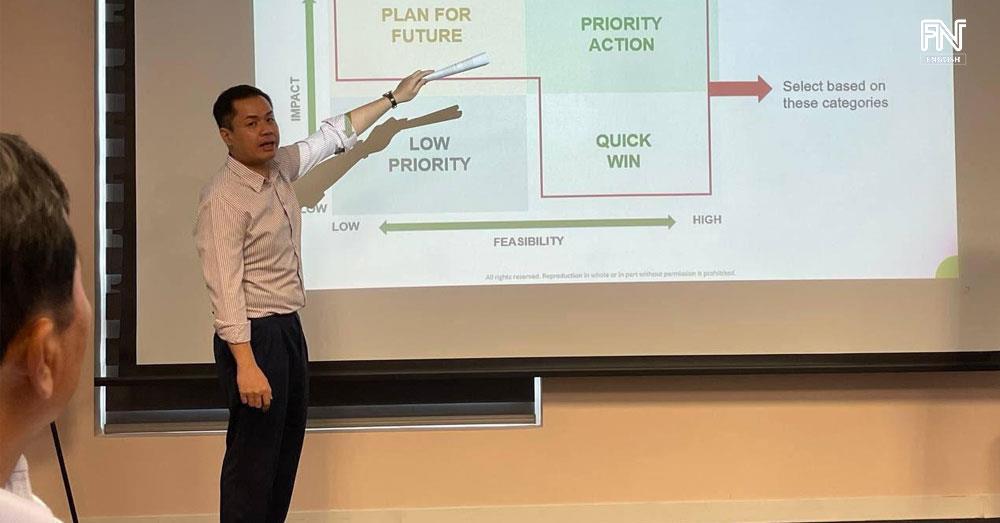
A Republic Polytechnic trainer guides participants in prioritising sustainable agriculture solutions.
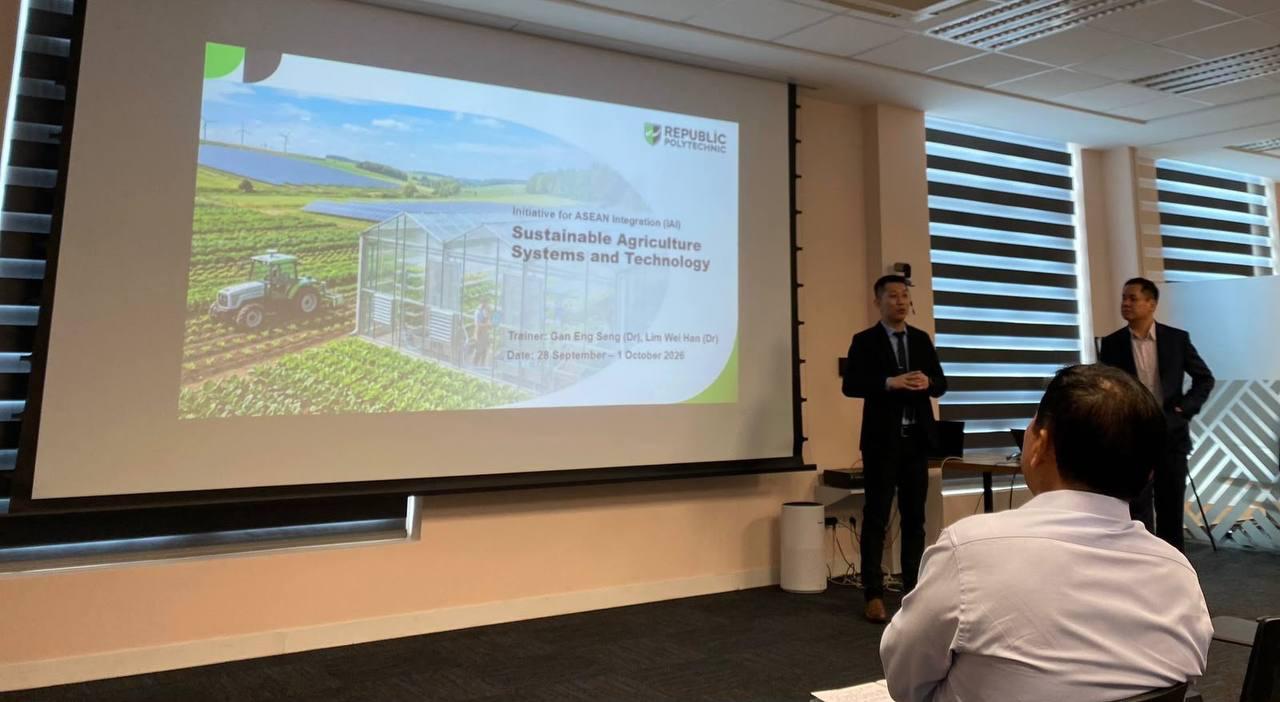
Trainers from Republic Polytechnic deliver the opening session of the IAI Sustainable Agriculture Systems and Technology course at the Cambodia–Singapore Cooperation Centre.
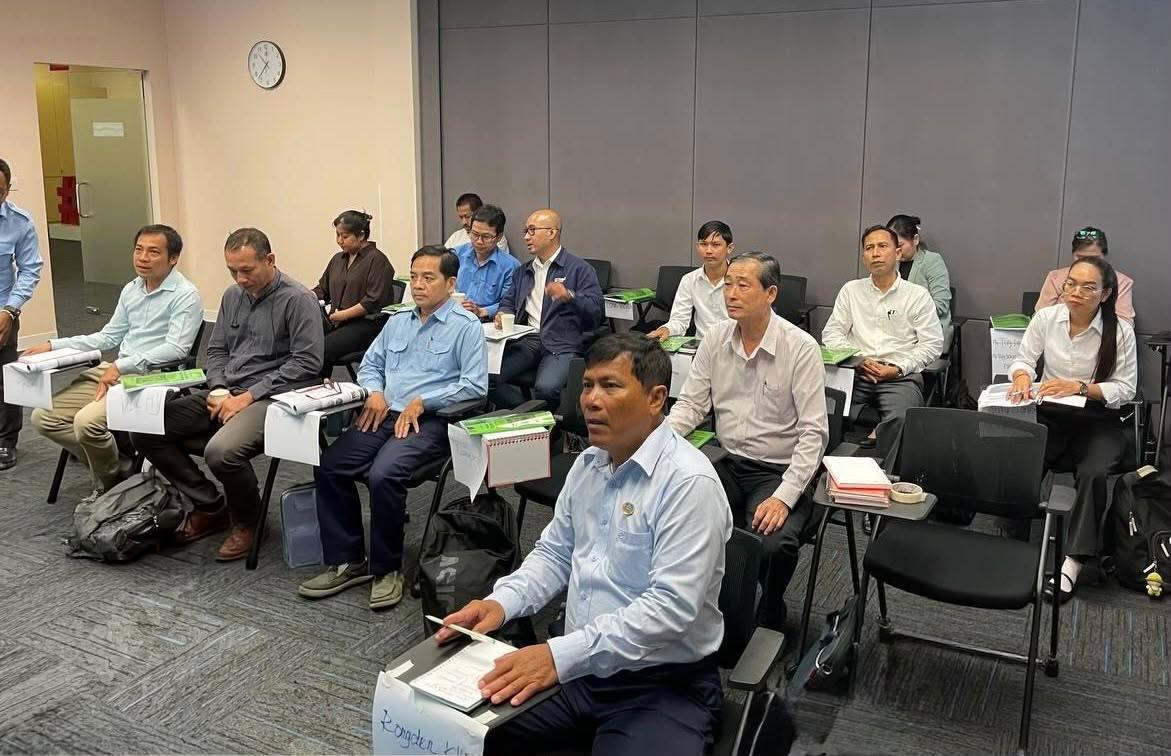
Participants during a session on sustainable agriculture practices and technologies.
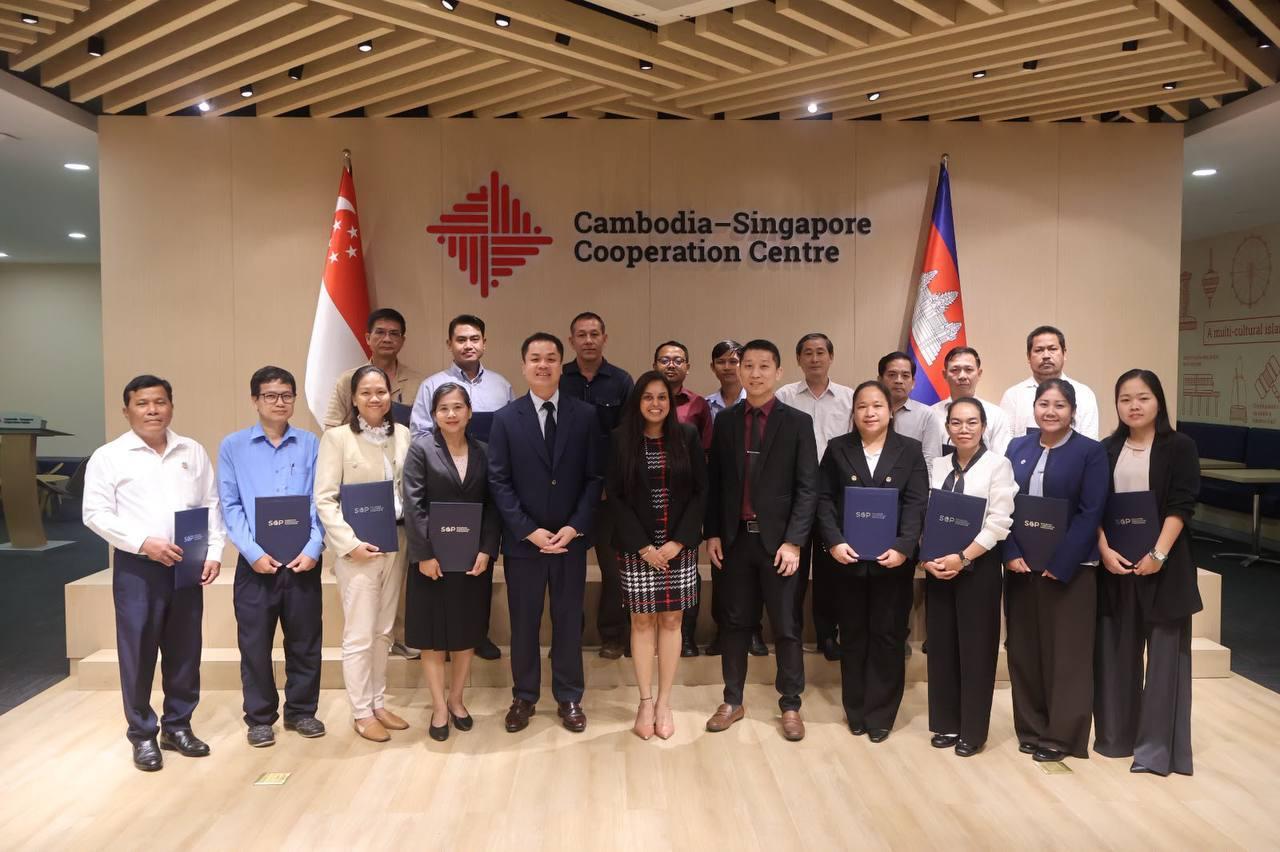
Participants with their certificates of completion, joined by the trainers at the course's closing ceremony.
