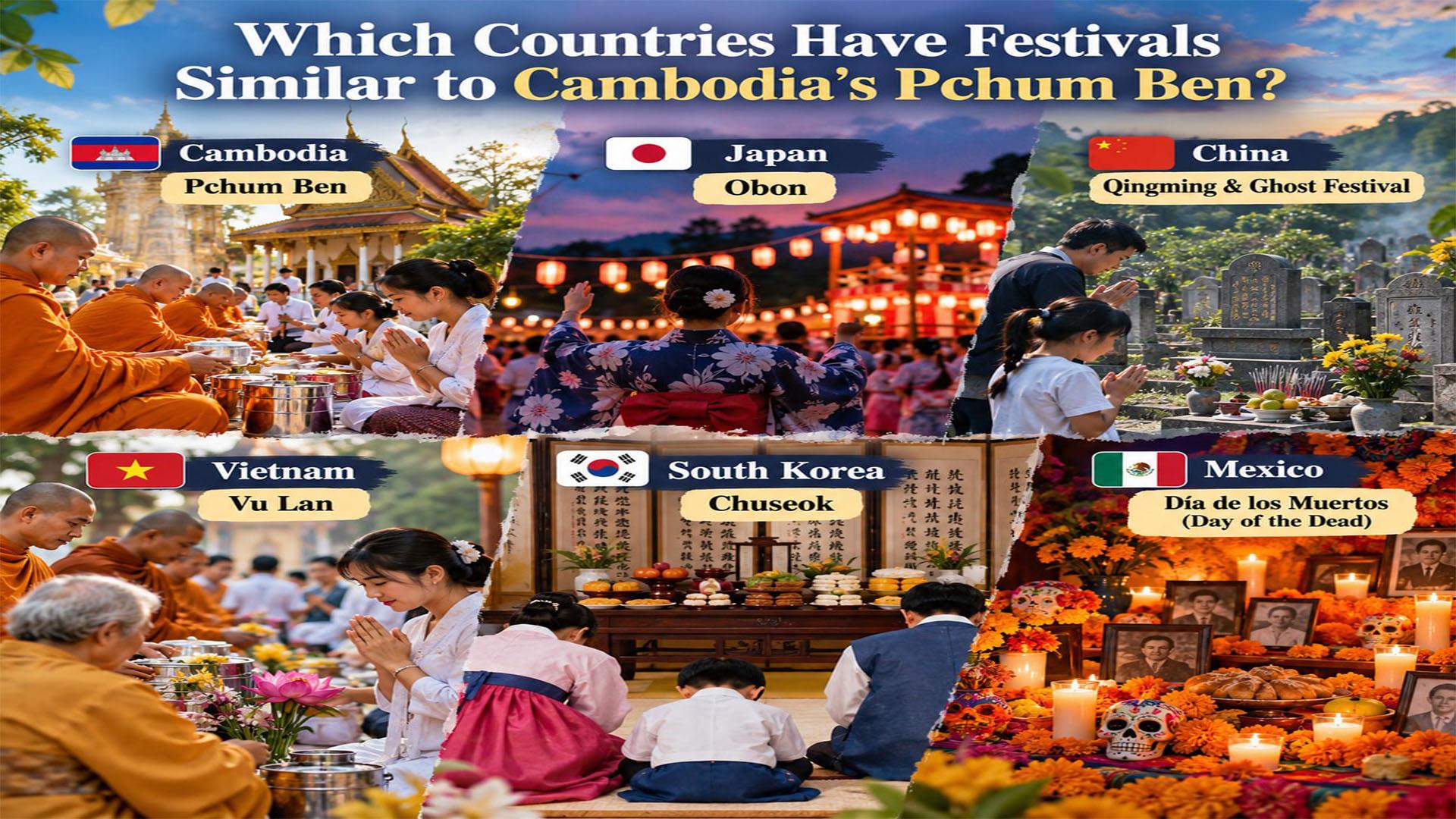
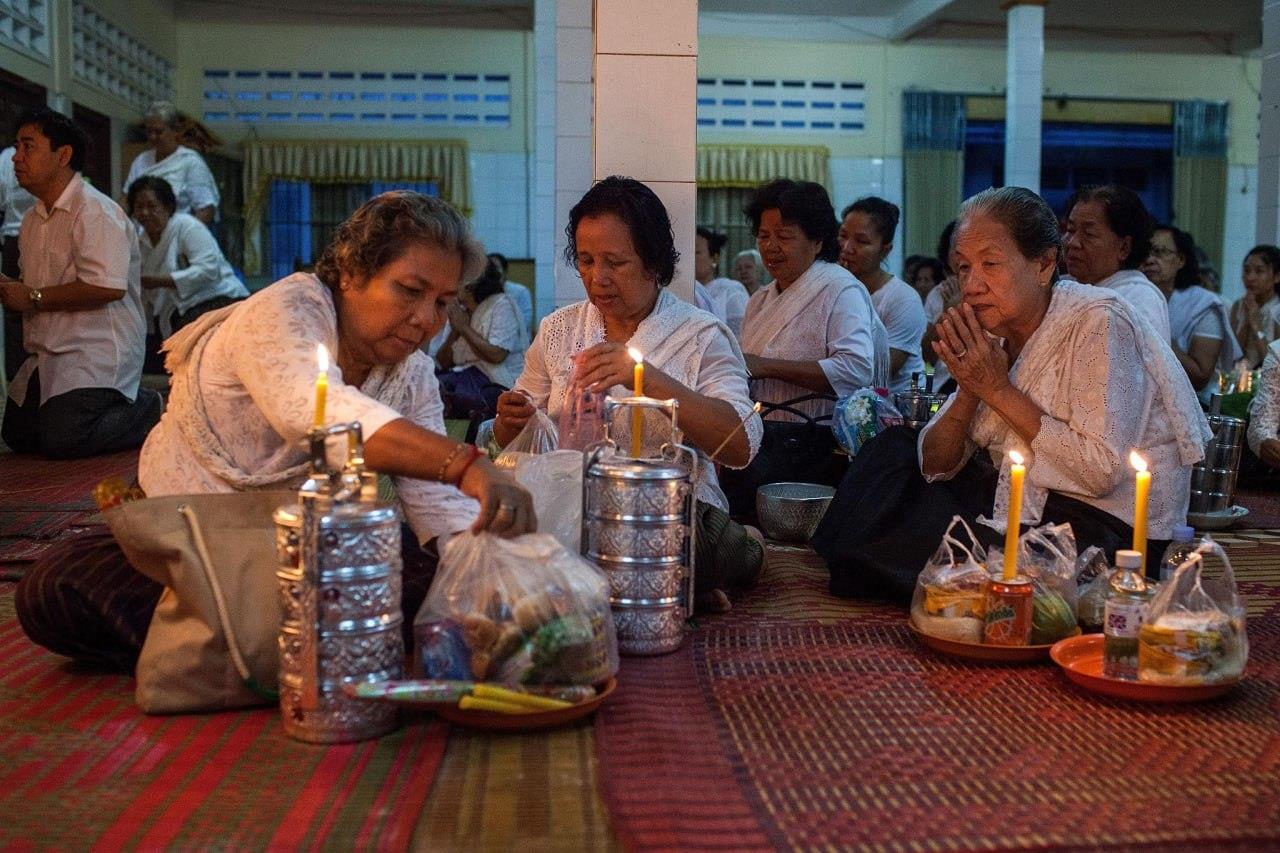
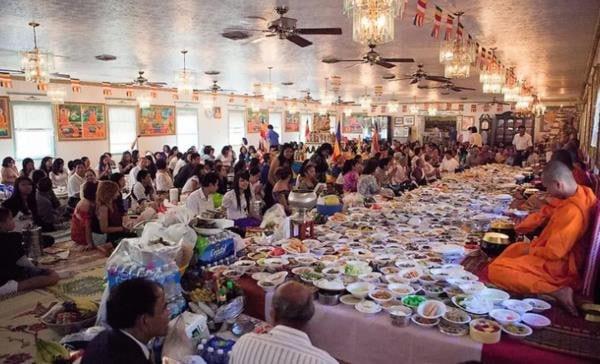
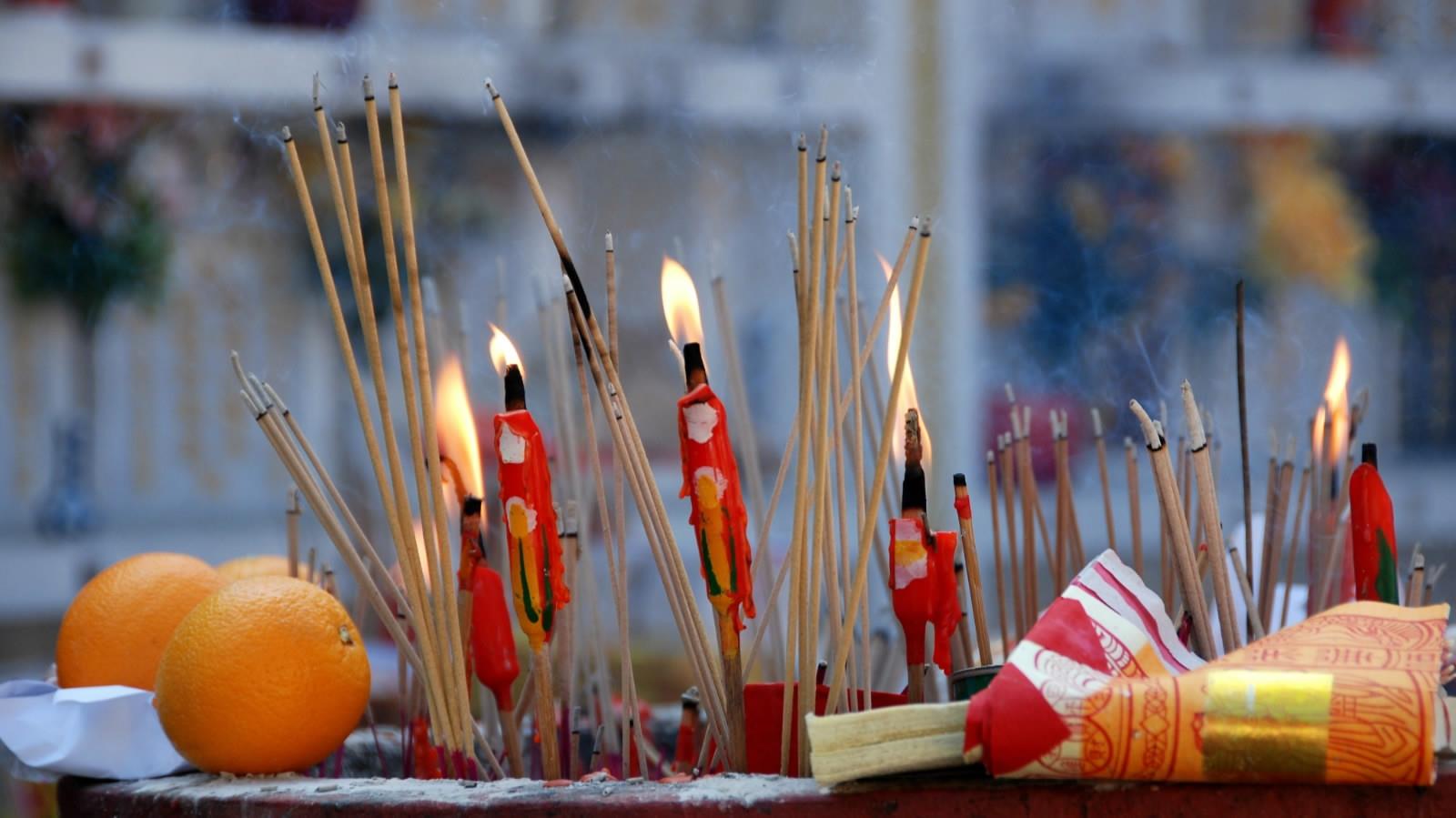
(Phnom Penh): Every year during Pchum Ben, Cambodians travel to pagodas, reunite with their families, make merit and dedicate blessings to deceased parents, grandparents and relatives.
Pchum Ben is one of Cambodia’s most important traditions, bringing together Buddhist beliefs, gratitude to ancestors and family reunions.
But is Cambodia the only country with a tradition of remembering and honoring its ancestors? Do other societies around the world have similar practices?
The answer is yes.
Across the world, many cultures have developed traditions for honoring the dead and remembering their ancestors. Their names, religious origins, beliefs and rituals may differ, but they share a fundamental idea: those who have died continue to hold a place in the memory of the living.
Cambodia: Pchum Ben — From Merit-Making to Khmer Identity
In Cambodia, Pchum Ben is more than a ceremony for remembering the dead. It brings together Buddhist faith, gratitude to ancestors, family bonds and Khmer cultural identity.
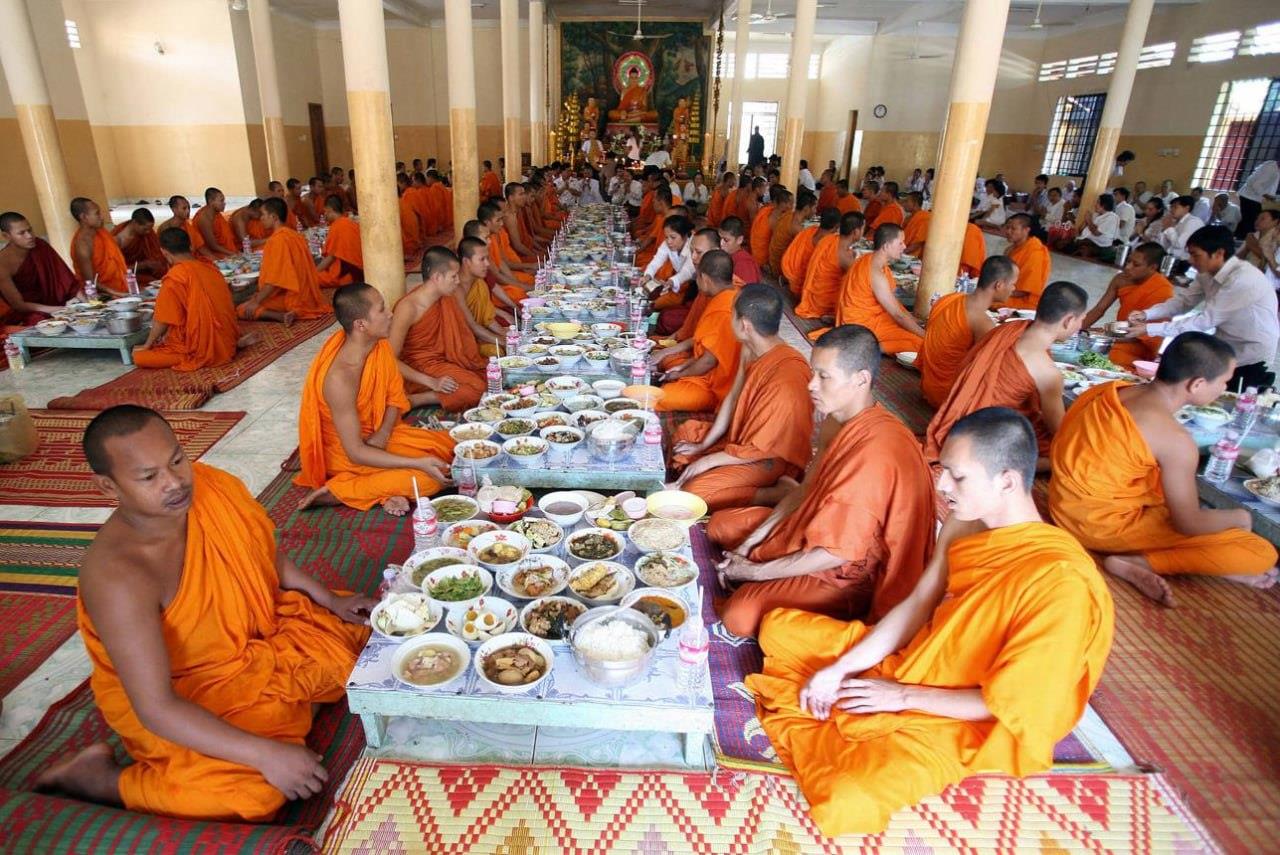
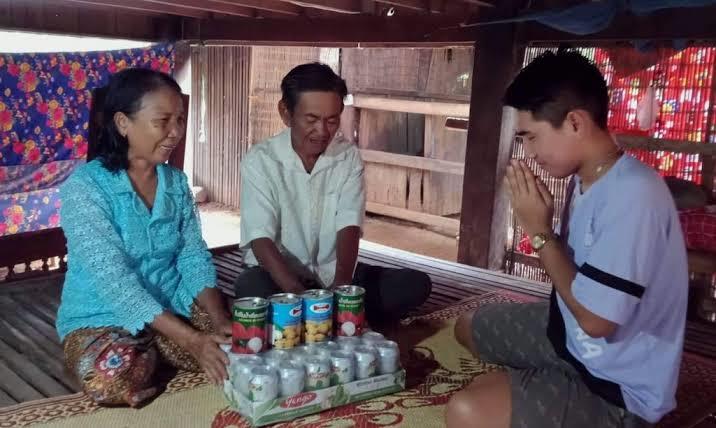
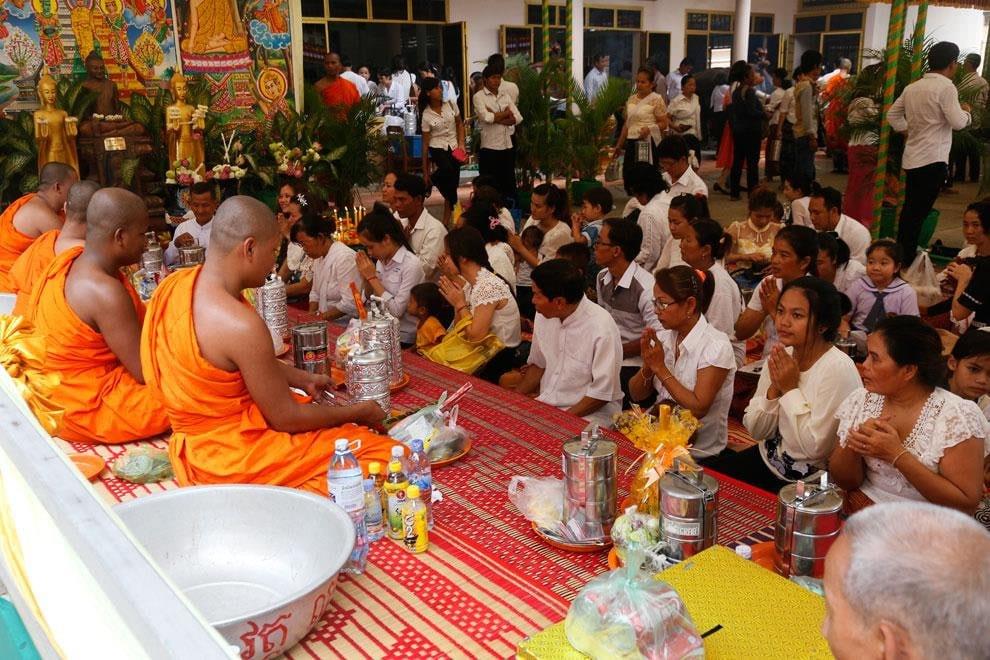
During the Kan Ben and Pchum Ben period, Cambodians visit pagodas with food and offerings for Buddhist monks, make merit and dedicate blessings to deceased parents, grandparents and relatives.
Through these practices, memories of the dead are preserved by the living and passed from one generation to the next.
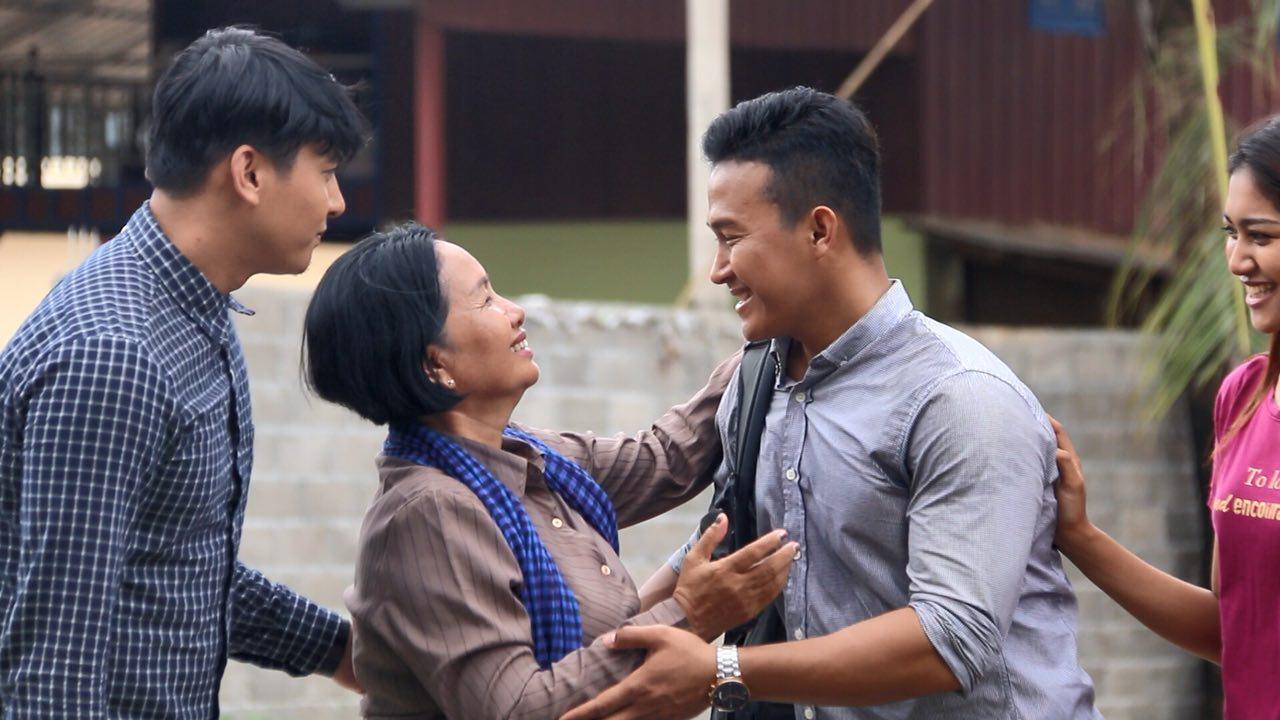
Pchum Ben also has an important social and family dimension. Cambodians living far from home often return to their hometowns to reunite with parents and relatives, while pagodas become places where religion, family and community come together.
In this sense, Pchum Ben connects the past with the present: ancestors are remembered by their descendants, while traditions are passed on to future generations.
Its cultural connection can be summarized as:
Buddhism → Merit-making → Ancestors → Family → Tradition → Khmer identity.
Japan: Obon — Returning Home and Remembering Ancestors
Japan has an ancestral tradition known as Obon, rooted in Buddhist and ancestral practices. In many parts of Japan, it is observed from August 13 to 16, although some regions celebrate it in July or at other times according to local traditions.
During Obon, many Japanese return to their hometowns, reunite with family members, clean ancestral graves, make offerings and remember deceased relatives.
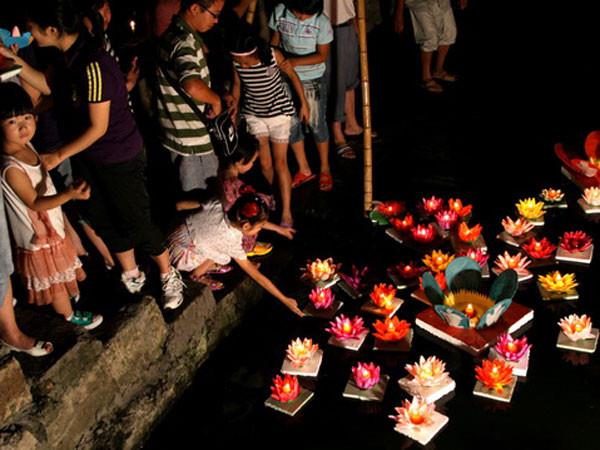
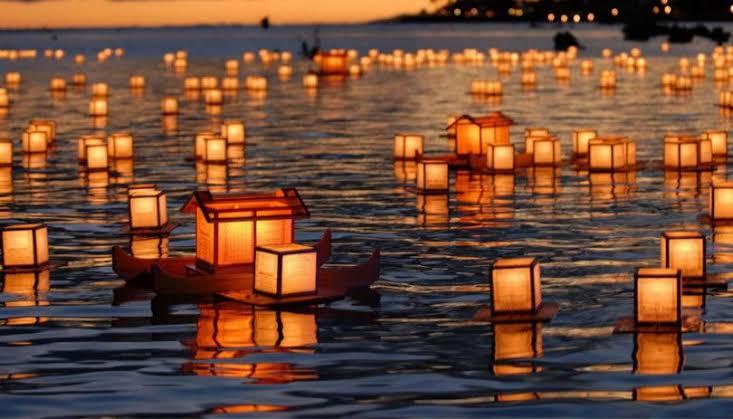
Traditionally, it is believed that ancestral spirits temporarily return to visit their families during Obon. In some communities, fires or lanterns are lit symbolically to welcome the spirits and later guide them on their departure. Bon Odori, a traditional dance, is another well-known feature of Obon celebrations.
But Obon is not only about the dead. It also brings the living together. People who have moved away return home to see parents and relatives.
In this sense, remembering those who have died also becomes an opportunity to strengthen relationships among those who are still living.
Although Obon and Pchum Ben differ in history, belief and ritual, they share several important elements: remembrance of ancestors, family reunion and the transmission of memory across generations.
China: Qingming and the Ghost Festival — From Ancestral Graves to Offerings
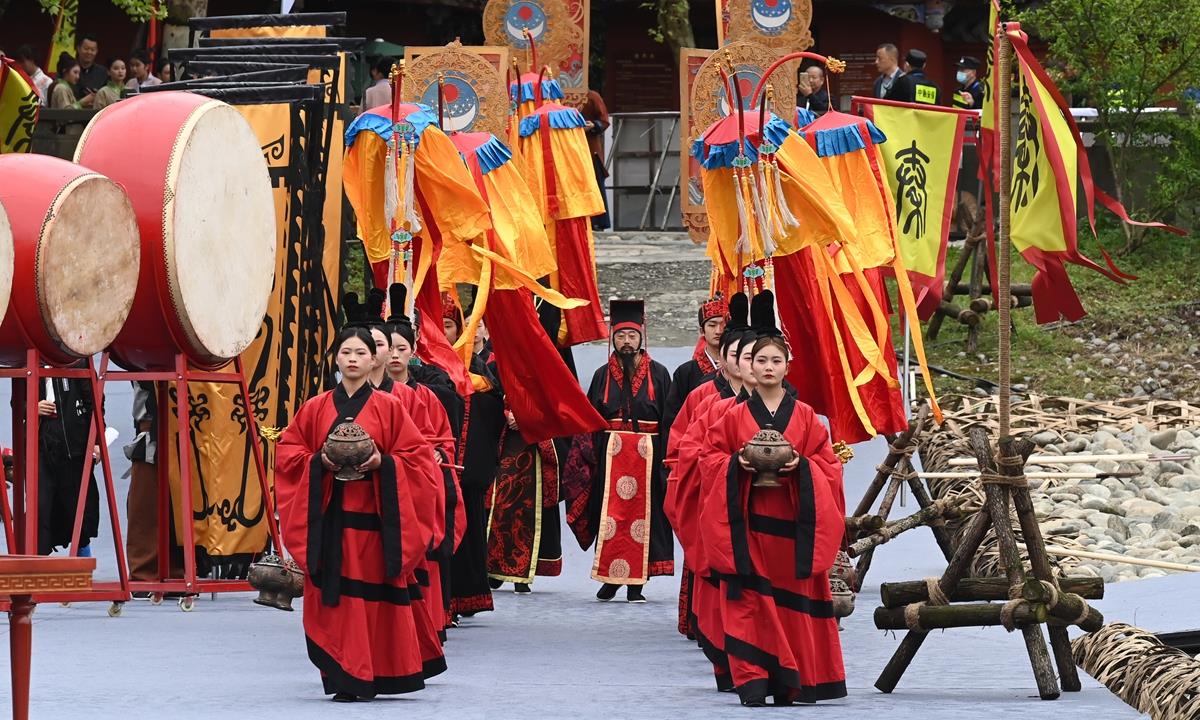
China has several long-established traditions for honoring ancestors. Among the best known are Qingming, or Tomb-Sweeping Day, and the Ghost Festival.
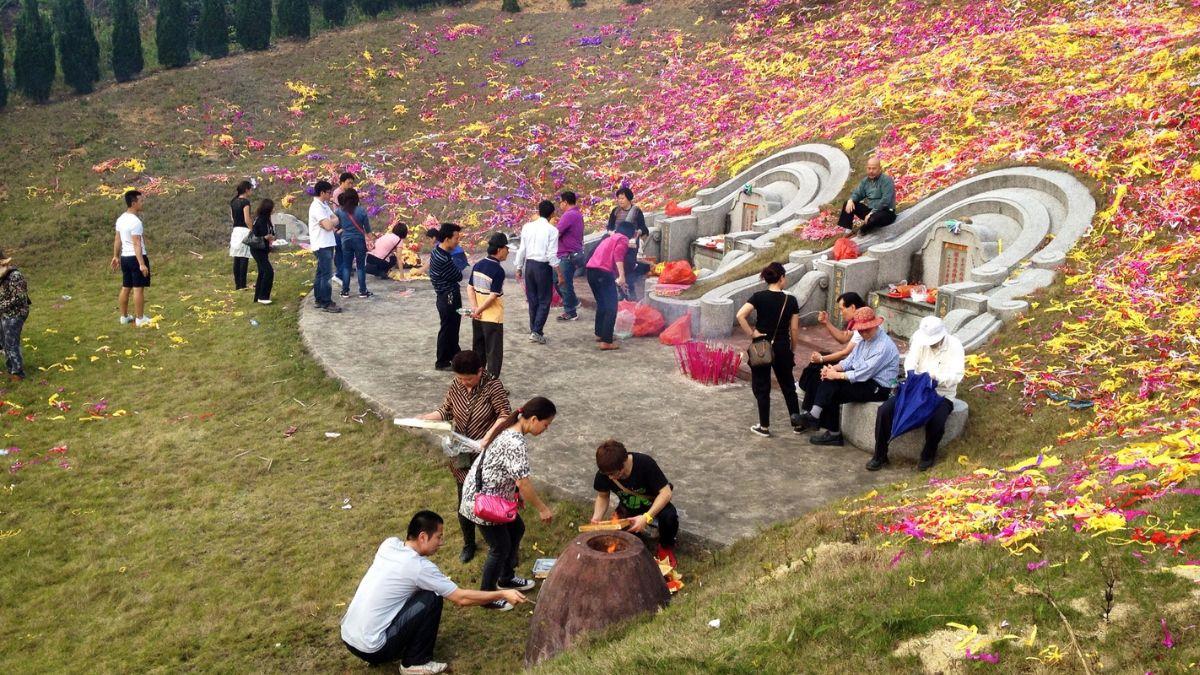
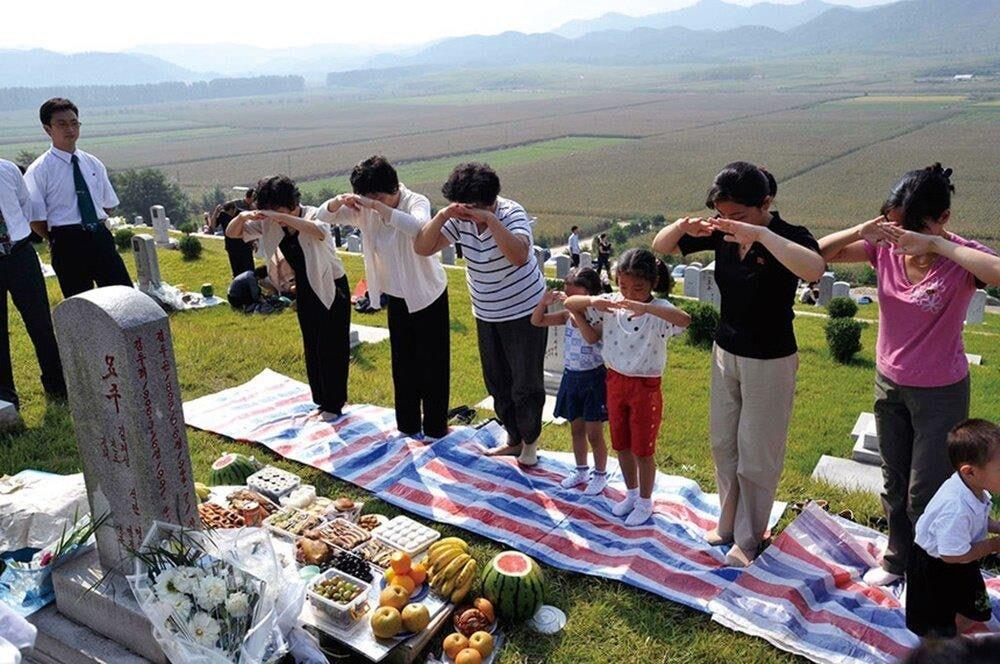
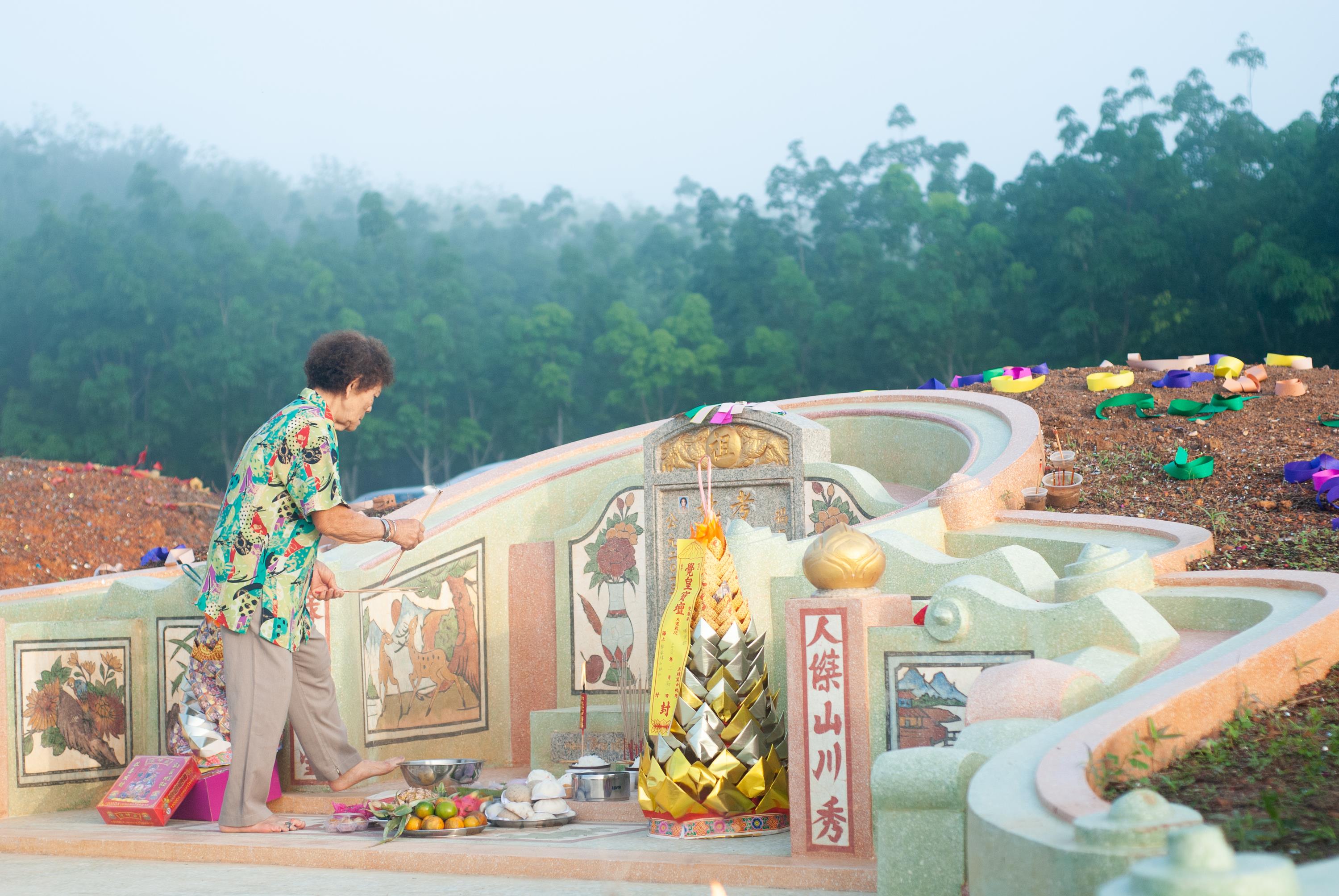
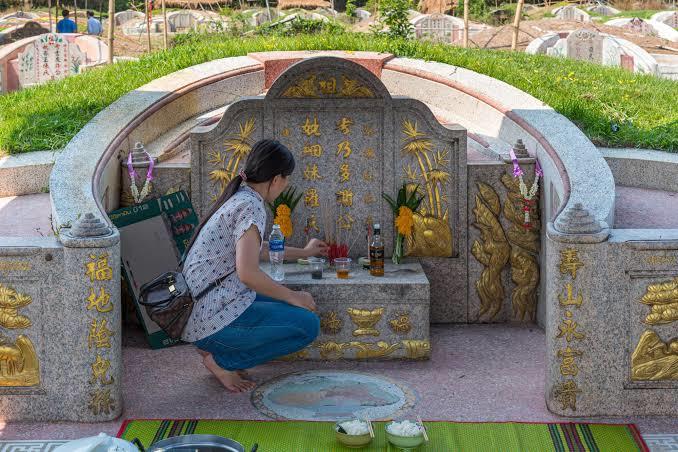
Qingming usually falls in early April. Families visit ancestral graves to clean burial sites, remove weeds, pay respects and make offerings that may include food, fruit and flowers.
The practice goes beyond maintaining a grave. By returning to the resting places of their ancestors, descendants symbolically reconnect the present-day family with its roots.
China’s Ghost Festival, traditionally associated with the 15th day of the seventh lunar month, has a different emphasis. According to traditional beliefs, spirits of the dead may enter the world of the living during this period. Some families and communities prepare food, burn incense and make offerings to honor ancestors and other spirits.
Some aspects of the Ghost Festival may remind Cambodians of Pchum Ben, particularly the offerings and beliefs concerning the deceased. But the two should not be regarded as identical: their religious origins, meanings and practices differ.
What they share is the idea that the dead remain part of the living family’s memory.
Vietnam: Vu Lan — Gratitude to Parents and Merit for Ancestors
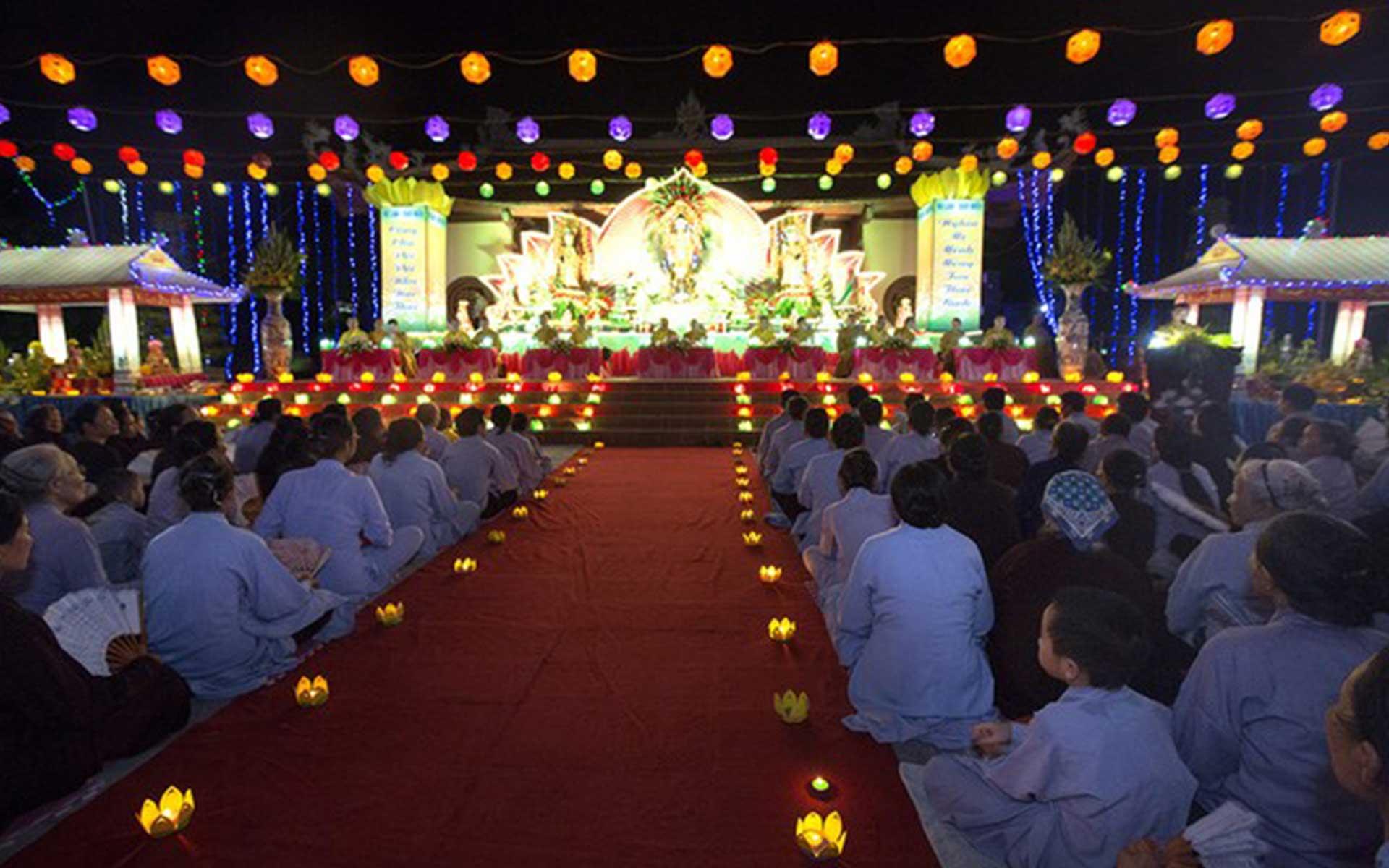
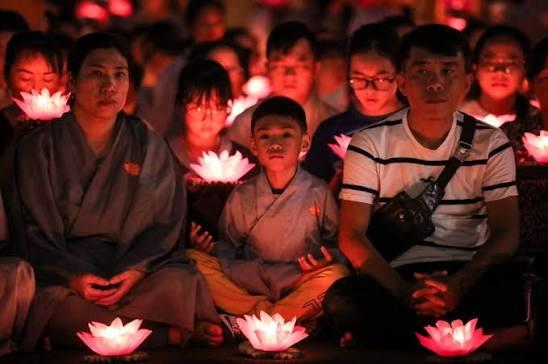
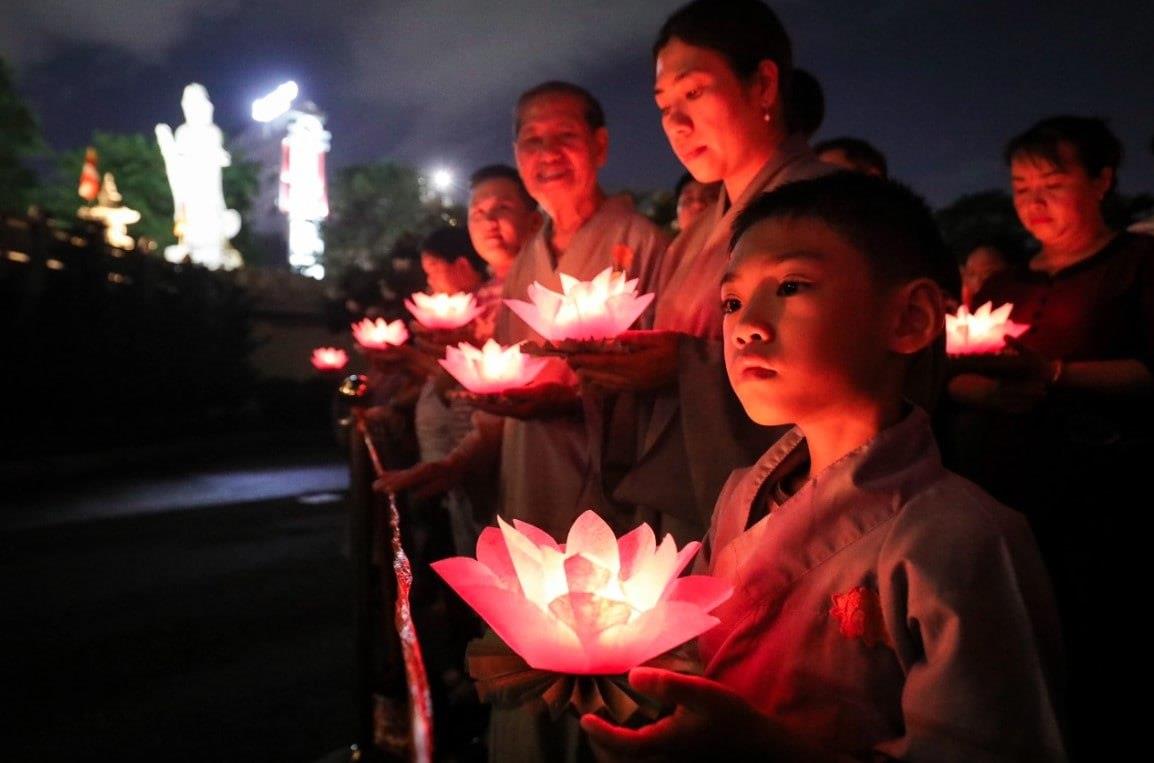
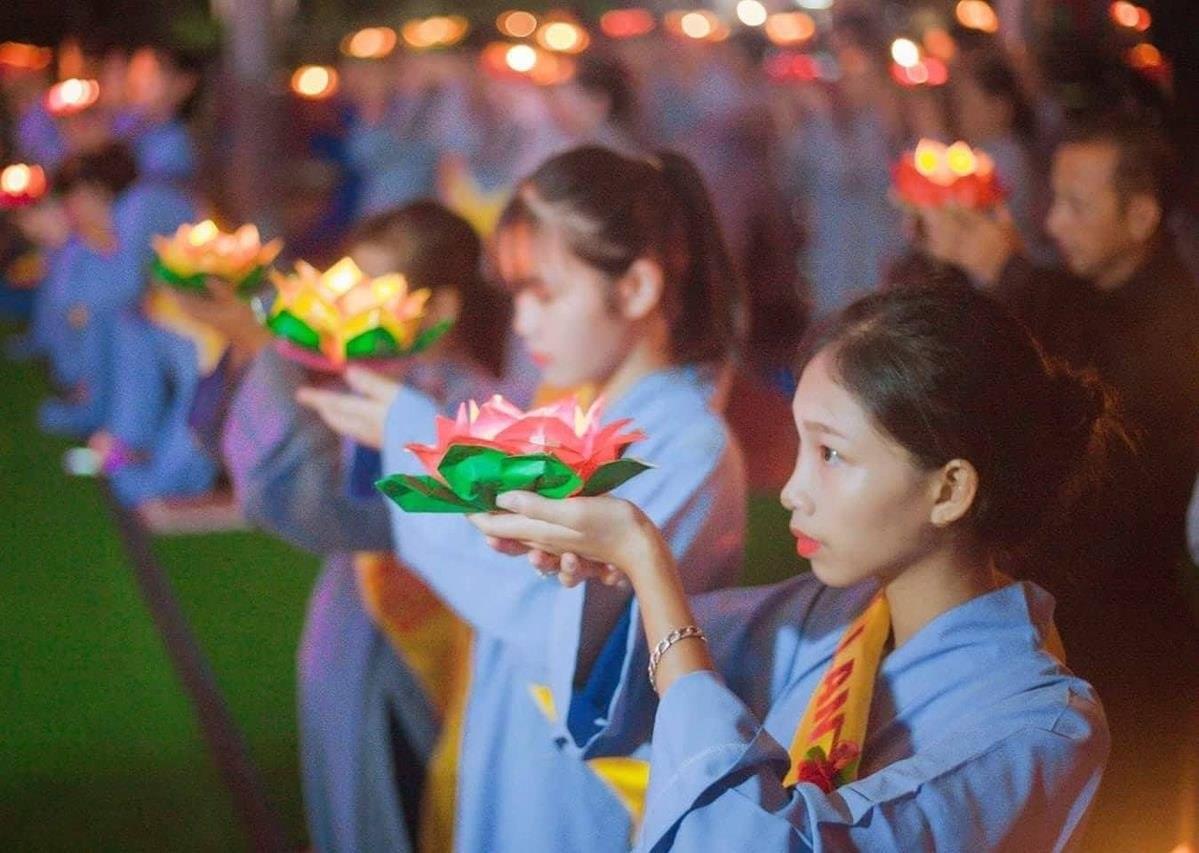
Vietnam’s Vu Lan Festival is closely associated with Buddhism, filial gratitude and remembrance of parents and ancestors. It is traditionally observed on the 15th day of the seventh lunar month, usually falling in August or September.
Vu Lan is associated with the Buddhist story of Maudgalyayana, known in the Mahayana tradition as one of the Buddha’s prominent disciples. According to the traditional account, he sought to help his deceased mother, who was suffering after death, through merit-making and the support of the monastic community.
The story became a powerful symbol of filial gratitude and the duty to repay the kindness of one’s parents.
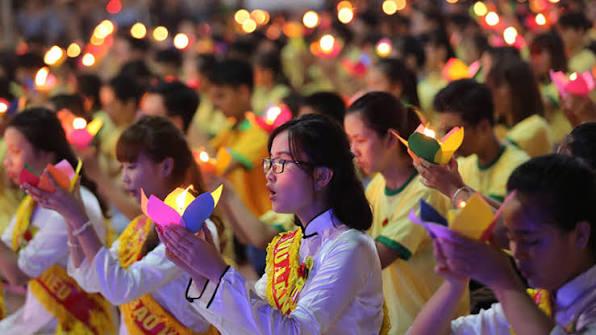
During Vu Lan, many Vietnamese visit temples, make offerings and dedicate merit to deceased parents and ancestors. But the festival is not concerned only with those who have died. It also reminds people to express love and gratitude to parents who are still alive.
One widely recognized Vu Lan tradition is the wearing of roses. A red rose is generally associated with the joy of having a living parent, while a white rose commemorates a parent who has died.
The symbolism raises a simple but powerful question: What have we done to repay our parents’ love while they are still with us?
Vu Lan and Pchum Ben share connections with Buddhism, merit-making and remembrance of the deceased. Yet their histories and practices differ, with Vu Lan placing particularly strong emphasis on filial gratitude toward parents, both living and deceased.
South Korea: Chuseok — From Harvest Gratitude to Ancestral Respect
In South Korea, Chuseok is one of the country’s major traditional holidays, bringing together family reunions, gratitude for the harvest and respect for ancestors.
Observed on the 15th day of the eighth lunar month, around the full moon, Chuseok usually falls in September or October.
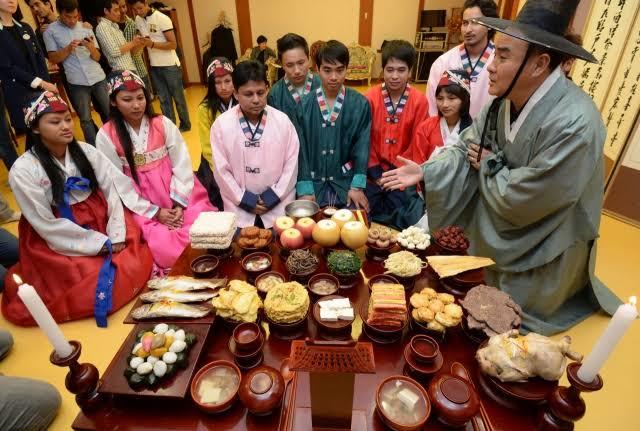
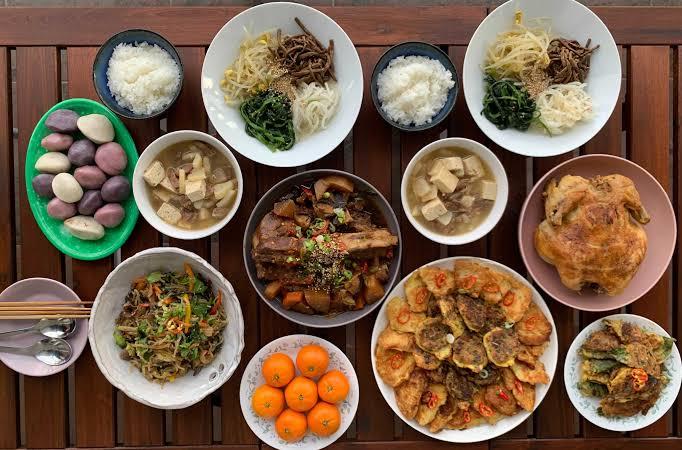
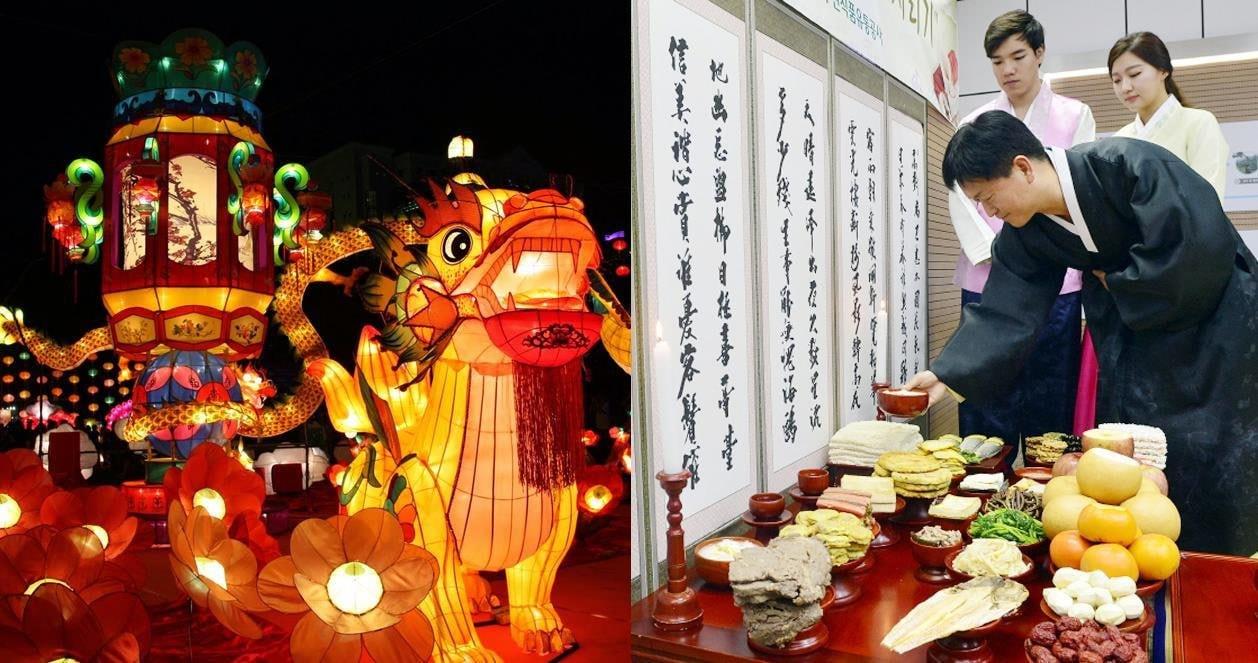
Millions of Koreans traditionally travel to their hometowns to reunite with parents and relatives. Some families perform an ancestral memorial rite known as Charye, preparing food and paying respects according to family traditions. Many also visit and maintain ancestral graves.
One of Chuseok’s best-known foods is Songpyeon, a half-moon-shaped rice cake with various fillings. Preparing and sharing the food within families also helps transmit tradition from one generation to another.
Chuseok differs significantly from Cambodia’s Pchum Ben. Pchum Ben is closely associated with Buddhism, merit-making and dedicating merit to the deceased, while Chuseok has strong connections to the harvest, family and ancestral traditions.
Yet they share a striking feature: people leave the cities or their places of work and return home to reunite with family and remember those who came before them.
In that sense, returning home is not merely a geographical journey; it is also a return to the family’s roots.
Mexico: Día de los Muertos — Keeping the Dead Alive in Family Memory
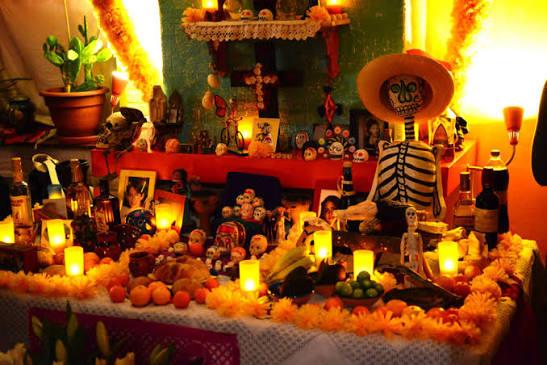
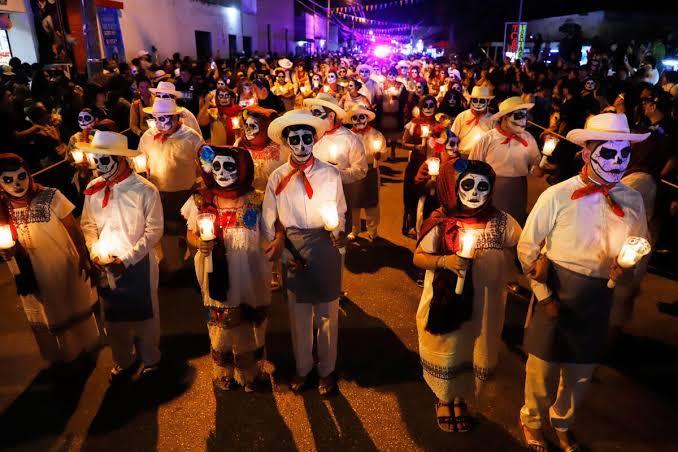
On the other side of the world, Mexico observes the famous Día de los Muertos — Day of the Dead, generally celebrated on November 1 and 2.
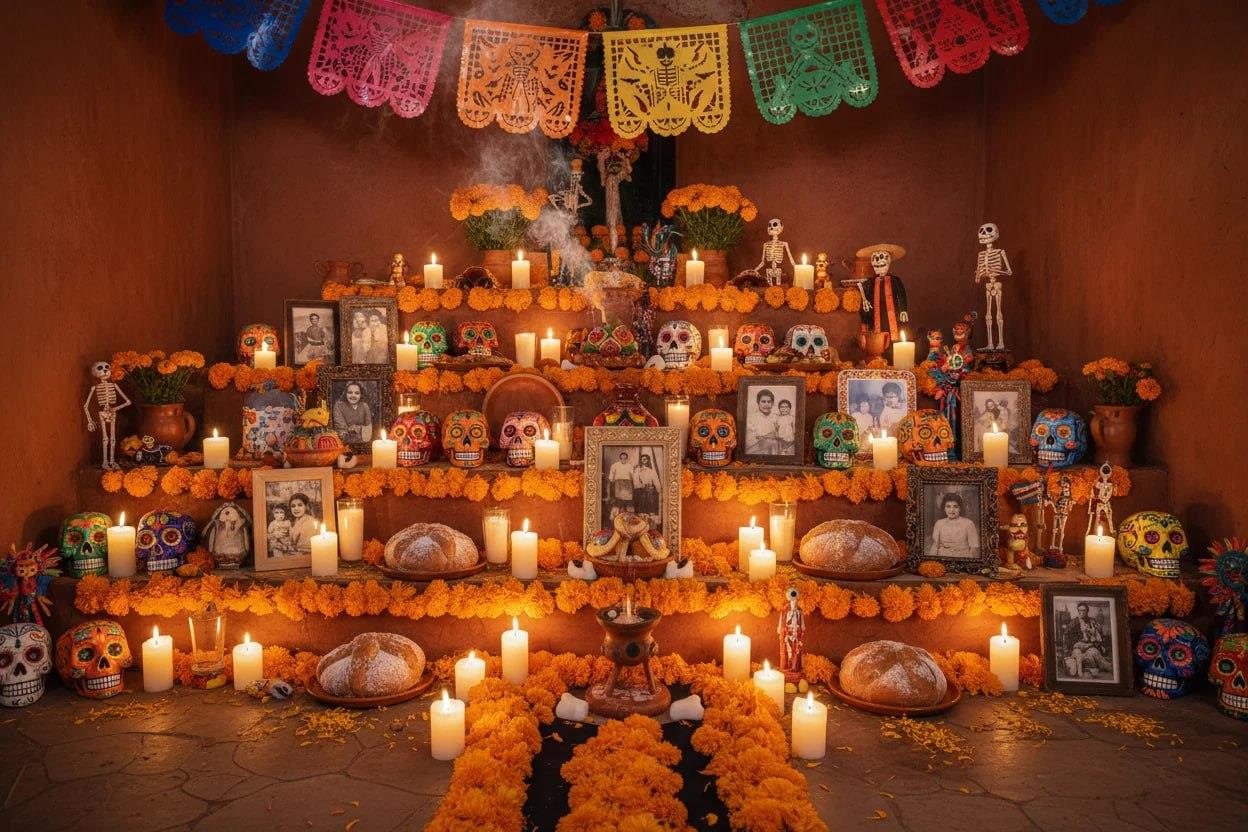
Families create memorial altars known as ofrendas, displaying photographs of deceased relatives along with candles, flowers, food, drinks and objects they enjoyed during their lives. Some families also visit, clean and decorate graves.
Orange marigolds, colorful skull imagery and candles have become internationally recognizable symbols of the celebration.
Despite its imagery of skulls and death, Día de los Muertos is not simply about fear or mourning. For many families, it is a time to celebrate the lives of those who have died and keep their memory present within the family.
Its history, religious background and rituals differ greatly from Pchum Ben. Yet both traditions create a special moment when the living turn their attention toward the dead through remembrance, offerings and family.
Separated by thousands of kilometers and shaped by very different histories, Cambodia’s Pchum Ben and Mexico’s Día de los Muertos nevertheless reveal a shared human impulse:
A person may lose their life, but they do not have to disappear from the memory of those who love them.
Conclusion: What Makes Pchum Ben Distinctively Cambodian?
The existence of ancestral festivals in other countries does not diminish the Khmer identity of Pchum Ben. Its distinctive character lies in the way it brings together Buddhism, merit-making, dedication of merit to the deceased, ancestors, pagodas and family reunions within one Cambodian tradition.
From Obon in Japan to Día de los Muertos in Mexico, the rituals differ widely. But beneath those differences lies a common human desire: to keep those who have died alive in the memory of the living.
That is one thread connecting civilizations across the world:
We remember the generations that came before us — and pass those memories on to the generations that follow.