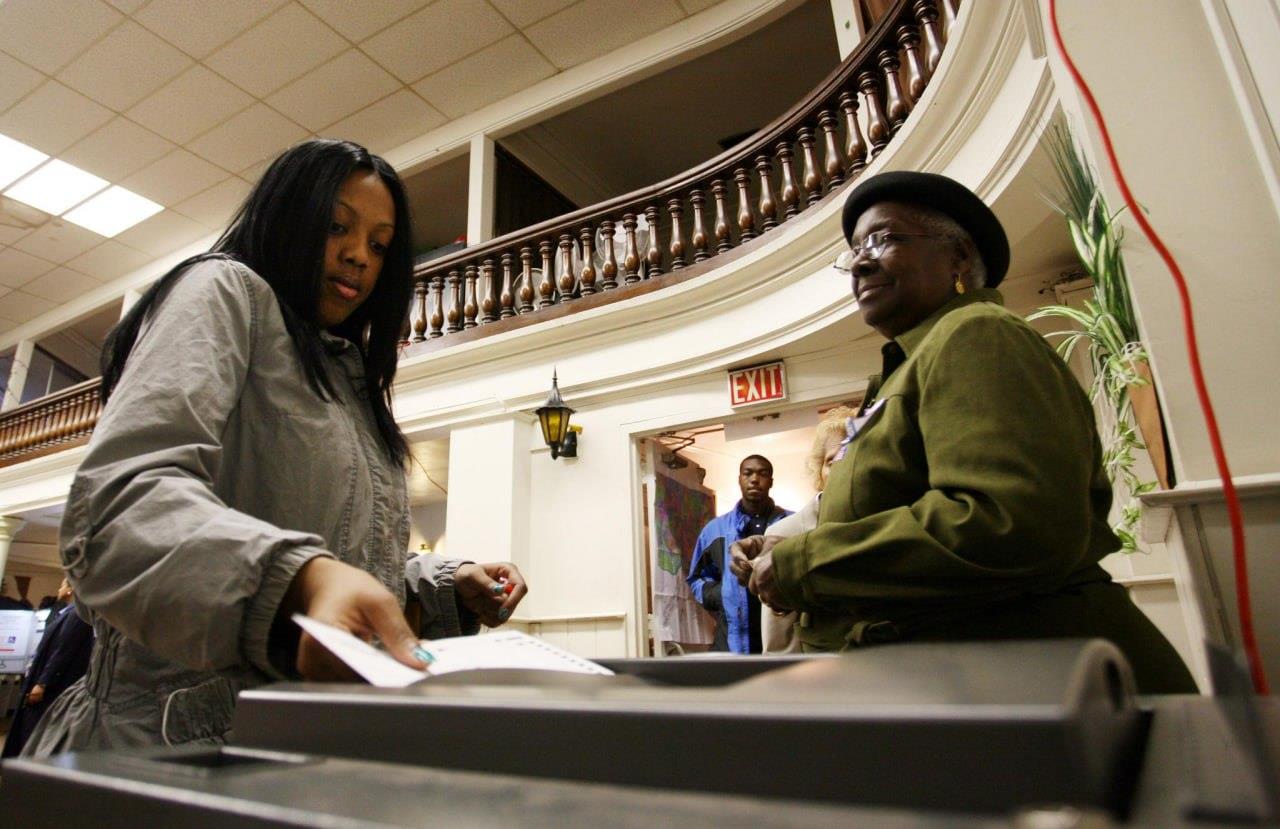
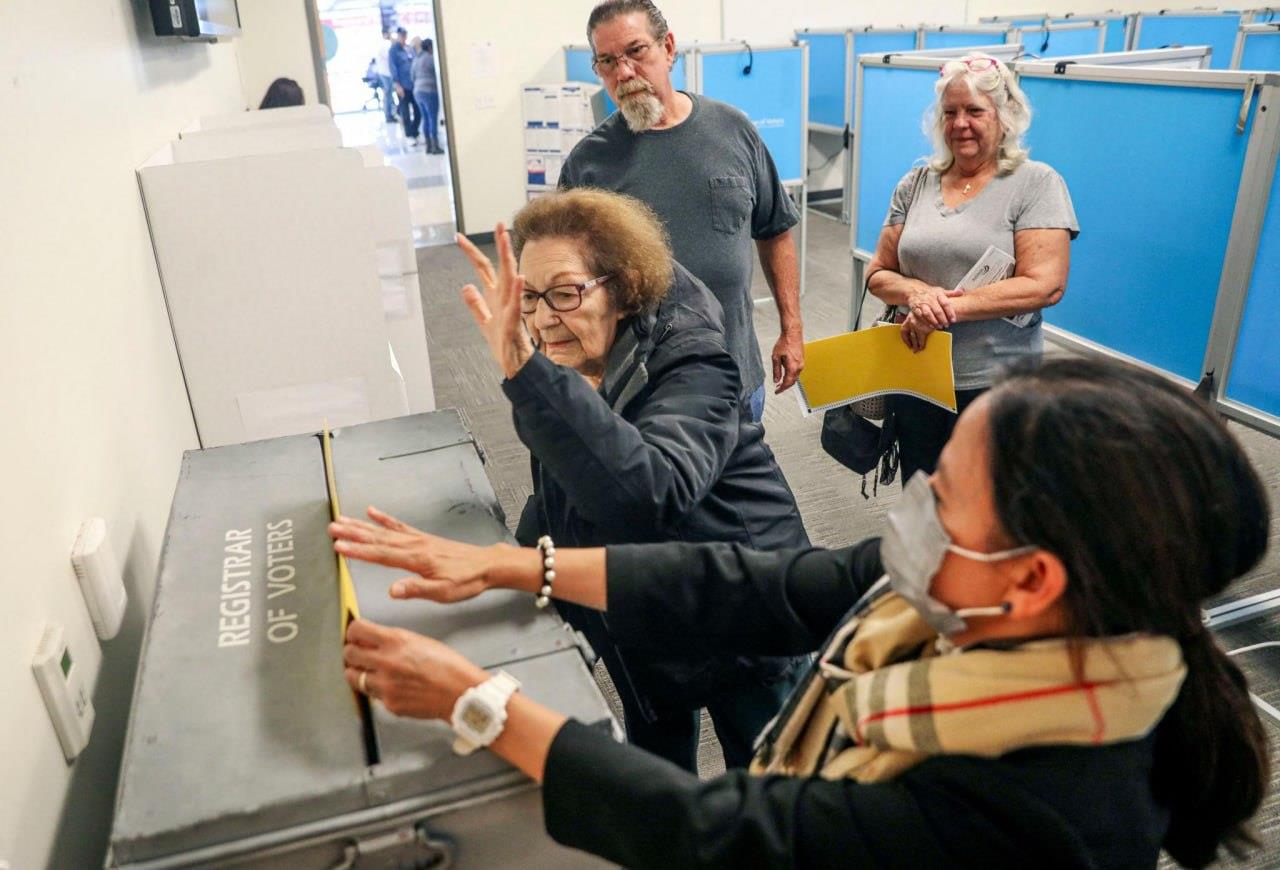
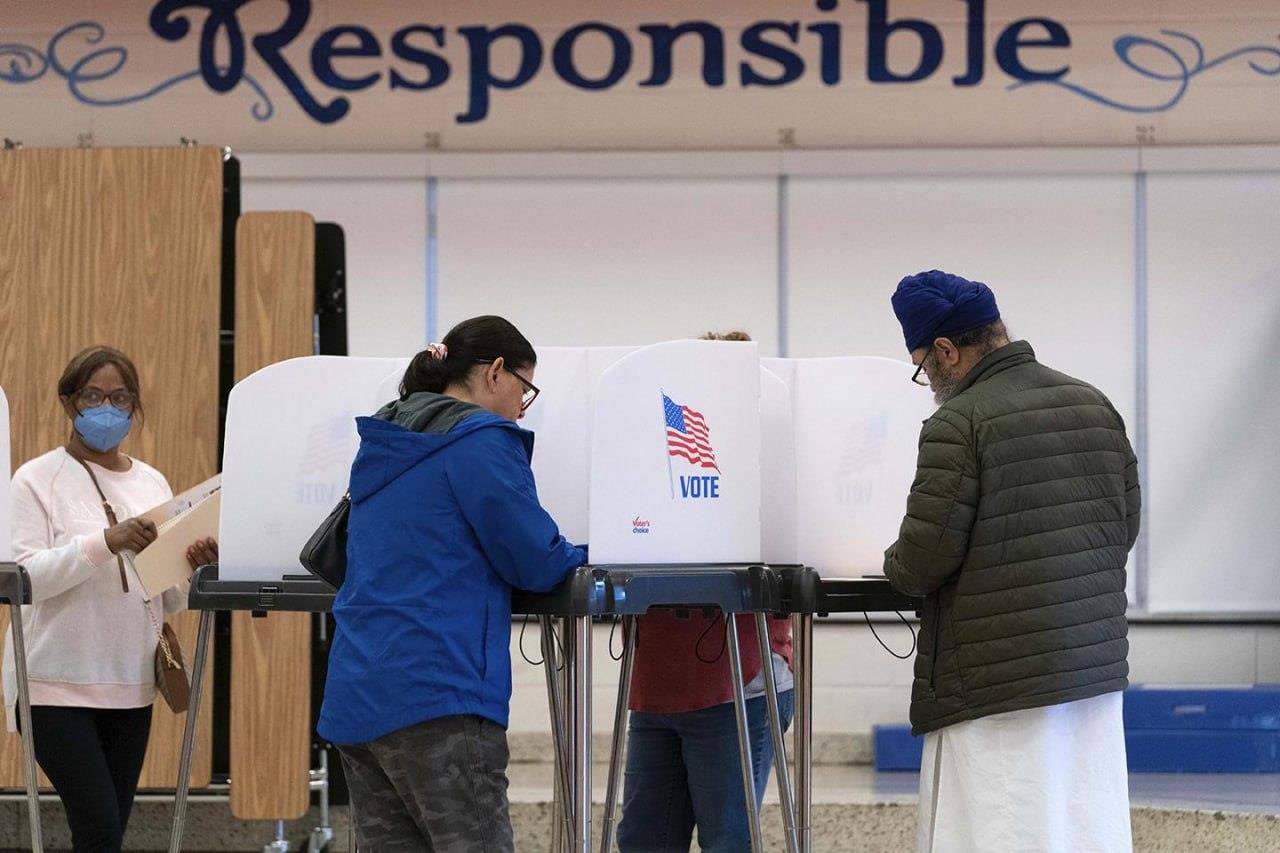
(Phnom Penh): With less than two months to go before the U.S. midterm elections, Republicans face a high-stakes battle to retain control of Congress, while President Donald Trump confronts declining approval ratings, public frustration over the cost of living, and political pressure stemming from the war with Iran.
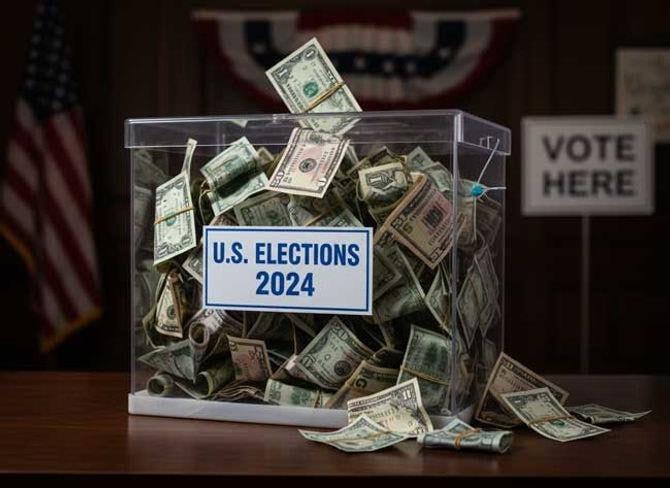
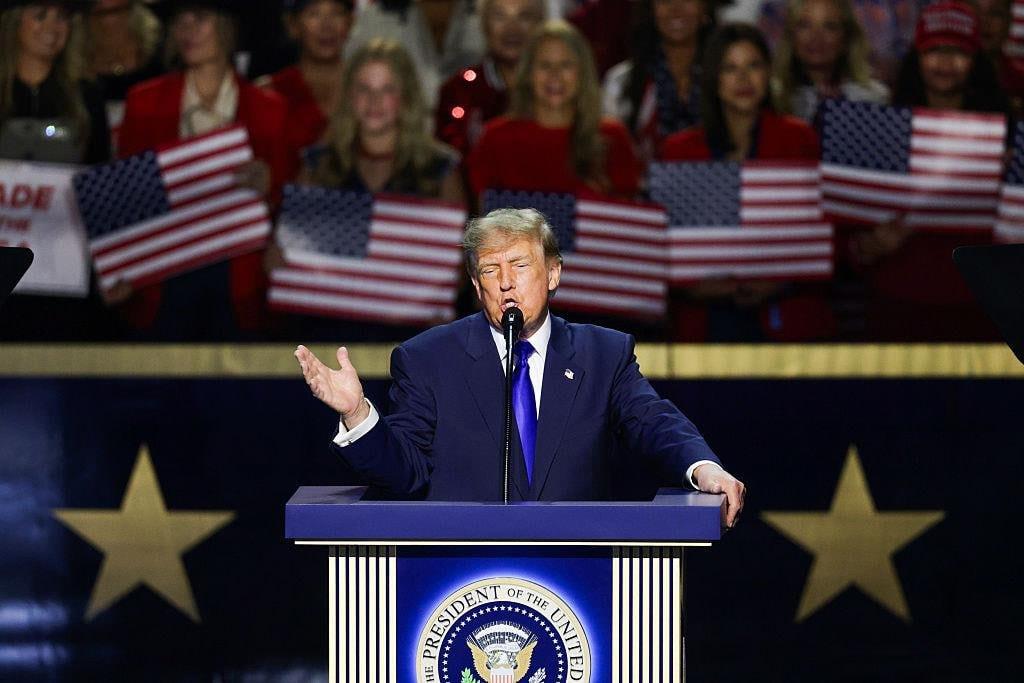
Against this backdrop, Trump has promised to give $5,000 to every American adult if Republicans retain control of both the House of Representatives and the Senate.
Trump calls the proposed payment a “Trump Dividend,” comparing it to the way a successful company distributes profits to its shareholders.
But the pledge raises a larger question: Why has Trump chosen to promise Americans $5,000 at a moment when Republican control of Congress is at stake?
Trump’s Strategy: Turn a Congressional Vote Into a Vote for Trump
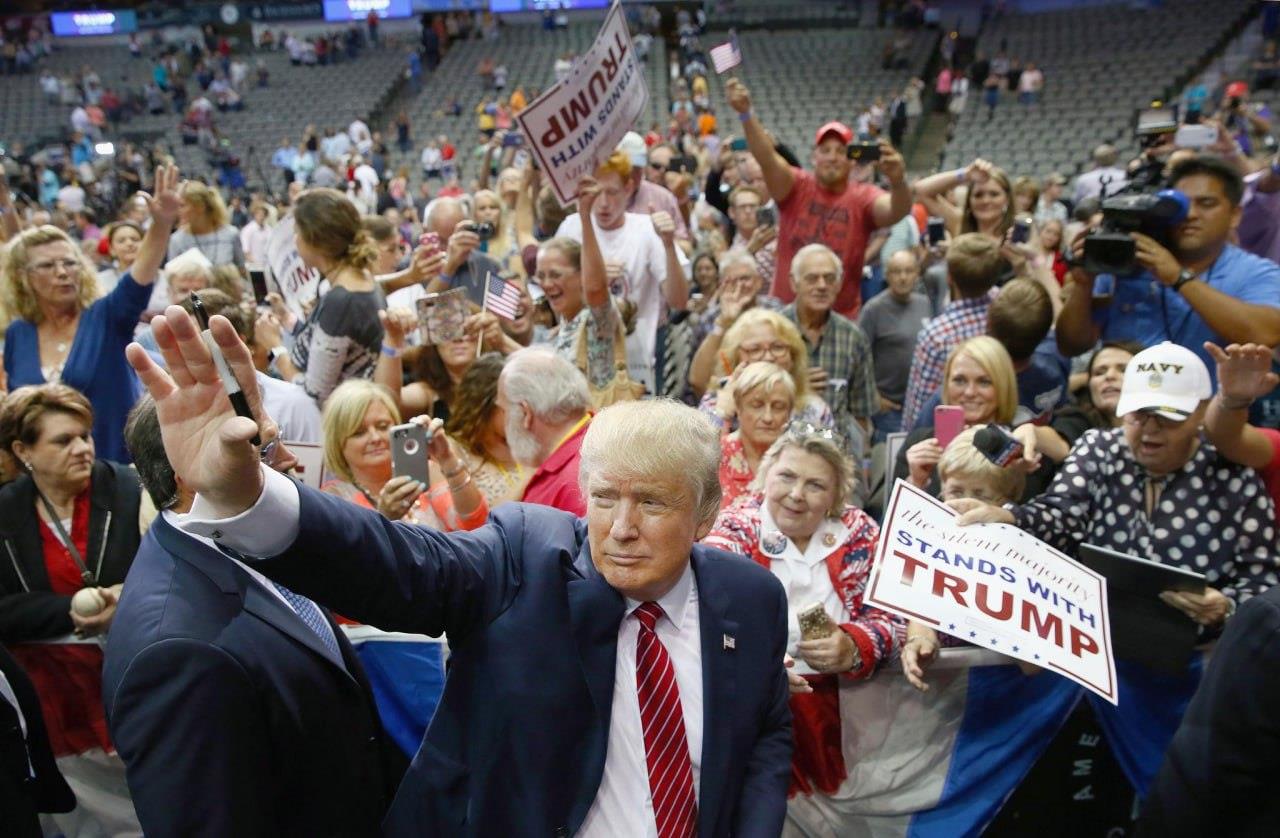
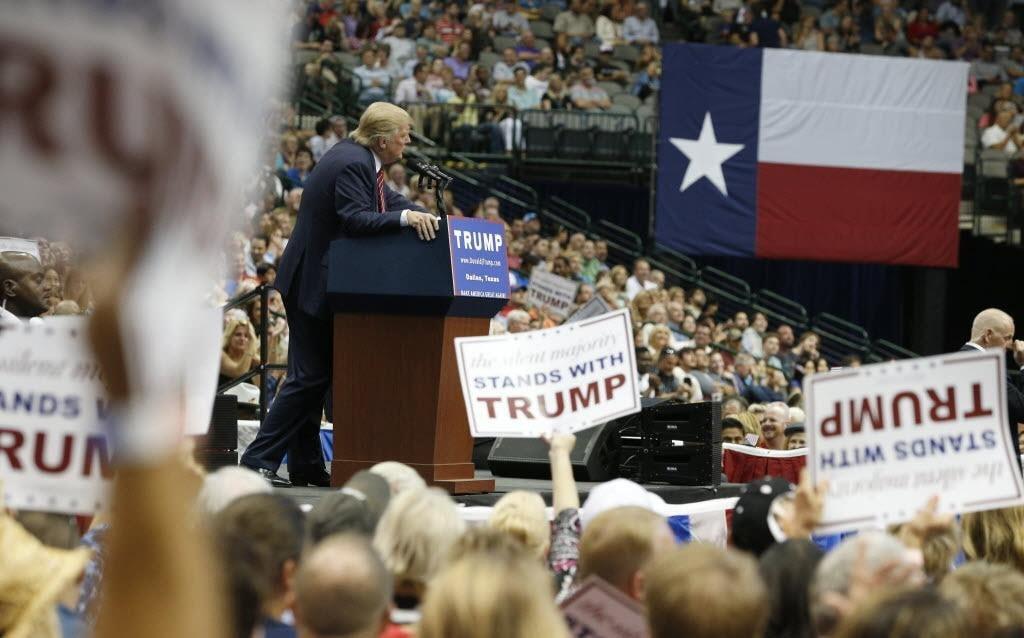
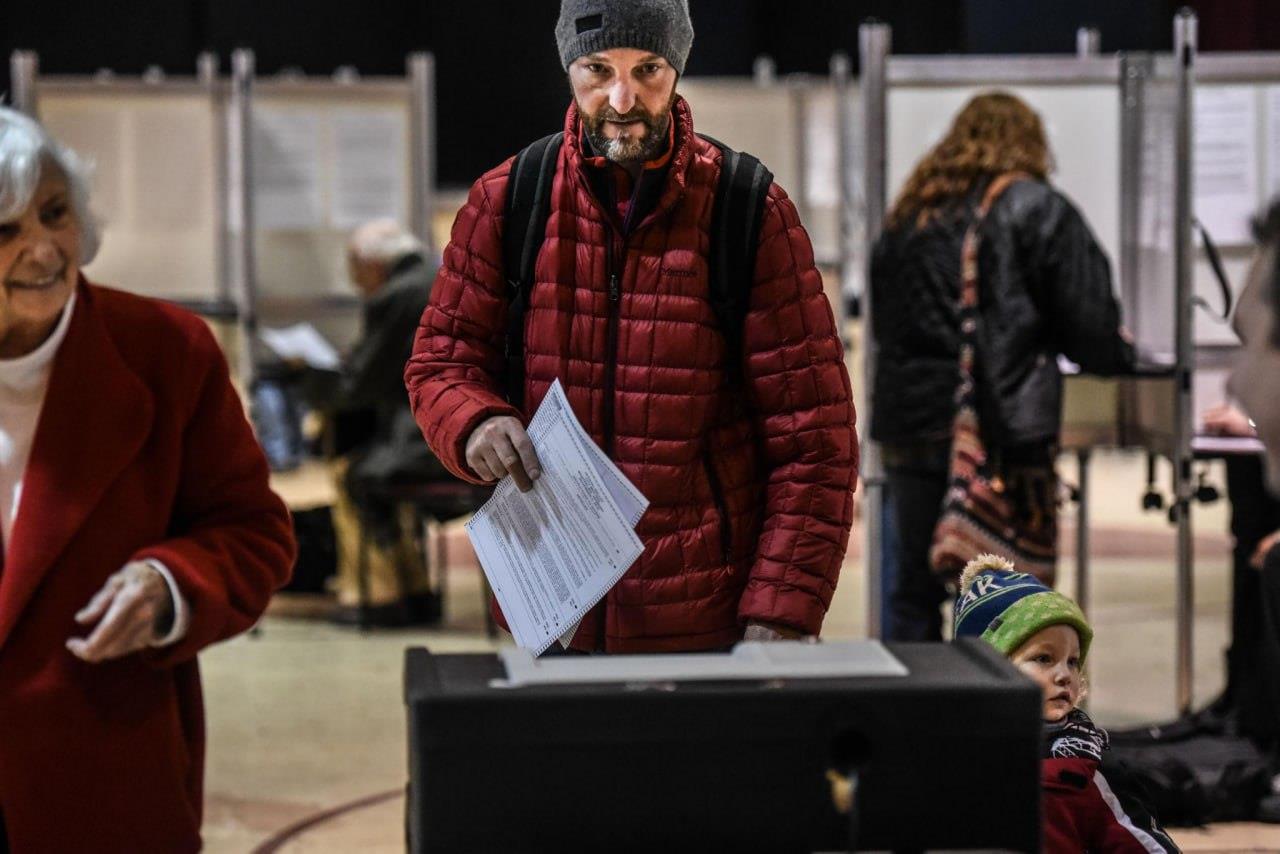
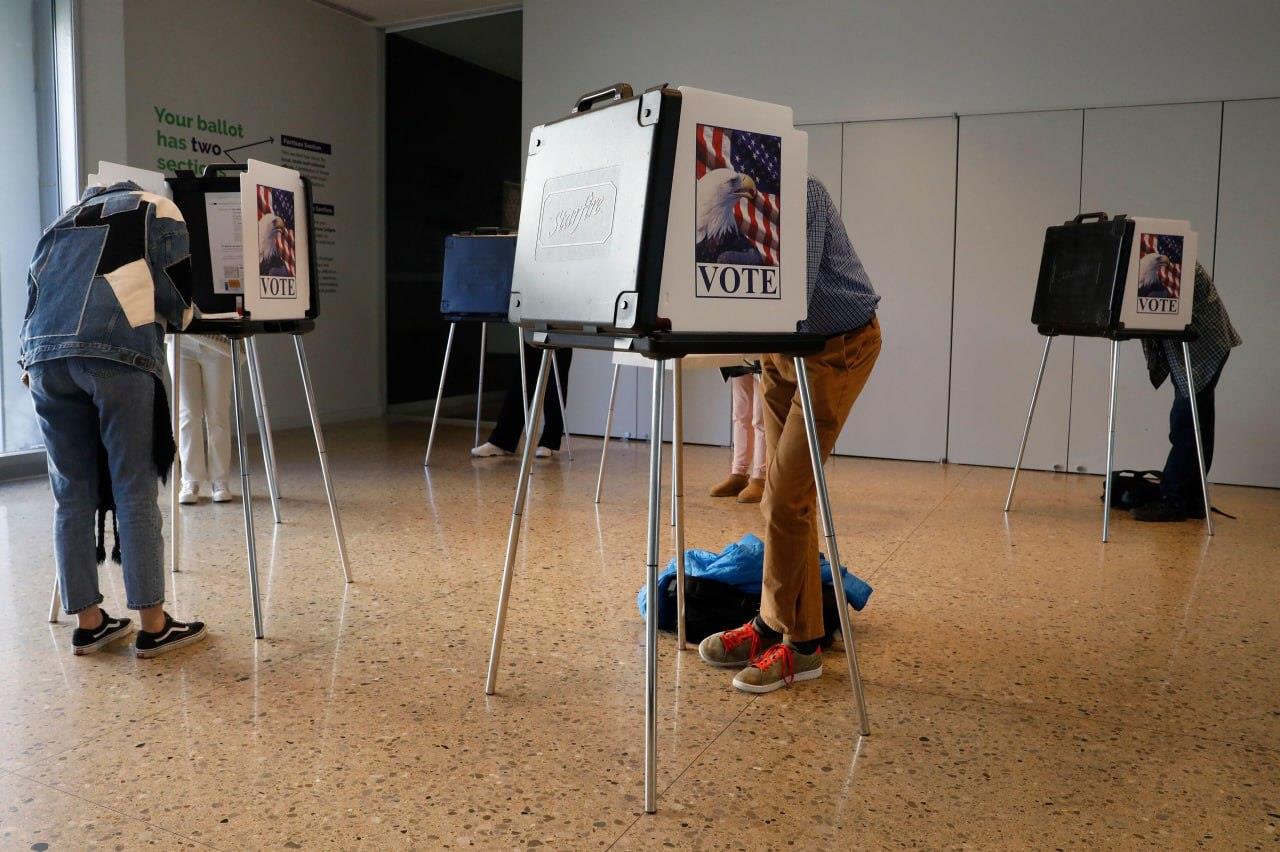
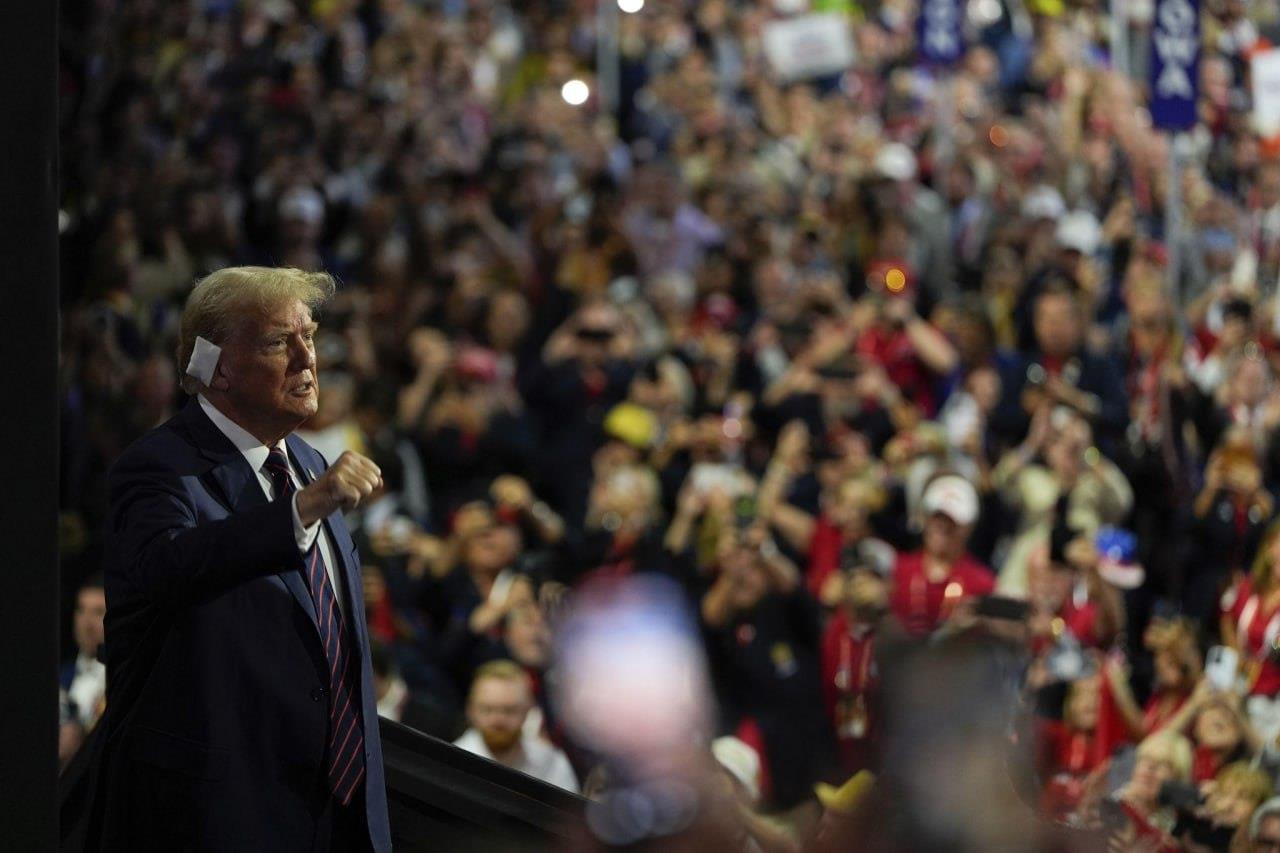
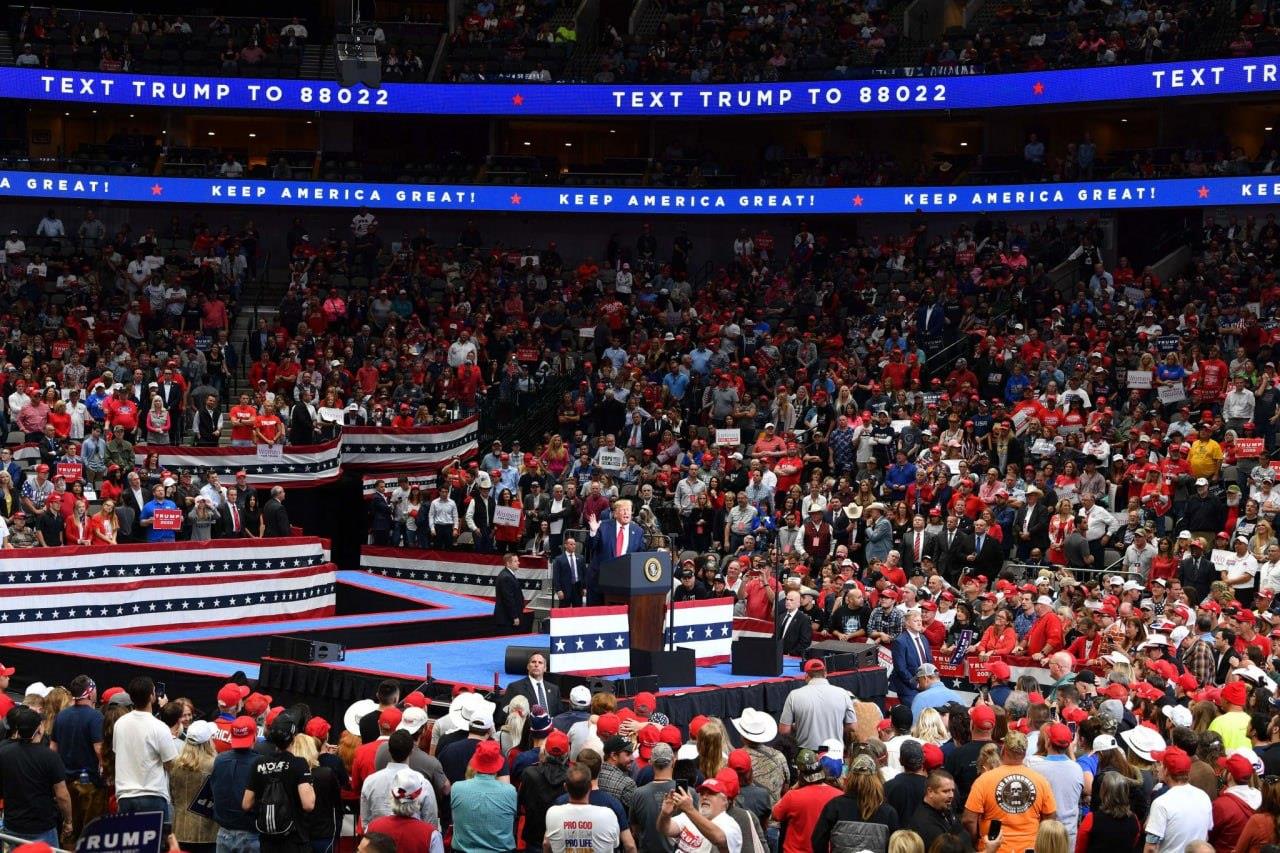
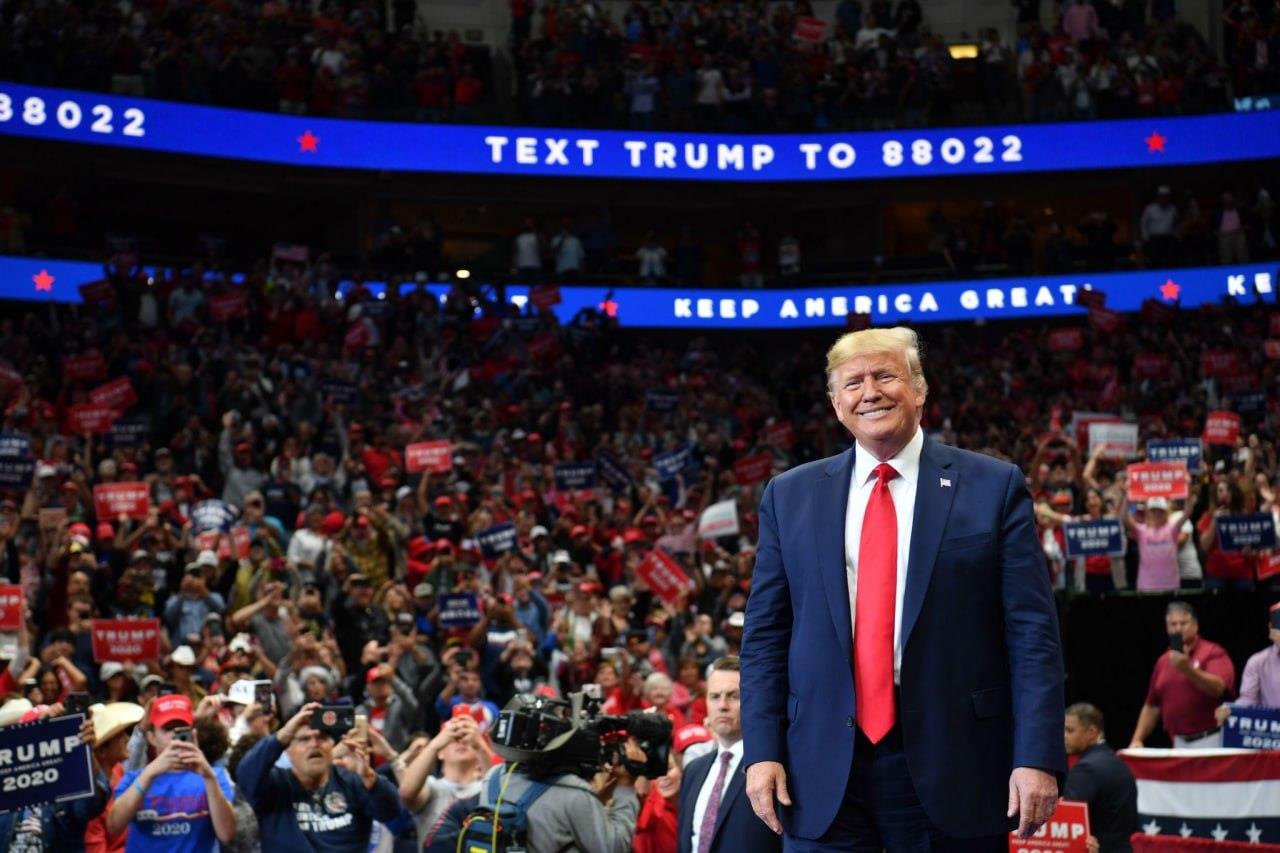
Donald Trump’s name will not appear on the ballot on November 3. These are midterm elections in which Americans will elect members of Congress. Yet Trump has urged supporters in Dallas to approach the election as though he himself were on the ballot.
The reason is straightforward. If Republicans lose control of either the House or the Senate, advancing Trump’s political agenda during the final two years of his term could become significantly more difficult. A chamber controlled by Democrats could block major elements of his legislative agenda and intensify congressional scrutiny of his administration.
Trump also faces another political challenge: some voters who turned out to support him in a presidential election may not necessarily participate at the same level when his name is absent from the ballot.
He therefore has a strong incentive to transform a congressional election into one in which his supporters feel that Trump’s own political future is also at stake.
Within that strategy, the $5,000 pledge could play an important role. It effectively connects Republican victory, Trump’s political fortunes, and the direct financial interests of voters into a single political proposition.
Shifting the Debate From the “Cost of Living” to “Money in Your Pocket”
Trump’s pledge comes as economic concerns — particularly the cost of living — remain a major issue for American voters. The war with Iran has added pressure to energy and gasoline prices, giving household finances even greater political significance ahead of the election.
The difficulty for Republicans is that when voters ask, “Why is my cost of living still so high?” explanations involving inflation, energy markets, interest rates, fiscal policy and global economic conditions can quickly become complicated.
A promise of $5,000, by contrast, delivers a message that is immediate, concrete and easy to understand: If Republicans retain the House and Senate → I could receive $5,000.
In political terms, Trump is attempting to shift the conversation away from “Why is life still so expensive?” toward “What will I receive if Republicans win?”
It turns a complex macroeconomic debate into a tangible financial benefit that voters can immediately understand and calculate.
Put simply, Trump is responding to the politics of the “cost of living” with the promise of “money in your pocket.”
Why $5,000?
Trump has not provided a detailed explanation for why he selected $5,000. It therefore remains unclear whether the figure emerged from a specific economic or budgetary calculation.
Politically, however, the number is large enough to command attention.
For an individual, $5,000 could help cover rent or mortgage payments, debt, groceries, gasoline or other household expenses. For a household with two eligible adults, the payment could amount to $10,000.
But a figure that appears manageable — and potentially significant — at the household level becomes enormous when multiplied across the country.
If roughly 270 million adults were eligible and each received $5,000, the gross cost would be approximately $1.35 trillion.
That illustrates the central tension in Trump’s proposal: $5,000 could represent a substantial benefit to one household, but $1.35 trillion could represent an enormous fiscal burden for one government.
So the question “Why $5,000?” remains unanswered by Trump.
What is clear is that the figure is large enough for voters to see an immediate personal benefit — while also being large enough to raise another fundamental question: Where would the government find more than $1 trillion to pay for it?
The Politics of the “Dividend”: Changing How Americans View the $5,000
Trump has not described the proposed $5,000 payment as welfare or a conventional stimulus check. Instead, he calls it a “Trump Dividend.”
That choice of language carries political significance.
In business, a profitable company may distribute dividends to its shareholders. Trump is applying a similar logic to the country: if America is economically successful and the government generates greater revenue, Americans — whom he portrays in effect as shareholders in the nation — should receive a share of that success.
But political language cannot replace budget arithmetic.
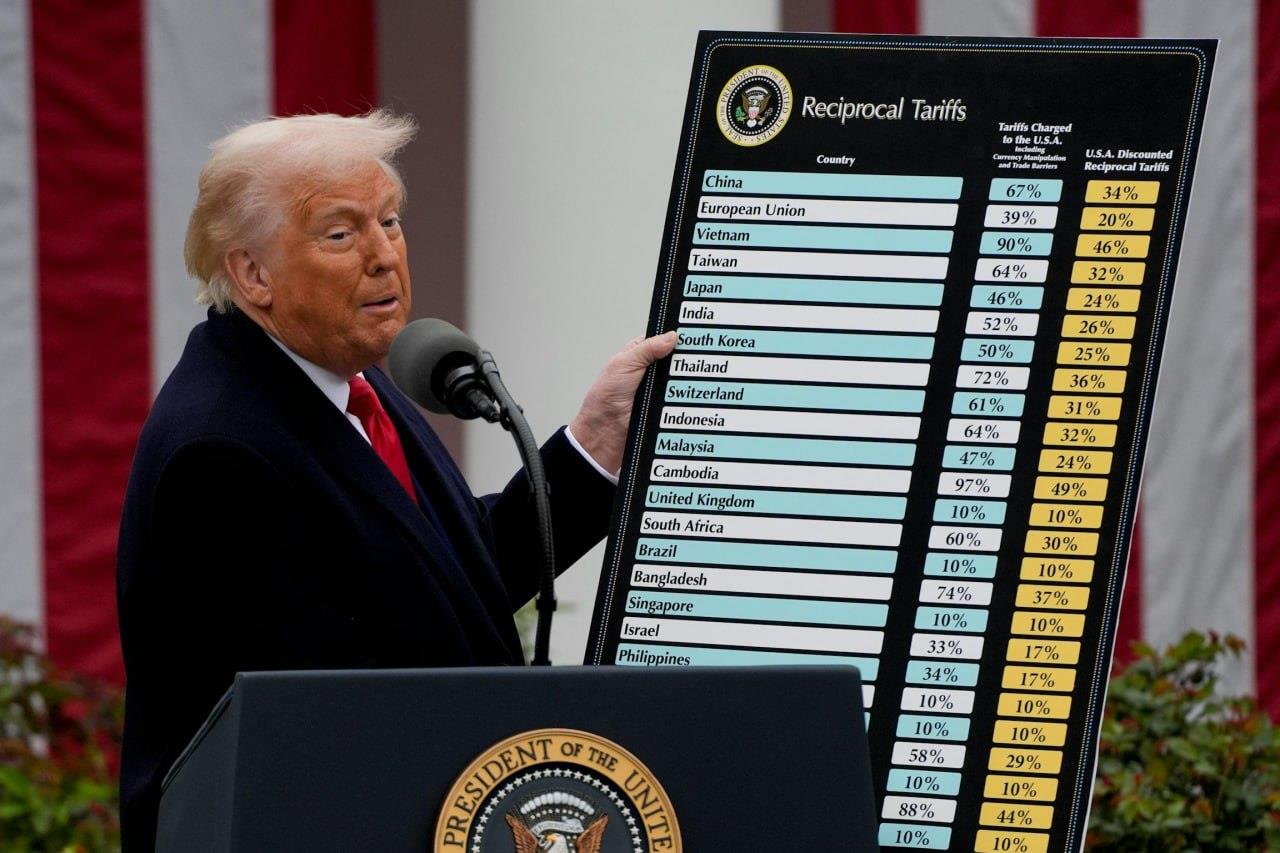
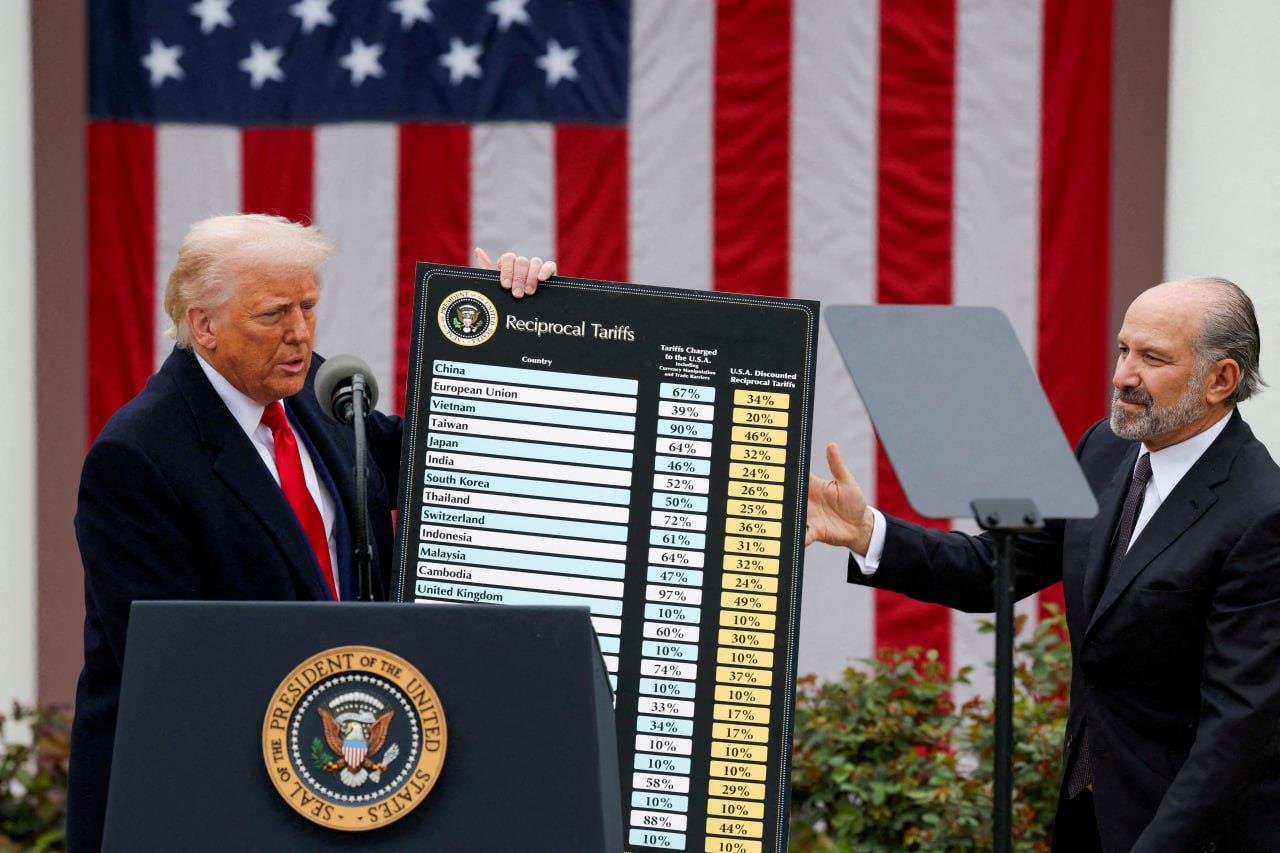
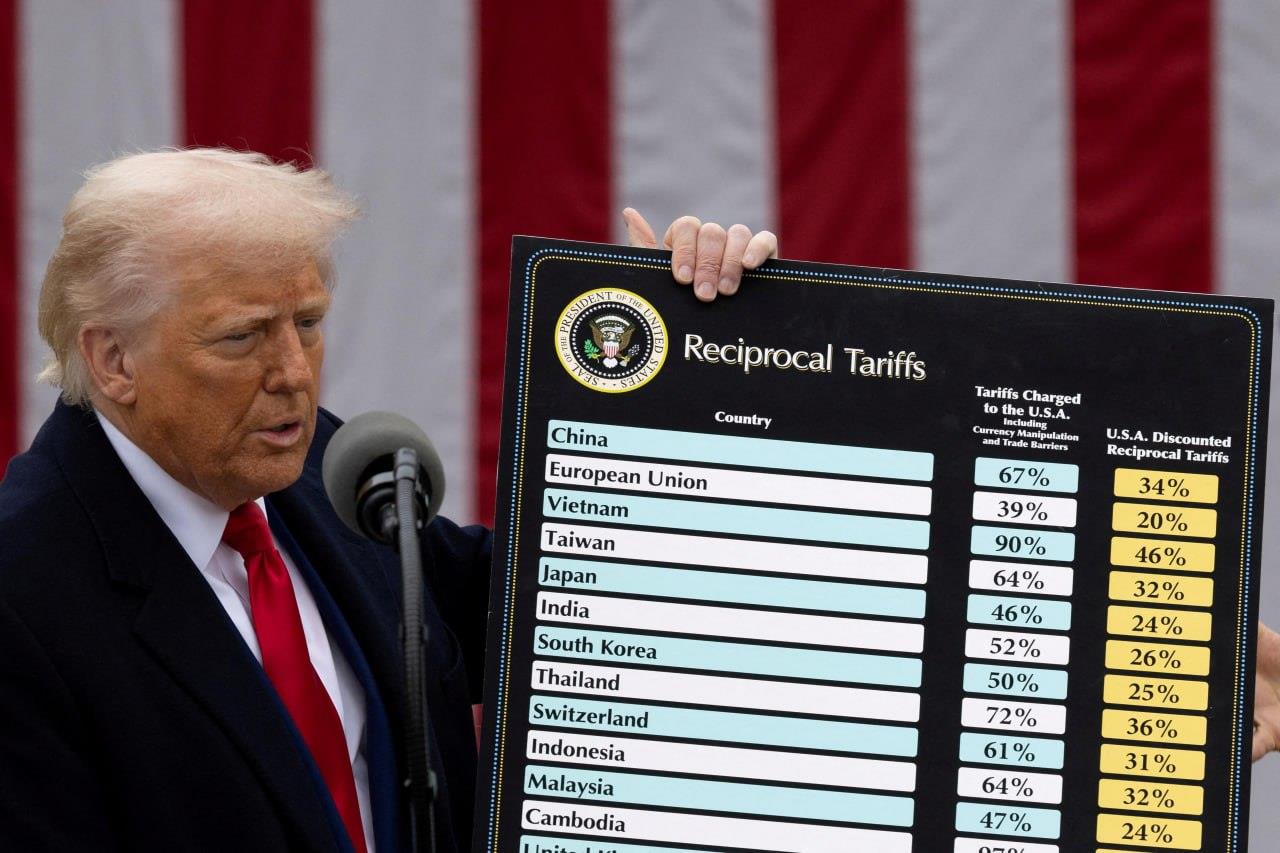
Trump has pointed to tariff revenue as one possible source of funding for the payments. Yet if $5,000 were distributed broadly across the adult population, the total cost could exceed $1 trillion. Tariff revenue alone has not been shown to be sufficient to finance an expenditure of that magnitude.
This highlights an important distinction between a corporate dividend and a “Trump Dividend.”
A company generally distributes dividends from profits or accumulated earnings. The U.S. federal government, by contrast, continues to run large budget deficits and carries substantial national debt.
The proposed $5,000 payment therefore cannot simply be treated as surplus profit sitting on the government’s balance sheet waiting to be distributed to its “shareholders.”
Politically, however, the word “dividend” is powerful. It frames recipients not as people receiving government assistance, but as citizens receiving a share of the nation’s success.
Yet the terminology does not answer the proposal’s central fiscal question: If the plan costs more than $1 trillion, where will the money actually come from?
Conclusion
Why, then, is Donald Trump promising $5,000 to American adults?
The pledge could serve several purposes at once: offering financial relief to households under pressure from the cost of living, potentially stimulating consumer spending, promoting the idea that Americans should receive a “dividend” from the country’s economic success, and — crucially in the electoral context — giving Trump supporters a clear and personal incentive to turn out and help Republicans retain control of Congress.
Seen this way, the $5,000 is not merely money destined for voters’ pockets. It is also a political instrument that links voters’ immediate economic interests to Republican control of Congress and to Trump’s ability to pursue his agenda during the final two years of his presidency.
But a political promise can become public policy only if the government can finance it.
That leaves the biggest question unanswered:
Trump can promise Americans $5,000. But can the U.S. government find more than $1 trillion to fulfill that promise without adding further to the federal deficit or national debt?