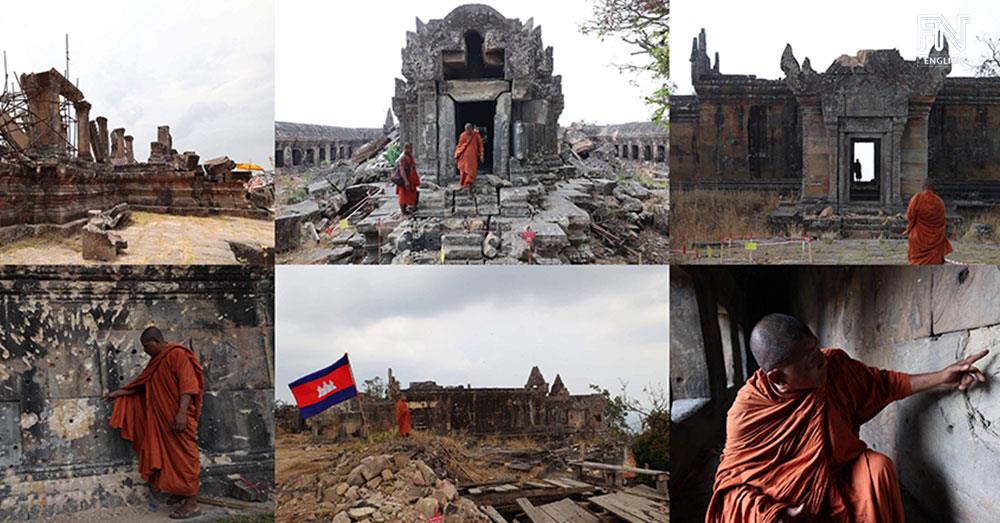
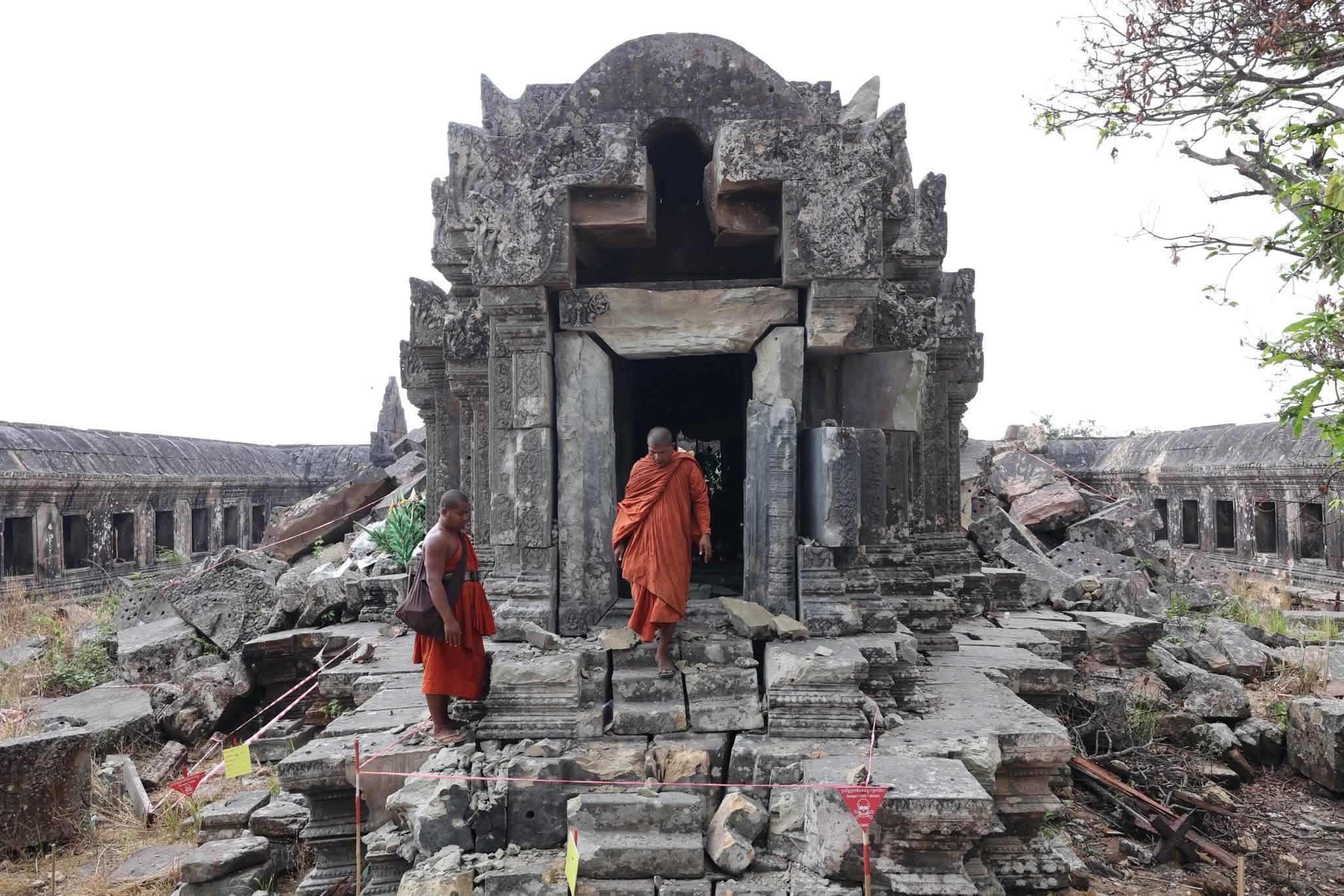
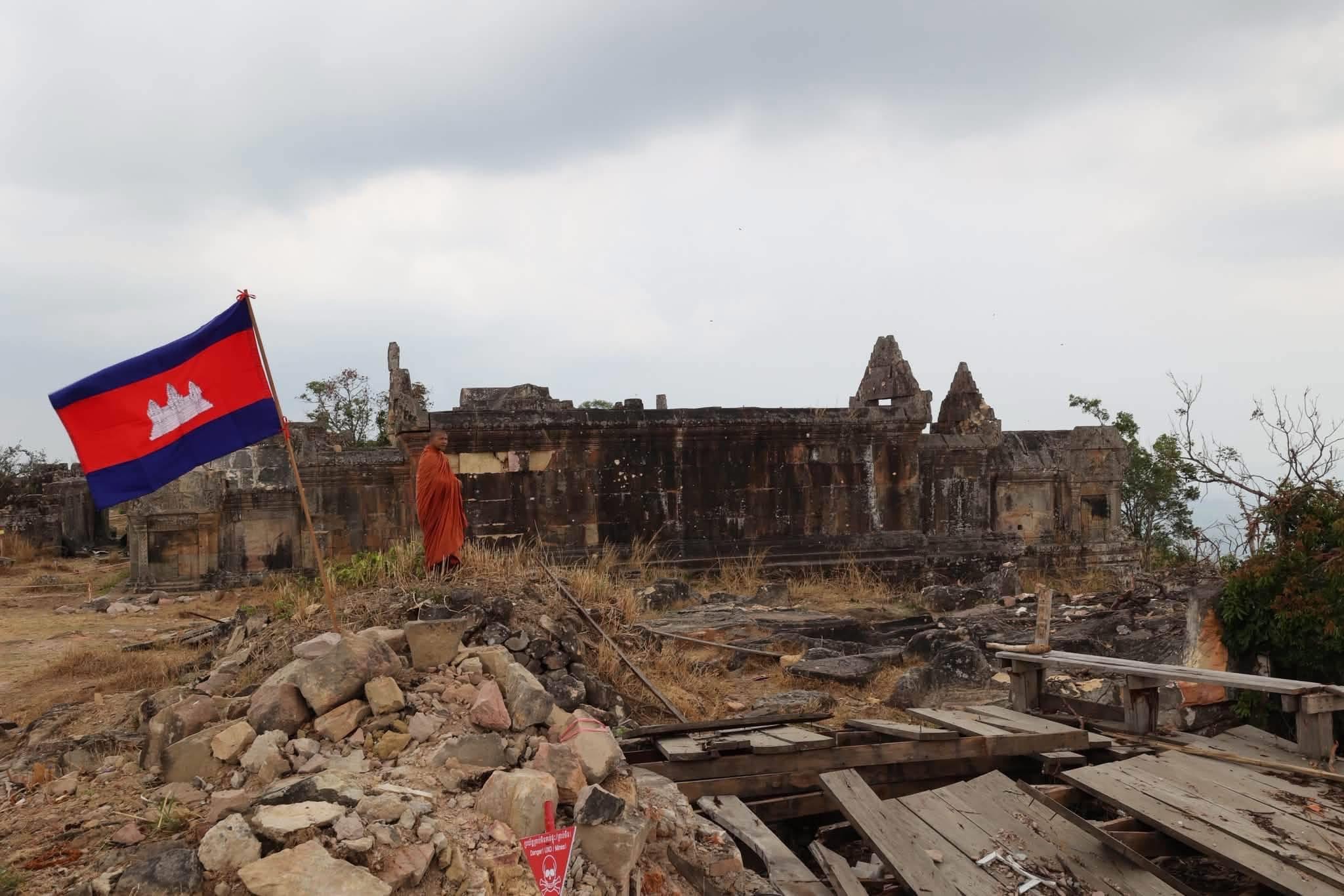
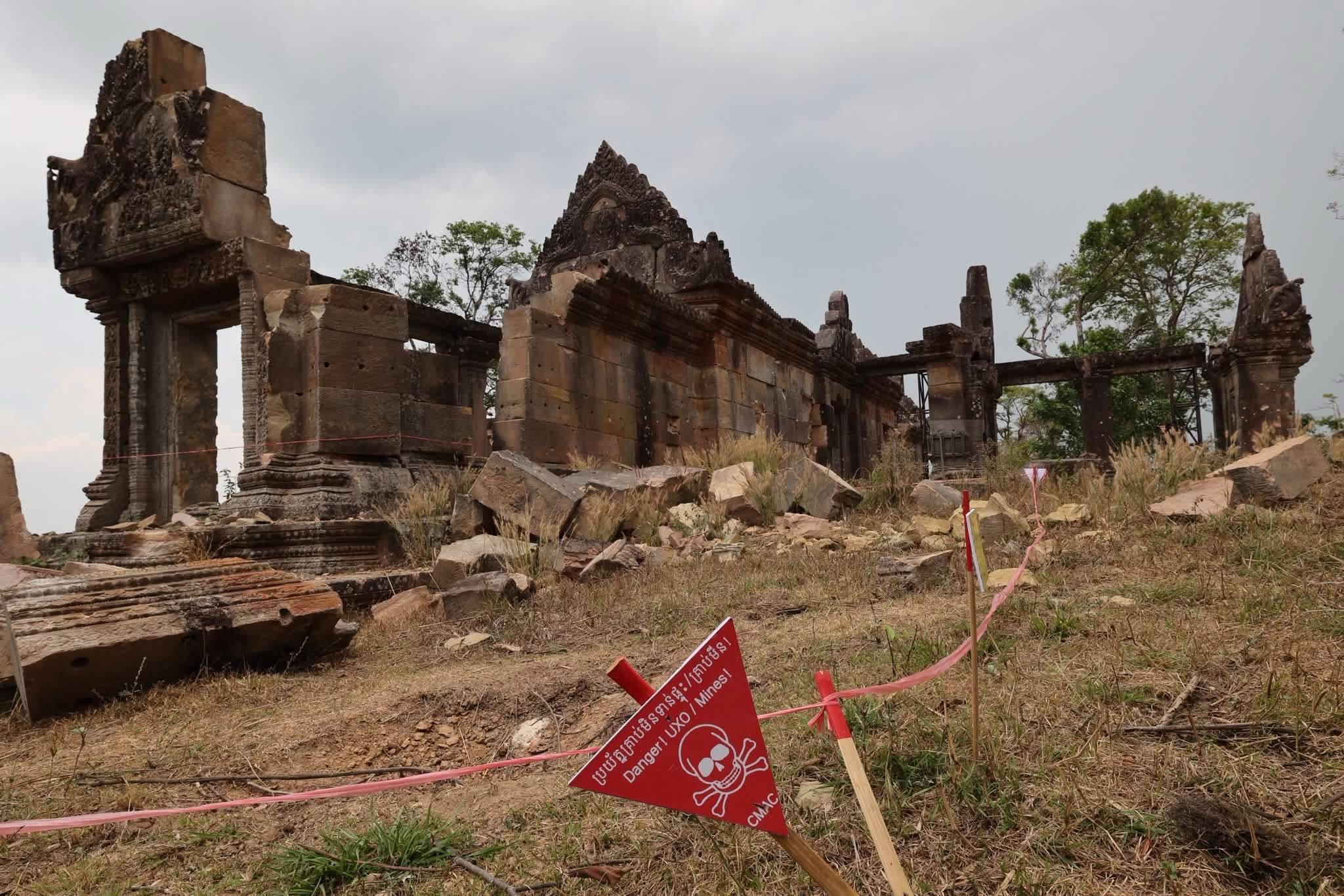
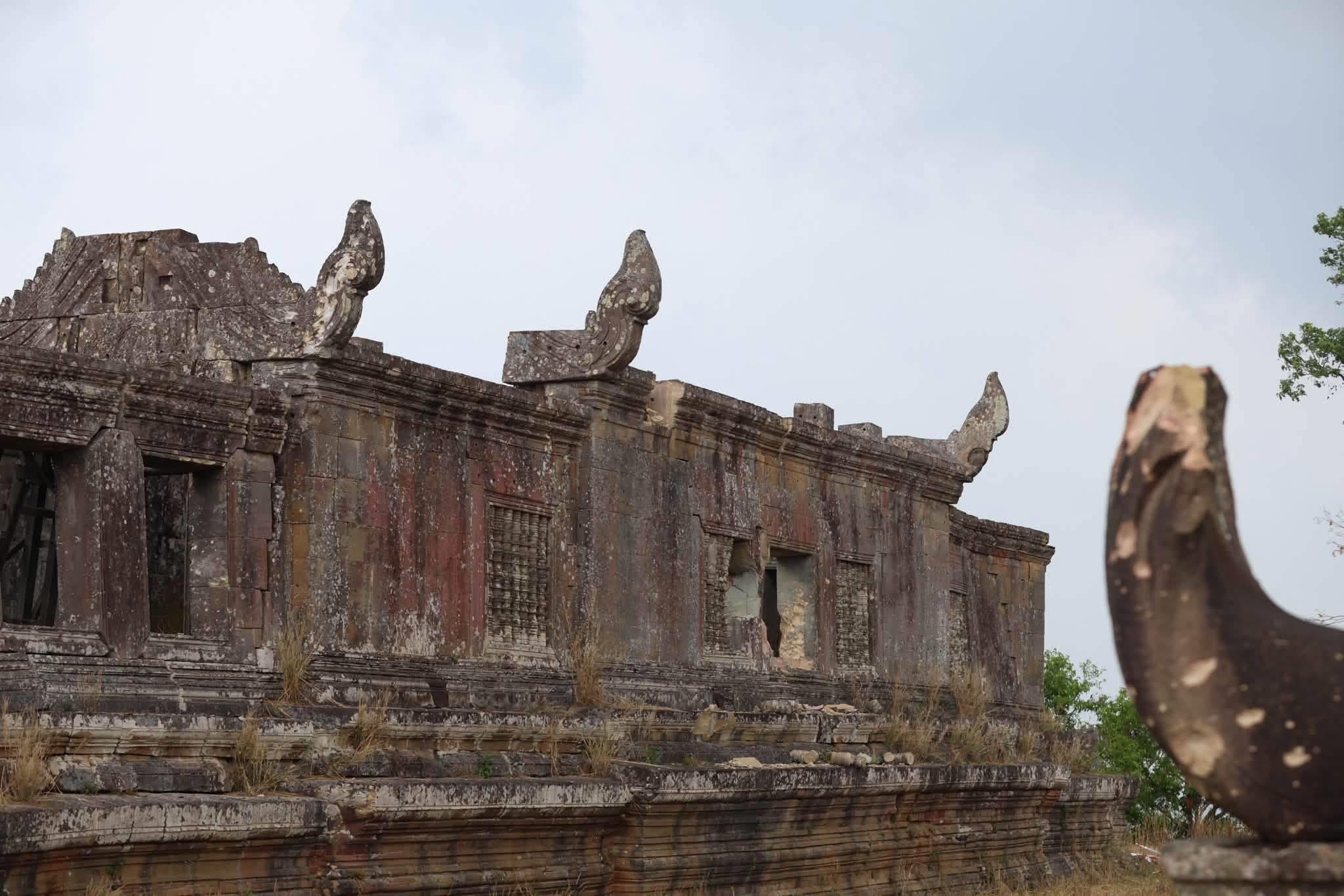
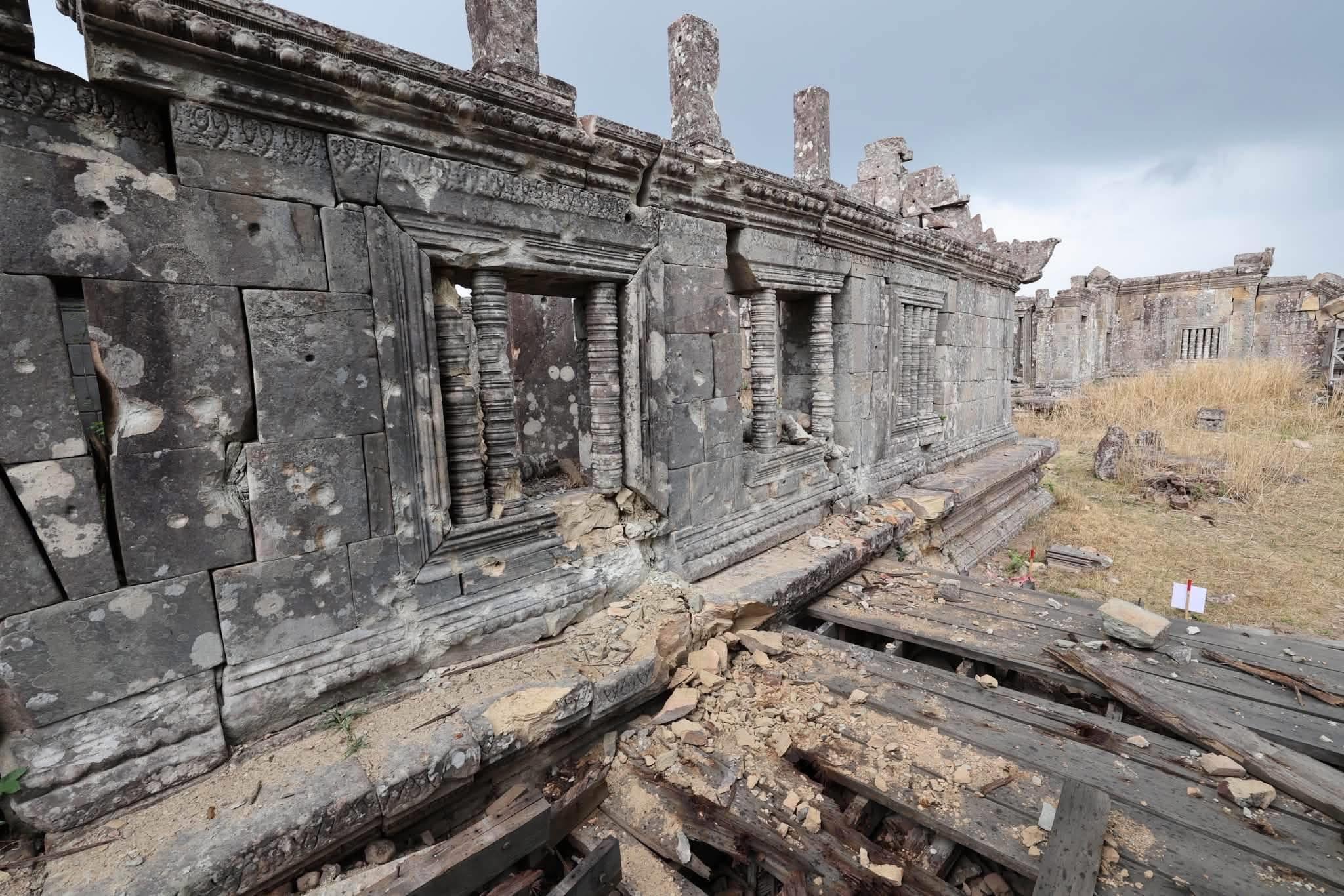
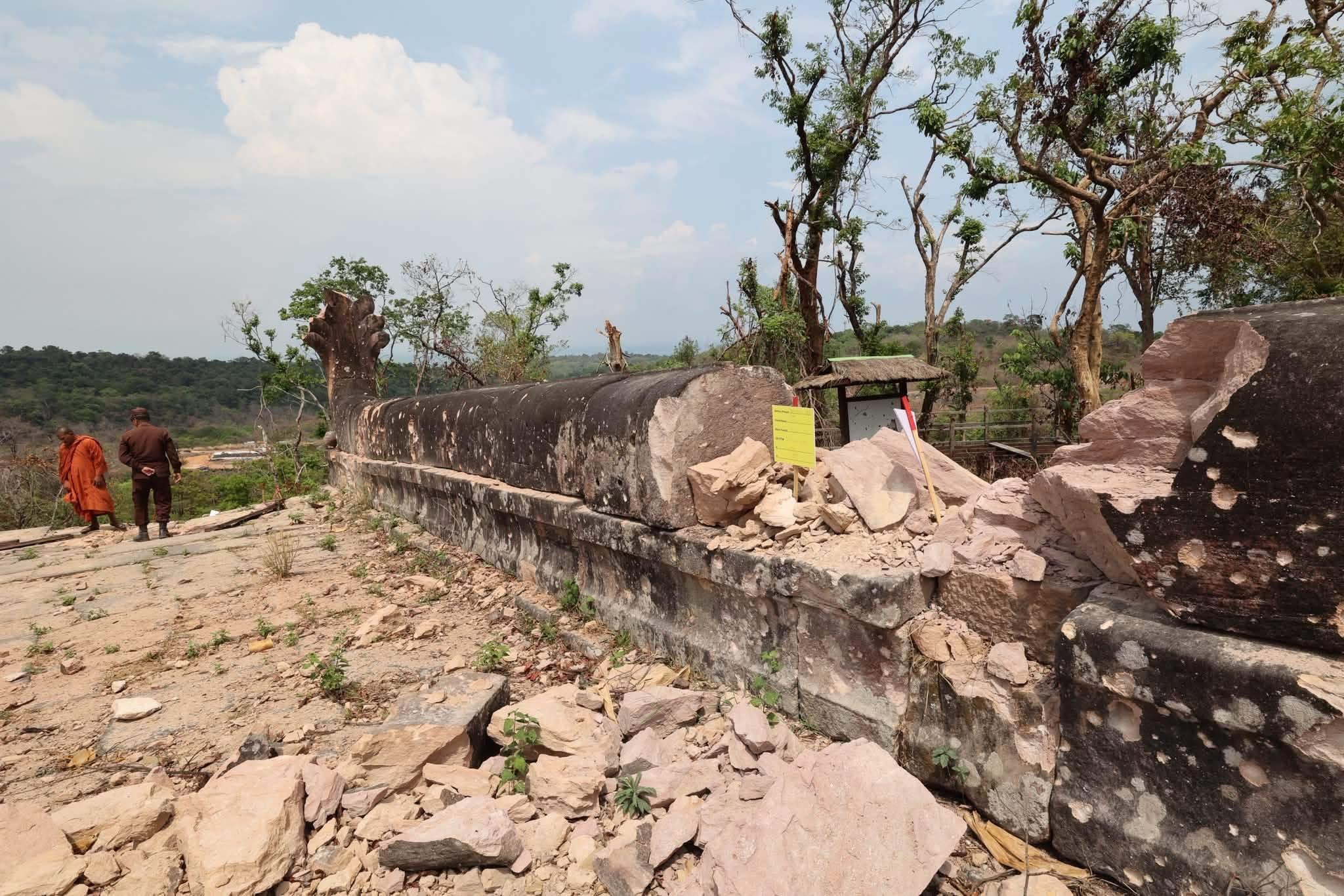
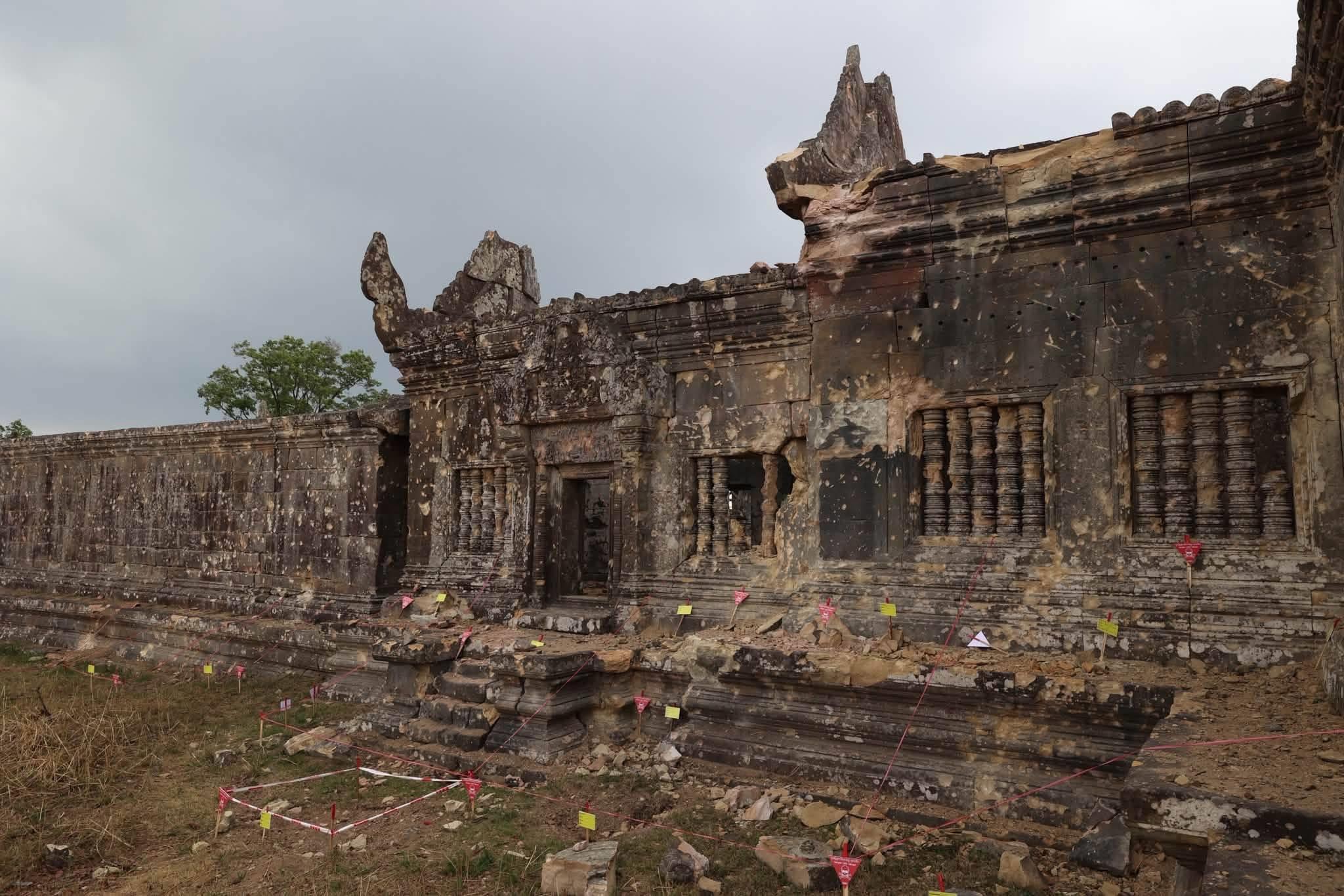
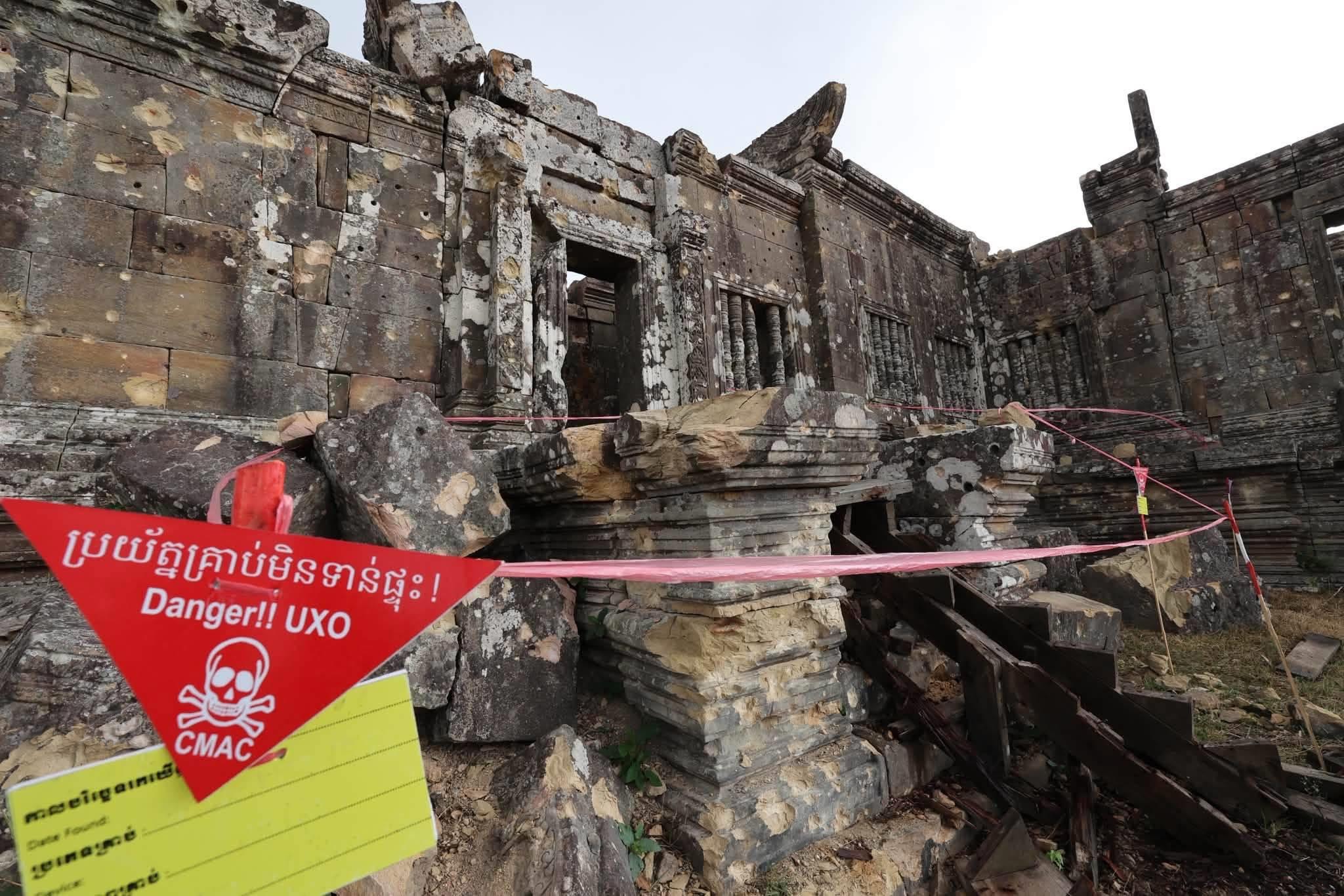
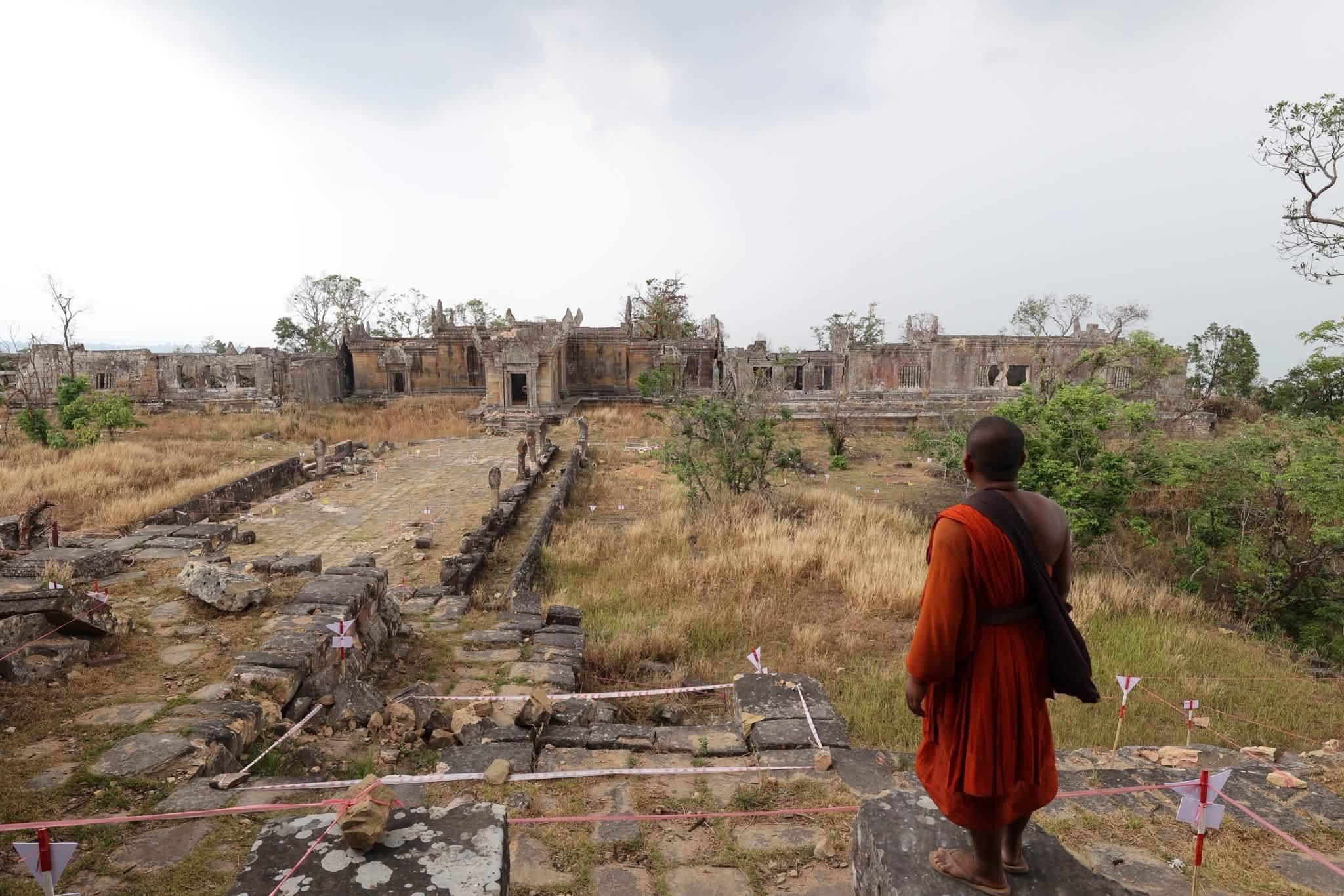
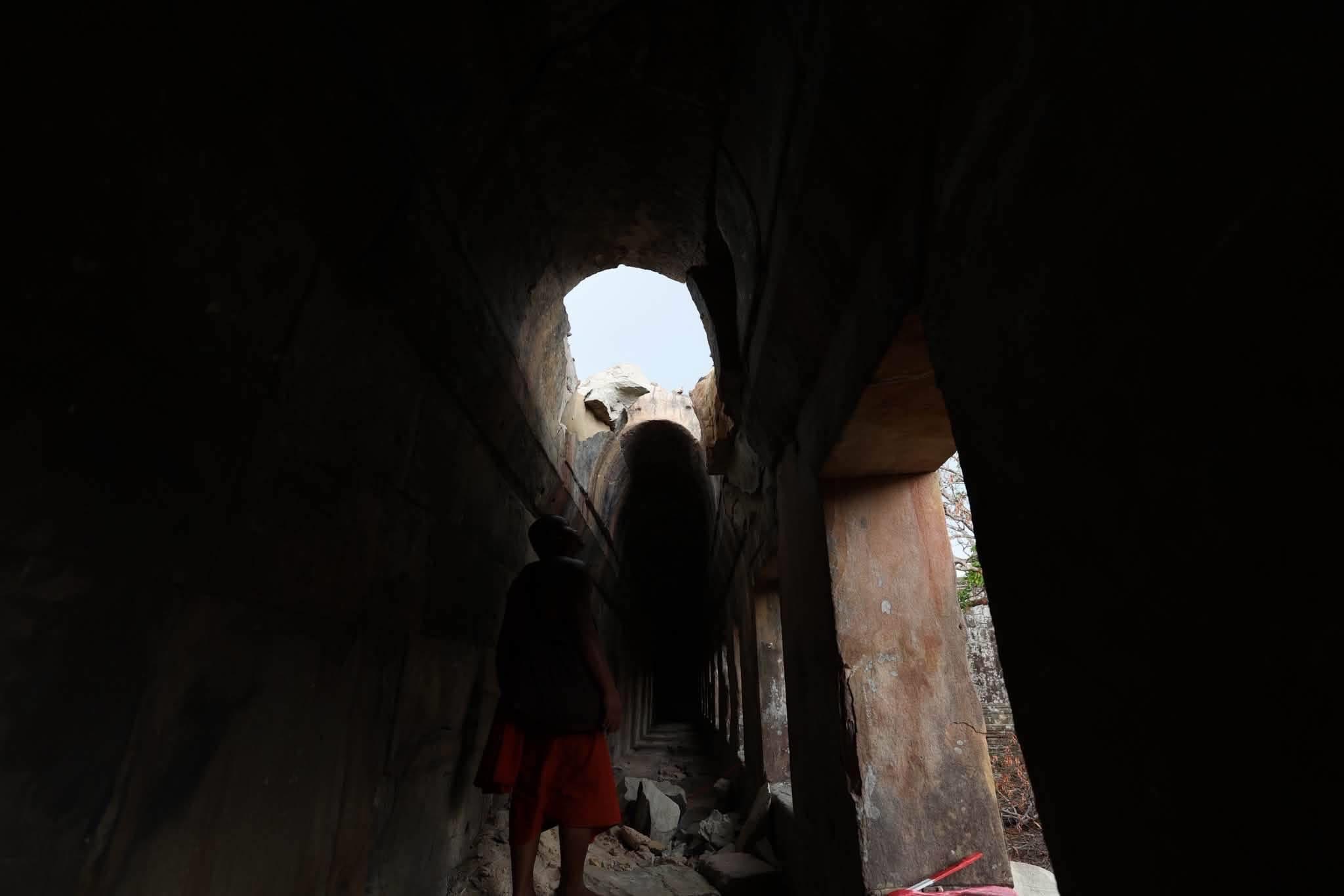
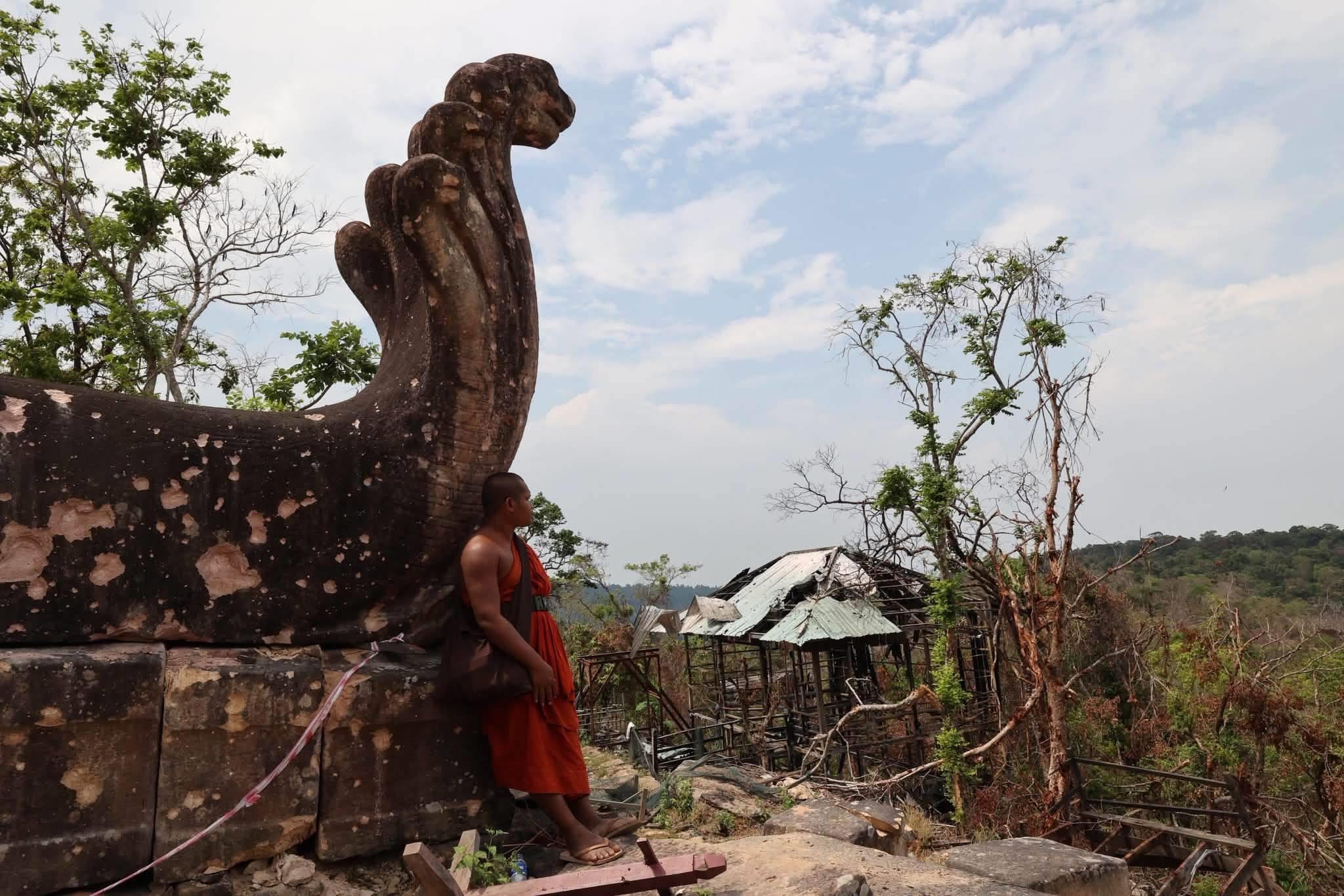
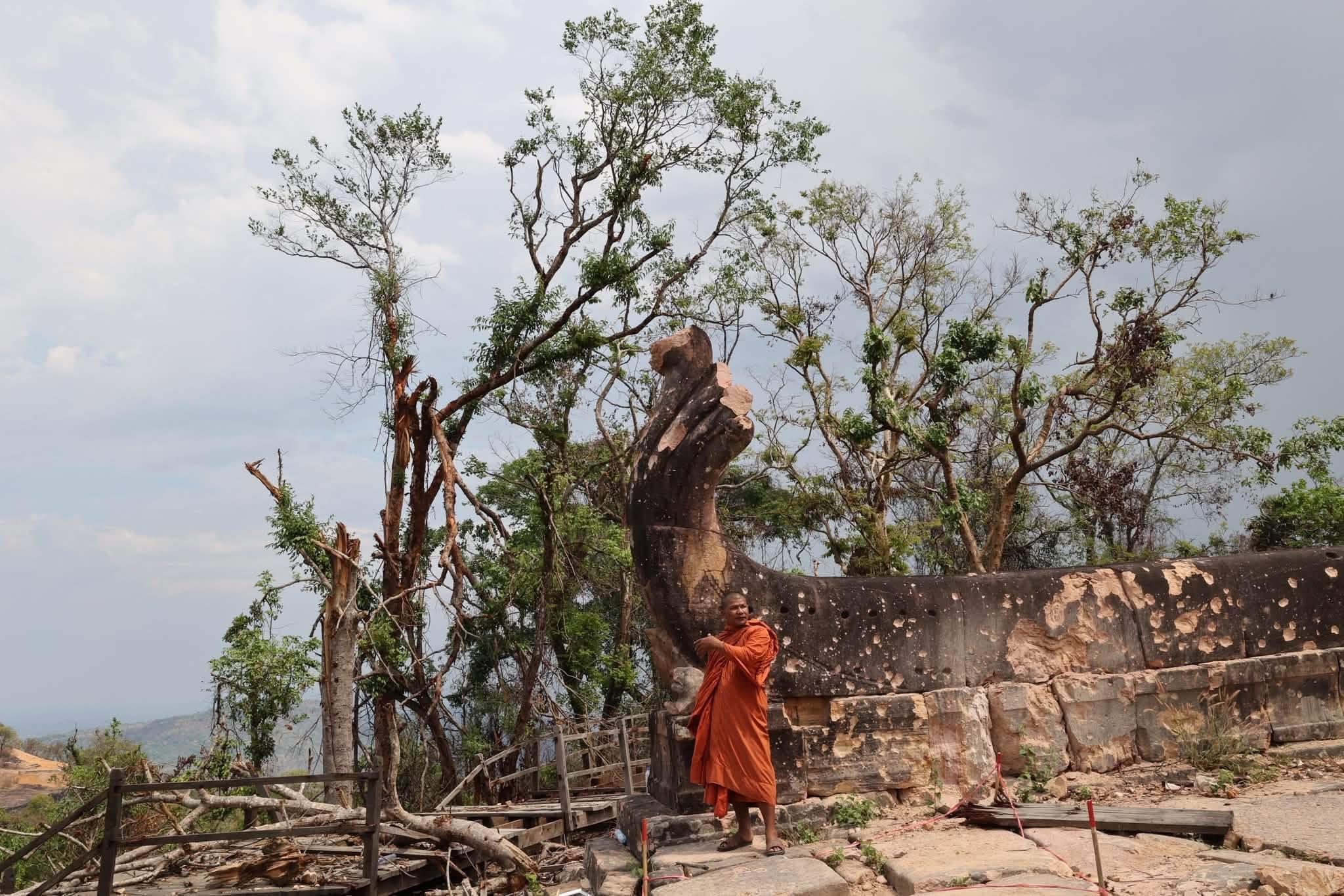
(Phnom Penh): Cambodian Minister of Information Neth Pheaktra said Preah Vihear Temple, a UNESCO World Heritage Site and enduring symbol of Khmer civilization, suffered significant damage during the Thai military's armed aggression against Cambodian territory in 2025, calling for accountability and stronger protection of cultural heritage during armed conflict.
In a social media post titled "Preah Vihear Temple Under Fire: The Scars of Thai Military Armed Aggression on a World Heritage Site," Neth Pheaktra said the nearly millennium-old temple had survived centuries of history but could not escape artillery fire and the consequences of military operations in 2025.
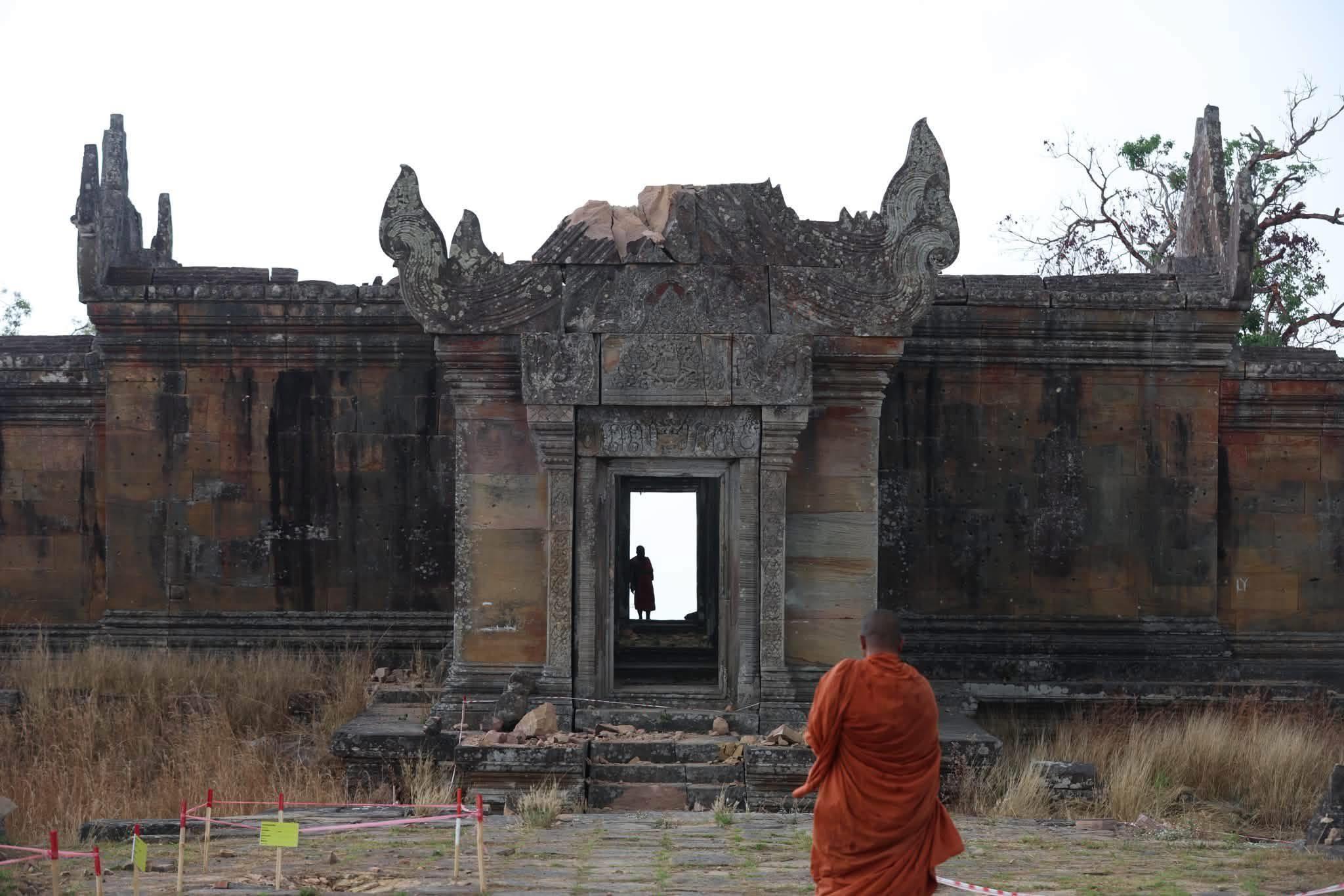
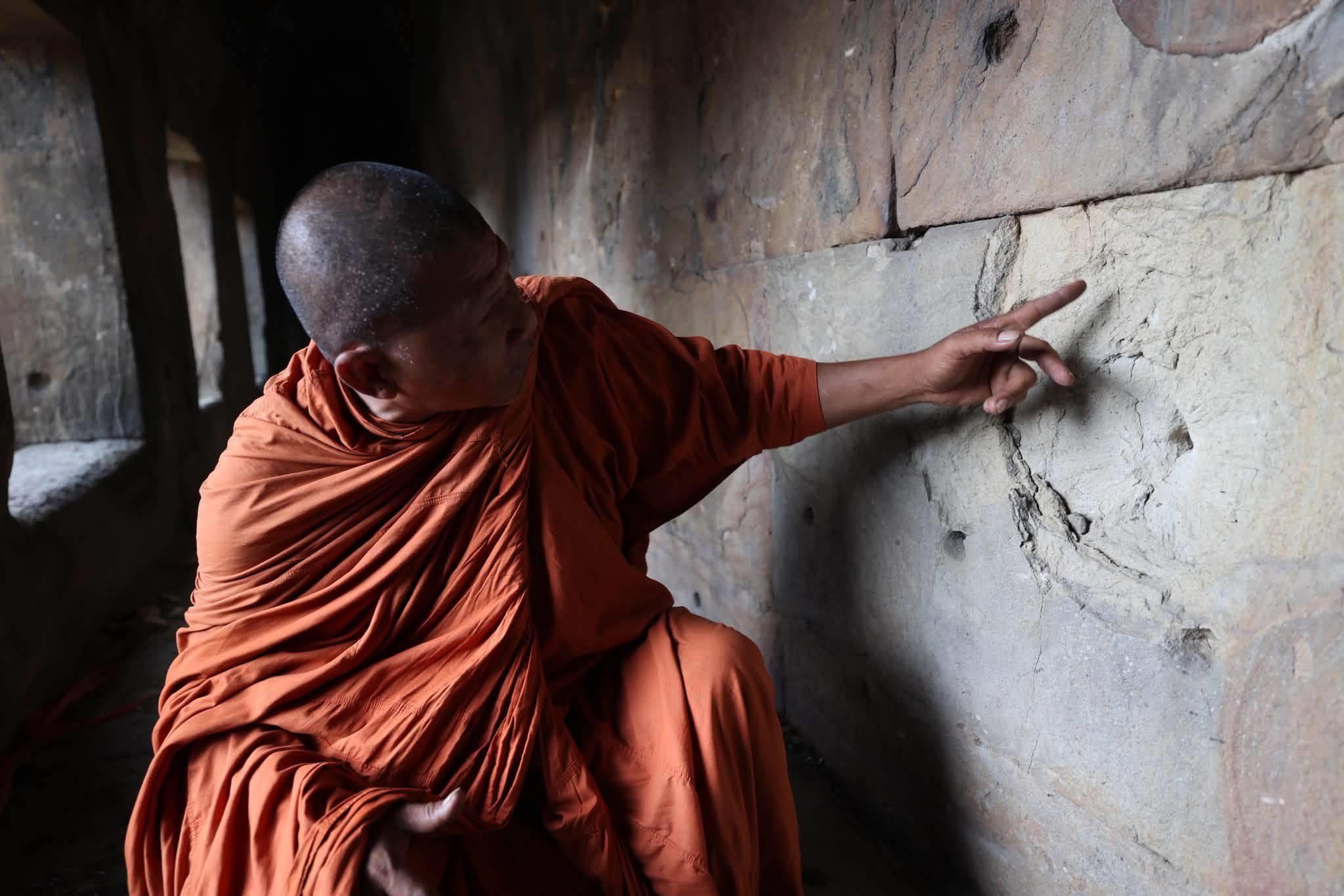
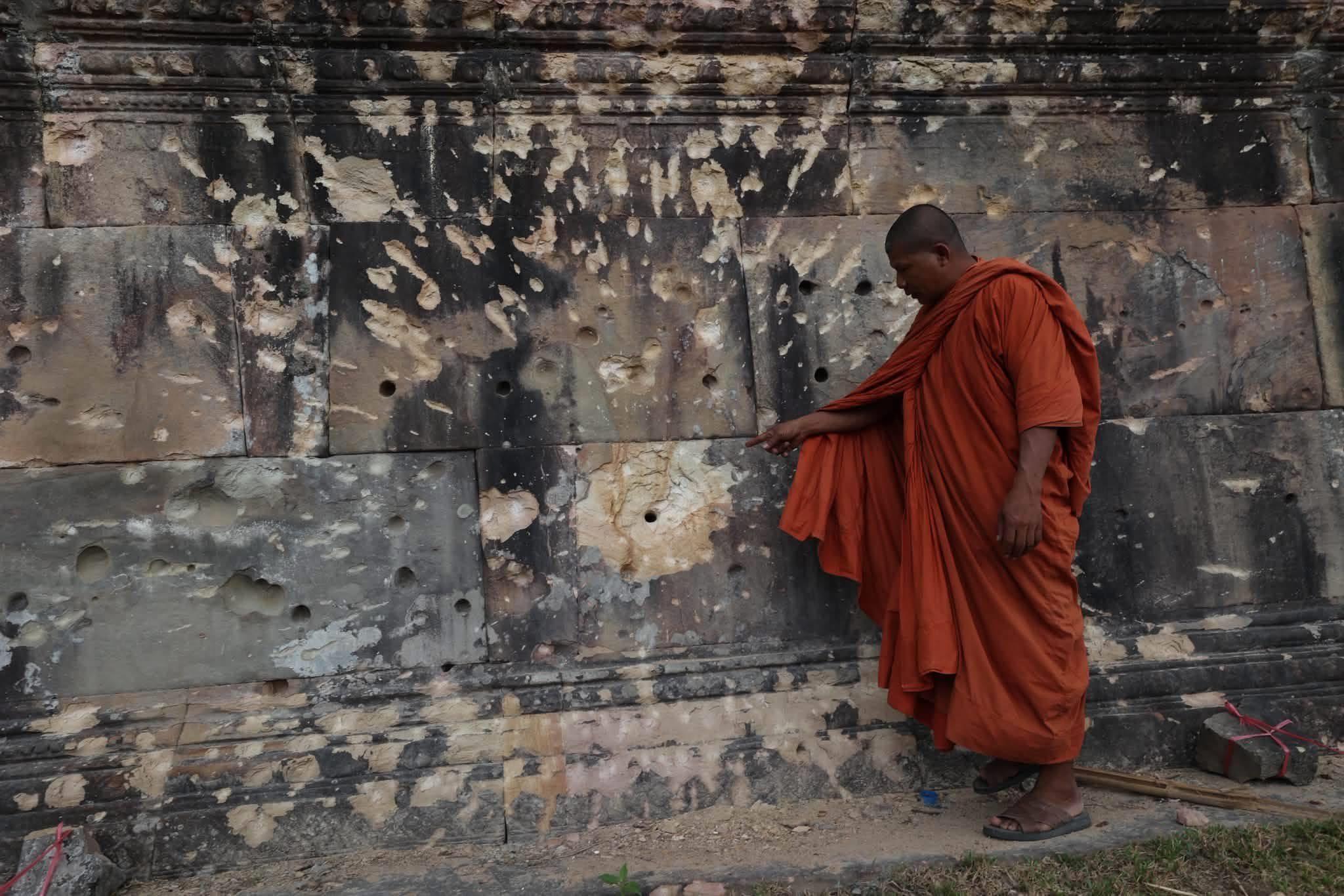
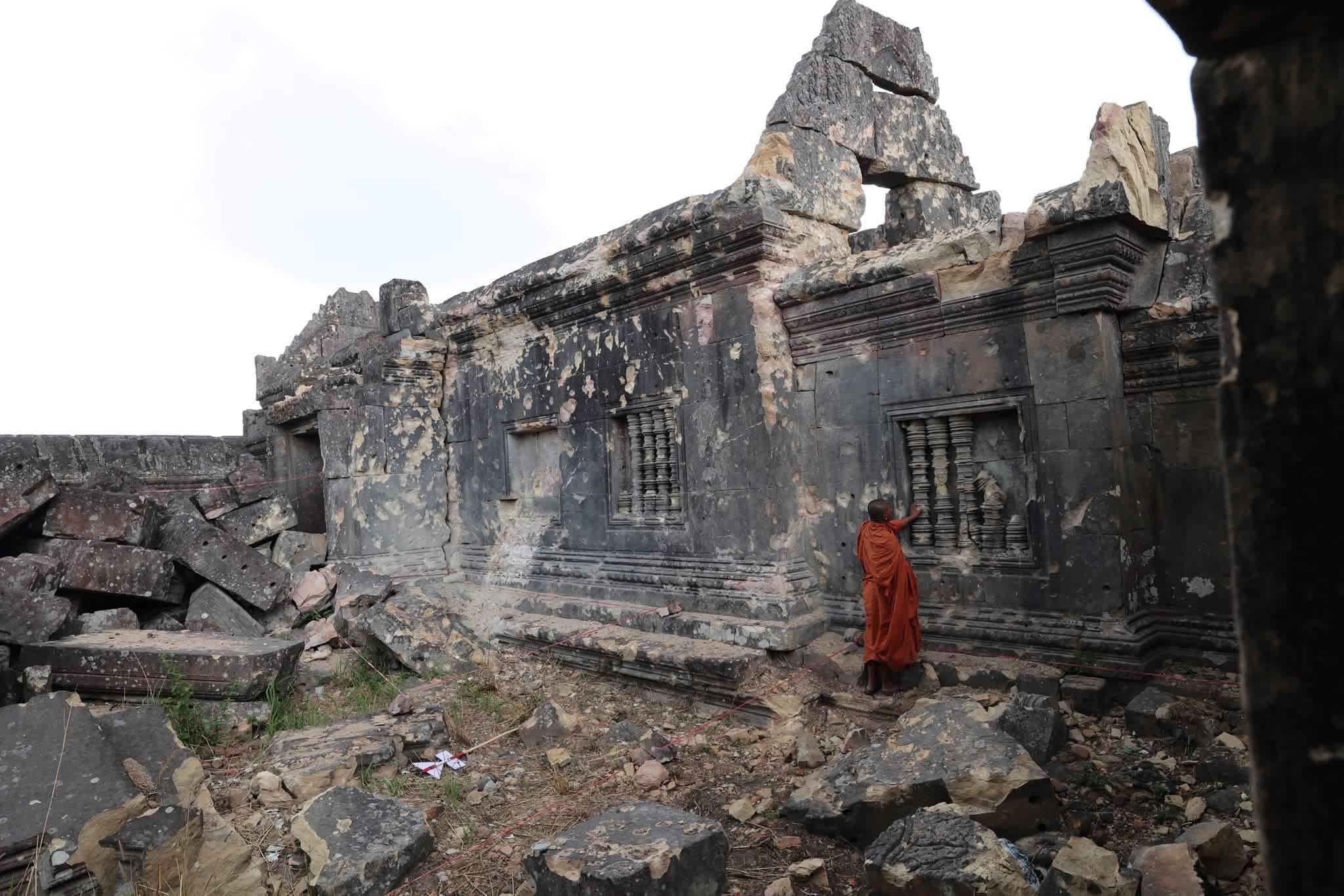
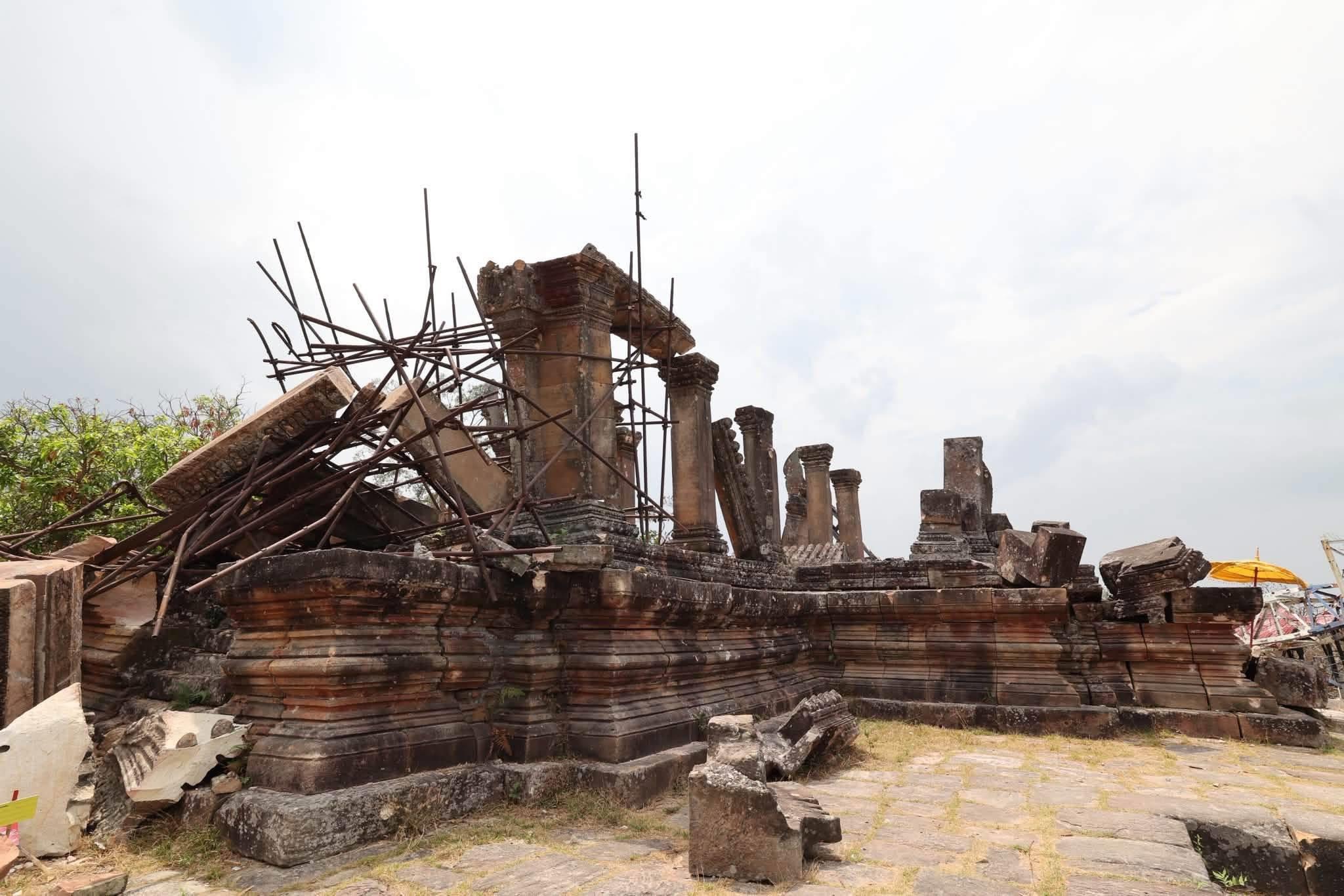
According to the minister, assessments by competent technical authorities documented extensive damage to the temple complex. Architectural elements were destroyed or severely displaced by direct fire, while decorative carvings and inscriptions were damaged or lost.
He added that explosions affected both temple structures and surrounding cliffs, threatening the integrity, authenticity, and Outstanding Universal Value of this World Heritage property.
Neth Pheaktra pointed to physical evidence at the site, including shattered architectural elements, damaged carvings and inscriptions, and remnants of munitions, saying these could not be dismissed through rhetoric or denial.
The Numbers Tell the Story of the Damage
The minister also highlighted that the scale of the destruction and the consequences of the conflict become even clearer through the emergency response operations undertaken by Cambodia in cooperation with international partners.
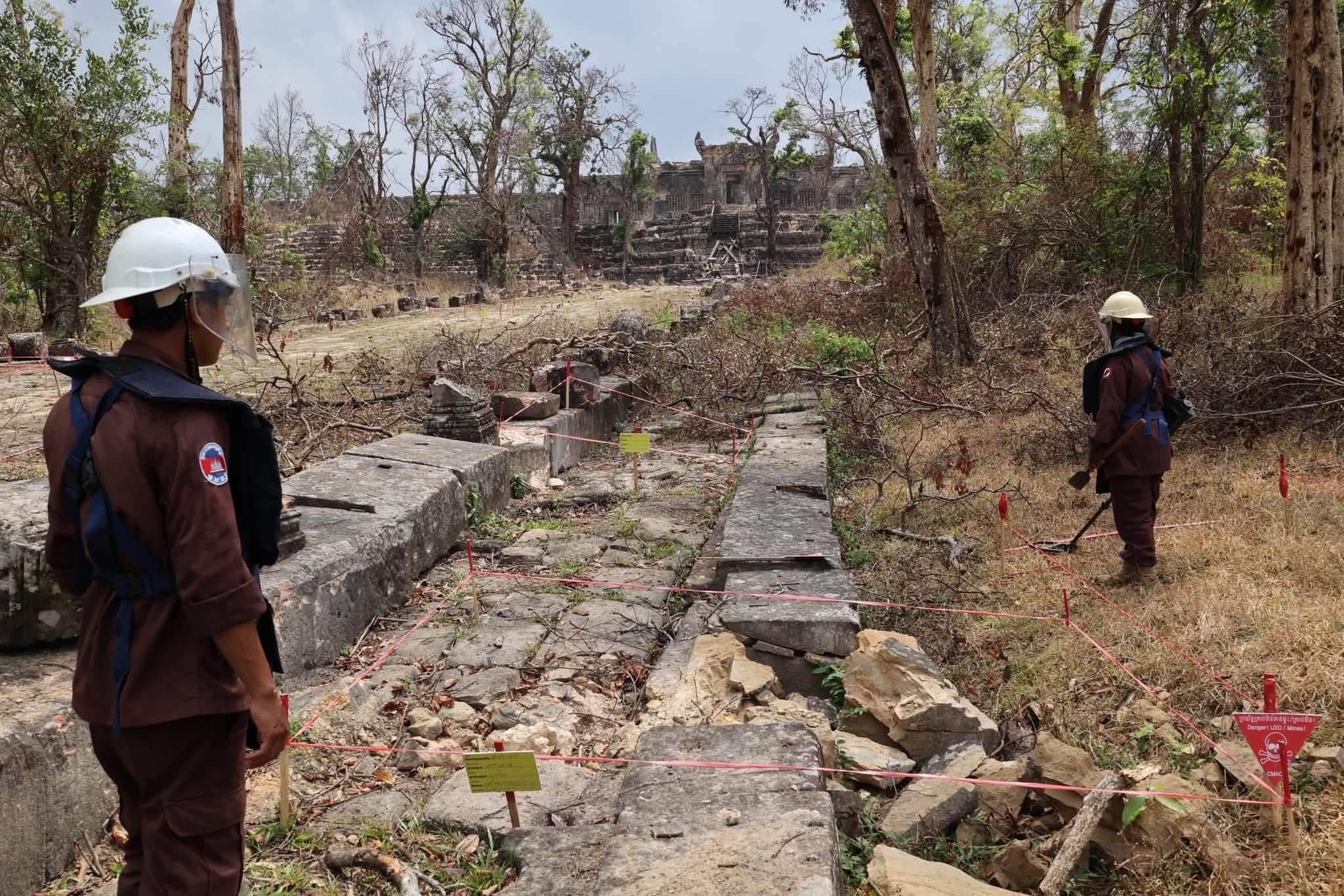
According to figures cited in his post, approximately 40 hectares within the Preah Vihear Temple area and its surroundings have been cleared of explosive remnants of war. During these operations, 97 cluster-munition remnants, 84 unexploded ordnance items, and 17,937 artillery fragments were identified and cleared.
At the same time, authorities documented the condition of the entire temple complex, carried out emergency structural stabilization at 20 critical locations, and identified, collected, and secured more than 60,000 stones and carved architectural fragments.
"These figures are not merely statistics. Behind every fragment of stone lies a piece of architecture, art, history, and humanity’s collective memory. Broken stones can be collected. Damaged structures can be stabilized. But historical value that has been destroyed cannot simply be manufactured again like a new object in a factory," Neth Pheaktra said.
Heritage Is Not a Target of War
Neth Pheaktra underscored that Preah Vihear is not merely a Cambodian temple. Its inscription on the World Heritage List signifies that its value transcends national borders and that it constitutes a legacy of significance to humanity as a whole.
He said damage to the temple therefore is not a loss for Cambodia alone; it is a loss to the shared heritage of humankind.
The minister underlined that the protection of cultural property during armed conflict is not a matter of political choice. It is an obligation recognized under international law, particularly the principles of international humanitarian law requiring parties to armed conflict to respect and protect cultural property from the effects of military operations.
He called for scrutiny of the circumstances surrounding the damage, including whether appropriate precautions were taken to protect the World Heritage Site and who should bear responsibility for the destruction.
The problem also extends beyond Preah Vihear.
Neth Pheaktra said Cambodia has drawn the World Heritage Committee’s attention to unilateral activities by Thai civilian and military authorities within Cambodian territory along the Cambodia–Thailand border, affecting not only Preah Vihear Temple but also Prasat Khnar, Ta Krabey Temple, Ta Muen Thom Temple, Ta Muen Toch Temple, and the Vishnu statue east of Preah Vihear Temple.
The statement noted that these activities included the destruction of cultural infrastructure and archaeological remains, serious damage to heritage sites, and the registration of certain Cambodian temples on Thailand’s national list of ancient monuments.
He said Cambodia warned that these actions appear intended to alter the existing situation on the ground, create a fait accompli, and undermine Cambodia’s long-standing management, conservation, and stewardship of these cultural sites.
Neth Pheaktra stressed that cultural heritage cannot legitimately be used as an instrument for advancing territorial claims, and control established through force cannot create lawful title over another State’s cultural heritage.
Evidence Cannot Be Erased by Rhetoric
The information minister said the explanations and justifications advanced by the Thai military in defense of its operations cannot erase the physical evidence on the ground. He added that shattered architectural elements, blast damage, remnants of munitions, and the extensive emergency recovery operations undertaken at the temple constitute physical evidence that demands truth and accountability—not denial or explanations designed to evade the consequences of military action.
"Artillery fire cannot be transformed into rhetoric. Shattered stones cannot be repaired by statements of denial. And remnants of munitions found on the ground cannot be made to disappear through words," he stated.
“Accountability for the protection of World Heritage must begin with acknowledgment of the facts and with guarantees that actions placing such heritage at risk will not be repeated,” he added.
Stones Can Be Repaired; Lost History Cannot Be Recreated
Neth Pheaktra highlighted that Cambodia has undertaken emergency measures through the National Authority for Preah Vihear in cooperation with international partners. The clearance of explosive remnants of war, documentation of the temple’s condition, structural stabilization, and recovery of tens of thousands of architectural fragments demonstrate Cambodia’s commitment to preserving the temple’s Outstanding Universal Value even under extraordinarily difficult circumstances.
“But the world should not wait for a temple to come under artillery fire before collecting its shattered stones. The world should not wait until carvings are damaged before speaking of conservation. Nor should it wait until irreplaceable heritage is lost before recalling the obligation to protect it. Restoring and repairing stones is not enough if the causes that shattered them are not prevented from recurring,” he underlined.
He called on the World Heritage Committee to continue supporting the restoration and long-term conservation of Preah Vihear Temple, maintain close monitoring of its state of conservation, and help ensure safe and unhindered access for conservation specialists, emergency response teams, and local communities.
“Preah Vihear Temple has stood through centuries. It has survived the rise and fall of kingdoms, shifting political landscapes, and the passage of history. It should not be left to become a silent witness to destruction caused by armed aggression in the twenty-first century,” the minister underlined.
"Preah Vihear does not need sympathy after destruction. It needs protection before destruction occurs," he said.
Neth Pheaktra concluded that protecting Preah Vihear is not merely about preserving Cambodia's past, but also about protecting humanity’s shared inheritance, upholding the principles of international law, and safeguarding the right of future generations to inherit the cultural heritage that the present generation has a duty to pass on to them in peace.
"Stones can be repaired. But history once destroyed cannot be manufactured anew. And World Heritage must never again be allowed to become a casualty of war," he underscored.
=FRESH NEWS