(Phnom Penh): In military terms, gaining control of a strategic location generally means that the party controlling it can determine who enters, who leaves, and can ensure that activities there proceed largely on its terms.
But in the Strait of Hormuz, the meaning of the word “control” presents an intriguing contradiction.
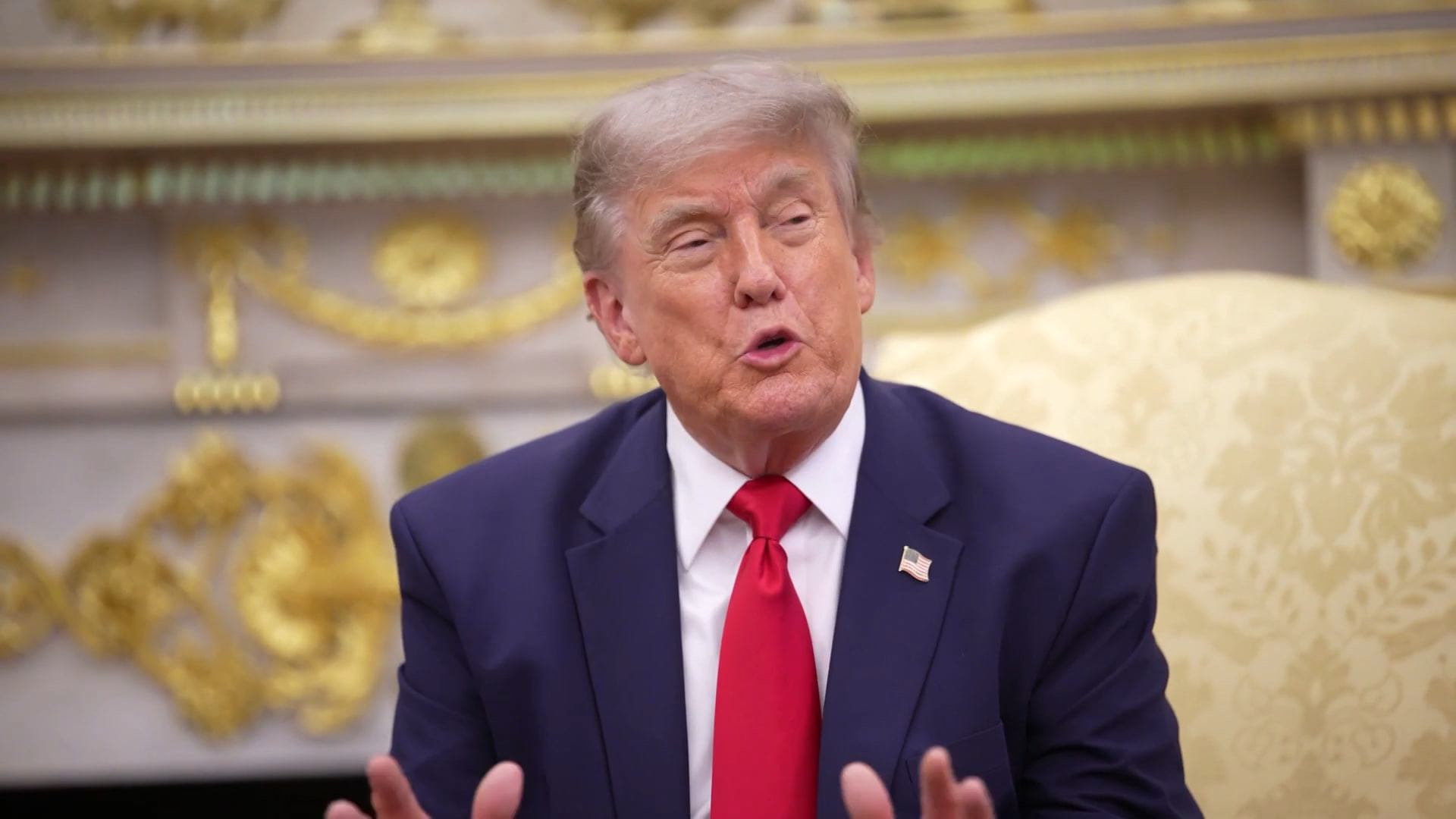
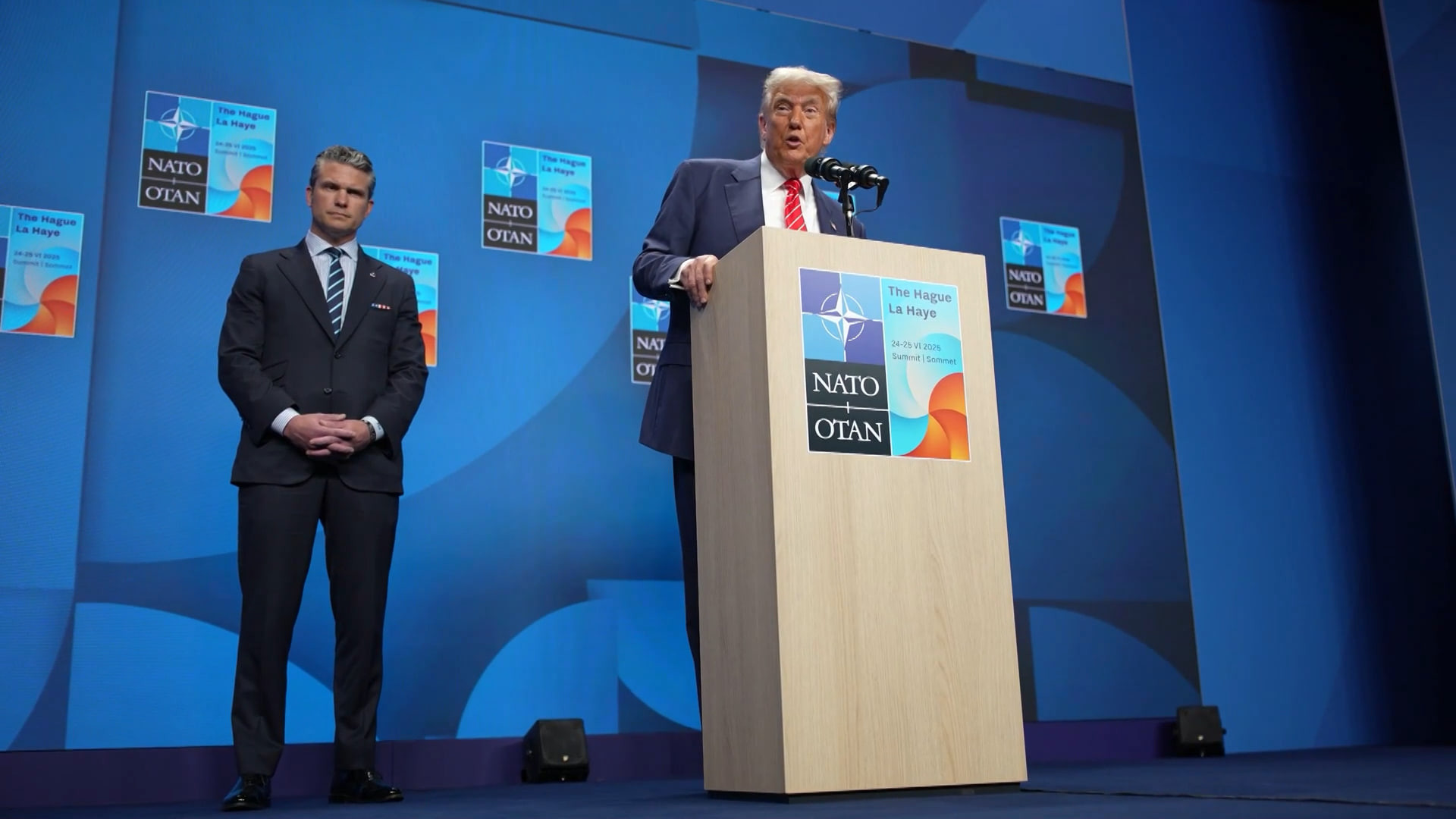
U.S. President Donald Trump declared on August 12 that the United States has “total control” of the Strait of Hormuz. Trump went even further, writing: “I THINK WE WILL KEEP IT!”
Reuters also reported on Trump's claim of control, while an Iranian authority established to oversee the strait continued to maintain the opposite position: that the Strait of Hormuz remains blocked and will not fully reopen until Tehran's conditions are met.
That raises a question that is difficult to ignore:
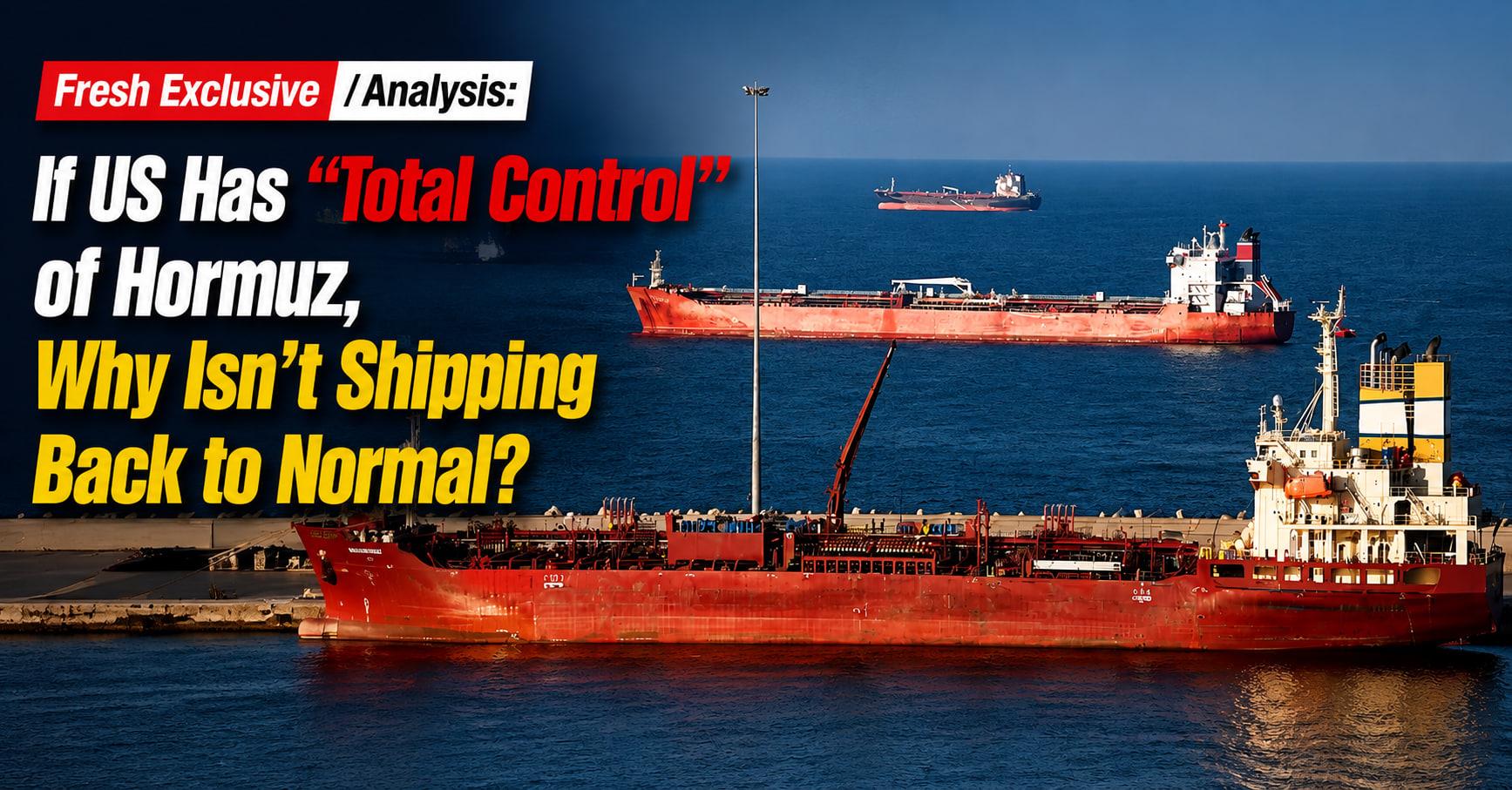
If the United States truly has “total control” of the Strait of Hormuz, why has the waterway it claims to control still not returned to normal commercial shipping? Does “control” in this context mean the ability to keep the strait open—or merely the military power to restrict and block traffic?
Why Doesn't “Total Control” Necessarily Mean an “Open Strait”?
The key to understanding President Donald Trump's claim is to distinguish clearly between Military Control and Functional Control.
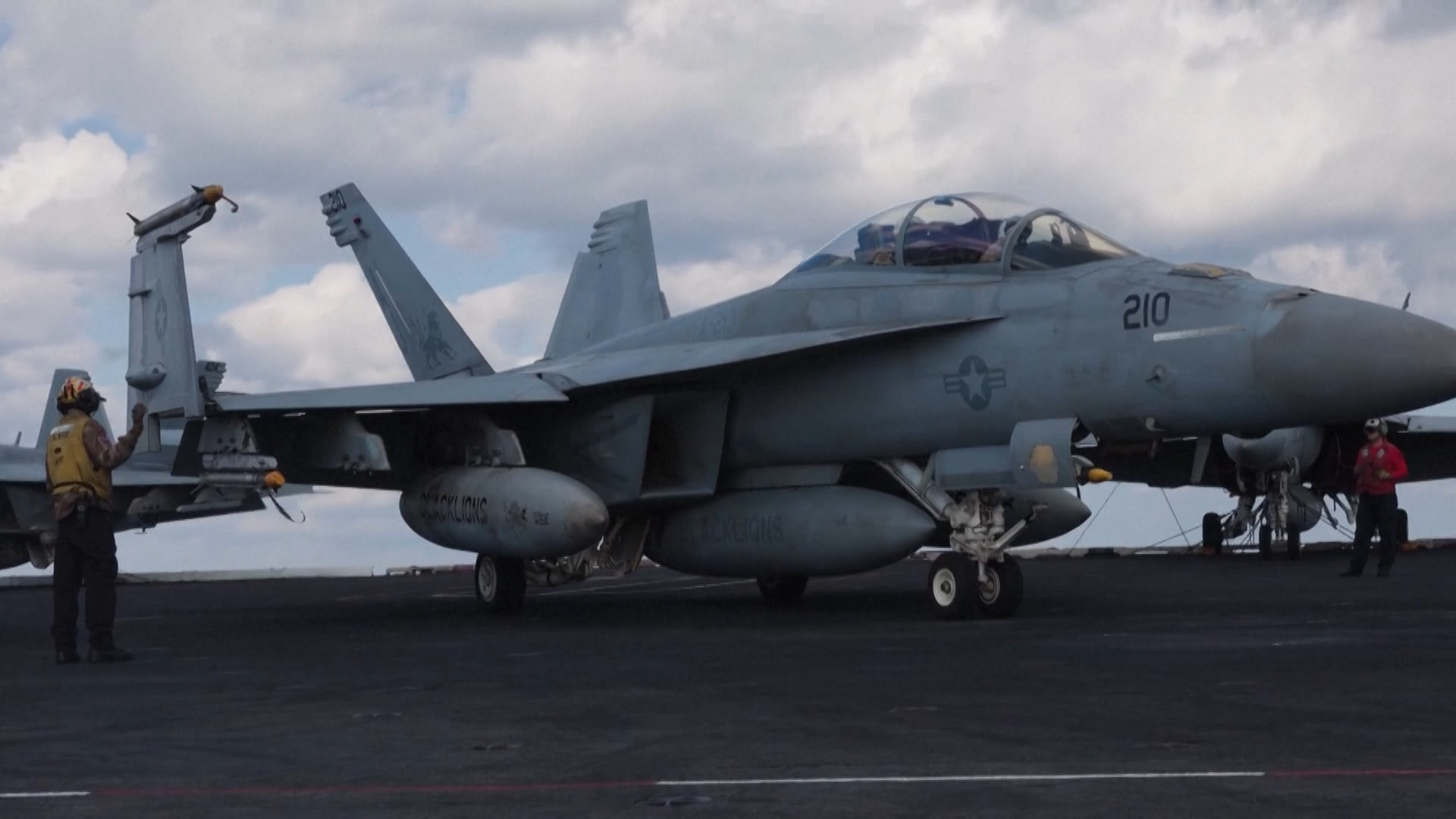
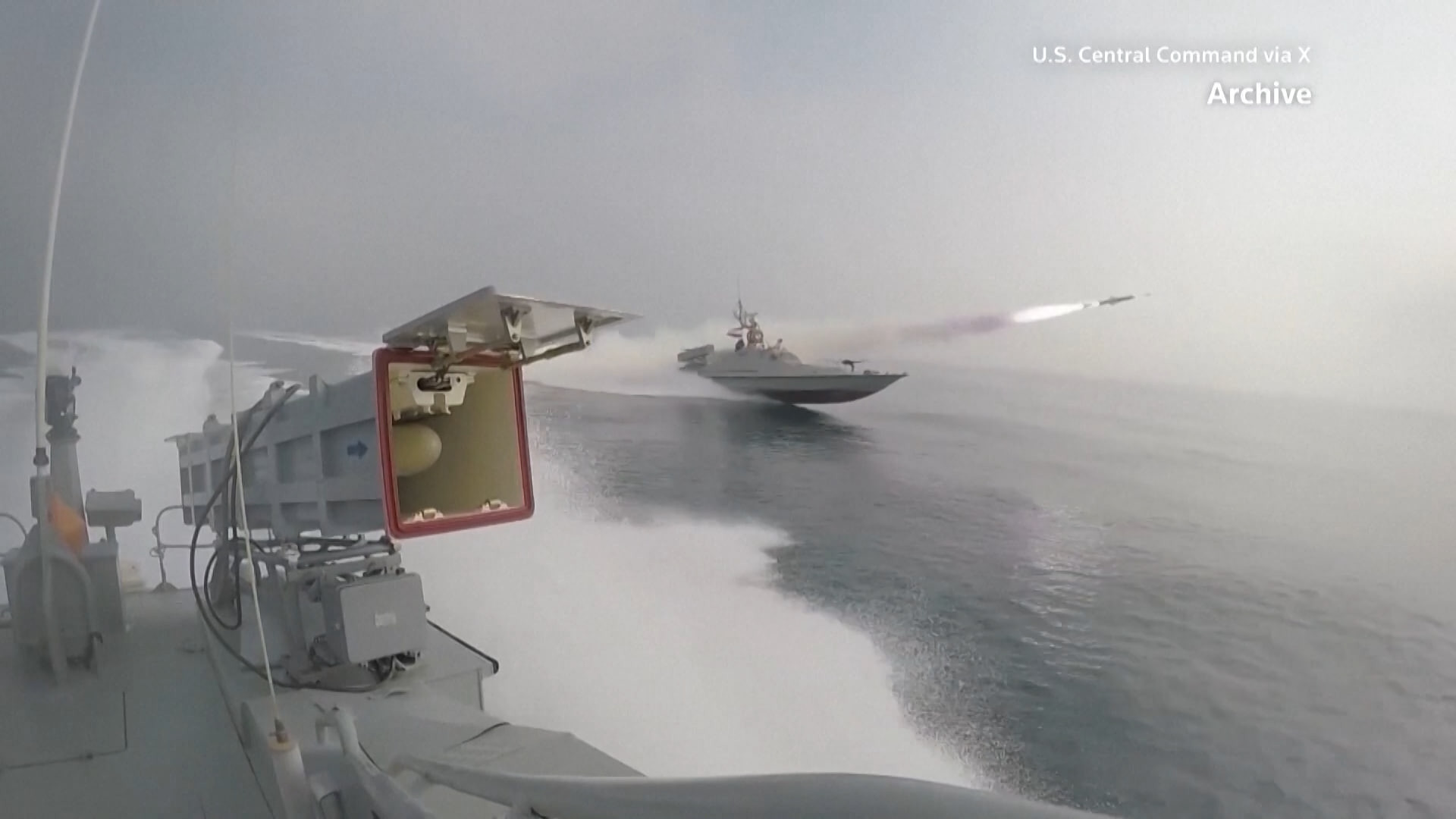
Military Control means that one side possesses sufficient military power to strike, deter, restrict, or coerce an adversary within a particular area.
Functional Control of a commercial waterway, however, means something more than military superiority. It means commercial vessels can transit safely, shipping companies are willing to send their vessels through the waterway, and insurers are willing to underwrite the risks involved.
Evidence from the Strait of Hormuz suggests that the United States may possess significant military dominance in the region, but it has not yet been able to ensure a return to normal commercial traffic.
Therefore, the ability to dominate a battlespace does not necessarily mean the ability to make a commercial waterway function normally. Put simply: having the power to restrict a waterway is not the same as having the power to keep it safely open.
Shipping Traffic Provides Some of the Strongest Evidence
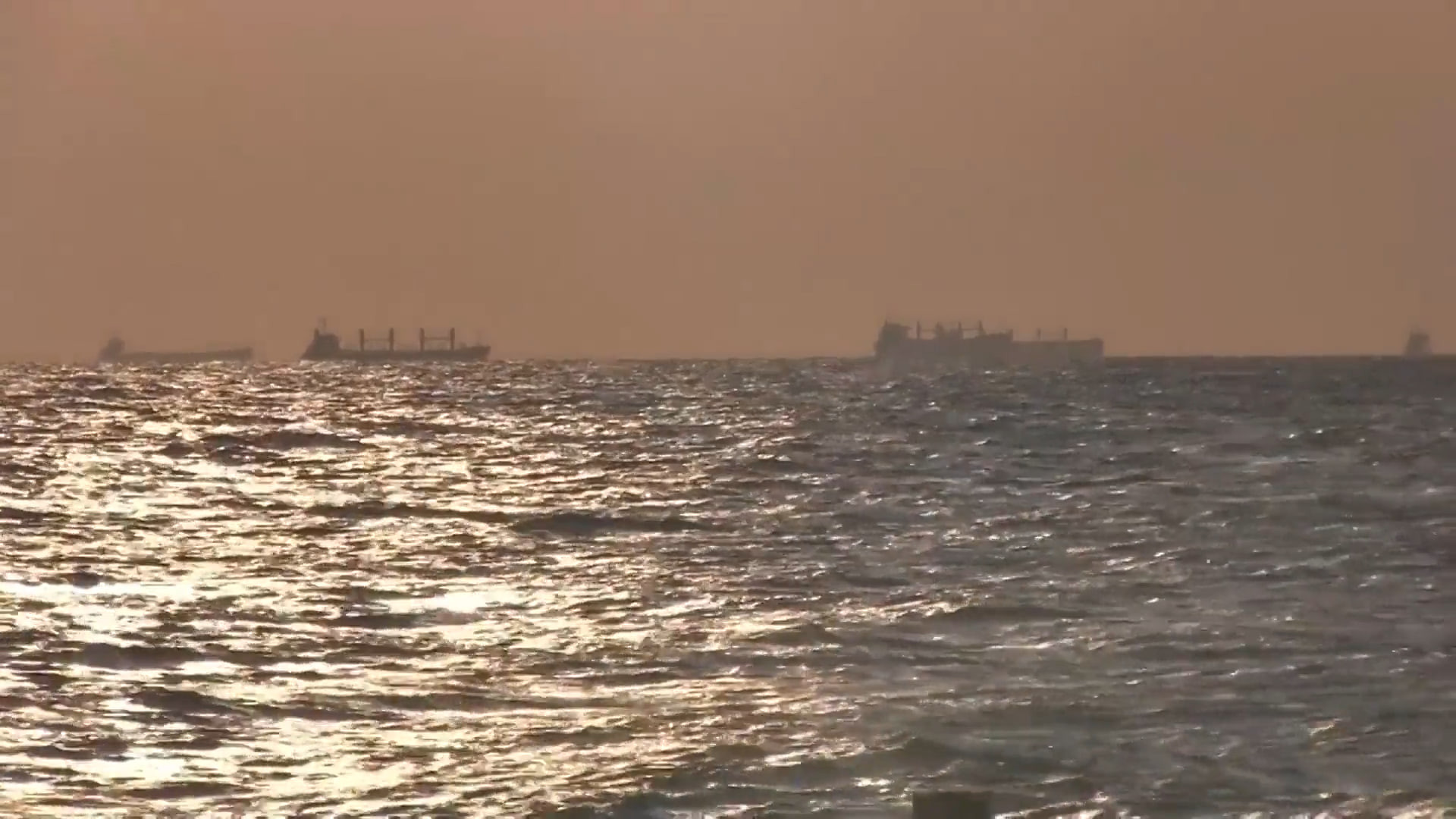
There is no need to rely solely on political judgments to test the meaning of President Trump's claim of “total control.” The number of vessels actually transiting the Strait of Hormuz provides a tangible measure of conditions on the ground—or, more precisely, on the water.
Reuters, citing data from commodities analytics firm Kpler, reported that only six vessels transited the Strait of Hormuz on August 10, compared with an average of approximately 11 vessels per day over the preceding 10 days.
On August 11, the number increased slightly to eight vessels. Al Jazeera, citing data from Reuters and Kpler, noted that this remained extraordinarily low compared with pre-war levels.
Reuters reported that before the war, approximately 130 to 140 vessels per day transited the Strait of Hormuz. This means traffic had fallen from roughly 130–140 vessels a day before the war to just six on August 10 and eight on August 11—a decline of more than 90 percent from normal pre-war levels.
These figures are significant because they illustrate the difference between possessing military dominance over a strategic waterway and making that waterway function as a normal commercial shipping route.
Therefore, if President Trump's use of “total control” means that the United States can ensure the Strait of Hormuz remains open and restore normal commercial shipping, current shipping data do not yet support that interpretation.
If the U.S. Has Total Control of Hormuz, Why Does Reopening Still Depend on Negotiations?
This may be one of the most important pieces of political evidence suggesting that the phrase “total control” requires further qualification.
If one party exercises complete control over a strategic waterway, the obvious question is: Why does restoring normal operations still depend on negotiations and conditions imposed by other parties?
Reuters reported on August 5 that Iran and Oman had reached an understanding on the geographical coordinates of a shipping route through the Strait of Hormuz and were preparing a joint statement.
However, an Iranian Foreign Ministry spokesperson also said that an agreement between Tehran and Muscat alone would not be sufficient to guarantee security in the Strait of Hormuz.
More significantly, senior Iranian and regional officials told Reuters that the proposal under discussion could give Iran a role in controlling vessels entering the Gulf through the Strait of Hormuz.
On August 9, Iran said its agreement with Oman had entered its “final stages.” Tehran, however, made clear that such an agreement would not mean the Strait of Hormuz would immediately reopen fully, because reopening remained linked to conditions Iran was demanding that the United States fulfill.
This creates a striking contradiction: Washington says the United States has “total control” of the Strait of Hormuz, while Tehran and Muscat are still negotiating the routes vessels would use, and the full reopening of the strait remains tied to conditions involving Iran and the United States.
This does not mean the United States lacks military power or influence over the Strait of Hormuz. On the contrary, Washington possesses formidable military capabilities in the region.
But the fact that Iran and Oman continue to play a role in determining shipping arrangements, while reopening still requires political accommodation, suggests that American power does not yet amount to exclusive control over every dimension of the Strait of Hormuz.
Does “Total Control” Mean the Ability to Block Hormuz—or the Ability to Keep It Safely Open?
There is another point that deserves careful examination: what exactly President Trump means when he uses the phrase “total control.”
On July 13, Trump announced that the United States would reimpose a naval blockade against Iran. At the time, he maintained that the Strait of Hormuz was “open” and would remain open, while shipping to and from Iranian ports would be blocked.
One month later, on August 12, Trump used even stronger language, declaring that the United States had “Total Control” of the Strait of Hormuz and describing the U.S. naval blockade as a “WALL OF STEEL.”
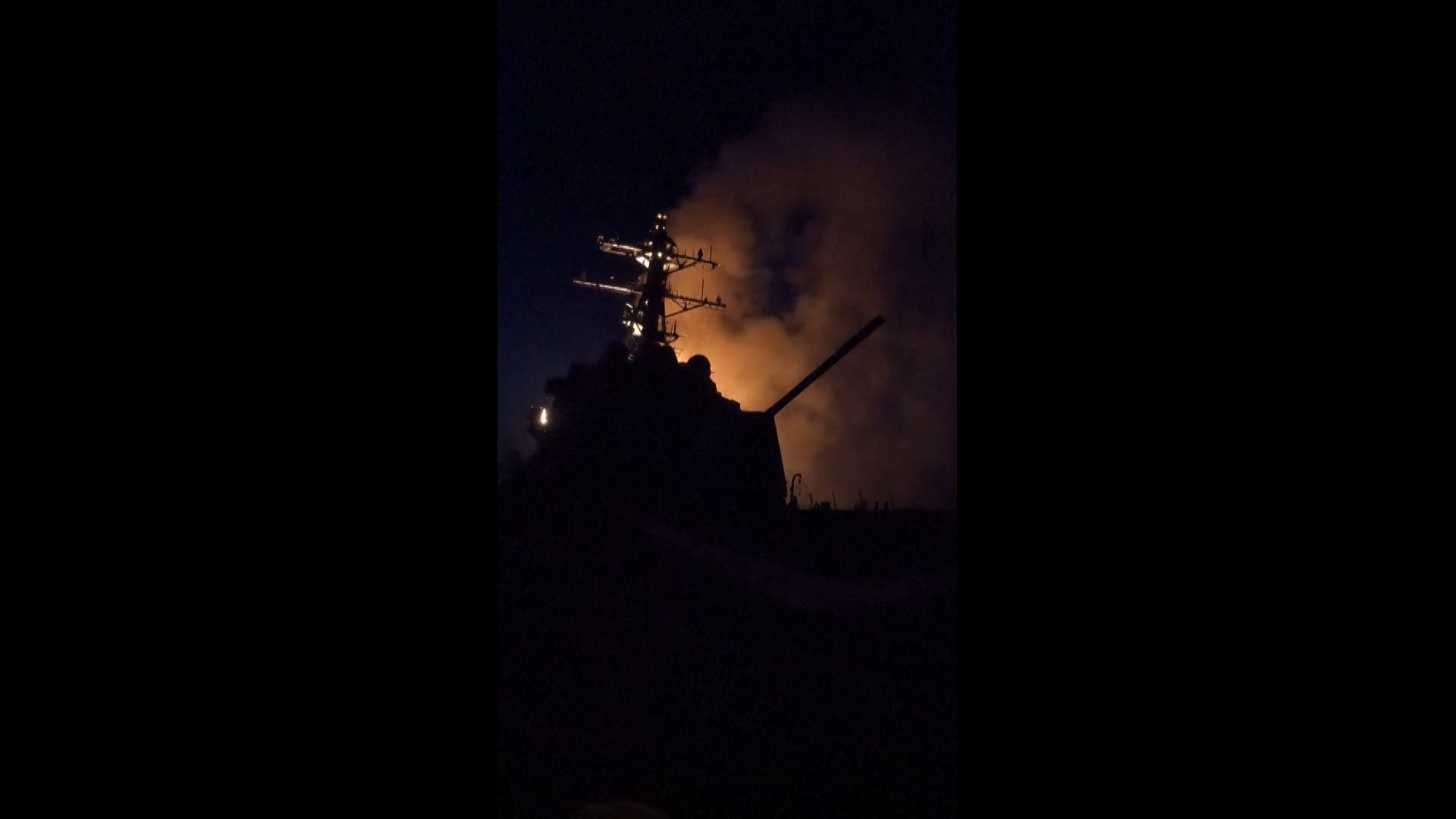
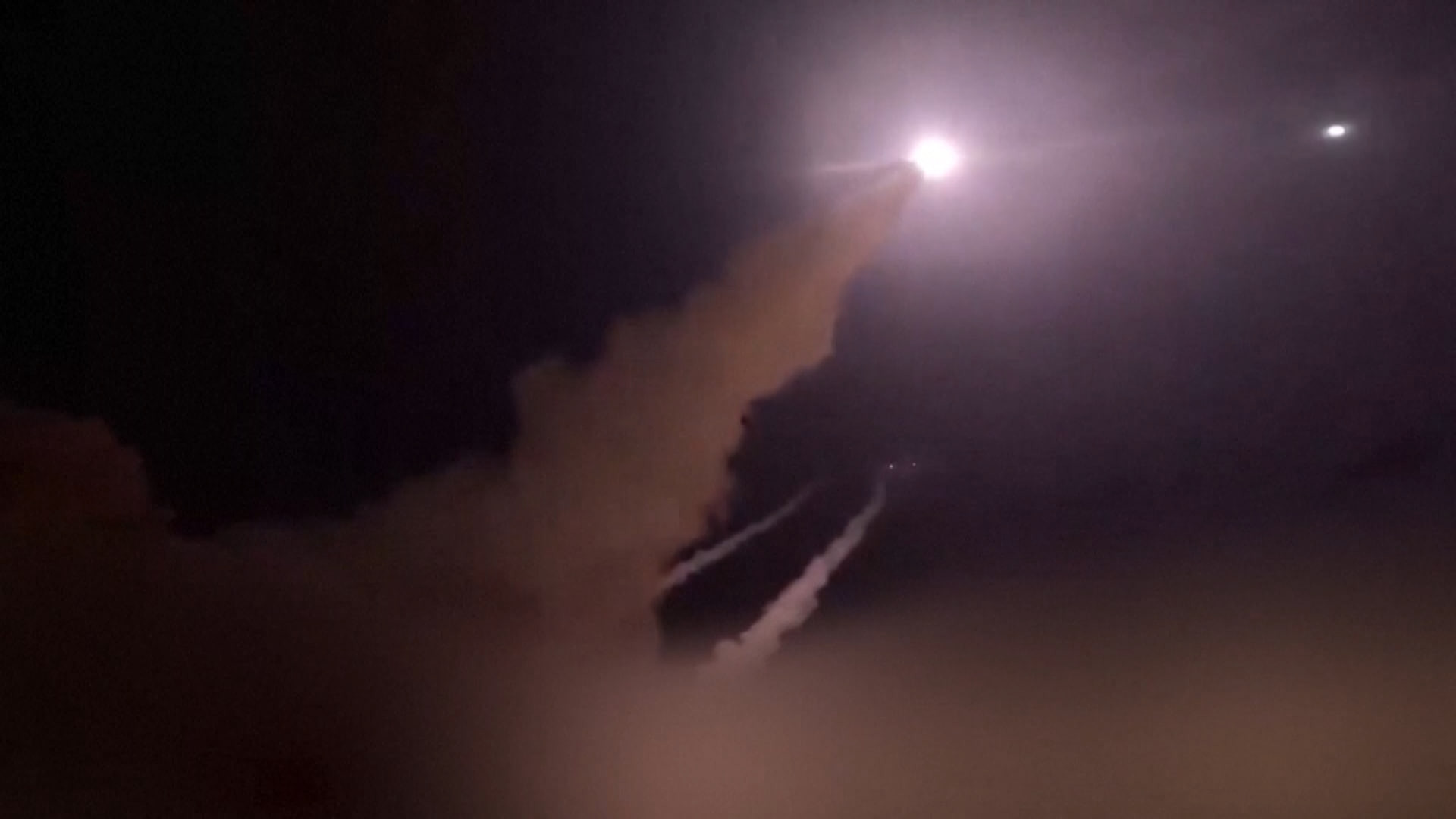
Seen in this military context, the term “total control” could refer primarily to control through coercive power—the ability to stop vessels, enforce a blockade, strike targets, or exert military pressure on an adversary.
But for an international shipping route, there is a crucial distinction between the ability to stop ships and the ability to guarantee that ships can sail safely.
One is the power to restrict. The other is the power to guarantee freedom of navigation.
That distinction becomes clearer when looking at conditions in the strait itself. Reuters reported that Iran continued to restrict most traffic through Hormuz while Washington maintained its blockade on Iran-linked shipping and ports. On August 12, Kpler tracked only eight vessels transiting the Strait of Hormuz, compared with approximately 130 to 140 vessels per day before the war.
The current situation therefore suggests that Washington may possess significant military capacity to restrict traffic and exert coercive pressure, but ensuring that the Strait of Hormuz returns to normal commercial operations is a different challenge altogether.
The central question, then, is not simply: “Can the United States control Hormuz?”
The more important question is: Does “Total Control” mean having the power to decide which vessels can pass and which can be stopped—or does it mean having the ability to ensure that the Strait of Hormuz remains safely and reliably open to international commerce?
Conclusion
The United States unquestionably possesses enormous military power and substantial capacity to shape the military environment in and around the Strait of Hormuz. But “Total Military Control” and “Total Functional Control” are not the same thing.
President Donald Trump's claim that the United States has “Total Control” of the Strait of Hormuz can therefore be understood in the context of U.S. military superiority and coercive capability. Trump himself linked his claim to the U.S. naval blockade, which he described as a “WALL OF STEEL.”
But if “total control” means that the United States can ensure the Strait of Hormuz operates normally and guarantee the safe passage of commercial vessels, the evidence available so far does not demonstrate control in that broader sense.
The situation in the Strait of Hormuz can therefore be summarized in one sentence:
The United States may possess military dominance over the Hormuz battlespace, but the evidence does not yet show that it has the ability to make the Strait of Hormuz function normally under its complete control.