(Phnom Penh): Within just a few days, a diverse group of internationally recognized figures and institutions—each speaking from a different perspective—delivered messages that, together, appeared to converge on one country: Cambodia.
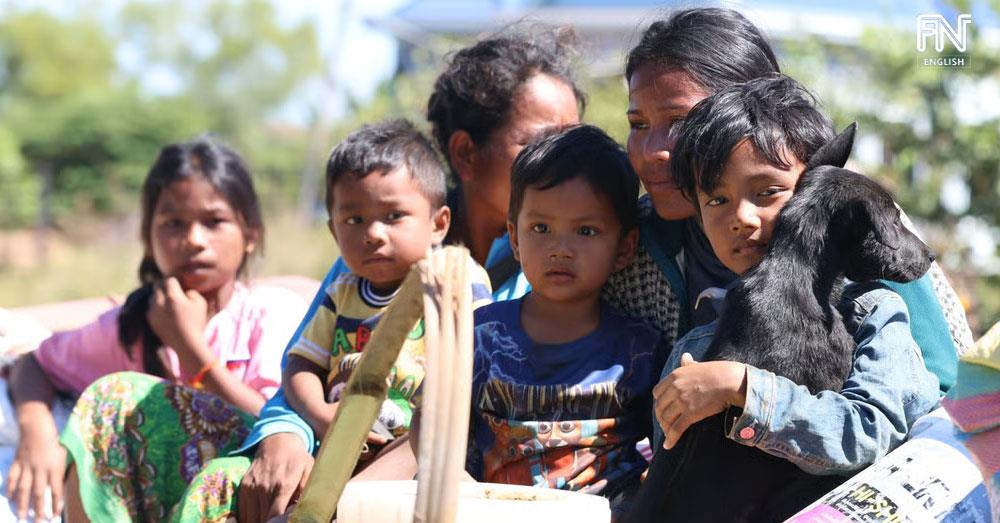
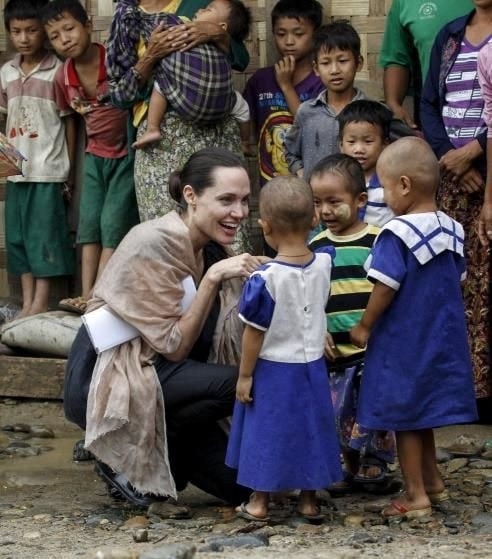
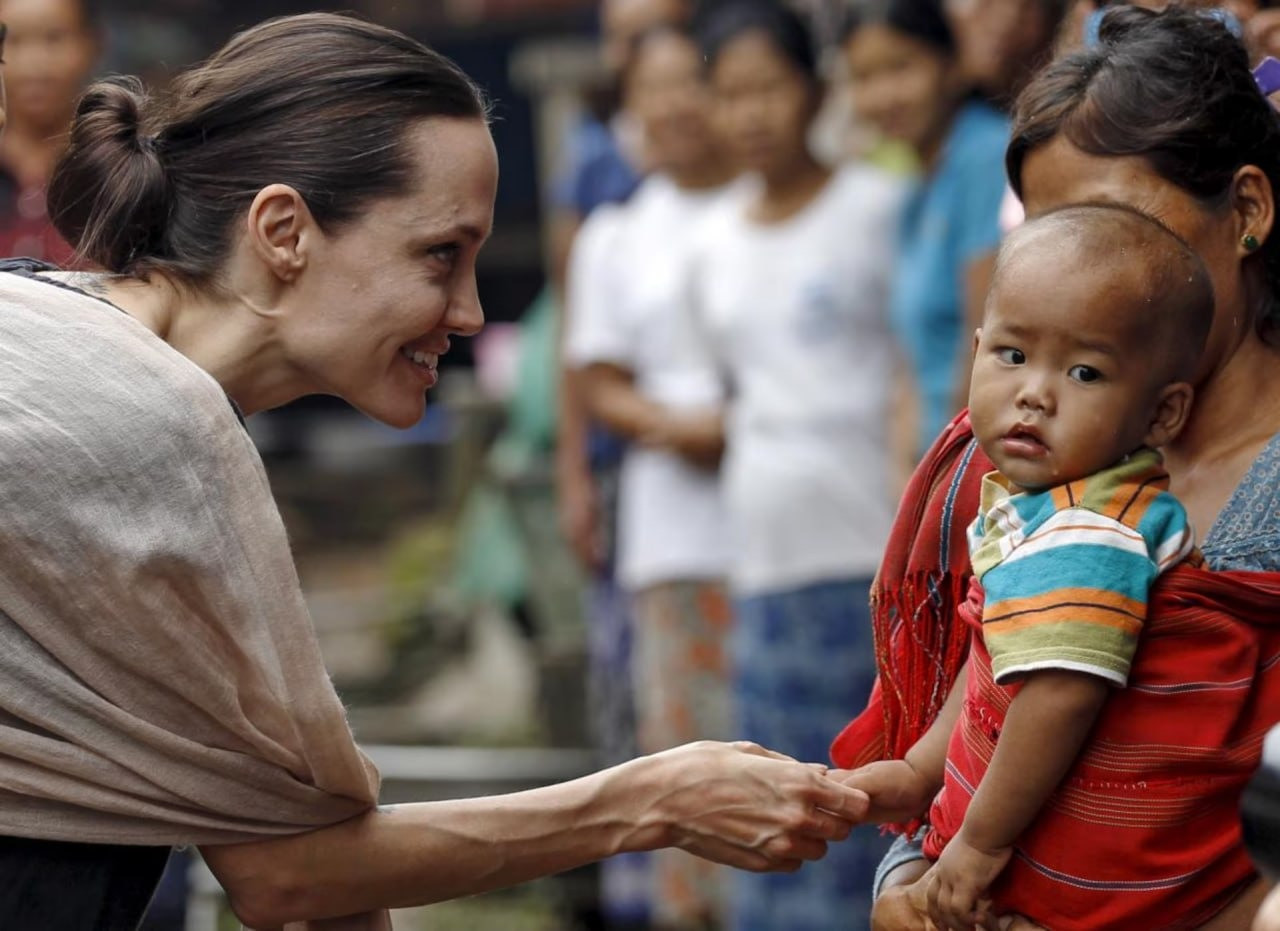
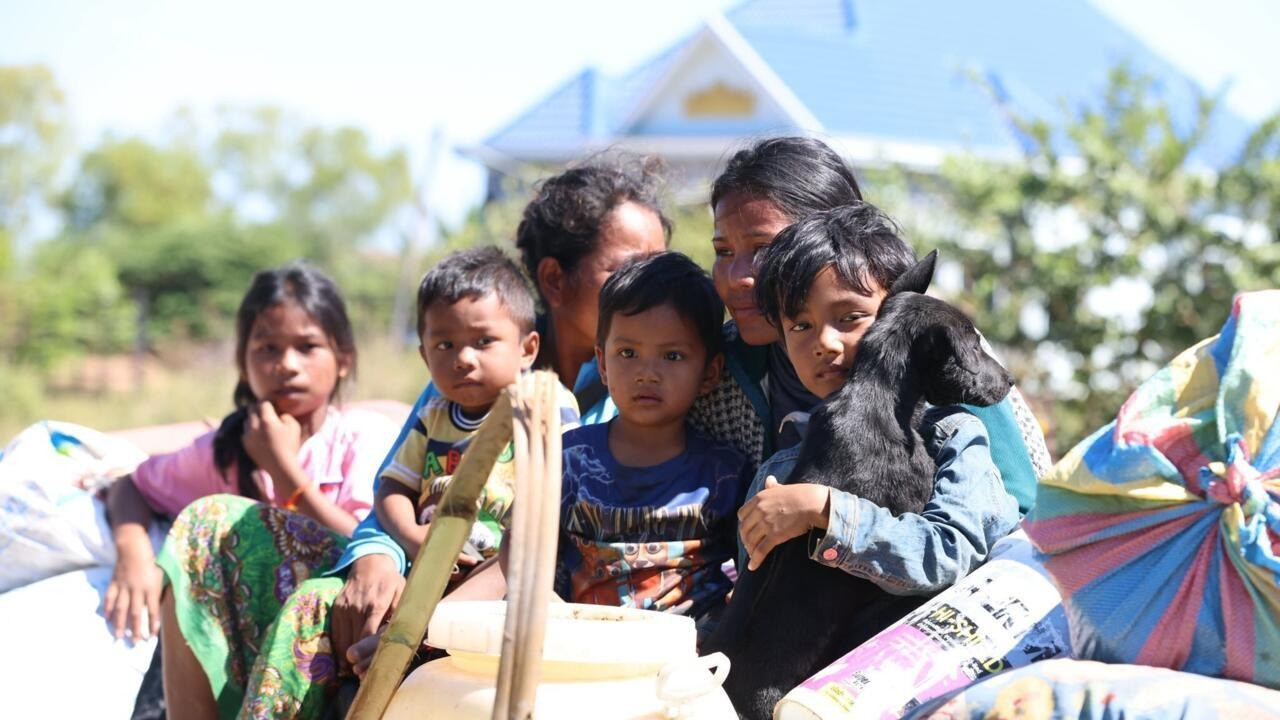
Hollywood actress Angelina Jolie expressed deep compassion for Cambodian families still displaced by the border conflict. The United States Embassy in Cambodia reaffirmed Washington's commitment to supporting lasting peace between Cambodia and Thailand. UNESCO strongly condemned the damage inflicted on Cambodia's ancient temples, while Thomas Andrews, the United Nations Special Rapporteur on the situation of human rights in Cambodia, called for respect for international law and urged that people displaced by the conflict be allowed to return safely to their homes.
Viewed individually, these statements address different issues—humanitarian concerns, diplomacy, cultural heritage, and human rights. Taken together, however, they reveal a broader picture. One year after the Cambodia–Thailand border conflict, the plight of Cambodia's displaced civilians is no longer viewed solely as a humanitarian issue. It has become an international concern that links the right of displaced families to return home, the protection of Cambodia's cultural heritage, respect for international law, and the pursuit of a durable peace between Cambodia and Thailand.
The international attention devoted to Cambodia's displaced civilians demonstrates that, for the global community, peace cannot be measured simply by the silence of guns or the signing of ceasefire agreements. Genuine peace is measured by respect for international law, the protection of civilians, and the ability of displaced families to return safely, voluntarily, and without obstruction to their homes and livelihoods.
This is precisely why, one year after the Cambodia–Thailand border conflict, the fate of Cambodia's displaced civilians continues to attract sustained international attention. For much of the world, the conflict cannot truly be considered over until those forced from their homes are able to return in safety, dignity, and hope.
The War May Have Ended, But Many Families Still Cannot Go Home
In her recent public statement, Angelina Jolie reflected on Cambodia's special place in her family's life. Through the Maddox Foundation, her family has spent more than two decades supporting conservation efforts and community development along Cambodia's border region. Yet when fighting erupted, the Foundation's staff and their families were forced to evacuate—an experience that, she said, underscored how quickly conflict can return.
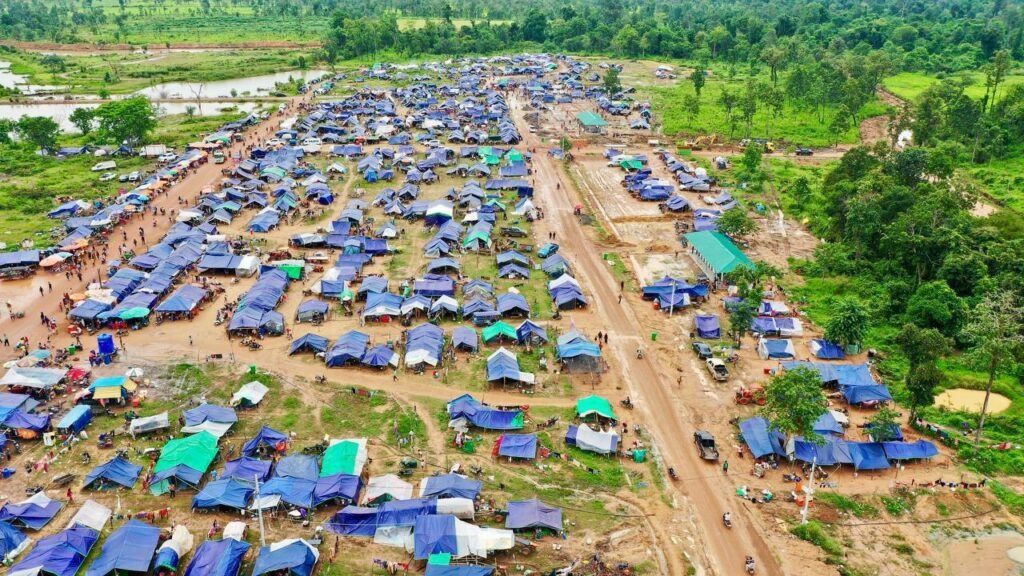
That experience also deepened her understanding of the suffering endured by tens of thousands of Cambodian civilians who, even today, remain unable to return to their homes.
The words that resonated most widely across the international community were simple but powerful:
“My heart is with everyone still waiting to come home"
Rather than discussing military operations or political disputes, Jolie chose to focus on the human cost of conflict. Her message centered on ordinary families who continue to wait for the day they can safely return to the communities they were forced to leave behind.
She also reminded the world that nearly 30,000 Cambodians remain displaced, unable to return to their homes. In doing so, her statement became more than an expression of sympathy—it served as a reminder that these families should not be forgotten while they continue to wait for conditions that will allow them to return home in safety and dignity.
The United Nations Calls for Respect for International Law
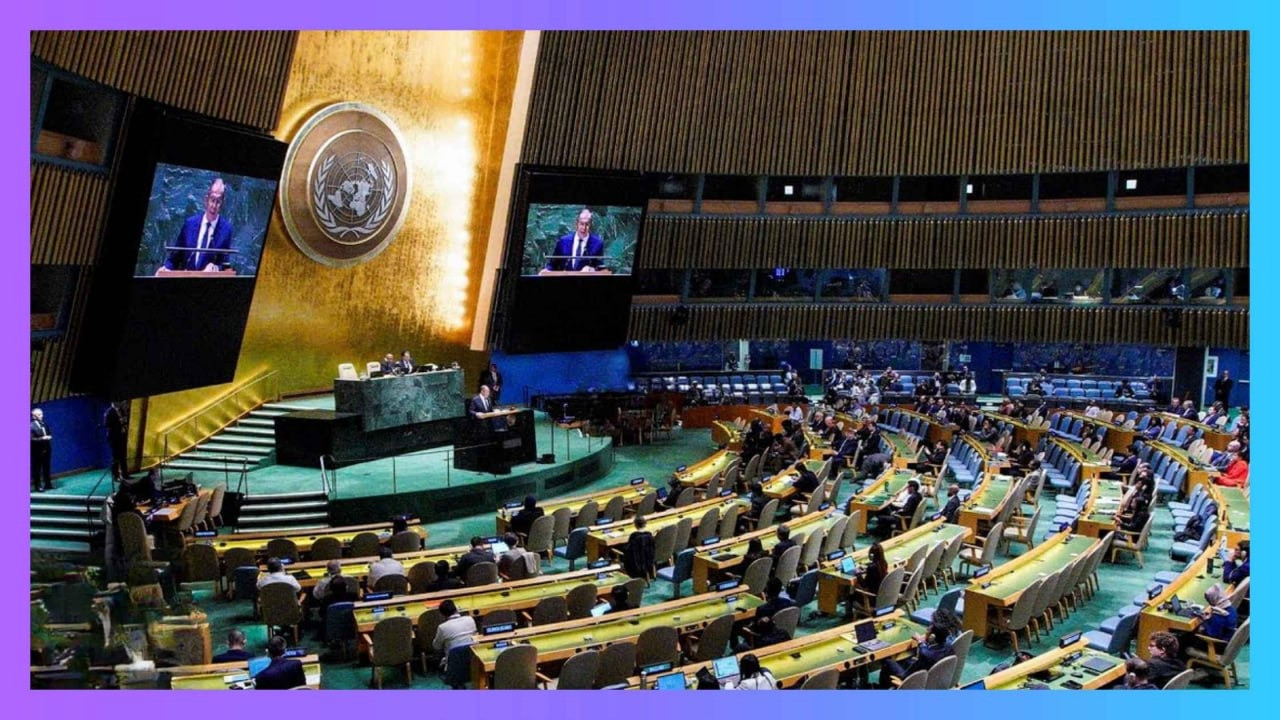
Following his visit to Cambodia's border provinces, Thomas Andrews, the United Nations Special Rapporteur on the situation of human rights in Cambodia, described meeting numerous families whose villages had been affected by the conflict and who remained unable to return home.
Many spoke emotionally about losing their homes, their property, and the communities in which they had lived for generations. According to Andrews, some residents told him that they were still unable to return because areas of their villages remained inaccessible, while damaged homes, destroyed workshops, and security barriers continued to prevent normal life from resuming.
Drawing attention to international legal principles rather than political arguments, Andrews emphasized that people displaced by armed conflict have the right under international law to return to their homes safely, voluntarily, and without obstruction. He urged all relevant parties to cooperate in facilitating the return of displaced civilians and to fulfill their obligations under both international law and the existing ceasefire arrangements.
His remarks shifted the discussion away from battlefield developments and toward a broader humanitarian question: not simply whether the fighting has stopped, but when—and under what conditions—Cambodian families will finally be able to return to their homes and communities in safety and dignity.
Cultural Heritage and Civilian Protection Are Inseparable
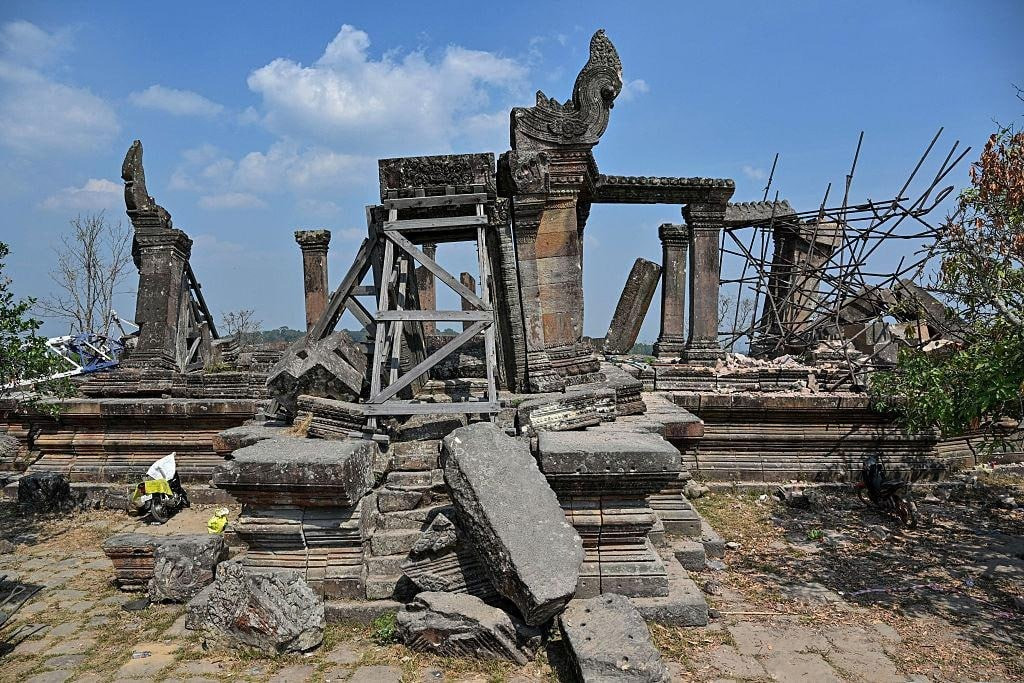
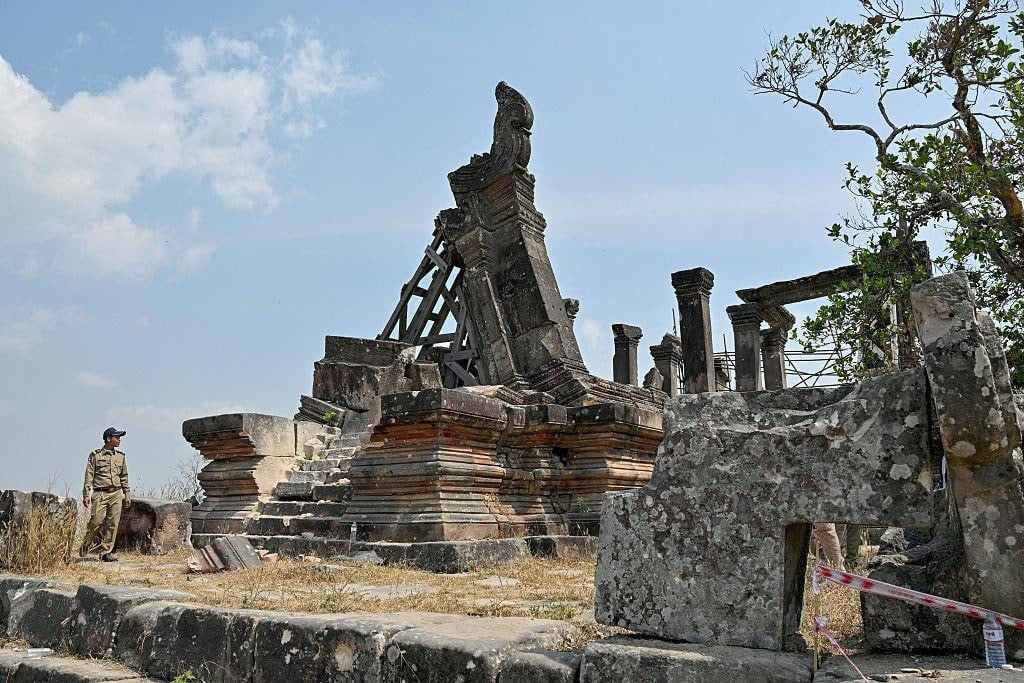
During its recent session, UNESCO and the World Heritage Committee strongly condemned the damage inflicted on Cambodia's World Heritage temples and reiterated that all parties involved in armed conflict have an obligation under international law to protect cultural property.
Their statement was more than an expression of concern over damaged monuments. It reaffirmed that cultural heritage belongs not only to one nation but to humanity as a whole. Sites such as Cambodia's ancient temples are protected under the 1954 Hague Convention for the Protection of Cultural Property in the Event of Armed Conflict, together with other relevant international legal instruments.
Intentional attacks against protected cultural heritage may give rise to international legal responsibility and, under certain circumstances, may constitute war crimes under the Rome Statute of the International Criminal Court, subject to the legal requirements established under international law.
For the international community, therefore, protecting cultural heritage and protecting civilians are not separate issues. One safeguards a nation's history, identity, and civilization; the other safeguards human life, dignity, and fundamental rights. This explains why the destruction of cultural heritage and the displacement of civilian populations have repeatedly been raised together in recent international discussions concerning the Cambodia–Thailand border conflict.
Peace Means More Than a Ceasefire
Marking the first anniversary of the Cambodia–Thailand border conflict, the United States Embassy in Cambodia recalled the tragic loss of life, the displacement of hundreds of thousands of civilians, and the diplomatic efforts that ultimately led to the Kuala Lumpur Peace Accords. In its statement, the Embassy reaffirmed the United States' commitment to helping "solidify lasting peace" between Cambodia and Thailand.
That message carries significance beyond diplomacy. It reflects a broader international understanding that peace cannot be defined simply by the cessation of hostilities or the signing of a ceasefire agreement. Durable peace requires that such agreements be respected, that tensions do not return, and that civilians affected by war are able to rebuild their lives by returning safely to their homes, communities, and livelihoods.
Viewed together, the messages from Angelina Jolie, the United Nations, UNESCO, and the United States reveal a striking convergence.
Angelina Jolie reminded the world not to forget the families still waiting to return home.
The United Nations reaffirmed that displaced civilians have rights protected under international law.
UNESCO emphasized the international obligation to safeguard cultural heritage during armed conflict.
The United States, meanwhile, underscored the importance of diplomacy in transforming a ceasefire into a lasting peace.
Together, these voices point toward the same conclusion: ending armed conflict is only the beginning. Peace becomes meaningful only when those displaced by war can return home safely, with dignity, hope, and confidence that conflict will not return.
When international figures and institutions—including Angelina Jolie, UNESCO, the United Nations, and the United States Embassy—speak about Cambodia's displaced civilians, they do not approach the issue from identical perspectives. Some emphasize humanitarian concerns; others focus on diplomacy, cultural heritage, human rights, or international law.
Yet despite their different mandates, their messages converge around a common principle: respect for international law, protection of civilians, preservation of cultural heritage, and the right of displaced people to return safely to their homes are inseparable elements of a just and sustainable peace.
In this sense, their statements also serve as a reminder that violations of international law—whether through attacks on civilians, obstruction of displaced families seeking to return home, or damage to protected cultural heritage—are not matters that escape international attention. Depending on the facts established and the applicable legal processes, such acts may give rise to international legal responsibility under the relevant frameworks of international law.
One year after the Cambodia–Thailand border conflict, the question facing the international community is no longer simply whether the fighting has ended. The more enduring question is whether peace has truly taken root.
For the tens of thousands of Cambodian families who continue to wait for the day they can safely return home, the answer will not be measured by the silence of weapons alone. It will be measured by the day they are finally able to cross back into their communities, reclaim their homes, rebuild their lives, and live once again in safety, dignity, and hope.
Only then can peace be said to have fulfilled its true purpose.