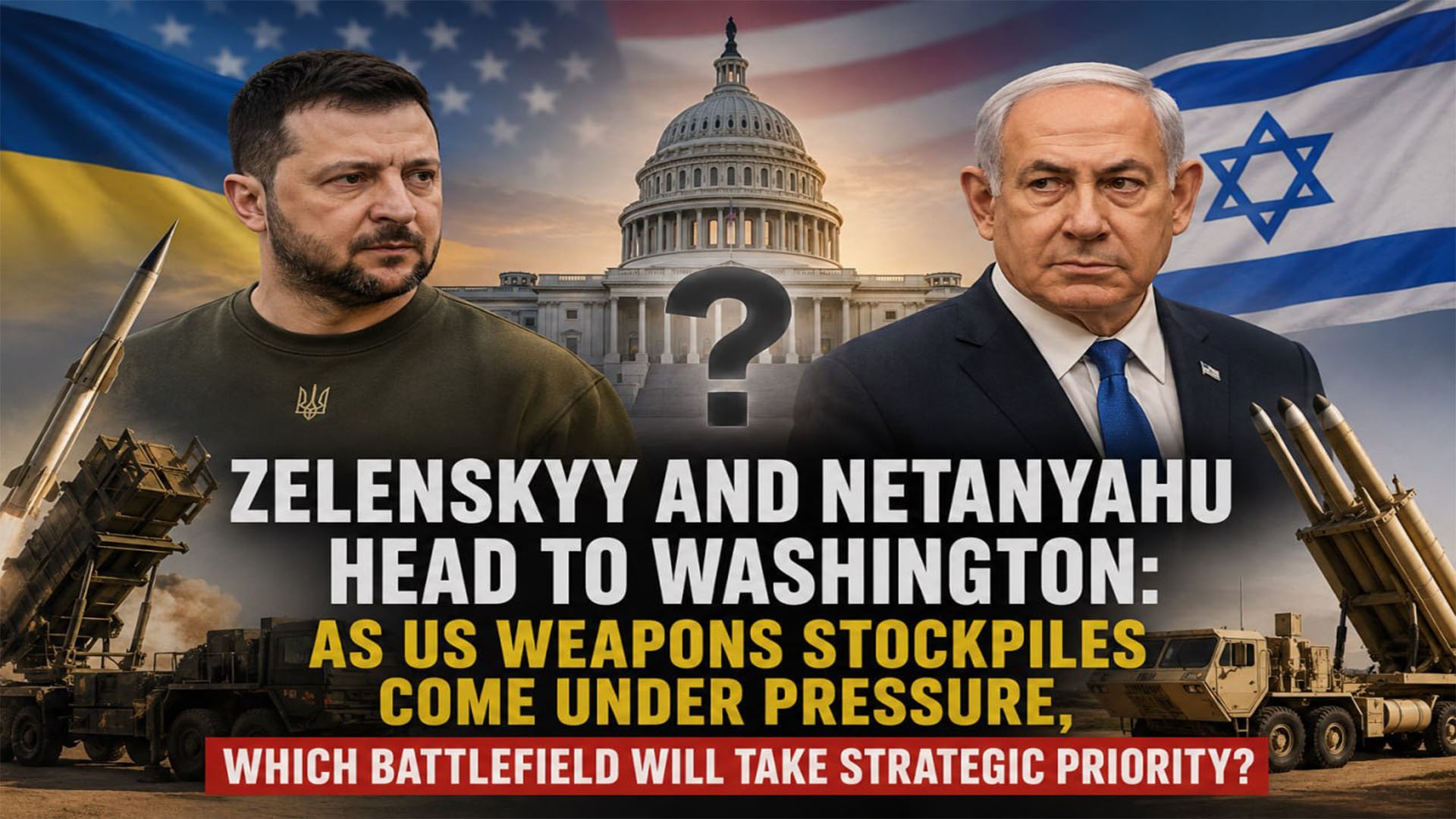
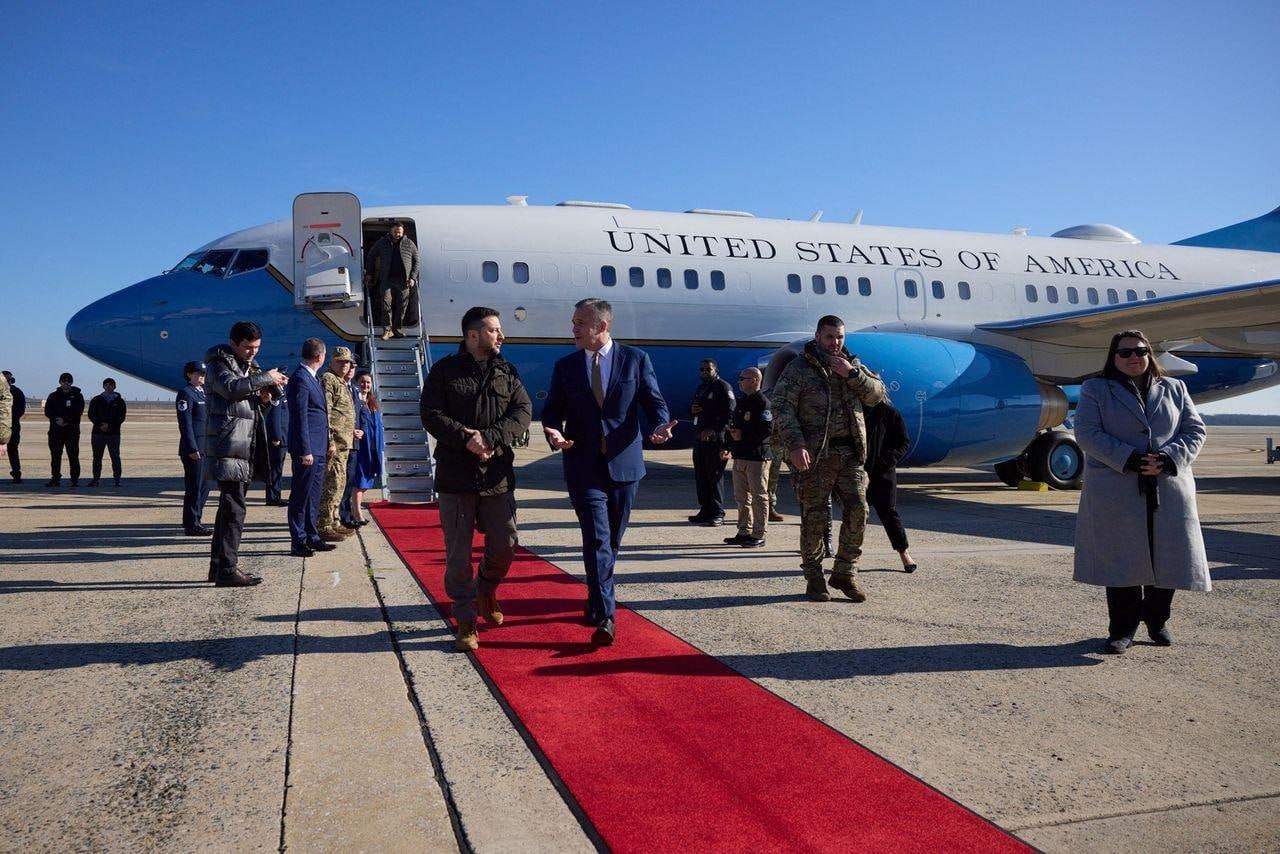
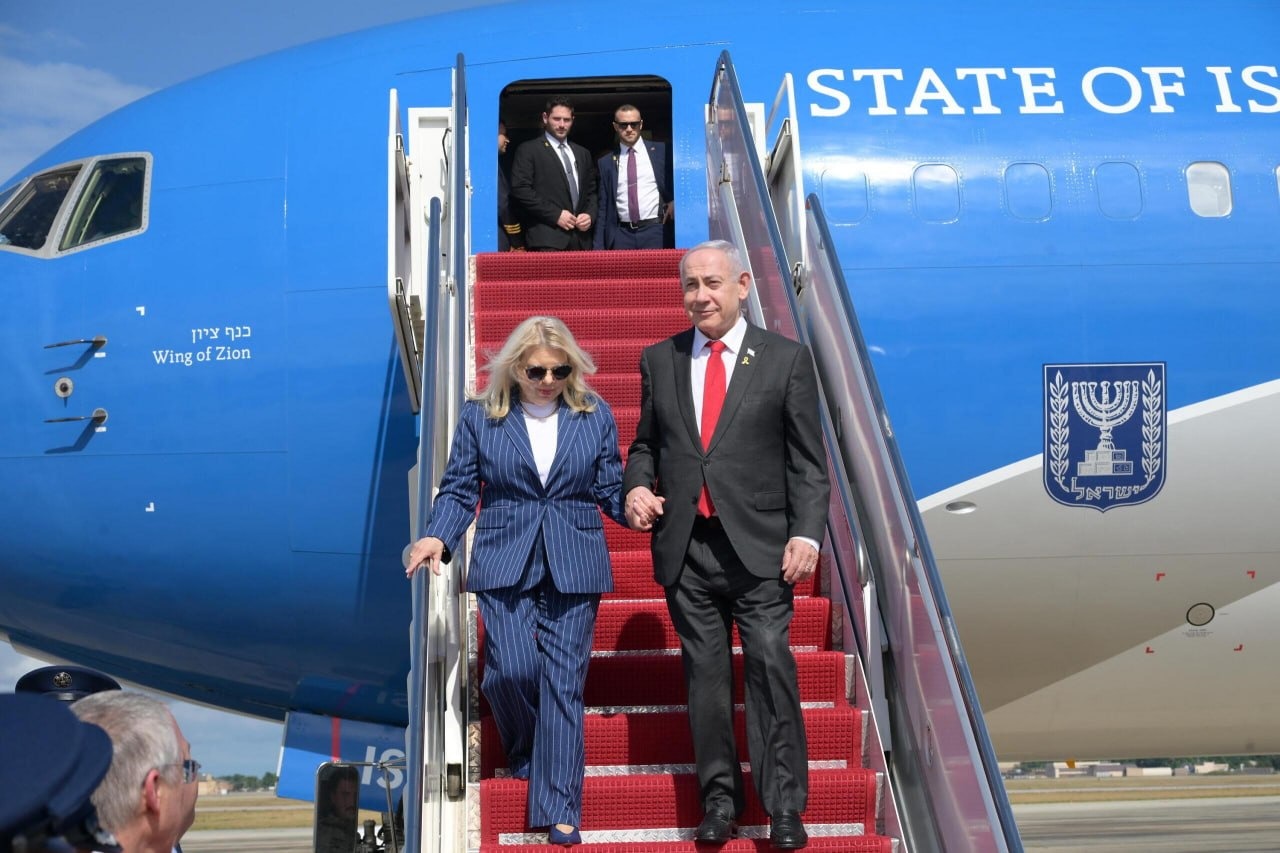
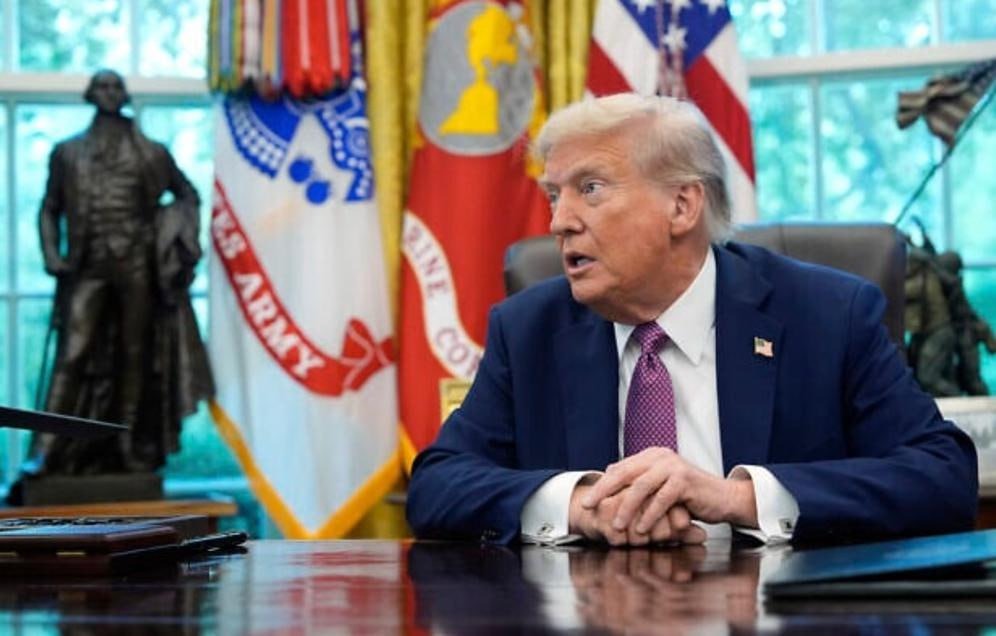
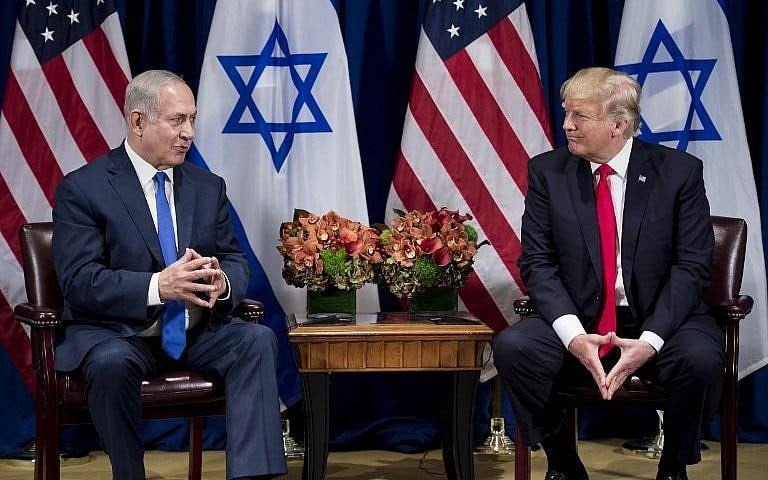
(Phnom Penh): On the same day, US President Donald Trump is set to receive two leaders whose countries are fighting two very different wars.
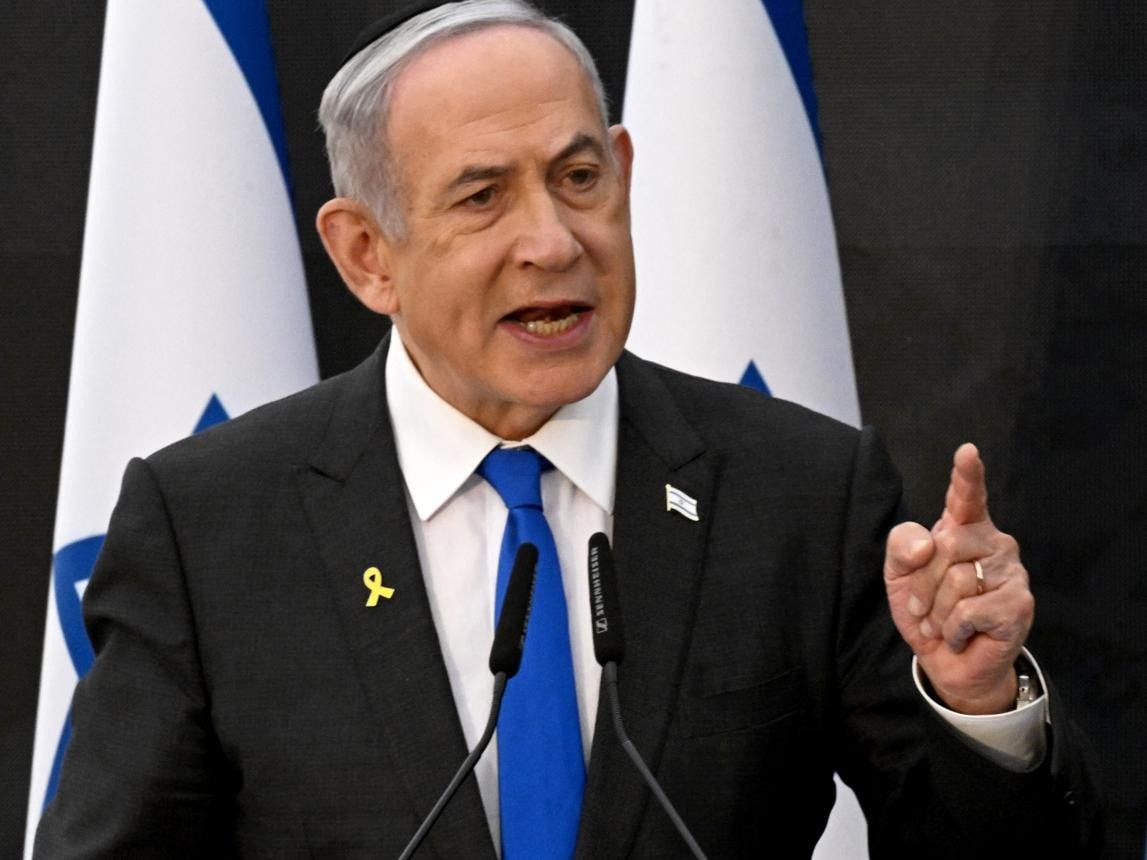
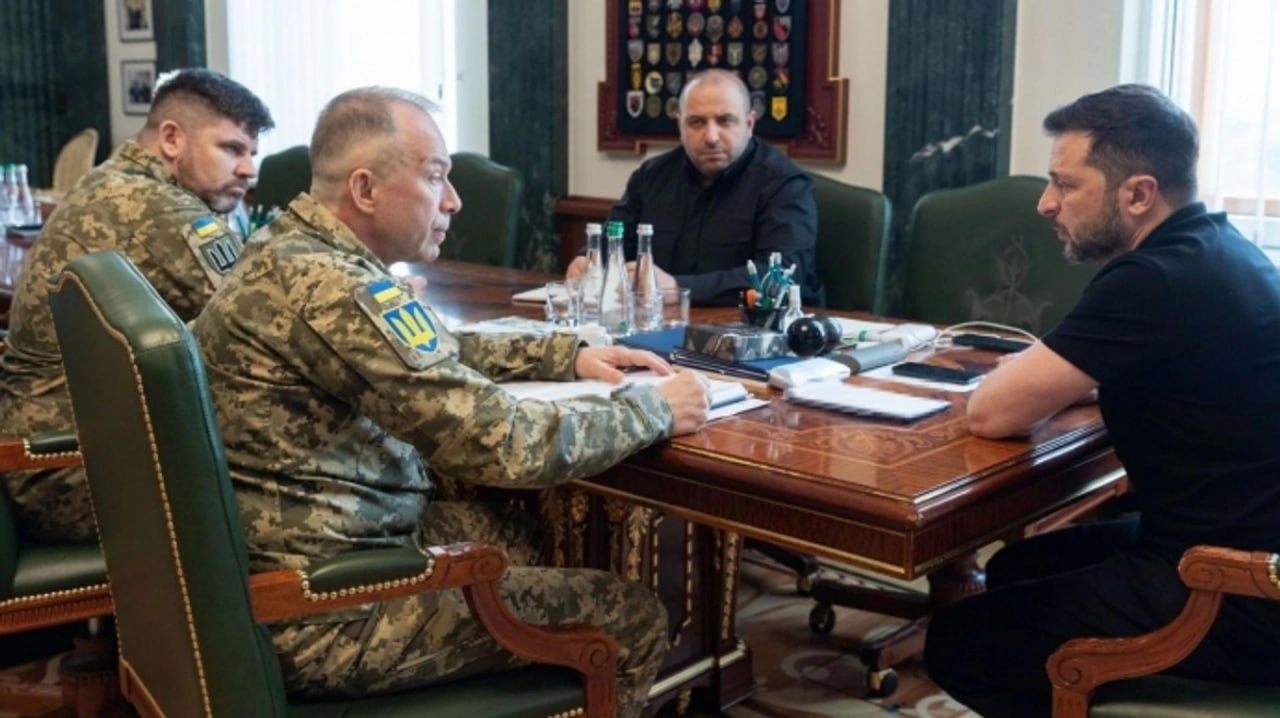
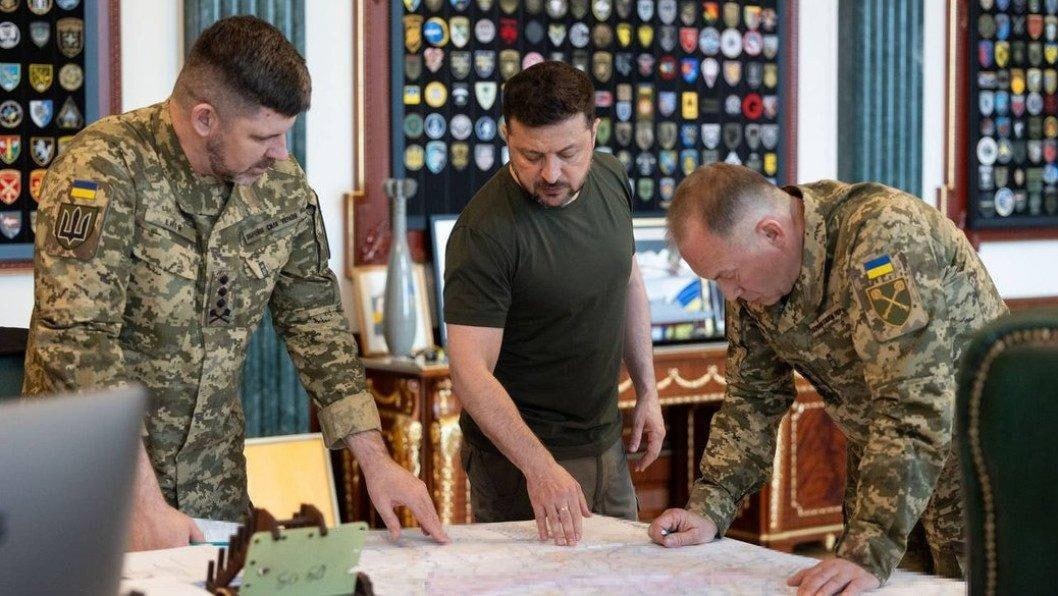
One is Ukrainian President Volodymyr Zelenskyy, who is seeking additional Patriot air defence systems and military assistance to shield Ukraine from Russia's continuing missile and drone attacks. The other is Israeli Prime Minister Benjamin Netanyahu, who is expected to discuss the conflict with Iran, the deteriorating security situation in Lebanon, and Israel's broader security concerns in the Middle East.
Under ordinary circumstances, these would appear to be two separate diplomatic meetings. This time, however, they come at a moment when the United States has just concluded thirteen consecutive nights of military strikes against Iran and is facing growing questions over the pressure on its stockpiles of advanced precision-guided weapons—particularly Patriot interceptors and other high-end munitions—as the third round of the US-Iran conflict continues to intensify.
CNN has reported that senior US military officials, including the Chairman of the Joint Chiefs of Staff, have raised concerns about the sustainability of prolonged military operations after the Iran campaign consumed significant quantities of advanced munitions.
The central question surrounding these meetings, therefore, is no longer simply whether President Trump will favour Ukraine or Israel. A more fundamental question has emerged:
At a time when advanced military capabilities cannot be replenished overnight, which battlefield will receive Washington's strategic priority? And which allies will be first in line for some of the world's most sought-after weapons?
Zelenskyy Seeks Weapons That Washington Is Simultaneously Trying to Preserve
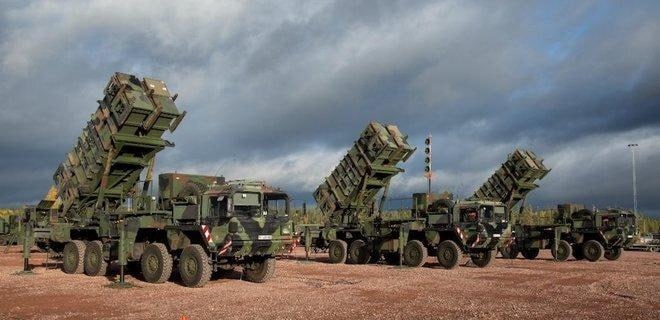
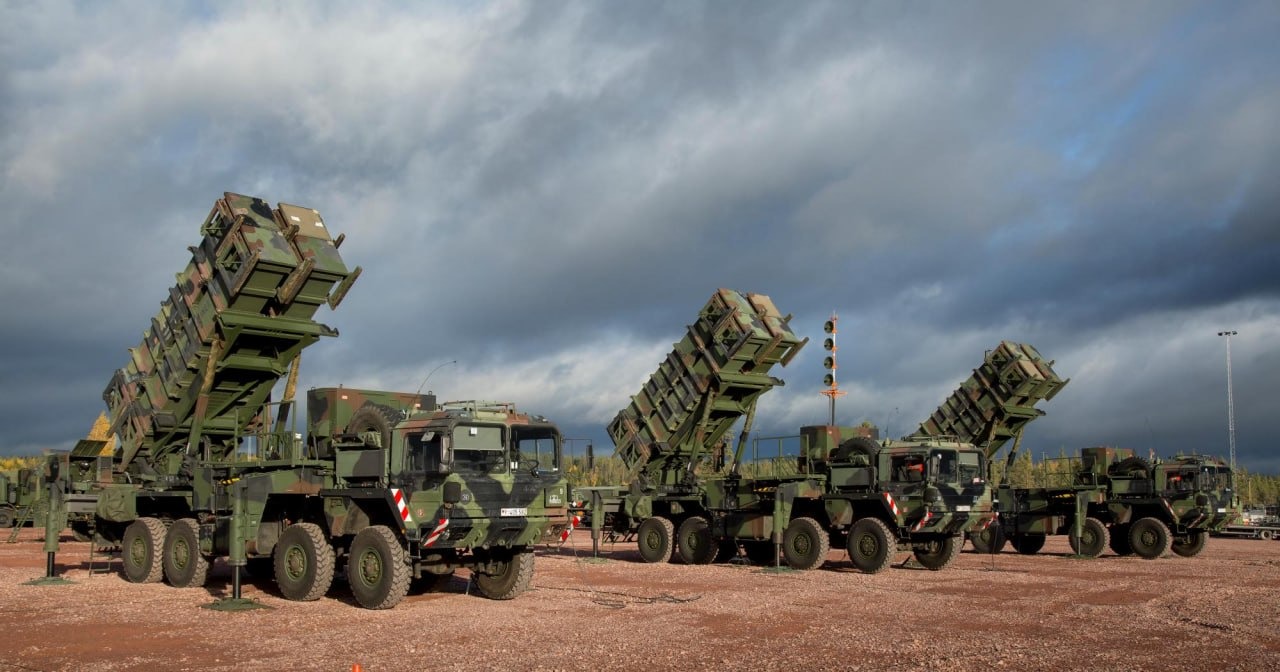
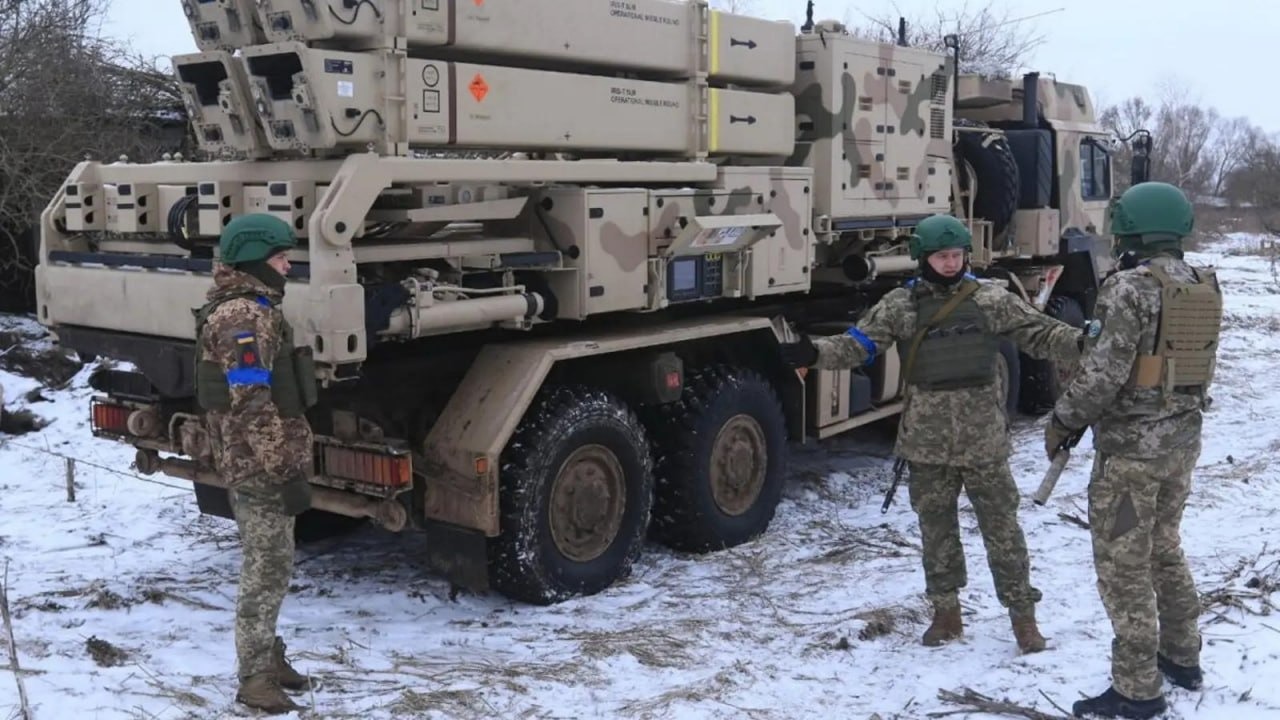
For Ukraine, the most immediate priority remains air defence. According to Reuters, President Zelenskyy is expected to request additional Patriot air defence systems while also discussing joint production arrangements involving the United States, Ukraine and NATO. The talks are also expected to cover drone cooperation, with Kyiv seeking to leverage its battlefield experience and drone technology as part of a broader strategic partnership with Washington.
These requests carry considerable weight.
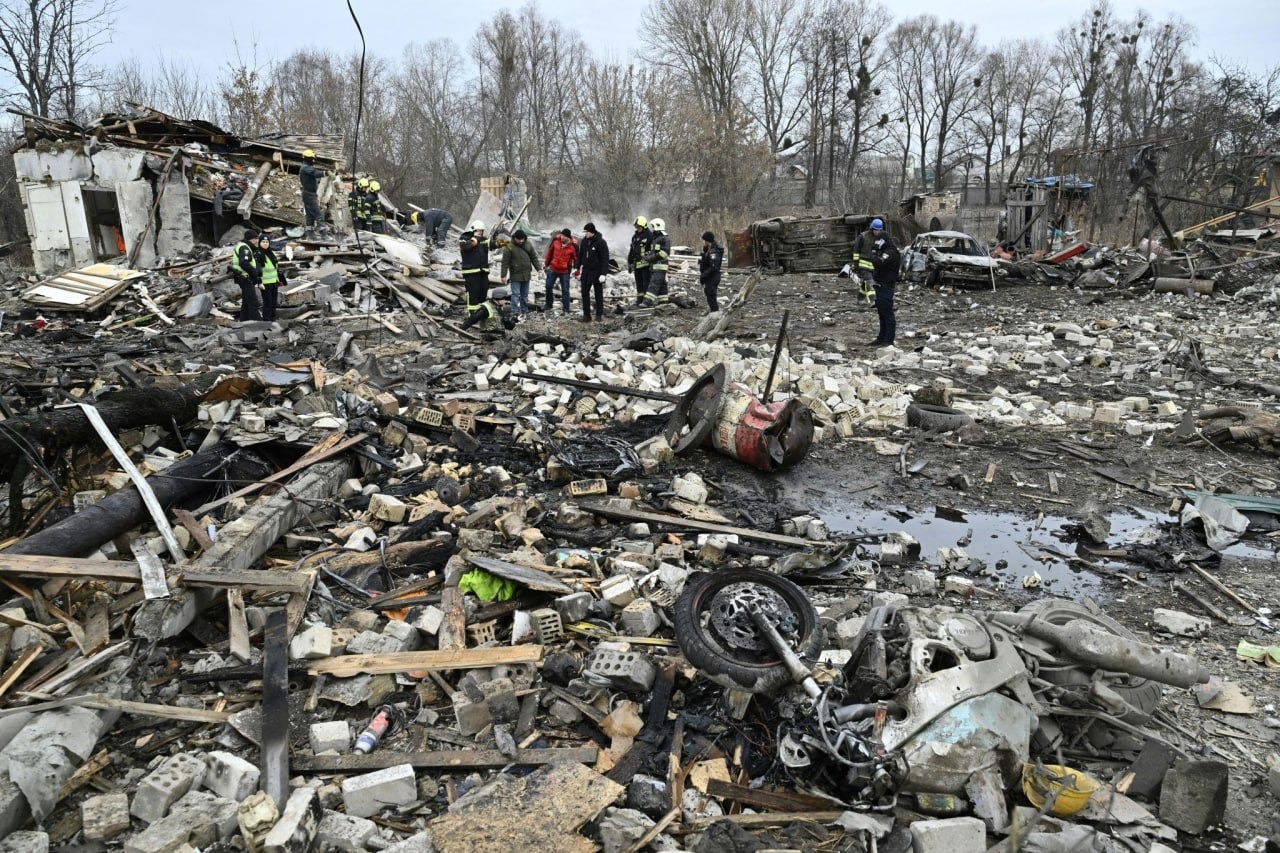
Russia continues to launch large-scale missile and drone strikes against Ukrainian cities, critical energy infrastructure and military facilities. Although discussions about a possible aerial ceasefire surfaced ahead of the meeting, Moscow has not acknowledged any concrete proposal that would halt those attacks.
For Zelenskyy, obtaining additional Patriot systems is not merely about acquiring another weapons platform. It is about preserving Ukraine's ability to defend its cities, protect its civilian population and maintain its military resistance while waiting for a political settlement.
Yet Kyiv faces a significant challenge.
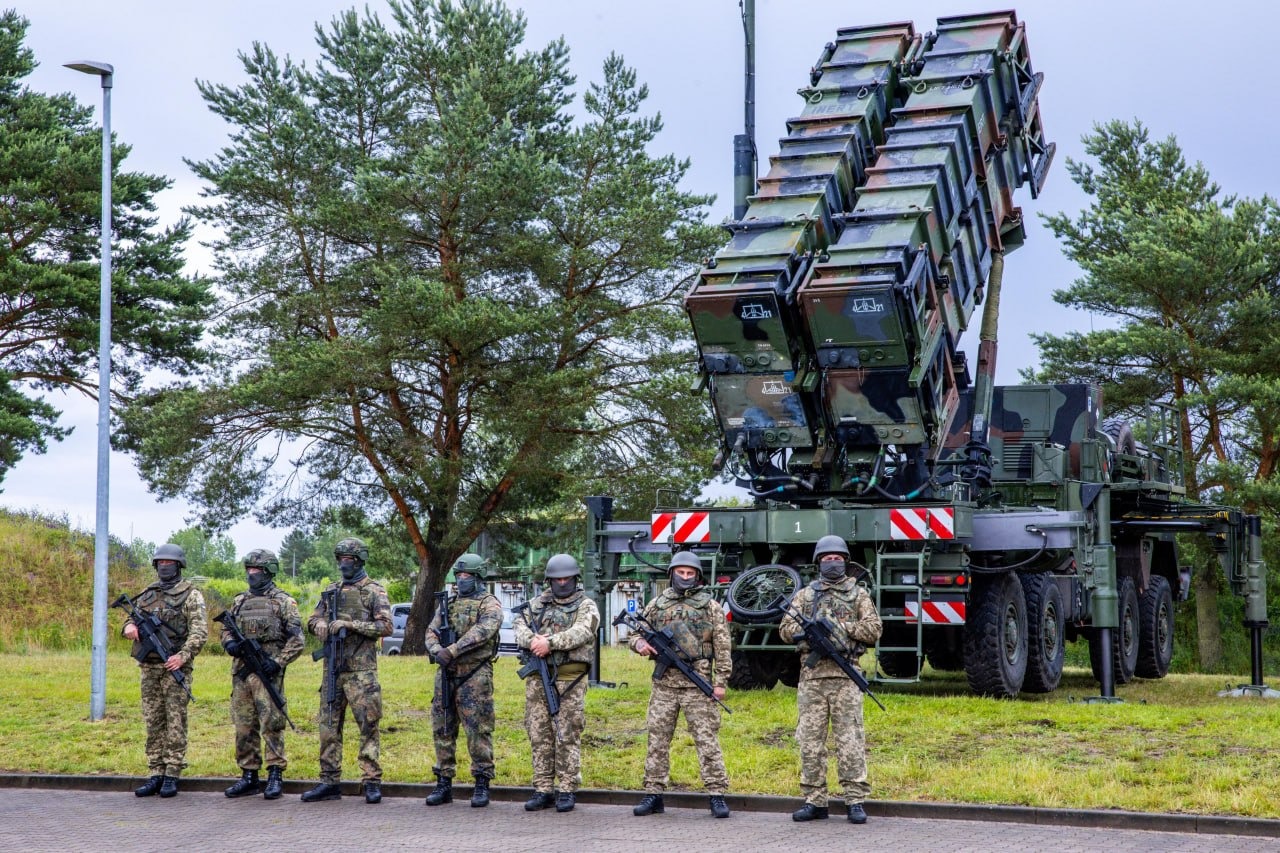
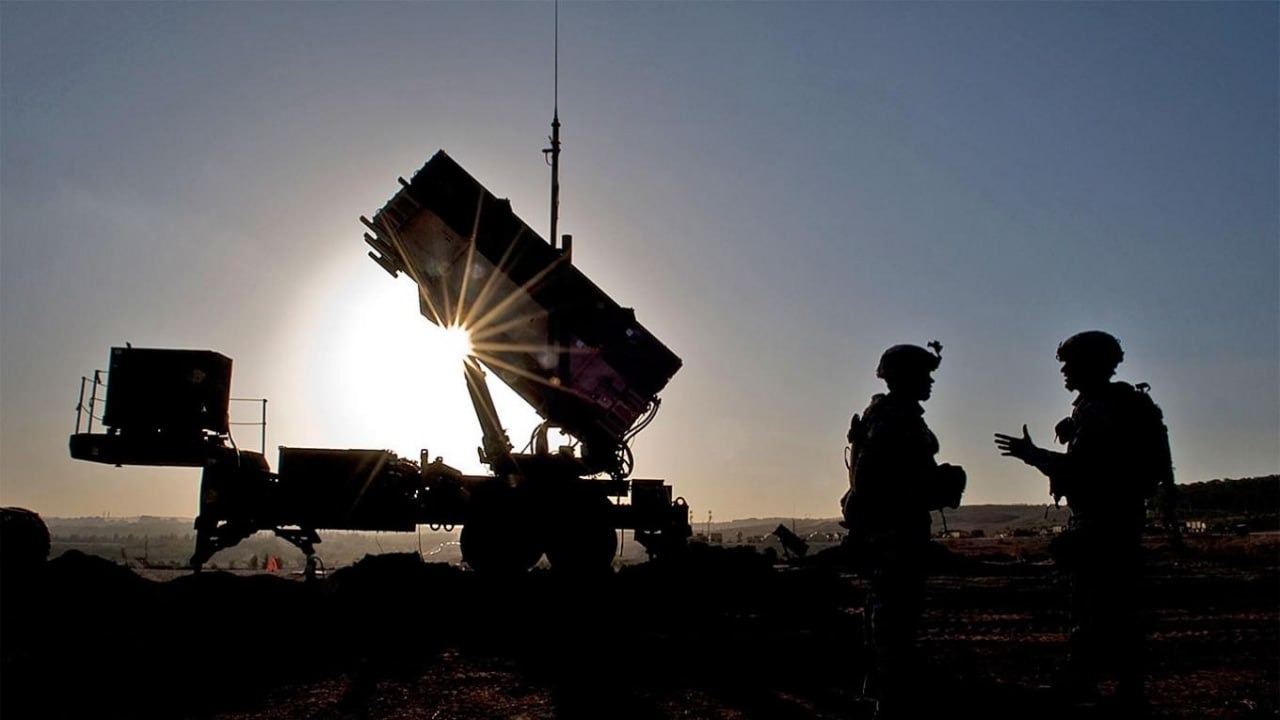
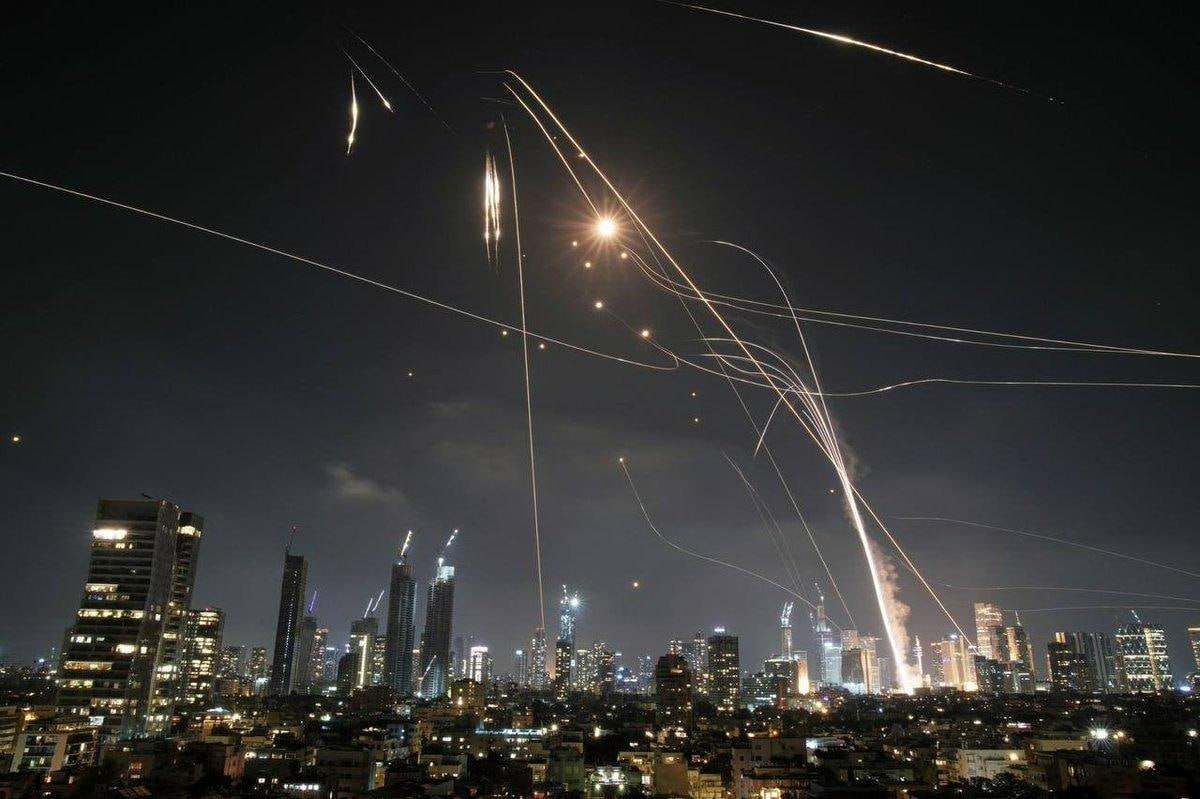
The Patriot system is also one of the very weapons that the United States and its allies urgently require elsewhere. During the recent conflict with Iran, Patriot interceptors played a critical role in defending US military bases, allied facilities and strategic infrastructure across the Middle East against Iranian missiles and drone attacks.
Consequently, when President Zelenskyy asks for more Patriot systems, the issue extends far beyond whether Washington remains committed to supporting Ukraine.
He must also persuade President Trump that transferring additional Patriot batteries to Kyiv will not weaken America's own defensive posture or diminish the protection available to Israel and other US partners in the Middle East.
That is precisely why discussions on joint defence production have become strategically significant.
If Ukraine can contribute to weapons manufacturing, drone development or broader defence supply chains, it could gradually reshape its role—from being viewed primarily as a recipient of military assistance to becoming a partner capable of strengthening the West's long-term defence industrial capacity.
In this sense, President Zelenskyy's visit to Washington is about more than requesting additional weapons. It is also an effort to demonstrate that supporting Ukraine should be viewed not simply as a military expense, but as a long-term strategic investment in the collective defence capabilities of the United States and its allies.
Netanyahu Seeks to Ensure Israel Remains Washington's Top Strategic Priority in the Middle East
For Israeli Prime Minister Benjamin Netanyahu, the strategic context differs from Ukraine's, but some of the military requirements are remarkably similar. Both Israel and Ukraine rely heavily on advanced air defence systems, precision-guided munitions and US intelligence support to confront evolving security threats.
During his meeting with President Donald Trump, Netanyahu is expected to discuss the suspension of US strikes against Iran, the deteriorating security situation in Lebanon, and Washington's broader strategic direction in the Middle East. According to Reuters, the meeting comes at a time when differences have emerged between the two leaders, while the United States is simultaneously attempting to preserve diplomatic channels with Tehran.
Within this context, Netanyahu's objectives appear to be at least threefold.
First, he will seek assurances that Washington's decision to pause military operations will not evolve into an agreement that Israel considers overly accommodating toward Iran or one that allows Tehran sufficient time to rebuild its military capabilities.
Second, he will aim to ensure that Israel continues to receive advanced air defence systems, missile interceptors, precision-guided munitions and intelligence support from the United States. Such assurances have become increasingly important as America's stockpiles of advanced weapons face mounting pressure from multiple theatres of conflict.
Third, Netanyahu will seek to reinforce the long-standing principle that Israel's security remains one of Washington's highest strategic priorities, despite the United States simultaneously supporting Ukraine, maintaining military commitments across the Middle East and preserving deterrence capabilities in the Indo-Pacific.
Yet Netanyahu also faces an important political reality.
President Trump has made it increasingly clear that Israel will not dictate America's broader security and arms export policies. When questioned about the possible sale of F-35 fighter aircraft to Türkiye, Trump publicly dismissed Israeli objections, declaring that no one tells him what the United States should or should not sell to another country.
Trump also acknowledged that while he and Netanyahu remain largely aligned on Iran, there are still "a few differences" between them. Those differences appear to extend beyond military tactics and may also involve how much pressure should continue to be applied to Tehran and how much room should be given to diplomacy.
Netanyahu's visit to Washington, therefore, is about more than securing additional military assistance.
It is equally an effort to shape Washington's strategic approach toward Iran—determining how far negotiations should proceed, what conditions might be acceptable for any future agreement and under what circumstances the United States should be prepared to return to military action if diplomacy fails.
In that sense, Netanyahu is seeking not only to preserve Israel's access to American military support but also to ensure that Israel's security concerns continue to carry decisive weight as Washington recalibrates its strategic priorities in the Middle East.
The Issue Is Not That America Is Running Out of Weapons—It Is That Production Cannot Keep Pace with Consumption
Claims that the United States is "running out of weapons" go beyond what the available evidence supports.
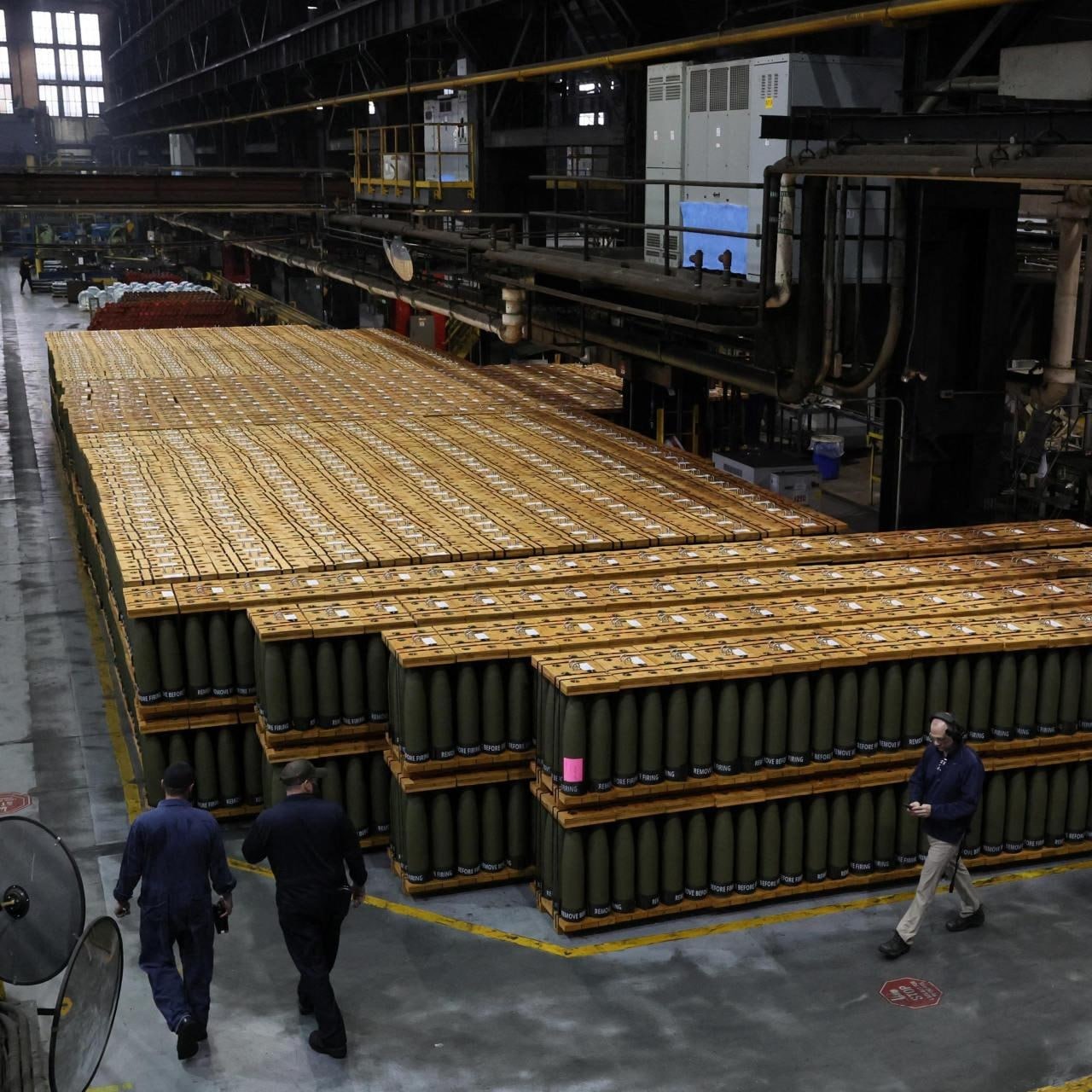
The United States still possesses one of the world's largest military arsenals and retains enormous defence-industrial capacity. The emerging challenge is not the complete depletion of weapons stockpiles but rather the growing gap between the rate at which sophisticated munitions are being consumed and the speed at which they can be replaced.
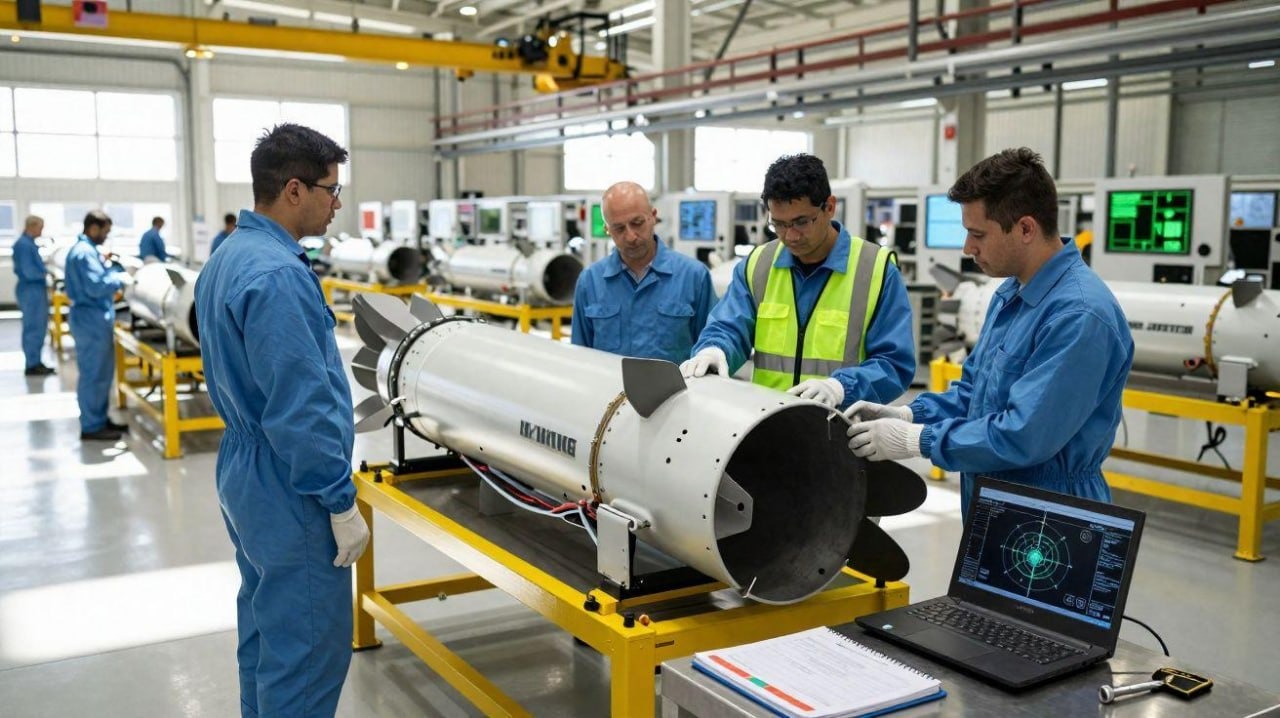
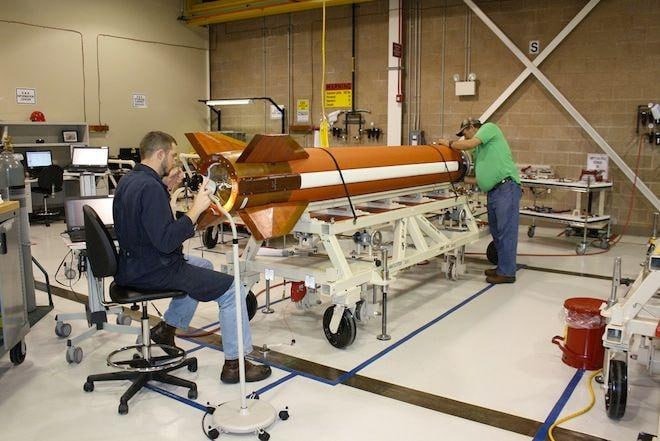
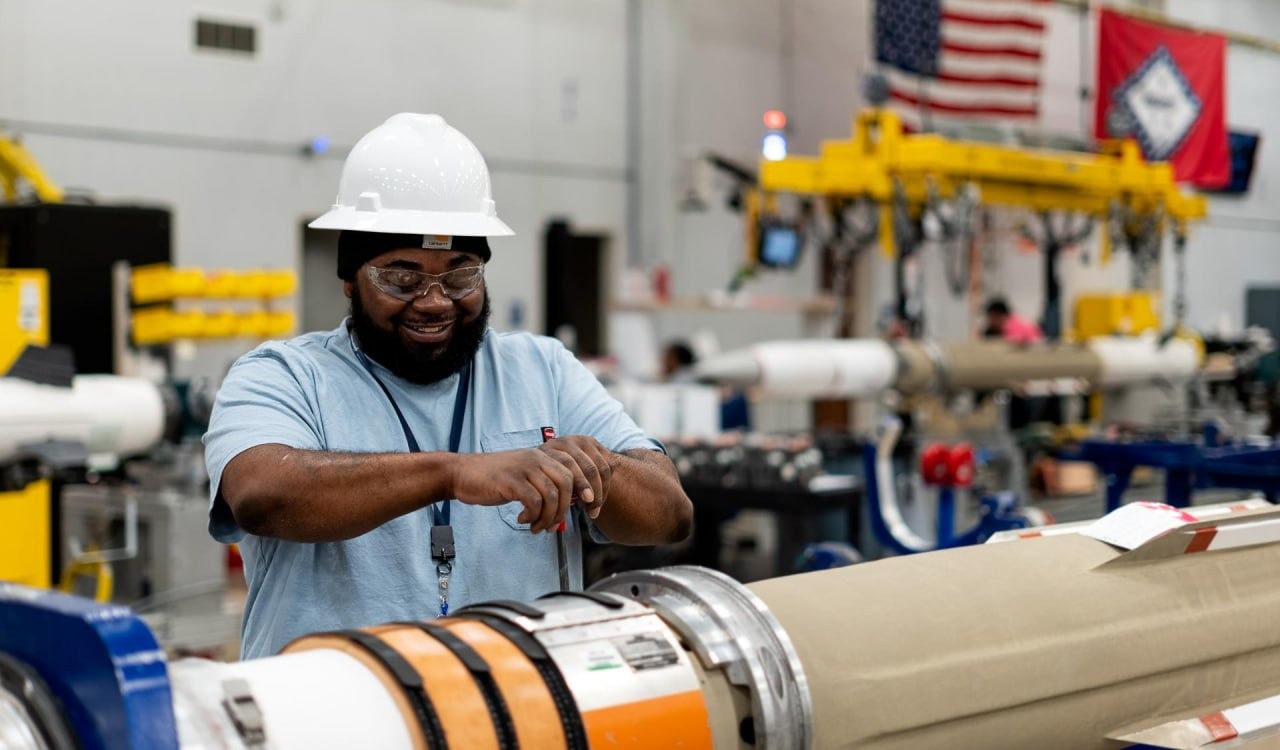
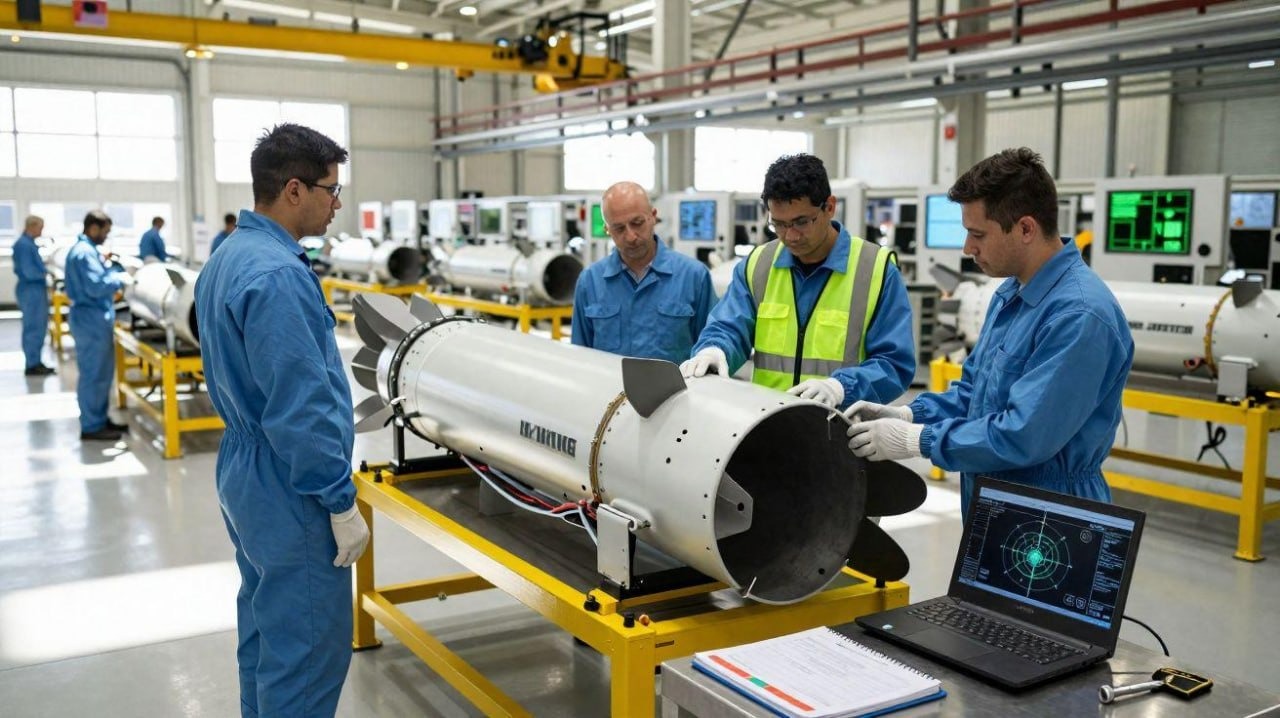
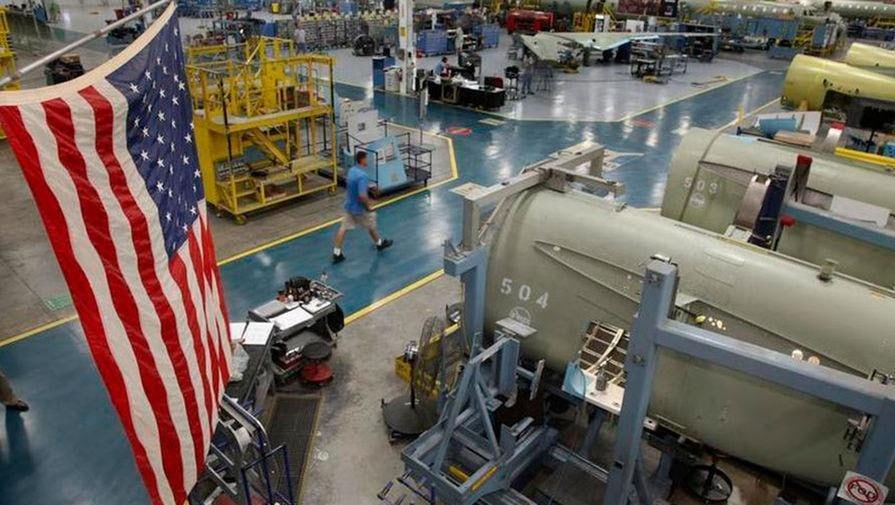
Advanced missile interceptors and precision-guided munitions cannot simply be manufactured within days or weeks. Their production depends on highly specialised components, advanced technology, skilled labour and resilient supply chains. Consequently, even with abundant financial resources and a vast industrial base, rebuilding inventories requires considerable time.
President Trump himself acknowledged that while the United States possesses ample ammunition overall, he would prefer to have larger quantities of some of the country's most sophisticated weapons. His remarks do not suggest that America's arsenals have been exhausted; instead, they indicate that certain high-end capabilities are increasingly under pressure as multiple conflicts demand the same limited resources.
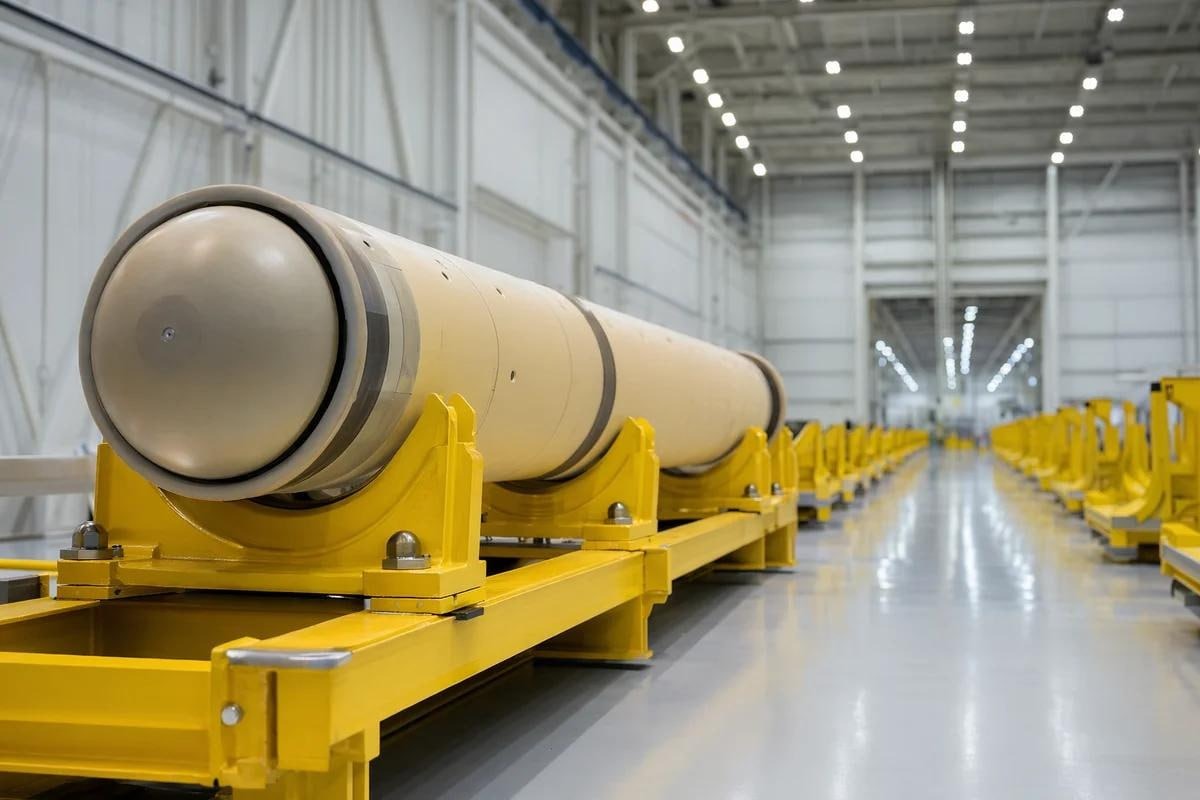
Further evidence can be found in the US Department of Defense's long-term agreement with Lockheed Martin to expand production of the PAC-3 Missile Segment Enhancement (PAC-3 MSE) interceptor from roughly 600 missiles per year to approximately 2,000 annually under a seven-year production plan.
These figures reveal two important realities.
First, demand for missile defence systems has risen so dramatically that the United States has concluded it must more than triple production capacity. This reflects growing requirements not only in Ukraine but also in Israel, across the Middle East and within the US military itself.
Second, increasing production is not an immediate solution. Even with funding and contracts already in place, expanding factories, strengthening supply chains, training skilled workers and manufacturing sophisticated components all require years—not months.
Lockheed Martin has stated that it delivered approximately 620 PAC-3 MSE missiles in 2025 after increasing production by around 60 percent over the previous two years. Yet reaching the long-term objective of 2,000 missiles annually remains part of a seven-year industrial expansion programme. It cannot relieve today's operational pressures overnight.
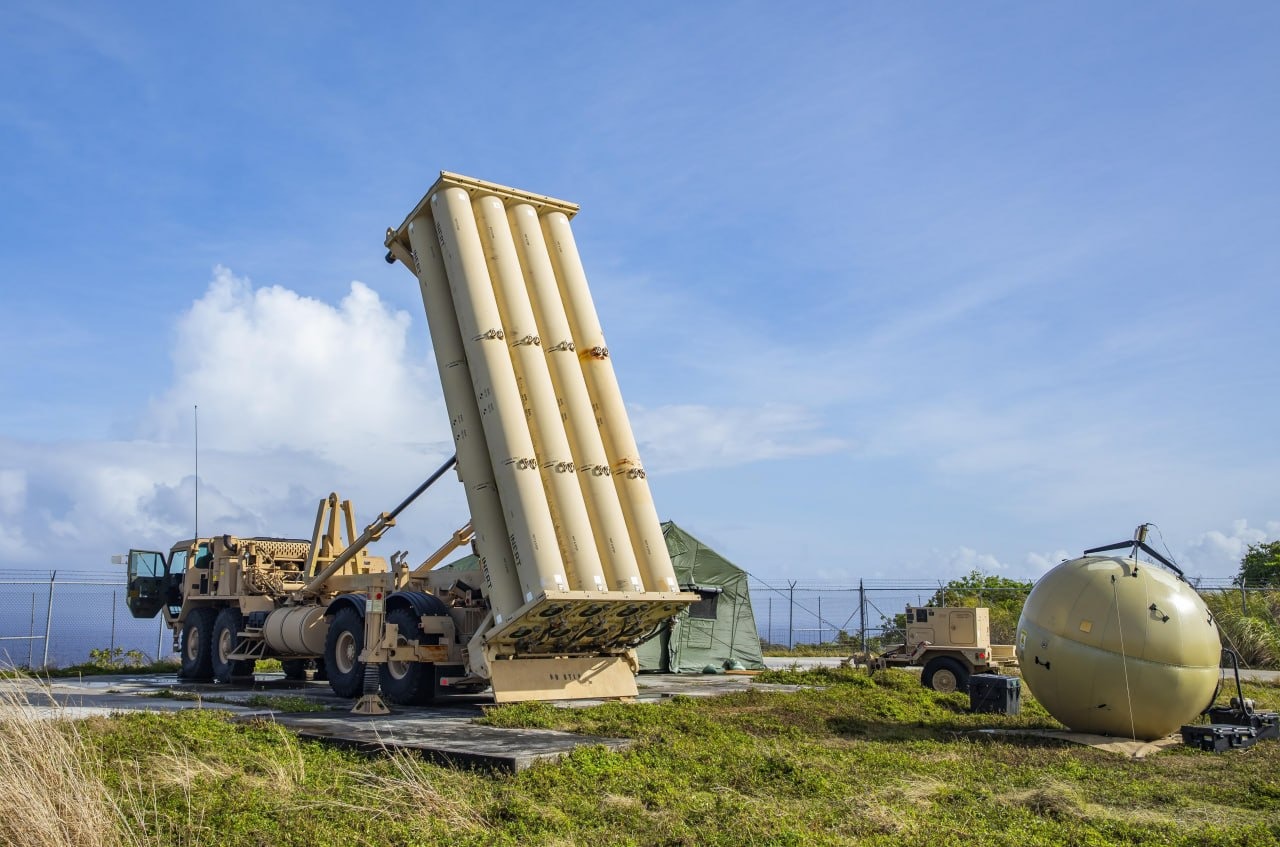
The United States has also approved plans to expand annual production of THAAD interceptors from approximately 96 missiles to 400. This demonstrates that the strain extends beyond Patriot systems alone and affects multiple layers of America's missile defence architecture.
The more accurate description, therefore, is not that the United States is running out of weapons, but that a widening gap has emerged between operational consumption and industrial replacement.
That gap is increasingly forcing Washington to make difficult strategic choices: how many interceptors should remain available for US forces, how many should be transferred to Ukraine, and how many must be reserved for Israel and America's partners across the Middle East.
In this sense, defence production has become far more than an industrial issue. It is evolving into a strategic variable that may determine how many major conflicts the United States can sustain simultaneously—and how long it can continue fulfilling its security commitments to allies around the world.
Conclusion
President Donald Trump's meetings with Ukrainian President Volodymyr Zelenskyy and Israeli Prime Minister Benjamin Netanyahu in Washington carry significance far beyond routine bilateral diplomacy.
They take place at a moment when the United States is confronting a new strategic reality: despite possessing one of the world's most powerful militaries and the largest defence-industrial base, America cannot sustain the intensive use of advanced weapons across multiple battlefields indefinitely without affecting its stockpiles and long-term military readiness.
Zelenskyy and Netanyahu are not competing directly against one another. Yet both leaders are entering the same American decision-making process—one that must allocate finite military resources among multiple allies while responding to an expanding range of global security challenges.
For Ukraine, the central question is whether Kyiv will continue to receive enough Patriot systems and missile interceptors to defend its cities, critical infrastructure and civilian population.
For Israel, the question is whether the current pause in US-Iran hostilities will produce a diplomatic agreement capable of safeguarding Israeli security—or instead provide Tehran with an opportunity to rebuild its military capabilities.
For President Trump, however, the challenge is even greater. The fundamental question is whether the United States can continue honouring its security commitments to multiple allies without weakening its own military preparedness or reducing its ability to respond to future crises.
These meetings may therefore represent more than ordinary diplomatic engagements. They could become an important indicator of America's next strategic priorities.
Will Washington continue distributing military assistance across multiple theatres as it has done in recent years? Will it require allies to shoulder a greater share of the burden? Or will it increasingly rely on diplomacy to reduce the number of simultaneous conflicts that demand American military resources?
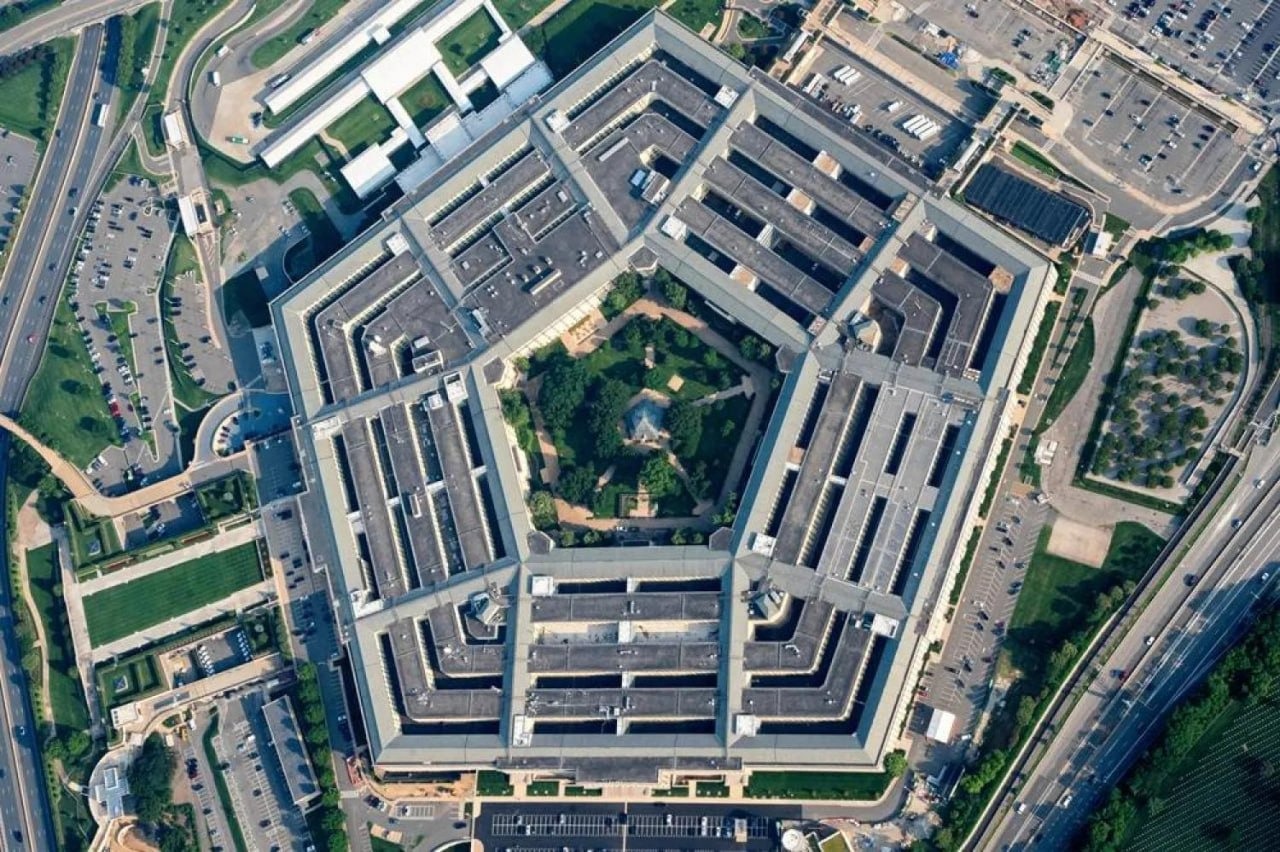
Ultimately, the issue of US weapons stockpiles is no longer merely a technical or logistical concern for the Pentagon. It is becoming a defining factor in American foreign policy—one that will shape alliance management, strategic priorities and the limits of US global power in an era of overlapping conflicts.
The most important question, therefore, is no longer how many weapons the United States possesses, but how long it can sustain its global military commitments before supporting one battlefield begins to diminish its ability to deter or defend another.