(Phnom Penh): The National Bank of Cambodia (NBC) projects the country's economy to grow 3.9 per cent in 2026, before accelerating to 5 per cent in 2027, despite global uncertainties and domestic economic challenges.
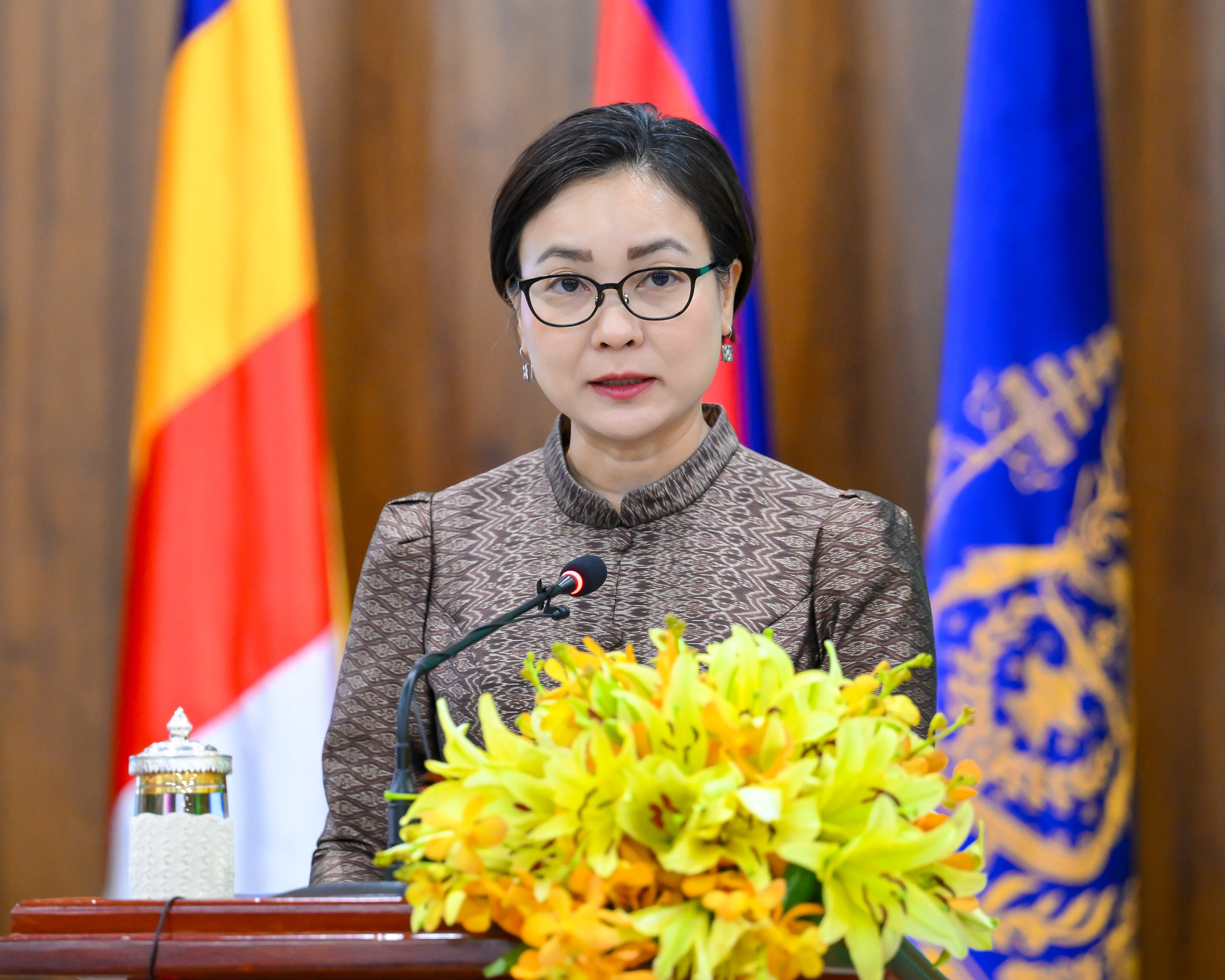
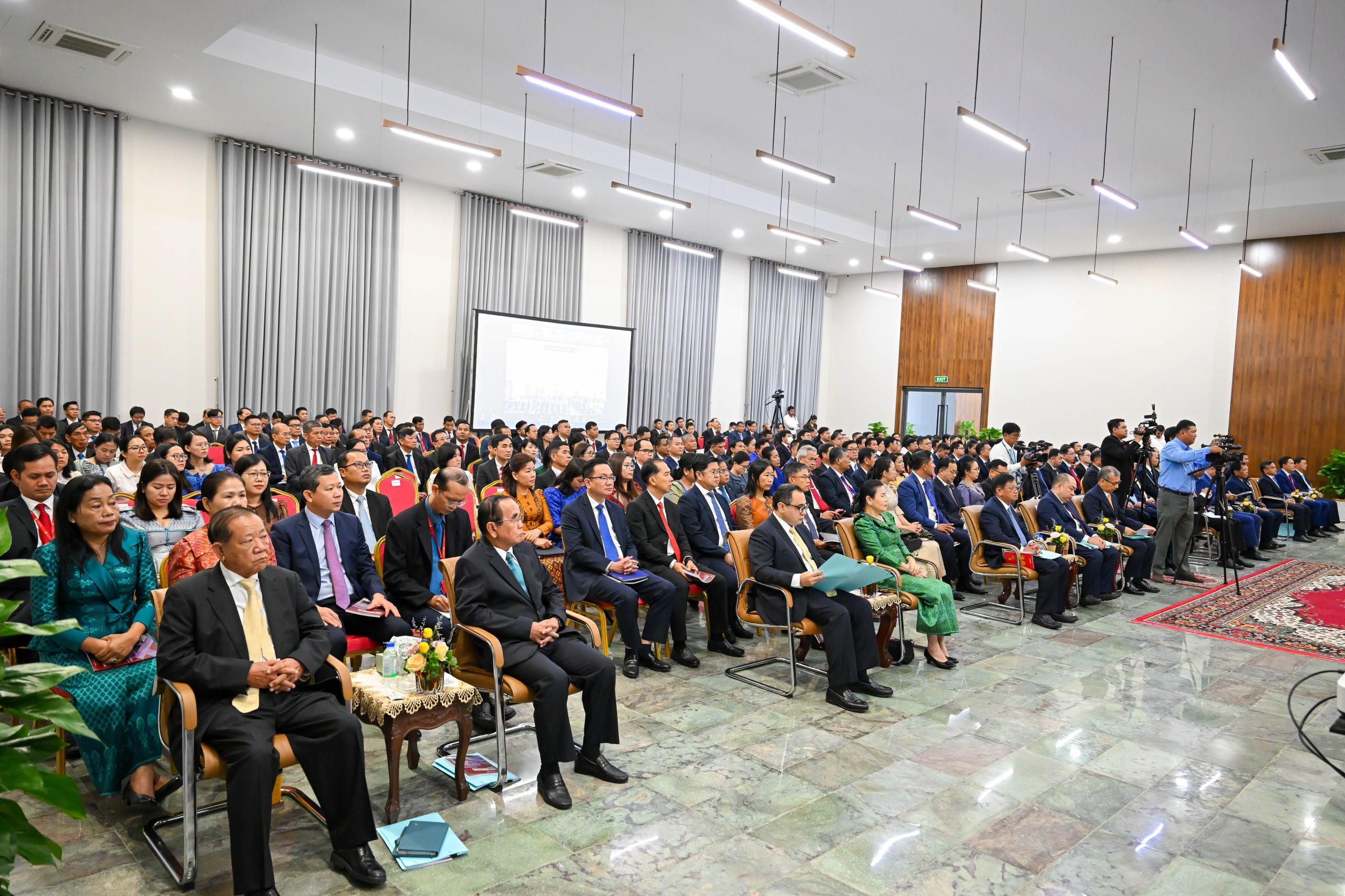
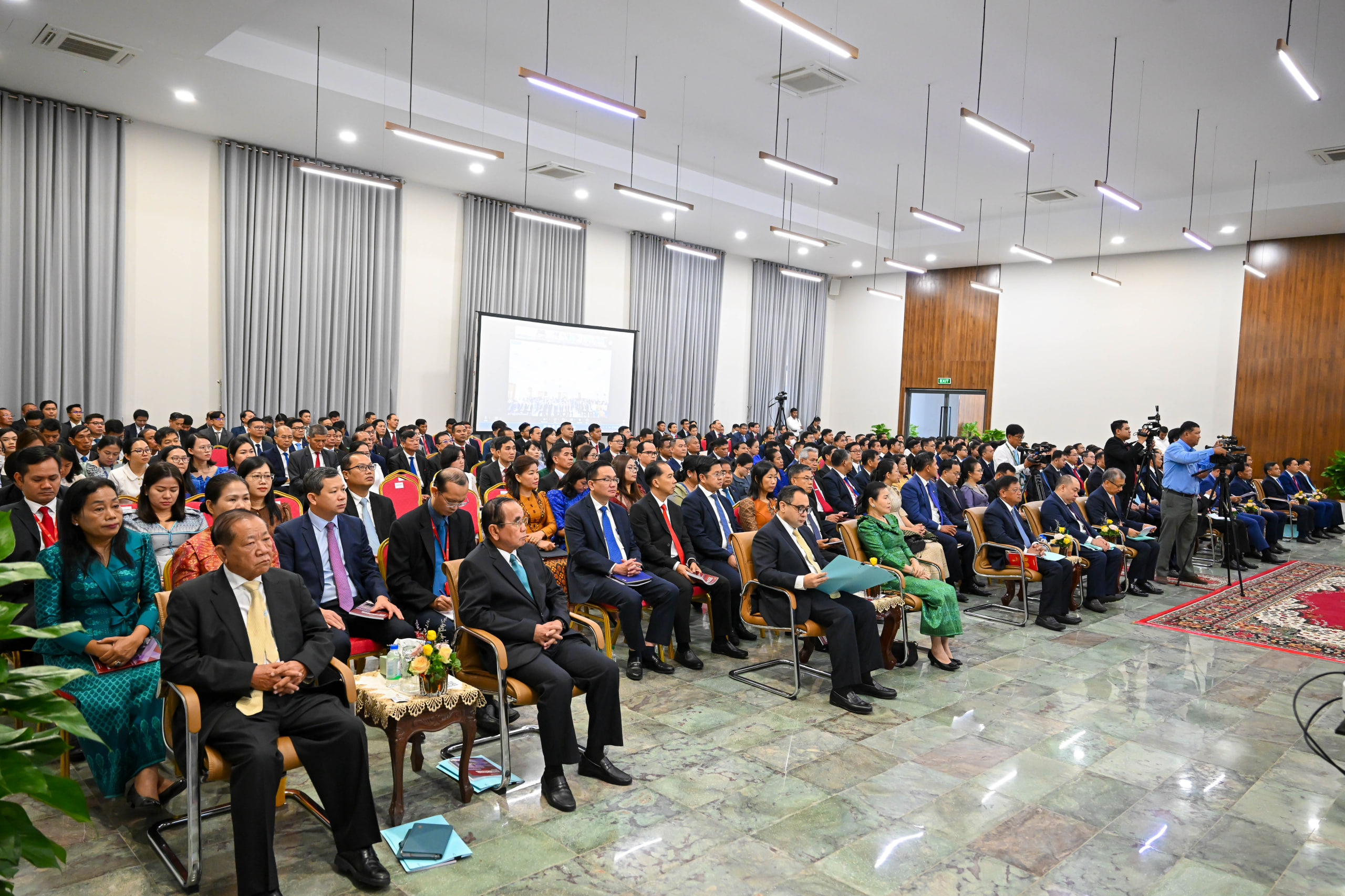
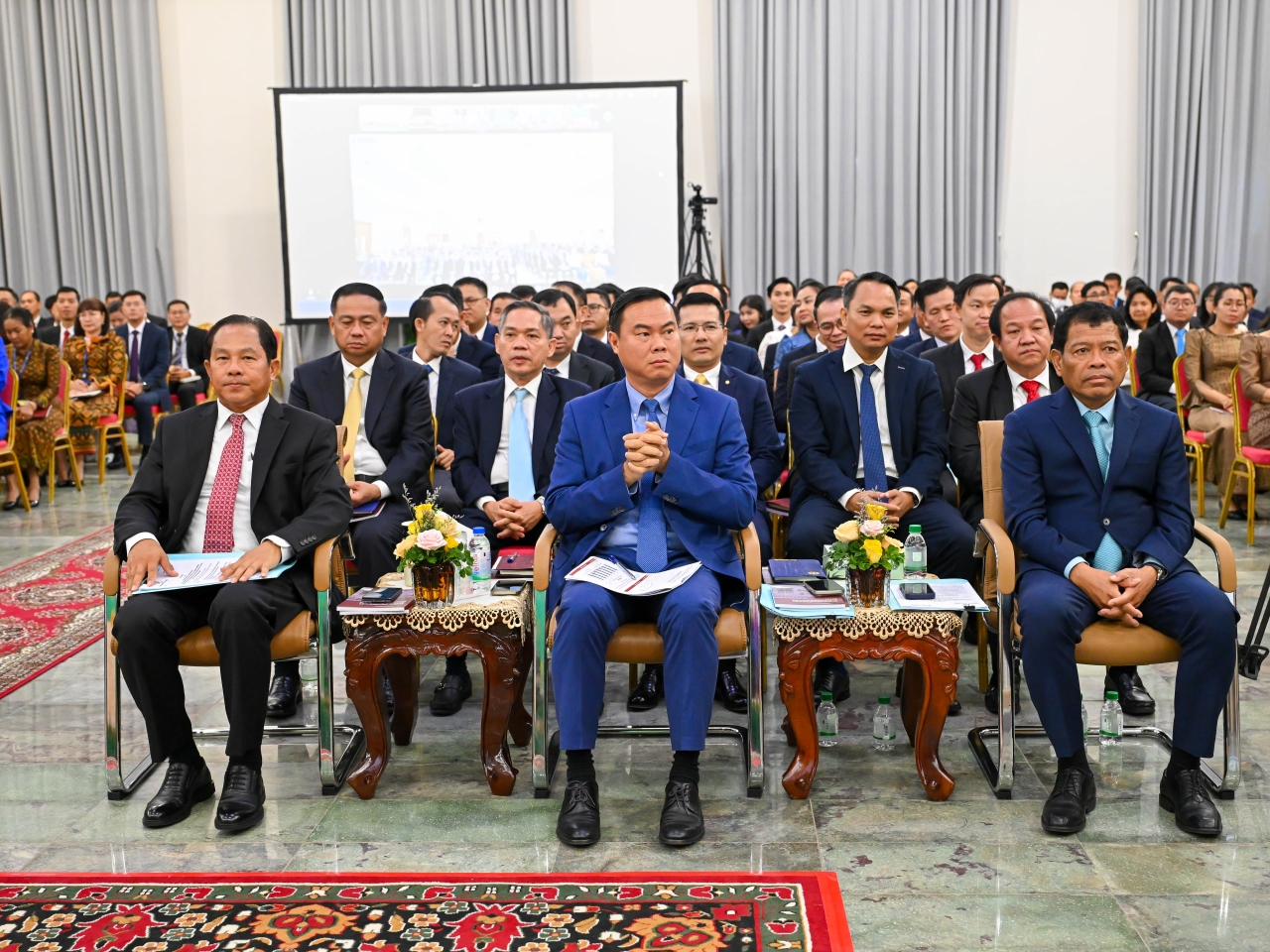
Speaking at the central bank's meeting on Monday (Jul. 27), NBC Governor Chea Serey said growth will be driven by rising exports of garments, non-garment manufactured goods and agricultural products, alongside continued inflows of foreign direct investment.
She said Cambodia continues to face external risks, including the conflict in the Middle East, which has pushed up fuel prices, disrupted trade and international travel, and increased volatility in global financial markets. Developing countries remain particularly vulnerable to higher living costs and income losses.
Domestically, Cambodia is also grappling with the lingering effects of the COVID19 pandemic, tensions linked to the Cambodia-Thailand border dispute, and the government's crackdown on technology-enabled scams.
She noted that the International Monetary Fund (IMF), following its recent Article IV consultation, had revised its growth forecast for Cambodia down to 3 per cent, while the Asian Development Bank (ADB) and the ASEAN+3 Macroeconomic Research Organization (AMRO) maintained projections of around 4.2 per cent.
According to Chea Serey, the NBC expects economic growth to improve from an estimated 3.5 per cent in the first half of 2026 to 4.3 per cent in the second half, supported by stronger exports and sustained foreign investment. However, she said the tourism sector has weakened, while the construction and real estate industries continue to face headwinds.
Chea Serey also highlighted the United States' decision on July 23 to impose a 10 per cent tariff on Cambodian goods, the same rate applied to Bangladesh, Indonesia, Malaysia and Pakistan. Thailand, the Philippines and Viet Nam face a higher 12.5 per cent tariff.
Despite these challenges, she said Cambodia's economy has remained resilient, attributing its performance to the government's efforts under Prime Minister Hun Manet to preserve security, political and macroeconomic stability, while advancing economic diversification through the Pentagon Strategy-Phase I.
=FRESH NEWS