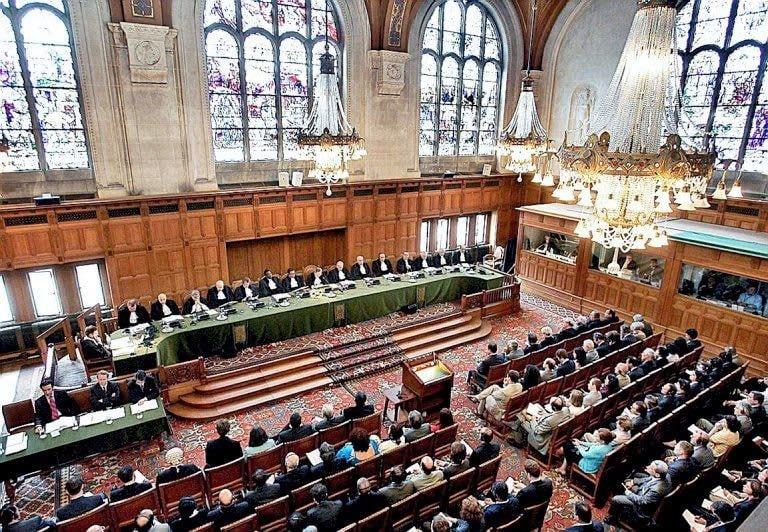
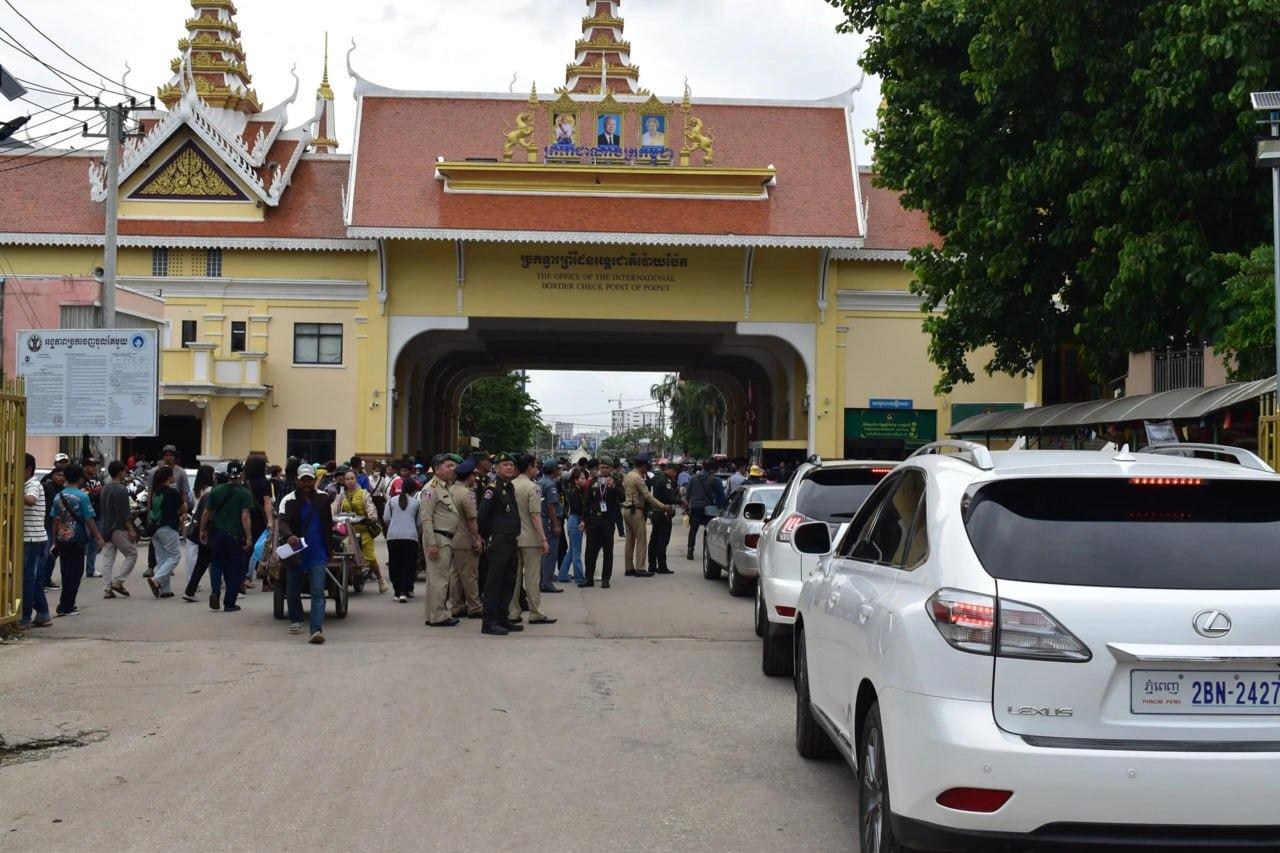
(Phnom Penh): More than six decades have passed since the International Court of Justice (ICJ) delivered its landmark judgment on the Preah Vihear Temple case in 1962, and more than a decade has elapsed since the Court clarified that judgment in 2013. Many people may assume that the legal dispute has long become a closed chapter of history.
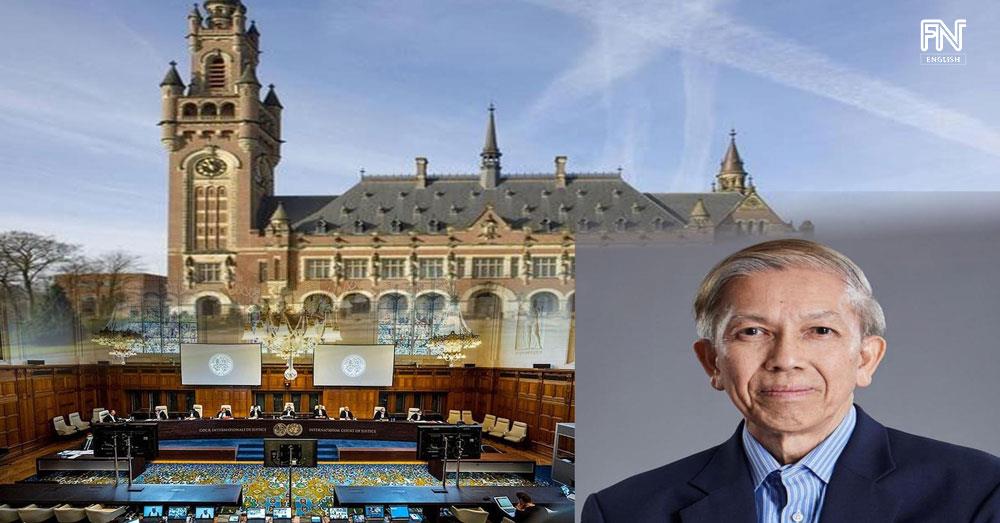
For Surachart Bamrungsuk, one of Thailand's leading experts on international relations and security affairs, however, those judgments are far from being historical records to be archived and forgotten. Instead, he regards them as living lessons that continue to shape the management of the border dispute between Thailand and Cambodia to this day.
What makes his latest article particularly noteworthy is that it was not written to defend Cambodia's position, nor to criticize the rulings of the International Court of Justice. Rather, it serves as a direct warning to the Thai government and Thai society that Thailand should avoid creating any circumstances that could cause the border dispute with Cambodia to return to the International Court of Justice for a third time.
Such a warning carries far greater significance than ordinary political commentary. It does not come from a Cambodian analyst, an international organization, or a Western legal scholar. Instead, it comes from a respected Thai security expert who has spent decades studying border issues, international law, and regional security.
In an article titled "An Old Issue That Is Never Old: The Legacy of the International Court of Justice's Judgment," published on July 8, Surachart Bamrungsuk revisited the 1962 ICJ judgment and its 2013 interpretation as the legal foundation for urging Thailand to exercise greater caution in handling its border policy. In his view, the central issue is not whether Thailand or Cambodia should prevail. Rather, it is that the Thai government should refrain from creating conditions that could push the dispute back before the International Court of Justice.
His analysis also reflects a notable shift in Thailand's domestic debate. Whereas previous discussions largely revolved around questions such as "Which map is legally superior?" or "Which side possesses the stronger legal argument?", his latest article moves the conversation toward a broader and more fundamental question: Why does international law seek to preserve the stability of established borders, and why should states refrain from attempting to dismantle boundaries that have already been established through treaties and binding international judgments?
Why Is a Thai Expert Warning Against a Third ICJ Case?
The central message of Surachart Bamrungsuk's article does not lie in his interpretation of the 1962 or 2013 judgments themselves. Rather, it is his warning that Thailand should avoid creating any circumstances that could lead the border dispute with Cambodia back to the International Court of Justice (ICJ) for a third time.
This warning is far from accidental. It is rooted in Thailand's own legal and diplomatic experience with two previous ICJ proceedings concerning the Preah Vihear dispute.
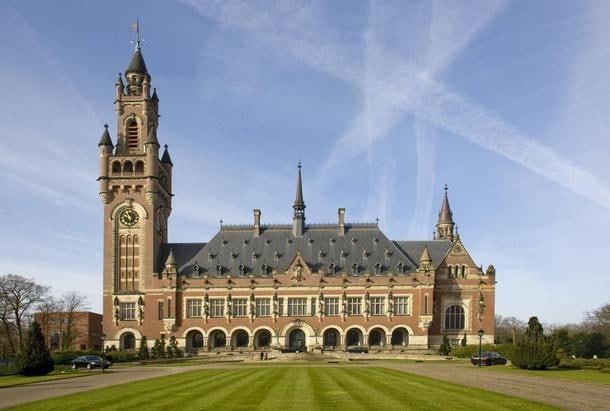
The first was the Court's landmark 1962 judgment, which awarded sovereignty over the Temple of Preah Vihear to Cambodia. The second came in 2013, when the Court clarified the scope and meaning of its earlier ruling. For Surachart, these two decisions are not merely historical events but enduring legal precedents that have become part of the legal relationship between Thailand and Cambodia.
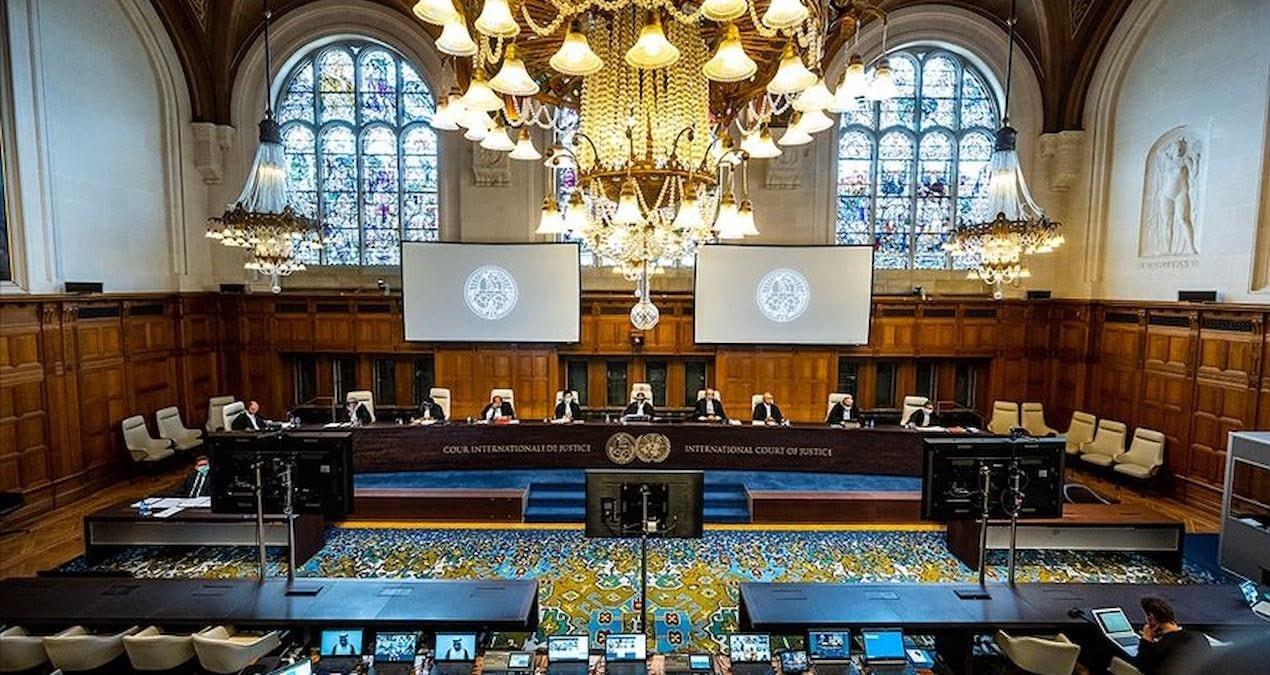
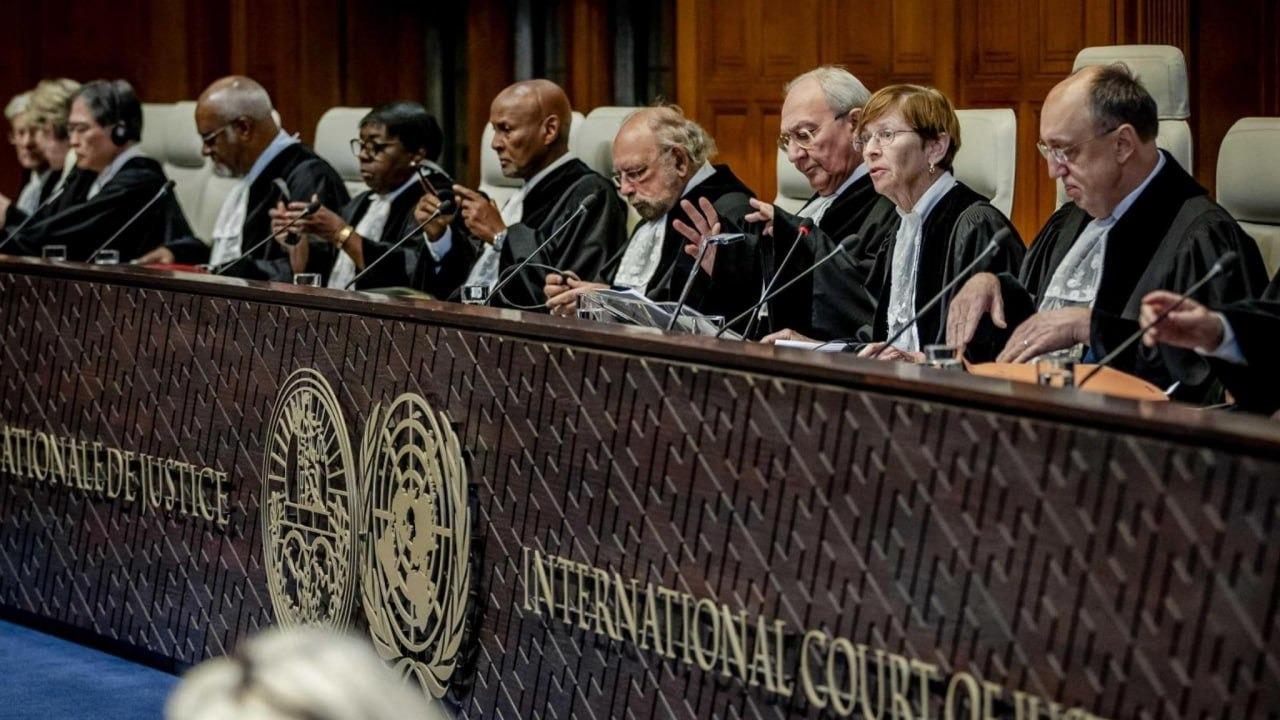
More importantly, he argues that the most valuable lesson from those cases is not simply who won and who lost. The real lesson is that once a territorial dispute reaches an international court, its outcome is no longer determined by military strength, political rhetoric, or nationalist sentiment. Instead, it is decided on the basis of evidence, international law, treaty obligations, historical conduct, and the legal behavior of the states concerned.
For this reason, Surachart urges Thai policymakers not to treat the border dispute as an instrument of domestic politics or nationalist mobilization. Instead, he argues that every policy decision should be assessed in light of its long-term legal consequences, particularly if it increases the likelihood of the dispute being brought before the ICJ once again.
What gives this warning particular weight is that Surachart does not employ confrontational language, nor does he advocate a harder line against Cambodia. Instead, he relies on historical experience and established judicial decisions to remind Thailand that if bilateral negotiations were to collapse or the dispute were allowed to escalate unnecessarily, the possibility of another round of international litigation would become increasingly real.
In other words, Surachart is not predicting that Thailand would lose a third ICJ case. Rather, he is warning that Thailand should avoid placing itself in a position where it is compelled to resolve the dispute before the Court once again. His message is therefore one of strategic risk management, not political advocacy.
Military Power Cannot Replace International Law
If there is one principle that Surachart Bamrungsuk seeks to impress upon the Thai government, it is that military power and international law operate in fundamentally different spheres and should never be confused.
He does not deny the legitimate role of the armed forces in safeguarding national sovereignty. However, he emphasizes that defending a border militarily and determining a border legally are two entirely different processes. Armed forces may temporarily control a situation on the ground, but they cannot create legal title to an international boundary.
Surachart argues that even if a state were able to exercise temporary control over a disputed area, the dispute would ultimately have to return to legal determination. Military action may alter the facts on the ground for a period of time, but it cannot alter the legal foundations established through treaties, international agreements, and judicial decisions.
To illustrate this point, he compares an international boundary dispute to a disagreement between two neighboring homeowners over the location of a fence. One homeowner may move the fence onto the other's property temporarily, but when an official land survey is conducted, the boundary will ultimately be determined by legal title and cadastral records—not by where someone has physically relocated the fence.
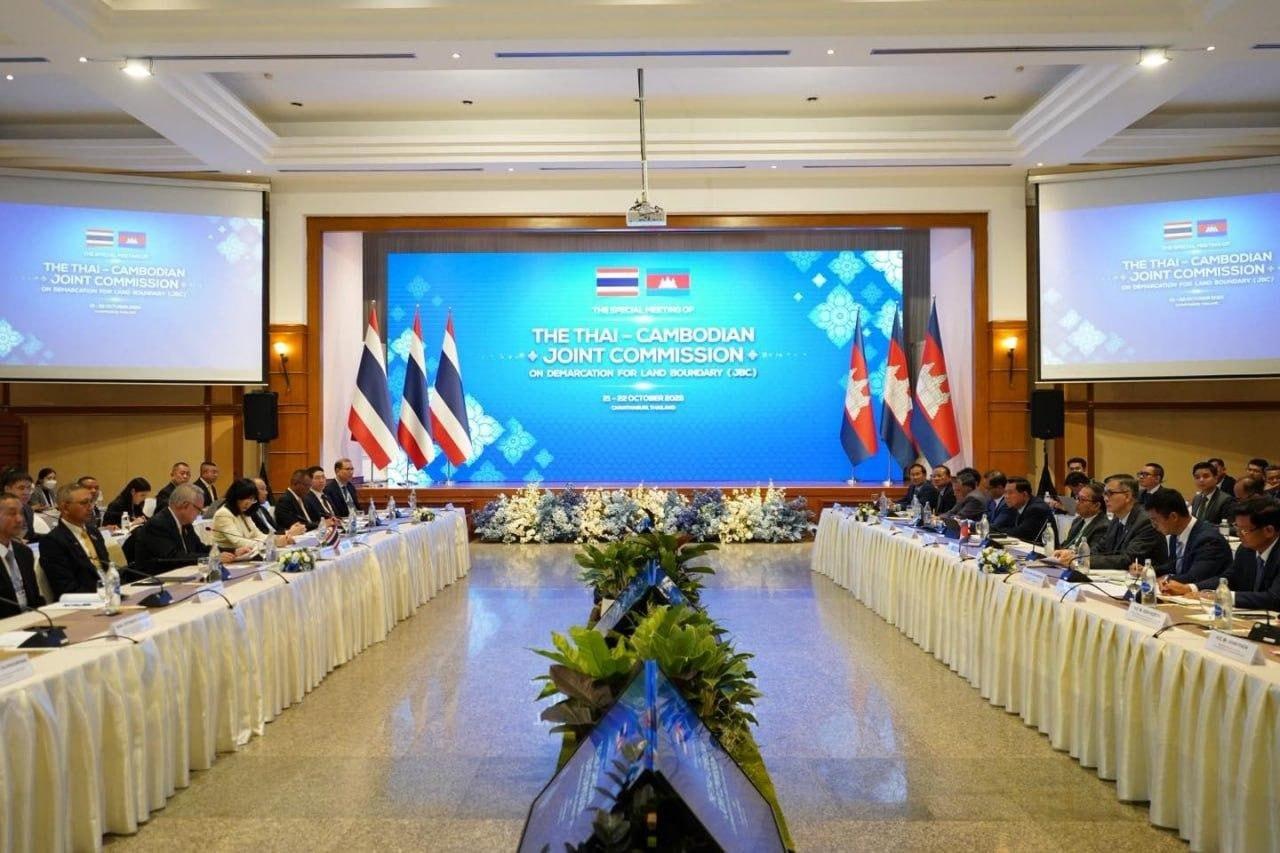
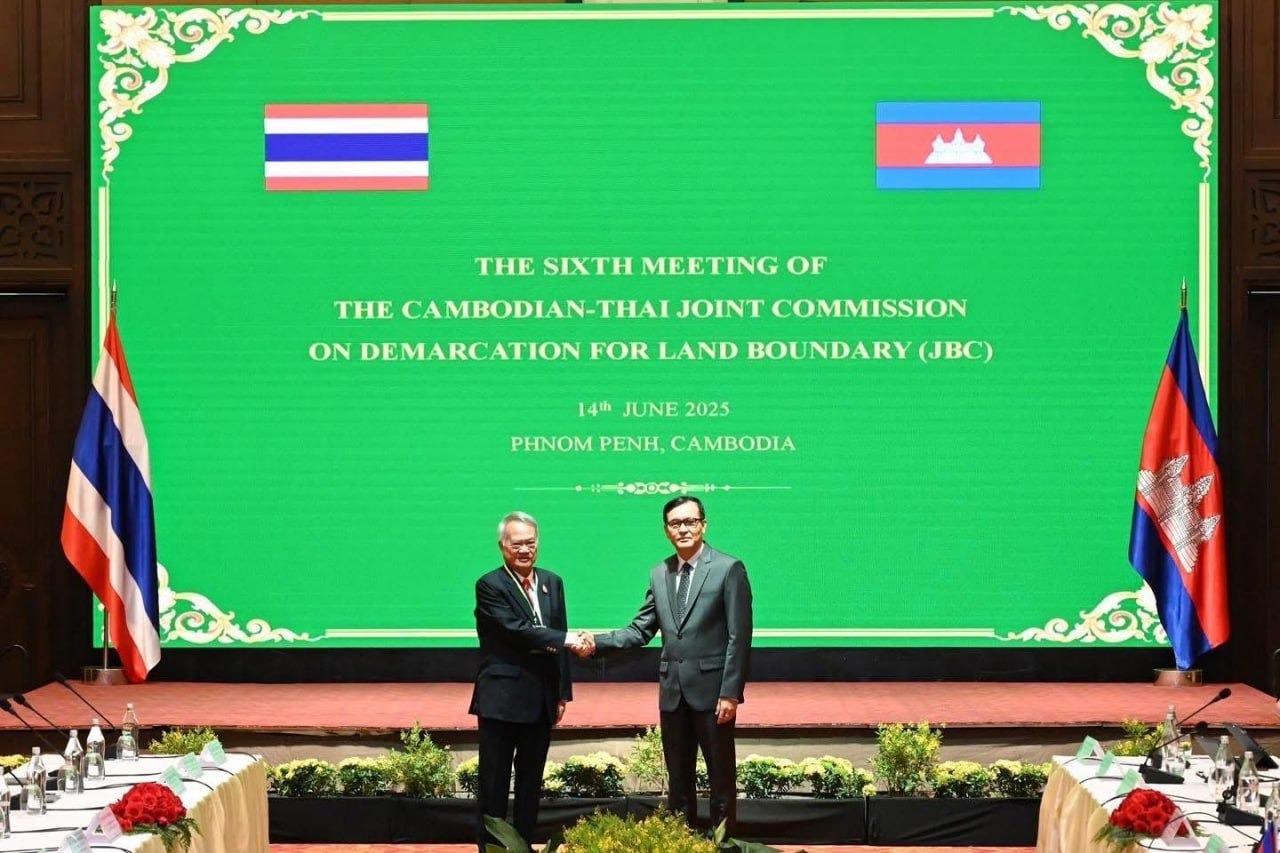
This analogy explains why Surachart advocates continued reliance on existing bilateral mechanisms, particularly the Joint Boundary Commission (JBC), to resolve technical issues and areas of uncertainty along the border. In his view, such matters should be addressed by experts in boundary demarcation, cartography, and international law—not through political confrontation or military pressure.
He further stresses a fundamental principle of international law: the prohibition against using force to alter international boundaries. This principle, he argues, does not exist to favor one country over another. Rather, it exists to preserve the stability of the international order itself. If one state were permitted to change borders through military means, others could do the same, creating a dangerous precedent capable of triggering territorial conflicts around the world.
Ultimately, Surachart's message is that national interests should not be measured solely by military capability or demonstrations of force. In complex territorial disputes shaped by history, treaties, and international law, the long-term protection of national interests depends on a state's ability to rely on diplomacy, technical negotiations, and legal mechanisms, while avoiding circumstances that could force the dispute back before the International Court of Justice for a third time.
Conclusion
Ultimately, the significance of Surachart Bamrungsuk's article does not lie in presenting new legal arguments about the International Court of Justice's judgments of 1962 or 2013. Its true value lies in the fact that a prominent Thai security expert has chosen to remind his own government and society that the lessons of the past should not be forgotten. More importantly, he argues that Thailand should avoid creating any conditions that could bring its border dispute with Cambodia before the International Court of Justice for a third time.
For Surachart, territorial disputes rooted in history, treaties, and binding international judgments cannot be resolved through louder rhetoric or greater displays of military power. Nationalist sentiment may shape public opinion, but it cannot replace legal principles. Likewise, military force may influence events on the ground temporarily, but it cannot alter the legal foundations upon which international boundaries are established.
His central argument is therefore one of strategic prudence. Governments must avoid actions that could undermine bilateral negotiations or unnecessarily escalate tensions to the point where they lose the ability to resolve disputes through diplomacy and are forced to place the final decision in the hands of an international court.
In this sense, Surachart Bamrungsuk's message extends far beyond the Cambodia–Thailand border dispute. It serves as a broader reminder that international law exists not merely to determine winners and losers, but to preserve stability, reduce the risk of conflict, and ensure that disputes between states are ultimately resolved through legal principles rather than military confrontation.
Perhaps that is the most profound lesson conveyed by this Thai security expert: avoiding a third appearance before the International Court of Justice is not about escaping judicial scrutiny; it is about preventing political and diplomatic disagreements from reaching the point where governments lose the capacity to settle their differences themselves and must instead surrender the final decision to an international tribunal.