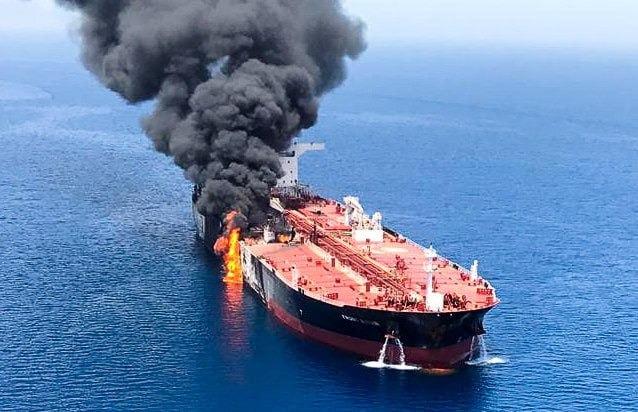
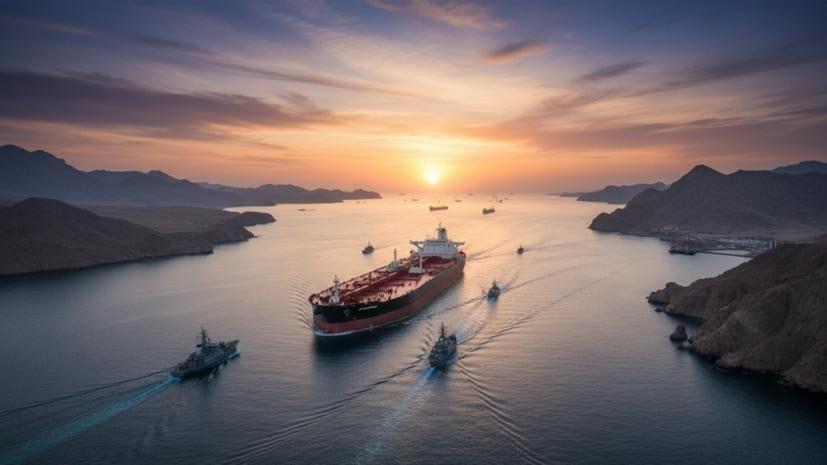
(Phnom Penh): Just as the world was beginning to believe that the Strait of Hormuz had returned to calm following the signing of a Memorandum of Understanding (MoU) between the United States and Iran aimed at ending hostilities and opening a path toward peace, a commercial vessel came under attack in one of the world's most strategically important waterways.
A US official told CNN that the June 25 attack was carried out by an Iranian drone. However, Tehran has yet to officially acknowledge responsibility for the incident.
The attack not only forced the International Maritime Organization (IMO) to suspend its plan to evacuate thousands of stranded seafarers and vessels, but also pushed global oil prices higher, reminding the world that peace in the Middle East remains fragile. Reuters and AP reported that the IMO halted its evacuation initiative in the Strait of Hormuz after the vessel attack, despite the mission having been designed to assist ships and crews stranded in the Gulf region.
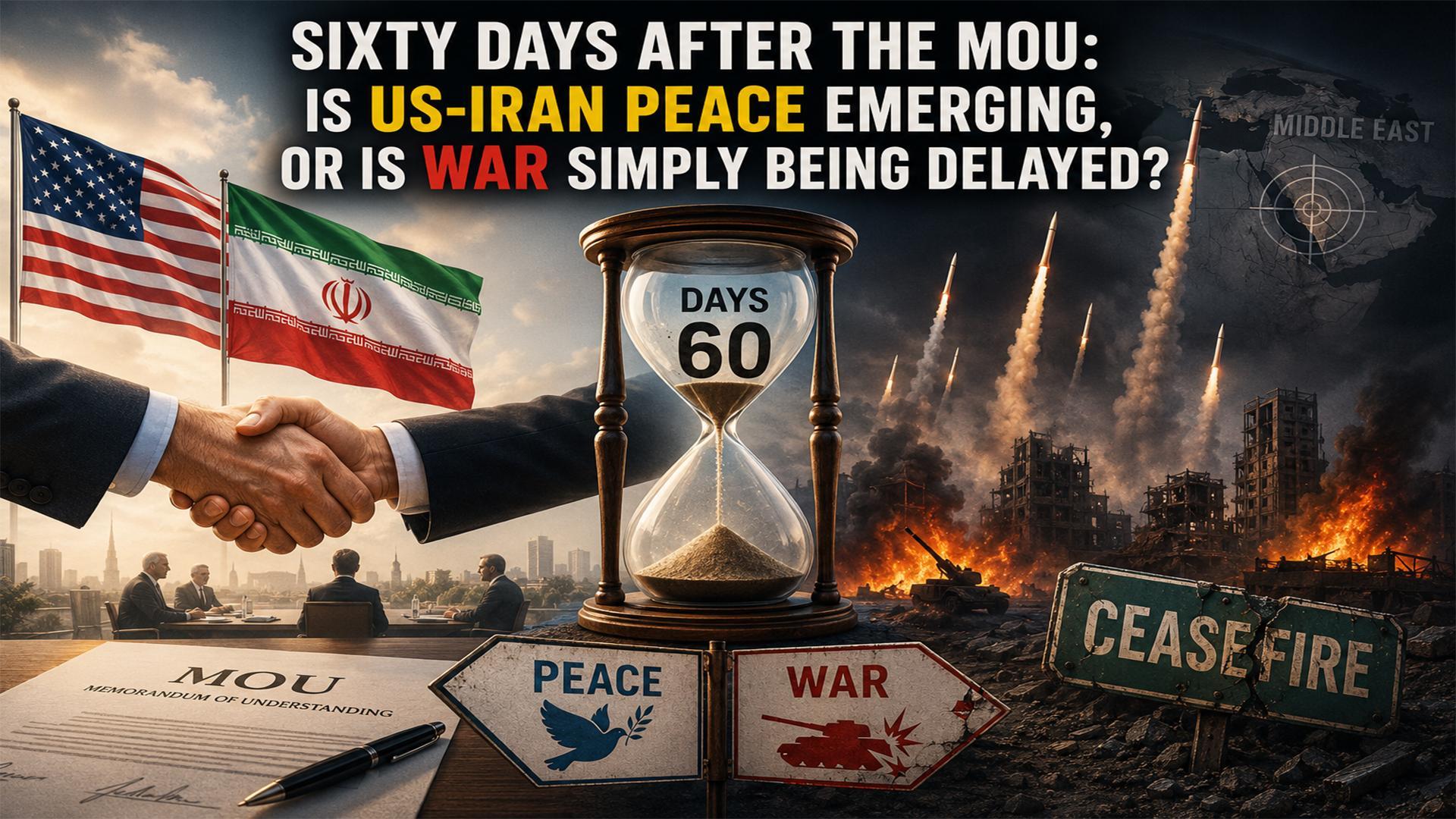
The key question now is this: Is the US-Iran agreement leading toward genuine peace, or is it merely postponing another war?
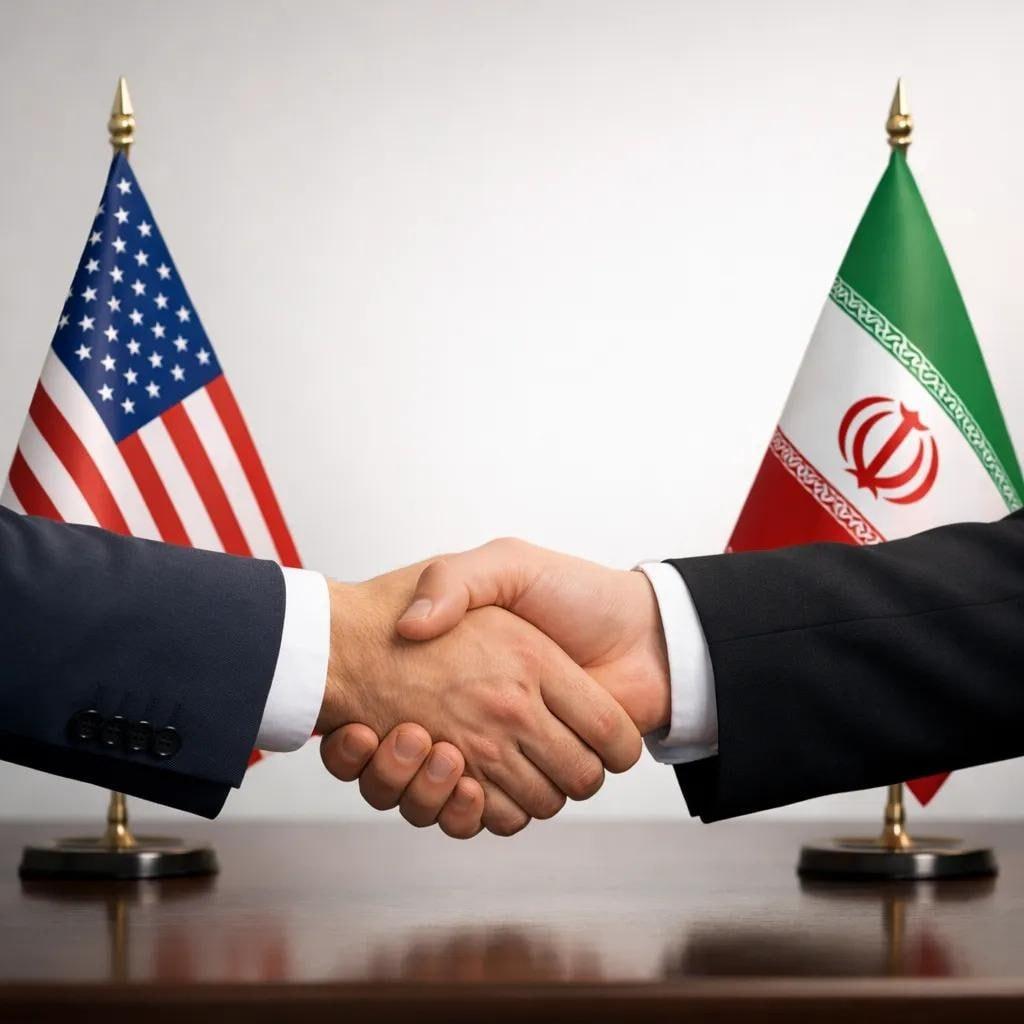
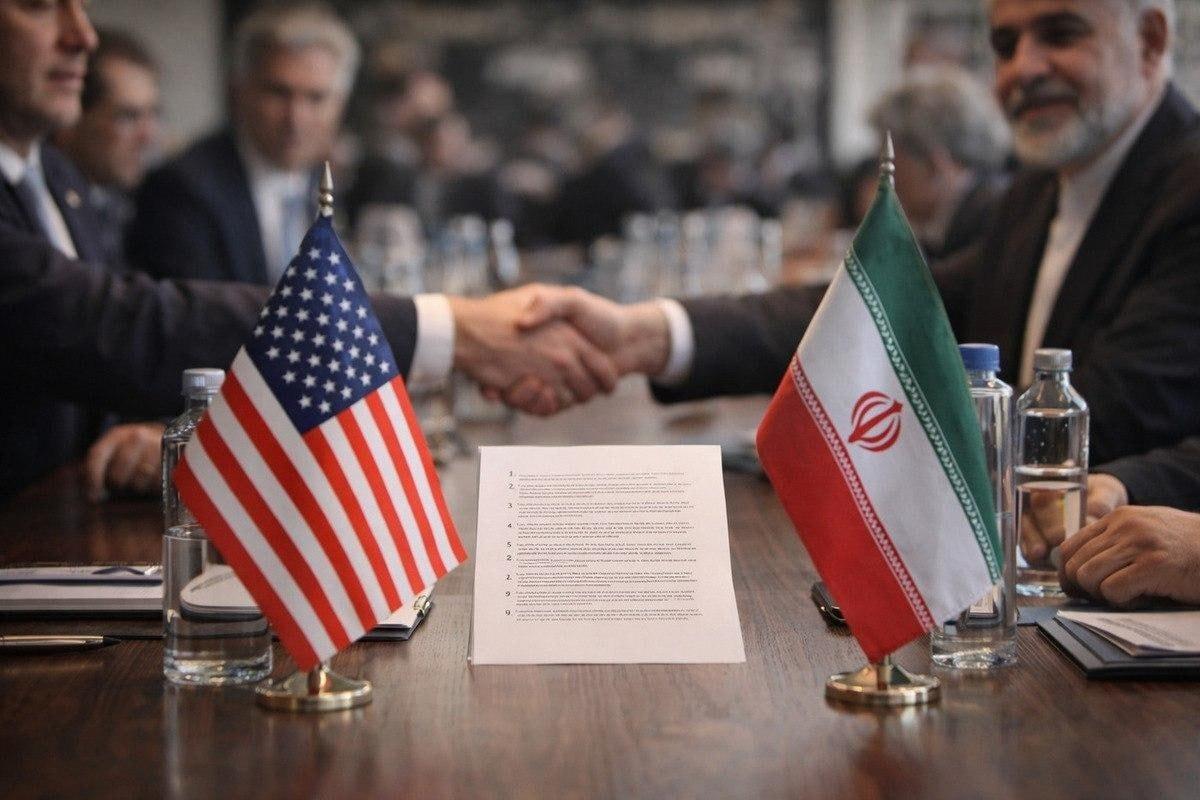
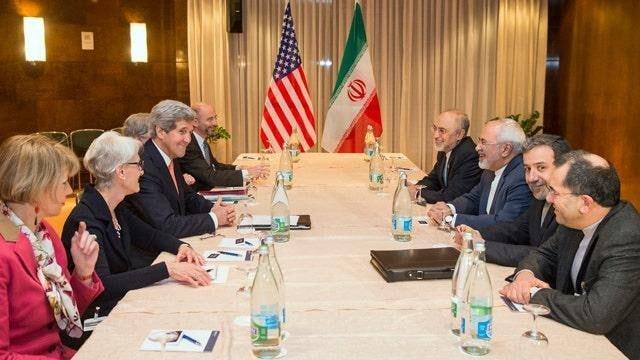
Following a period of intense conflict involving the United States, Iran, and their regional allies, Washington and Tehran reached a 14-point Memorandum of Understanding aimed at halting hostilities, reopening the Strait of Hormuz, and launching a 60-day negotiating process to achieve a final peace agreement. Yet, as technical negotiations are set to begin, several major issues remain unresolved, including the future of the Strait of Hormuz, Lebanon, Iran's nuclear program, frozen Iranian assets, and the concerns of Arab Gulf states.
These unresolved issues will determine whether the current ceasefire evolves into a lasting peace or proves to be merely a temporary pause in the conflict.
The Strait of Hormuz: Peace at Sea Has Yet to Materialize
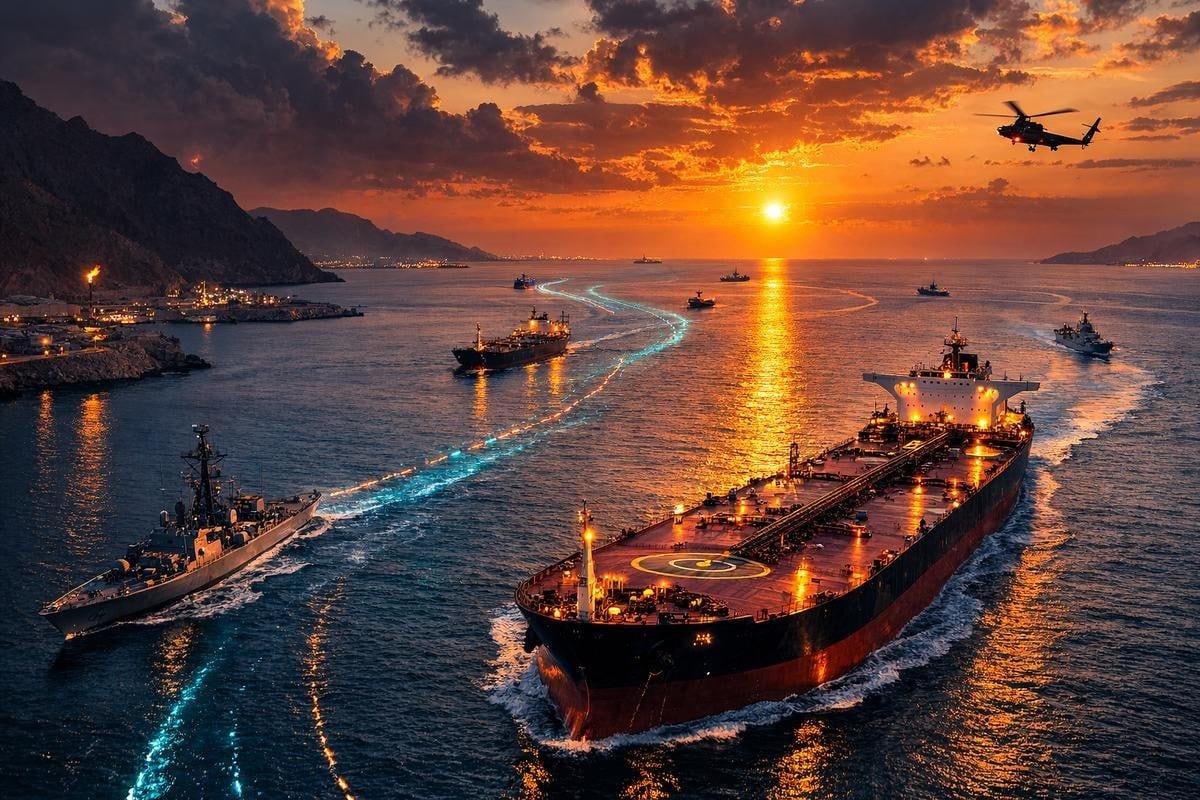
The Strait of Hormuz is the lifeline of the global energy market. According to the US Energy Information Administration (EIA), the waterway is among the world's most critical oil chokepoints, with roughly 20 percent of global liquid petroleum consumption passing through it every day. This explains why even a single attack on a vessel, or an Iranian warning regarding maritime traffic, can immediately rattle international energy markets.
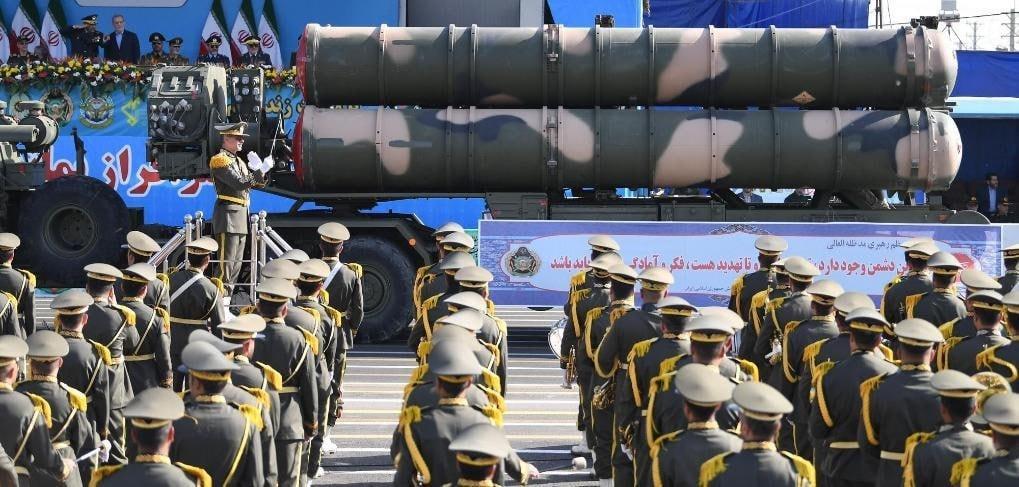
Under the MoU, the Strait of Hormuz is to remain open and free of transit charges during the 60-day negotiation period. However, the latest attack on a commercial vessel and warnings issued by Iran's Islamic Revolutionary Guard Corps (IRGC) that ships must use routes authorized by Tehran demonstrate that Iran continues to view the Strait as one of its most important geopolitical leverage points.
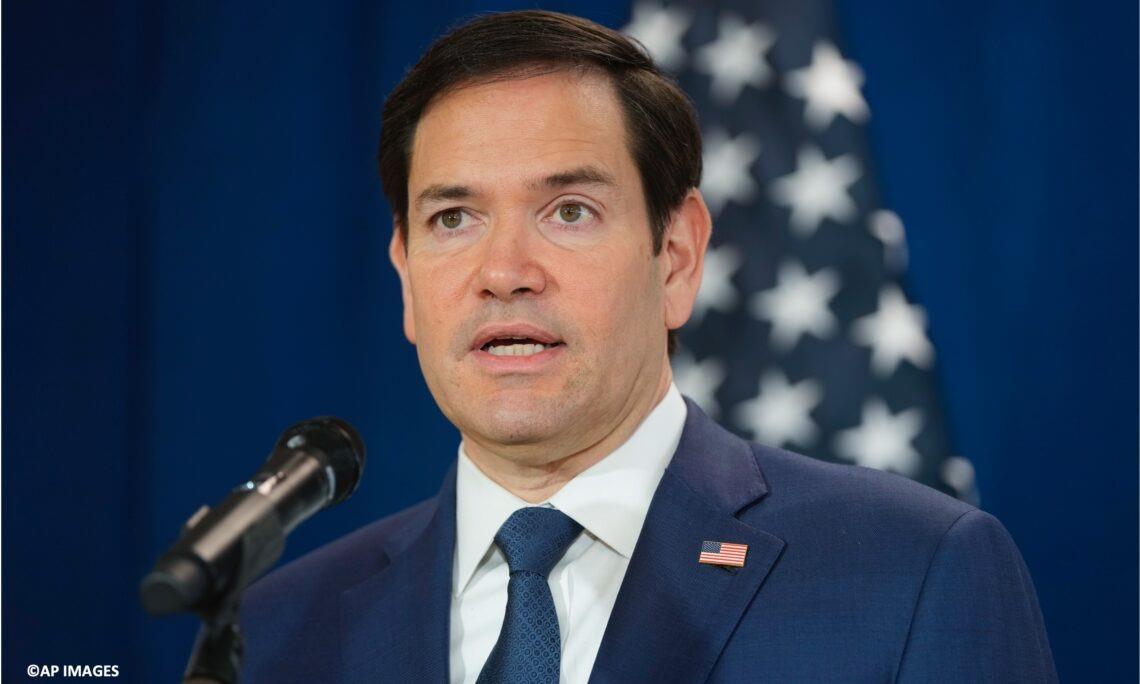
At the same time, US Secretary of State Marco Rubio has stated unequivocally that the United States and its Gulf allies will not accept any fees or restrictions on international transit through the Strait of Hormuz. This suggests that strategic competition over the waterway continues despite the existence of the MoU.
Lebanon: The Battlefield That Could Derail the Agreement
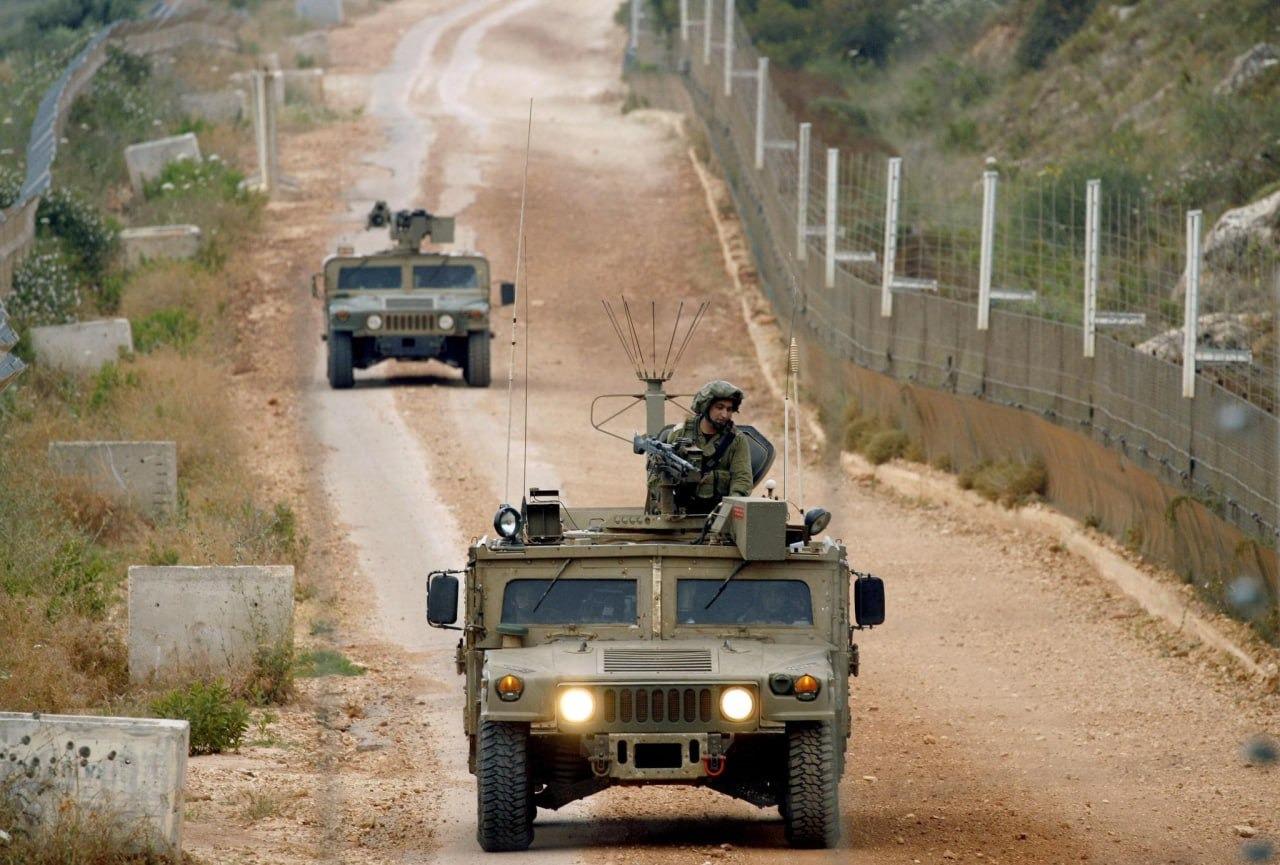
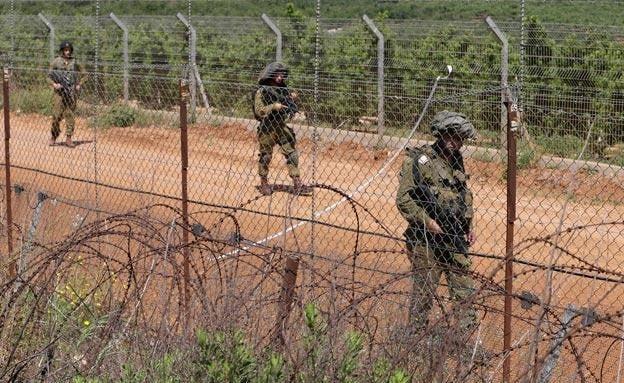
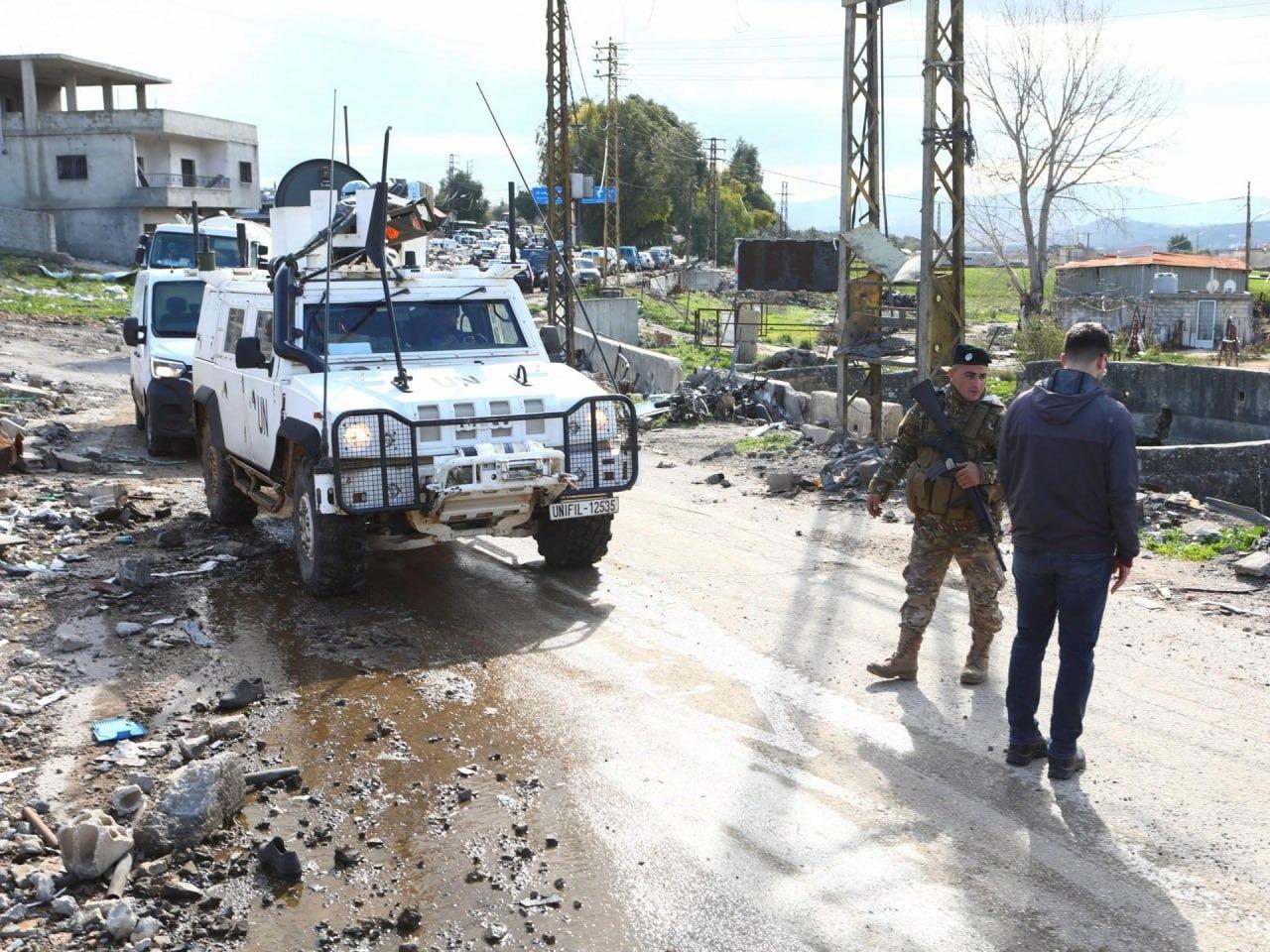
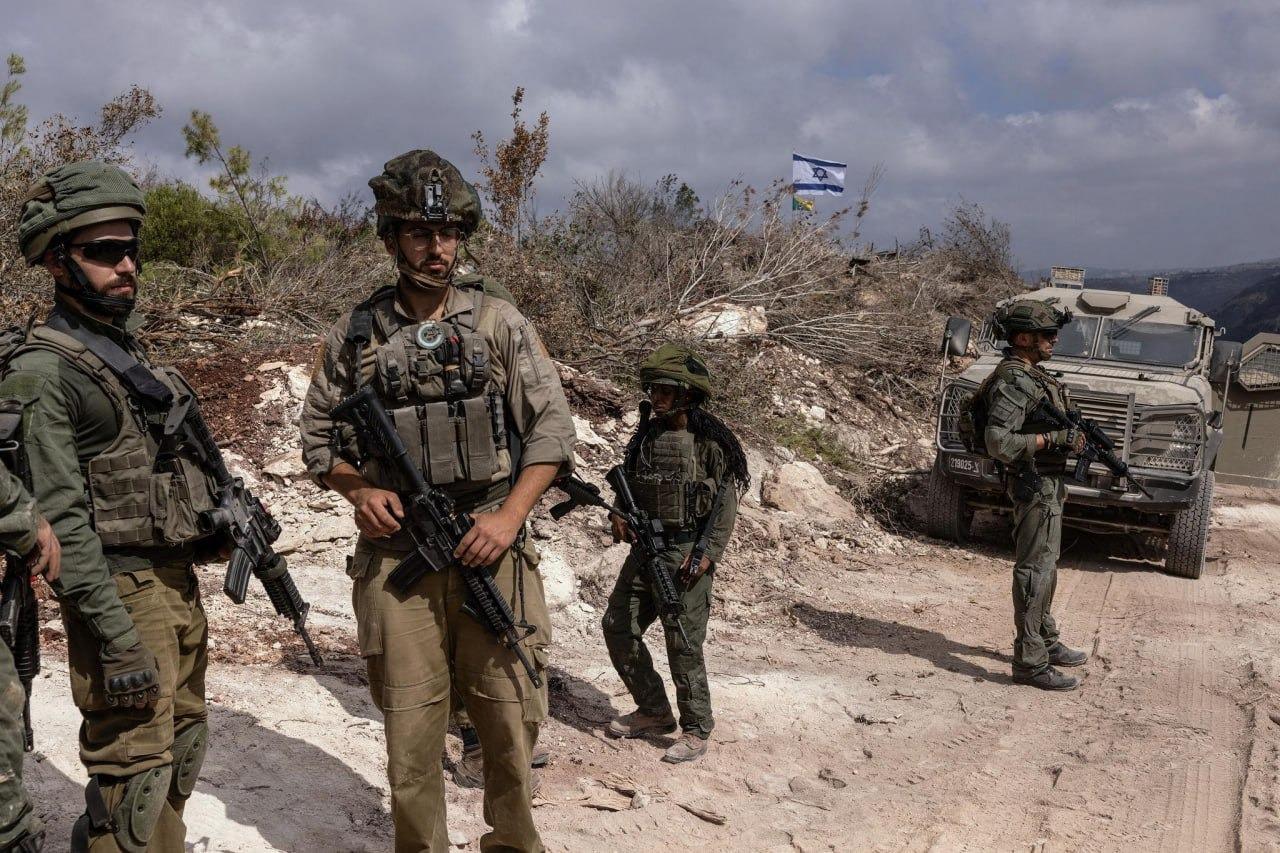
Al Jazeera has reported that Israel continues to carry out military strikes in southern Lebanon, while Israeli Prime Minister Benjamin Netanyahu has declared that Israeli forces "will not withdraw" from the territories they currently occupy. This development places the MoU's commitment to ending hostilities on all fronts, including Lebanon, under significant strain.
Hezbollah has accused Israel of attacking civilians attempting to return to their homes in southern Lebanon. Meanwhile, US-mediated negotiations between Israel and Lebanon continue without any clear breakthrough.
Lebanon could become one of the most serious obstacles to the US-Iran agreement because Tehran consistently argues that developments in Lebanon cannot be separated from its broader negotiations with Washington. By contrast, Secretary Rubio has sought to compartmentalize the issue, describing Lebanon as a matter of Lebanese sovereignty rather than a component of the US-Iran negotiations.
If fighting between Israel and Hezbollah persists, the Lebanese front could ultimately jeopardize the entire peace process.
Iran's Nuclear Program: An Old Problem That Remains Unresolved
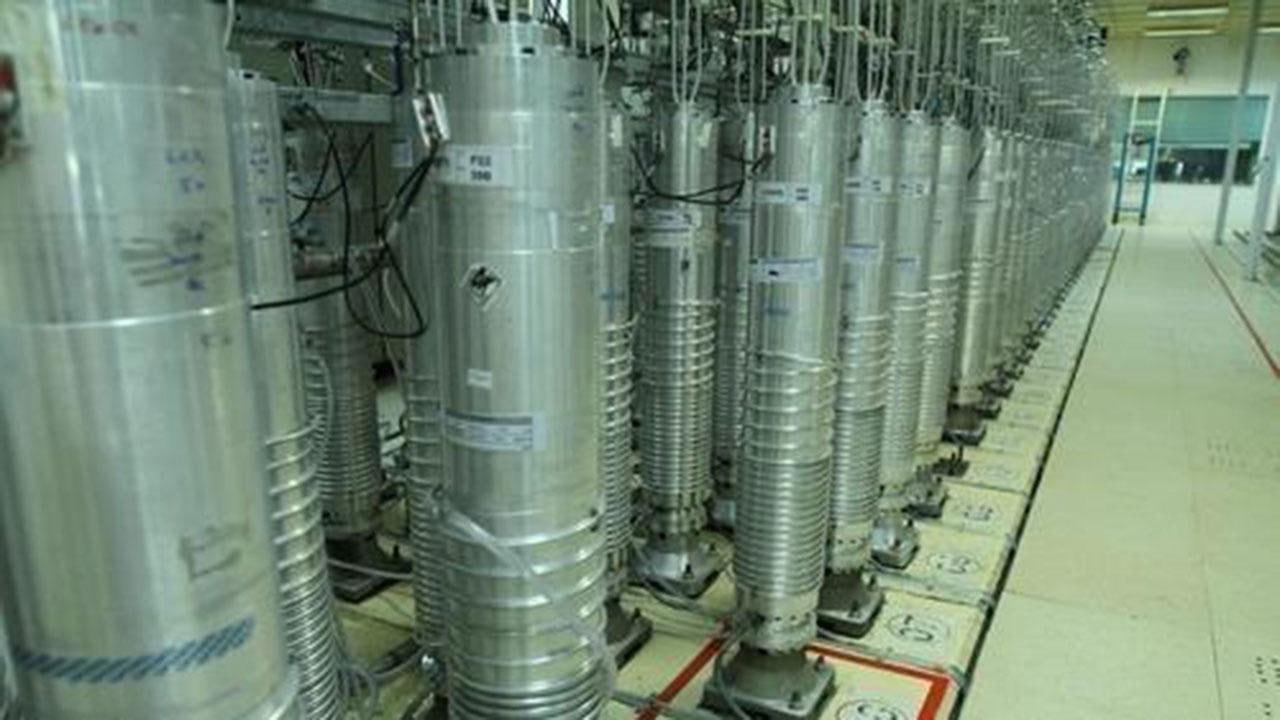
At the heart of the agreement lies Iran's commitment not to develop nuclear weapons. To ensure compliance, the International Atomic Energy Agency (IAEA) has been tasked with monitoring and verifying Iran's nuclear activities.
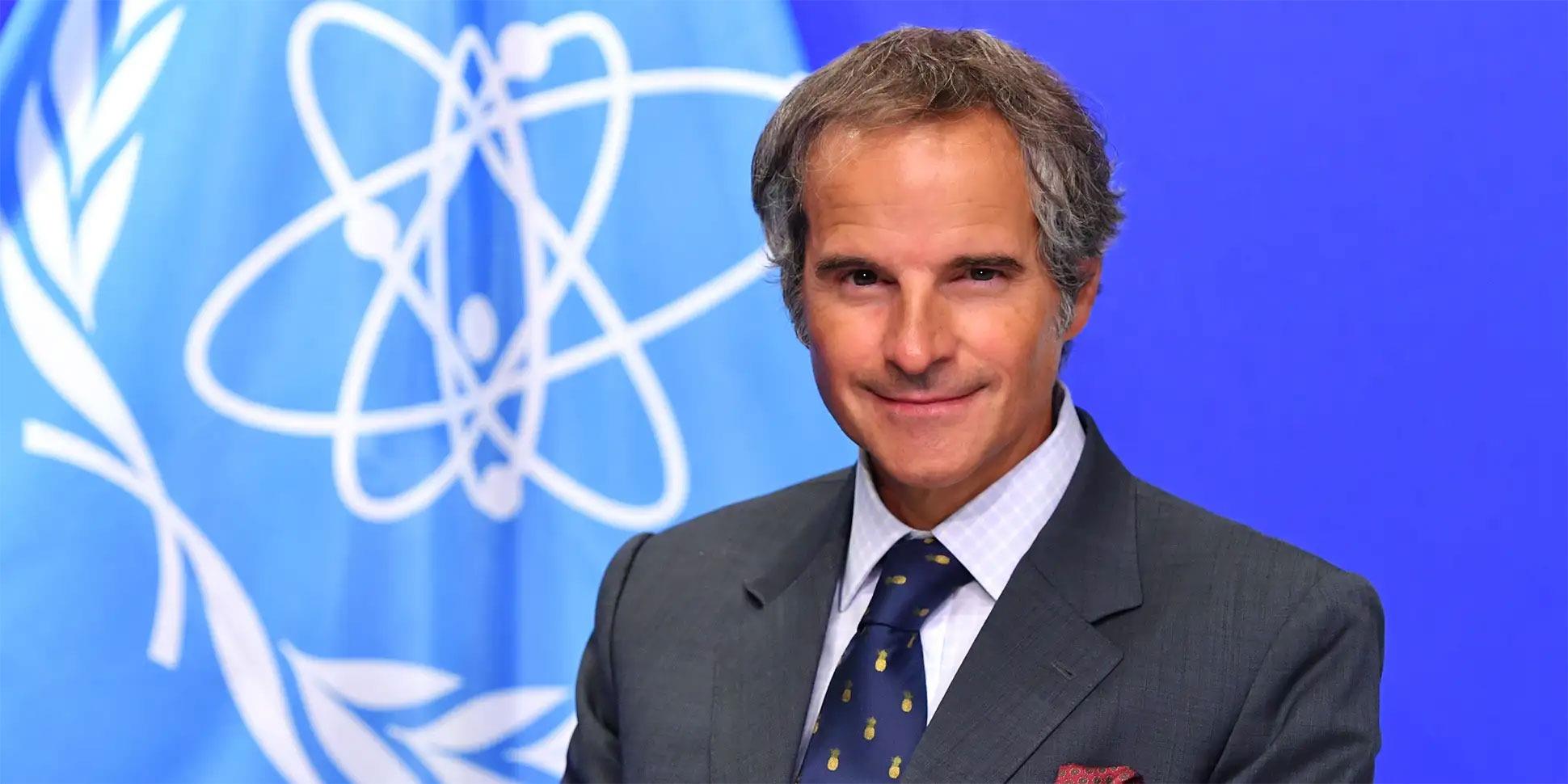
IAEA Director General Rafael Grossi has confirmed that technical preparations are already underway and expressed hope that inspectors will soon gain access to Iranian nuclear facilities. Grossi emphasized that the MoU explicitly places the nuclear dimension of the agreement under IAEA supervision and stressed that effective verification cannot occur without on-site inspections.
However, Reuters has reported that Iran continues to link full IAEA access to the successful conclusion of a final agreement and the removal of US economic sanctions. This underscores the fact that the nuclear issue remains one of the most sensitive and complex elements of the negotiations.
Several critical questions therefore remain unanswered: To what extent will Iran permit inspections? What will happen to Iran's stockpile of enriched uranium? Will it be stored, exported, or dismantled? Most importantly, can Washington and Tehran reach a mutually acceptable compromise on these issues?
The answers to these questions will largely determine whether the current agreement can evolve into a durable peace arrangement.
Frozen Assets: Money as a New Political Battleground
The release of frozen Iranian assets constitutes a key component of the agreement. Yet Washington and Tehran offer sharply different interpretations of how those funds should be used.
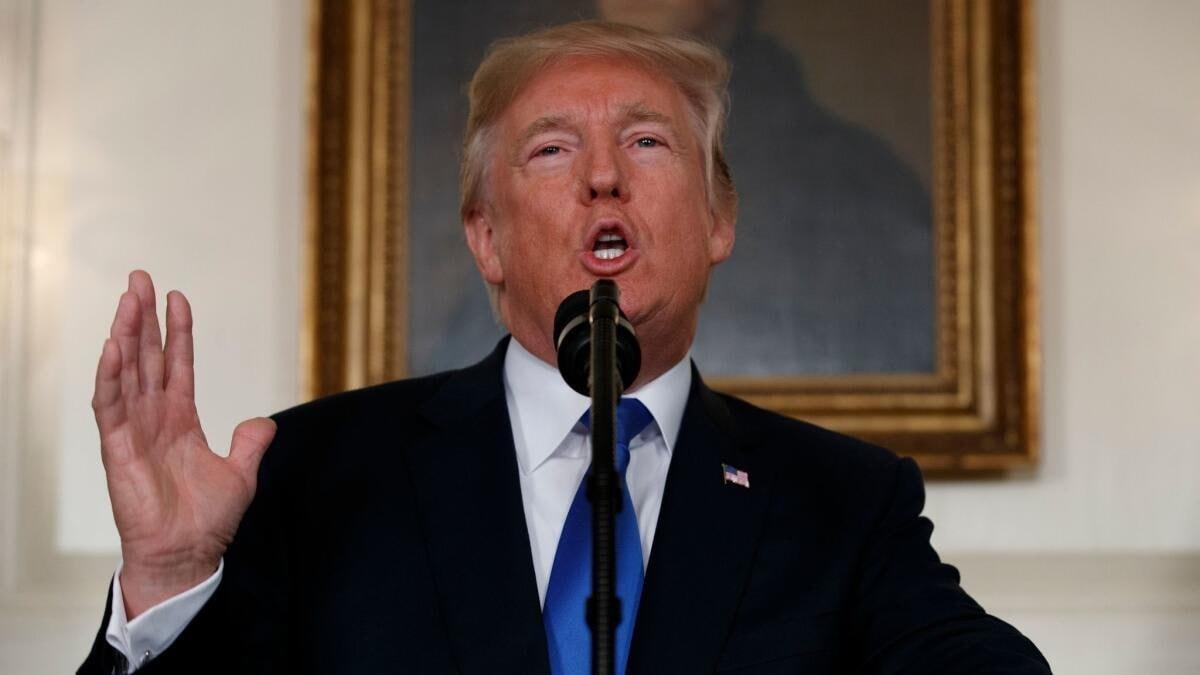
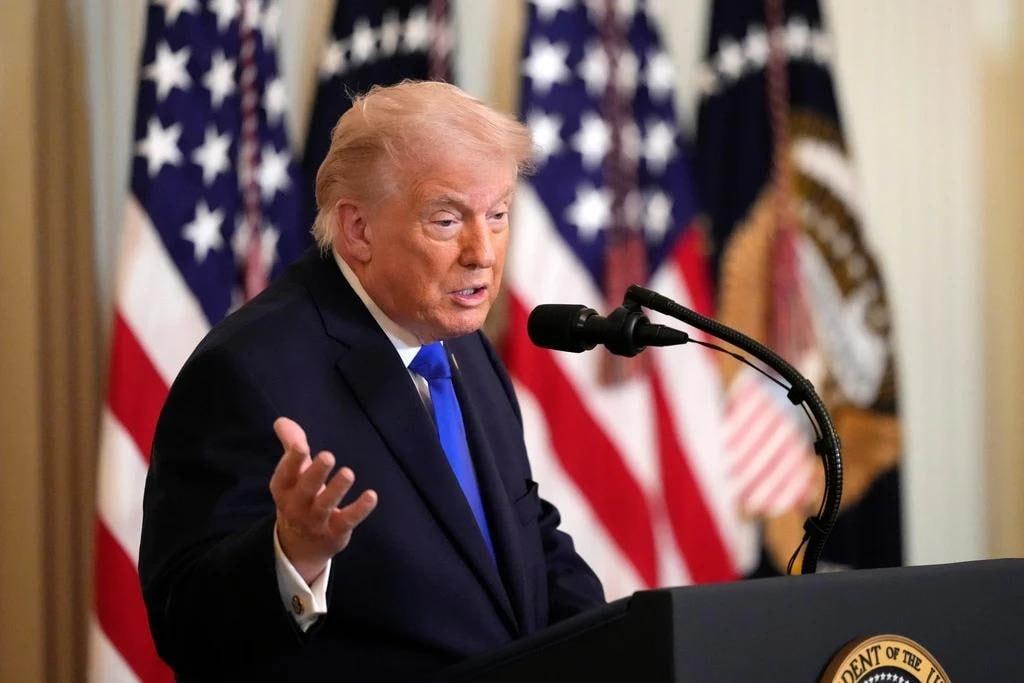
President Donald Trump and Vice President JD Vance have argued that the money should be used to purchase American agricultural products, including wheat, corn, and soybeans, to help supply the Iranian population.
Iran, however, has rejected that interpretation, insisting that Tehran alone has the sovereign right to decide how its assets are spent. These competing interpretations could become another significant source of tension during negotiations.
America's Gulf Allies Are Growing Skeptical
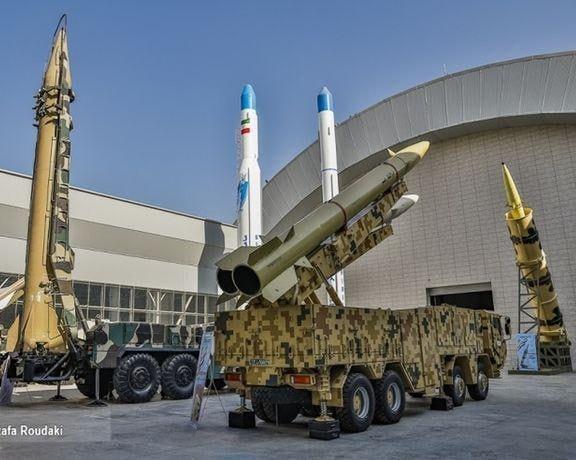
For many Arab Gulf states, the agreement is far from entirely reassuring. Regional leaders remain concerned that the emerging deal does not adequately address Iran's missile program or its network of proxy groups, while simultaneously granting Tehran a formal role in overseeing commercial maritime traffic through the Strait of Hormuz alongside Oman.
Moreover, several Gulf states are increasingly considering how to adapt to a future in which Iran remains a central regional actor while confidence in US security guarantees continues to decline. As a result, many Gulf countries are seeking to strengthen their own defense capabilities and diversify their security partnerships.
Conclusion
At present, the US-Iran agreement cannot yet be described as genuine peace. Rather, it represents a temporary suspension of hostilities designed to provide both sides with 60 days to negotiate a range of highly complex issues.
The Strait of Hormuz, Lebanon, Iran's nuclear program, frozen Iranian assets, and the concerns of Arab Gulf states will constitute the most significant tests facing this Memorandum of Understanding.
Recent developments — including attacks on commercial shipping in the Strait of Hormuz, continued fighting in Lebanon, and lingering uncertainty surrounding inspections of Iran's nuclear program — suggest that the MoU is not the end of the crisis. Instead, it is a provisional framework that is being tested every day.
If Washington and Tehran can resolve these issues, the current agreement could become the foundation for a new era of stability in the Middle East. But if negotiations fail, the next sixty days may prove not to be a pathway to peace, but rather a narrow bridge separating peace from another war.