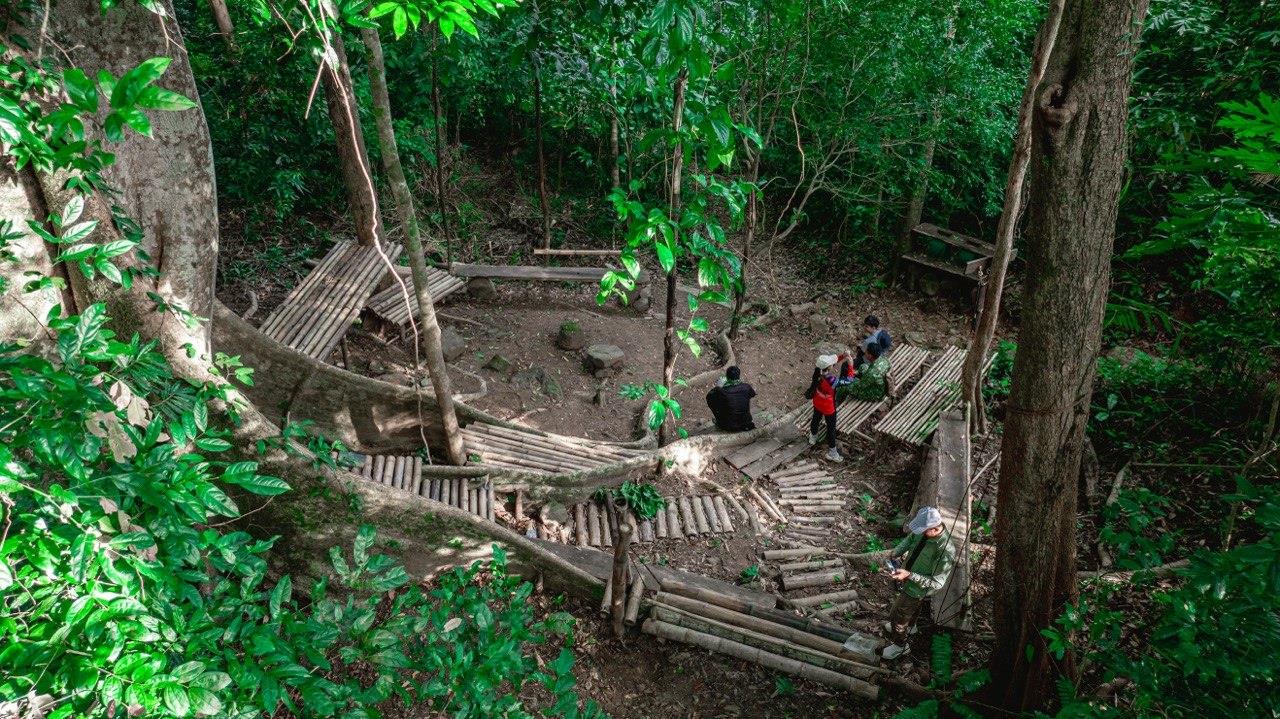
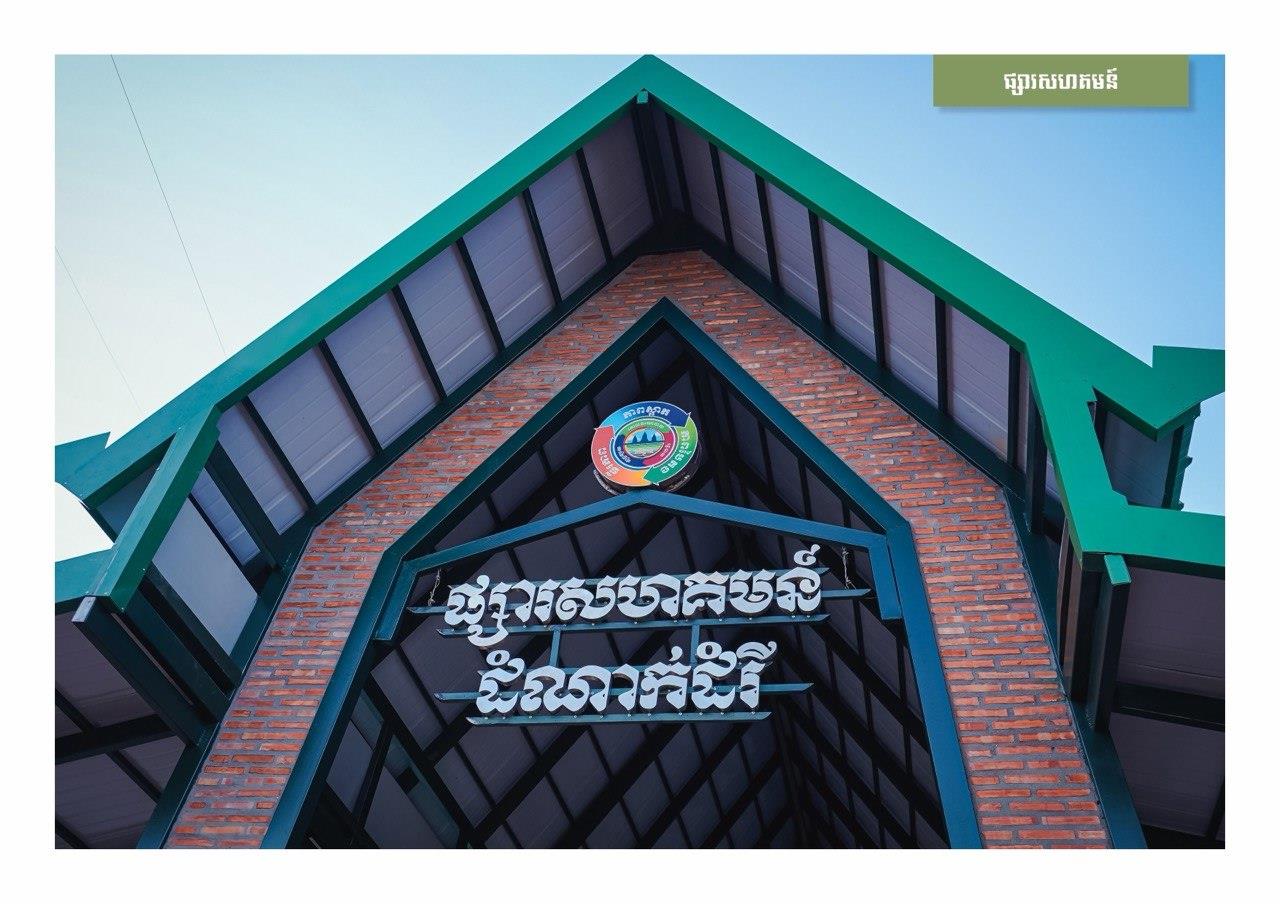
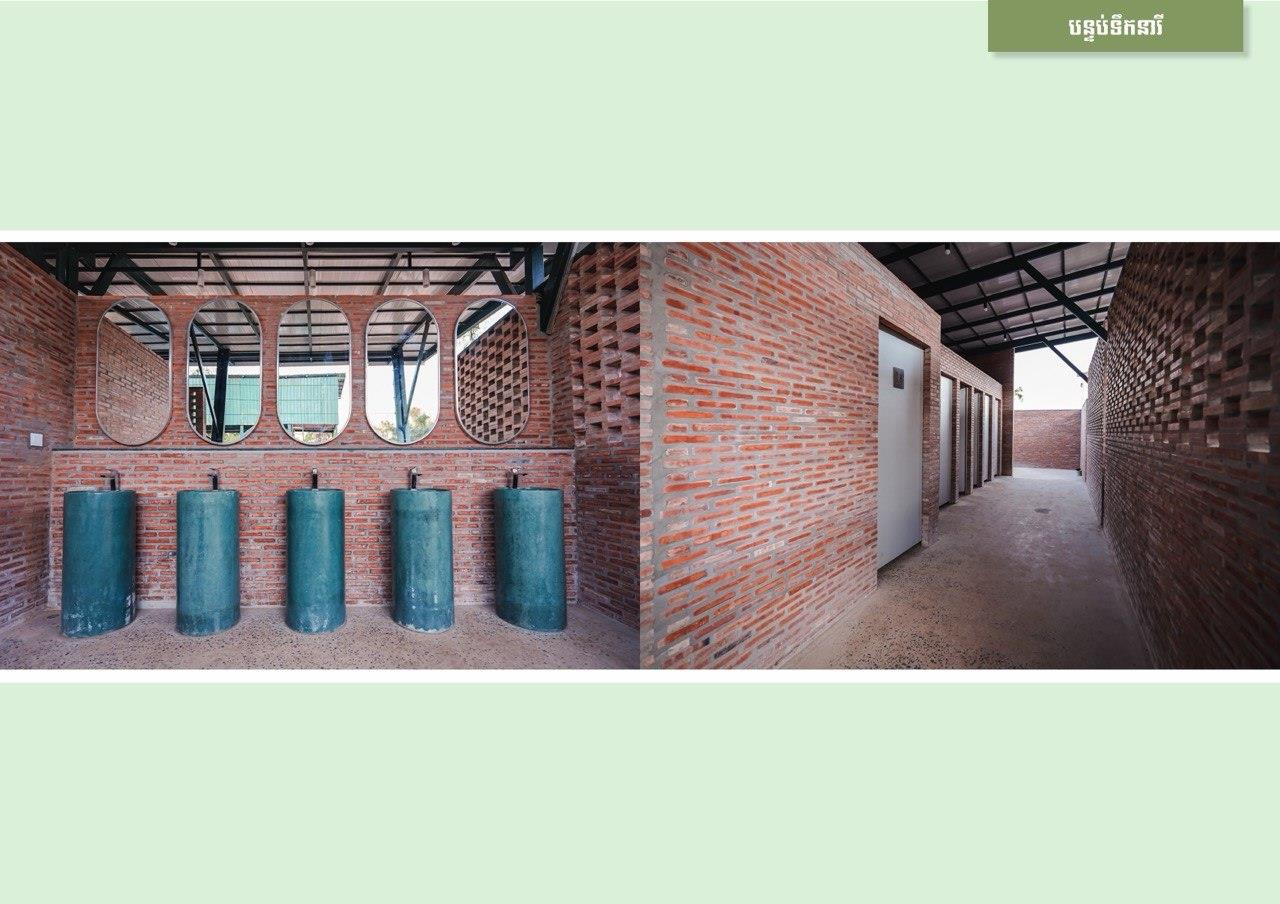
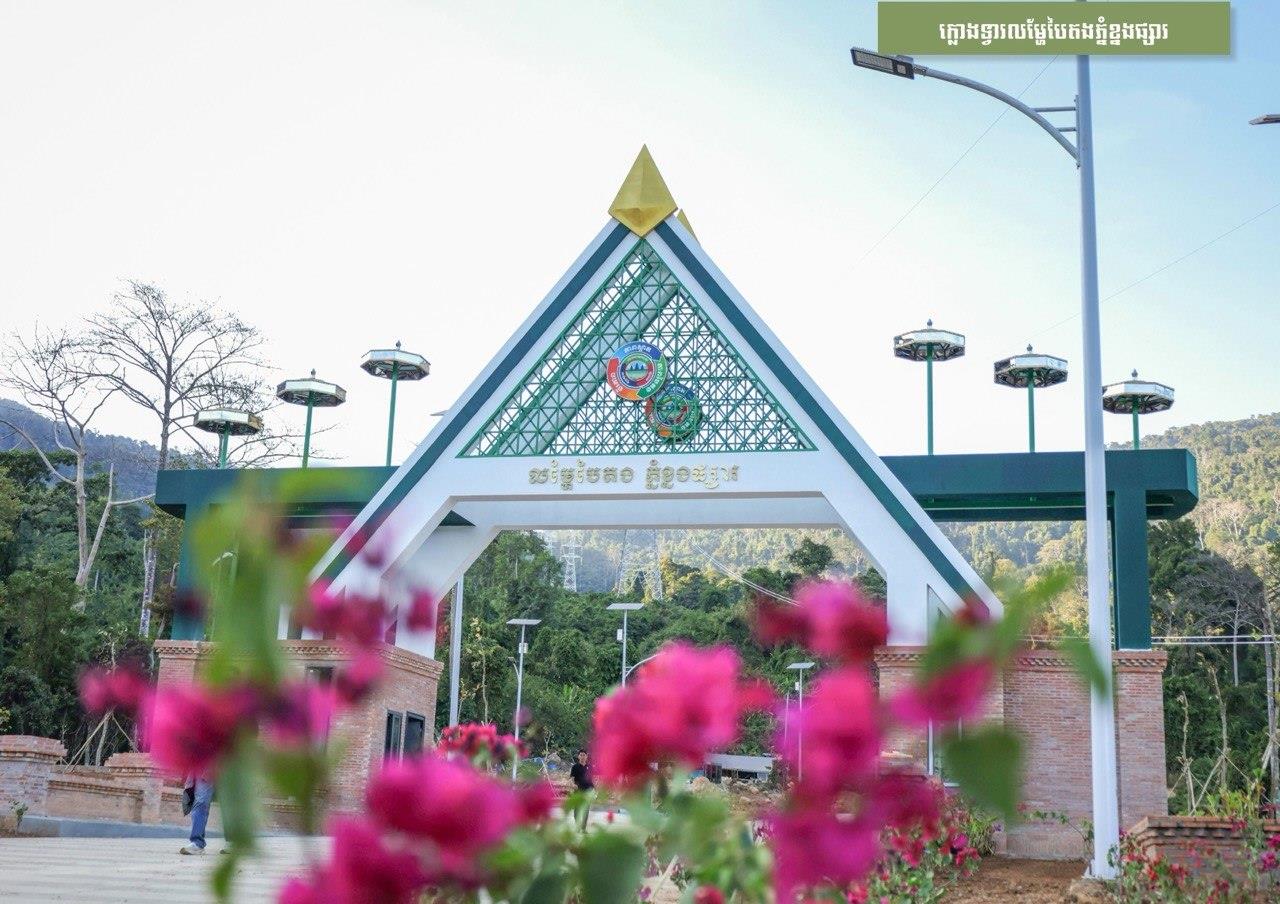
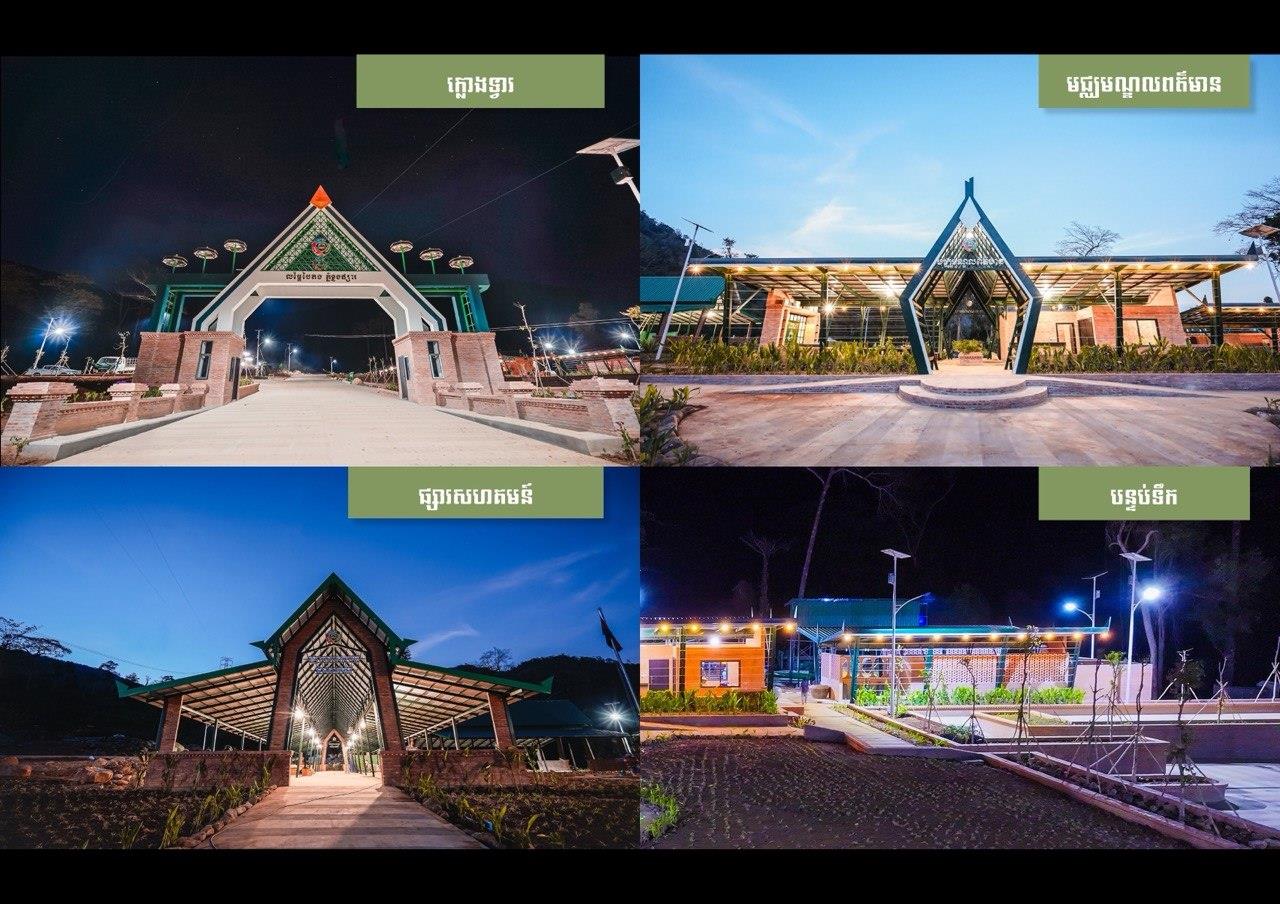
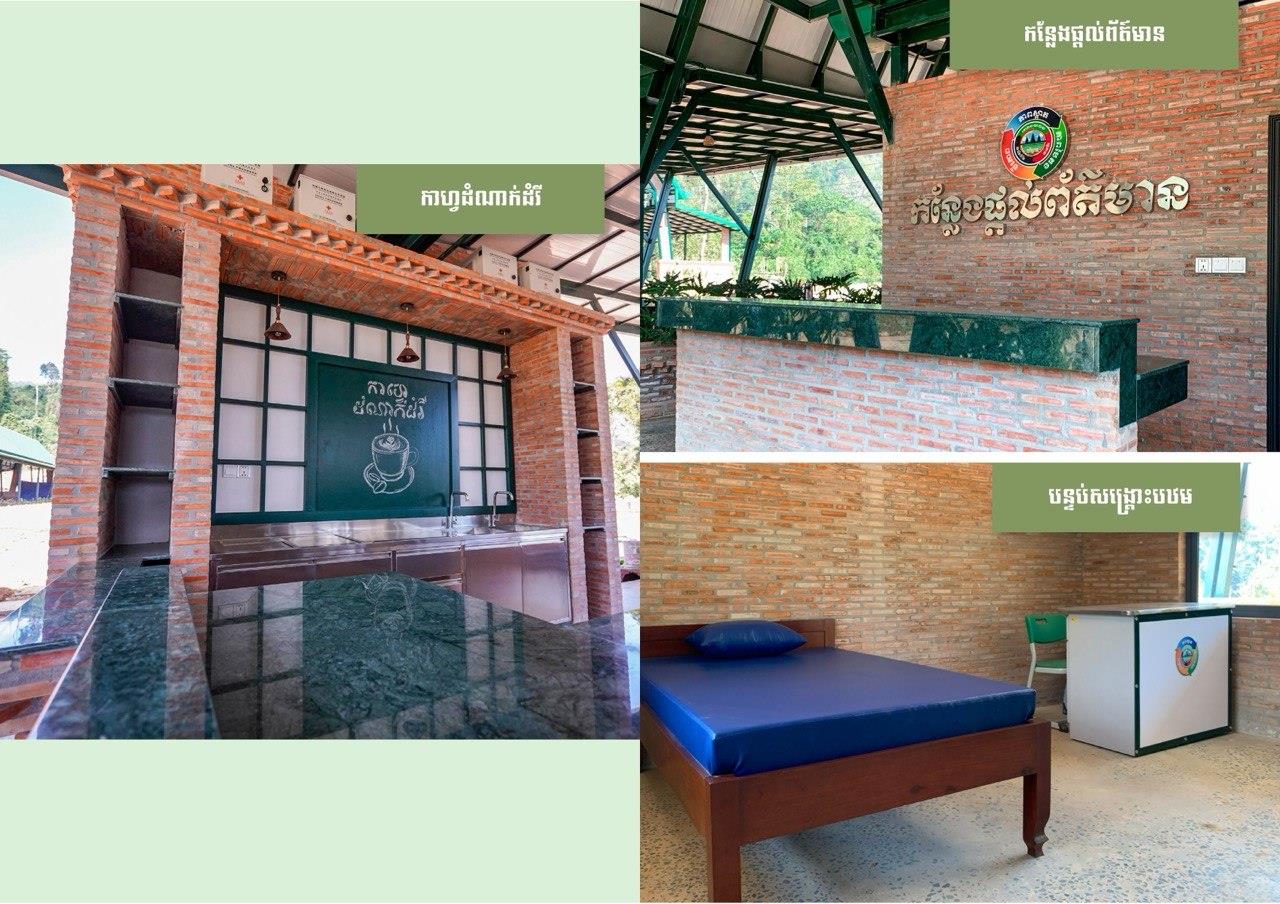
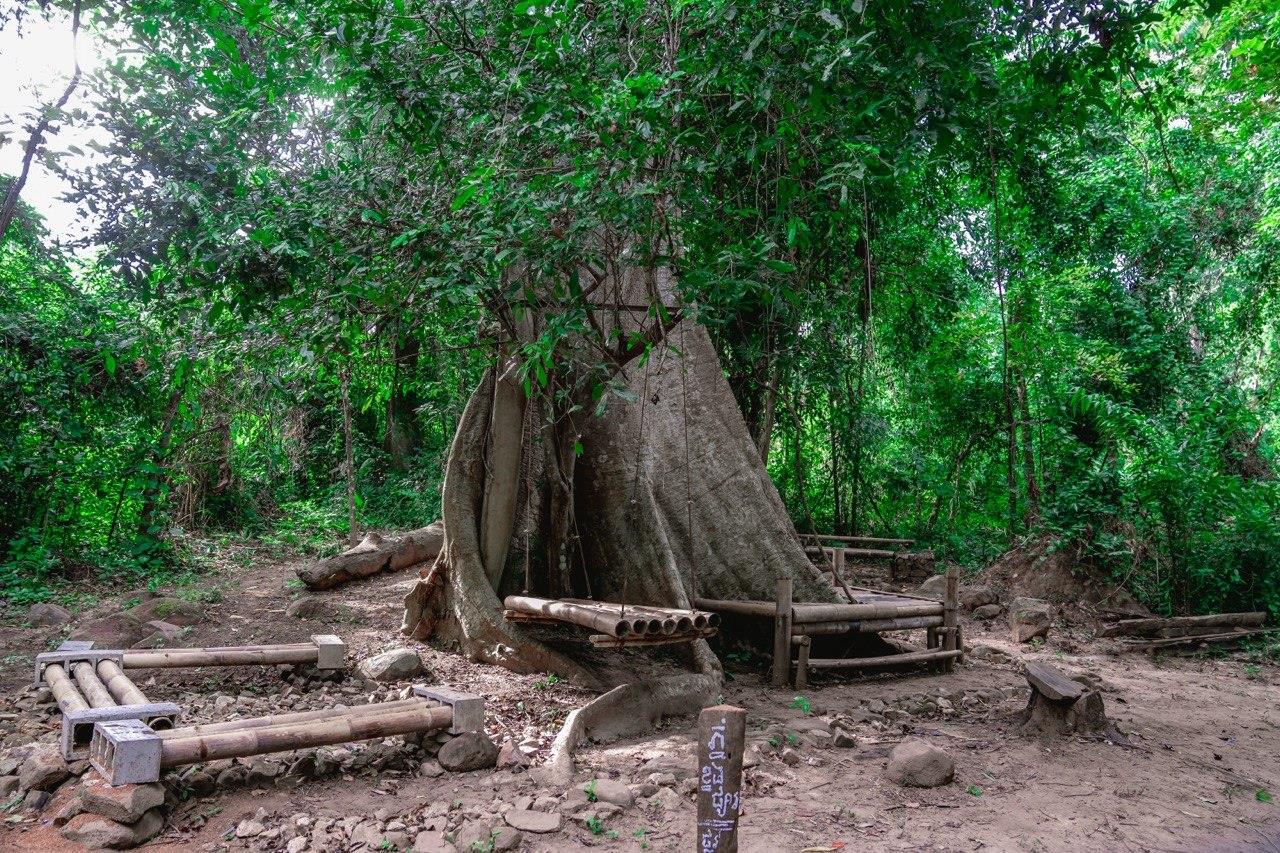
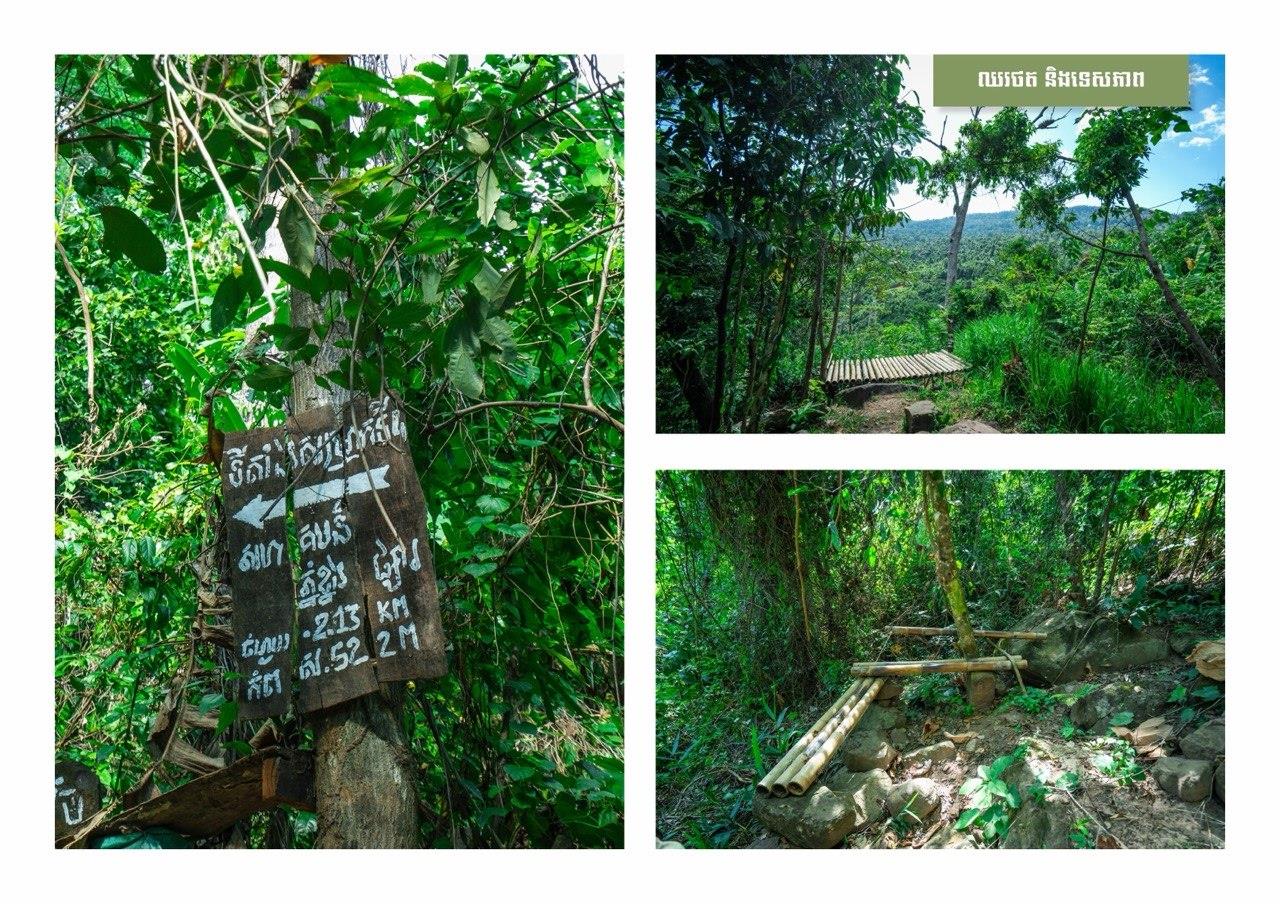
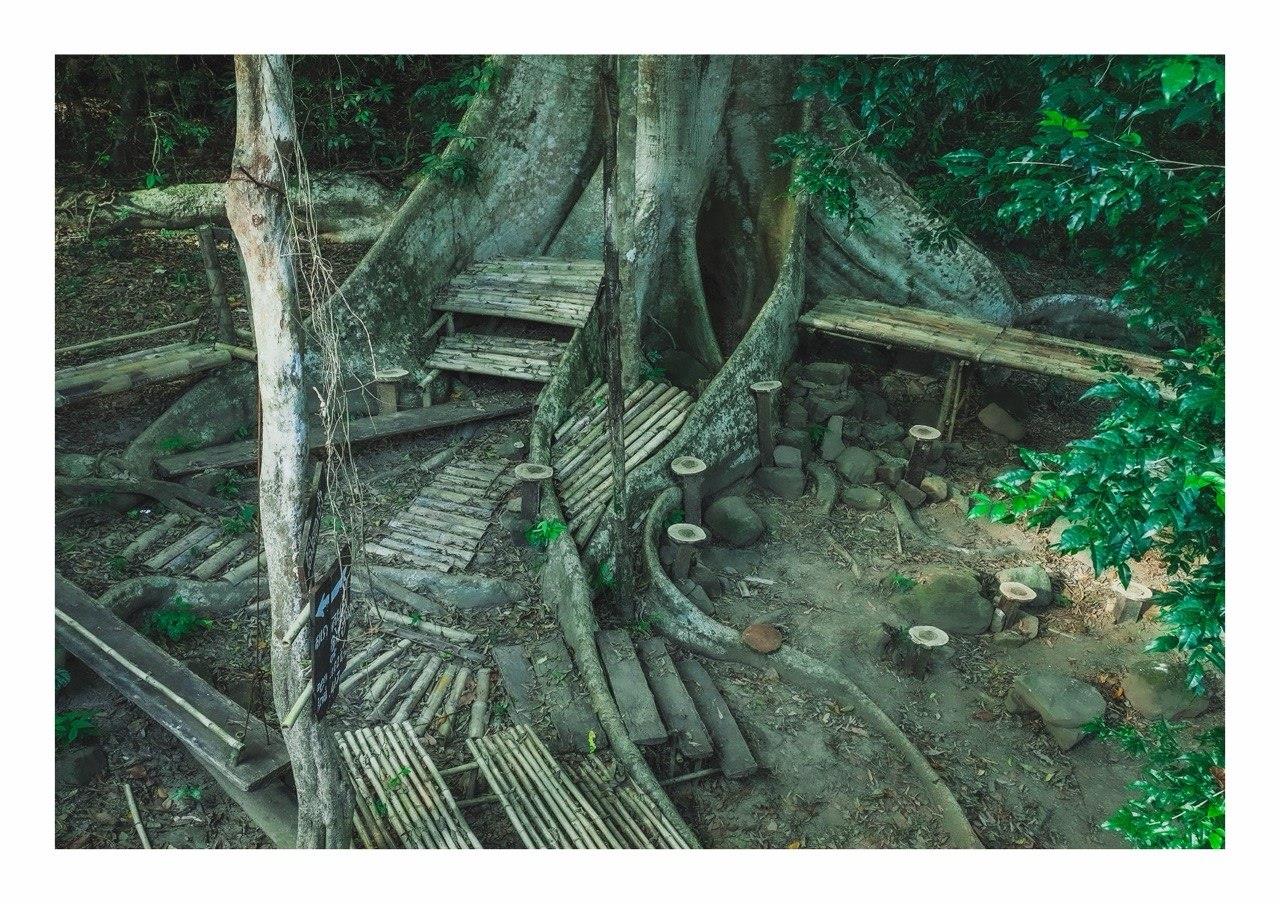
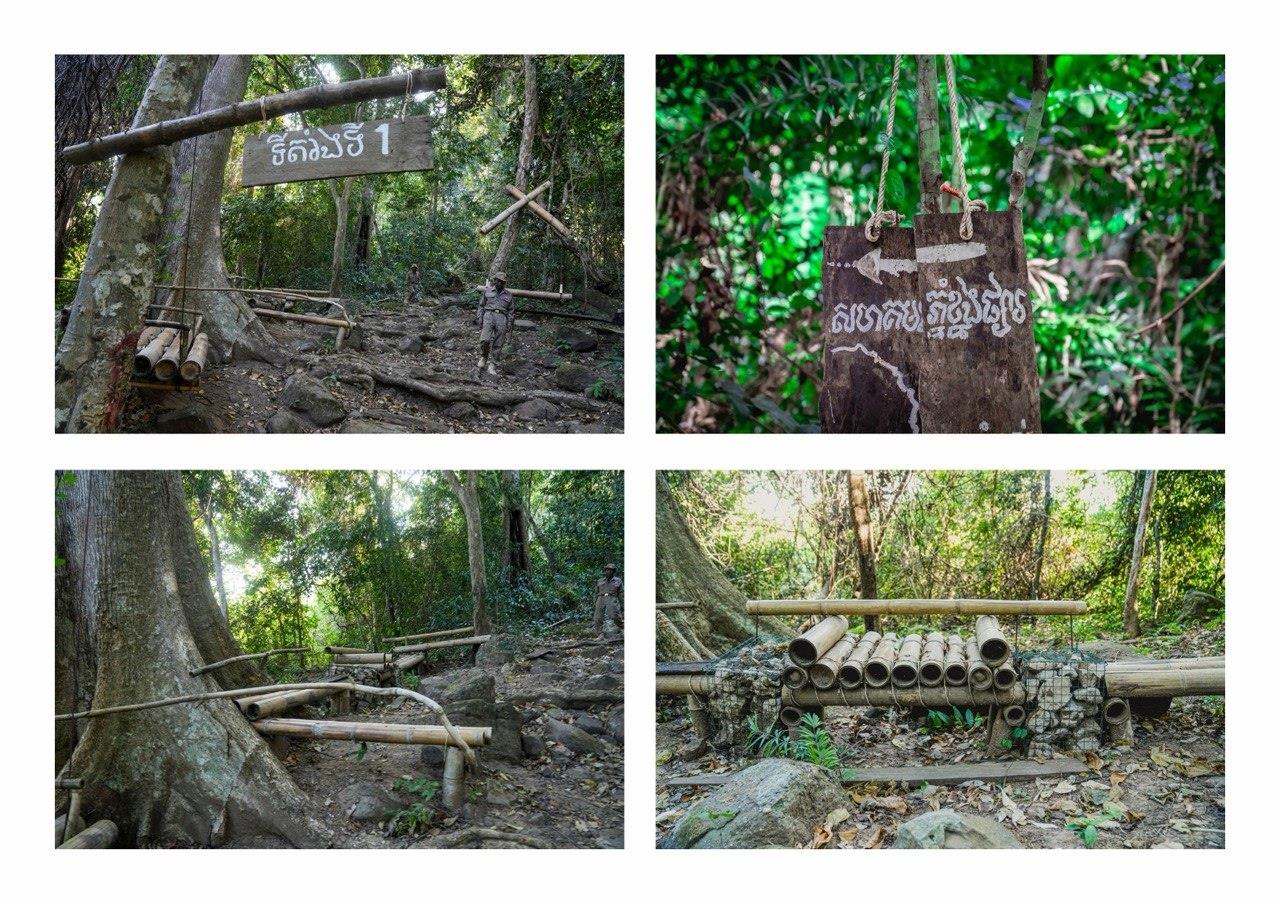
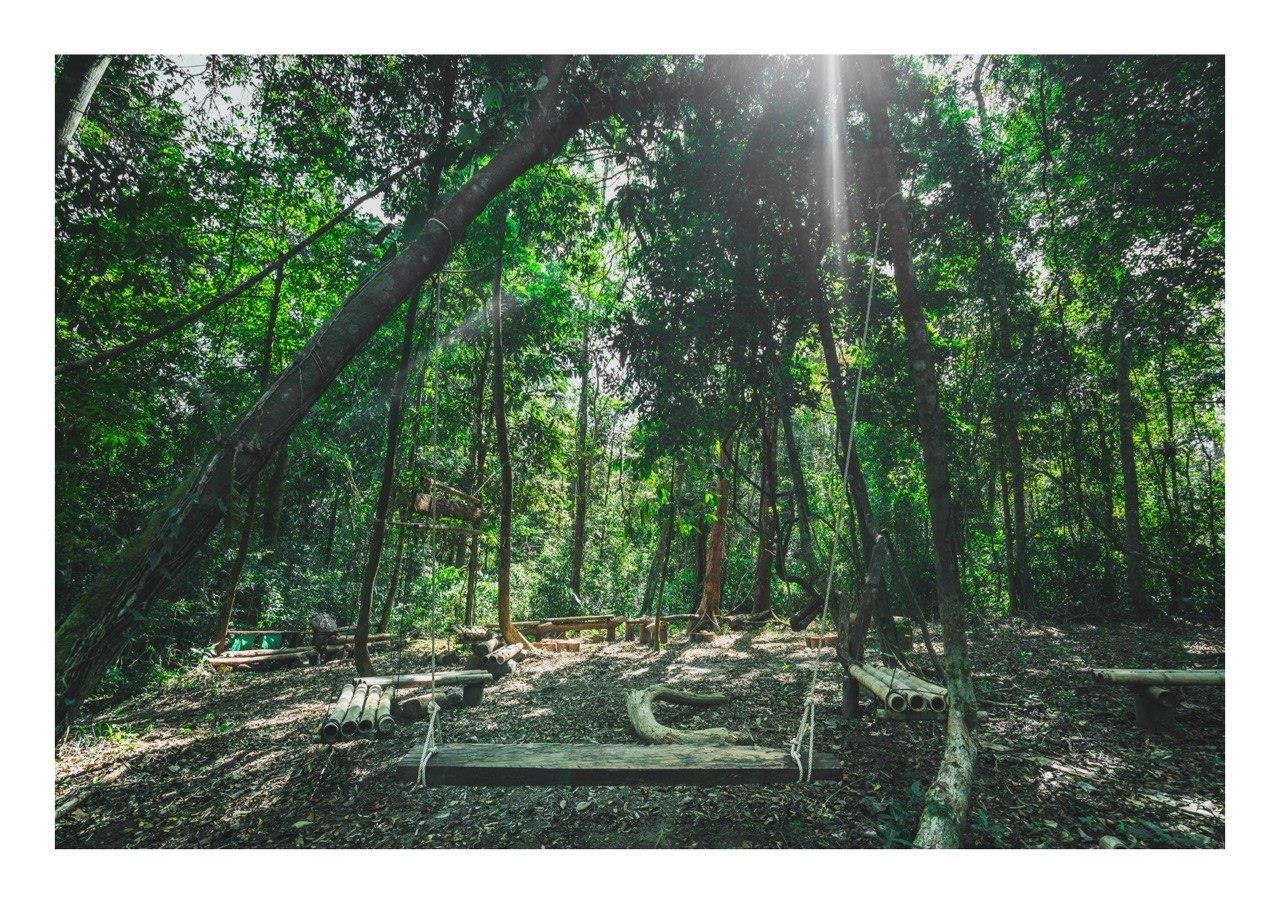
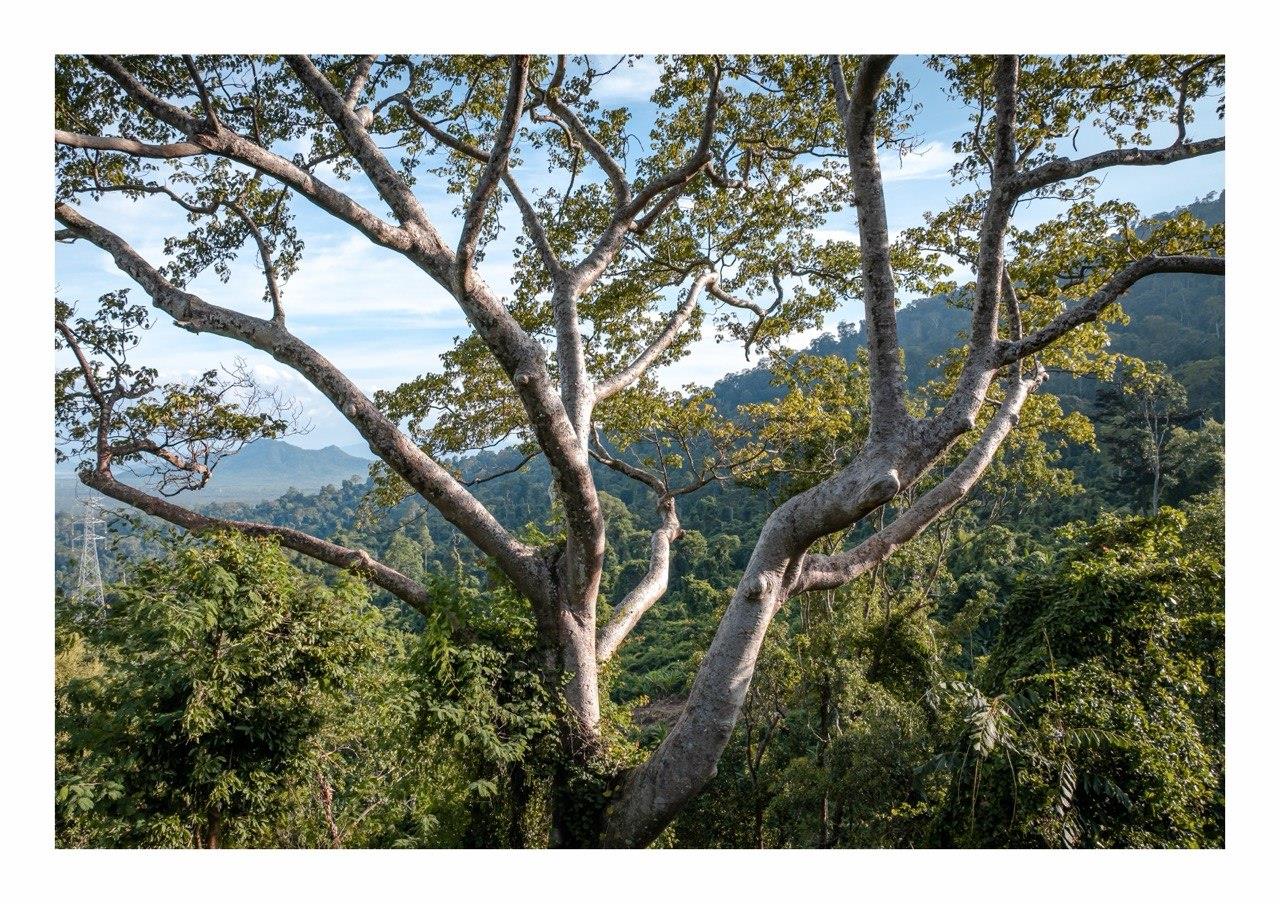
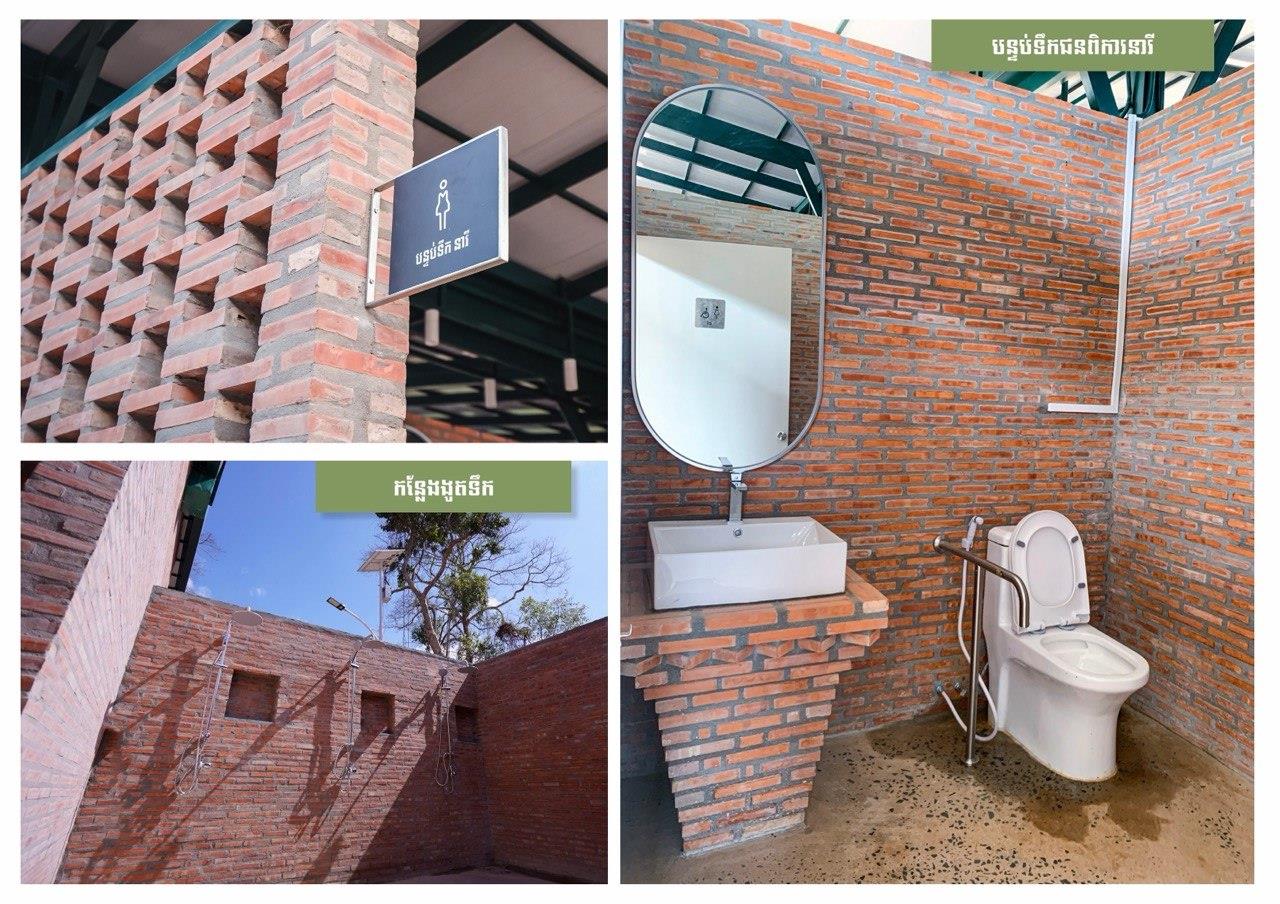
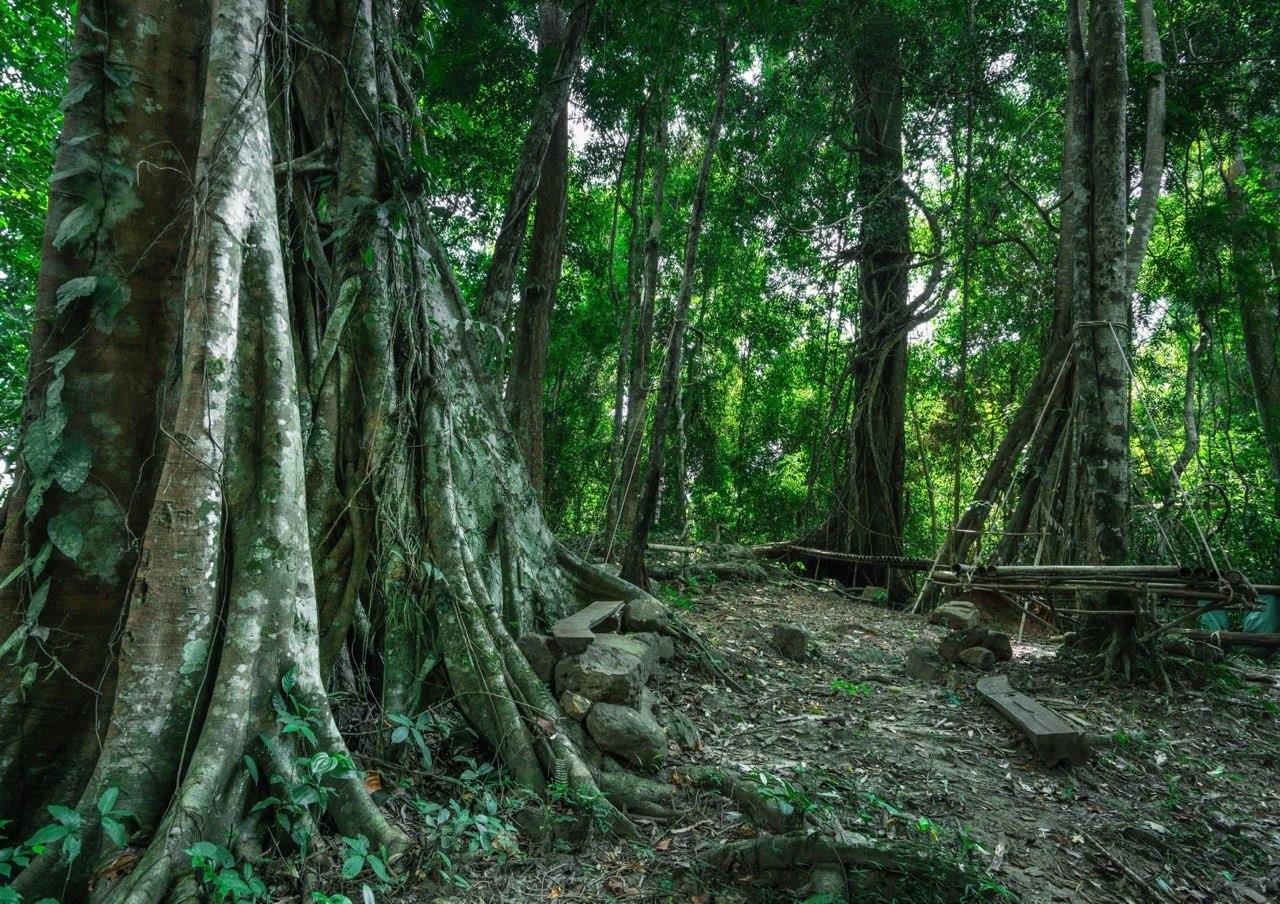
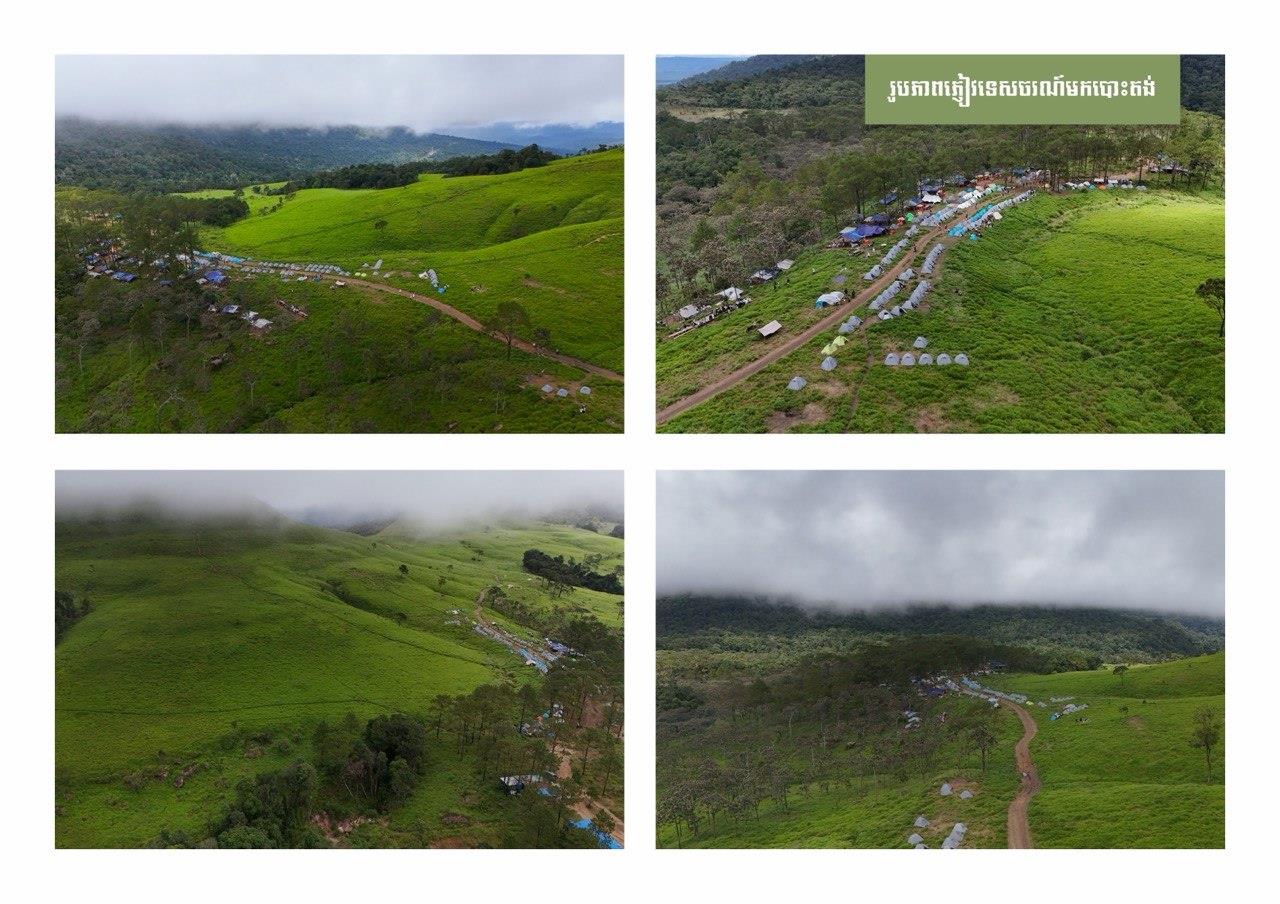
(Phnom Penh): Nestled within Cambodia’s rich natural landscape, Khnang Psar is emerging as one of the country’s most promising green destinations. Once known as one of the poorest communities in a protected area, where families depended largely on forest and non-forest products for survival, Khnang Psar is now becoming a model of sustainable community development, conservation, and ecotourism.
The transformation has been remarkable.
In 2025, Khnang Psar welcomed approximately 5,000 tourists throughout the entire year. Following strategic investments in community development, tourism facilities, visitor services, and local capacity building, the destination has experienced unprecedented growth. During the first half of this year alone, tourist arrivals reached approximately 20,000 visitors—four times the total number recorded in the previous year. Last week alone, more than 1,000 tourists visited the community, demonstrating the growing appeal of Khnang Psar as a premier green tourism destination.
Behind these encouraging numbers lies a deeper story of community empowerment.
Through targeted training and support, local residents have transitioned from relying primarily on natural resource extraction to becoming service providers, tour guides, hospitality workers, and first-aid responders. Community members now play a central role in welcoming visitors, ensuring their safety, sharing local knowledge, and showcasing the area’s natural beauty and cultural heritage.
This evolution has not only created new sources of income but has also strengthened local ownership of conservation efforts. Residents increasingly recognize that protecting forests, wildlife, waterways, and landscapes is directly linked to their livelihoods and the long-term prosperity of their community.
Khnang Psar’s success demonstrates a powerful principle: when communities are empowered to manage and protect their own protected areas, sustainable development becomes possible. By treating the protected area as their home and their shared responsibility, local people become the strongest guardians of natural resources.
The growing number of visitors reflects more than tourism success. It signals confidence in a development model that places communities at the center of conservation. The community is proving that economic development and environmental protection are not competing objectives, but complementary goals that can reinforce one another.
As Cambodia continues to promote green growth and sustainable tourism, Khnang Psar stands as a testament to what can be achieved when conservation is combined with community ownership, capacity building, and local leadership. Its journey from one of the poorest communities in a protected area to a thriving ecotourism destination offers valuable lessons for communities across the country and beyond.
The continued growth of Khnang Psar suggests that the future of conservation lies not only in protecting nature, but also in empowering the people who live closest to it. The community’s transformation is a clear indication that training local people to care for their own protected area, their own home, is an effective pathway toward lasting sustainability and shared prosperity.
=FRESH NEWS