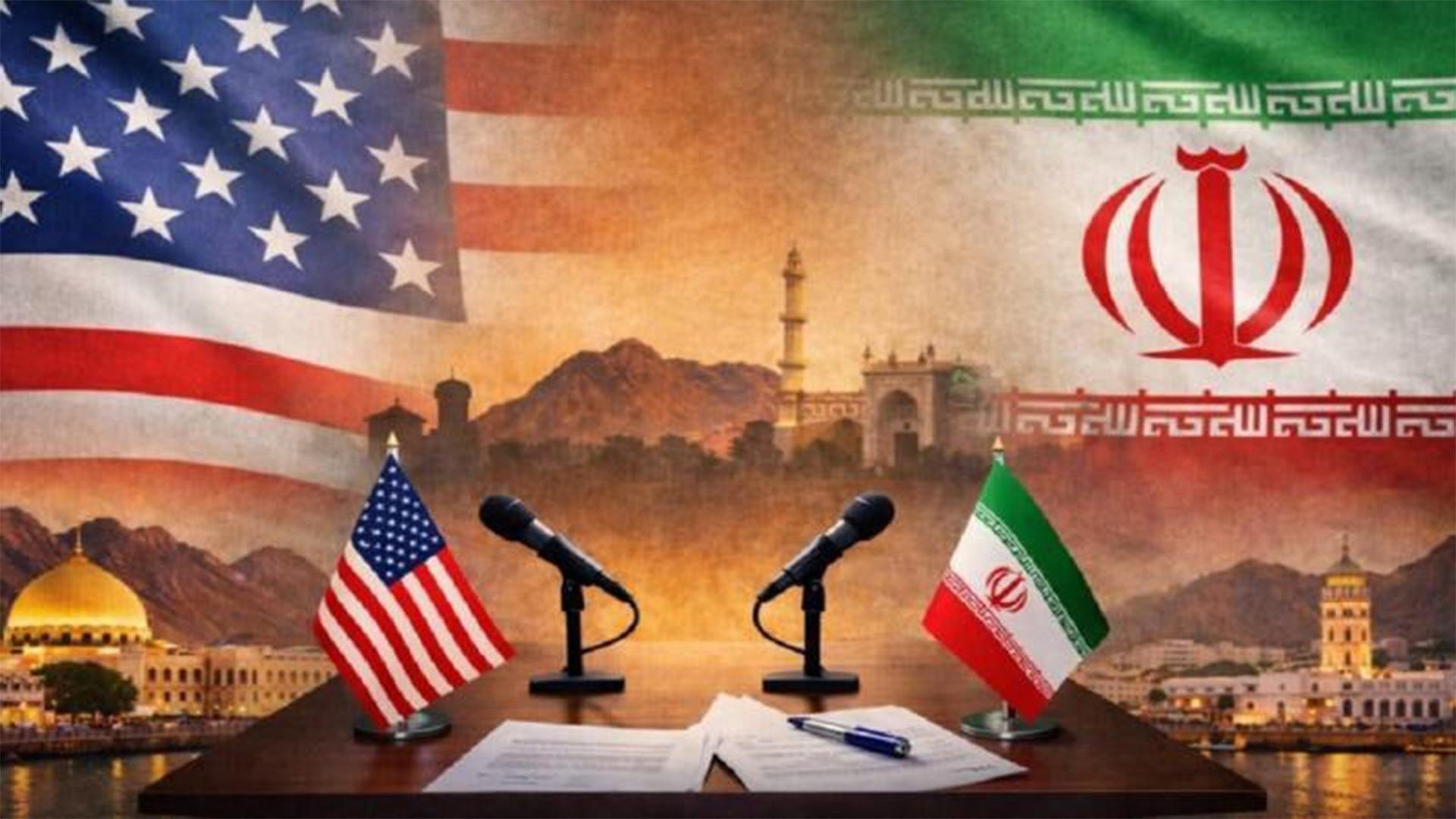
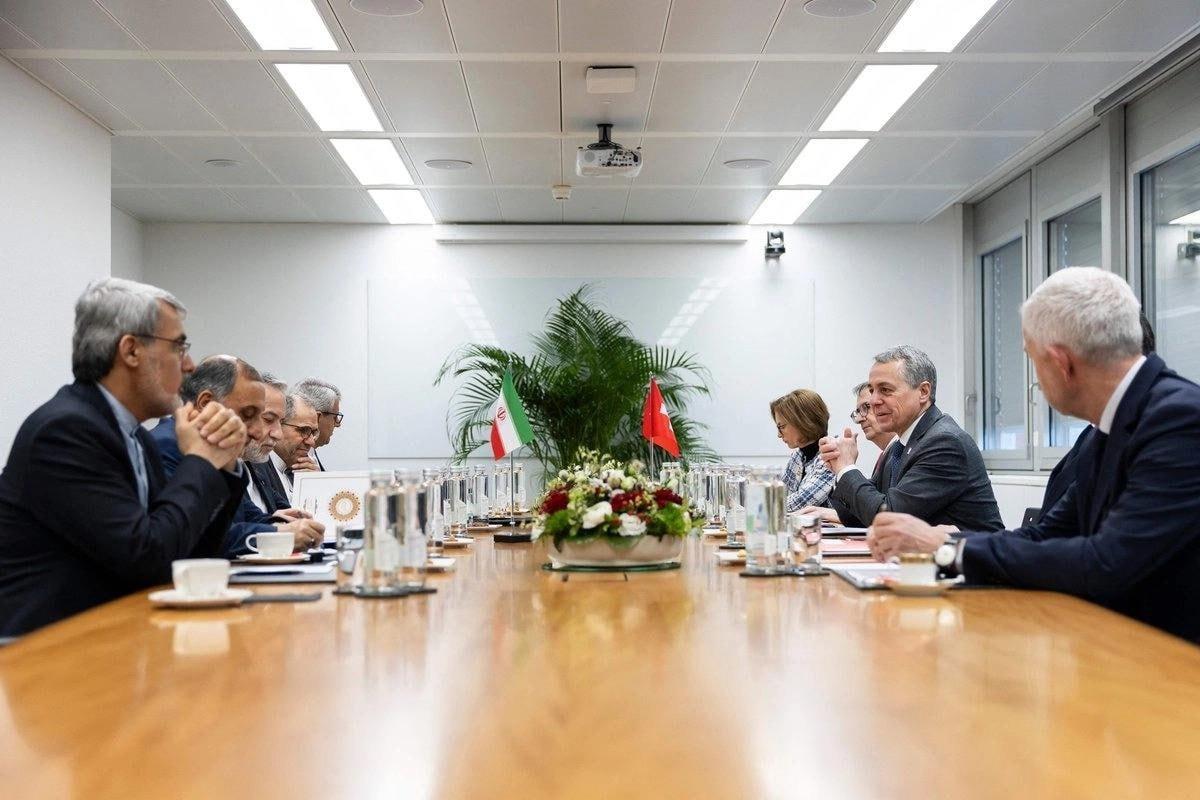
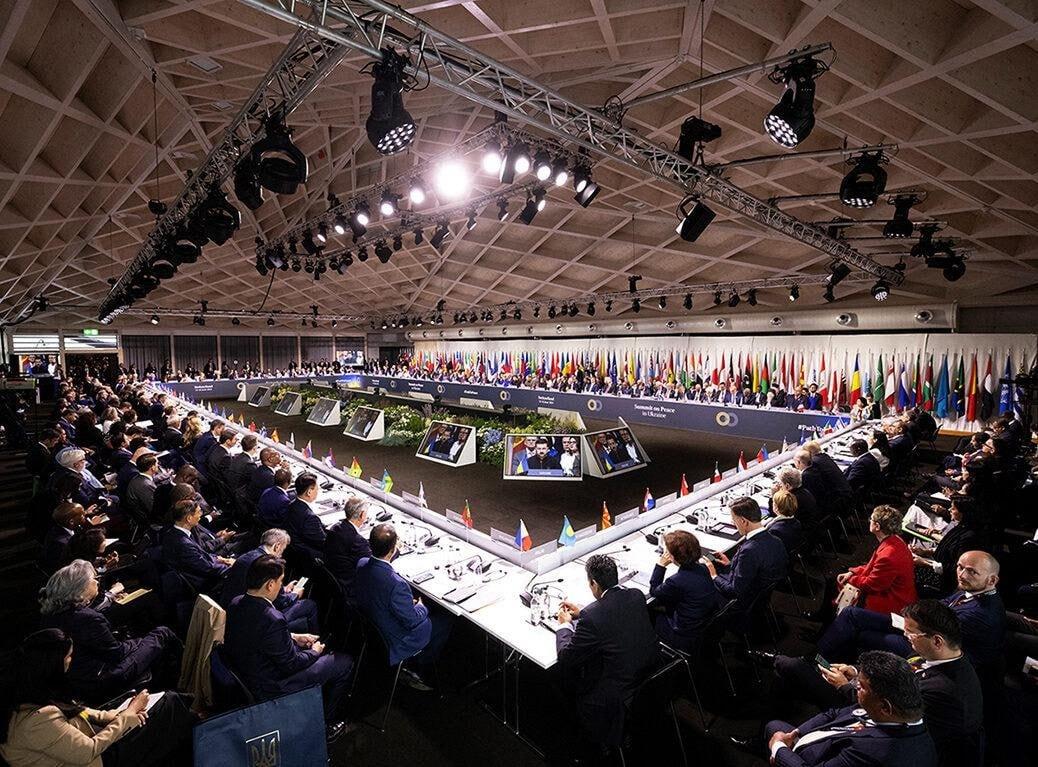
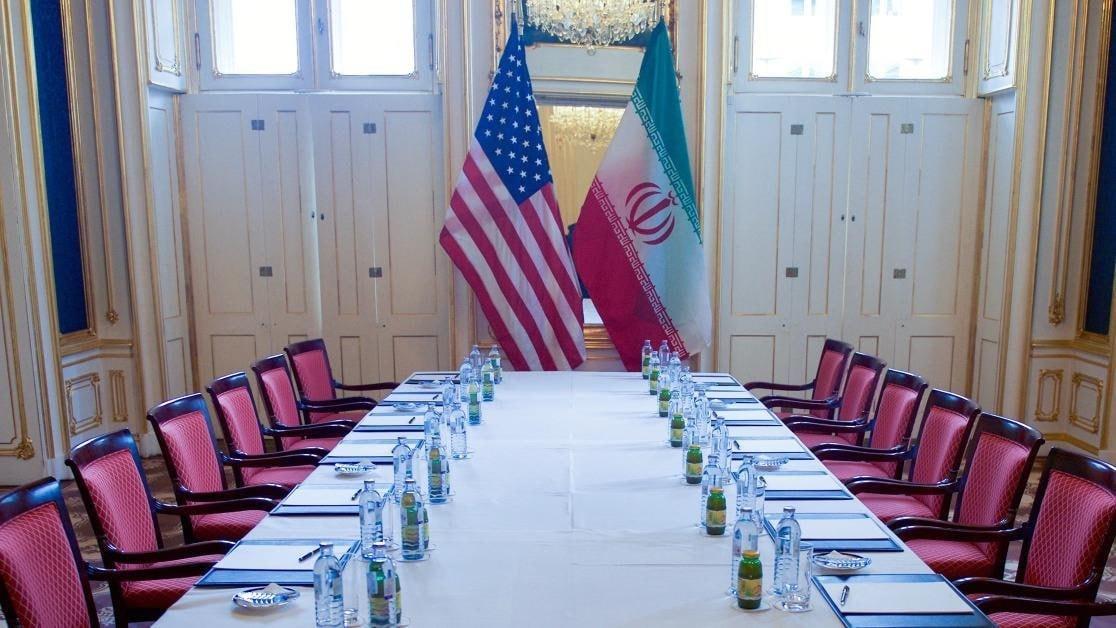
(Phnom Penh): While American and Iranian negotiators are sitting across the table in Switzerland in search of a final agreement within the next 60 days, another battlefield thousands of kilometers away continues to burn.
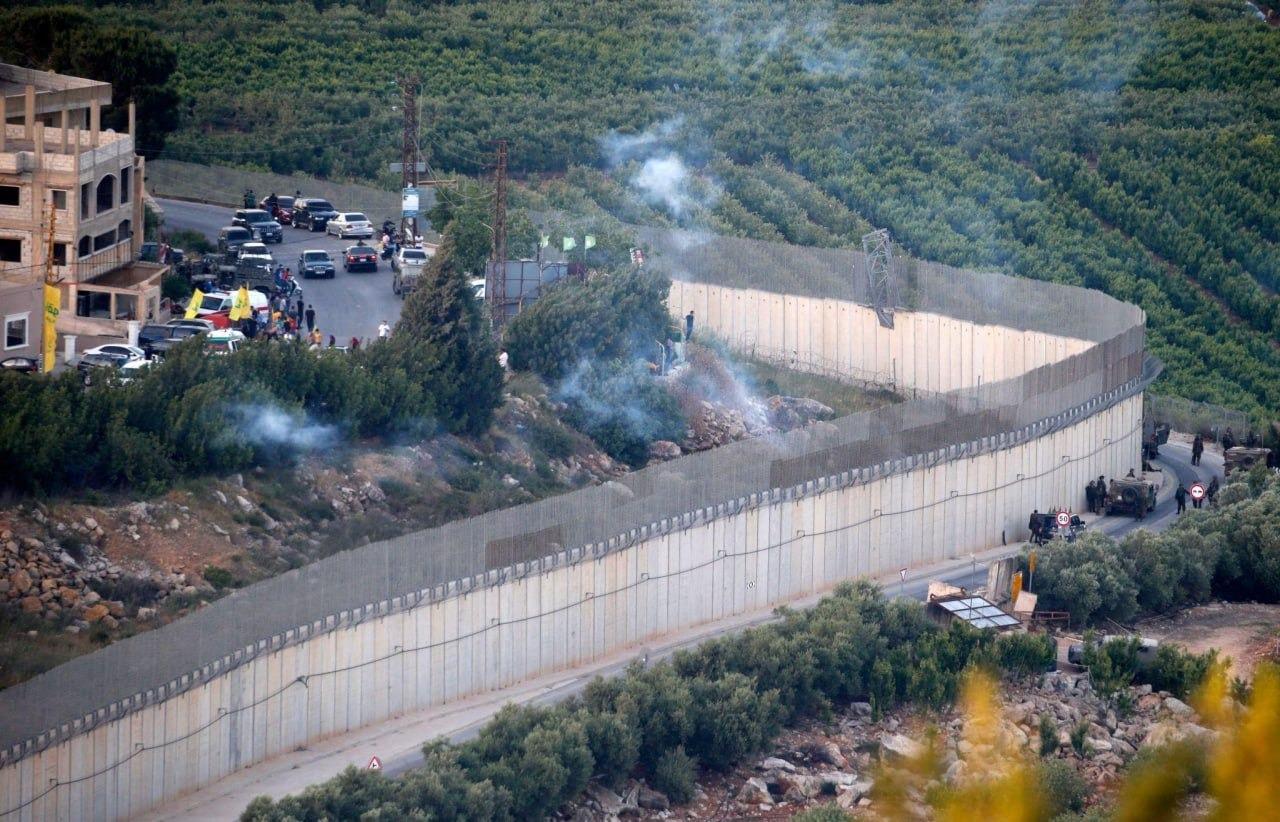
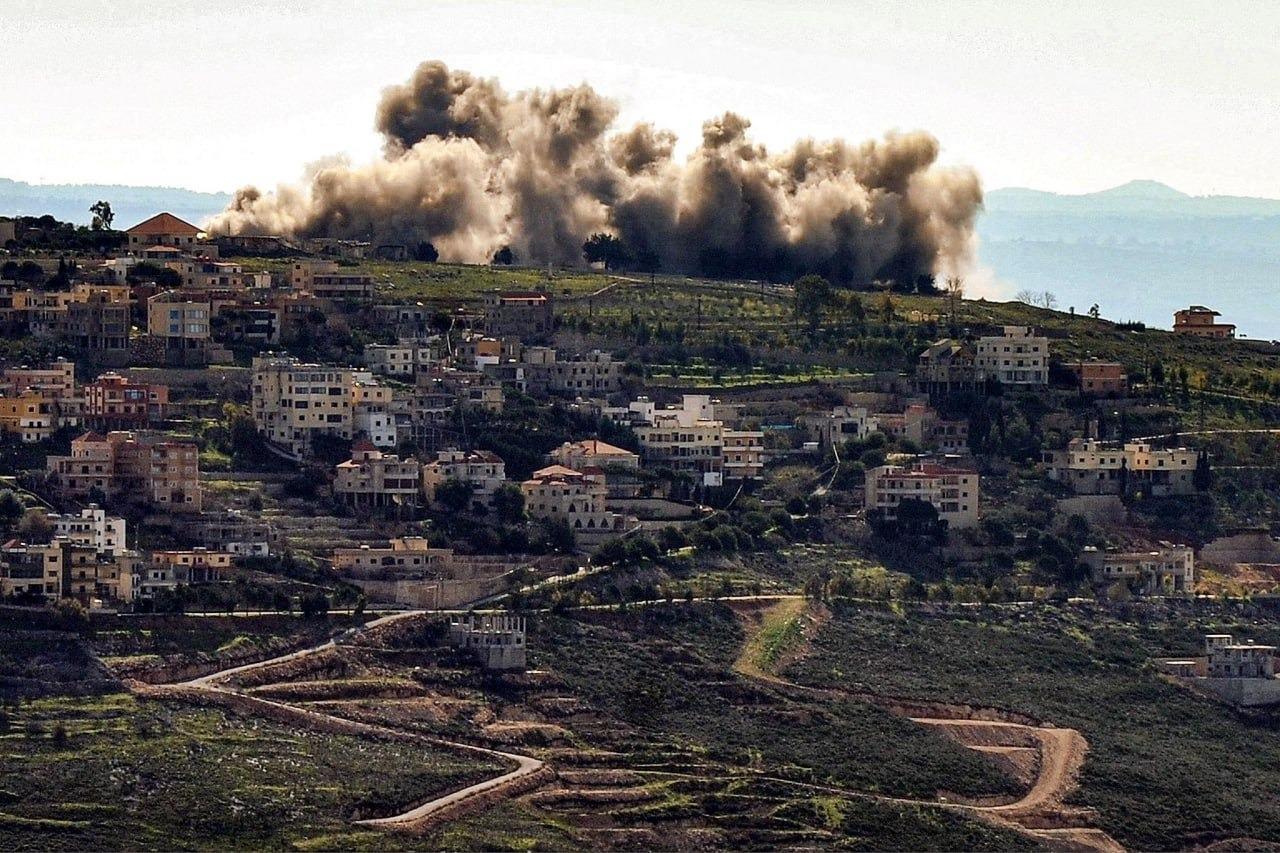
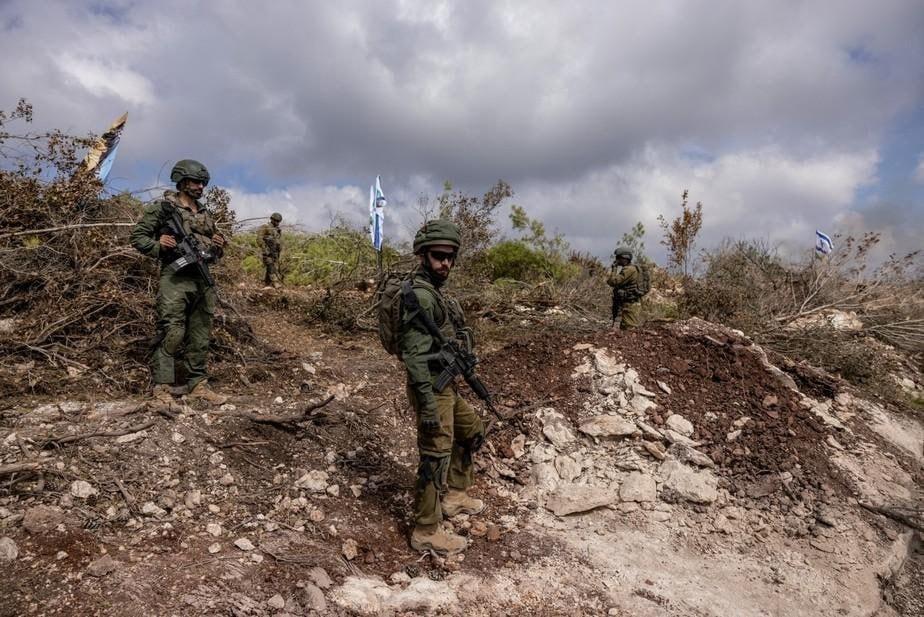
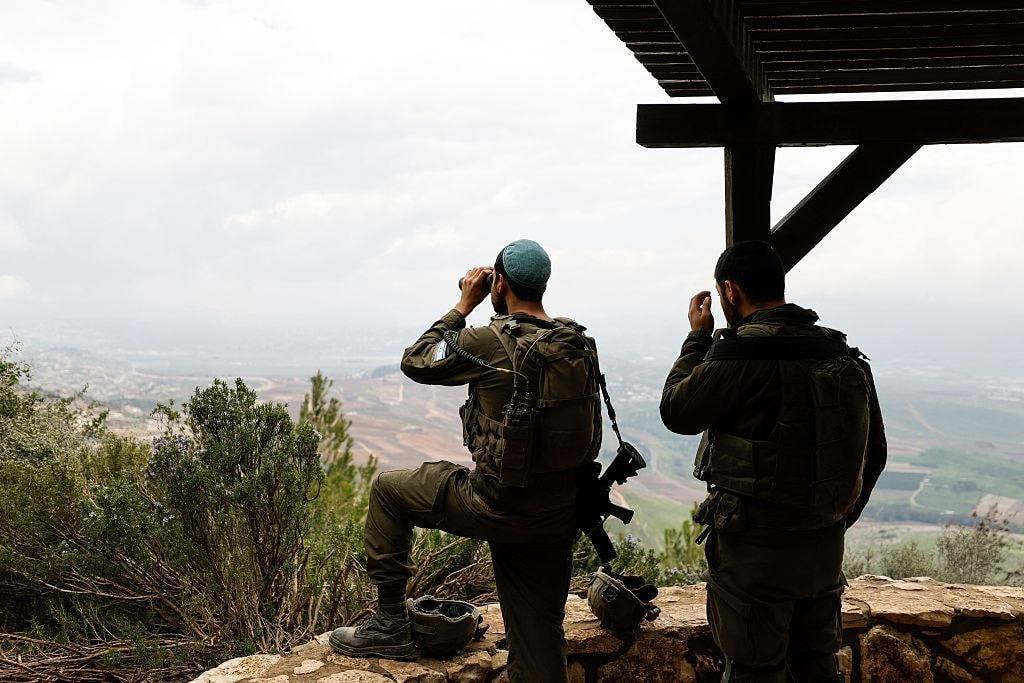
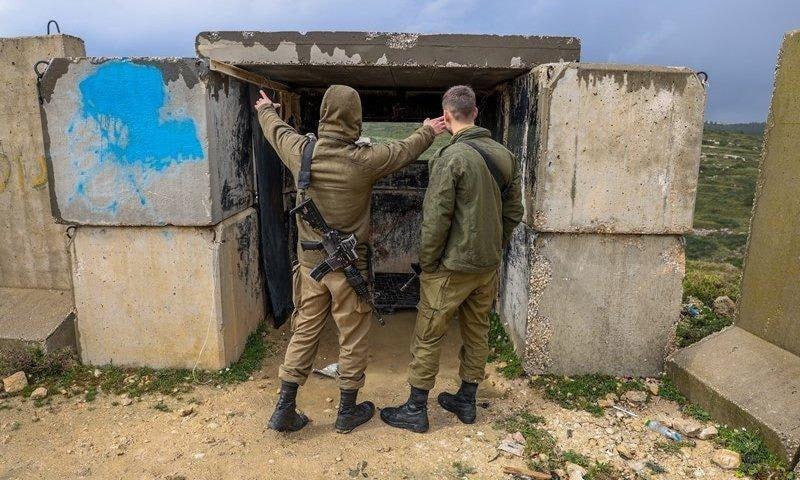
In southern Lebanon, bombs are still falling, troops are refusing to withdraw, and clashes between Israel and Hezbollah continue unabated. This reality raises a critical question for international diplomacy: Could Lebanon become the place where a US-Iran peace agreement ultimately unravels?
Lebanon: The Biggest Obstacle to Diplomacy
Although mediators have described the talks in Switzerland as "positive and constructive," Lebanon remains the single greatest sticking point.
Iran has made it clear that any agreement must include a complete cessation of military operations in Lebanon. Iranian Foreign Minister Abbas Araghchi wrote on X that:"The first real test will be the Lebanon deconfliction cell."
This statement suggests that Tehran views developments in Lebanon as the most important indicator of whether the agreement will be implemented sincerely and effectively.
Israel, however, has declared that it will continue to maintain a military presence in southern Lebanon for as long as it deems necessary to safeguard its security. Israeli Prime Minister Benjamin Netanyahu stated that Israeli forces:"will remain in southern Lebanon for as long as necessary."
This position highlights a significant gap between Israeli and Iranian views regarding the future security architecture in Lebanon.
The divergence demonstrates that the conflict in Lebanon is not an isolated issue. Rather, it forms part of a much broader geopolitical struggle involving the United States, Israel, and Iran. In this sense, Lebanon could become the battlefield that determines whether a US-Iran peace agreement succeeds or fails.
Hezbollah: The Actor That Could Determine the Fate of the Agreement
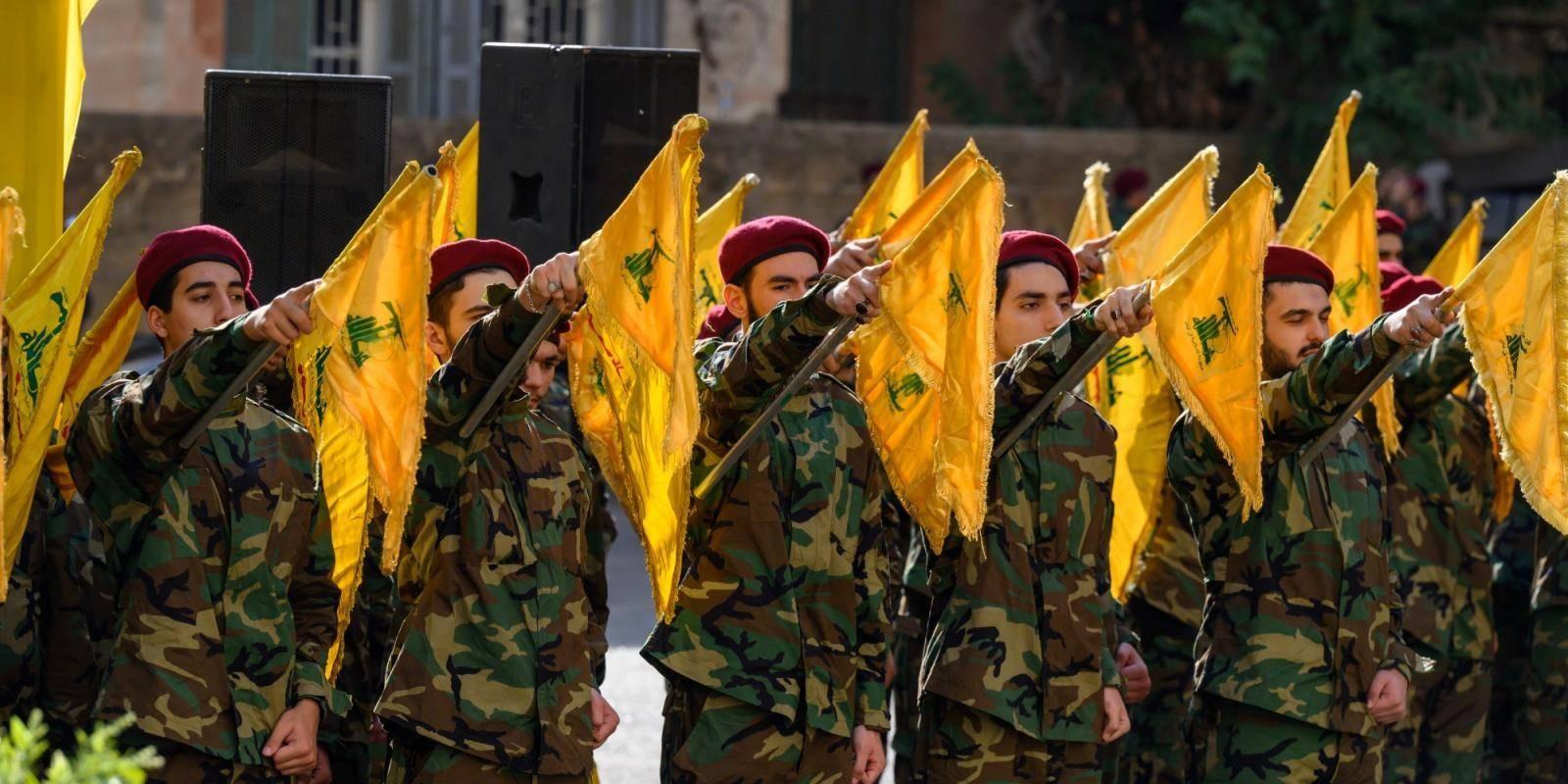
Another critical factor is the role of Hezbollah.
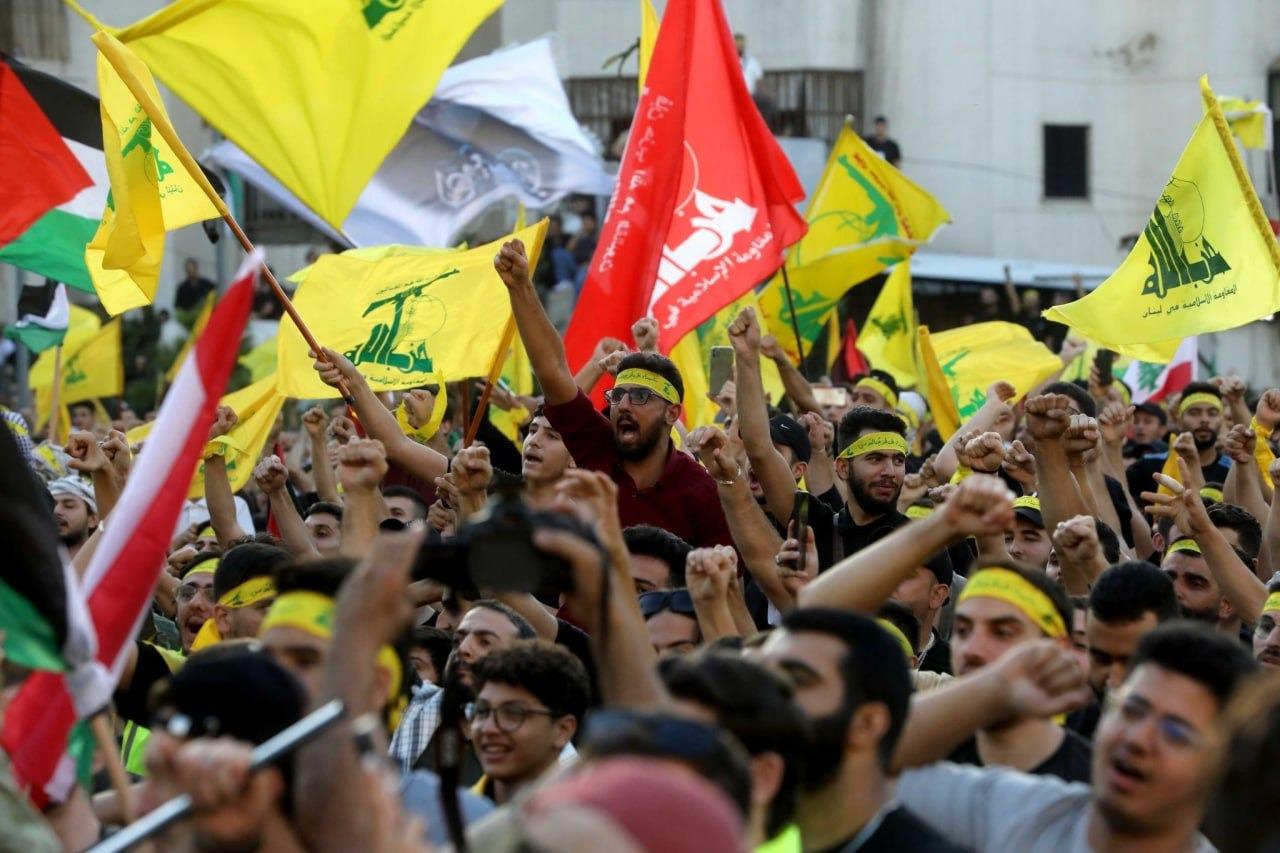
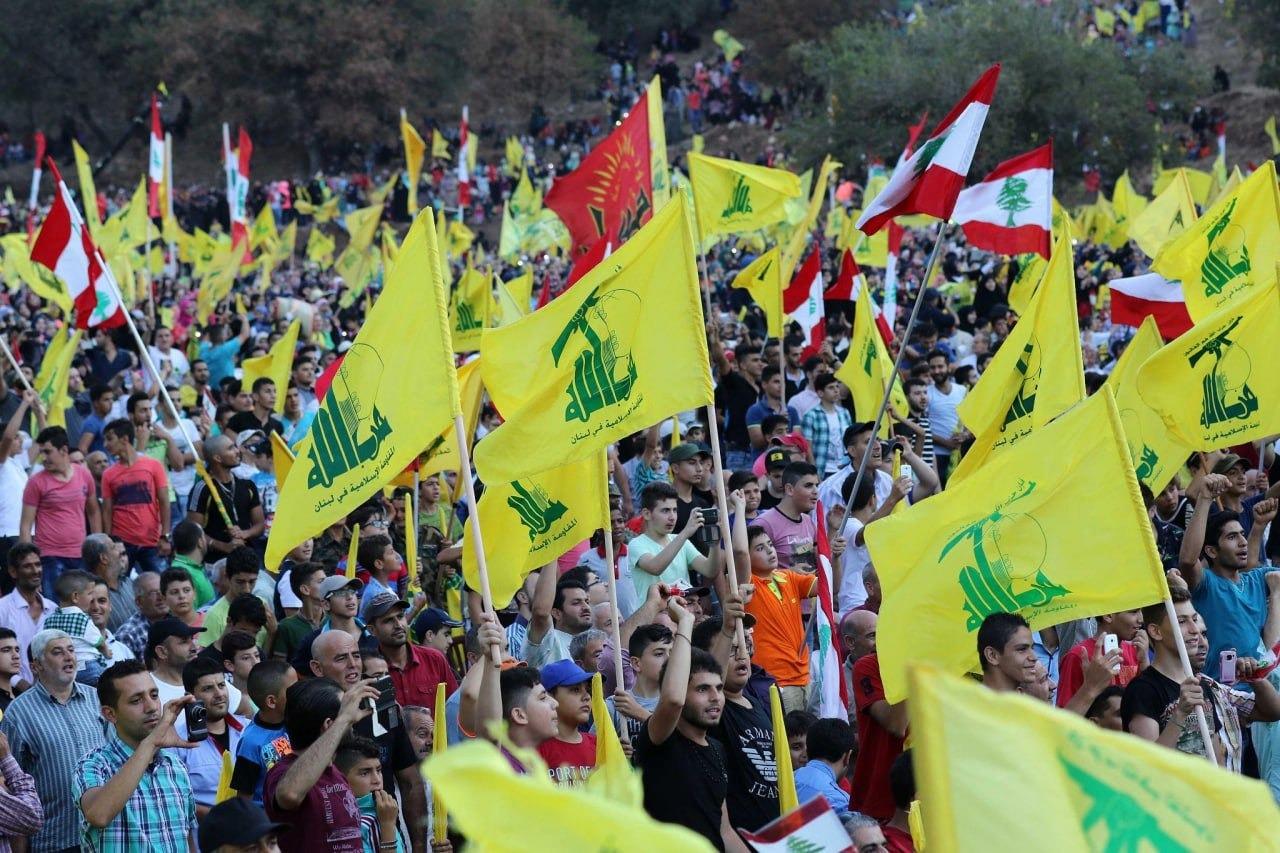
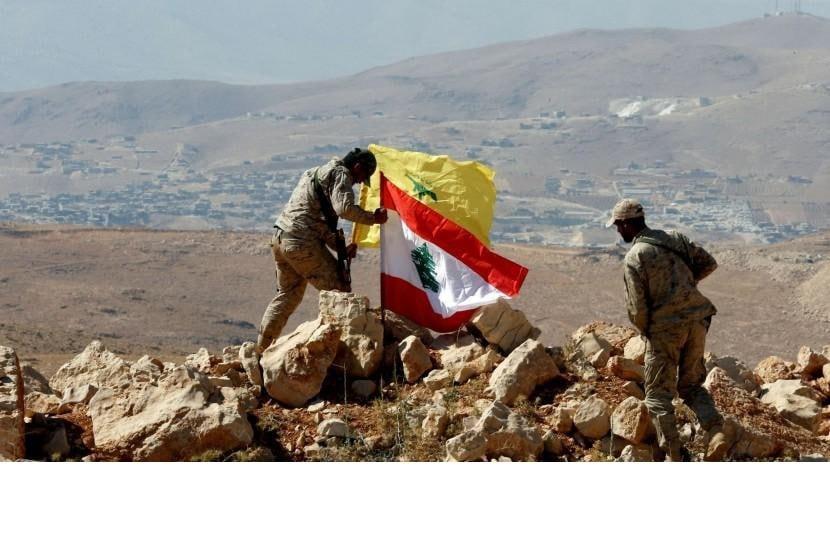
For Washington and Israel, Hezbollah is widely regarded as an Iranian-backed armed group and a major source of regional instability. For Iran, however, Hezbollah represents an essential component of its national security strategy and a crucial line of defense against Israel.
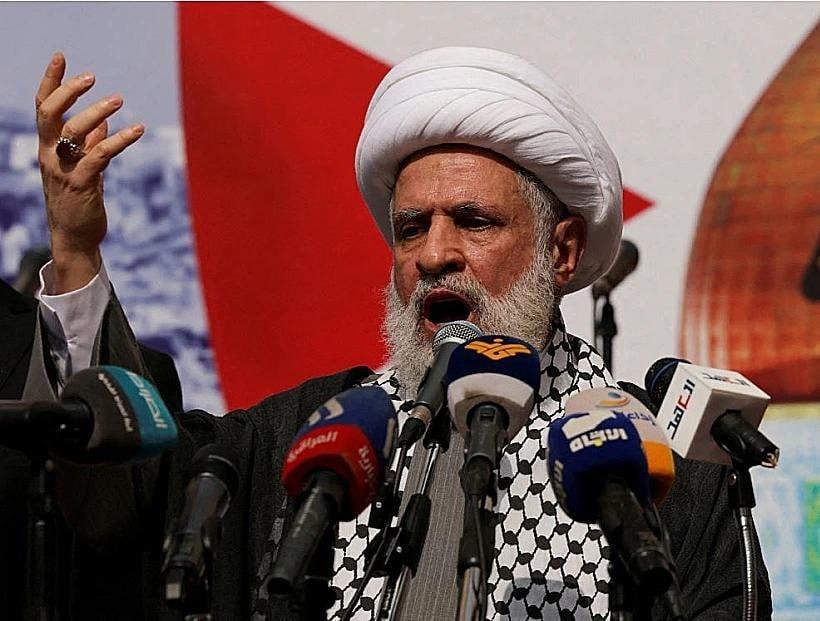
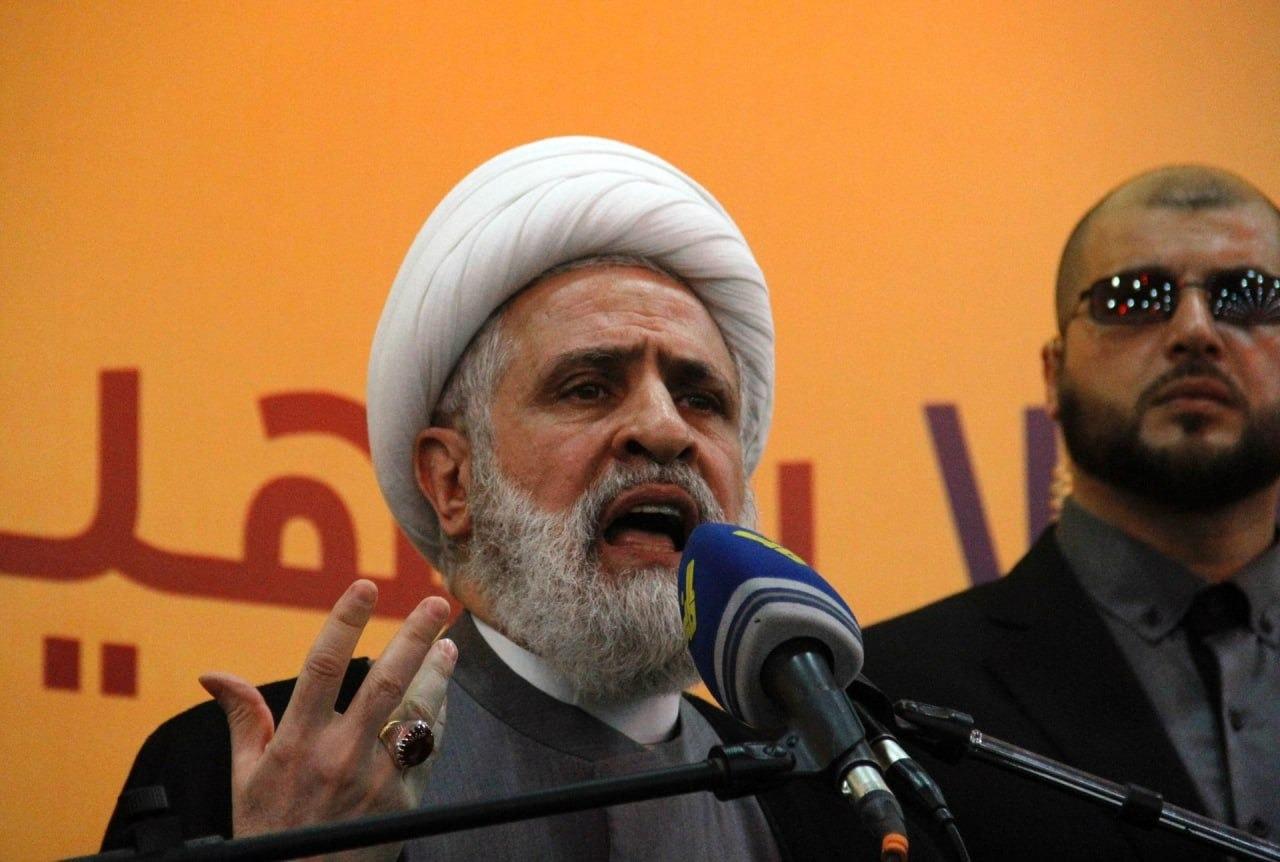
This position was clearly articulated by Hezbollah leader Naim Qassem, who declared: "Any violation, we will confront. Any violation, we will fight."
This statement demonstrates that despite ongoing negotiations in Switzerland, violence in Lebanon could erupt again at any moment if any party believes that ceasefire arrangements have been violated.
As a result, Washington's demand that Iran end its support for Hezbollah is not merely a military issue. It is a strategic issue directly tied to Iran's broader influence across the Middle East.
For Tehran, abandoning Hezbollah could mean losing one of its most important instruments for countering Israeli and American influence in the region. Consequently, negotiations over Hezbollah involve not only Lebanon's future but also the overall balance of power in the Middle East.
Should fighting in Lebanon continue, many analysts warn that opponents of compromise on all sides could exploit the situation to undermine negotiations and place the peace process at even greater risk.
Trump and Diplomacy Under Threat
The situation became even more complicated when US President Donald Trump threatened renewed military action against Iran if Tehran failed to restrain Hezbollah or honor its commitments.
In an interview with Fox News, Trump warned that the United States could:"hit Iran very hard again" if Tehran failed to fulfill its obligations.
The threat triggered a strong reaction from the Iranian delegation and nearly derailed negotiations in Switzerland.
Responding to Trump's remarks, Iran's chief negotiator Mohammad Bagher Ghalibaf stated:
"If their threats had any effect, they wouldn't be in this desperate situation today."
The response indicates that Tehran not only rejects Washington's threats but also views them as evidence of American desperation.
While pressure may be a negotiating tool, history has repeatedly shown that diplomacy conducted under the shadow of military threats rarely produces lasting peace. Combining diplomacy with coercion can erode trust between the parties and leave any agreement in an extremely fragile state.
The Swiss negotiations illustrate that peace in the Middle East depends not only on signatures on paper, but also on the ability of all parties to build trust and reduce inflammatory rhetoric.
Peace on Paper, War on the Ground
The talks in Switzerland have produced several new mechanisms, including a high-level committee, a 60-day roadmap, and deconfliction mechanisms designed to prevent escalation in Lebanon.
Yet Middle Eastern history has repeatedly demonstrated that agreements rarely fail because of a lack of signatures. Instead, they often collapse because of inadequate implementation, mutual distrust, and the actions of actors opposed to peace.
Rashid Al-Mohanadi, Vice President of the Center for International Policy Research, argued that the 2015 nuclear agreement, the JCPOA, failed because:"there was zero regional buy-in."
He further noted that the current situation differs significantly from the past because: "Now, the region has a stake."
This assessment suggests that the involvement of regional actors such as Pakistan and Qatar could improve the prospects for success.
Nevertheless, a fundamental question remains: Can the mechanisms created in Switzerland actually stop the war on the ground while bombs and armed clashes continue in Lebanon?
Conclusion
Over the next 60 days, Lebanon may become the most important test of the US-Iran agreement.
If fighting in Lebanon can be halted, negotiations may continue toward a durable peace. However, if the Lebanese battlefield continues to burn, this small Mediterranean country could become the place where one of the Middle East's most significant diplomatic initiatives collapses.
As United Nations Secretary-General António Guterres has warned, genuine peace cannot be achieved through ceasefires alone. It requires mutual trust and long-term political solutions.
Therefore, efforts to secure peace in today's Middle East cannot be separated from security in Lebanon. Developments there may ultimately determine whether the US-Iran agreement survives and evolves into lasting peace, or joins the long list of failed agreements in the region's history.
In this sense, Lebanon is not merely another battlefield in the Middle East. It may become the place that determines whether the agreement between the United States and Iran survives or fails.