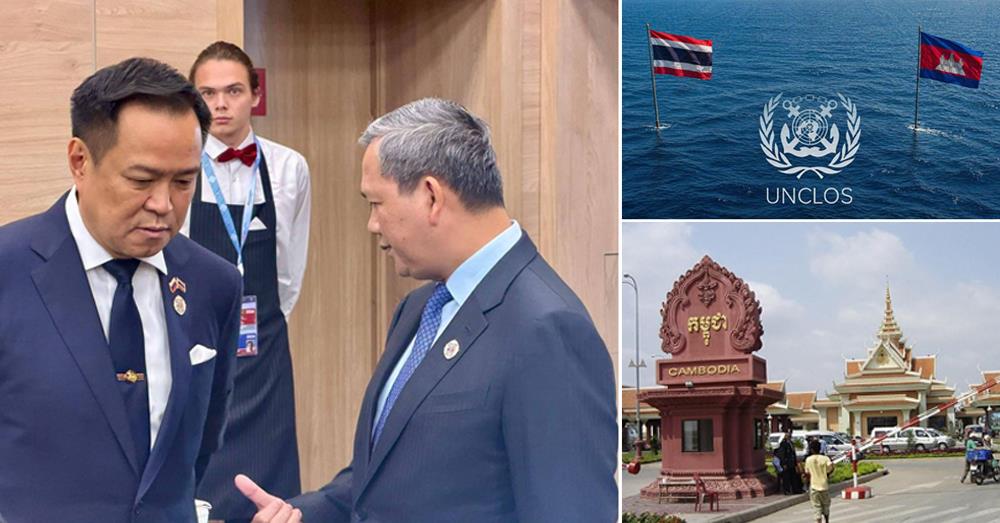
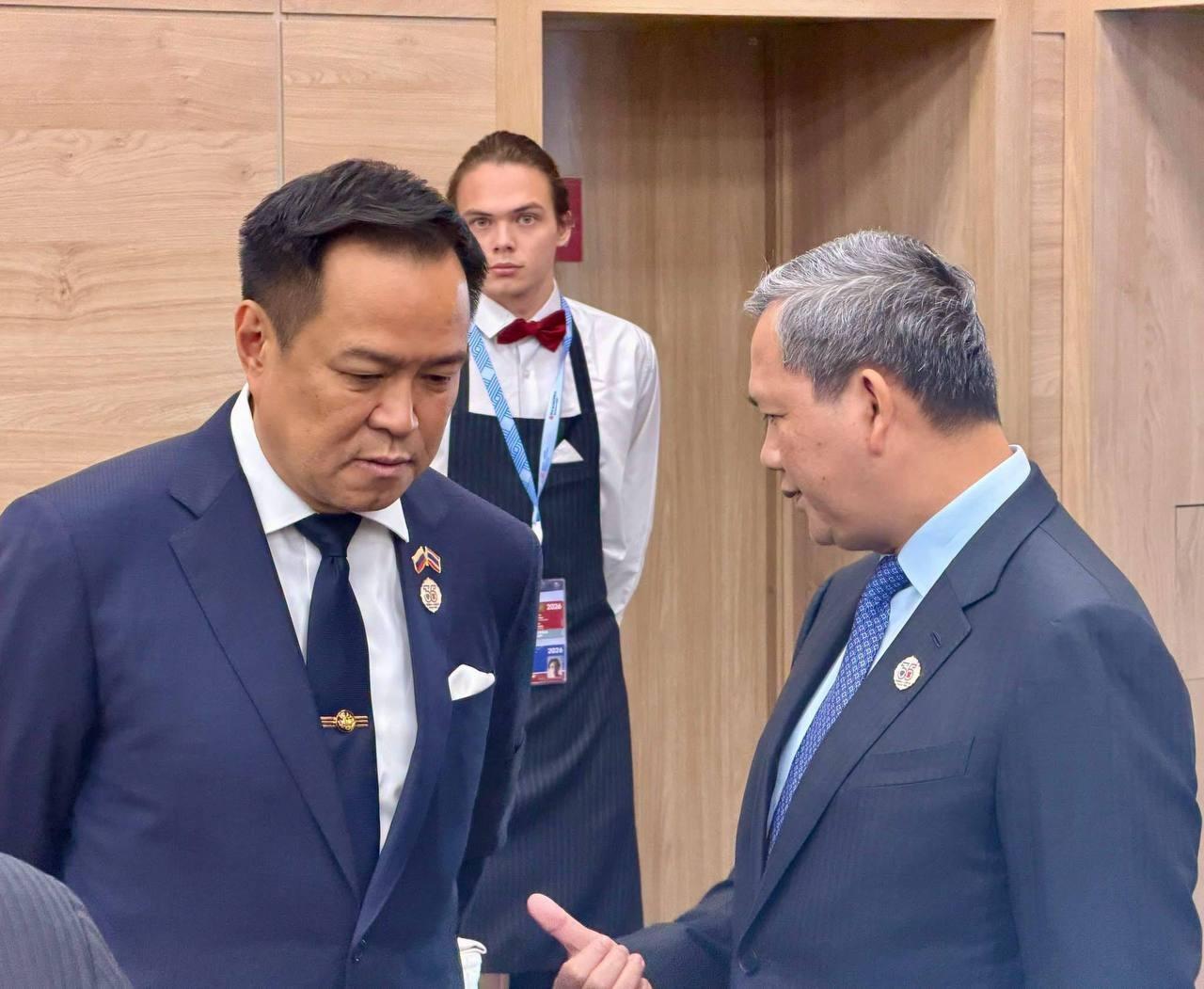
(PHNOM PENH): As many observers continue to watch closely for signs of where the Cambodia–Thailand border dispute may be heading next, amid ongoing tensions and unresolved border issues along the frontier, a brief message from Kazan, Russia, appears to have already provided a clear answer.
The informal conversation between Cambodian Prime Minister Hun Manet and Thai Prime Minister Anutin Charnvirakul did not produce any new agreement or major political breakthrough. What was more significant, however, was the reaffirmation that Cambodia remains firmly committed to the path it has already chosen for resolving border disputes with Thailand: peaceful settlement, international law, and existing bilateral mechanisms.
The Message from Kazan Is Not a New Policy
In the statement released following his informal discussion with the Thai Prime Minister in Kazan, Prime Minister Hun Manet outlined four key points that effectively summarize Cambodia’s overall strategy toward resolving border issues with Thailand.
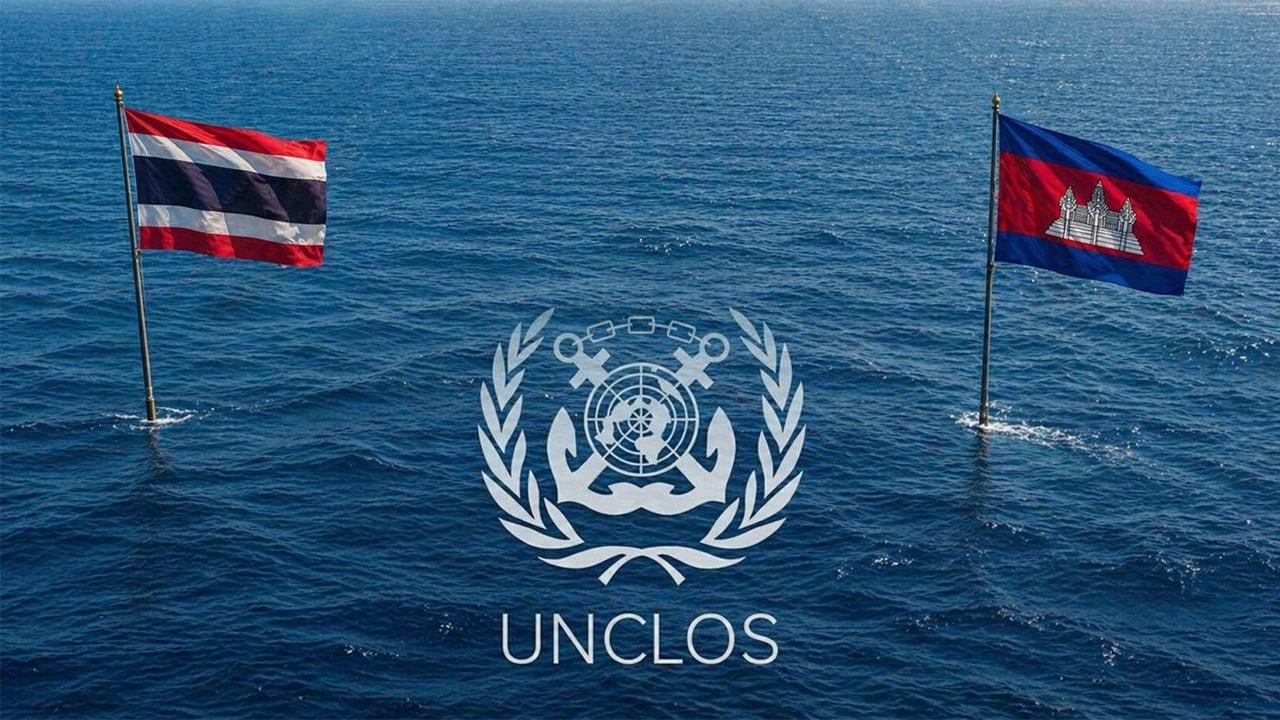
These four points include adherence to peaceful settlement in accordance with international law, continuation of the Compulsory Conciliation process under the United Nations Convention on the Law of the Sea (UNCLOS) for maritime disputes, continued use of the Joint Boundary Commission (JBC) for land border issues, and the view that reopening land border crossings is not currently a priority topic for discussion.
The message from Kazan did not introduce any new Cambodian policy. Rather, it reaffirmed Cambodia’s existing approach of resolving disputes through peaceful means, international law, and established mechanisms. What Cambodia is seeking at this stage is not the creation of new frameworks, but the effective implementation of those already in place.
Peace and International Law Remain the Foundation of Cambodia’s Position
The first point emphasized by Prime Minister Hun Manet was Cambodia’s commitment to resolving border disputes peacefully and in accordance with international law. This is not a new position, but rather a reaffirmation of principles that Cambodia has consistently maintained as border tensions have escalated.
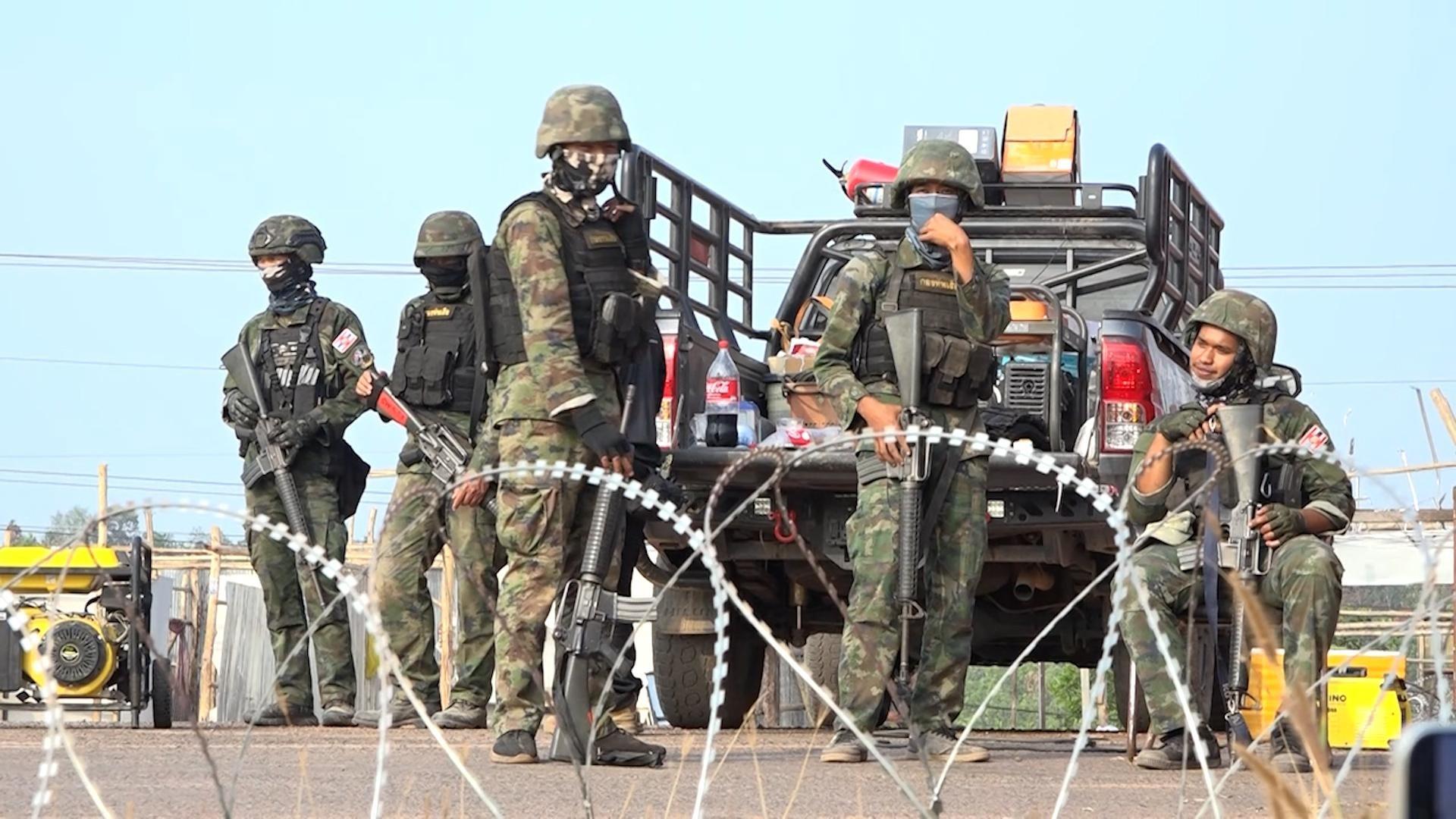
At a time when some voices have called for stronger responses or military measures, Cambodia has repeatedly stated that the use of force is not its preferred means of resolving territorial disputes. Instead, Phnom Penh has chosen diplomacy, negotiation, and international legal mechanisms as the primary tools for pursuing durable and internationally recognized solutions.
This position is also consistent with previous statements by Senate President Hun Sen, who has repeatedly emphasized that “Cambodia will not abandon its territory, but Cambodia will not choose war either.” The phrase has become a concise expression of Cambodia’s broader philosophy regarding border disputes: defending sovereignty and territorial integrity while preserving peace.
From this perspective, the message from Kazan serves not merely as a reminder of Cambodia’s position but as a signal to all concerned parties that, regardless of how complicated the border situation may become, Cambodia continues to believe that international law and peaceful settlement offer a more sustainable path than confrontation.
Maritime Disputes Should Continue Under UNCLOS
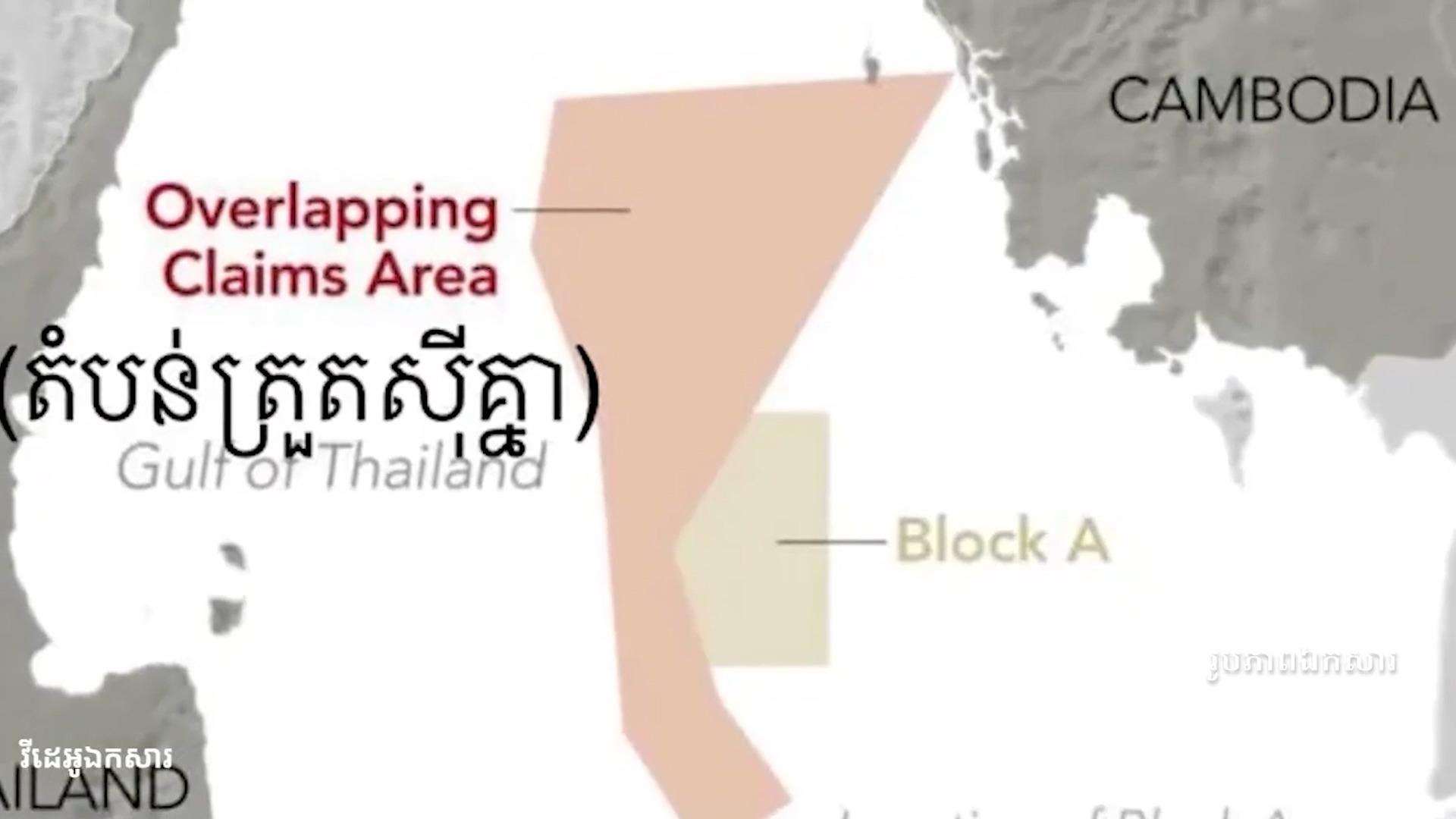
Regarding maritime boundary issues, Prime Minister Hun Manet reaffirmed that both Cambodia and Thailand should continue participating in the Compulsory Conciliation process under the 1982 United Nations Convention on the
Law of the Sea (UNCLOS).
This position is significant because it demonstrates Cambodia’s continued preference for addressing maritime disputes within an internationally recognized legal framework, despite the economic and strategic importance of the maritime areas concerned. Rather than escalating political pressure or engaging in confrontation, Cambodia has chosen a process governed by international law and clear procedural rules.
Importantly, participation in Compulsory Conciliation does not require either side to abandon its claims or positions. Instead, it provides a structured legal and diplomatic process through which differences can be addressed through dialogue rather than power politics.
More broadly, the message from Kazan indicates that Cambodia intends to keep maritime disputes within the UNCLOS framework—the globally accepted legal foundation governing the world’s oceans. It reflects Cambodia’s belief that maritime issues should be resolved through legal principles, established procedures, and international institutions rather than through actions that could further increase regional tensions.
For Cambodia, therefore, the process is not only about resolving maritime boundary questions but also about reaffirming the importance of international law as a tool for protecting national interests and managing disputes with neighboring countries.
Land Border Issues Should Be Addressed Through the JBC
One of the most noteworthy elements of the Kazan message was Cambodia’s reaffirmation of the Joint Boundary Commission (JBC) as the principal mechanism for addressing land border issues with Thailand.
This statement carries significance beyond a simple reference to an existing institution. It demonstrates that despite rising tensions along the border in recent months, Cambodia has no intention of creating new mechanisms or
abandoning frameworks that both countries have already agreed upon.
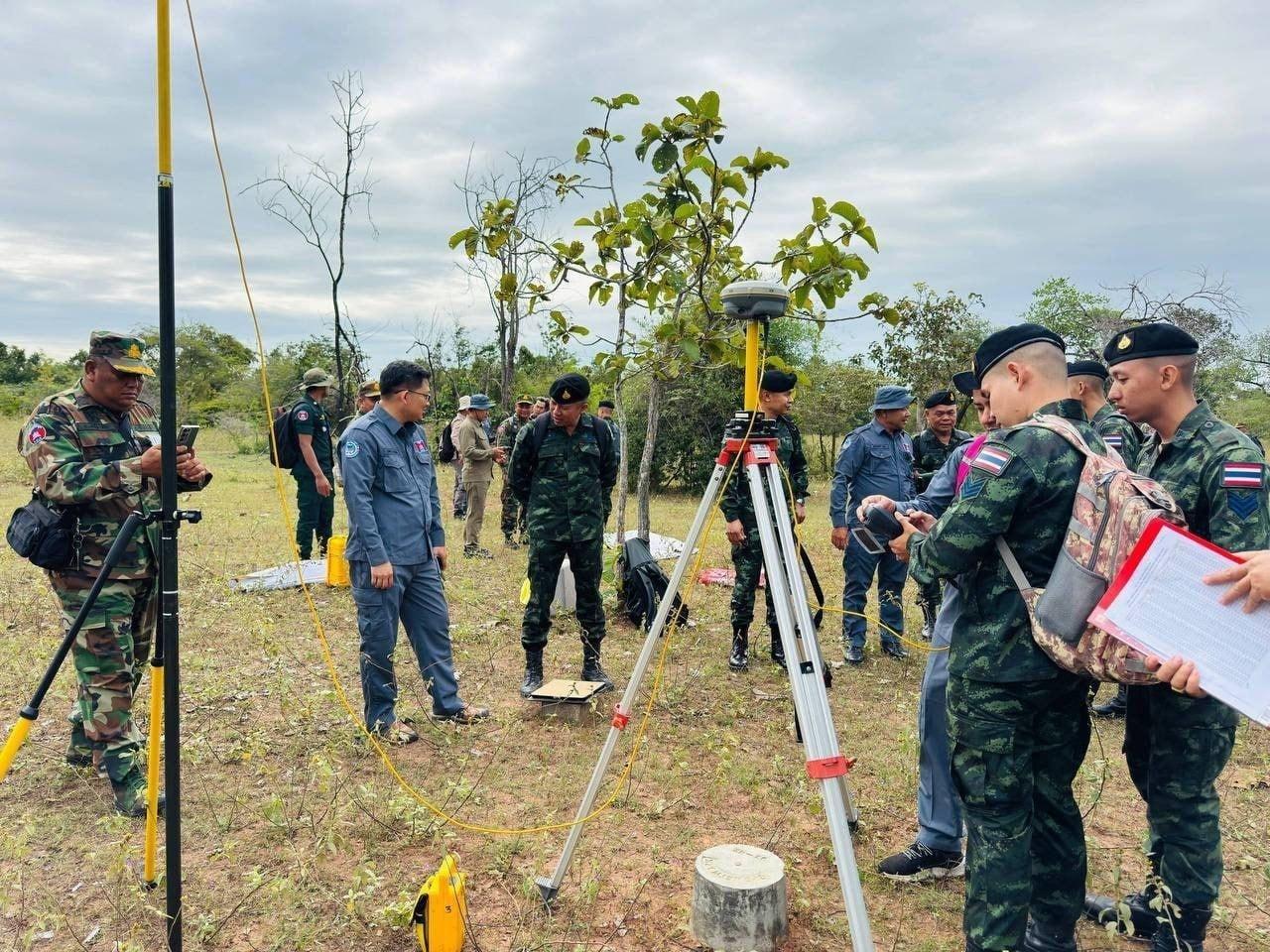
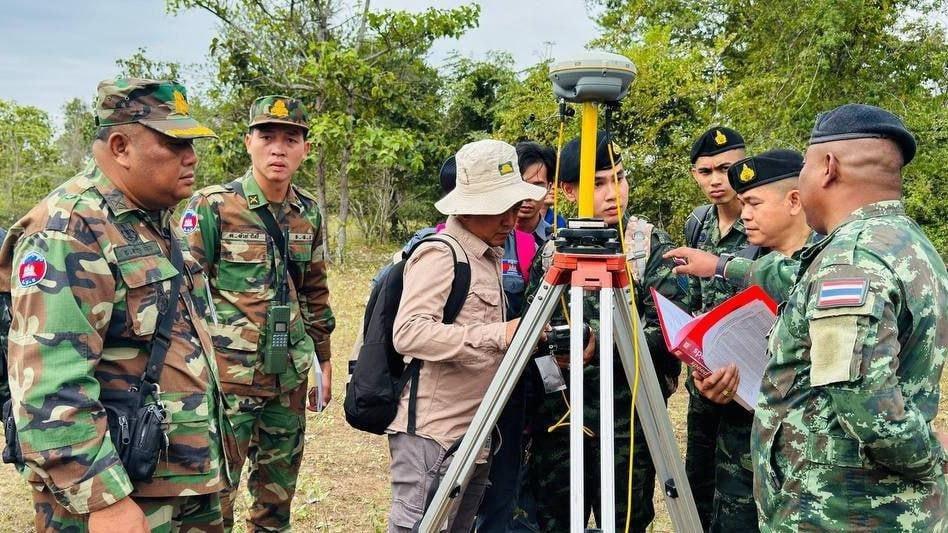
Instead, Cambodia is urging the reactivation of existing mechanisms. This explains why Prime Minister Hun Manet called on Thailand to appoint its JBC chairperson and to resume joint survey and demarcation work as soon as possible.
The appeal is directly linked to the Joint Statement of December 27, 2025, in which both sides committed themselves to continuing border survey and demarcation efforts. Cambodia’s position, therefore, is not a call for new agreements but rather a call for the implementation of commitments that already exist.
Politically, the message also reflects Cambodia’s effort to shift discussions away from crisis management, political rhetoric, and confrontation toward technical work capable of producing measurable and practical outcomes on
the ground.
In other words, Cambodia appears to be sending a clear signal that land border disputes cannot ultimately be resolved through speeches or mutual accusations. Lasting solutions require surveys, demarcation, and implementation of agreements that both sides have already recognized.
From this perspective, the message from Kazan reaffirms not only the importance of the JBC but also Cambodia’s preference for moving border dispute resolution away from political confrontation and toward technical and legal processes that can generate long-term solutions.
Reopening Border Crossings Is Not Cambodia’s Immediate Priority
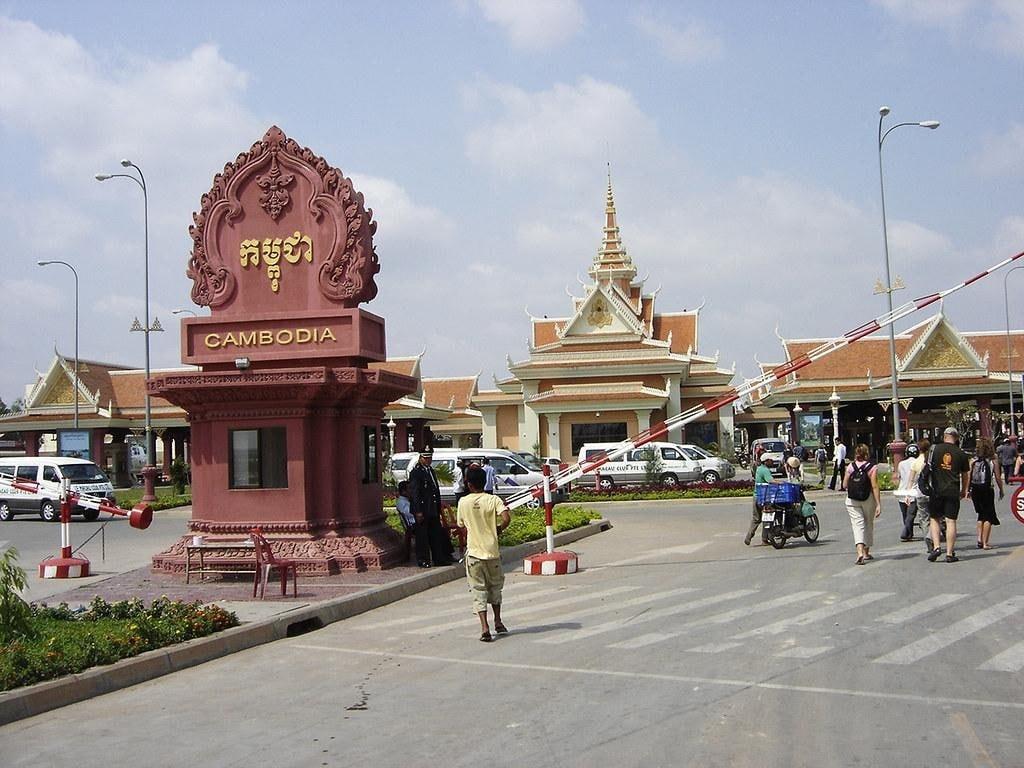
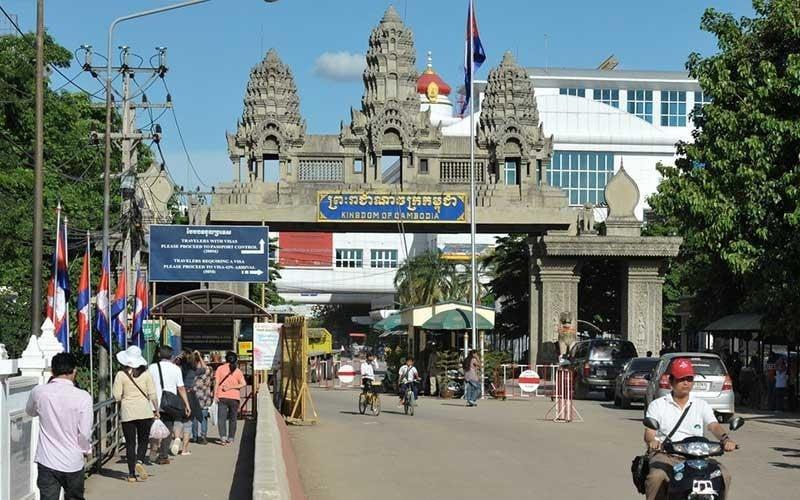
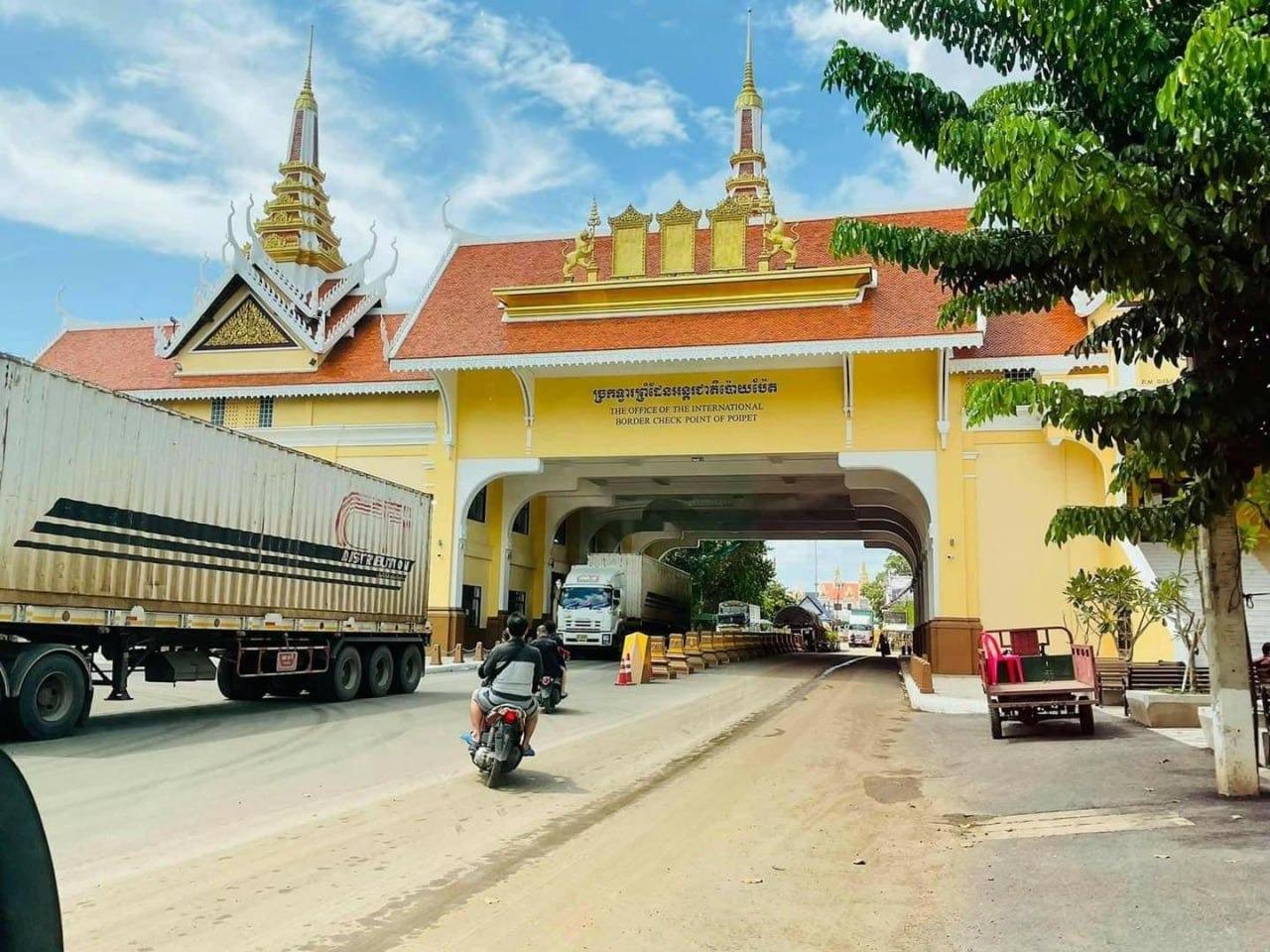
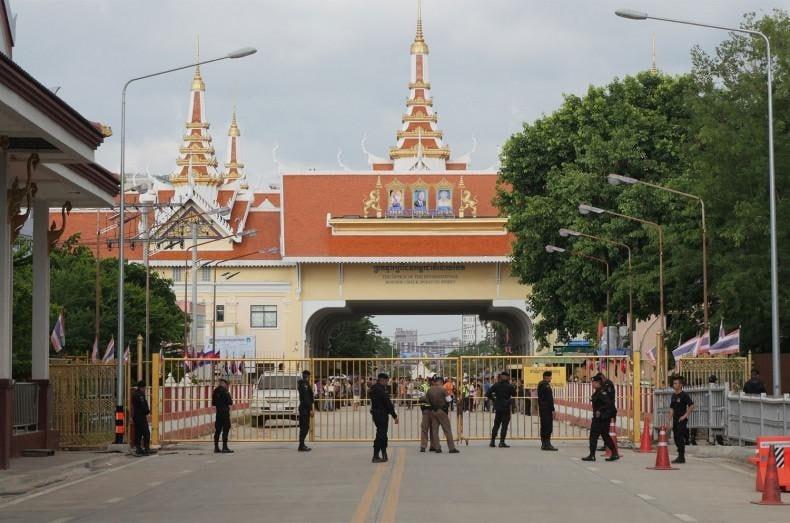
Another significant aspect of the Kazan message was Prime Minister Hun Manet’s clear statement that “there is no need to discuss the reopening of land border crossings at this time.”
Although brief, the statement conveys an important political message. Cambodia appears determined to distinguish between border disputes and the issue of border crossings. In Phnom Penh’s view, the immediate priority is not whether crossings are open or closed, but whether mechanisms for resolving border disputes can be restarted—particularly survey and demarcation work under the JBC.
From this perspective, Cambodia is emphasizing that border crossings are administrative and security measures that may change according to circumstances, whereas border delimitation is a fundamental issue requiring long-term legal and diplomatic solutions.
The message from Kazan therefore suggests that Cambodia does not want discussions to focus primarily on border crossings, which are temporary measures, but rather on the underlying issue of clearly defining and demarcating the border in accordance with existing agreements and recognized mechanisms.
In essence, Cambodia appears to be saying that border crossings can wait, but progress on resolving border disputes should not.
Existing Agreements Remain the Foundation
Another notable aspect of Prime Minister Hun Manet’s message is that Cambodia is not calling for new agreements or entirely new mechanisms to resolve border disputes.
Instead, Cambodia explicitly referred to the Joint Statement of December 27, 2025, particularly Point 3, under which both sides agreed to continue border survey and demarcation activities. This reference underscores Cambodia’s view that previously signed agreements should remain the foundation for future progress.
The message from Kazan is therefore not a call for fresh negotiations but a call for implementation. Cambodia appears to believe that the main challenge is not the absence of legal frameworks or policy documents, but the failure to fully implement those already agreed upon.
Both the JBC process for land borders and the UNCLOS Compulsory Conciliation process for maritime disputes already exist. Cambodia’s focus is therefore not on creating a new path, but on advancing along the path that both countries have previously accepted.
Viewed this way, the message from Kazan makes clear that Cambodia does not wish to reopen discussions from the beginning. Rather, it wants both sides to return to commitments already made and agreements already signed. For Cambodia, meaningful progress will come not from drafting new documents, but from implementing existing ones effectively and producing tangible results.
Conclusion
From the outside, the conversation between the Cambodian and Thai Prime Ministers in Kazan may have appeared to be nothing more than a brief informal exchange. Yet the substance of the messages that followed conveyed a clear political signal: Cambodia has not changed its strategy for resolving border disputes with Thailand.
For maritime issues, Cambodia continues to support Compulsory Conciliation under UNCLOS. For land border issues, it remains committed to the JBC and existing agreements. For the dispute as a whole, Cambodia continues to place its confidence in peaceful settlement, diplomacy, and international law.
The message from Kazan was not an announcement of a new direction. Rather, it was a reaffirmation of a path already chosen. At a time when discussions often focus on tensions, border crossings, and political confrontation, Cambodia appears to be emphasizing that durable solutions will emerge not from pressure or escalation, but from the implementation of existing mechanisms and respect for commitments already undertaken by both sides.
As many continue to ask what Cambodia’s next step will be, the answer may already be found in the brief message delivered from Kazan. Cambodia is not searching for a new path. It is seeking to ensure that the existing path—grounded in law, diplomacy, and peace—moves forward in practice.