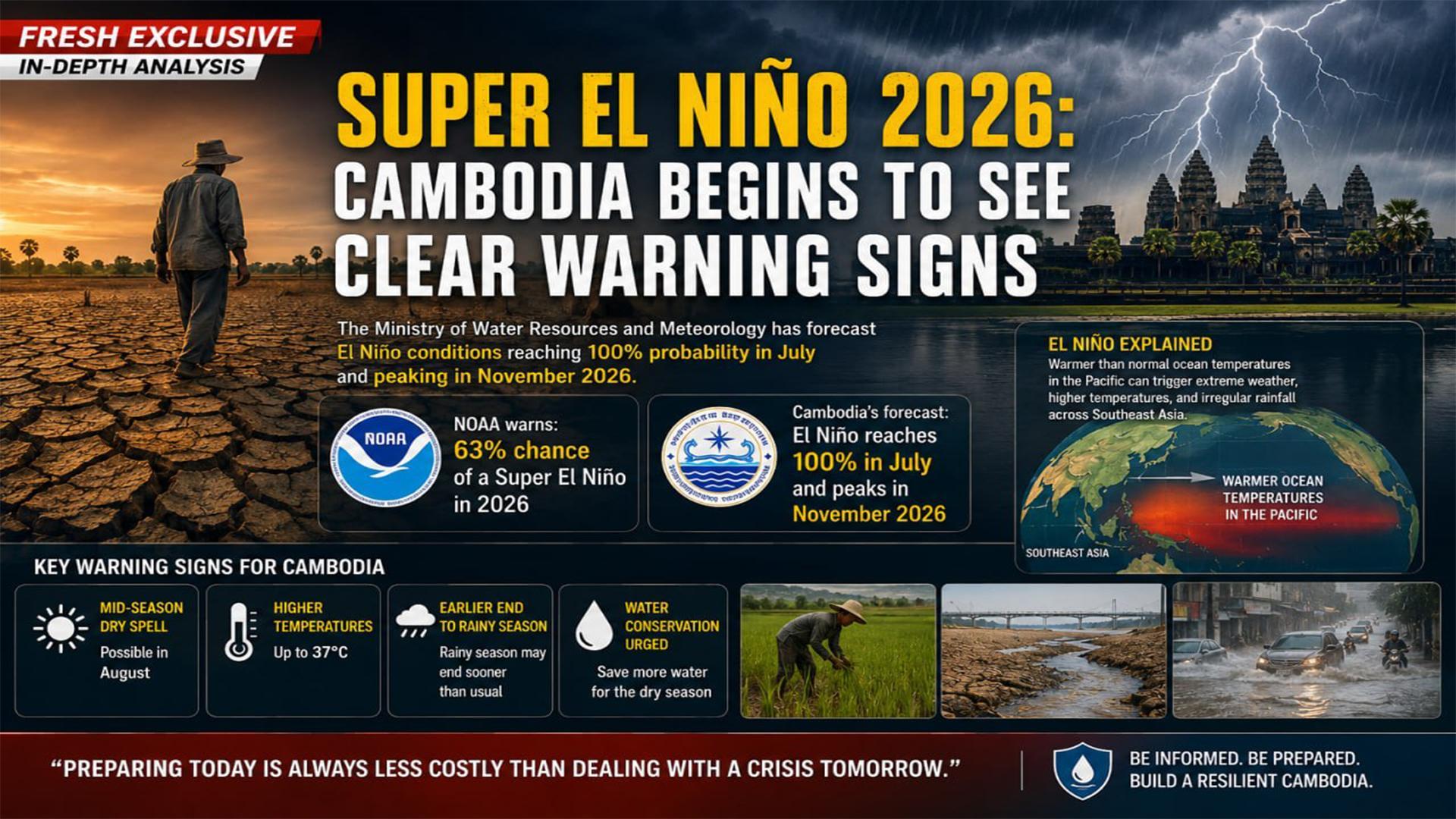
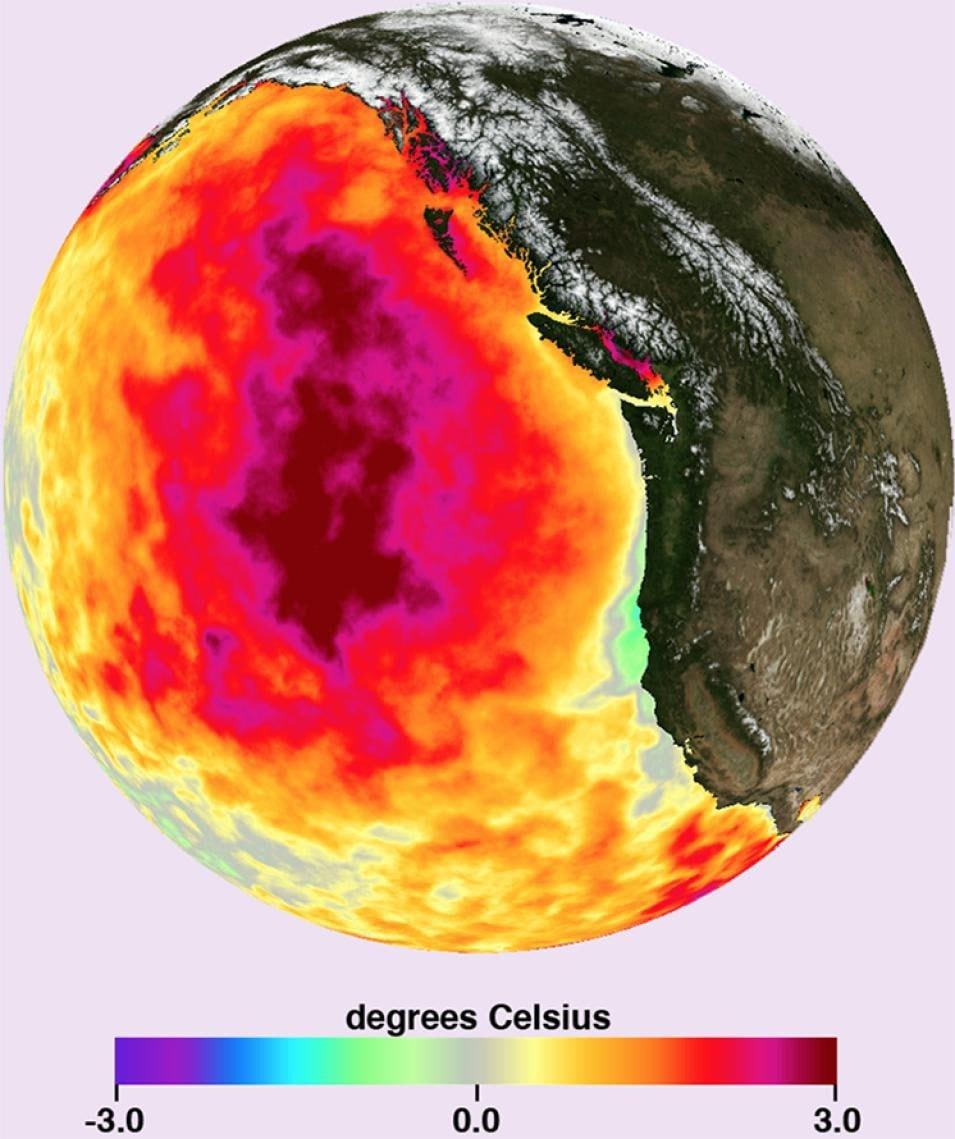
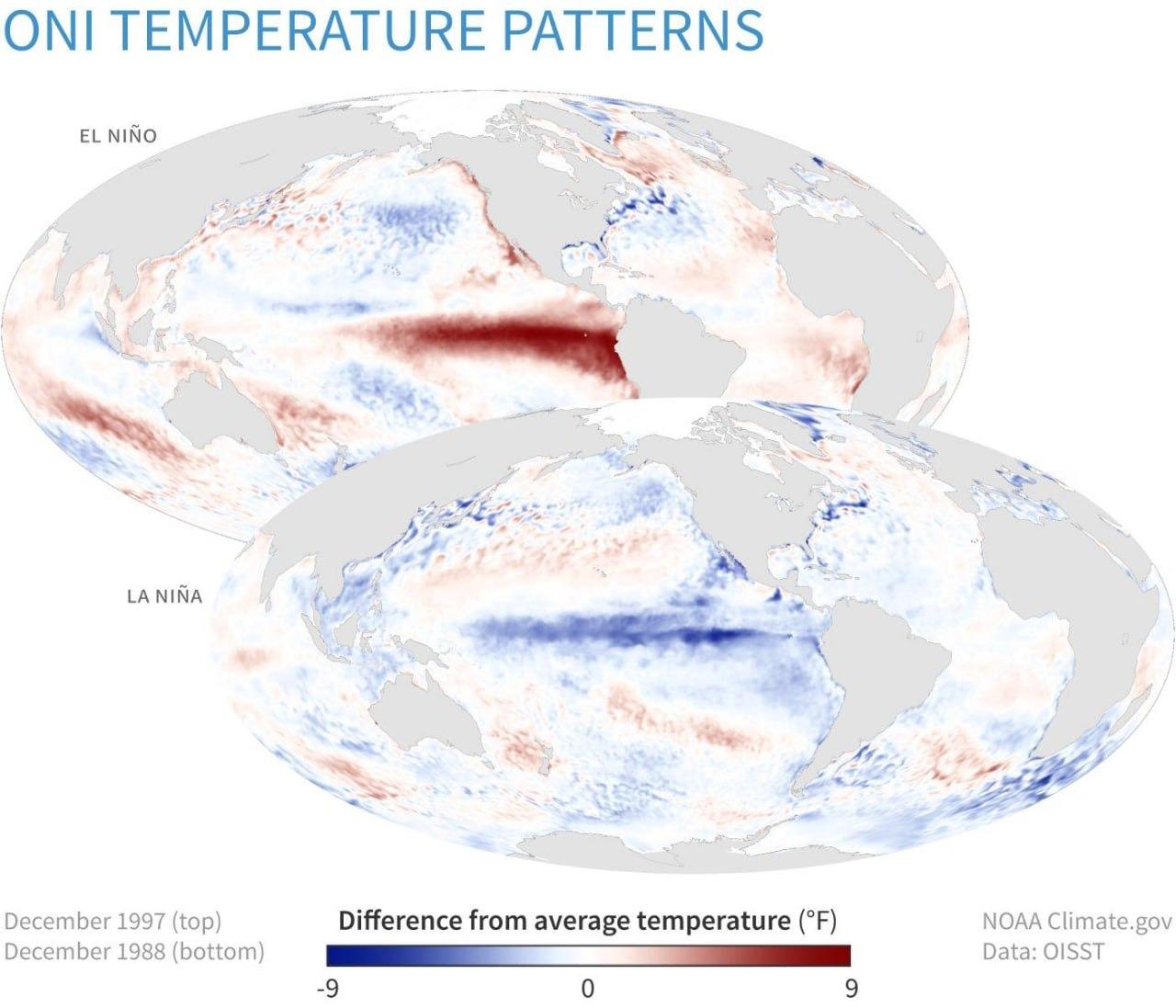
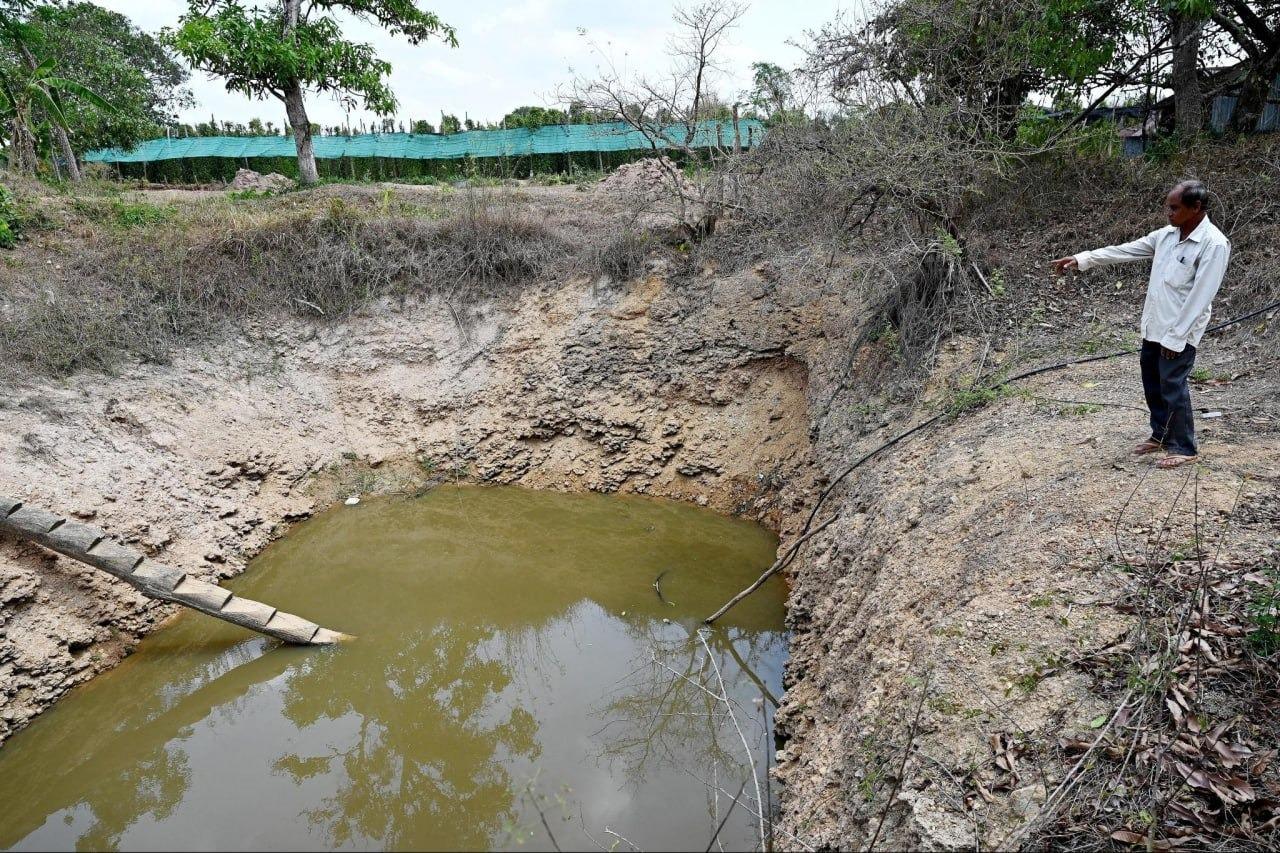
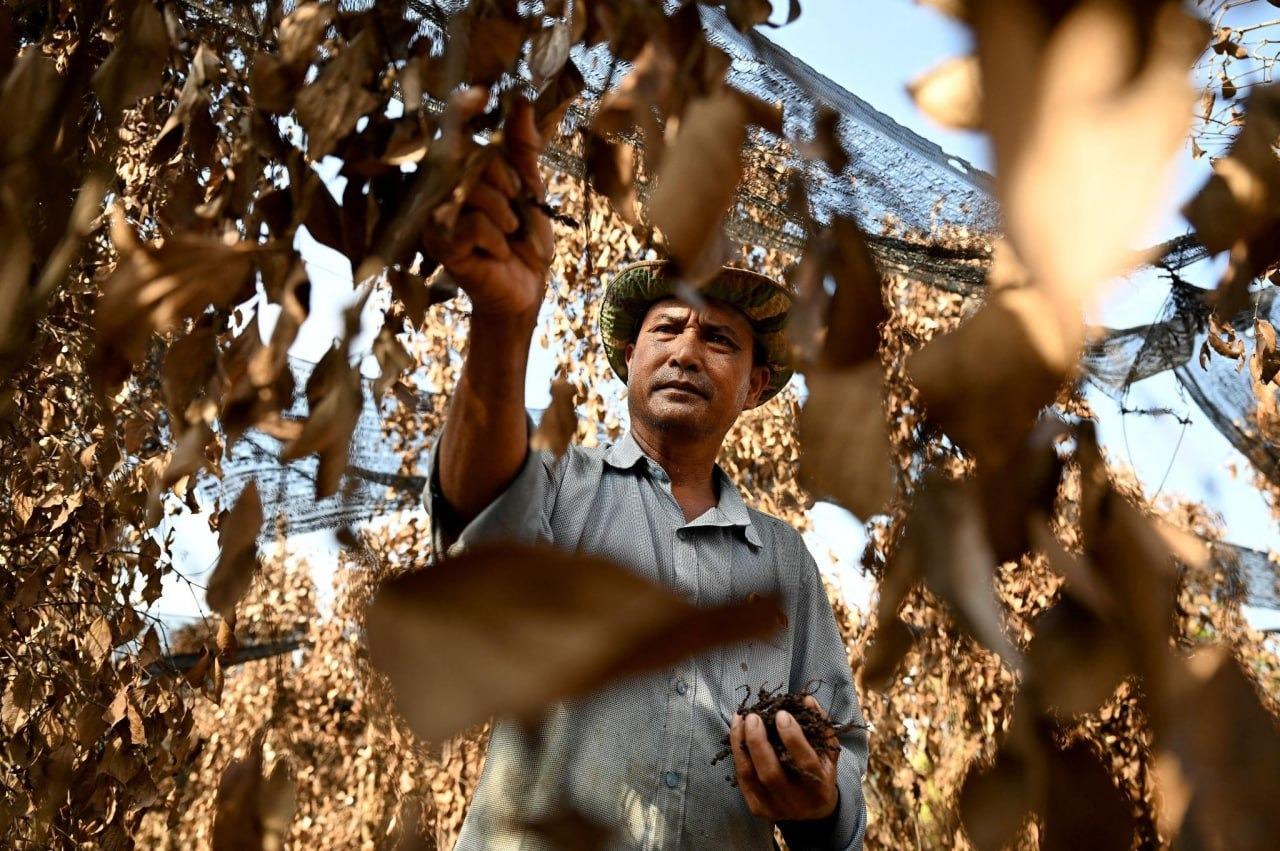
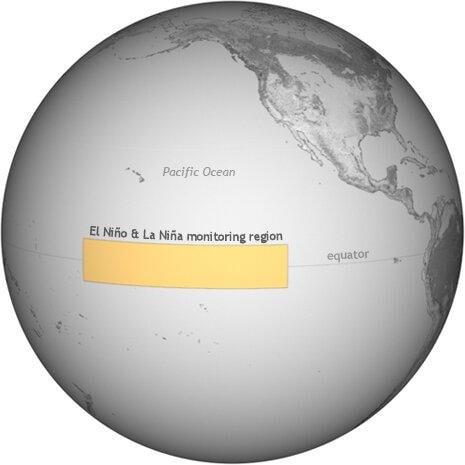
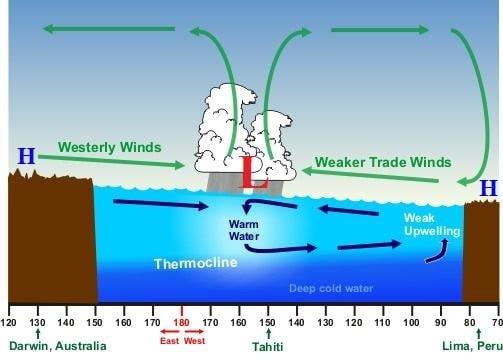
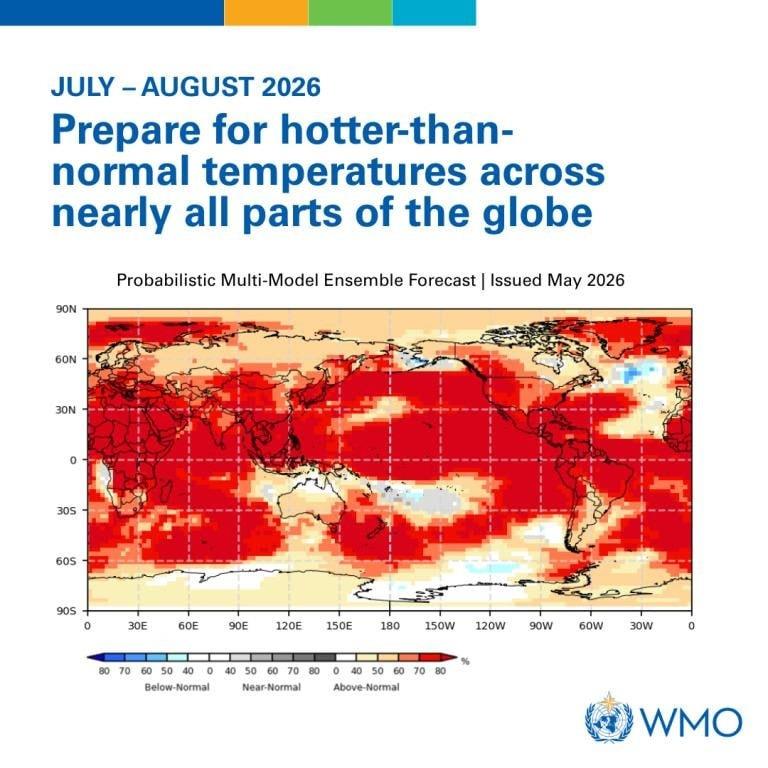
(Phnom Penh): Cambodia is beginning to see tangible warning signs of the El Niño phenomenon following a recent warning from the U.S. National Oceanic and Atmospheric Administration (NOAA), which estimated that the 2026 El Niño has a 63% chance of intensifying into a very strong event commonly known as a “Super El Niño.” The warning has raised concerns among climate scientists worldwide about extreme heat, drought, disruptions in rainfall patterns, and potential impacts on food security, water resources, and economic stability across many regions of the world.
Against this backdrop, Fresh Exclusive previously posed a critical question: “Is Cambodia prepared?” Today, that question no longer appears to be merely speculative.
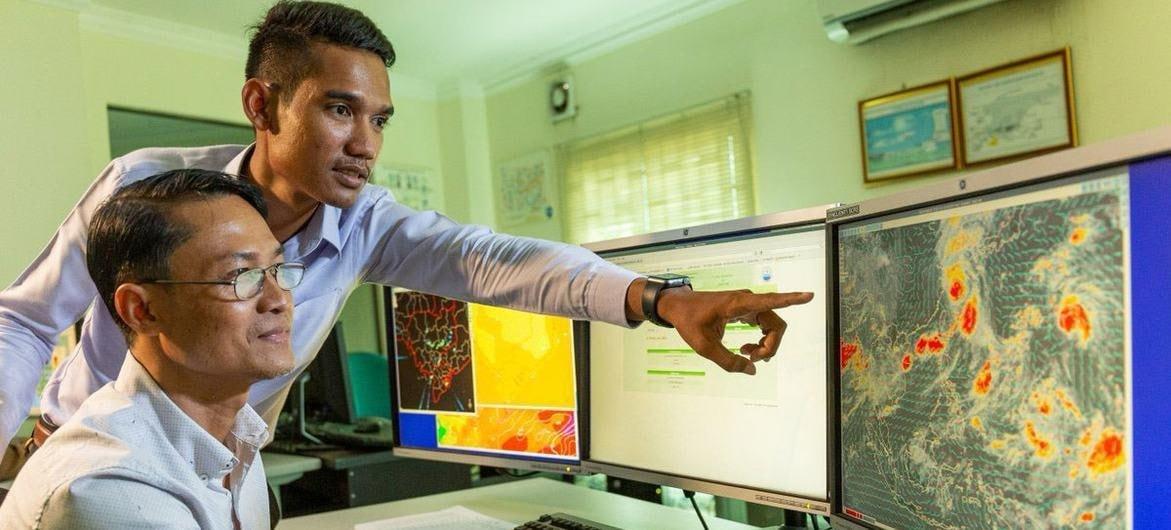
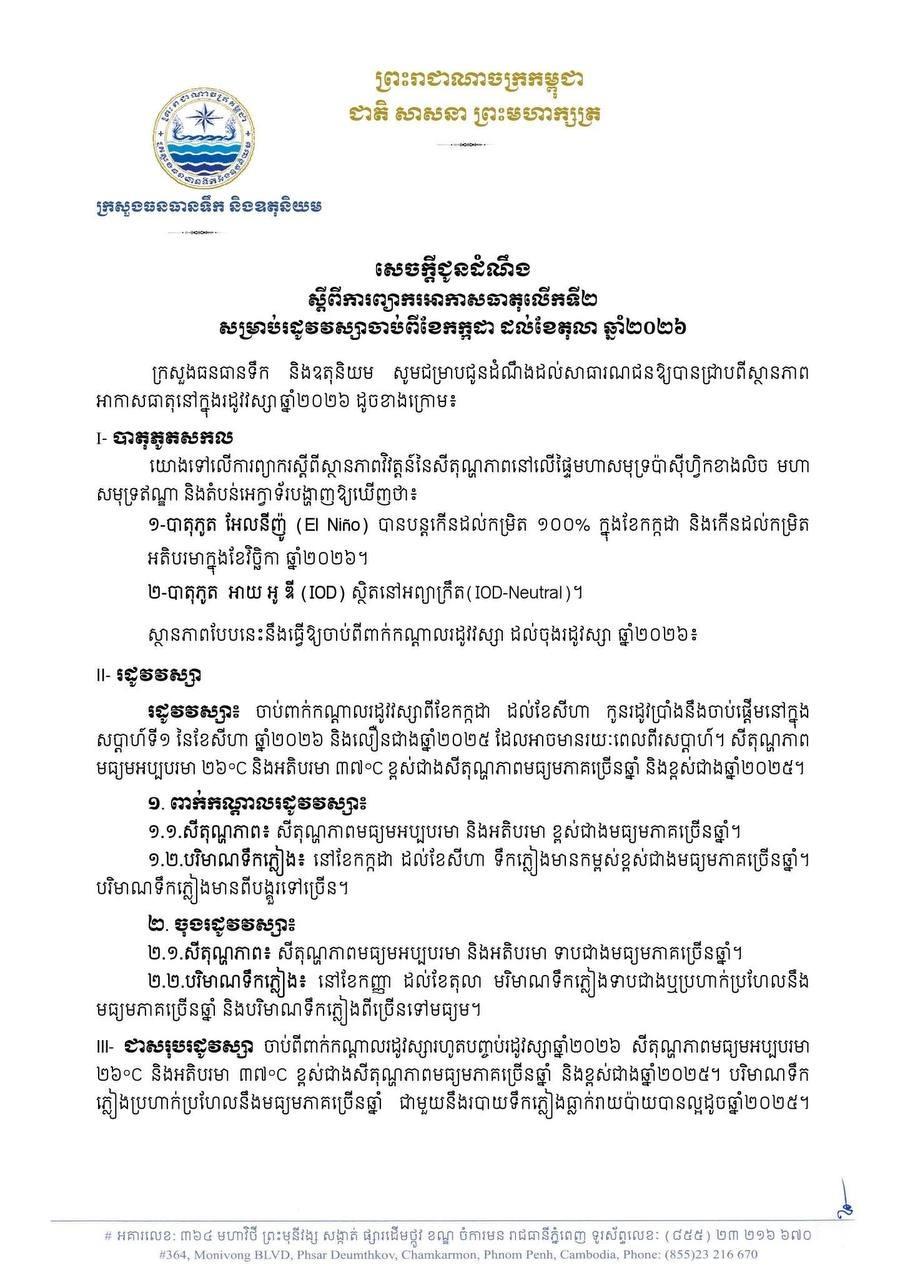
Cambodia’s Ministry of Water Resources and Meteorology has issued its second seasonal climate outlook for the 2026 rainy season, stating that El Niño conditions are expected to strengthen further, reaching a 100% probability in July and peaking in November 2026.
This assessment represents the first formal confirmation from a national institution that Cambodia is likely to experience the effects of the same El Niño event that NOAA and other international climate agencies have been closely monitoring. Although the ministry did not explicitly use the term “Super El Niño,” its forecast that El Niño will continue strengthening and reach its maximum intensity later this year suggests that Cambodia is entering a period that warrants careful attention to climate-related risks in the months ahead.
From Global Warnings to Local Signals
What makes the ministry’s forecast particularly noteworthy is that it goes beyond simply acknowledging the strengthening of El Niño. It also highlights several conditions that are commonly associated with strong El Niño years.
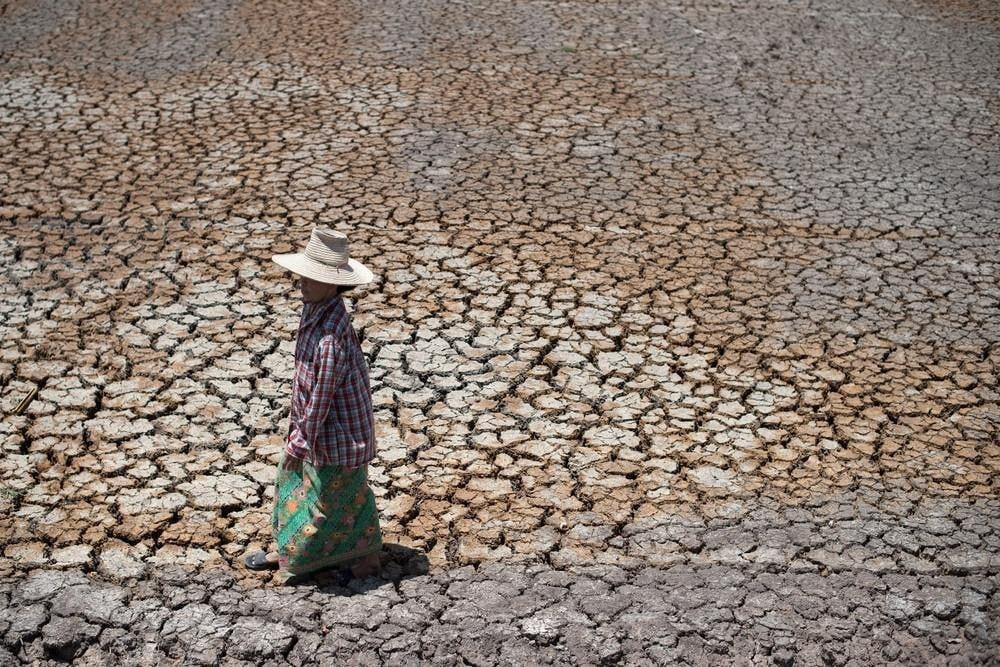
According to the forecast, a mid-season dry spell is expected to begin during the first week of August and could last up to two weeks. At the same time, maximum temperatures could reach as high as 37°C, exceeding both the long-term average and temperatures recorded in 2025.
From a climatological perspective, El Niño typically leads to higher temperatures and altered rainfall patterns across Southeast Asia. While not every part of the region experiences severe drought under El Niño conditions, the emergence of a dry spell during the middle of the rainy season, combined with above-average temperatures, is widely regarded as an important indicator that climate experts monitor closely.
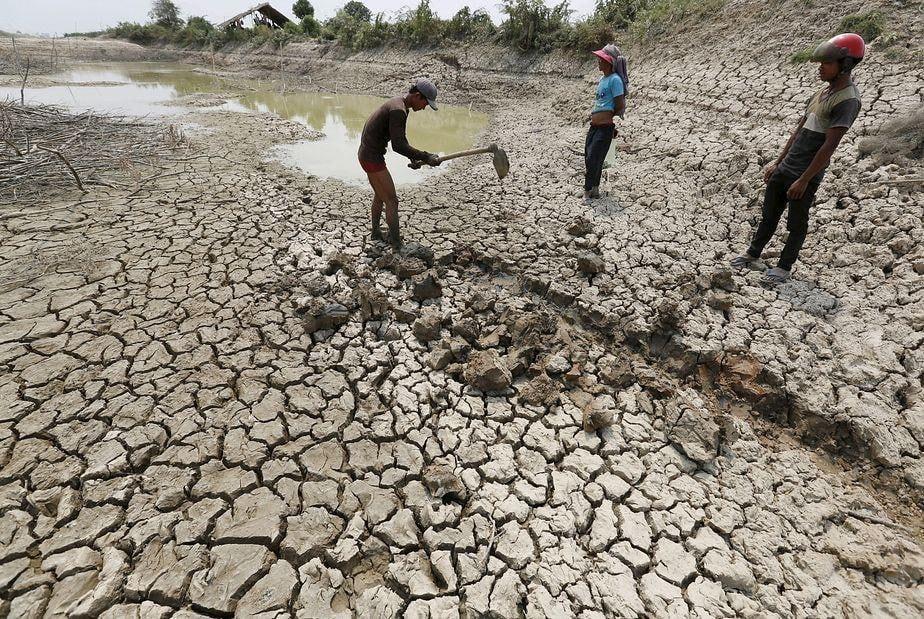
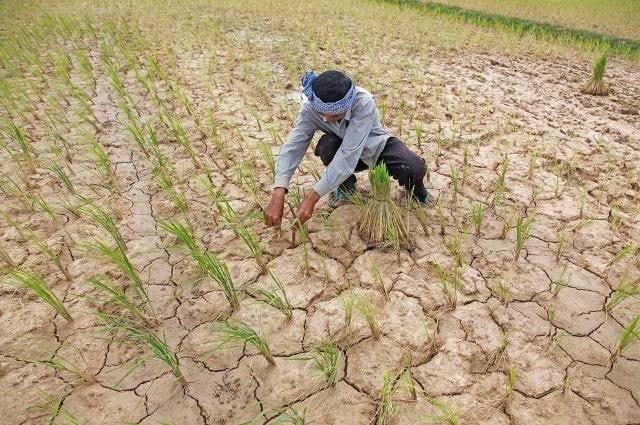
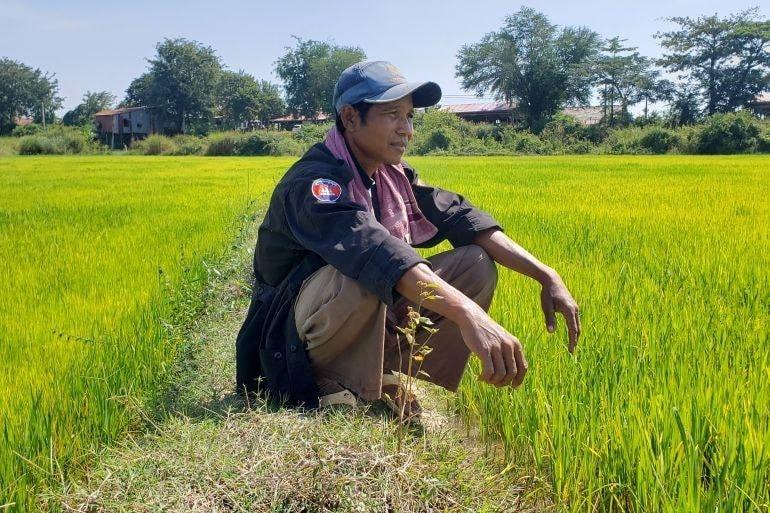
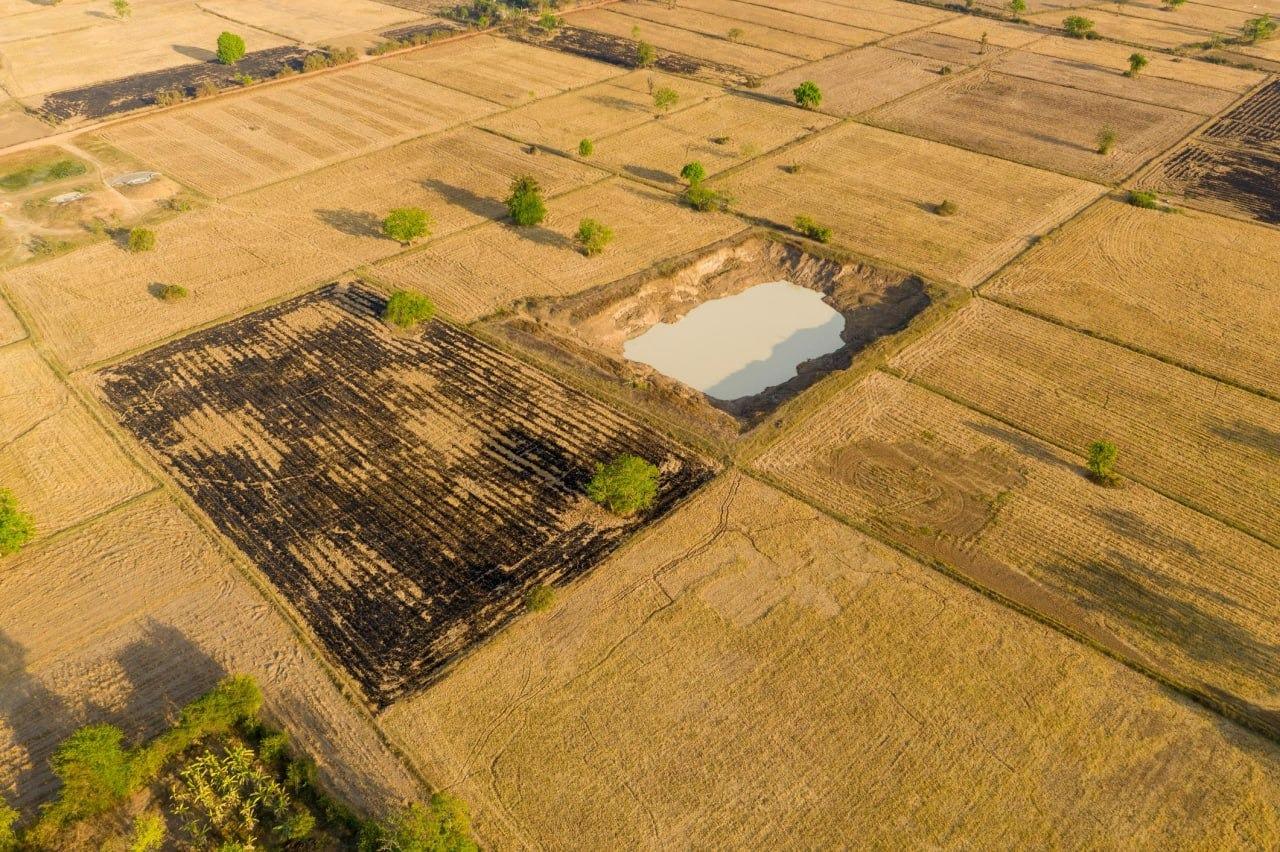
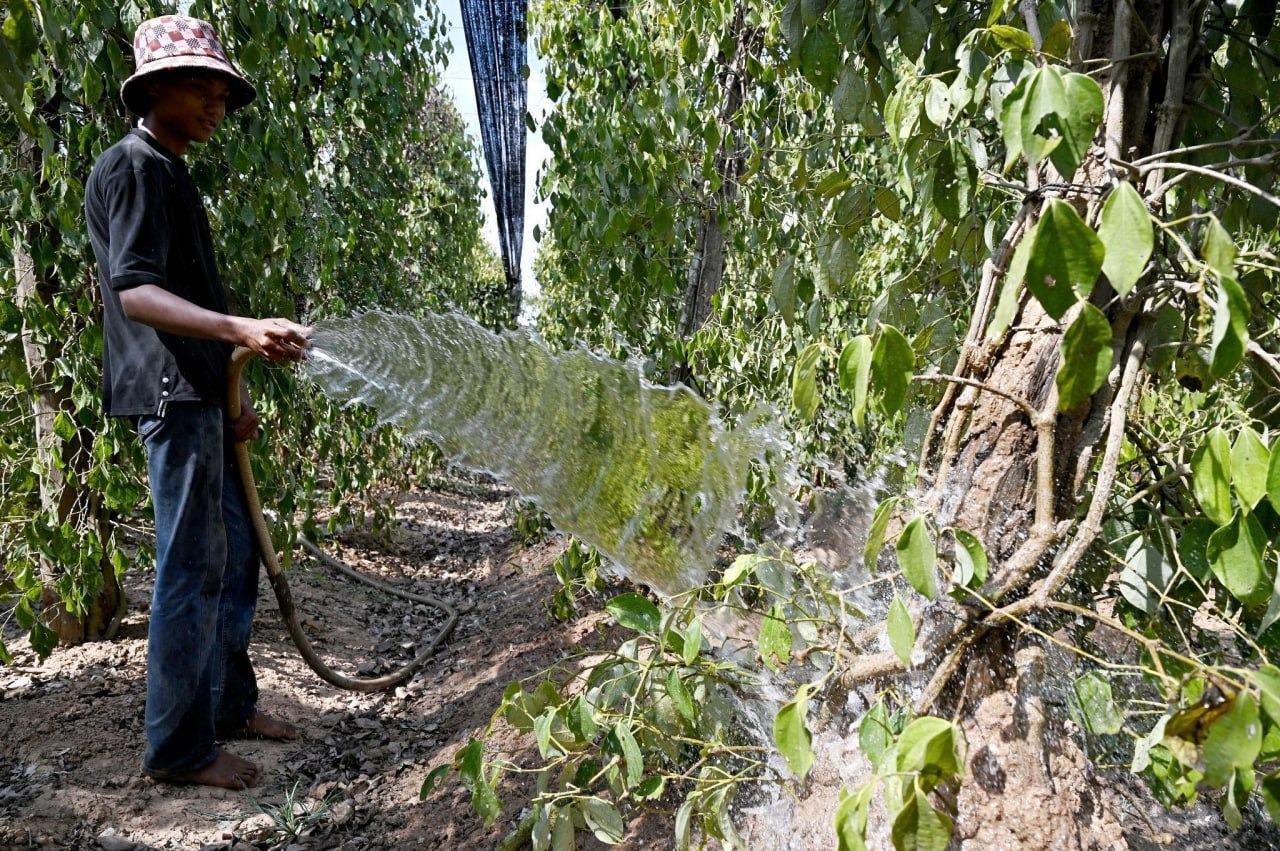
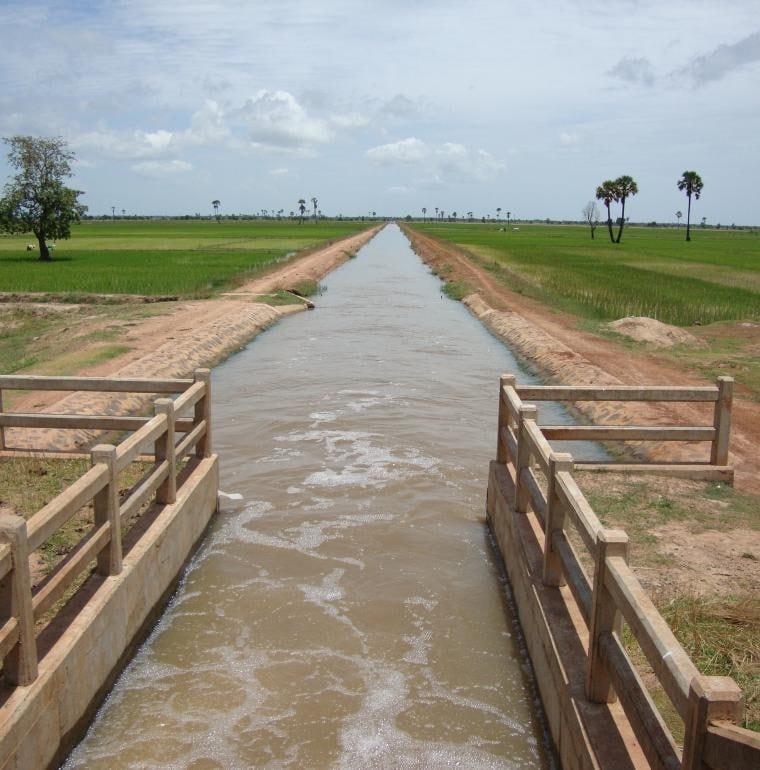
For a country such as Cambodia, where agriculture remains a critical pillar of the economy, a dry spell during the growing season is far from insignificant. It can affect rice cultivation and other agricultural activities, while increasing demand for irrigation water in some areas. If these conditions persist or intensify later in the year, as NOAA’s projections suggest, pressure on water resources and agricultural production could increase accordingly.
Why Is the Government Urging Water Conservation?
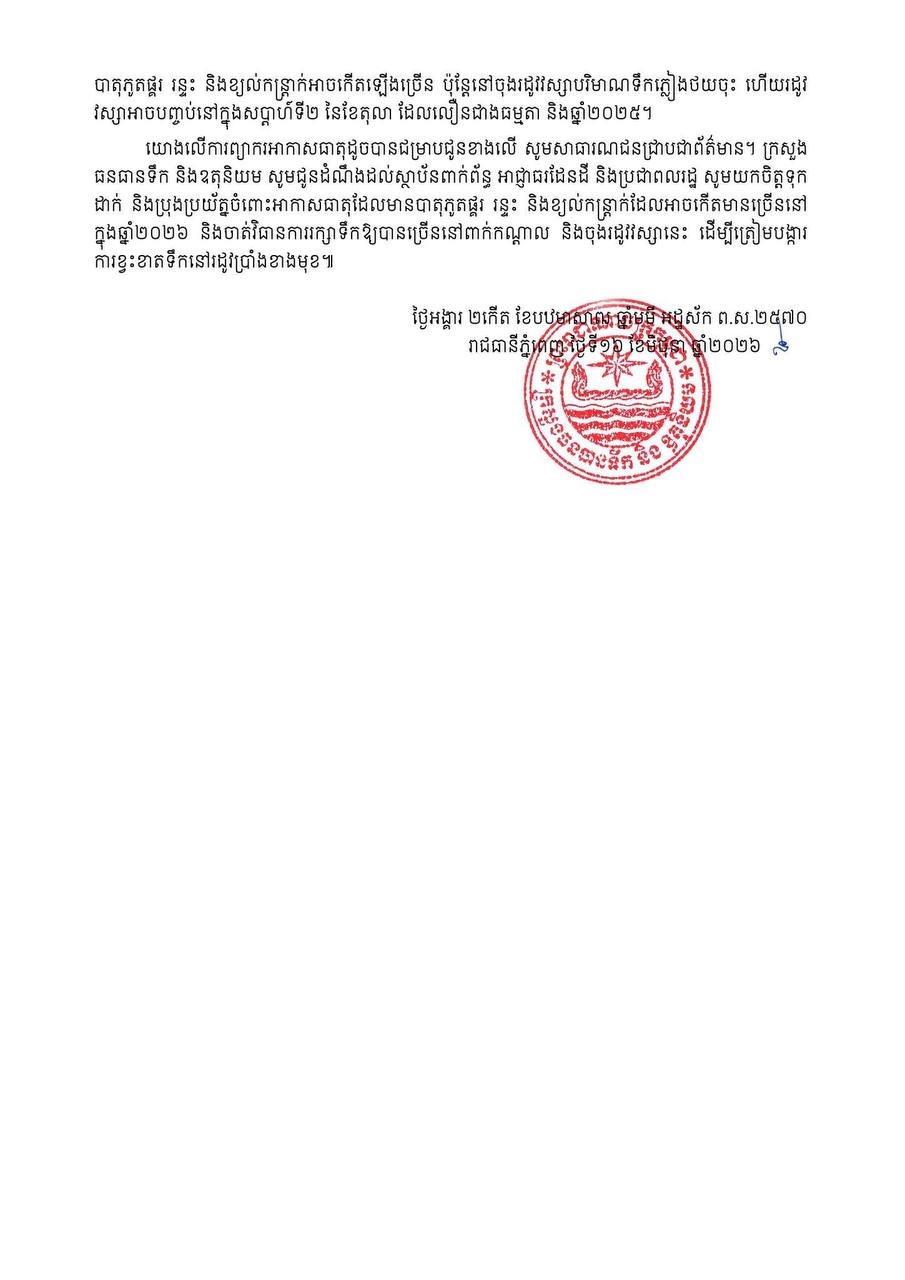
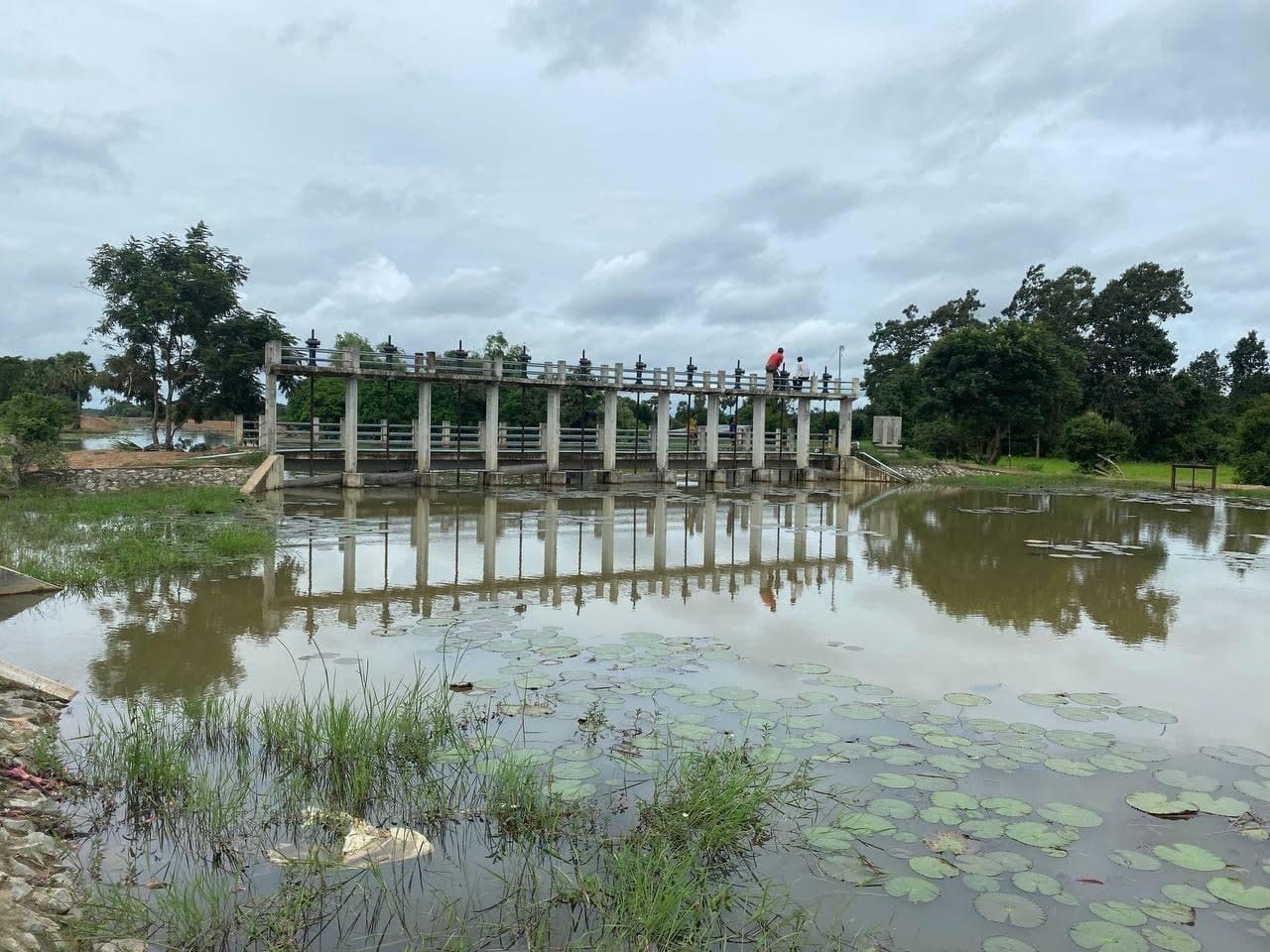
One of the most significant aspects of the ministry’s advisory is its call for government agencies, local authorities, and citizens to conserve and store as much water as possible during the middle and latter part of the rainy season in preparation for the upcoming dry season.
This recommendation should not be interpreted as a prediction that Cambodia will inevitably face water shortages. Rather, it reflects growing attention to potential risks should climate conditions evolve in the direction currently projected.
Specifically, the ministry forecasts that the mid-season dry spell could occur in August, while the rainy season may end as early as the second week of October—earlier than normal and earlier than in 2025. Meanwhile, El Niño itself is expected to continue strengthening and reach peak intensity in November.
Under such circumstances, capturing and storing water while rainfall is still available becomes a prudent preventive measure. Water conservation can help reduce future vulnerabilities should rainfall decline or temperatures rise during the next dry season. Viewed in this context, the ministry’s appeal represents a precautionary warning rather than an indication that a water crisis has already begun.
Rainfall May Remain Normal, But Risks Still Exist
Some observers may conclude that the ministry’s forecast is not particularly alarming because total seasonal rainfall is expected to remain close to the long-term average.
However, climate science suggests that the issue is not simply how much rain falls, but how it falls.
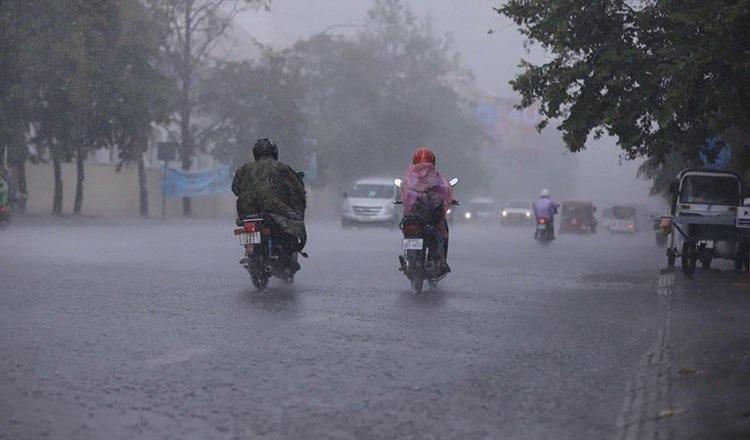
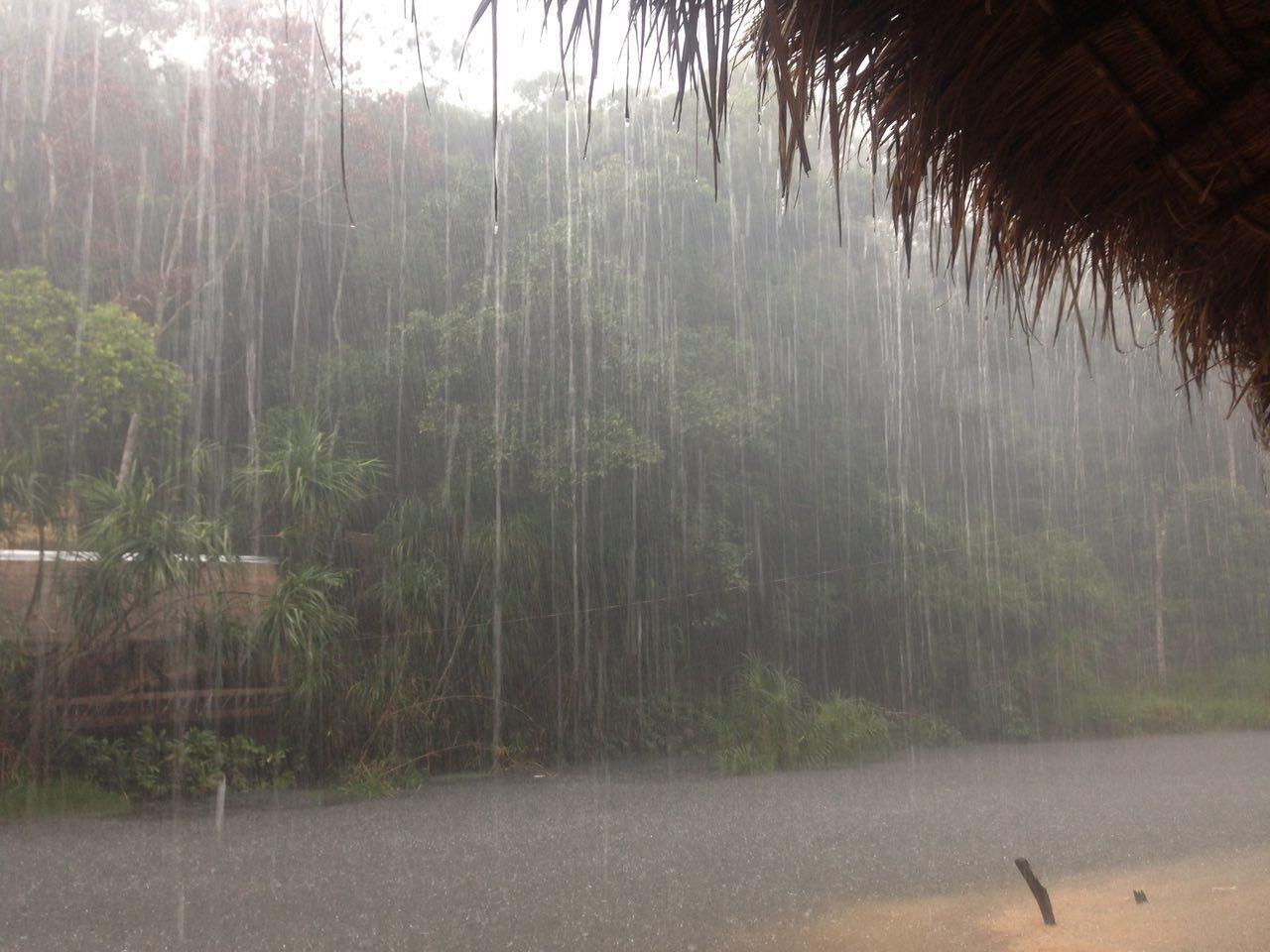
During strong El Niño years, rainfall can become increasingly uneven. Intense downpours may occur over short periods, followed by longer-than-normal dry intervals. As a result, some areas may face flash flooding while others experience water stress or localized shortages at the same time.
For this reason, near-average seasonal rainfall totals do not necessarily eliminate climate-related risks. The distribution, timing, and intensity of rainfall can be just as important as the overall amount.
Conclusion: The Question Cambodia Must Answer
The ministry’s latest forecast does not suggest that Cambodia is destined to face severe drought or major climate disasters in the immediate future. On the contrary, total rainfall for the season is still expected to remain broadly consistent with historical averages.
Nevertheless, the forecast clearly indicates that El Niño is strengthening. Several indicators commonly associated with El Niño—higher-than-normal temperatures, the emergence of a mid-season dry spell, and official calls for water conservation—are already appearing in Cambodia’s national climate outlook.
As a result, the central question is no longer whether El Niño will affect Cambodia. Some of its effects already appear to be emerging.
The more important question is this:
If the 2026 El Niño does evolve into a Super El Niño by late 2026 and early 2027, as NOAA has warned, is Cambodia adequately prepared to manage its water resources, safeguard agricultural production, maintain energy security, and protect the food security of its people?
In disaster risk management, warning signs are valuable not because they predict the future with certainty, but because they provide societies with an opportunity to prepare before risks become realities.
That may be the most important message contained in the Ministry of Water Resources and Meteorology’s latest forecast:
Preparing in advance is almost always less costly than responding after a crisis has already occurred.