(Phnom Penh): In a conventional conflict, a ceasefire serves as a bridge toward peace. In today’s Middle East, however, the ceasefire appears to exist largely in name, while missiles, fighter jets, and military threats continue to speak louder than diplomats.
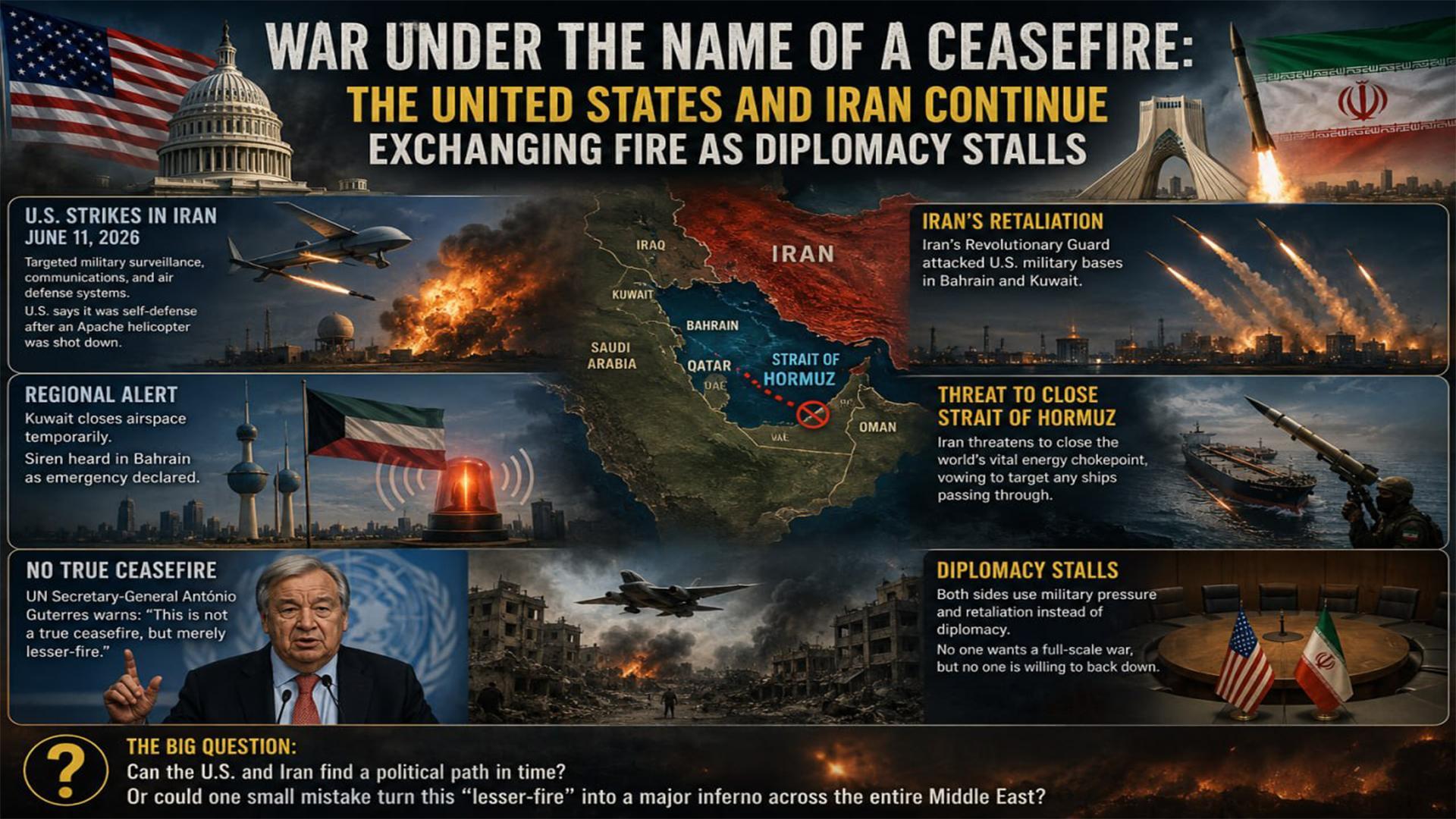
The latest round of U.S. strikes against multiple targets inside Iran on June 11, 2026, followed by Iranian retaliatory attacks against American military facilities in Bahrain and Kuwait, demonstrates that the ceasefire agreed upon in April has failed to produce genuine peace. Instead, it has entered an increasingly fragile phase that could collapse into a wider conflict at any moment.
A Ceasefire That Cannot Stop Missiles
BBC reporting noted that the ceasefire established in April never evolved into a lasting peace arrangement. Rather than ending hostilities, both sides continued to exchange intermittent attacks, avoiding full-scale war but failing to achieve any meaningful political settlement.
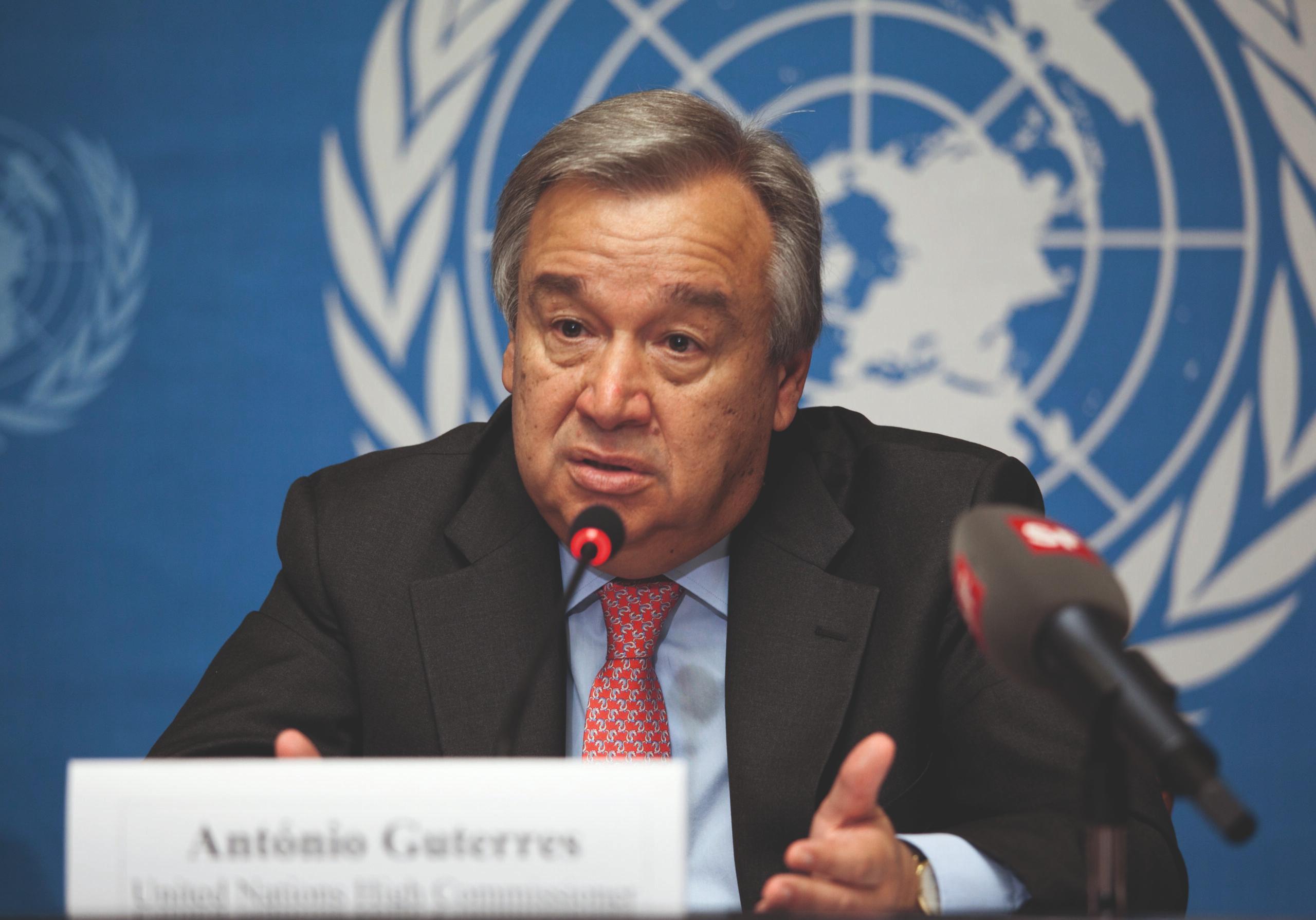
This situation was captured by United Nations Secretary-General António Guterres, who warned that the ceasefire had become more like a “lesser-fire” than a genuine cessation of hostilities. His remark carries significant weight because it highlights a central reality of the conflict: the war has not ended; it has merely been reduced in intensity.
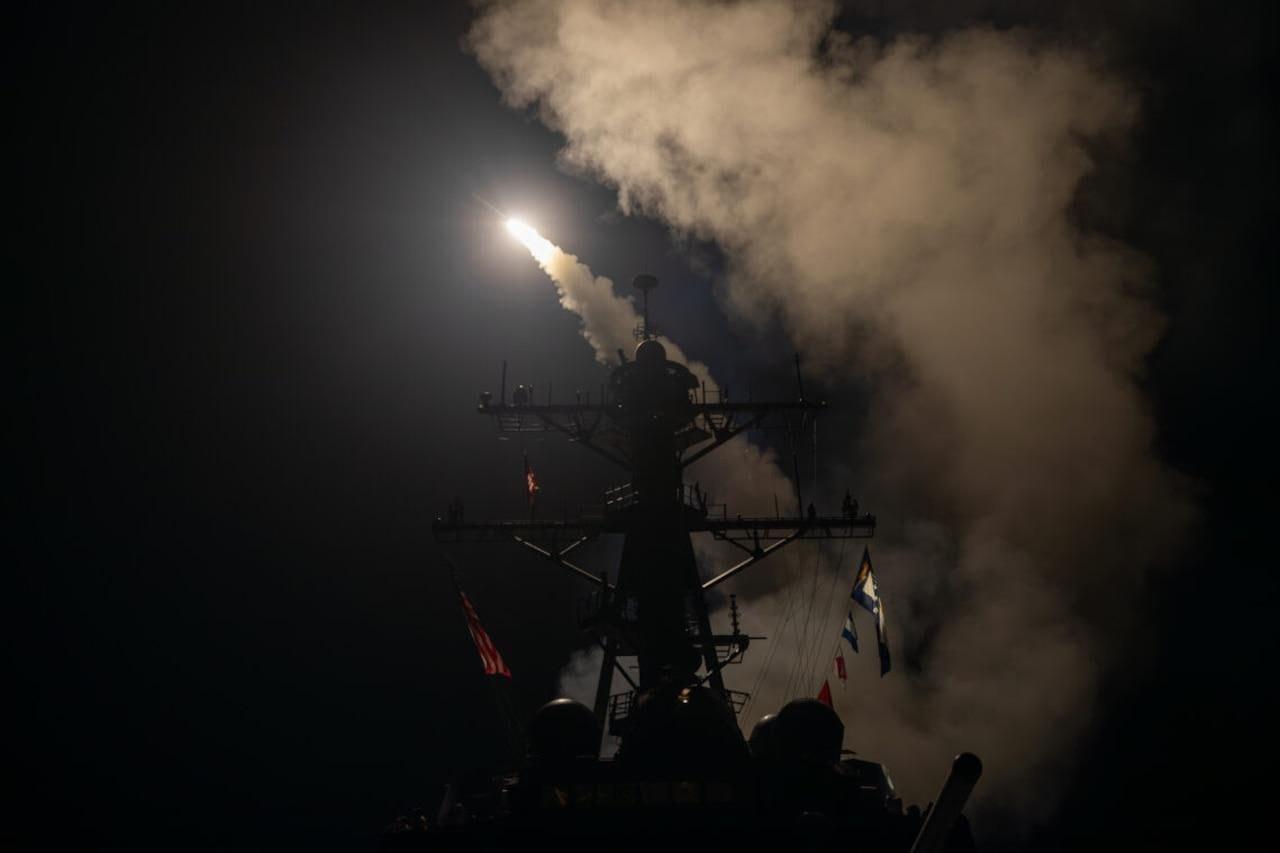
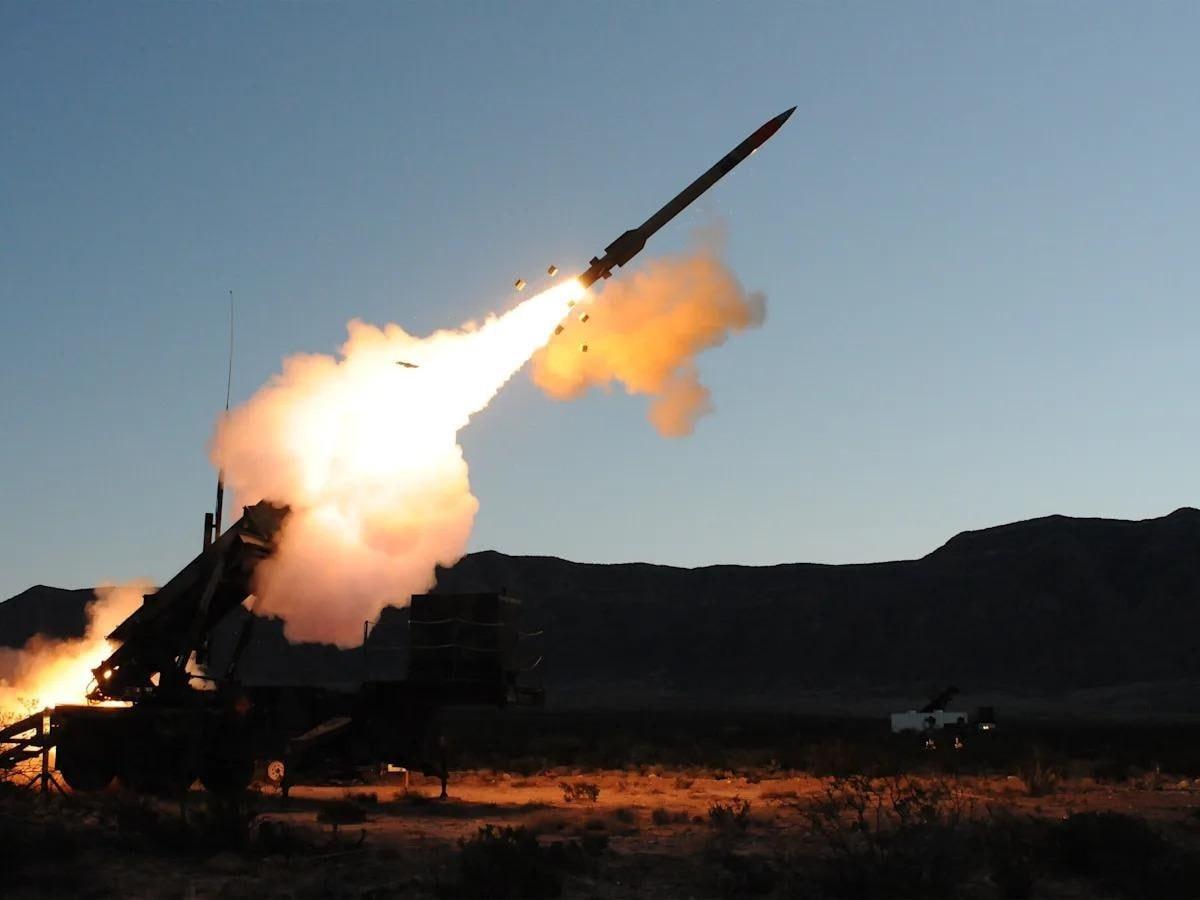
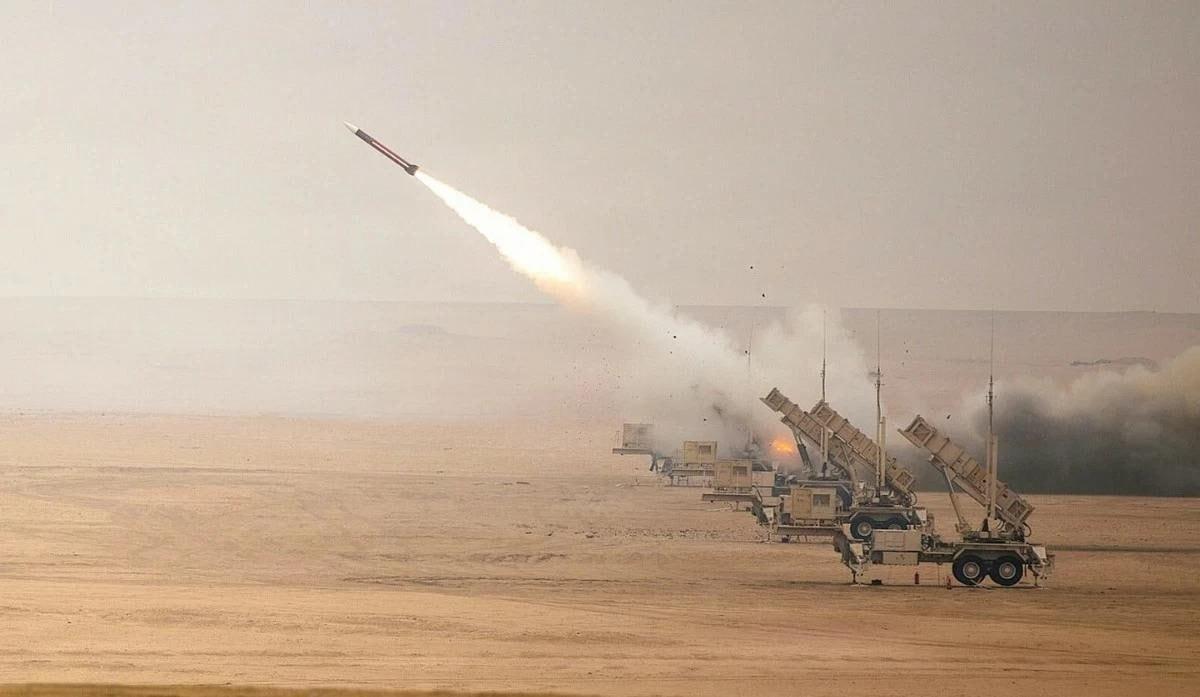
According to CNN and the BBC, U.S. Central Command (CENTCOM) announced strikes targeting Iranian military surveillance systems, communications networks, and air-defense facilities. Washington described the attacks as acts of self-defense and retaliation for the downing of a U.S. Apache helicopter earlier in the week.
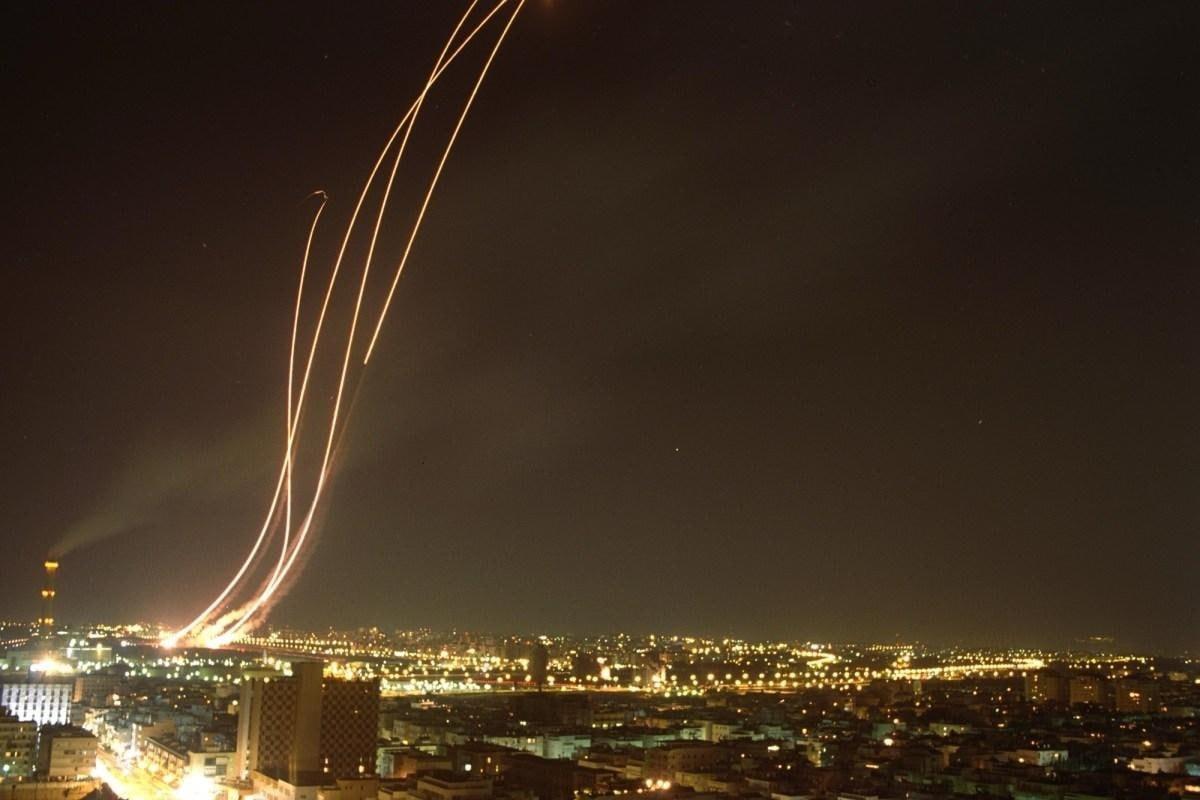
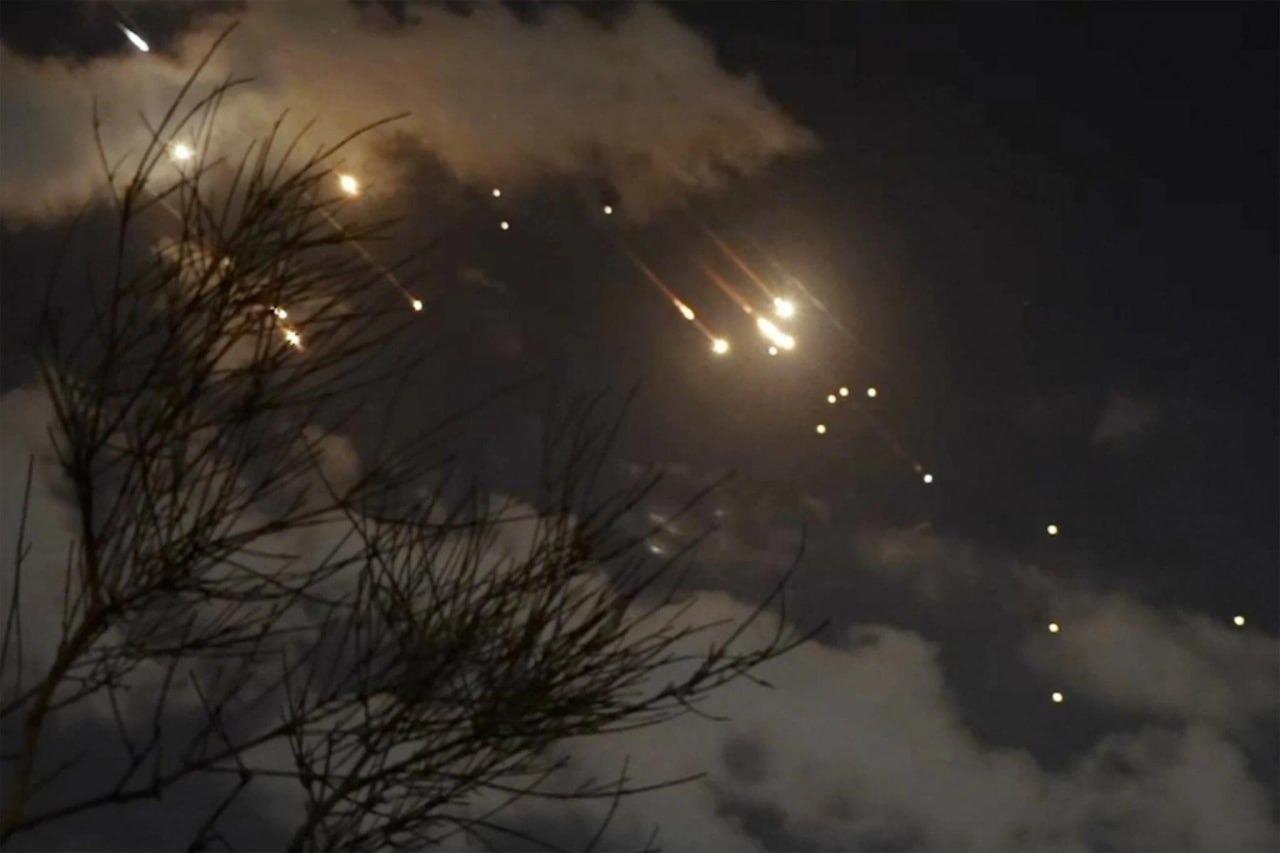
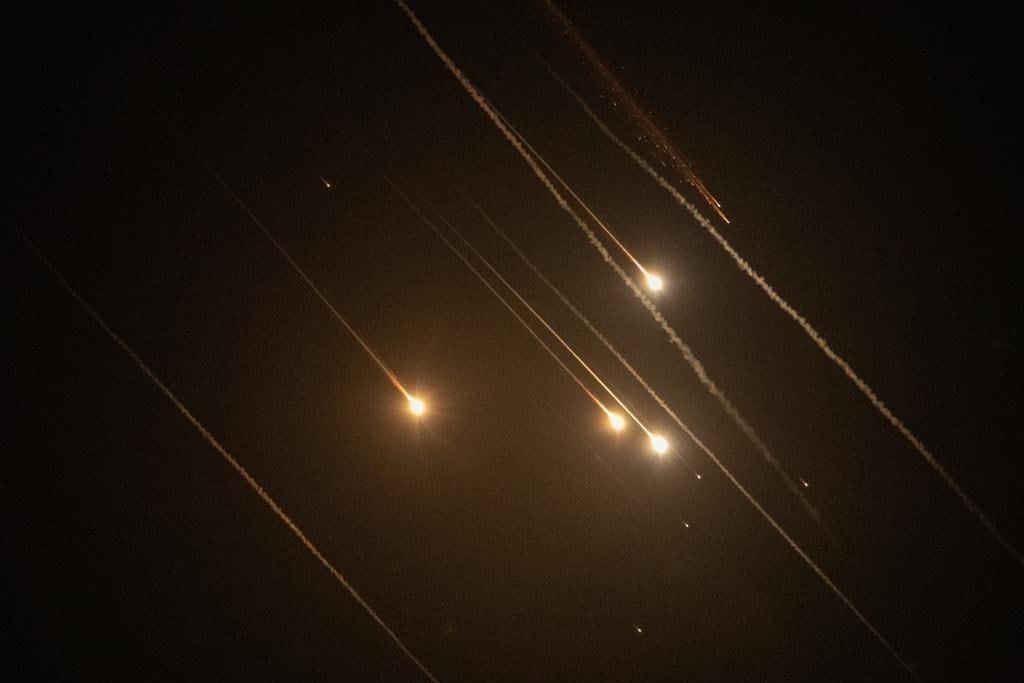
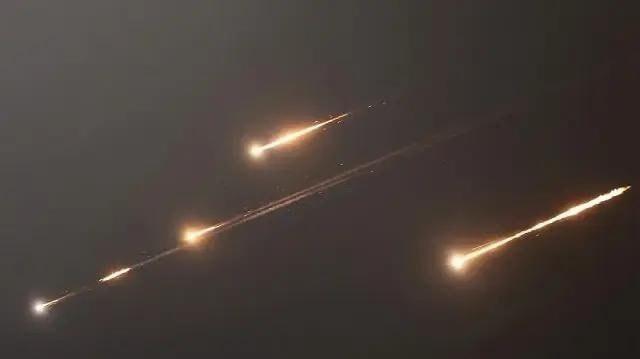
Iran responded in kind. CNN, BBC, and Al Jazeera all reported that Iran’s Islamic Revolutionary Guard Corps (IRGC) launched attacks against U.S. military installations in Bahrain and Kuwait. Following those strikes, Kuwait temporarily closed its airspace while air-raid sirens sounded across Bahrain.
These developments demonstrate that the confrontation is no longer confined to Iranian territory. The conflict has expanded into the wider Gulf region.
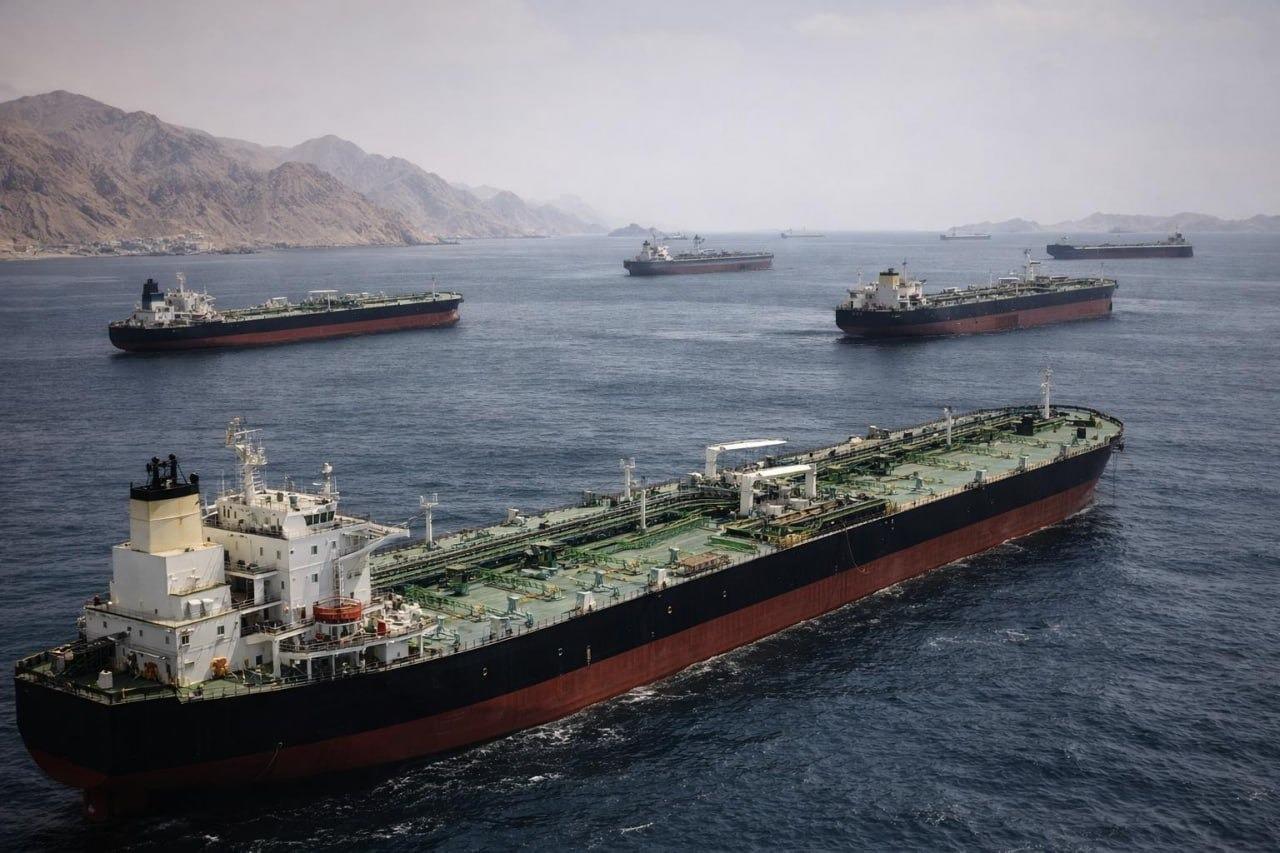
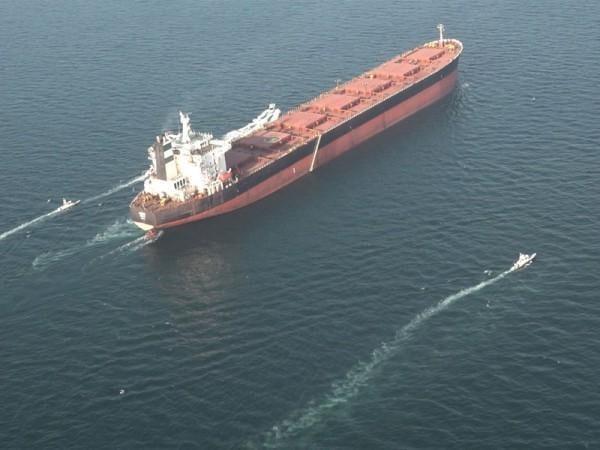
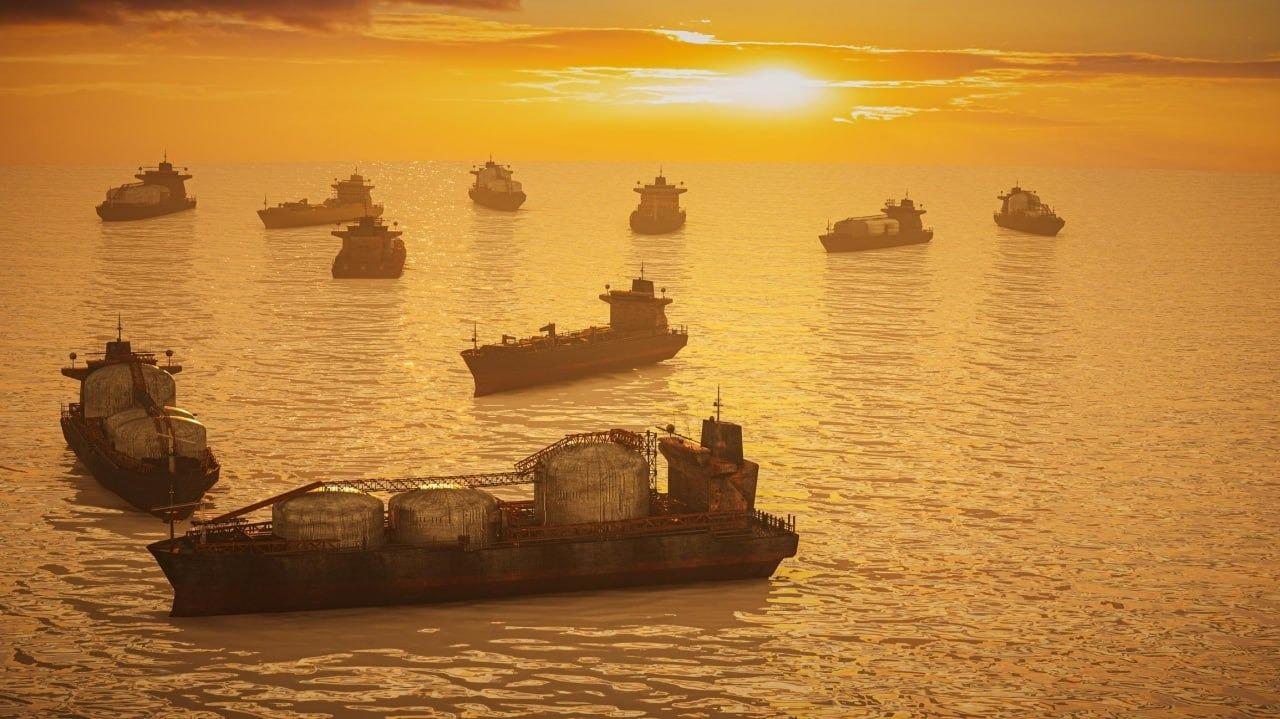
Meanwhile, Al Jazeera and the BBC reported that Iran announced the closure of the Strait of Hormuz and warned that vessels attempting to transit the strategic waterway could become targets. Although U.S. officials rejected claims that shipping traffic had been disrupted, the threat alone was enough to shake global energy markets.
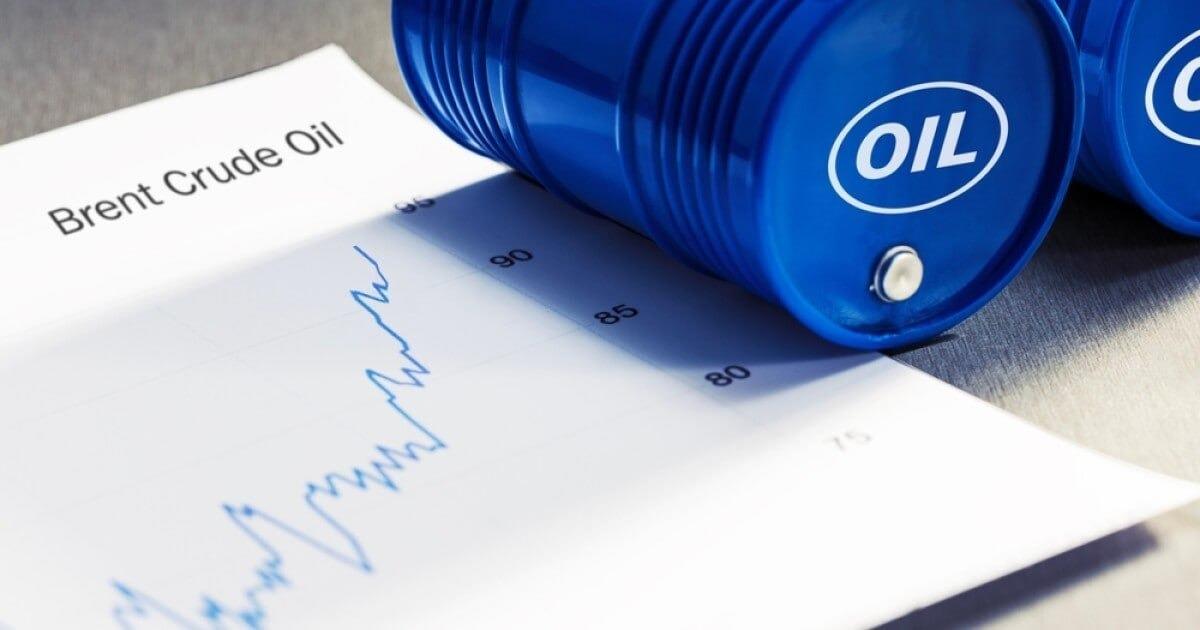
The BBC reported that Brent crude oil prices surged above $95 per barrel immediately after reports of the Hormuz closure emerged.
Taken together, these developments suggest that the ceasefire announced in April is steadily losing its practical meaning. Yet an even more important question remains: Why do both sides continue talking about diplomacy while simultaneously exchanging fire?
War as a Tool of Negotiation
U.S. President Donald Trump argued that Iran had taken “too long” to agree to a deal. Defense Secretary Pete Hegseth similarly stated that Tehran had been given opportunities to reach an agreement but failed to take advantage of them.
Iran, however, has accused Washington of undermining diplomacy through contradictory messages and repeated violations of the ceasefire.
This contradiction lies at the heart of the current crisis. Both sides continue speaking about negotiations while firing missiles. They continue referring to a ceasefire while military operations remain active. The situation is neither genuine peace nor full-scale war.
Traditionally, negotiations are used to end conflicts. In the case of the United States and Iran, however, the process appears reversed. Each side is employing military pressure to force the other toward the negotiating table under more favorable conditions.
For Washington, military strikes serve as a warning that delaying negotiations carries consequences. For Tehran, retaliatory attacks and threats to disrupt the Strait of Hormuz signal that military coercion alone will not force Iran into submission.
In this sense, missiles have become more than weapons. They have become instruments of political communication.
Every strike, threat, and retaliation sends a message not only across the battlefield but also across the negotiating table.
The danger lies in the fact that when weapons begin replacing diplomats, a single miscalculation can quickly push events beyond anyone’s control. What begins as a “war for negotiation” can easily become a war in which negotiation disappears altogether.
From the Battlefield to Global Energy Markets
If the confrontation between the United States and Iran remained confined to military operations, it might still be viewed as a bilateral dispute. But once the conflict moved toward the Strait of Hormuz, it became a global concern.
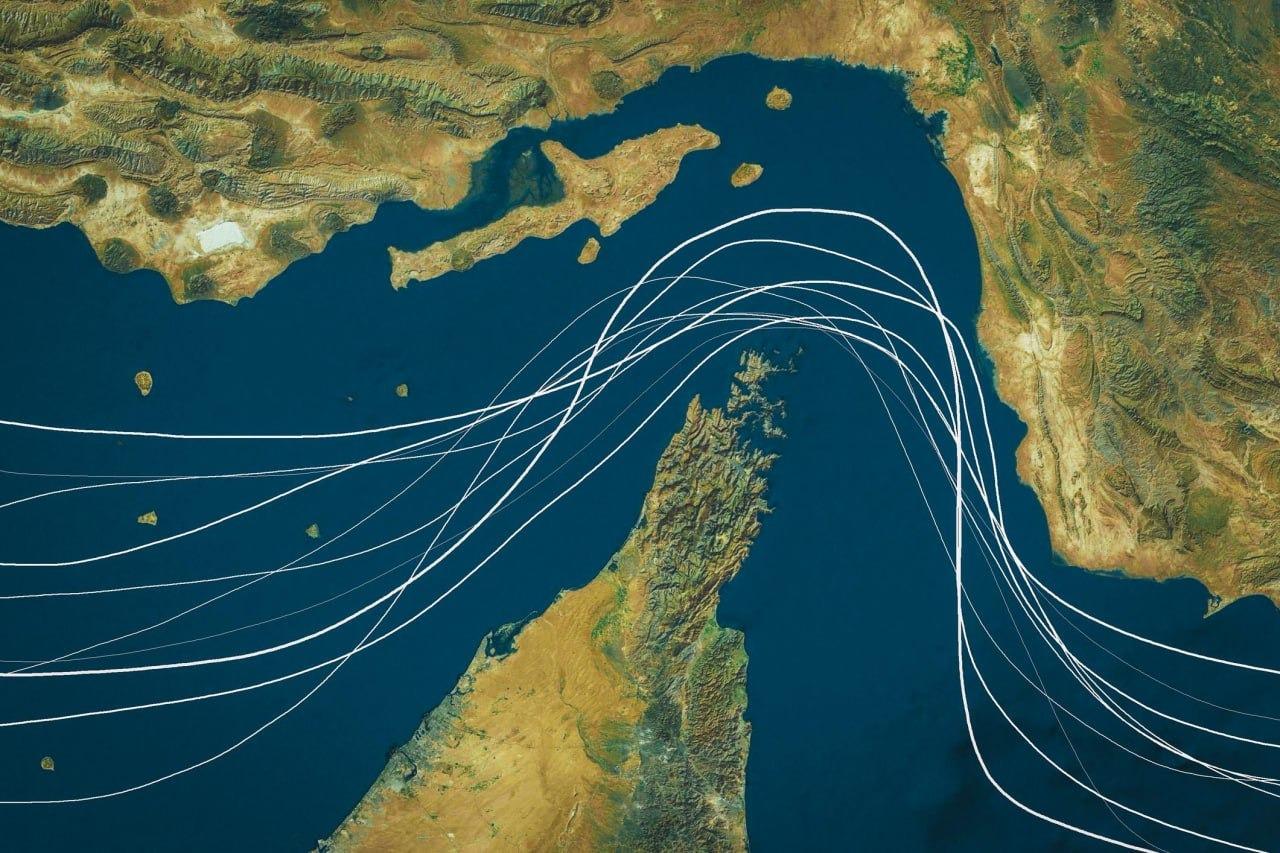
According to BBC and Al Jazeera reporting, Iran announced the closure of the Strait and warned that ships attempting to pass through it could be targeted. Although CENTCOM disputed the claim and insisted maritime traffic remained normal, the threat immediately triggered concerns throughout global markets.
The reason is straightforward: the Strait of Hormuz is not just another waterway. It is one of the world’s most critical energy chokepoints, connecting Gulf oil producers to international markets.
Any threat to shipping in the Strait inevitably raises fears about energy supplies.
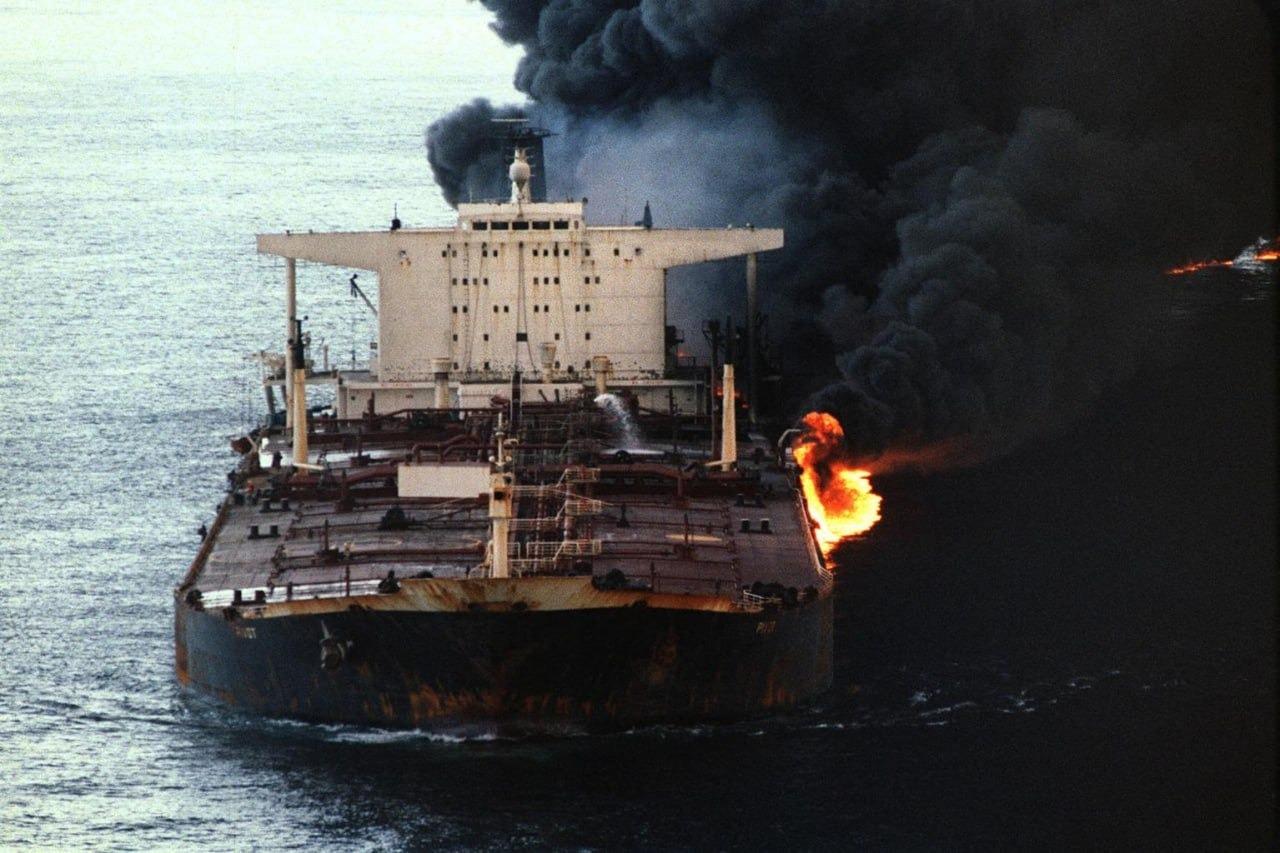
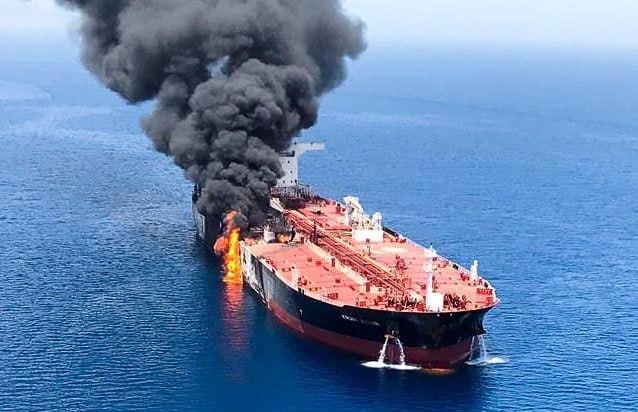
The BBC reported that Brent crude oil prices climbed above $95 per barrel after reports emerged of the Hormuz closure and attacks involving oil tankers. While this increase has not yet triggered a full-scale energy crisis, it signals growing concern about the security of global oil supplies.
The risks extend far beyond the energy sector.
Al Jazeera cited warnings from Yemen’s Houthis that continued attacks on Iran could disrupt global supply chains, international trade, and economic stability. In other words, the conflict threatens not only regional security but also transportation networks, inflation levels, and economic growth worldwide.
The United Nations has expressed similar concerns. Secretary-General António Guterres warned that the Middle East is being pulled deeper into crisis and that the consequences could extend far beyond the region itself.
His warning reflects a broader reality of globalization: a conflict in the Strait of Hormuz can affect oil terminals in Europe, manufacturing plants in Asia, and consumers across the world.
The key question, therefore, is no longer simply how long the United States and Iran will continue exchanging strikes. The larger question is whether the Hormuz crisis can be contained before it evolves into a broader energy and economic shock that the entire world must bear.
Conclusion: A War No One Wants to Expand, Yet No One Wants to Retreat From
The current situation can best be described as a “war under the name of a ceasefire.”
The ceasefire still exists on paper, but it no longer has the power to stop missiles. Diplomats continue to meet, yet fighter jets continue to fly and military threats continue to escalate.
The Trump administration believes military pressure can force Iran to make concessions at the negotiating table and accept a deal favorable to Washington. Iran, however, views any sign of weakness under military pressure as unacceptable. As a result, Tehran has chosen retaliation and demonstrations of military capability to signal that it cannot be compelled to surrender through force.
This is the most dangerous contradiction of the current crisis.
The United States does not want to become trapped in another large-scale Middle Eastern war. Iran does not want a full-scale military confrontation with the world’s most powerful military power. Yet neither side wants to appear weak, retreat, or concede ground.
The result is a situation that is neither peace nor full-scale war. It is a ceasefire in name, while conflict continues in practice.
The most important question is no longer whether the United States and Iran will exchange more strikes. The real question is whether both sides can find a political path forward before a single mistake or miscalculation transforms today’s “lesser-fire” into a much larger blaze that engulfs the entire Middle East.