(Phnom Penh): Cambodia has delivered a formal notice to Thailand and to the Secretary General of the United Nations (UN) to begin compulsory conciliation proceedings under the United Nations Convention on the Law of the Sea (UNCLOS).
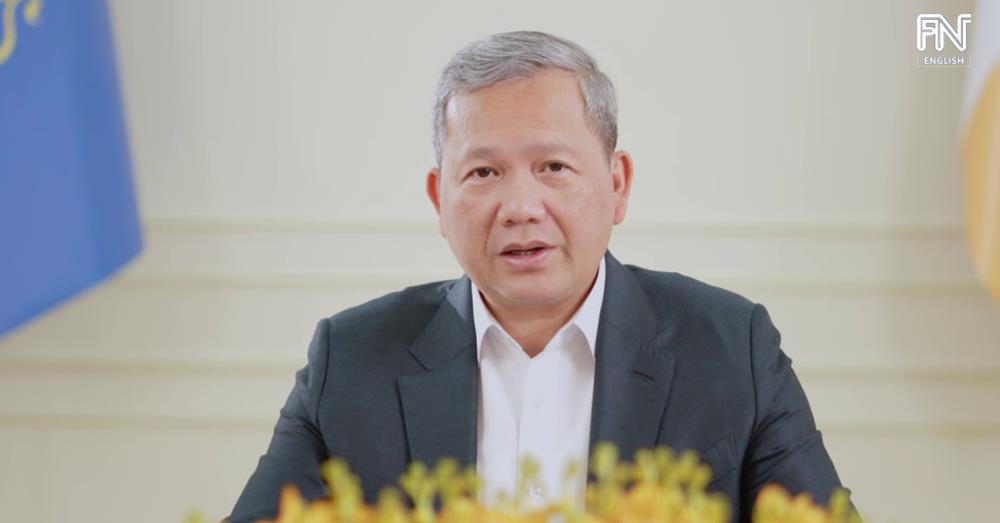
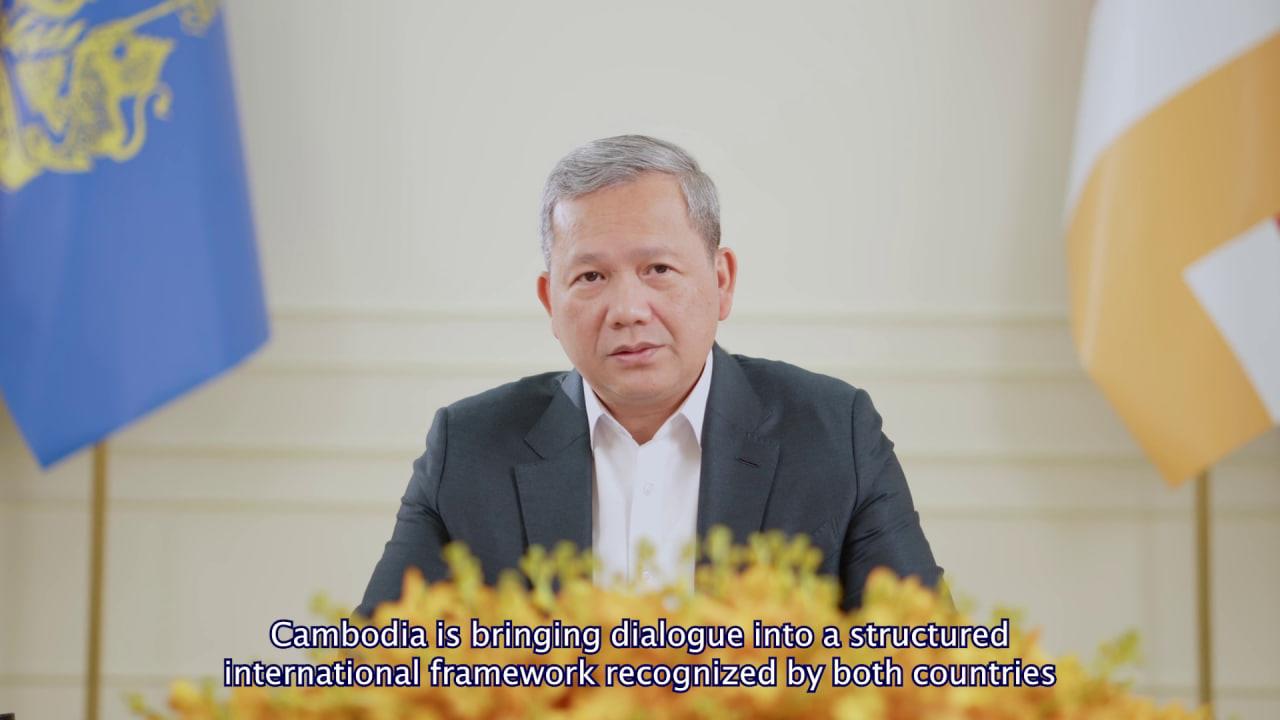
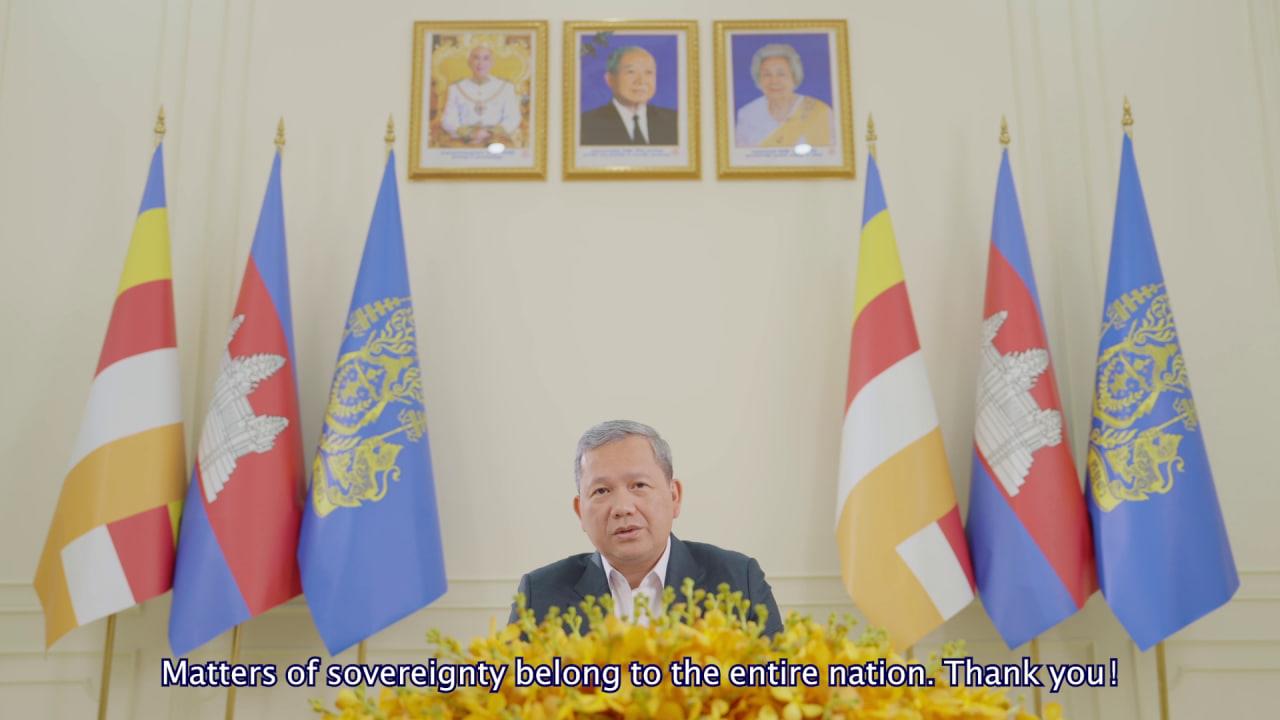
Cambodian Prime Minister Hun Manet addressed nation on Tuesday (Jun. 2) on the Royal Government’s decision concerning the overlapping maritime claims with Thailand.
“We have delivered a formal notice to Thailand and to the Secretary-General of the United Nations to begin compulsory conciliation proceedings under the United Nations Convention on the Law of the Sea (UNCLOS). We have taken this step to protect Cambodia's sovereignty and maritime rights in accordance with international law,” Samdech Thipadei said.
He added that Cambodia has always sought to resolve disputes with its neighbours peacefully. “We continue to seek a relationship with Thailand based on peace, cooperation, and mutual respect. At the same time, Cambodia's sovereignty and maritime rights must be respected.”
For many years, Cambodia and Thailand have a bilateral framework to seek a peaceful settlement of our overlapping maritime claims. This framework was known as the 2001 Memorandum of Understanding or MOU 2001. The MOU reflected a shared understanding that both countries should work together to settle the maritime boundary and to develop resources in the overlapping maritime claims area peacefully and for mutual benefit.
He continued, “When the Thai government said they would withdraw from this long-standing framework, Cambodia urged them to reconsider. Regrettably, Thailand still walked away. This means the MOU 2001, the only agreed bilateral framework in relation to the overlapping maritime claims area over the past 25 years, could no longer be relied upon. Clearly, the opportunity for bilateral negotiations to achieve a solution had been exhausted. The Royal Government has therefore carefully considered the peaceful and lawful options available to Cambodia.”
The United Nations Convention on the Law of the Sea, known as UNCLOS, is the international treaty that sets out the rights and responsibilities of state parties in relation to the sea. Both Cambodia and Thailand are parties to this convention.
Compulsory conciliation is a peaceful legal mechanism under UNCLOS. It allows both countries to present their positions before an independent commission of five conciliators made up of leading international law experts. The first compulsory conciliation process was used with great success by Timor-Leste and Australia. Through the compulsory conciliation process, both nations were able to peacefully resolve their maritime boundary in 2018.
“By initiating only the second compulsory conciliation in the history of UNCLOS, Cambodia hopes to again demonstrate the value of international law and peaceful dispute resolution. This is not an escalation. It is a facilitated negotiation between the two nations overseen by international expert conciliators. This is not an unilateral action. It is an effort to resolve the dispute peacefully through international law and in good faith,” Samdech Thipadei underlined.
Prime Minister Hun Manet also reiterated that initiating the compulsory conciliation under the UNCLOS does not mean that Cambodia is turning away from dialogue. Cambodia is bringing dialogue into a structured international framework recognized by both countries. Both Cambodia and Thailand stand to gain from a fair and lasting settlement agreement with the guidance of the international expert conciliators and in accordance with international law.
A peaceful resolution is in the shared interest of both countries and will contribute to peace and stability in the regions, he added. “It will protect sovereignty, strengthen confidence, unlock energy resources, support development, and create new job opportunities, not only for now but also for the future generations of the Cambodian and Thai peoples. Cambodia has never violated the sovereignty of other states.”
At the same time, Samdech Thipadei Hun Manet reaffirmed Cambodia’s unwavering determination to defend its sovereignty and to continue to honour that responsibility not through force but through international law and not through unilateral action but through peaceful engagement.
He called upon all Cambodians to remain united, confident, and steadfast. “Matters of sovereignty belong to the entire nation.”
=FRESH NEWS