(Phnom Penh): As the world and the ASEAN region face growing geopolitical shifts, intensifying power competition, and increasingly complex security challenges, Cambodia is seeking to broaden and strengthen its regional cooperation network through multilateral diplomacy, economic connectivity, and the promotion of shared regional stability.
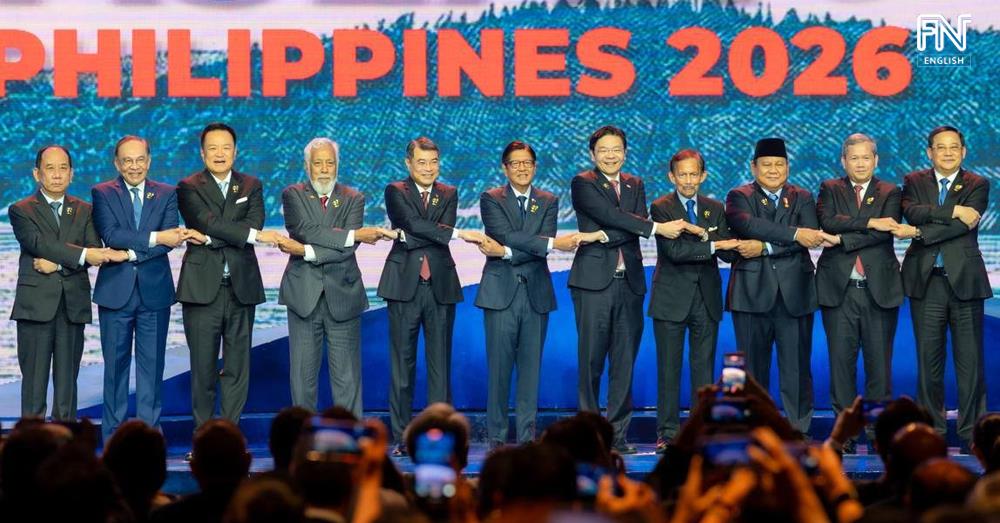
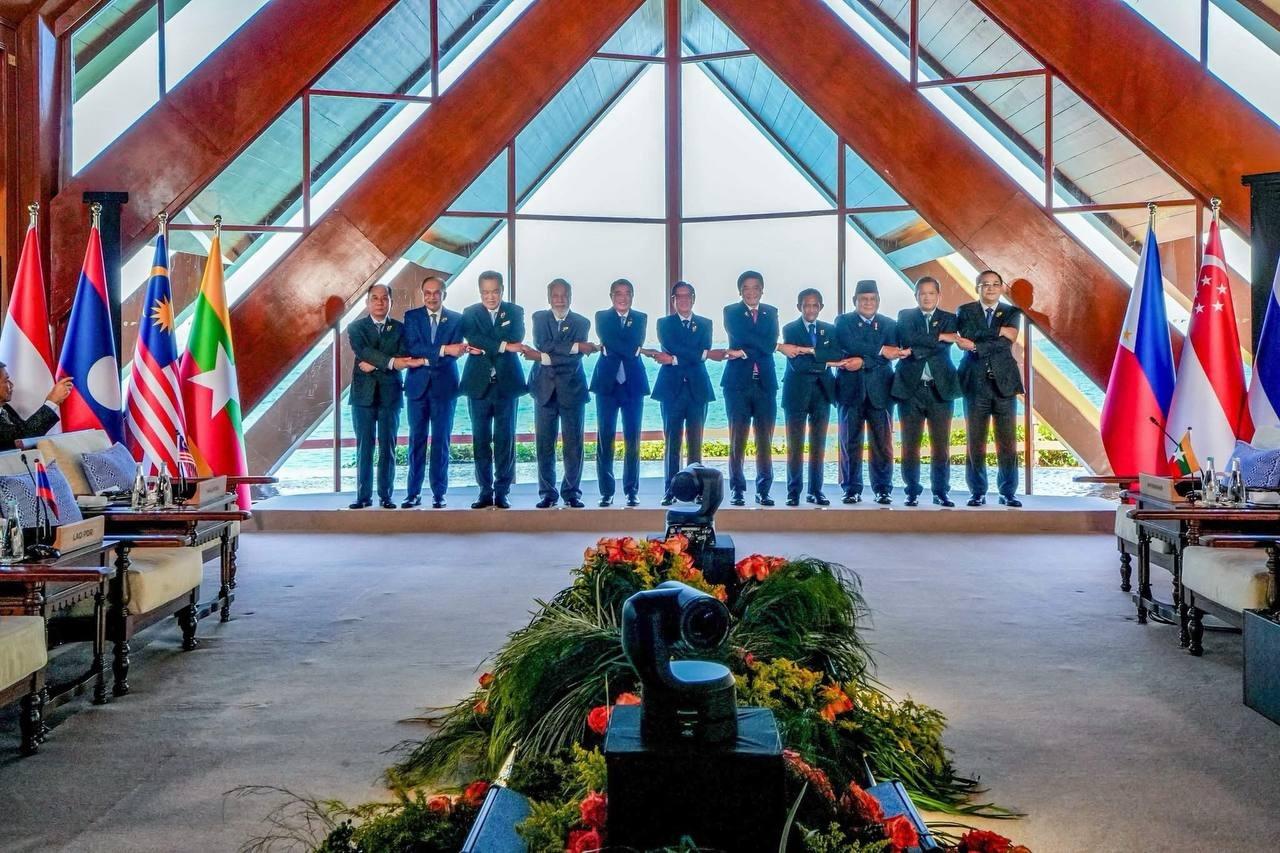
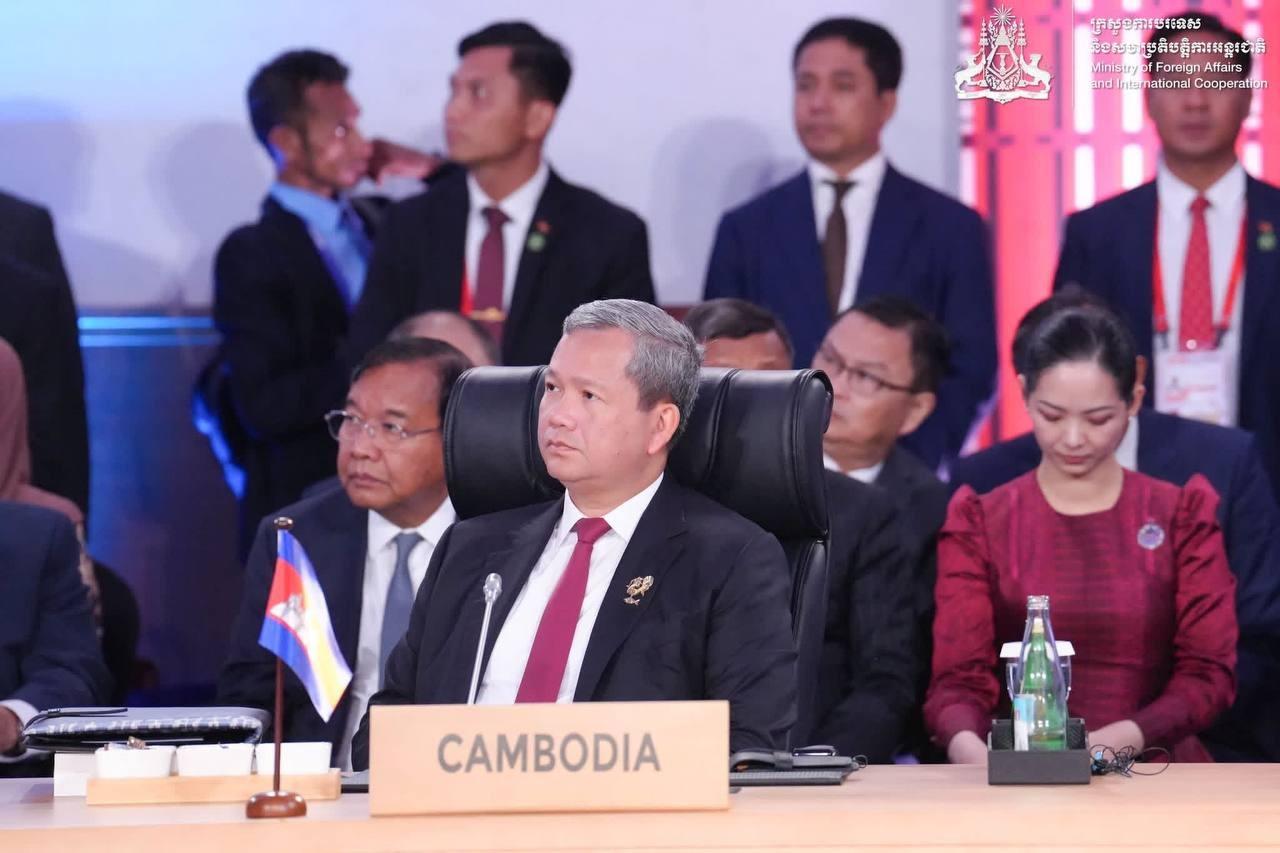
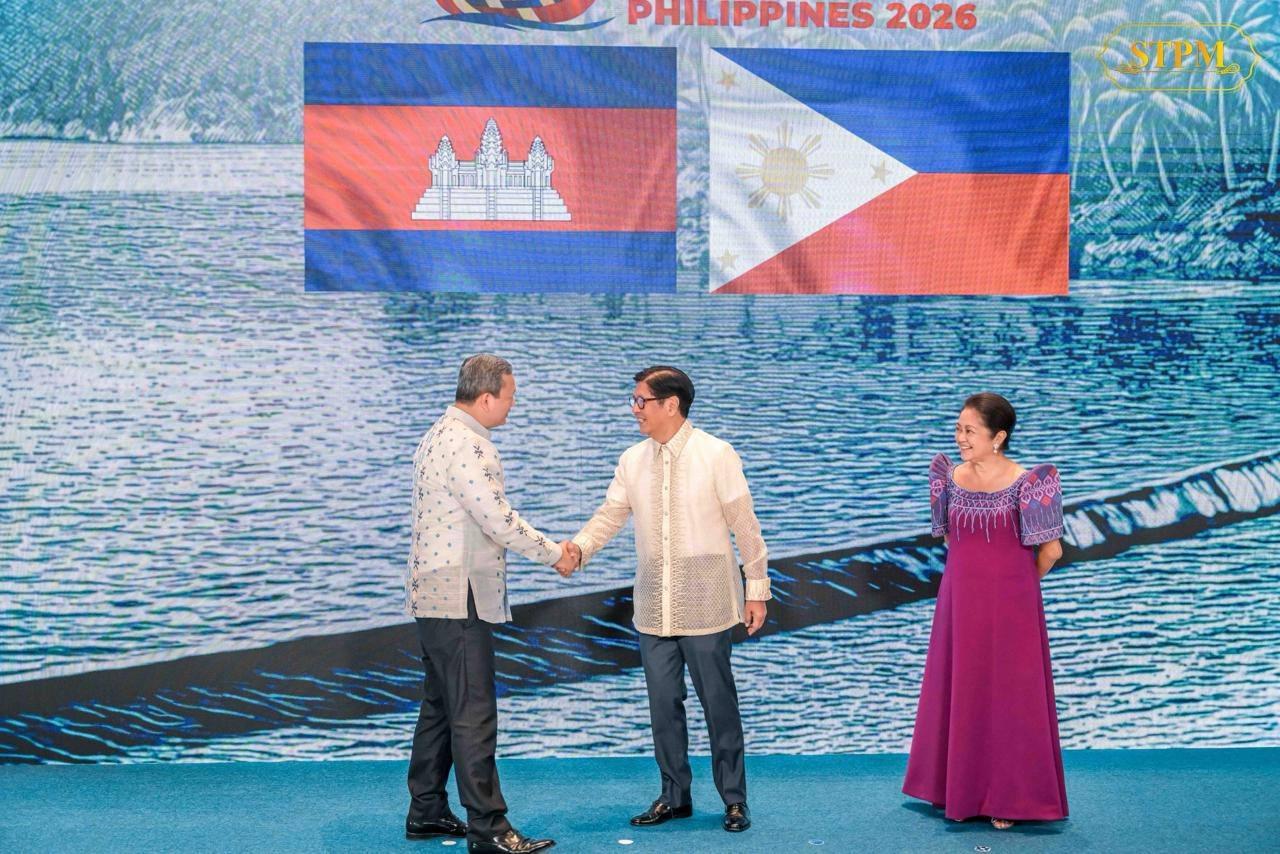
During his participation in the 48th ASEAN Summit in Cebu, Prime Minister Hun Manet not only focused on easing tensions between Cambodia and Thailand, but also carried out active and highly visible diplomatic engagements aimed at deepening strategic relations with key ASEAN member states, including Vietnam, Laos, Malaysia, Singapore, and Indonesia.
The meetings highlighted Cambodia’s efforts to expand cooperation in strategic sectors such as security, trade, energy, infrastructure connectivity, and regional economic development. More importantly, the visit sent a clear political and diplomatic message to the region: Cambodia does not want to be viewed solely through the lens of border disputes or tensions with Thailand. Instead, Cambodia seeks to position itself as an increasingly active player in building ASEAN cooperation on peace, security, energy, trade, infrastructure connectivity, and the digital economy.
Through these dynamic diplomatic activities, Cambodia appears to be reshaping its image — from a country facing geopolitical pressures into a “regional connector” that seeks to use diplomacy, cooperation, and economic integration as tools for strengthening stability and shared prosperity within ASEAN.
Cambodia Expands Multilateral Diplomacy within ASEAN
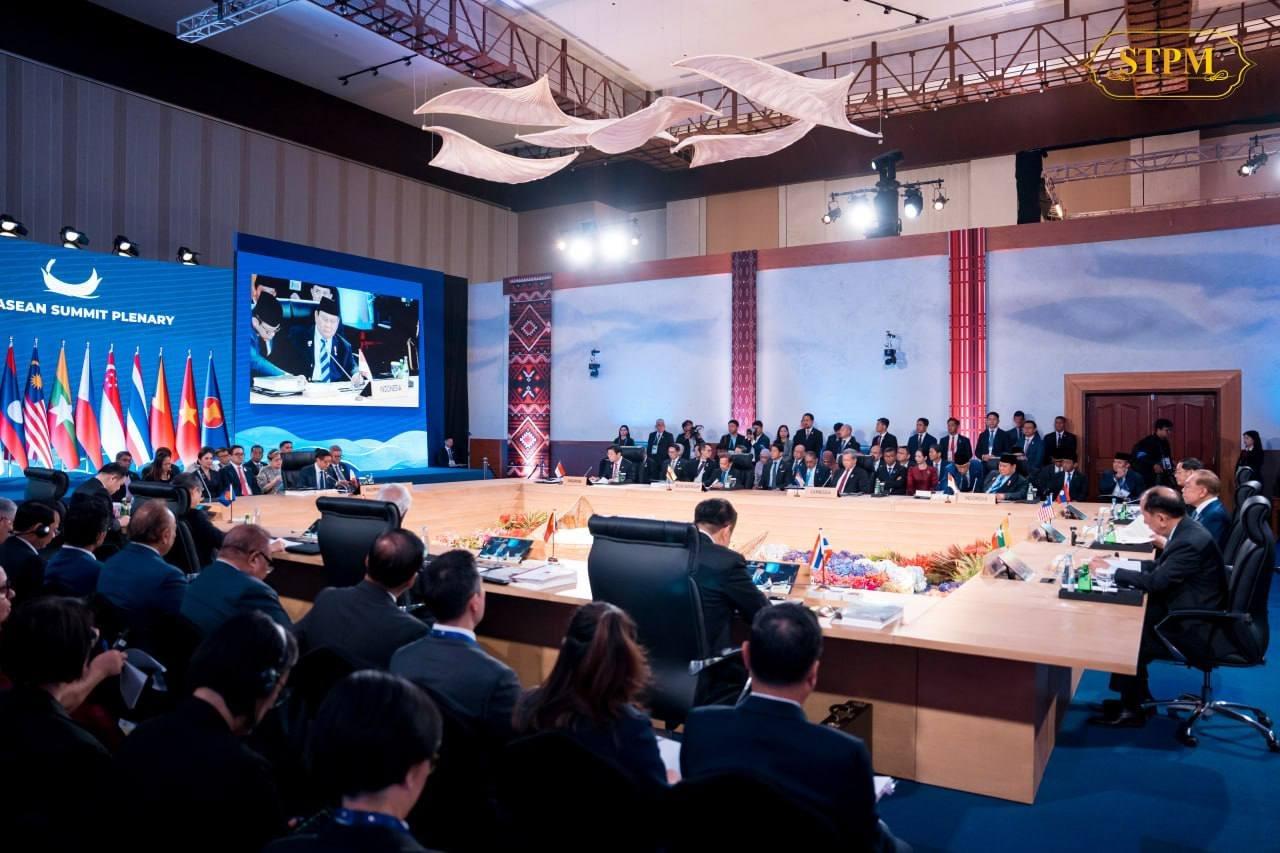
The 48th ASEAN Summit, held under the theme “Journeying Together Toward a Shared Future,” took place at a time when both the region and the wider world are confronting increasingly complex geopolitical tensions — ranging from great-power rivalry and security crises to energy and food insecurity, as well as growing political and economic fragmentation.
In this context, ASEAN is attempting to preserve “ASEAN Centrality” in order to prevent Southeast Asia from becoming a battleground for major-power competition.
At the summit, Prime Minister Hun Manet emphasized that ASEAN must continue to serve as a model of rules-based multilateralism and remain a force for peace, stability, dialogue, and constructive cooperation.
His remarks reflected Cambodia’s broader diplomatic position: strengthening its role within ASEAN’s diplomatic architecture as a country that supports peaceful dispute resolution based on international law, dialogue, and multilateral mechanisms rather than the use of force or the creation of “faits accomplis” on the ground.
What is particularly notable is Cambodia’s effort to demonstrate that it does not wish to stand at the edge of major-power rivalry. Instead, Cambodia seeks to position itself as a country capable of contributing to regional peace, stability, and connectivity through multilateral diplomacy within the ASEAN framework.
Cambodia–Laos–Vietnam Relations Shift from “Historical Ties” to “Strategic Connectivity”
The trilateral meeting between Cambodia, Laos, and Vietnam on the sidelines of the ASEAN Summit represented more than a continuation of traditional friendship among neighboring countries. It reflected a broader transformation of “historical and political ties” into a new form of “strategic connectivity” centered on economic integration, energy cooperation, infrastructure development, and regional security.
At a time when Southeast Asia faces growing geopolitical competition, the three countries appear determined to strengthen what could become a new “Indochina cooperation axis” capable of promoting stability and shared development across the Mekong subregion.
The discussions focused on a number of strategic initiatives, including:
- cross-border electricity connectivity,
- infrastructure and transportation networks,
- tourism connectivity,
- increasing direct flights,
- strengthening security and defense cooperation, and
- expanding trade and investment within the subregion.
Prime Minister Hun Manet also proposed exploring the feasibility of developing a trilateral electricity connectivity project using existing transmission networks. This initiative demonstrates that Cambodia is thinking beyond roads and traditional trade. The country is increasingly focused on regional energy security and the creation of interconnected economic networks across Indochina.
In this sense, Cambodia–Laos–Vietnam relations are evolving from a “historical alliance” into a “strategic connectivity partnership” aimed not only at preserving political stability but also at building long-term economic and infrastructure foundations for the future of the Mekong subregion.
Vietnam and Expressways: Building the Future of Economic Connectivity
The bilateral meeting between Cambodia and Vietnam clearly demonstrated that relations between the two countries are evolving from a traditional neighboring relationship into a “strategic economic connectivity partnership.”
During the meeting, Prime Minister Hun Manet stressed the importance of implementing additional measures to increase bilateral trade to the target of US$20 billion, while also encouraging Vietnamese investors to expand their investments in Cambodia.
However, the most strategically significant issue discussed was the acceleration of connectivity between the Phnom Penh–Bavet Expressway and Vietnam’s Ho Chi Minh City–Moc Bai Expressway project.
This initiative is far more than a conventional road construction project. It has the potential to become a new economic artery linking Phnom Penh with Vietnam’s largest economic hub while connecting Cambodia to regional logistics networks and international trade corridors across the Mekong subregion.
If fully implemented, the project could fundamentally reshape trade flows between Cambodia and Vietnam by transforming traditional transportation routes into a high-speed economic corridor capable of reducing logistics costs, improving transportation efficiency, and attracting greater industrial investment along border areas and emerging economic zones.
The two leaders also discussed broader cooperation in politics, security and defense, trade, energy, infrastructure connectivity, tourism, and people-to-people exchanges.
In this context, Cambodia and Vietnam appear to be working toward a new “economic connectivity architecture” based not only on bilateral trade but also on integrated infrastructure, energy systems, logistics networks, and population mobility — foundations that could support long-term economic growth across the Indochina subregion.
Singapore and Malaysia: Cambodia Seeks Higher-Quality Economic Partnerships
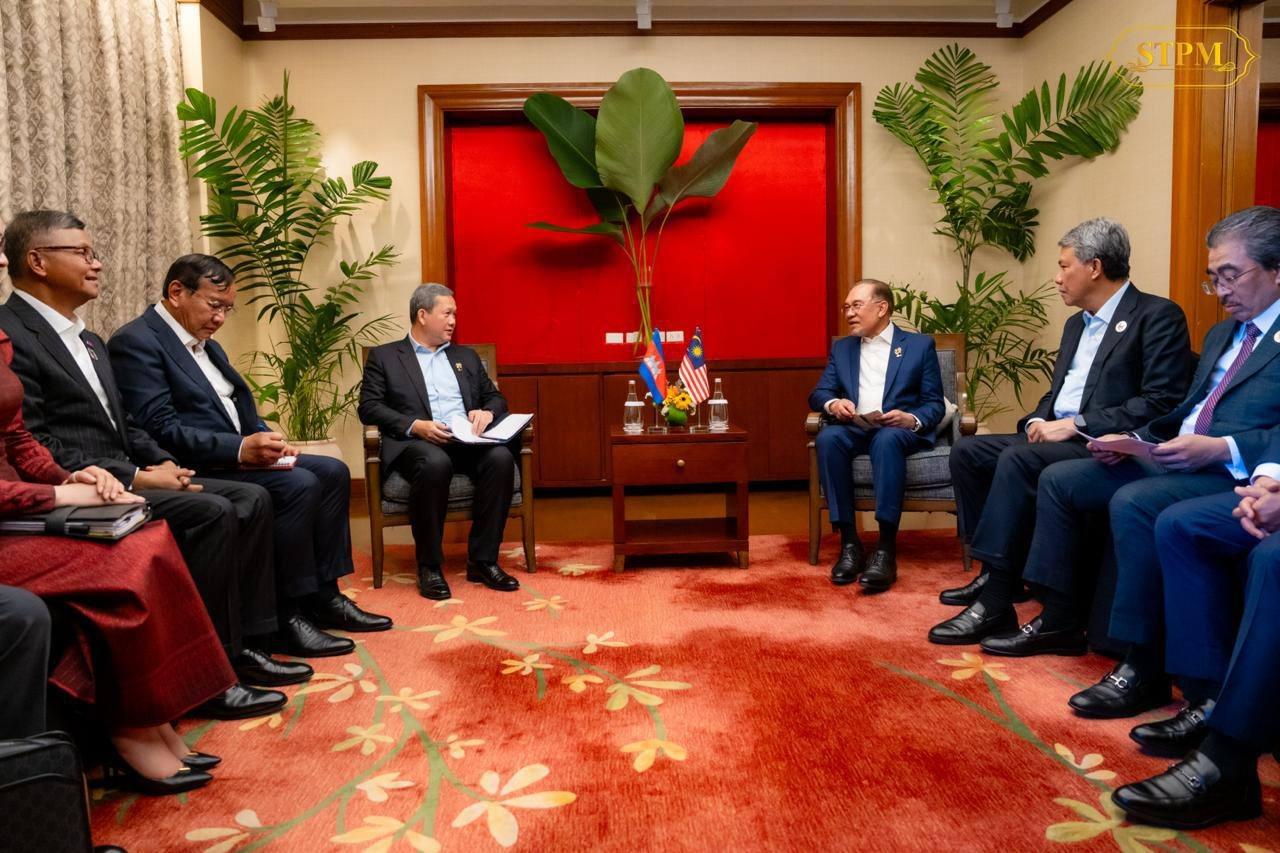
Meetings between Prime Minister Hun Manet and Lawrence Wong as well as Anwar Ibrahim revealed Cambodia’s ambition not merely to expand trade volumes, but to attract higher-quality investment and strategic partnerships capable of transforming its economic structure over the long term.
With Singapore, Cambodia focused on high-value and strategically important sectors, including food security, double taxation avoidance, investment attraction, energy, security, and broader economic cooperation.
Particularly significant was the signing of a memorandum of cooperation on food security and the implementation of amendments related to double taxation avoidance agreements. These developments indicate Cambodia’s efforts to create a more attractive economic and financial environment for international investors — especially those from Singapore, one of Southeast Asia’s leading financial and logistics hubs.
Meanwhile, cooperation with Malaysia focused on sectors capable of generating new economic opportunities, including the halal industry, trade, investment, security, and defense cooperation.
Cambodia’s push into the halal industry demonstrates its ambition to integrate into global halal supply chains and markets, which represent a rapidly expanding economic sector worldwide. Malaysia’s support in sending halal food experts to Cambodia also illustrates how bilateral relations are evolving from traditional cooperation toward more technical and standards-based economic partnerships.
Overall, Cambodia appears increasingly determined to integrate itself into a “higher-value ASEAN economy” based on technology, international standards, finance, logistics, and value-added industries rather than relying solely on low-cost manufacturing or labor-intensive sectors.
Indonesia and ASEAN Centrality
The informal meeting between Prime Minister Hun Manet and Indonesian President Prabowo Subianto carried important political and geopolitical significance for both Cambodia and ASEAN as a whole.
Indonesia is not only ASEAN’s largest economy but is also widely regarded as one of the organization’s principal political pillars and a key actor in shaping the strategic direction of Southeast Asia.
At a time when great-power rivalry is intensifying across the Indo-Pacific region, ASEAN is striving to preserve its central role in regional affairs. In this environment, strong relations with Indonesia are strategically important for Cambodia because they help reinforce support for ASEAN Centrality and assist Cambodia in maintaining diplomatic balance amid an increasingly complex geopolitical landscape.
Closer ties with Indonesia could also open new opportunities for cooperation in trade, economic development, defense, and regional security, particularly as Indonesia continues to emerge as a major economic and strategic power in the Indo-Pacific.
Most importantly, the meeting demonstrated Cambodia’s broader diplomatic ambition to expand beyond traditional neighborhood diplomacy and deepen engagement with ASEAN’s core states in order to strengthen its voice and role within the region’s evolving strategic architecture.
Conclusion
Prime Minister Hun Manet’s participation in the 48th ASEAN Summit in Cebu was far more than a routine diplomatic appearance. It represented a clear demonstration that Cambodia is attempting to build a new regional diplomatic strategy based on connectivity, cooperation, peace, and respect for international law.
At a time when both the region and the wider world face intensifying geopolitical competition, Cambodia is seeking to show that it does not want to be defined solely by border disputes or political tensions. Instead, the country is positioning itself as a regional actor capable of connecting cooperation, economic integration, and shared stability within ASEAN.
From strengthening cooperation with Vietnam and Laos on infrastructure, energy, and subregional connectivity, to attracting higher-quality investment from Singapore and Malaysia, and deepening relations with Indonesia as one of ASEAN’s central political pillars, Cambodia’s diplomatic engagements in Cebu reflected a broader effort to expand its strategic role within Southeast Asia’s evolving regional architecture.
In other words, the visit was not simply participation in an ASEAN summit. It may also be viewed as Cambodia opening its doors more widely to ASEAN’s growing network of regional cooperation at a time when the region is searching for greater peace, stability, and interconnectedness.