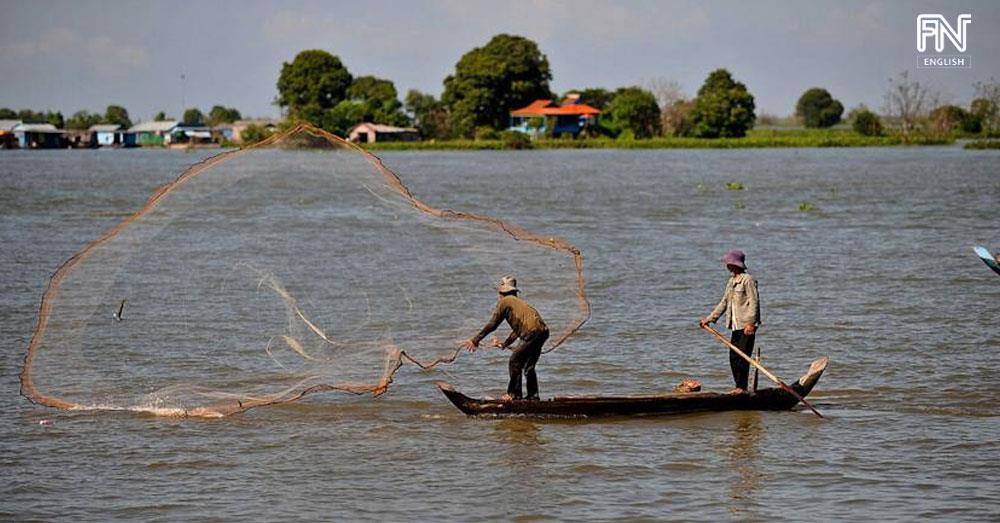
(Koh Kong): Cambodia’s rivers, lakes and coastal waters are among the nation’s greatest natural treasures. From the mighty Mekong River to the rich ecosystem of Tonlé Sap Lake and the mangrove-lined coastlines of Koh Kong Province, these waters support fisheries, food security, biodiversity and the livelihoods of millions of Cambodian people.
As Cambodia continues to advance economically and industrially, environmental protection has become increasingly important to ensure that development remains sustainable and does not compromise public health.
Industrial pollution, particularly untreated wastewater discharged into natural waterways, poses serious risks to fisheries, aquatic ecosystems and human well-being. Toxic substances and chemical pollutants can contaminate fish habitats, threaten biodiversity and potentially enter the human food chain.
In this context, the efforts of the Ministry of Environment deserve strong recognition and appreciation. The ministry has intensified monitoring, enforcement and pollution prevention measures to safeguard Cambodia’s natural water sources from industrial contamination.
According to the ministry, nearly 28 million cubic meters of untreated wastewater have already been prevented from flowing into natural waterways through inspections, enforcement actions and environmental management measures.
This achievement reflects not only environmental responsibility but also a deep concern for human health and national well-being.
By preventing polluted wastewater from entering rivers and streams, the ministry is helping to protect fisheries resources relied upon daily by communities across Cambodia. Such efforts contribute directly to cleaner water, safer food sources and healthier living conditions for the population.
The ministry’s continued commitment to monitoring water quality is also an important step toward ensuring long-term environmental sustainability. Equally commendable is the growing attention toward fisheries safety.
Regular testing of fish and aquatic species in streams and rivers for heavy metals and toxic contaminants is essential to ensure that aquatic food resources remain safe for human consumption.
This approach demonstrates that environmental protection is not only about conserving nature, but also about protecting the health of present and future generations.
Cambodia’s environmental protection efforts are especially important at a time when climate change and pollution pressures are increasing globally.
Protecting rivers, wetlands and mangroves strengthens the country’s resilience while supporting fisheries, biodiversity and local livelihoods.
The Ministry of Environment’s actions send a strong message that economic growth and environmental protection must go hand in hand. Sustainable development cannot be achieved if water sources are polluted and public health is placed at risk.
By strengthening environmental governance and pollution control, Cambodia is taking important steps toward a cleaner, greener and more sustainable future.
Protecting fisheries means protecting food security. Protecting water means protecting life. And protecting the environment ultimately means protecting the Cambodian people themselves.
=FRESH NEWS