(Phnom Penh): As the smoke of war in the Middle East continues to linger and the sounds of warships still echo across the Strait of Hormuz, the world appears to be shifting its focus away from the question of “who is winning the war” toward a far more urgent concern: How long can the global economy withstand this conflict?
Signs that the Iran war may be approaching a possible political exit are no longer reflected only in the negotiations between the United States and Iran. They are also becoming increasingly visible through growing international efforts to reopen the Strait of Hormuz before an oil crisis and economic pressure expand far beyond the battlefield itself.
Signs of a “Political Exit” Begin to Emerge
Reports from CNN and Al Jazeera indicate that Iran is expected to deliver its response to a US proposal aimed at ending the war through mediators on Thursday. At the same time, President Donald Trump stated that the United States and Iran had held “very good talks” over the past 24 hours and that “a deal is possible.”
Such language from the White House signals that Washington may now be searching for a “political exit” from the conflict after spending enormous financial and military resources on a war that has so far failed to force Iran into submission.
Although military strikes and regional tensions continue, discussions about a possible “exit strategy” are now appearing more visible and more hopeful than at any point since the war began.
Hormuz: A Global Economic Pressure Point
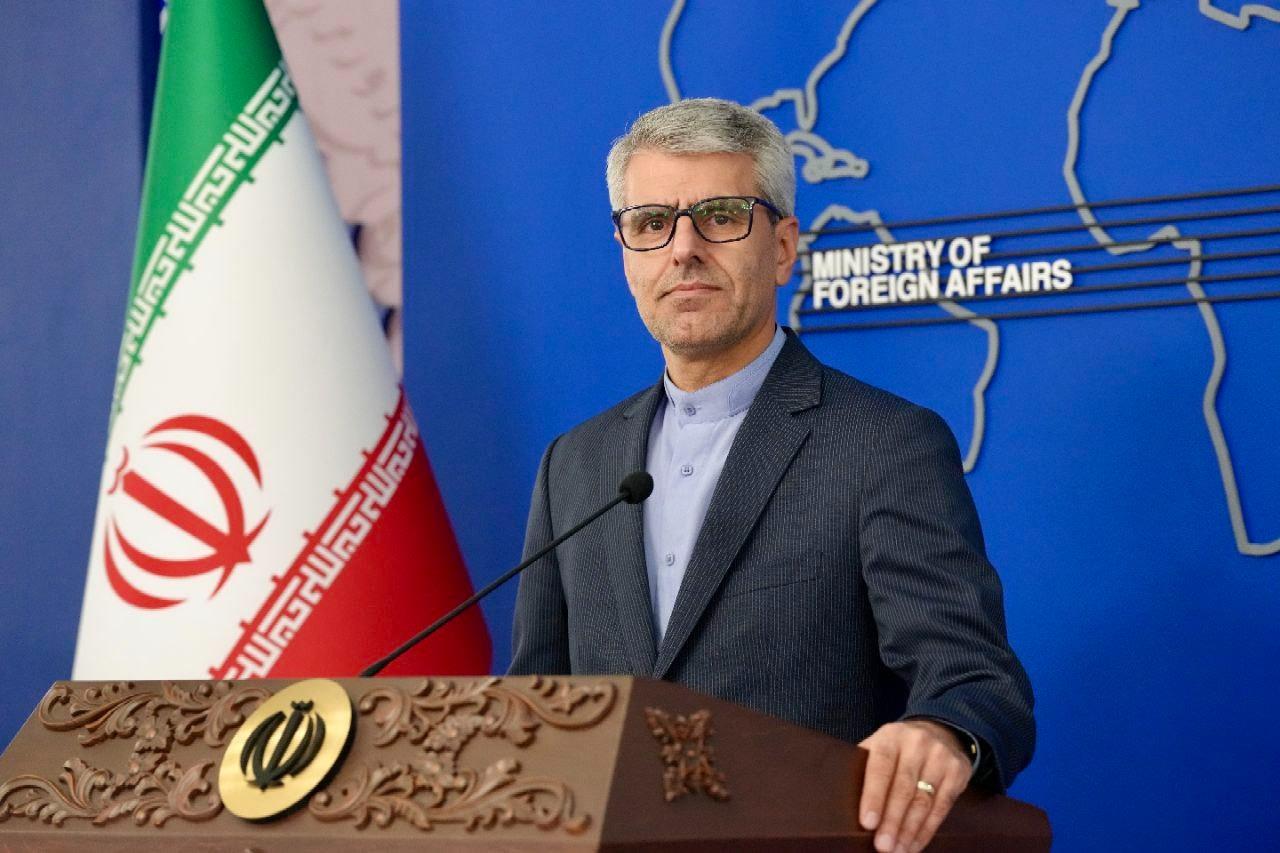
Iranian Foreign Ministry spokesman Esmaeil Baghaei stated that the US proposal to end the war remains “under review,” and that Tehran would deliver its official response through Pakistani mediators.
For Iran, two “red lines” remain untouchable: its nuclear program and its sovereignty over the Strait of Hormuz and its regional military posture.
Yet what is becoming even more significant is the pressure emerging from outside the battlefield itself. The international community appears increasingly unwilling to allow the conflict to escalate into a wider oil and global economic crisis. This is one reason why France has begun taking a far more active diplomatic and security role.
According to reports, French President Emmanuel Macron held direct talks with Iranian President Masoud Pezeshkian and called on “all parties” to lift the blockade of the Strait of Hormuz and restore the “freedom of navigation” that existed before the conflict erupted.
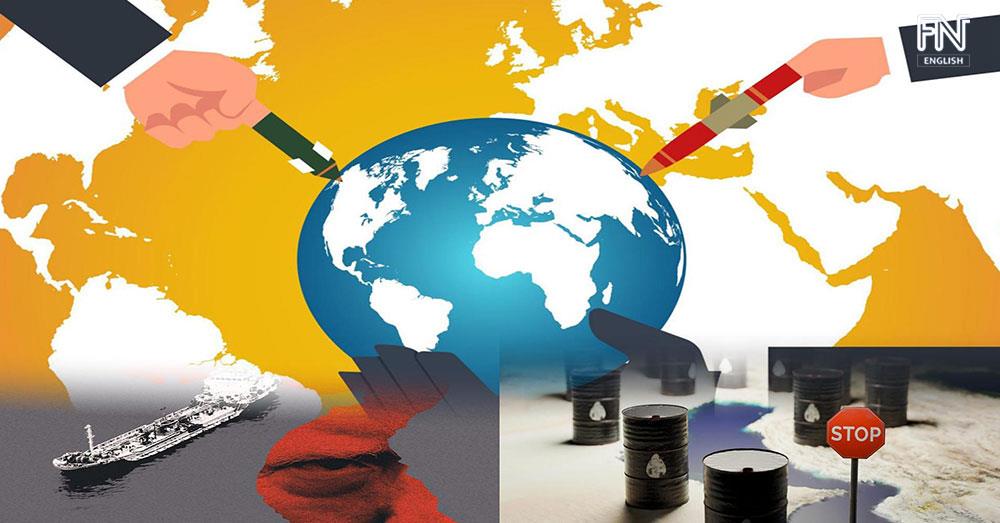
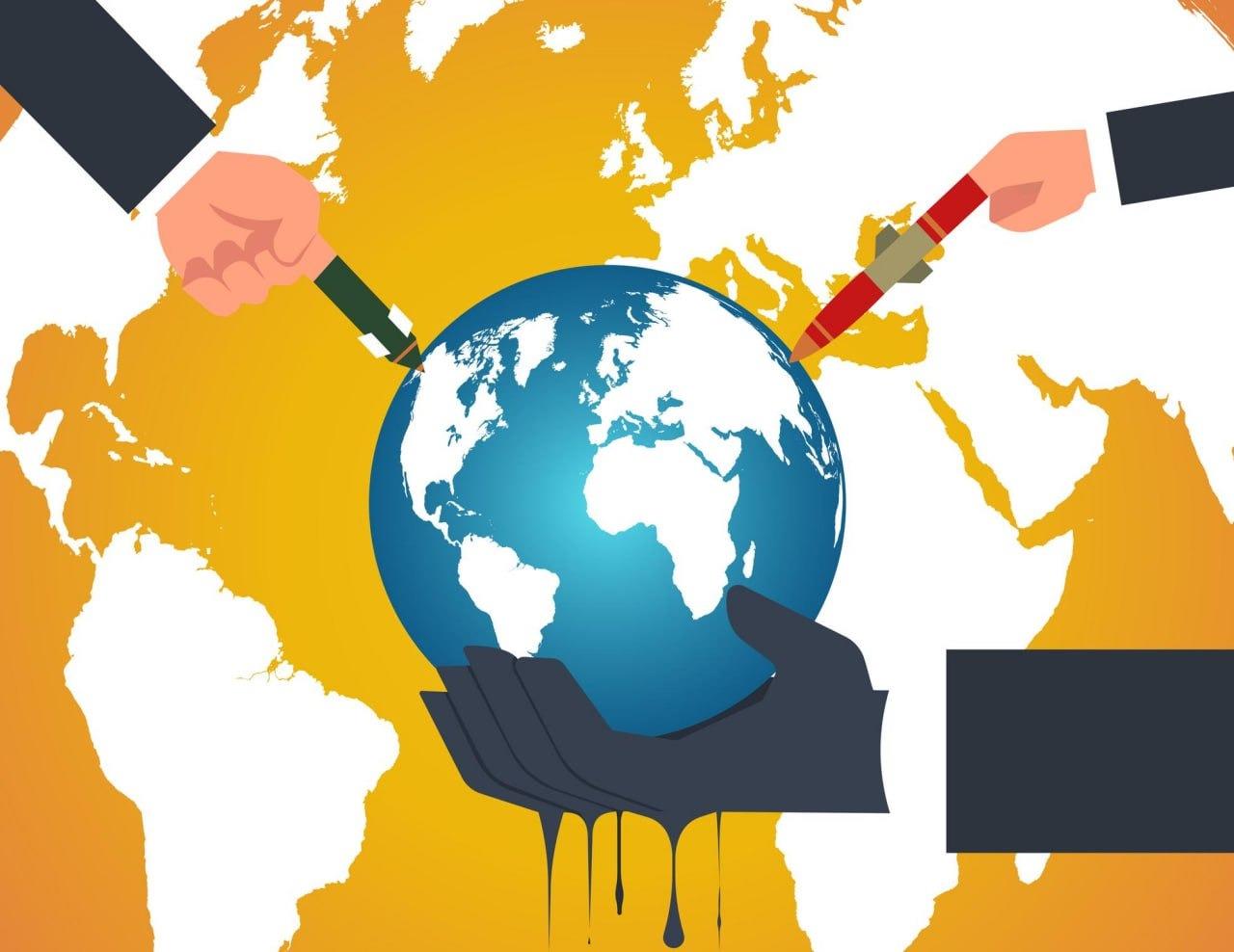
Macron’s use of the phrase “all parties” carries deep significance. It suggests that France does not want Hormuz to become a strategic weapon for any side in the conflict. The strait is no longer simply a dispute between Washington and Tehran; it has become a global economic pressure point capable of affecting energy markets, international trade, and worldwide economic stability.
President Pezeshkian argued that Iran has long been a guarantor of security in the waterway, but claimed that US naval blockades had disrupted regional stability. He stated that “any negotiation regarding the full reopening of the Strait of Hormuz requires the lifting of the naval blockade imposed by the United States.”
Iran has also insisted that safe passage through Hormuz remains possible, but only under “new procedures” established by Tehran.
This demonstrates that Iran is attempting to preserve both control and sovereignty over the strategically sensitive waterway, while the rest of the world is increasingly pushing for a return to normalcy before an oil crisis grows larger than the battlefield itself.
France and Europe Begin Pushing for the Reopening of Hormuz
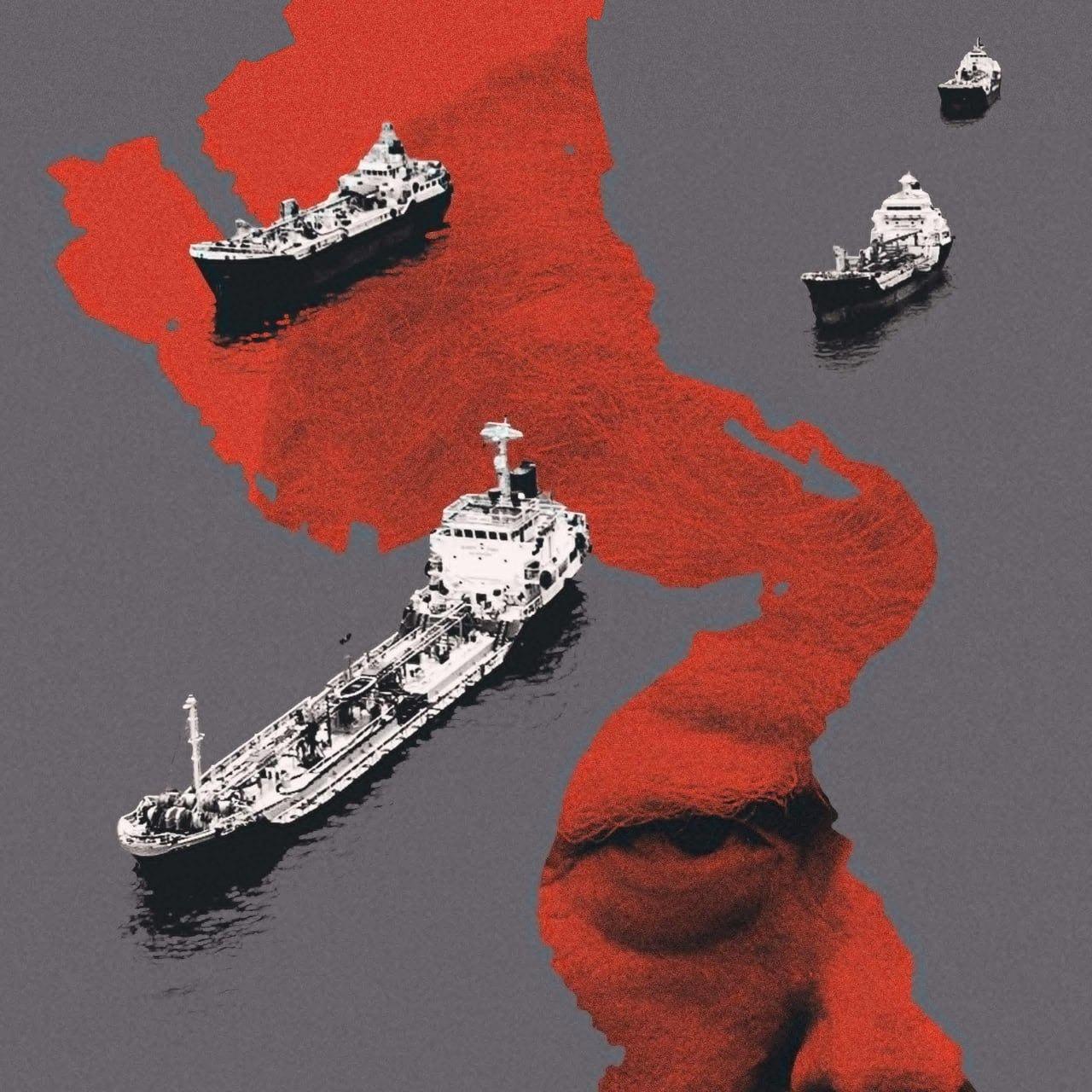
France’s deployment of an aircraft carrier strike group to the Red Sea signals that Europe is trying to prevent the Hormuz crisis from turning into a full-scale global oil shock.
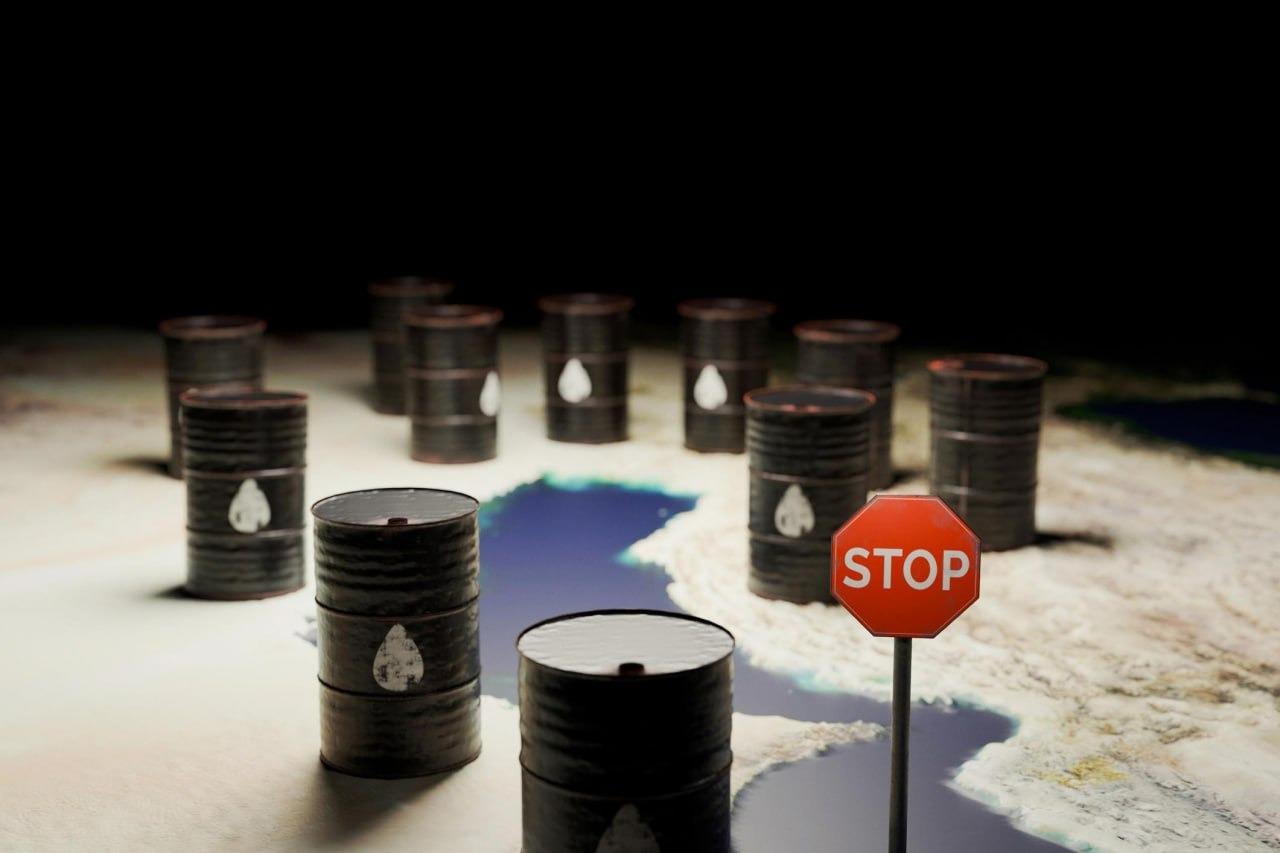
If the strategic waterway remains disrupted, the consequences will extend far beyond rising oil prices. It could fuel inflation, disrupt shipping networks, and damage already fragile global supply chains.
The Strait of Hormuz is one of the world’s most critical energy corridors, with nearly one-fifth of global oil supplies passing through it. As a result, any disruption or uncertainty surrounding the strait can immediately shake global energy markets and trigger fears of inflation and economic instability.
Through his talks with President Pezeshkian, President Macron expressed Paris’ support for a ceasefire framework and acknowledged that both the US naval blockade and Israeli strikes in Lebanon constituted violations of the ceasefire.
Macron also stated that France is prepared to help advance negotiations and participate in efforts to ease sanctions on Tehran.
For Europe, the Hormuz crisis is no longer merely a Middle Eastern security issue. It has become an economic stability issue that threatens energy prices, inflation, and Europe’s already fragile economic recovery following multiple global crises in recent years.
Europe, which is already struggling with high energy costs and slow economic growth, has little desire to witness the emergence of another major oil crisis.
This explains why Macron is not only urging “all parties” to reopen Hormuz, but is also advocating for a multinational mission to ensure safe navigation through the region.
For Europe, keeping Hormuz open is no longer just a military or diplomatic objective — it is an attempt to protect global economic stability before an oil crisis expands beyond the battlefield.
ASEAN Fears a Cost-of-Living Crisis
Concerns over the conflict are no longer limited to Europe and the United States. In Asia, particularly within ASEAN, fears over rising oil prices and the increasing cost of living are rapidly becoming major issues.
At the ASEAN Summit in the Philippines, regional leaders have focused heavily on the economic impact of the Iran conflict and the uncertainty surrounding the Strait of Hormuz.
ASEAN’s concerns are understandable. Many countries in the region rely heavily on imported energy and oil supplies from the Gulf region. If tensions in Hormuz continue, the consequences could spread far beyond energy markets and affect transportation costs, food prices, and the daily lives of millions of people across Asia.
During this week’s summit, ASEAN leaders reportedly described the current era as a “stress test decade,” reflecting concerns that the region’s economic resilience is being tested by geopolitical instability, energy insecurity, and rising global uncertainty.
This means that a war taking place thousands of kilometers away in the Middle East could still force people in Manila, Bangkok, Phnom Penh, or Jakarta to pay more for fuel, transportation, and basic goods.
In this sense, the Strait of Hormuz is no longer merely a “military chokepoint.” It has evolved into a “global economic pressure point” that may ultimately determine whether the war continues or whether international pressure forces a faster political settlement.
Conclusion
The war is far from over. Israel continues its military operations in Lebanon, while Iran maintains firm red lines regarding its nuclear program and its sovereignty over the Strait of Hormuz.
But the defining difference today is that the pressure surrounding the conflict is no longer coming solely from the battlefield. It is also coming from global oil markets, the world economy, and the growing fears of hundreds of millions of ordinary people struggling with rising living costs.
As the war increasingly threatens not only regional security but also global economic stability, the pressure to find an end to the conflict is shifting away from the battlefield and toward oil markets, energy prices, and the daily economic survival of people around the world.
The major question now emerging is whether the international community can push the Iran war toward a political exit before an oil crisis and global economic pressures grow larger than the battlefield itself.