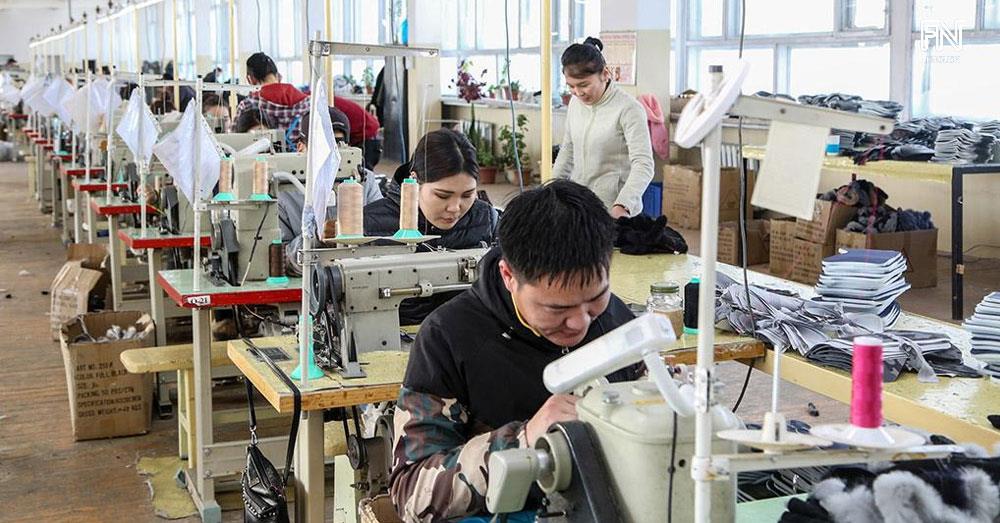
(Phnom Penh): Greater specialization in the stages of global production has helped Asia and the Pacific achieve economic growth, create jobs, and reduce poverty over the past quarter century, according to the Asian Development Bank’s (ADB) Asian Development Policy Report 2026, launched at ADB’s 59th Annual Meeting.
The report, titled Global Value Chains and Inclusive Development, finds that the region accounts for a third of global value chain trade, with its developing economies doubling their share from 9 per cent to 18 per cent from 2000 to 2023.
Some economies, particularly in East and Southeast Asia, have become deeply embedded in regional and global production networks, occupying central positions that allow them to capture significant value addition. Others, including many smaller, lower-income, or geographically remote economies, have participated less and remain largely excluded from these networks.
“Greater geoeconomic fragmentation reduces the opportunities for firms to benefit from global value chains, which risks stifling industrialization and growth in economies stuck in low-value roles,” said ADB Chief Economist Albert Park. “To bridge the gap, support for less-developed economies is crucial to help them take advantage of emerging technologies and to strengthen infrastructure, logistics, and the business environment to enhance productivity and competitiveness.”
While the ability to specialize in narrow segments of the production process has enabled rapid integration into global markets, the benefits of global value chains remain uneven, mainly benefiting large productive firms. Meanwhile, small and medium-sized enterprises face barriers due to high compliance costs and limited capabilities.
Geopolitical tensions, supply chain disruptions, and rapid technological changes are reshaping how economies participate in global value chains. The report identifies three policy priorities to support global value chain integration:
- Resilience is becoming an increasingly important aspect of competitiveness. Increased uncertainty and fragmentation have raised the importance of reliability, adaptability, and risk management. Strengthening resilience requires coordinated improvements in robust connective infrastructure, the capability of firms to respond flexibly to changing circumstances, and policy frameworks that enable diversification of markets, inputs, and partnerships.
- Environmental sustainability is increasingly shaping the conditions for participation in global value chains. Compliance with evolving environmental and sustainability standards is becoming a general requirement across global value chains. Strengthening policies in areas such as standards, certification, and traceability can help firms to adopt cleaner technologies and production processes.
- Inclusion remains a central objective across all stages of integration. Achieving inclusive outcomes requires coordinated actions that reduce trade costs through infrastructure investment, open trade policies, and trade facilitation; develop worker skills and firm capabilities; and support access for small and medium-sized enterprises to finance, digital platforms, and export opportunities.
ADB is a leading multilateral development bank supporting sustainable, inclusive, and resilient growth across Asia and the Pacific. Working with its members and partners to solve complex challenges together, ADB harnesses innovative financial tools and strategic partnerships to transform lives, build quality infrastructure, and safeguard our planet. Founded in 1966, ADB is owned by 69 members, 50 from the region.
=FRESH NEWS