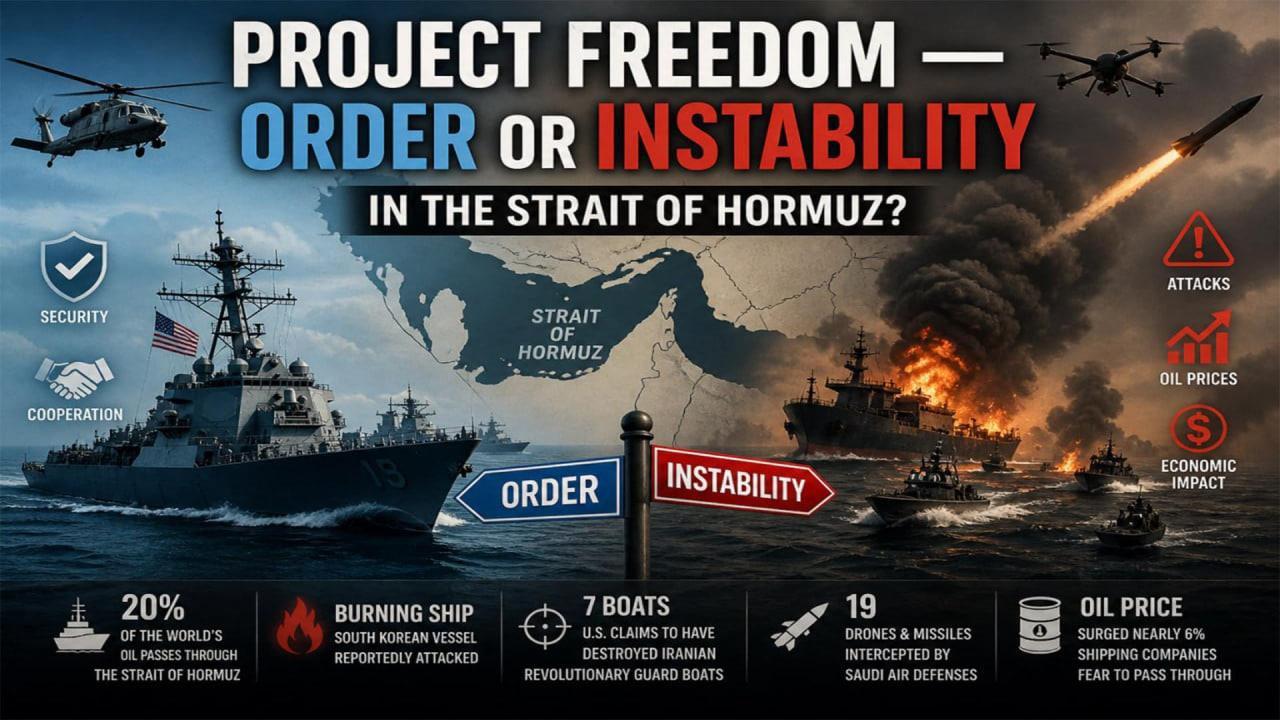
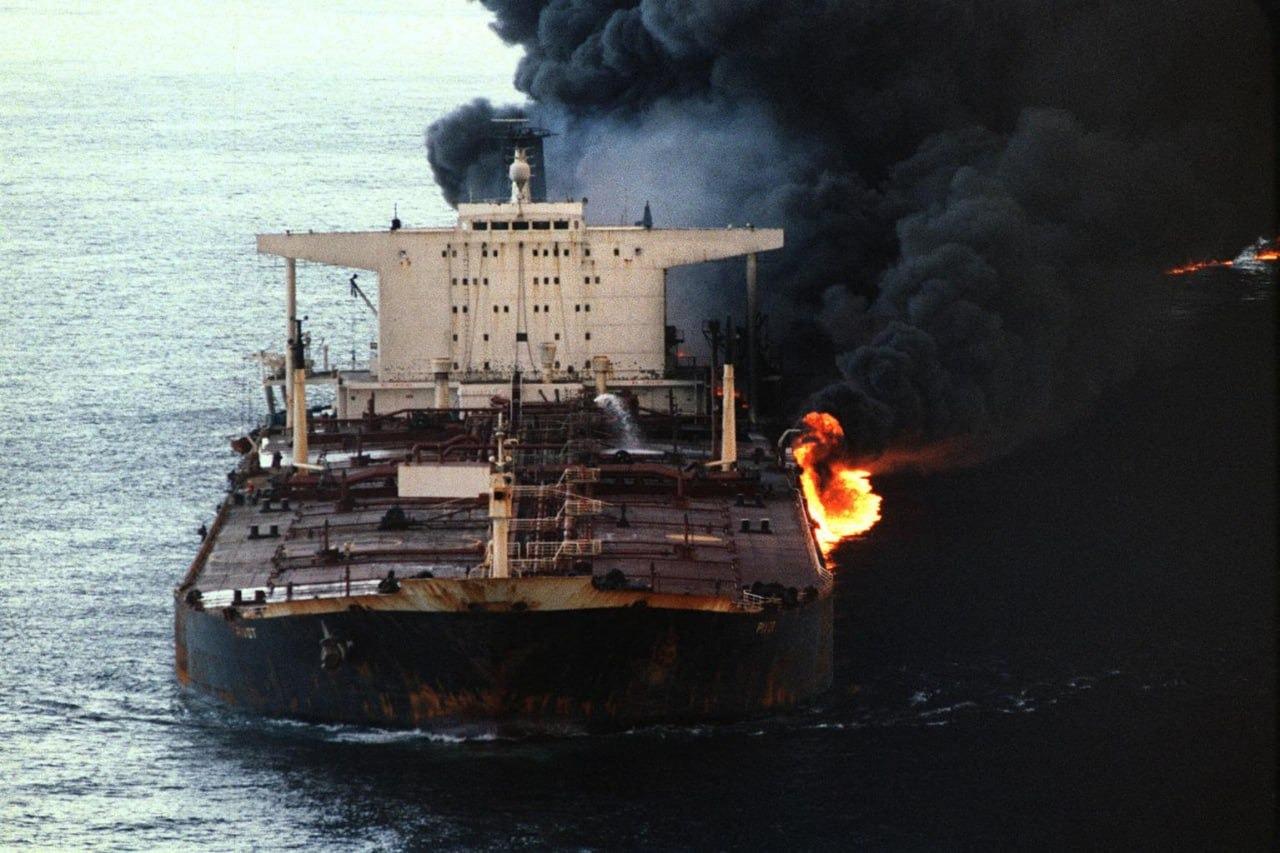
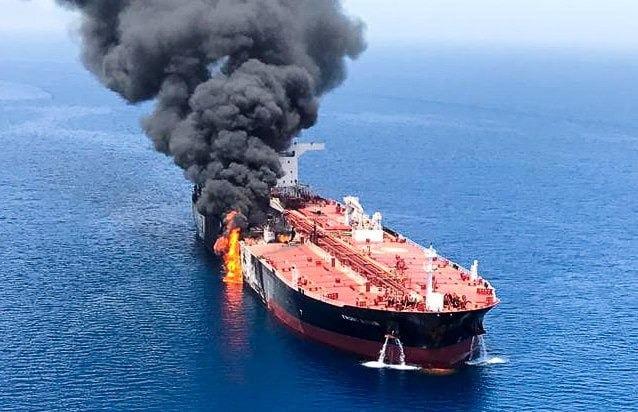
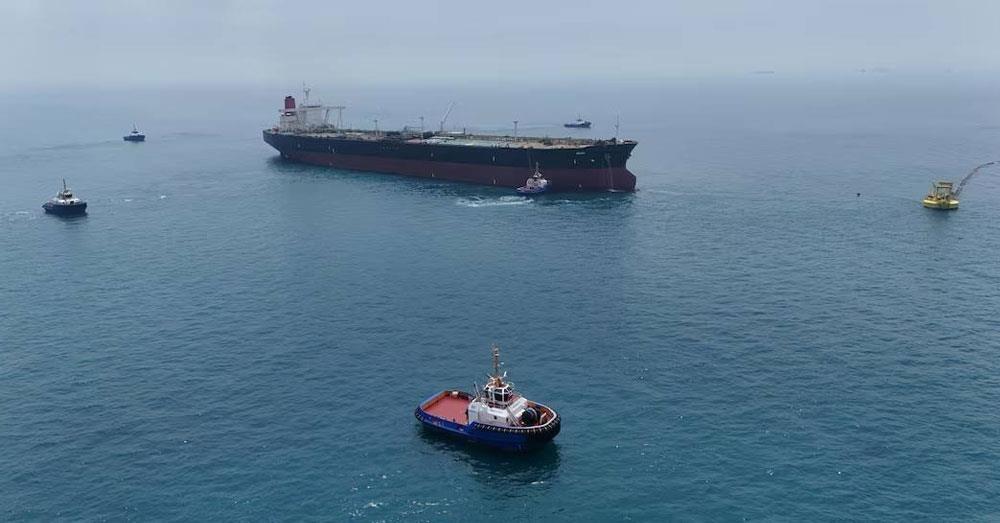
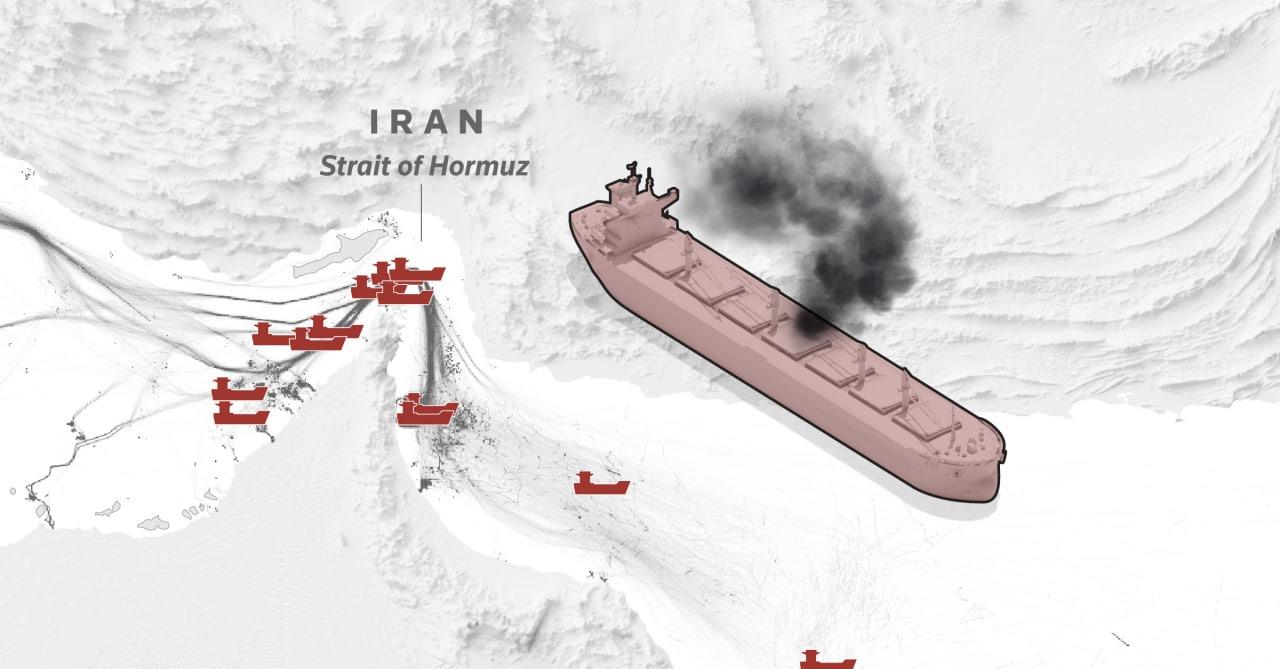
(Phnom Penh): On the very first day of the United States’ “Project Freedom,” an operation intended to restore order in the Strait of Hormuz, a commercial vessel engulfed in flames was being towed away from one of the world’s most critical maritime chokepoints.
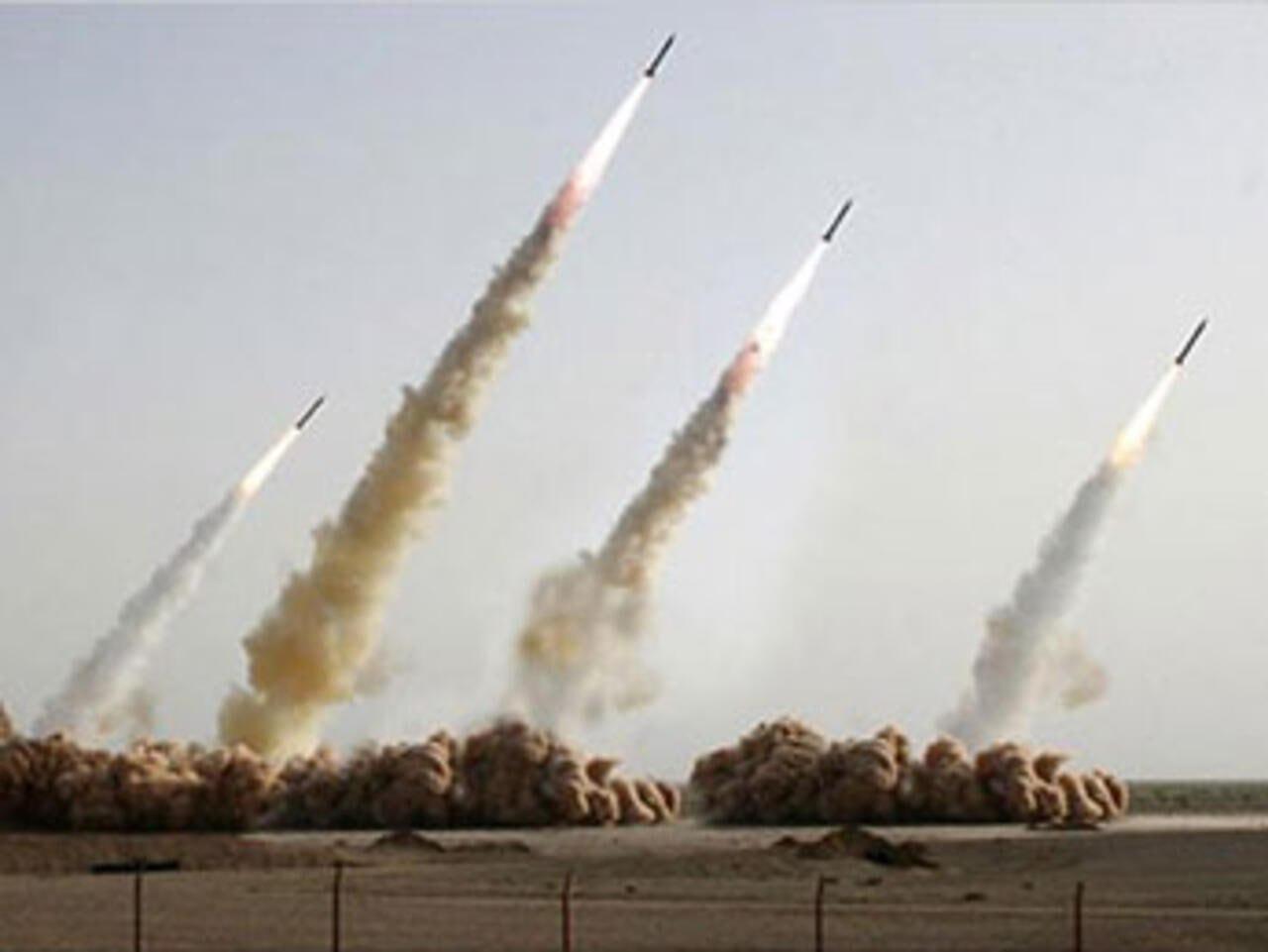
On that same day, the skies above the region turned into a new battlefield, as drones and missiles were exchanged. Air defense systems reportedly intercepted at least 19 projectiles amid escalating tension, while a major fire broke out at the Fujairah oil industrial zone.
At sea, the US Navy claimed it had destroyed seven small boats believed to be linked to Iran in the Strait of Hormuz.
These developments signal a clear reality: military confrontation is reigniting at the very moment “Project Freedom” has just begun.
From “Protection” to Strategic Disorder
“Project Freedom” was presented as a mission to secure maritime navigation and break the deadlock in the Strait of Hormuz. Yet developments on its first day suggest the opposite.
Rather than ensuring security, the operation appears to be generating strategic disorder—raising the risk of escalation from a regional confrontation into a broader global security and economic crisis.
Reality vs. Security Claims
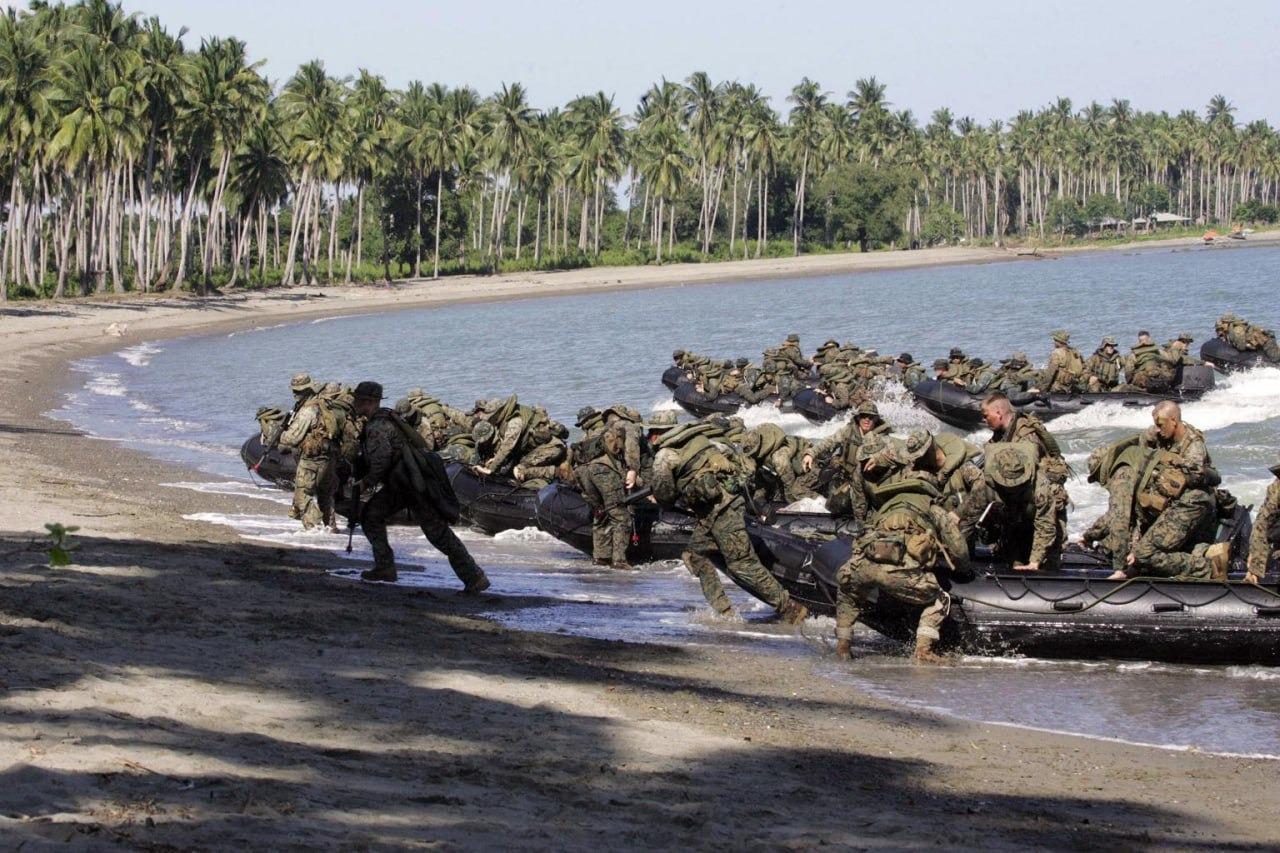
The United States has framed “Project Freedom” as a protective mission to secure commercial shipping routes in the Arabian waters, backed by significant military deployment and advanced weaponry.
However, the reality on the ground tells a different story. The relative calm maintained under a ceasefire has quickly unraveled. A South Korean commercial vessel caught fire, while reports indicate that at least five people were killed following US strikes on seven fast-moving boats. Iran has rejected the US claim, stating that the vessels were civilian boats carrying goods and passengers.
Iran’s Foreign Minister, Abbas Araghchi, underscored the broader implication:
“Events in Hormuz clearly show that there is no military solution to a political crisis.”
Meanwhile, US President Donald Trump issued a stark warning that Iran would be “blown off the face of the Earth” if US naval vessels were targeted. This followed Iranian claims that missiles had struck a US warship—claims swiftly denied by Washington.
Together, these conflicting narratives highlight a troubling reality: despite strong military presence and assertive rhetoric, security in the Strait of Hormuz remains fragile and uncertain.
Day One Impact: A Global Economic Shock
The Strait of Hormuz is not just another maritime passage—it is a vital artery of the global economy, carrying roughly 20% of the world’s oil supply.
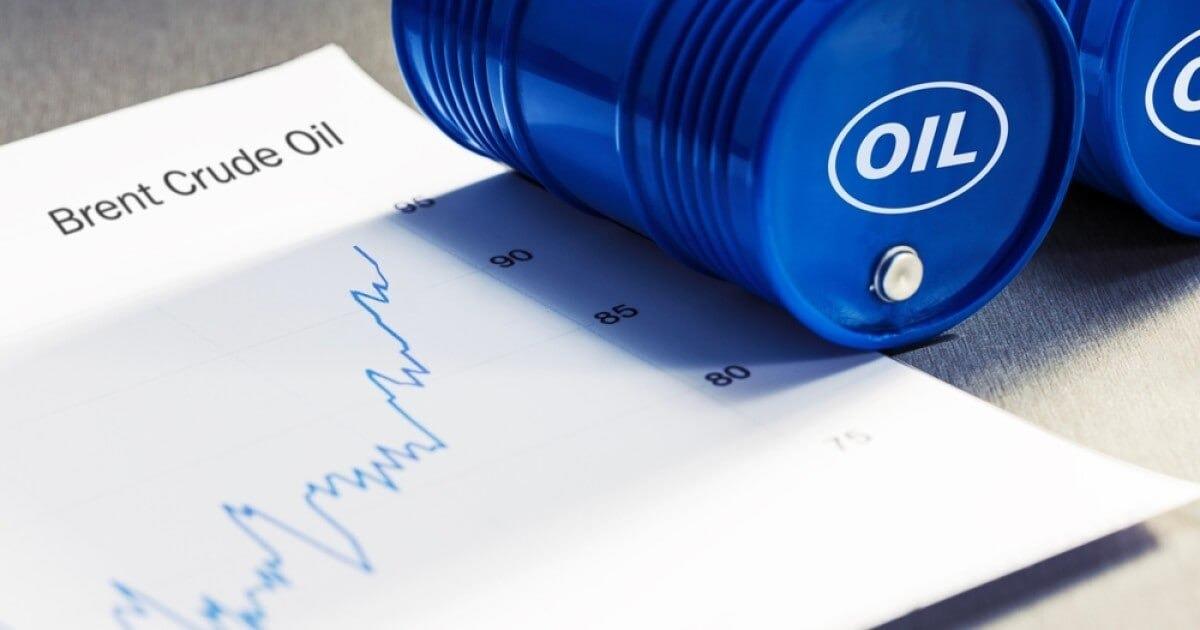
Even minor disruptions can trigger major market reactions. On the first day of “Project Freedom,” oil prices responded immediately. Brent crude surged nearly 6% to $114.44 per barrel on Monday before easing slightly to $113.54 on Tuesday morning.
At the same time, heightened risk perception has led to a noticeable decline in shipping activity, as companies hesitate to transit the strait despite US security assurances.
These signals suggest a widening gap between political assurances and market confidence.
In the end, what has not declined is risk—both economic and strategic—and the true cost is being borne globally.
Diplomacy Amid Escalation
Drone and missile strikes on the United Arab Emirates demonstrate that the conflict is no longer confined to the Strait of Hormuz.
International reactions have been swift. Countries including Germany, France, the United Kingdom, and Canada have condemned the attacks and expressed deep concern.
German Chancellor Friedrich Merz called on Tehran to return to negotiations, warning:
“Iran must stop holding the world hostage.”
At the same time, Iran maintains that diplomacy remains the only viable path forward, reiterating that “there is no military solution to a political crisis,” even as talks continue through Pakistani mediation.
This reflects a growing contradiction: escalating military pressure alongside narrowing diplomatic space.
Conclusion
“Project Freedom” has yet to deliver credible control over the situation. Instead, it is creating an increasingly unpredictable environment, where efforts to secure maritime routes risk fueling further instability.
What was intended as a protective mission is now evolving into a source of uncertainty—potentially reopening the path toward renewed conflict after a fragile ceasefire.
The central question is no longer whether the United States can secure the waterway. It is:
Can the world prevent the Strait of Hormuz from becoming the flashpoint of a much larger war?
Because in the end, the highest price will not be paid by major powers, but by vulnerable economies—particularly poorer nations—already exposed to energy instability and rising costs of living.