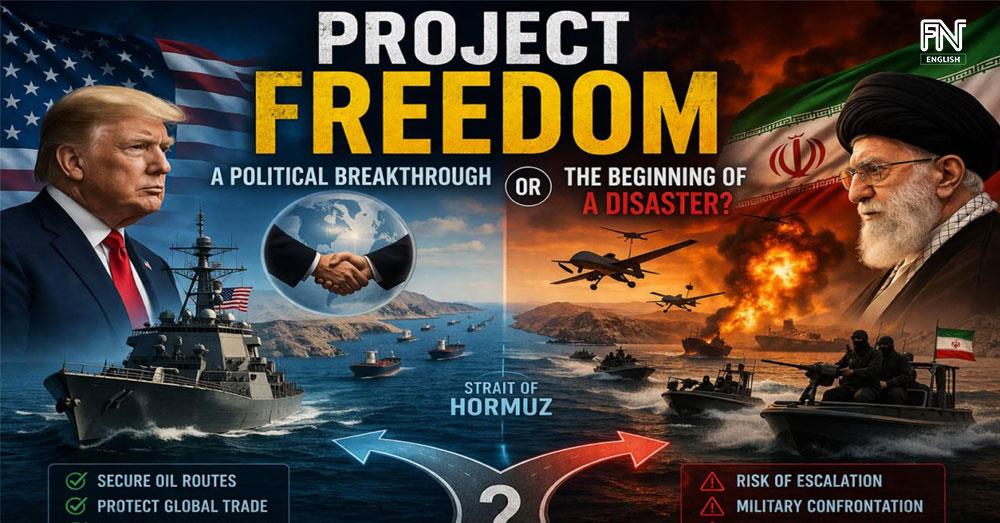
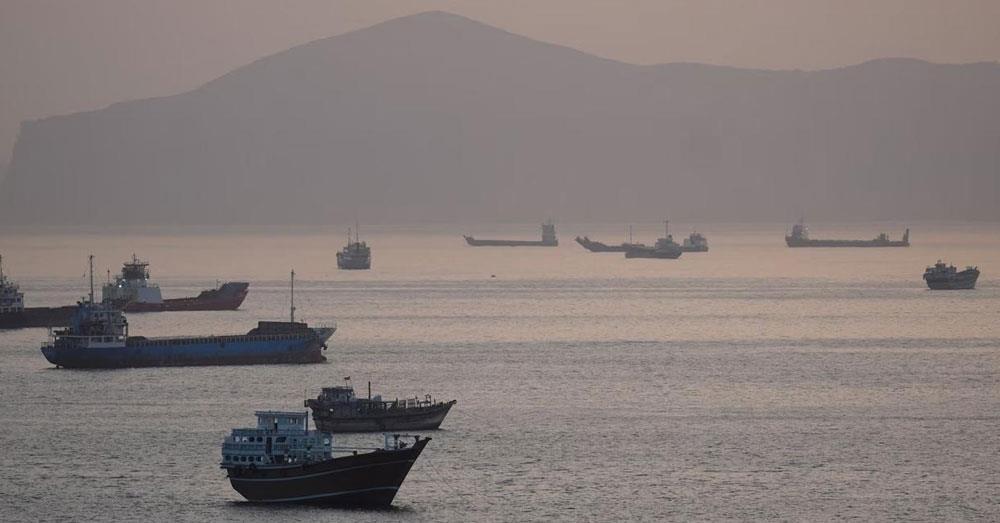
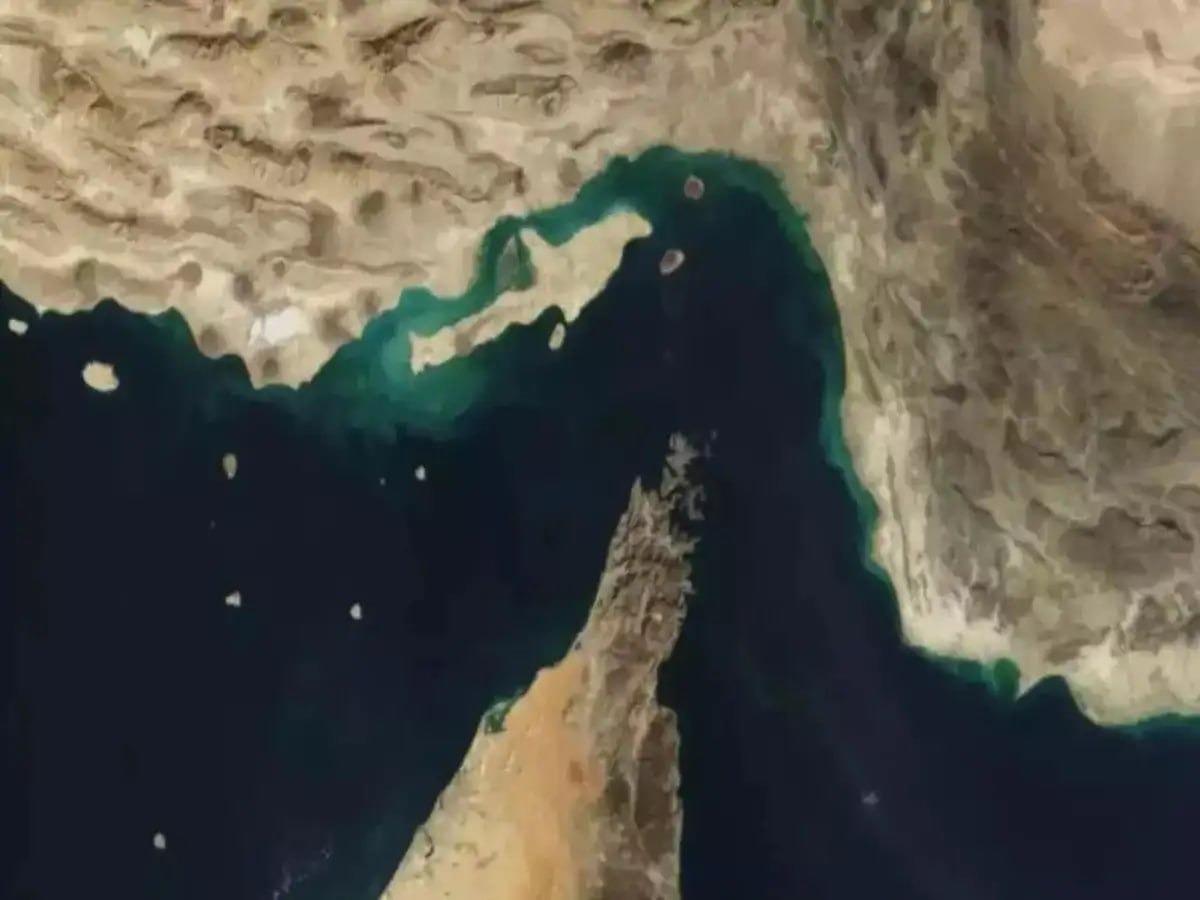
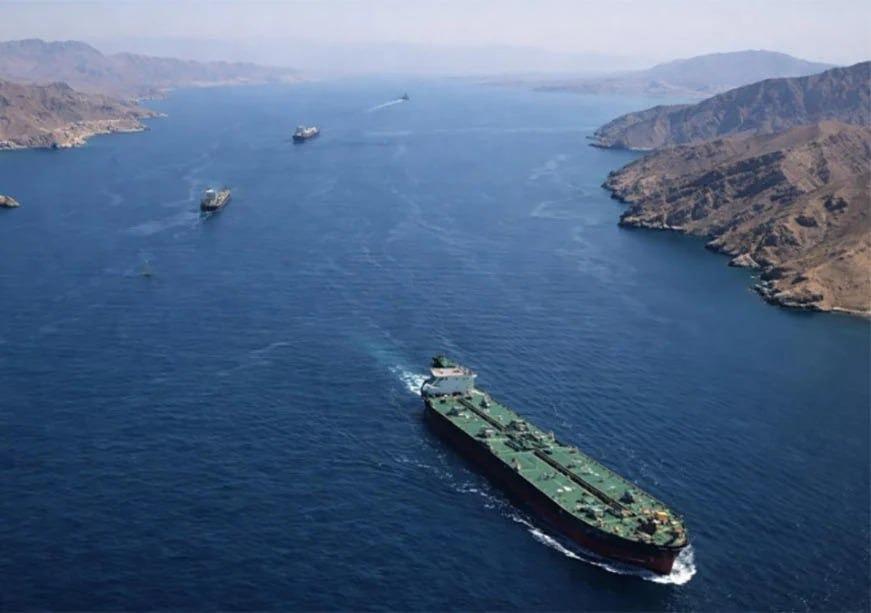
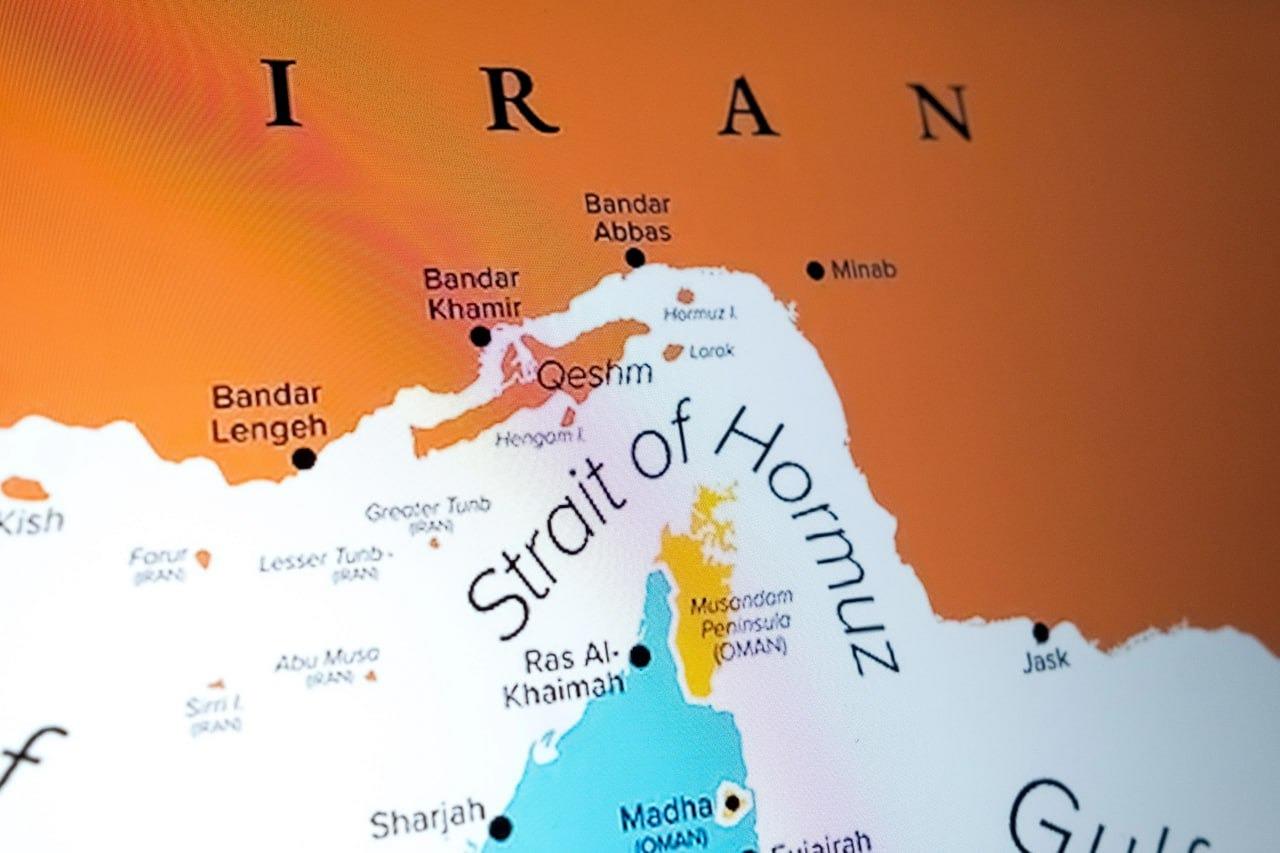
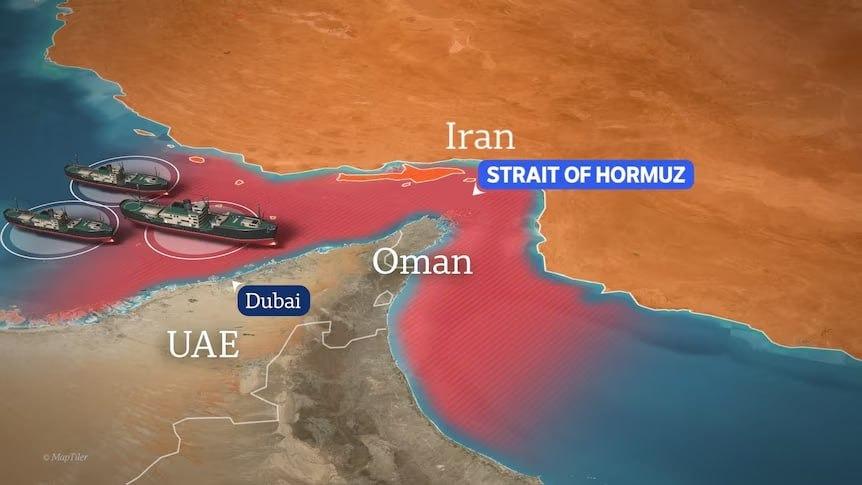
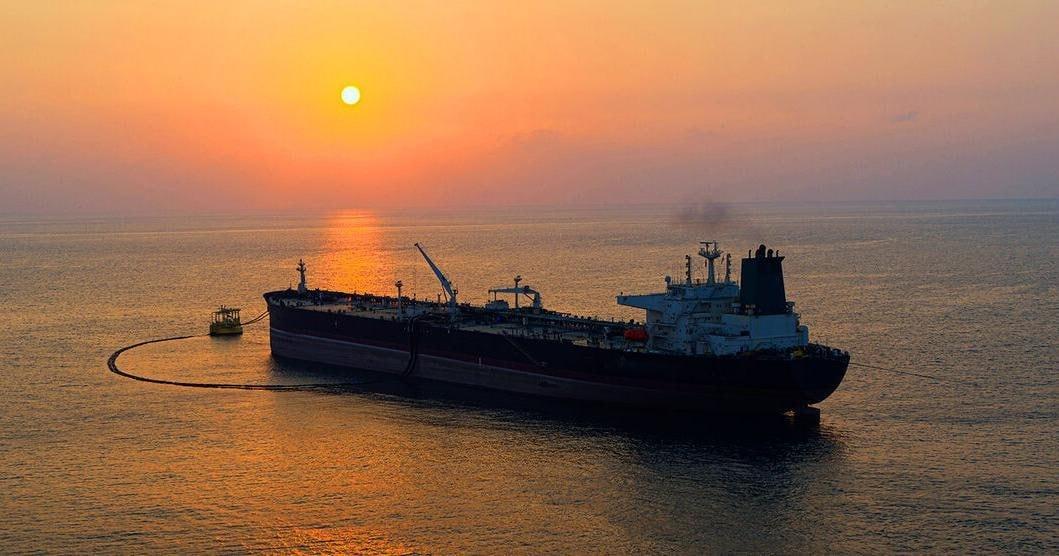
(Phnom Penh): As commercial vessels begin transiting the Strait of Hormuz under the protection of the United States Navy, the world may breathe a cautious sigh of relief. Yet beneath this fragile calm, a critical question emerges: Is this a turning point toward stability, or the opening chapter of a new and dangerous escalation?
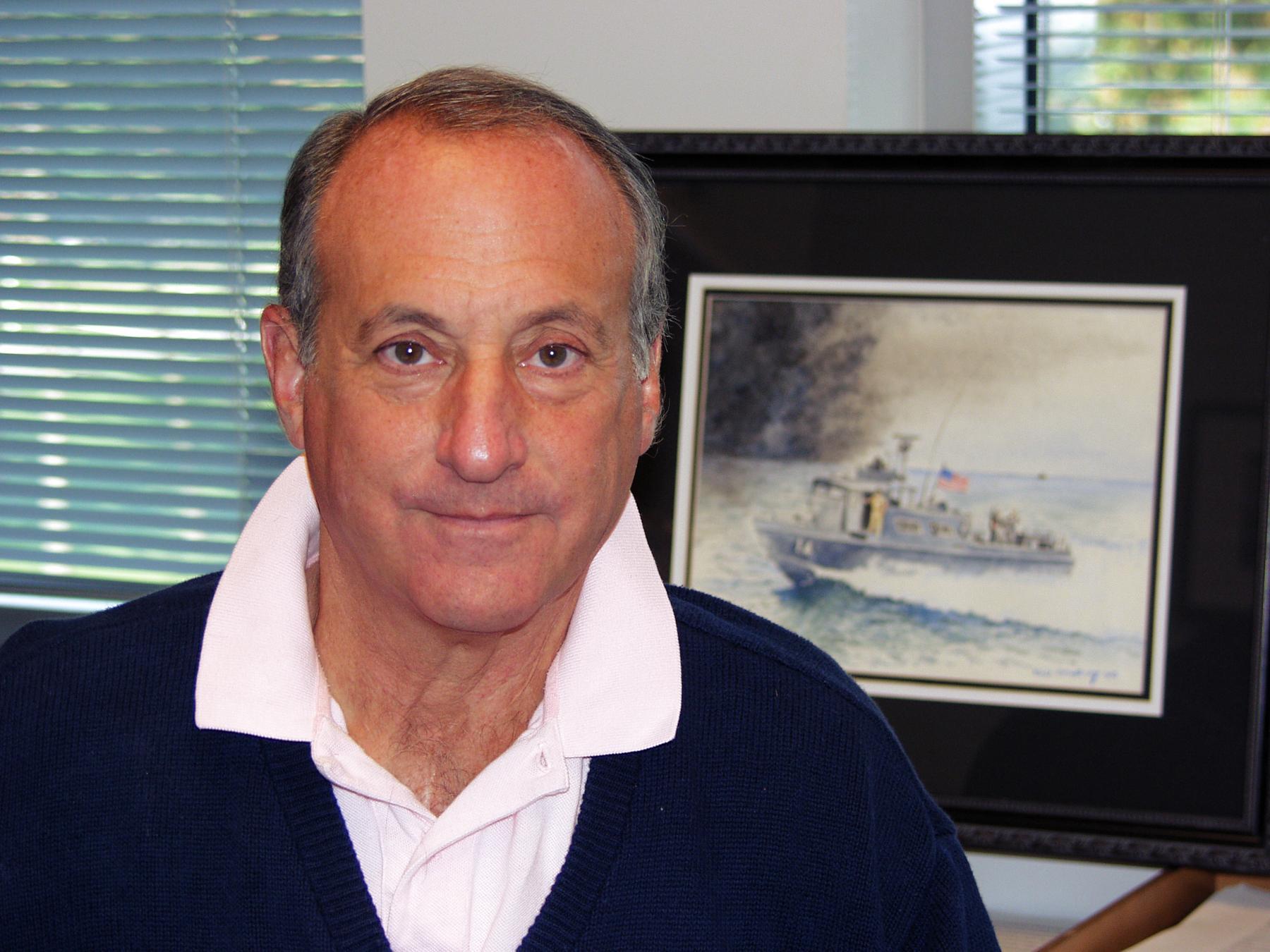
The “Project Freedom” operation led by Donald Trump has been framed as a humanitarian effort aimed at reopening one of the world’s most vital maritime corridors. However, strategic analyst Harlan Ullman has warned that if the mission is not fully planned and lacks prior diplomatic coordination, it could become a trigger for escalating conflict.
This underscores a crucial reality: Project Freedom is not merely about reopening a sea lane—it is a complex strategic contest between military power and crisis management through diplomacy.
Military Control Without a Political Buffer
Escorting commercial vessels may appear to be a straightforward security measure. In reality, it represents military control over a critical global chokepoint.
The core issue is the absence of a “political buffer”—that is, prior negotiation or mutual understanding. Without this, military deployment becomes a standalone force operating in a constant state of readiness for confrontation.
Such a posture does not create stability. Instead, it sustains persistent tension that can erupt at any moment.
The greatest danger lies in a minor incident—whether a technical error or a small-scale provocation—that could rapidly escalate into a major crisis. In this context, using military power without political backing is not a stabilizing solution; it is a potential trigger for large-scale conflict.
The Asymmetric Trap
In contested environments like the Strait of Hormuz, overwhelming military power does not always translate into strategic advantage. On the contrary, it can fall into an asymmetric trap, where a weaker adversary employs simple but highly effective tactics.
Iran does not need large-scale force projection. Instead, it can deploy:
- Swarms of drones
- Fast attack craft
- Continuous harassment operations
These tactics do not need to achieve total destruction. They only need to create instability and force the United States into a permanent defensive posture.
In such conditions, a superior military force is compelled to operate in an environment it cannot fully control—turning strength into strategic vulnerability.
One Incident Away from Escalation
When opposing forces operate in close proximity, the greatest risk lies not in grand strategy, but in a single unforeseen incident.
As Harlan Ullman has warned, if a US warship is struck, retaliation becomes unavoidable. This would likely trigger:
- Immediate counterstrikes
- Reciprocal retaliation
- A rapid escalation cycle
This dynamic—known as an escalation spiral—is notoriously difficult to contain once initiated.
Under such conditions, Project Freedom ceases to be a routine security operation. Instead, it becomes a high-stakes gamble, where a defensive mission could quickly transform into full-scale conflict.
Diplomacy — The Missing Half
The central weakness of Project Freedom lies not in its military dimension, but in what is missing: diplomacy.
According to Harlan Ullman, a sustainable solution cannot rely on military action alone. It requires the reopening of the Strait, followed by long-term diplomatic engagement with Iran.
If Project Freedom is coordinated in advance with mediators—such as Oman, Pakistan, or Saudi Arabia—it could serve as a first step toward de-escalation.
However, without such groundwork, it risks becoming a half strategy—one that relies on force without offering a political exit.
In this context, military action without diplomacy does not resolve the crisis. It merely prolongs it while introducing new risks that could spiral beyond control.
Conclusion: Between Breakthrough and Disaster
Project Freedom stands at a critical crossroads in the US–Iran confrontation. It is not merely a maritime operation—it is a strategic test of whether military power can manage a complex geopolitical crisis.
If carefully executed, supported by diplomacy, and coordinated internationally, it could become a political breakthrough, reopening the Strait and easing global tensions.
But if it remains a display of force without diplomatic backing or long-term planning, it could evolve into a disaster, reigniting conflict on a scale the world hopes to avoid.
Military power may be capable of reopening the Strait. But only diplomacy can close the crisis.