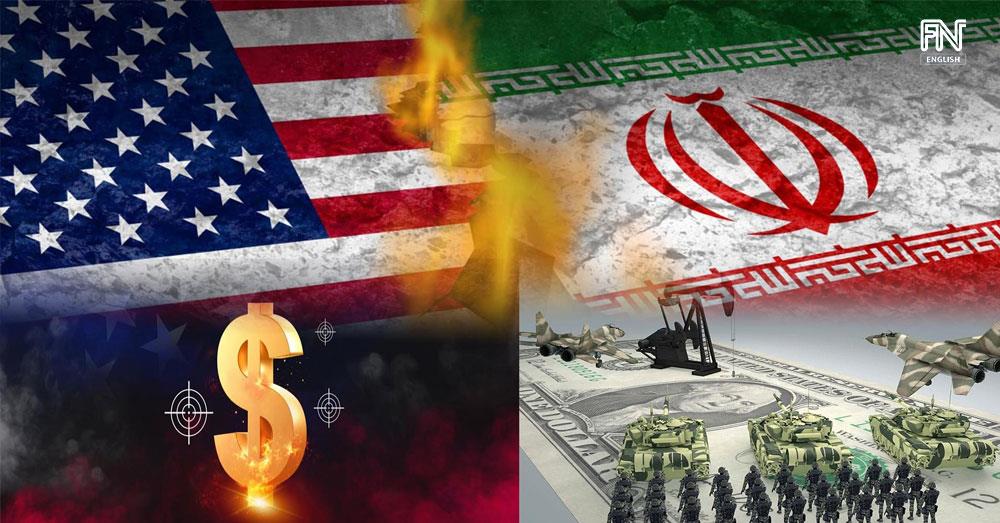
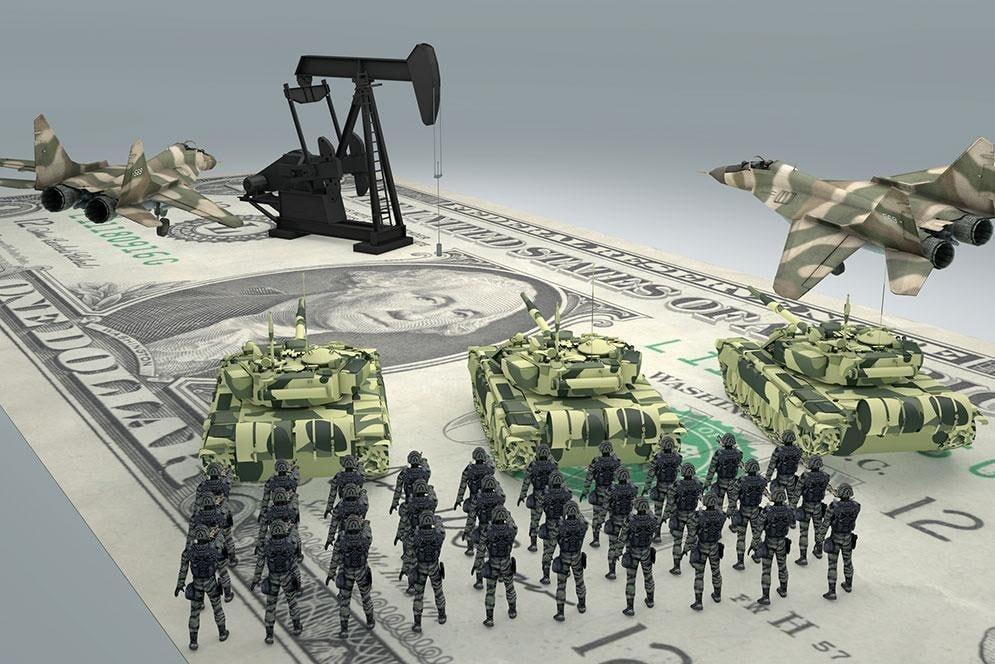
(Phnom Penh): In just 60 days, the United States has spent at least $25 billion—equivalent to more than $416 million per day—on military operations against Iran. Yet despite possessing unmatched military power and vast financial resources, achieving a decisive victory over Tehran remains highly elusive.
The US–Iran conflict illustrates a defining paradox of modern warfare. While Washington relies on overwhelming financial strength and advanced military technology, Iran has adopted asymmetric warfare, focusing on lower-cost strategies capable of inflicting high-impact damage. This has transformed the conflict into a contest not of sheer power, but of strategy and endurance.
The Most Expensive War—Without a Clear Victory
Spending $25 billion over 60 days translates to roughly $416–417 million per day. However, CNN reports indicate that the real cost could rise to $40–50 billion, equivalent to $600–800 million per day when factoring in repairs to damaged military bases and replacement of destroyed assets.
While Donald Trump continues to claim “victory,” the reality on the ground tells a different story. Iran has maintained retaliatory strikes, damaging US military bases, personnel, and strategic assets across the Middle East. Rather than moving toward resolution, the war is evolving into a prolonged war of attrition, demanding ever-increasing financial commitments.
This gap between political claims and battlefield realities has raised growing doubts among international observers.
Criticism has also emerged from European allies. Friedrich Merz, Germany’s chancellor, stated that the United States has been “humiliated” by Tehran and criticized the Trump administration for lacking an effective strategy to end the war. His remarks have intensified tensions between Washington and its European partners.
Iran’s Asymmetric Warfare Advantage
According to CNN, within the first 48 hours following US strikes on Tehran, Iranian forces launched rapid and coordinated retaliation, damaging at least nine US military sites across the Gulf region, including in Bahrain, Kuwait, Iraq, United Arab Emirates, and Qatar.
These attacks reportedly destroyed key defense systems, including THAAD missile defense radar, as well as an advanced E-3 Sentry (AWACS) surveillance aircraft in Saudi Arabia.
From a strategic perspective, Iran’s approach is clear: target high-value assets while minimizing its own costs. Rather than confronting US power directly, Tehran focuses on disruption, system degradation, and prolonging the conflict.
For Iran, victory does not require defeating the United States outright. Instead, it means forcing its opponent to spend more, weaken over time, and lose strategic momentum.
Alliance Strains and Growing Isolation
The enormous financial burden of the war has not translated into victory—and has also weakened US alliances.
Following criticism from Friedrich Merz, Donald Trump threatened to reduce or withdraw US troops from Germany and extended similar warnings to Italy and Spain. In a Truth Social post, he indicated that Washington is reviewing its military presence in Europe.
Trump also criticized Italy for “not being helpful” and expressed strong dissatisfaction with Spain, further escalating tensions.
Meanwhile, Marie-Agnes Strack-Zimmermann, a German Member of the European Parliament, warned that public trust in the United States has declined significantly. She emphasized that confidence in the White House under Donald Trump differs sharply from earlier administrations led by Joe Biden, Barack Obama, and Bill Clinton.
This highlights a critical reality: the cost of war extends beyond financial and military losses—it includes political and diplomatic damage, weakening one of America’s core sources of global power: its alliances.
Global Economic Fallout
Beyond the battlefield, the war is pushing the global economy toward increasing instability.
Washington’s strategy relies less on direct military invasion and more on economic pressure, including restricting Iranian oil exports and disrupting key shipping routes. The goal is to weaken Iran economically rather than through full-scale military confrontation.
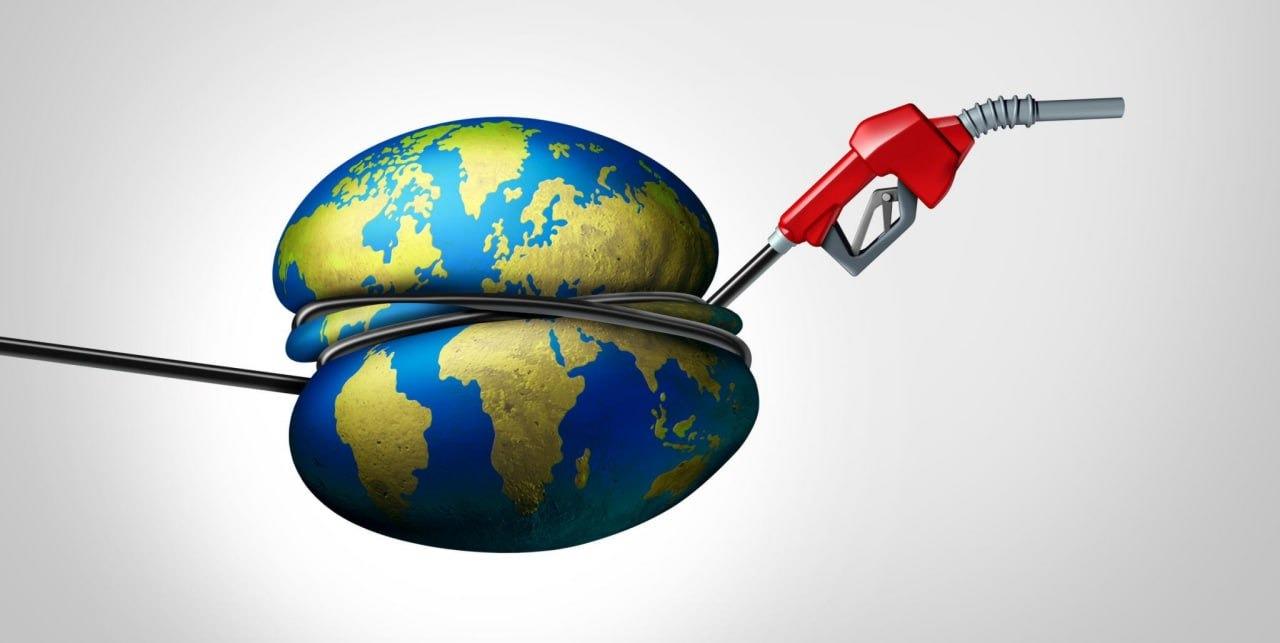
However, such strategies have far-reaching consequences. Modern economic warfare cannot be contained within borders. While pressure is applied to Iran, the repercussions ripple through global energy markets and financial systems.
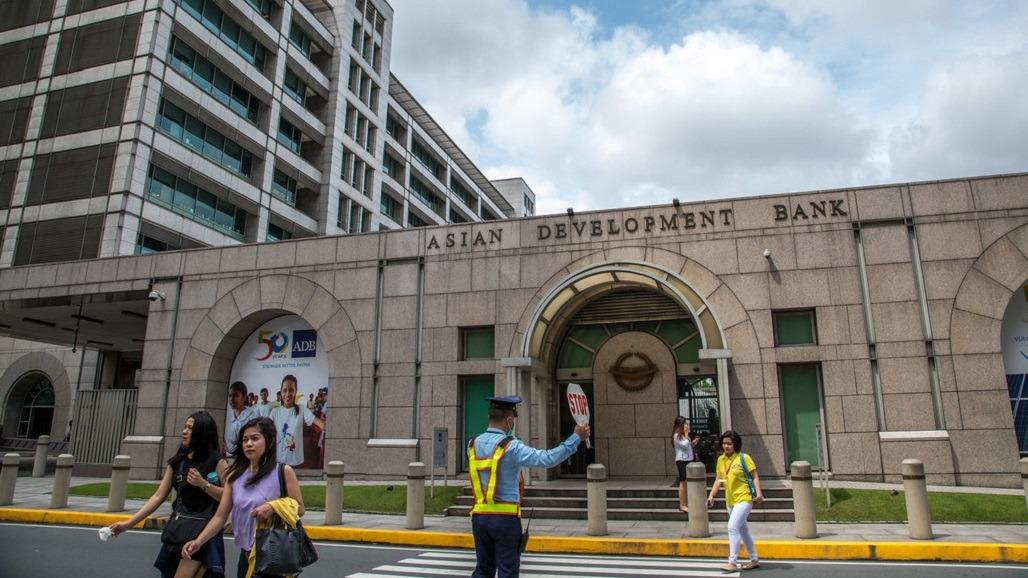
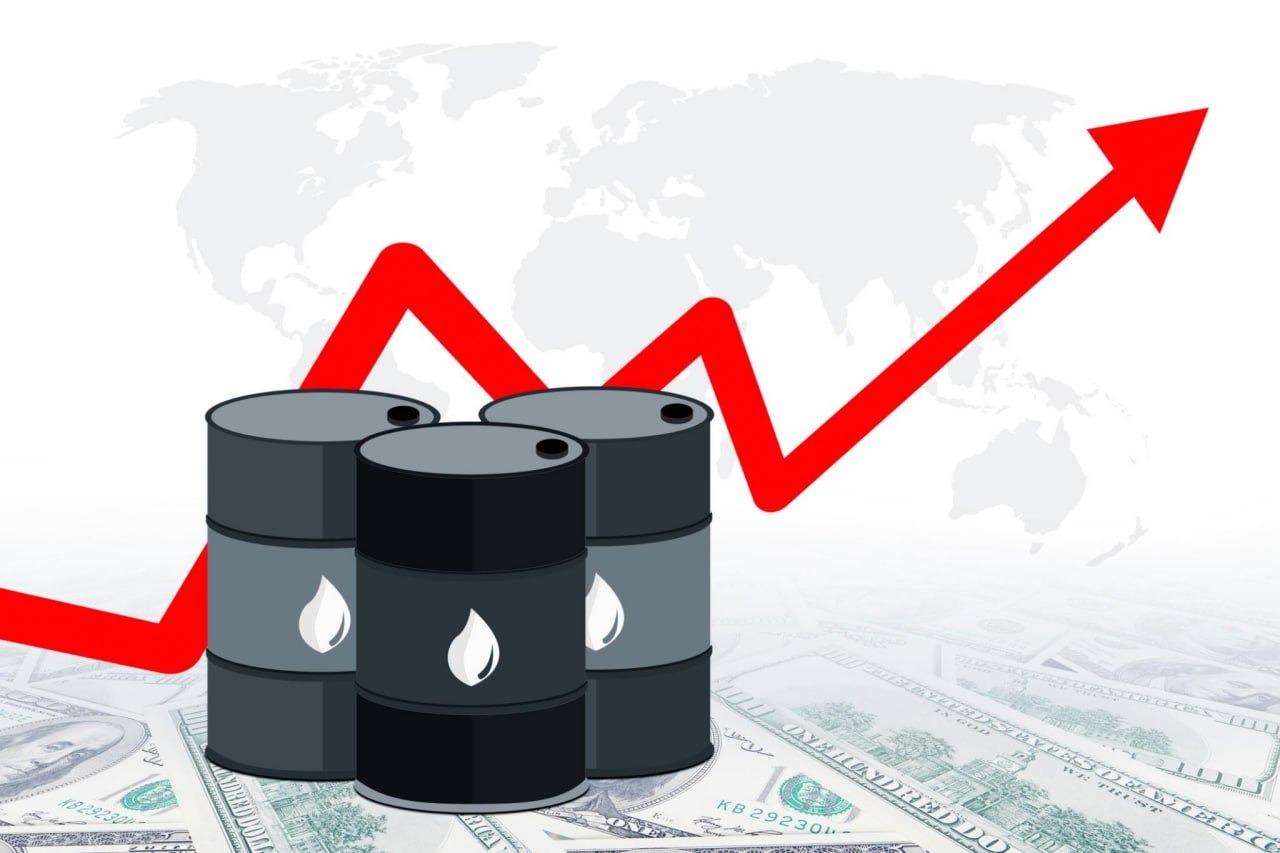
Rising oil prices and supply disruptions are fueling inflation worldwide. Asian Development Bank has downgraded Asia’s economic growth forecast from 5.1% to 4.7%, while raising inflation projections from 3.6% to 5.2%, signaling mounting economic pressure.
As energy costs rise and inflation intensifies, the US–Iran conflict is evolving from a regional confrontation into a global economic crisis, affecting nations far beyond the original battlefield.
Conclusion
The US–Iran war clearly demonstrates that massive spending does not guarantee victory. While the United States spends over $416 million per day, Iran relies on low-cost, high-impact strategies to turn the conflict into a prolonged war of attrition.
The fundamental question is no longer whether the United States can win—but rather:
How long can it sustain the cost of this war?
Ultimately, this conflict resembles “swallowing a hot potato”—something that cannot be easily abandoned, yet cannot be endured for long without consequences.