(Phnom Penh): As the administration of Donald Trump intensifies military and economic pressure on Iran—through port blockades and efforts to restrict its oil exports—the objective appears clear: to exhaust Tehran before bringing it to the negotiating table. Yet, as this pressure campaign escalates, a critical question continues to surface: who is truly being exhausted—Iran, or the world at large?
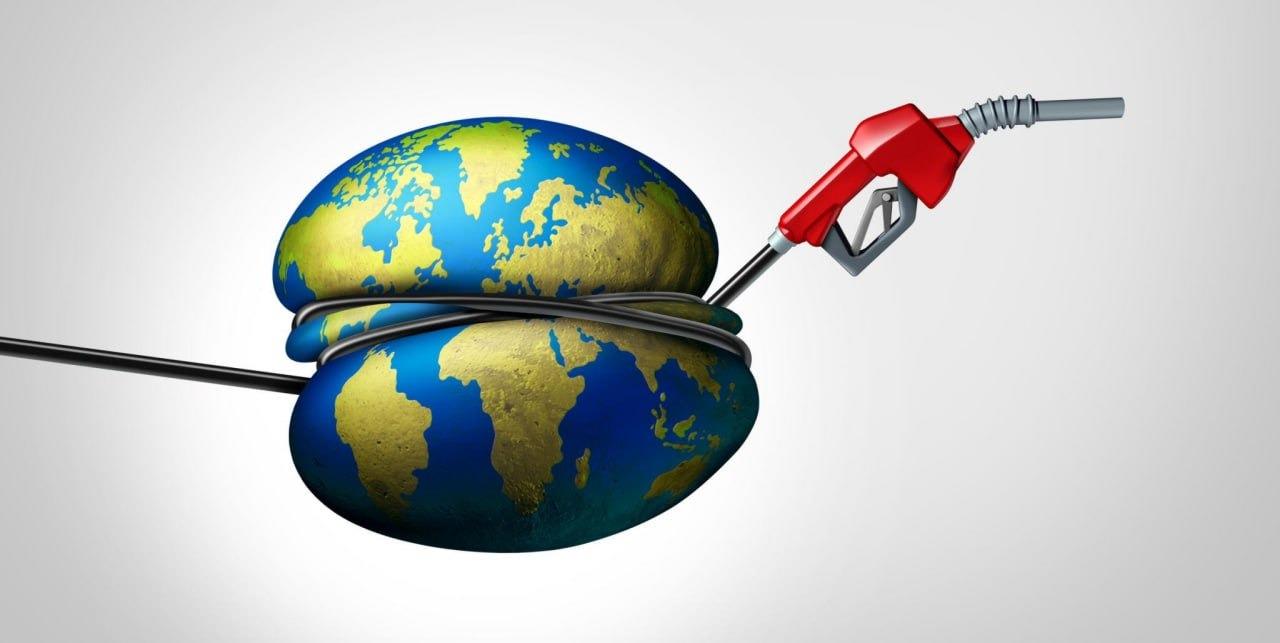
In modern warfare, where conflict is no longer defined solely by gunfire but increasingly by economic pressure and control over energy resources, the battlefield is no longer confined to a specific territory. Instead, it extends into global markets.
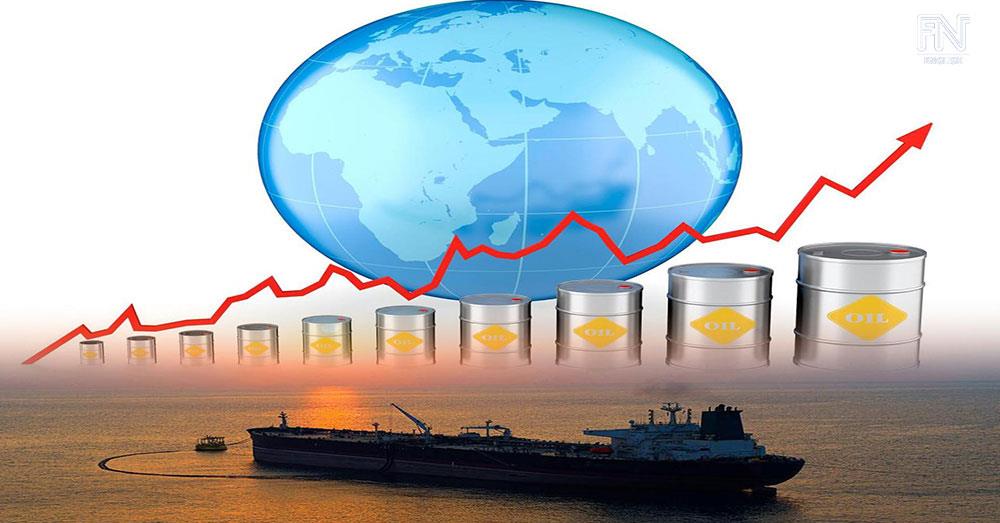
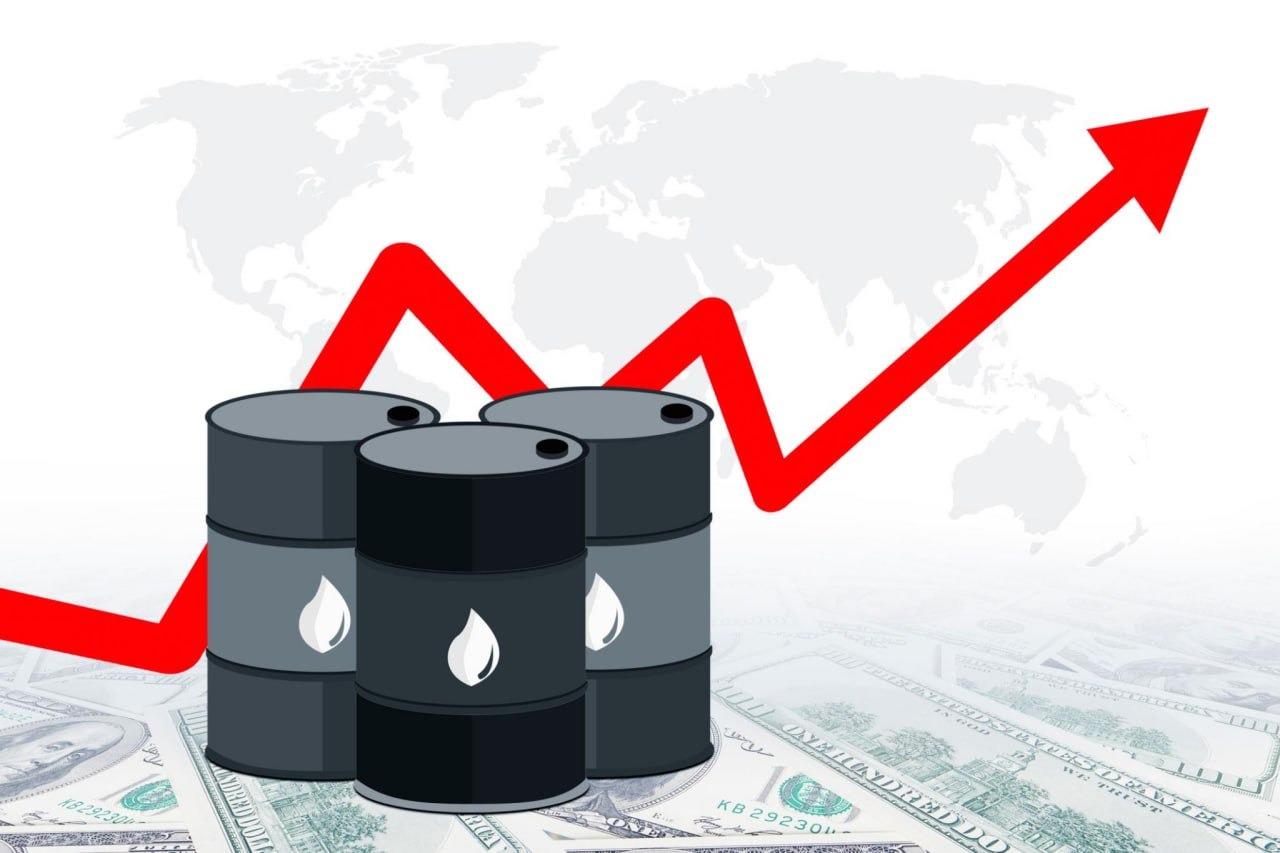
According to Al Jazeera, global oil prices have surged beyond $120 per barrel, while Asia’s economic growth forecast has been downgraded and inflation projections have risen sharply. At the same time, CNN reports that the blockade of Iranian shipping and the reduction of its oil exports could continue for months, further tightening pressure on global energy markets.
In this context, the Iran conflict can no longer be viewed merely as a confrontation between the United States and Iran. It has evolved into a global economic war, with consequences that extend far beyond its original target—particularly affecting oil-dependent nations and developing economies, which bear the heaviest burden.
A War Without a Battlefield, Yet Victims Everywhere
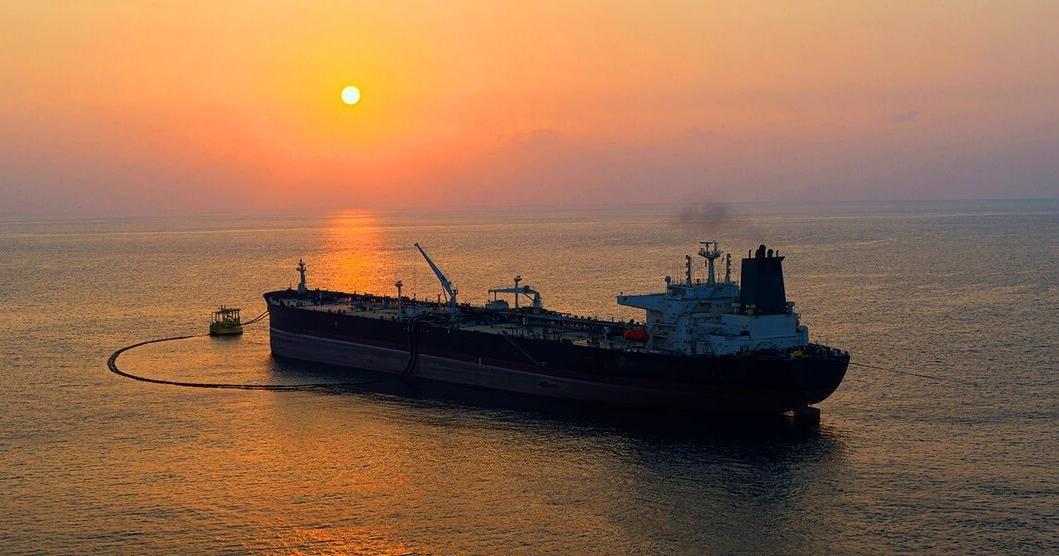
Washington’s current strategy does not rely on deploying ground troops into Iran. Instead, it centers on intensifying economic pressure through maritime blockades and energy restrictions. As analyzed by CNN, this represents a form of “pressure warfare”—designed to weaken an adversary economically rather than defeat it through direct military engagement.
However, this type of warfare carries a dangerous characteristic: its impact cannot be geographically contained. While the pressure is directed at Iran, its consequences ripple across global energy markets and economic systems, creating a situation in which those most affected are not necessarily the intended targets.
The Real Victims: When War Falls on the Shoulders of the Poor
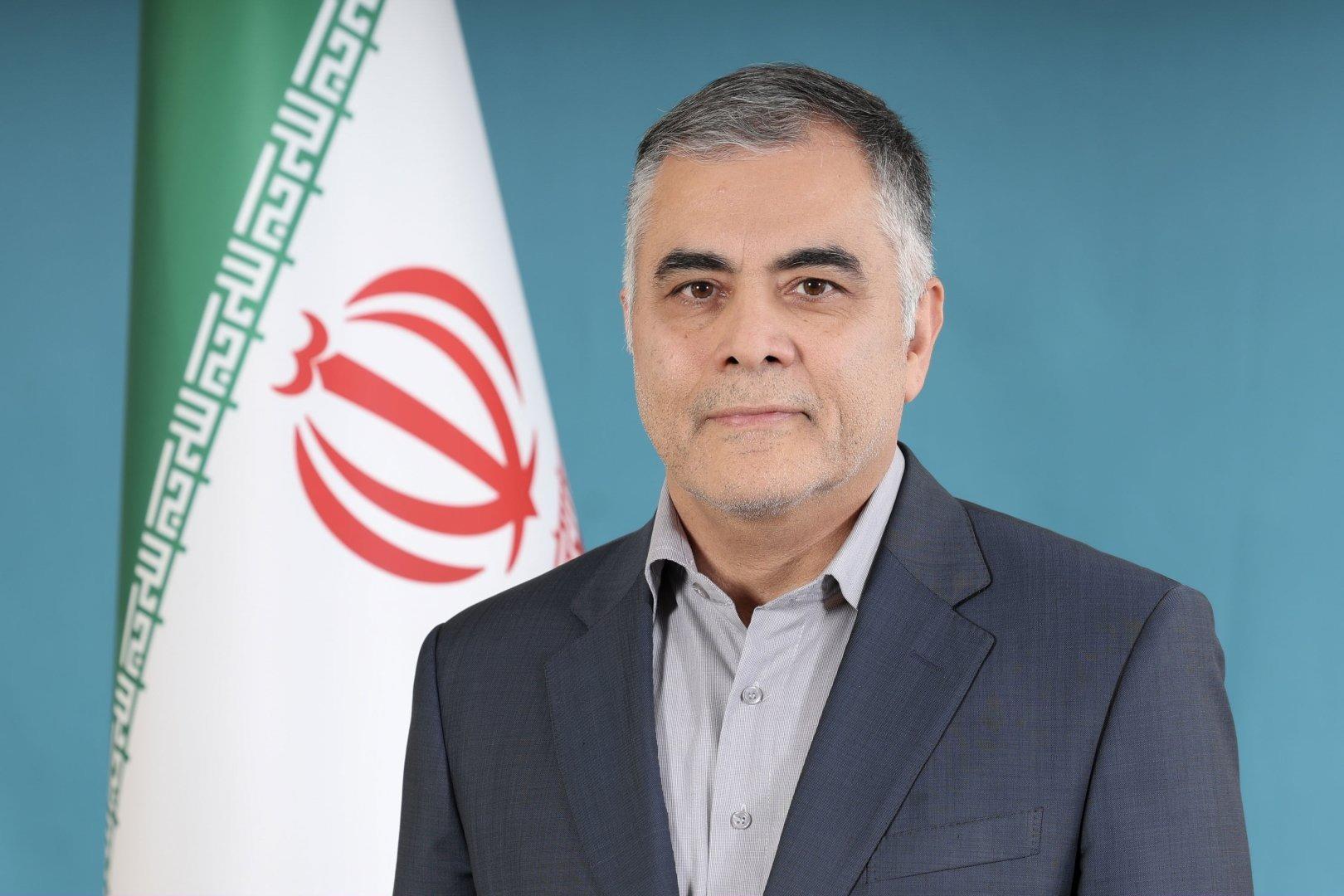
The immediate effects of economic pressure are first visible within Iran itself. A country once rich in energy resources is now being forced into austerity. Mohsen Paknejad has urged citizens to reduce consumption, describing “conservation and saving” as both a general principle and a religious duty. Government offices have been instructed to cut electricity use by up to 70% after 1 p.m.—a clear sign that the pressure has reached everyday life.
But the impact does not stop there. This pressure strategy is generating economic shockwaves across the globe, affecting not only the targeted country but also nations with no direct involvement in the conflict.
While developed economies may absorb such shocks through fiscal tools, debt, or policy adjustments, developing and poorer countries lack these buffers. As oil prices rise, the effects cascade: transportation costs increase, food prices climb, inflation accelerates, and job opportunities shrink. This is no longer theoretical economics—it is a lived reality for millions.
According to Al Jazeera, the Asian Development Bank has already downgraded regional growth forecasts from 5.1% to 4.7%, while raising inflation projections from 3.6% to 5.2%. These figures underscore how energy pressure is transforming into a broader economic crisis.
Today, tens of millions of people across Asia are already suffering from rising fuel and basic commodity prices. Factory workers are losing jobs, and transport workers are seeing their incomes decline. For them, this war is not distant news—it is a daily economic struggle.
In this context, the conflict reveals a stark truth: the greatest victims are not those on the battlefield, but the weakest economies and most vulnerable populations within the global system.
Conclusion: A War That Forces the World to Pay the Price
The central question facing the world today is no longer “Who will win this war?” but rather: who can endure the pressure the longest in a conflict defined not by territory, but by economic strain and energy competition?
While the strategy of Donald Trump aims to exhaust Iran before negotiations, the reality suggests that the pressure is spreading across global markets, imposing heavy burdens on countries far removed from the conflict itself. As energy prices rise and economies strain under inflation, this war is increasingly transforming into a global crisis—one from which no nation is entirely insulated.
If the pressure continues to escalate and persists over time, the war may not end in victory or defeat, but in collective exhaustion—a scenario in which both sides, along with the global economy, pay the price.
In the end, wars of this kind reveal a sobering reality:
the greatest victims are not only those who fight, but the world as a whole.