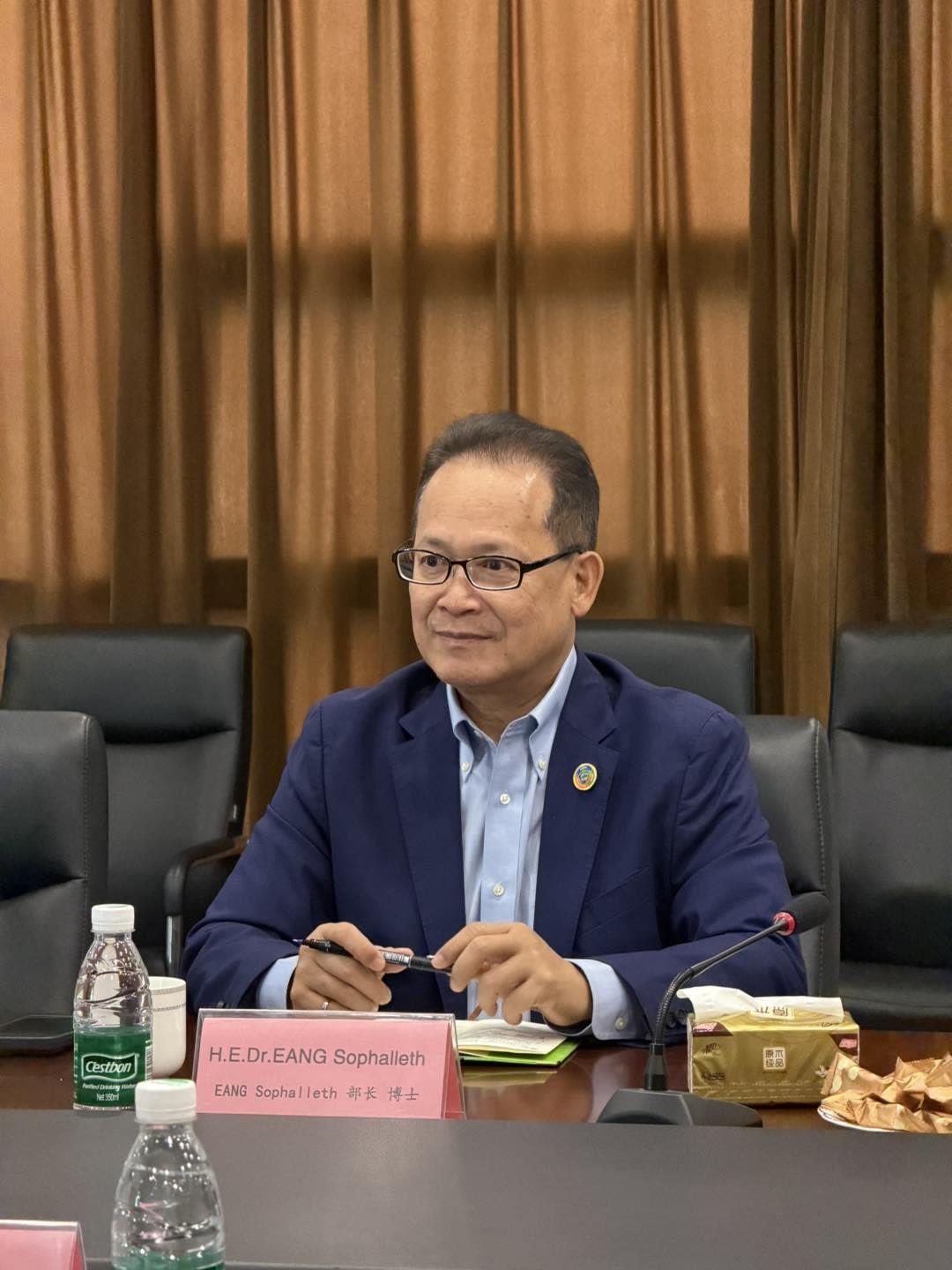
(Shanghai): Cambodia and China have reaffirmed their commitment to environmental protection, green investment, and climate cooperation during an official visit by Cambodia’s Minister of Environment Eang Sophalleth to China from 28–29 April 2026.
The visit, made at the invitation of Chinese Minister of Ecology and Environment Huang Runqiu, highlighted expanding collaboration in low-carbon development, renewable energy, and sustainable resource management.
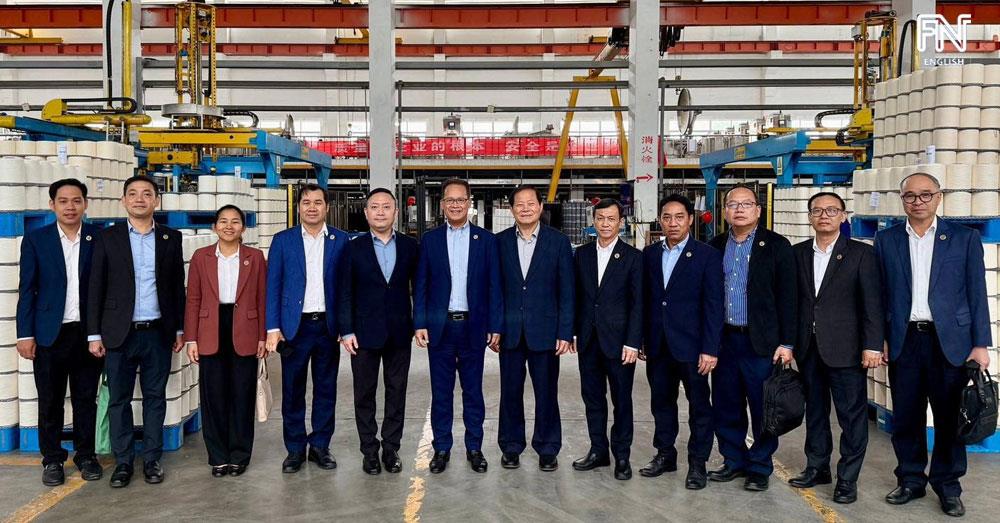
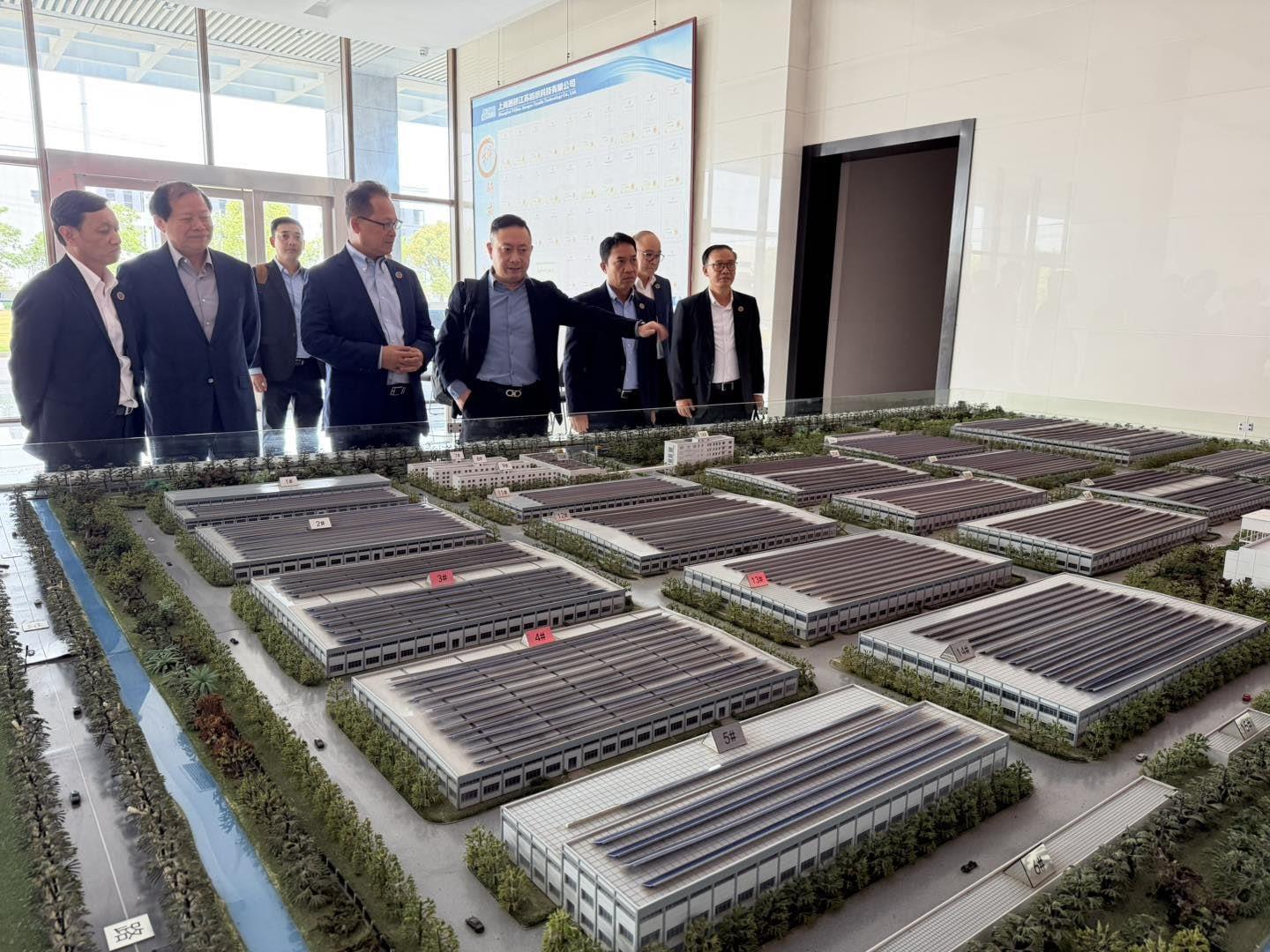
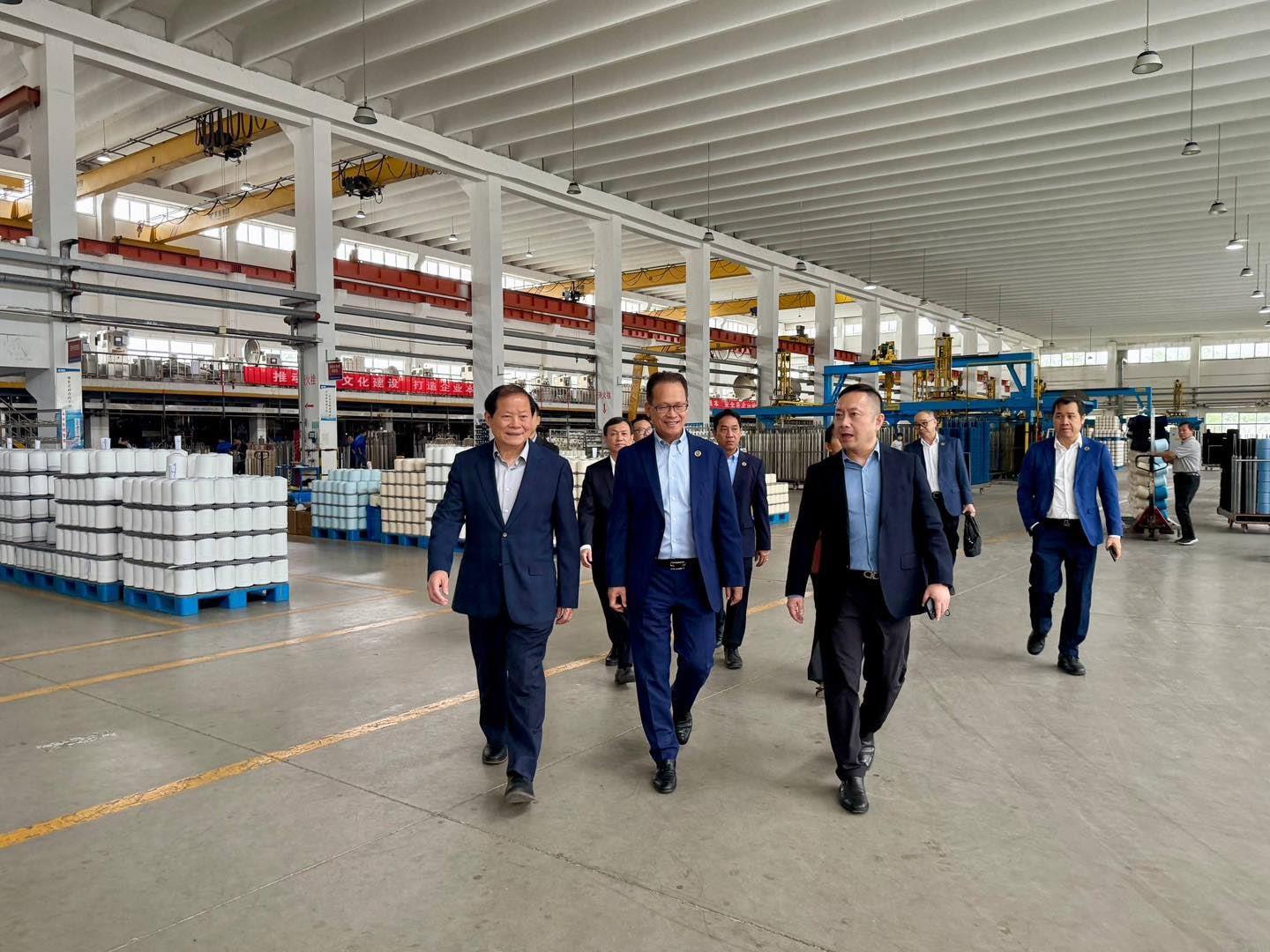
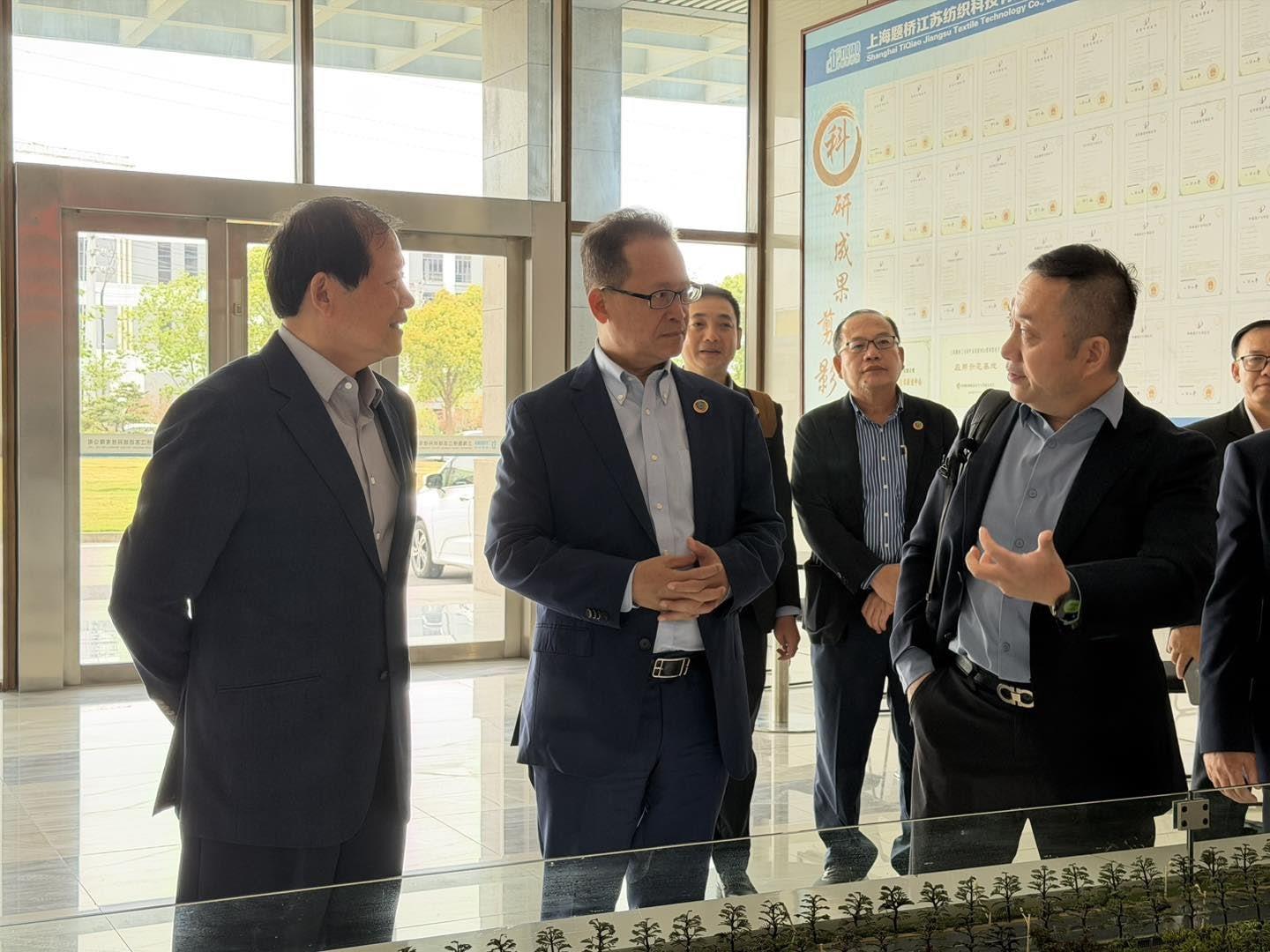
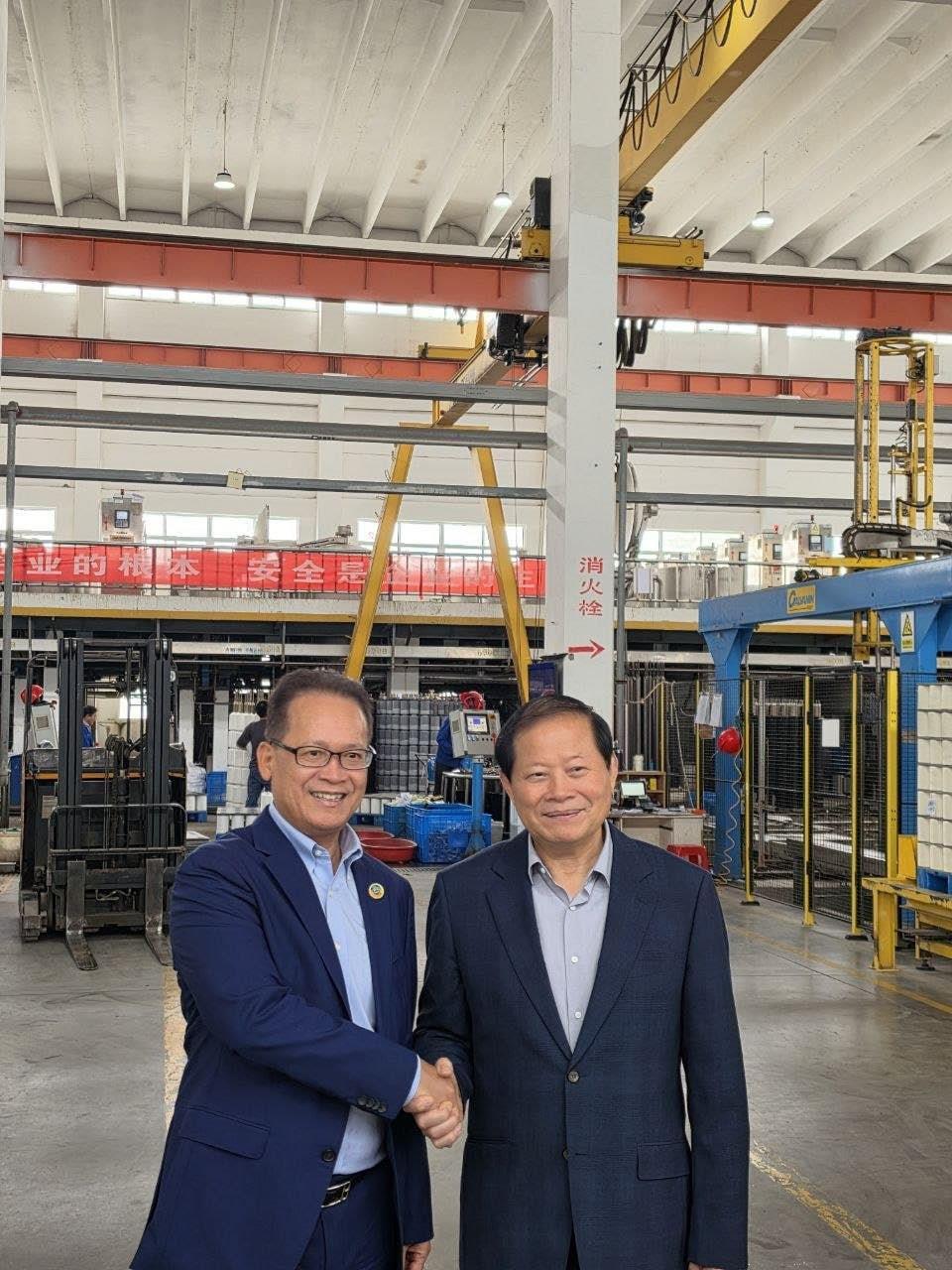
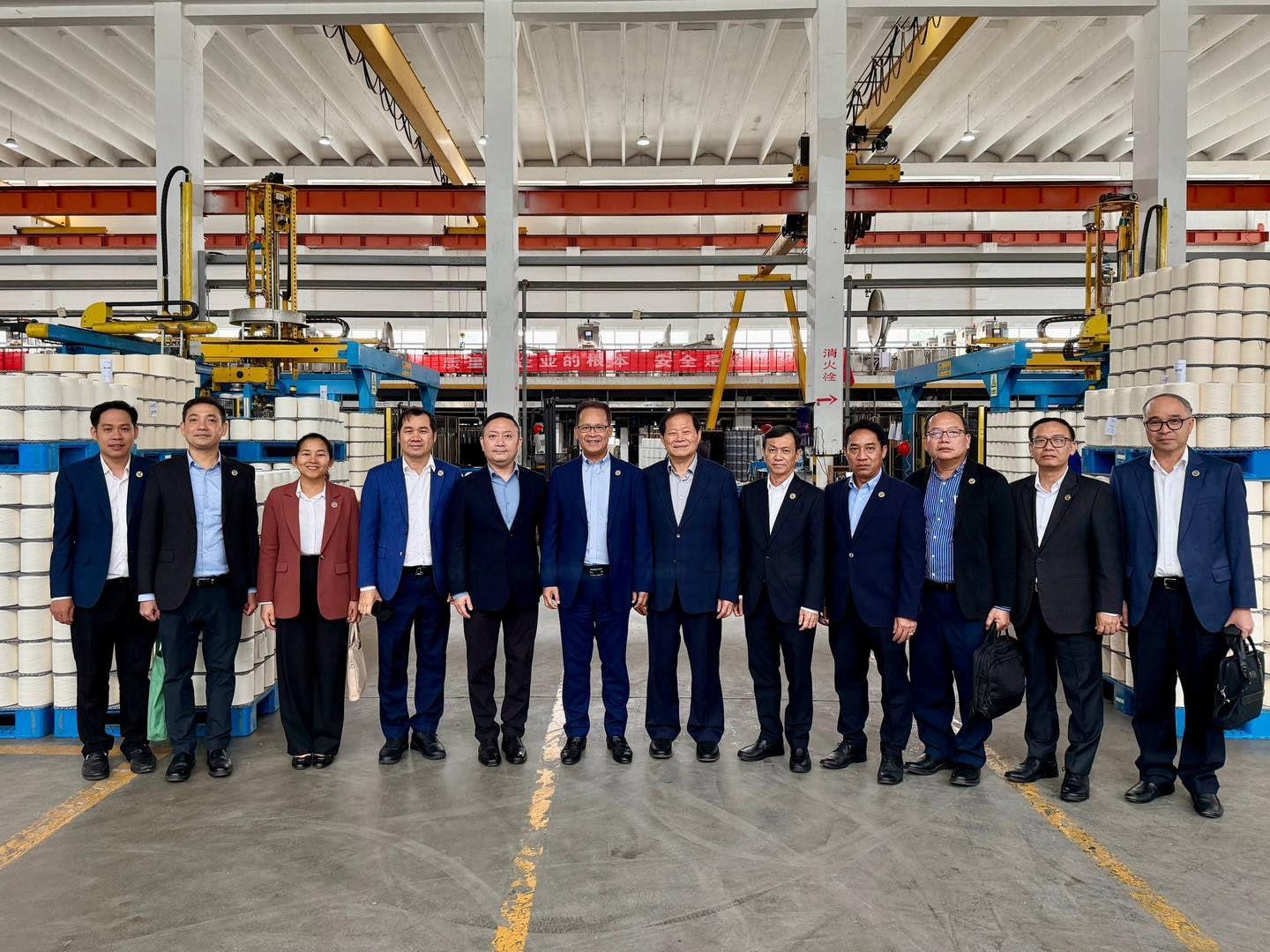
During the trip, the Cambodian delegation visited a textile factory in Shanghai, where Minister Eang Sophalleth held talks with company president Pan Yuming. The company, which supplies fabrics globally including to Cambodia, expressed its intention to invest in Cambodia in line with environmental laws and international standards.
As part of its proposed investment, the company plans to partner with Cambodia’s Ministry of Environment to cultivate Giant King Grass and convert it into biomass fuel. This alternative energy source would be used in garment production processes such as steaming and ironing, reducing reliance on firewood and charcoal.
The minister welcomed the initiative, noting that many garment factories in Cambodia still depend on forest-based fuel, placing pressure on natural resources. He emphasized that expanding biomass energy from Giant King Grass could help protect forests and support the country’s nationwide tree-planting efforts, which aim to plant at least one million trees annually.
In a separate meeting, Minister Eang Sophalleth and Minister Huang Runqiu discussed strengthening bilateral cooperation in environmental protection, pollution reduction, and climate change mitigation. The Cambodian minister also expressed appreciation for China’s previous support, including solar streetlights and household solar systems distributed to communities in protected areas and regional nurseries across the country.
Building on this support, the Chinese side announced an additional contribution of 2,000 solar streetlights and 3,000 household solar lighting systems to improve energy access and livelihoods, particularly in rural and protected areas.
China also reaffirmed its commitment to encouraging further investment in Cambodia’s green sector, including waste-to-energy projects. Chinese companies have shown growing interest in converting solid waste into electricity, contributing to sustainable development and a green economy in Cambodia.
=FRESH NEWS