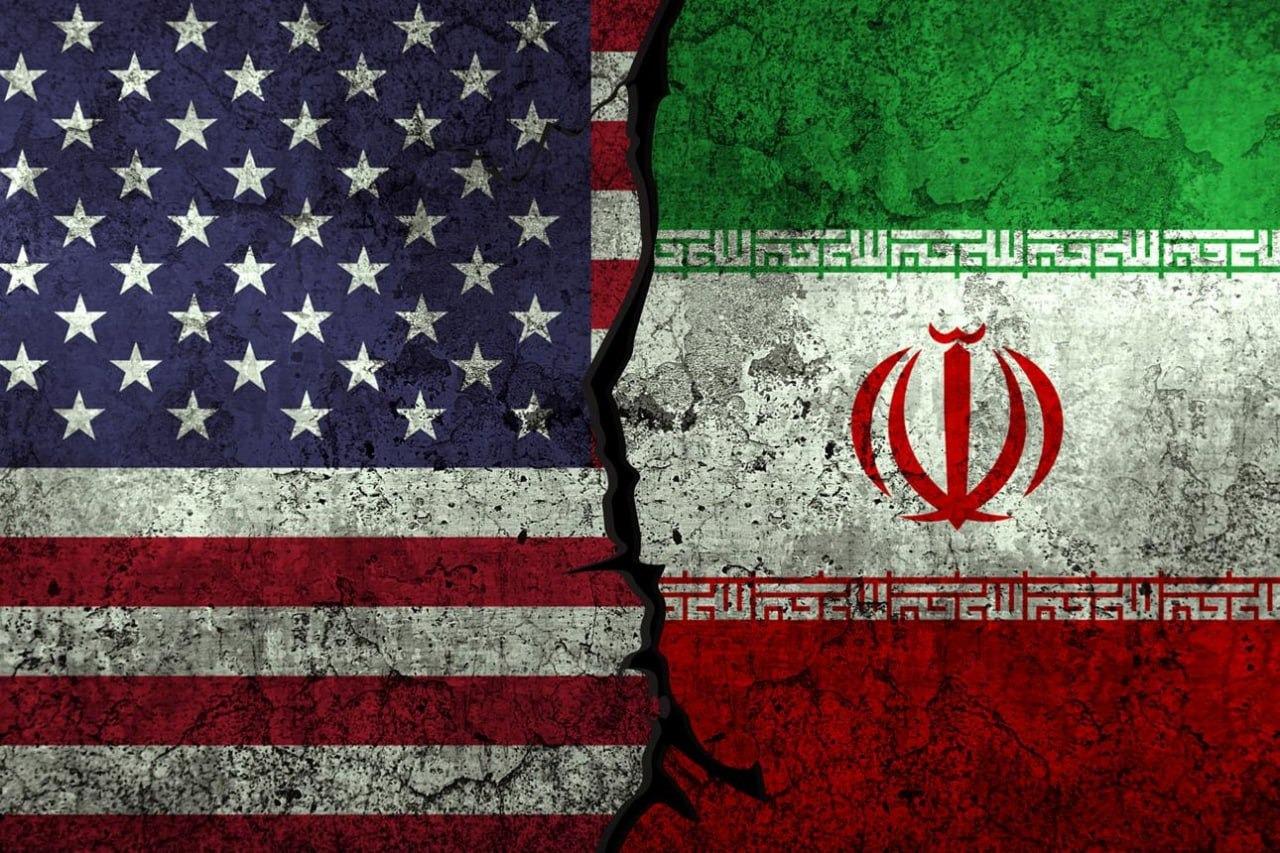
(Phnom Penh): As the war between the United States and Iran continues with no clear end in sight, a political crisis is quietly taking shape — not in the Strait of Hormuz, but within the domestic political system of the United States itself.
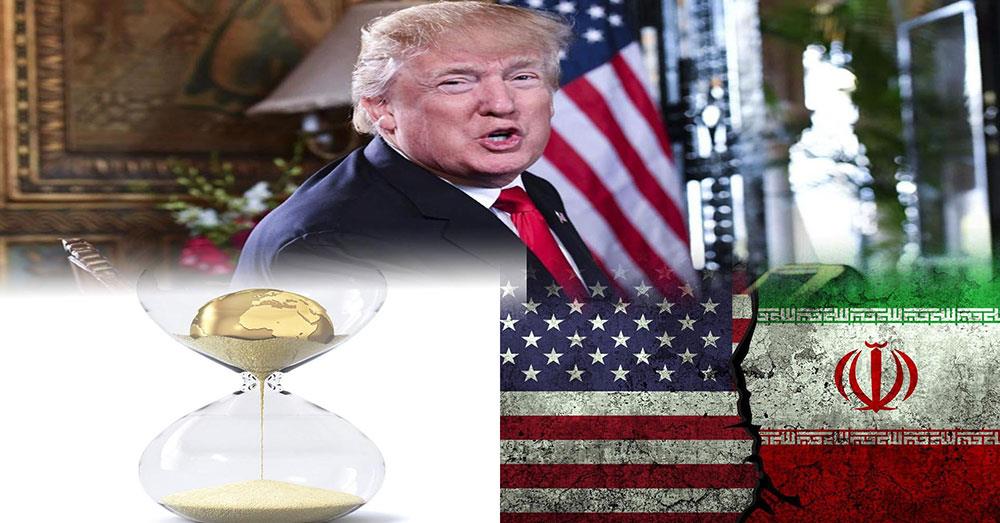
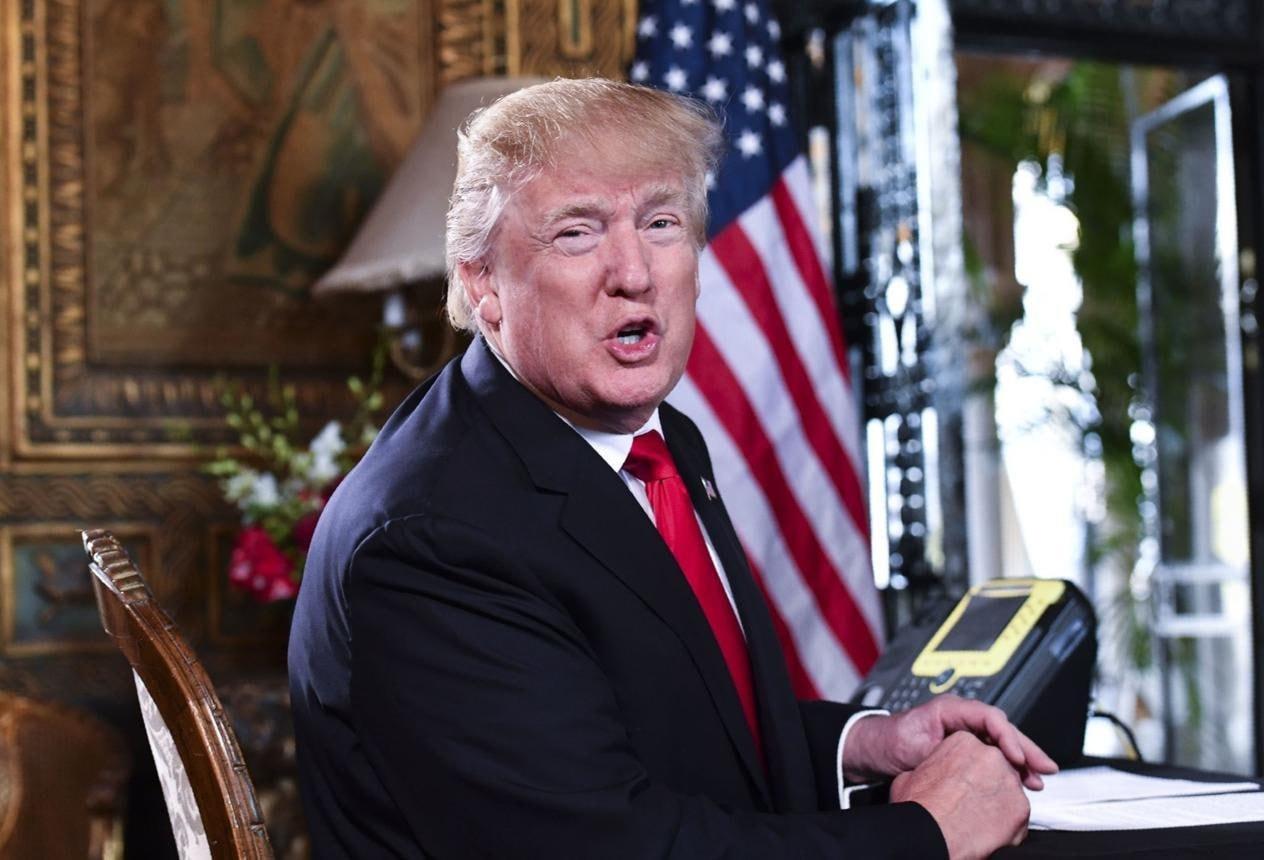
With only two days remaining before the 60-day deadline set under the War Powers Resolution — commonly referred to as the War Powers Act — President Donald Trump is approaching a critical moment. This is a decision point that could shape not only the future of the war with Iran, but also the balance of power between the White House and the US Congress.
A Foreign War Collides with Domestic Law
Under the War Powers Resolution of 1973, the US president is required to notify Congress within 48 hours of initiating military action and may continue such operations for only 60 days. Any extension beyond that period requires explicit congressional authorization or another legal basis.
At present, however, no such authorization has been granted. Deep political divisions between Democrats and Republicans have made consensus increasingly difficult.
This means that if President Trump intends to continue the war beyond May 1 — the critical 60-day mark — he will face a major strategic dilemma. This is not merely a military decision, but a legal and constitutional one.
Historically, US presidents have often sought to reinterpret or circumvent this law to sustain military operations. However, such actions have consistently drawn sharp criticism and risk triggering constitutional disputes.
In this context, a central question emerges: Will Trump comply with the law, or seek alternative paths to continue the war beyond its legal limits?
Trump Under Pressure from Two Fronts
Senate Minority Leader Chuck Schumer has announced that Democrats will force a sixth vote in the US Senate this week on the War Powers Resolution, aiming to block what they describe as Trump’s “war of choice” in Iran.
This development highlights that President Trump is now under pressure from two critical directions: domestic political and legal pressure, and external military and geopolitical pressure.
Domestic Pressure: Politics and Constitutional Constraints
At home, Trump is facing not only partisan divisions in Congress but also mounting legal pressure as the 60-day deadline approaches without legislative approval.
This transforms the Iran conflict into more than just a foreign war — it becomes a constitutional issue at the heart of American governance.
External Pressure: A War That Has Not Stopped
On the international stage, despite Trump’s announcement of an extended ceasefire, military activities have not fully ceased.
US forces continue enforcing a naval blockade on Iranian ports and have seized Iranian vessels in the Arabian Sea. In response, Iran has attacked and captured foreign commercial ships transiting the Strait of Hormuz.
These developments suggest that the ceasefire is merely a tactical pause, rather than a genuine end to hostilities.
Strategic Pressure: Hormuz and the Negotiation Dilemma
At the same time, Trump faces a complex strategic challenge centered on the Strait of Hormuz, a critical artery for global energy supplies.
Iran has proposed reopening the strait, but with a key condition: nuclear negotiations would be postponed to a later stage — an issue that remains a top priority for Washington.
This creates a difficult strategic choice:
- Accept the proposal: ease global economic pressure, but risk losing leverage in nuclear negotiations
- Reject the proposal: maintain bargaining power, but risk escalating tensions and economic instability
As a result, Trump is caught in a classic geopolitical dilemma, where every option carries significant costs.
A Race Against Time
As these unresolved questions intensify, the 60-day deadline continues to approach.
Key questions now dominate the landscape:
- How will Trump manage the situation in the Strait of Hormuz?
- Will the United States accept Iran’s proposal or maintain pressure?
- Most importantly, can Trump effectively navigate the dual pressures he faces?
Conclusion: Time Is Deciding the Fate of the War
The Iran war is no longer being shaped solely by military strategy or diplomatic negotiations. It is increasingly defined by time and legal constraints.
The 60-day deadline under the War Powers Resolution is not just a procedural marker — it is a decisive turning point that could alter the trajectory of the conflict.
For President Donald Trump, this is not a simple choice between continuing or ending the war. It is a deeper decision between political power and constitutional limits.
As pressure from Congress intensifies and tensions in the Strait of Hormuz persist, what is unfolding is not merely a military confrontation, but a contest between strategy and time.
In this context, the central question extends beyond Washington to the global stage:
Will the United States choose to uphold the rule of law and pursue peace — or continue the war under mounting political pressure and strategic competition?