(Phnom Penh): As the world drifts into an era of uncertainty driven by shifting strategic dynamics and intensifying great-power competition, the preservation of peace can no longer rely on luck or external assistance. For a small country like Cambodia, peace is not a gift from the outside. It is the result of internal strength—built through national defense, economic resilience, and human capital.
Remarks by Cambodian Prime Minister Hun Manet on April 26, 2025, emphasizing that “to safeguard peace, we must be strong,” are not mere political rhetoric. They reflect a national strategy grounded in historical experience and forward-looking analysis.
A World Unsafe for the Weak
Today’s global landscape is increasingly defined by regional conflicts, major power rivalry, and the weakening effectiveness of international mechanisms. In such a context, smaller nations face heightened risks, as they cannot guarantee timely or effective protection from allies or international institutions during crises.
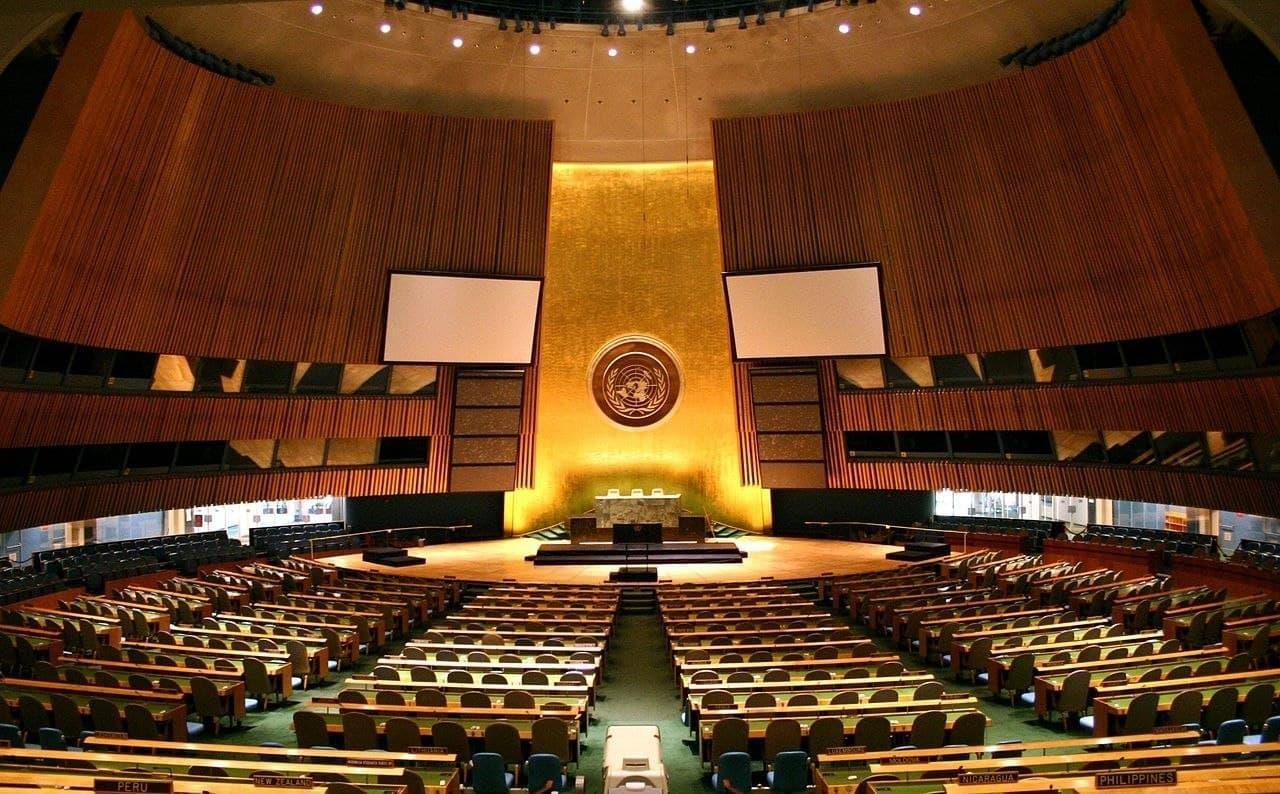
Even the United Nations—once regarded as a safeguard for weaker states—now faces clear limitations in preventing or deterring violations by more powerful nations. This reality underscores a critical truth: the international system can no longer fully guarantee security for smaller countries.
In this context, Hun Manet’s message is unequivocal: peace cannot depend on others but must be secured through self-reliance.
“Peace is difficult to achieve and even harder to maintain. In a changing global context, to protect peace, we must be strong… No one will come to defend us… We must be strong in both national defense and economic strength.”
This statement highlights a fundamental principle: external support may complement national security, but it cannot replace the need for strong internal capacity.
National Defense as the Foundation of Peace
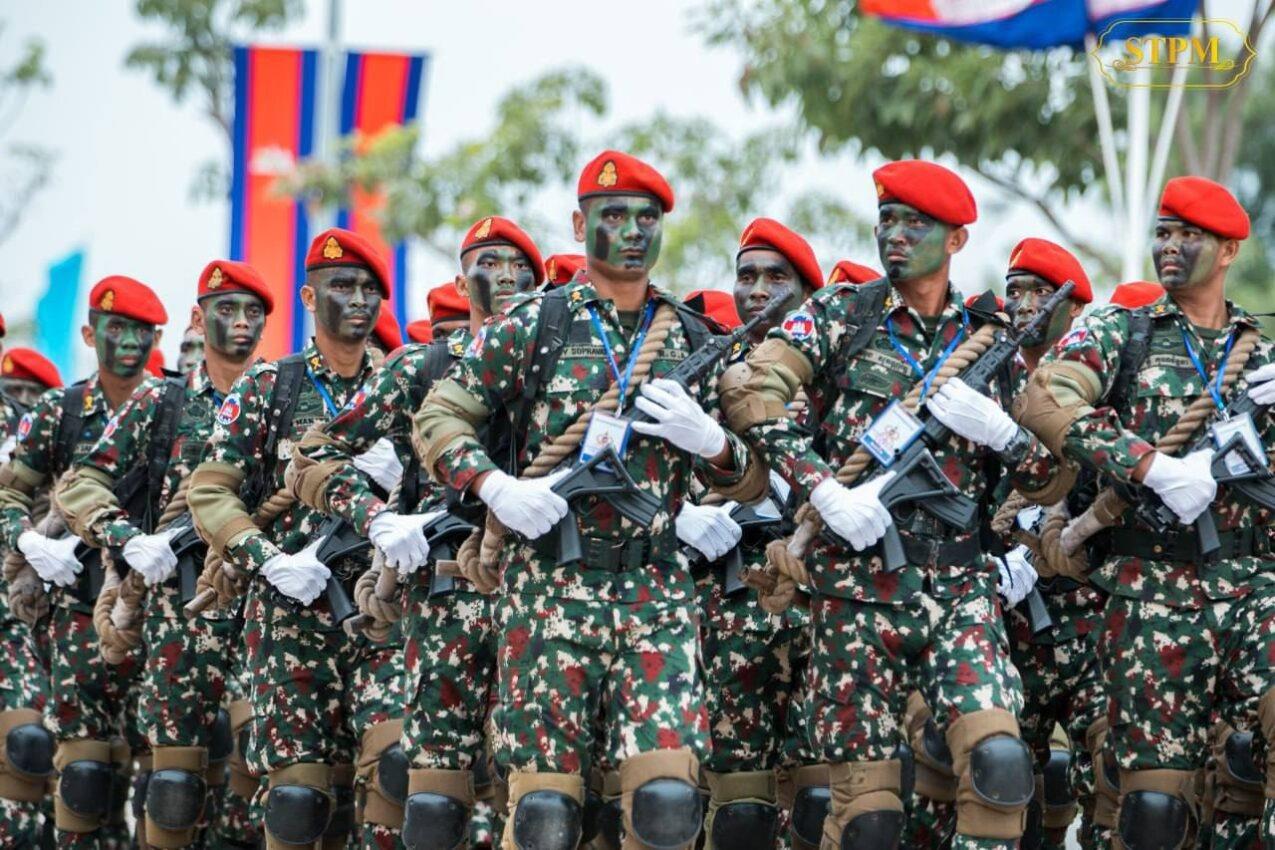
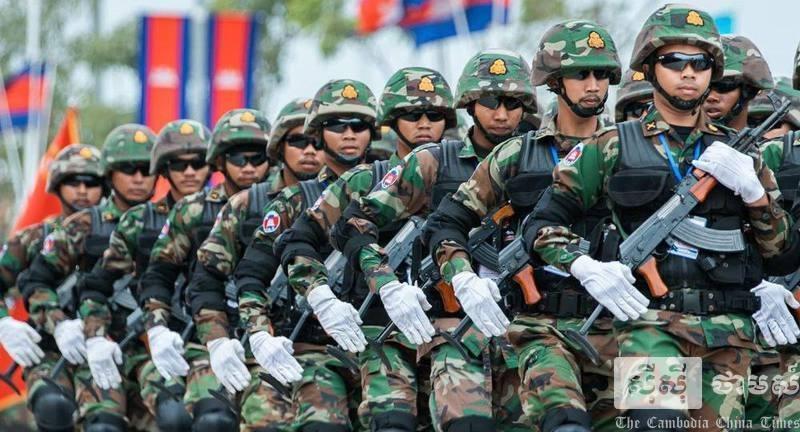
Strengthening national defense is not about preparing for war; it is about preserving peace. Historical and global experience shows that nations with credible defense capabilities are better positioned to deter threats and maintain long-term stability.
Recent visits by Chinese Defense Minister Dong Jun and Foreign Minister Wang Yi reaffirmed China’s support for Cambodia’s military modernization. Their engagements went beyond enhancing land, maritime, and air defense capabilities, emphasizing long-term strategic trust and regional security coordination.
The expansion of bilateral mechanisms from “2+2” to “3+3”—incorporating defense, diplomacy, and internal security—demonstrates a whole-of-state approach to national security. This reflects Cambodia’s effort to build a comprehensive security architecture capable of addressing both traditional and non-traditional threats.
Additionally, the drafting of a new conscription law represents a strategic move to strengthen reserve forces and foster patriotism, discipline, and civic responsibility among citizens.
In an increasingly competitive global environment, strong defense capability serves as an effective deterrent. Peace, ultimately, cannot be secured by appeal—but by capability.
Economic Strength as the Backbone of Peace
Hun Manet has clearly underscored that economic strength is central to national security and long-term peace.
Speaking before more than 5,000 citizens during the 140th anniversary of International Labor Day on May 1, 2026, he stated:
“We must pursue this direction—strong economy, sufficient resources, people with stable livelihoods and strong knowledge—only then can we safeguard peace. It cannot be asked from others.”
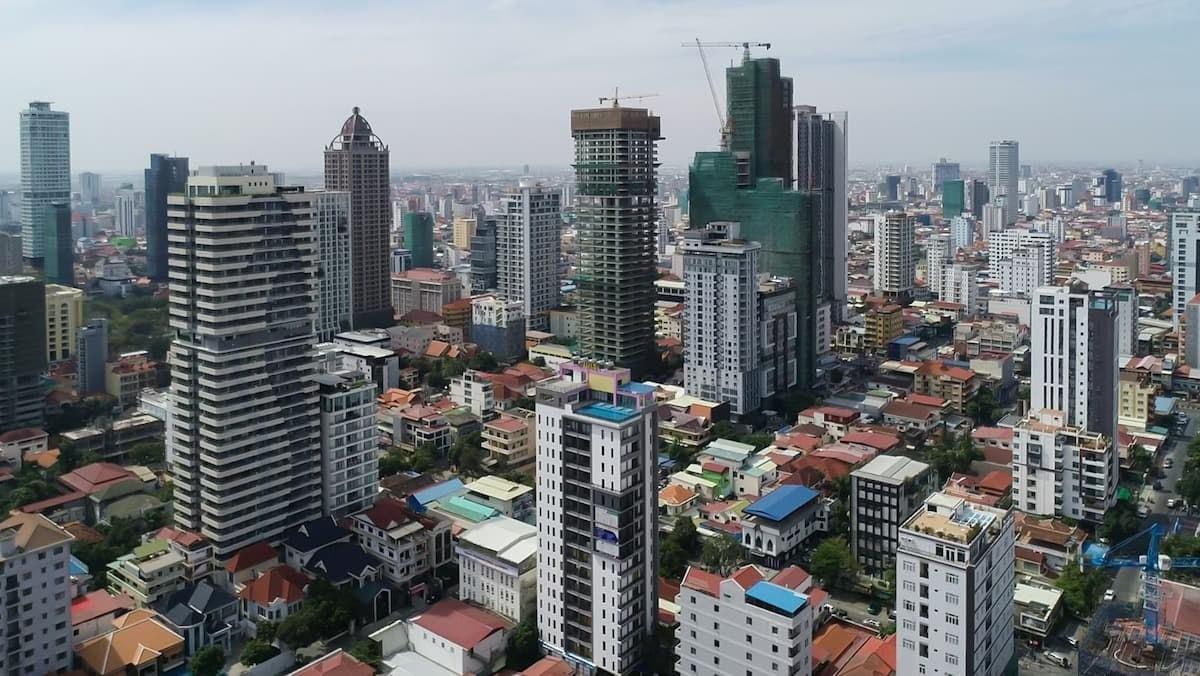
This reinforces the inseparable link between economic resilience and peace. Nations with weak economies are more vulnerable to external pressure—political, economic, or strategic. Conversely, economically strong nations possess greater autonomy in decision-making and are better equipped to defend national interests.
Economic strength also underpins:
- The sustainability and modernization of defense capabilities
- Improved living standards and poverty reduction
- Social stability and internal cohesion
In today’s global context of economic uncertainty and resource competition, economic resilience is not merely a development goal—it is a national security imperative.
History Shows That Peace Must Be Defended
Cambodia’s peace did not emerge by chance. It was achieved through a clear and determined strategy—the Win-Win Policy of Hun Sen—which brought a complete end to civil war on December 29, 1998, after nearly three decades of conflict.
This peace laid the foundation for national reconstruction and development. However, history also teaches that peace cannot sustain itself without protection.
Today, threats to Cambodia’s peace no longer stem from internal conflict but from external pressures, including border tensions linked to unilateral interpretations of maps by Thailand.
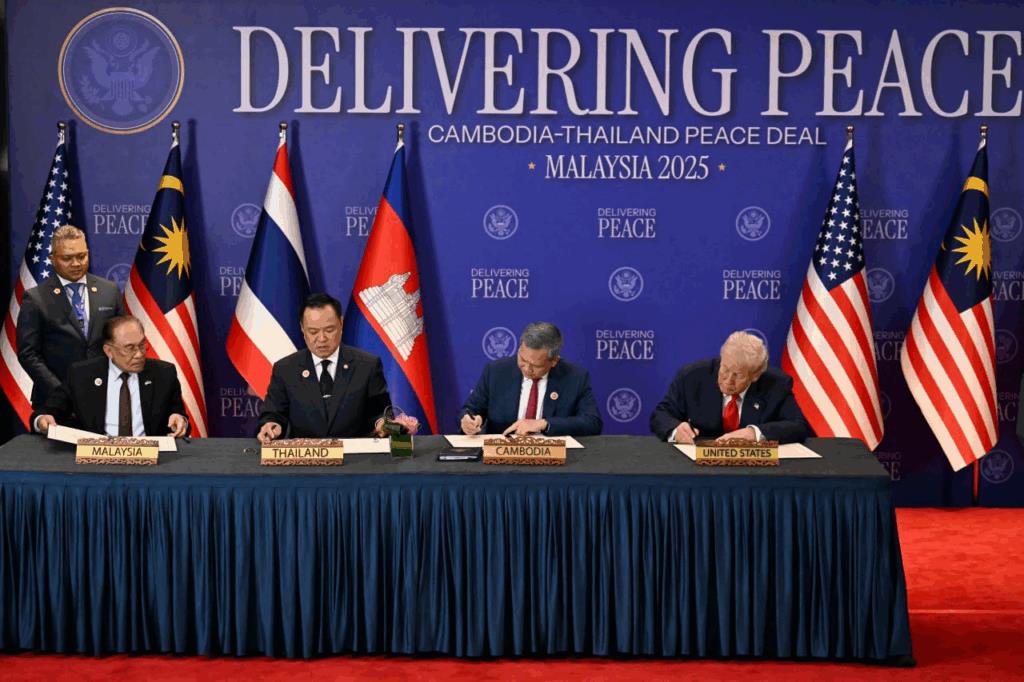
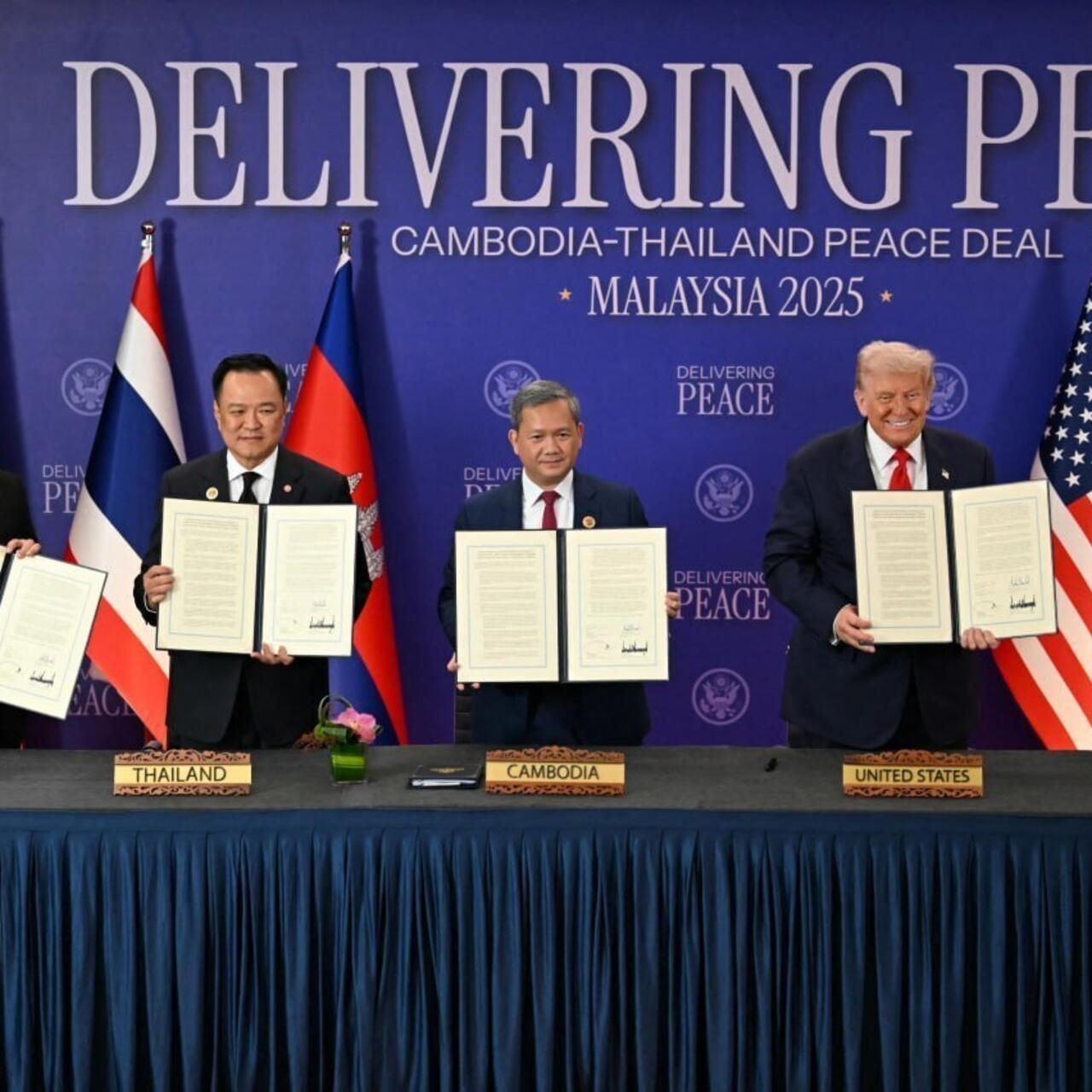
While past disputes were managed through diplomacy and third-party facilitation—including Malaysia as ASEAN chair and Donald Trump—experience shows that international agreements do not always guarantee full compliance, especially amid shifting political conditions.
In response, Cambodia has adopted a pragmatic approach: resolving disputes through controllable mechanisms such as bilateral frameworks and adherence to international law, treaties, and existing agreements. This approach aligns with global principles of sovereignty and peaceful dispute resolution.
The lesson is clear: peace cannot depend on others. For smaller nations, waiting for external intervention is not a reliable security strategy. Only internal strength can ensure sustainable peace.
Conclusion
Hun Manet’s message delivers a powerful lesson: in an uncertain world, self-strengthening is essential for safeguarding peace. This strength is not limited to military power—it encompasses the integration of defense, economic resilience, and human capital.
For Cambodia, strength means the ability to defend itself, maintain a robust economy, and cultivate a capable and disciplined population.
The peace achieved through the Win-Win Policy is hard-earned and invaluable. It must be preserved with determination and cannot be entrusted to others.
Peace is protected by the strength we build ourselves—and Cambodia must continue striving to become that strong nation to secure its future.