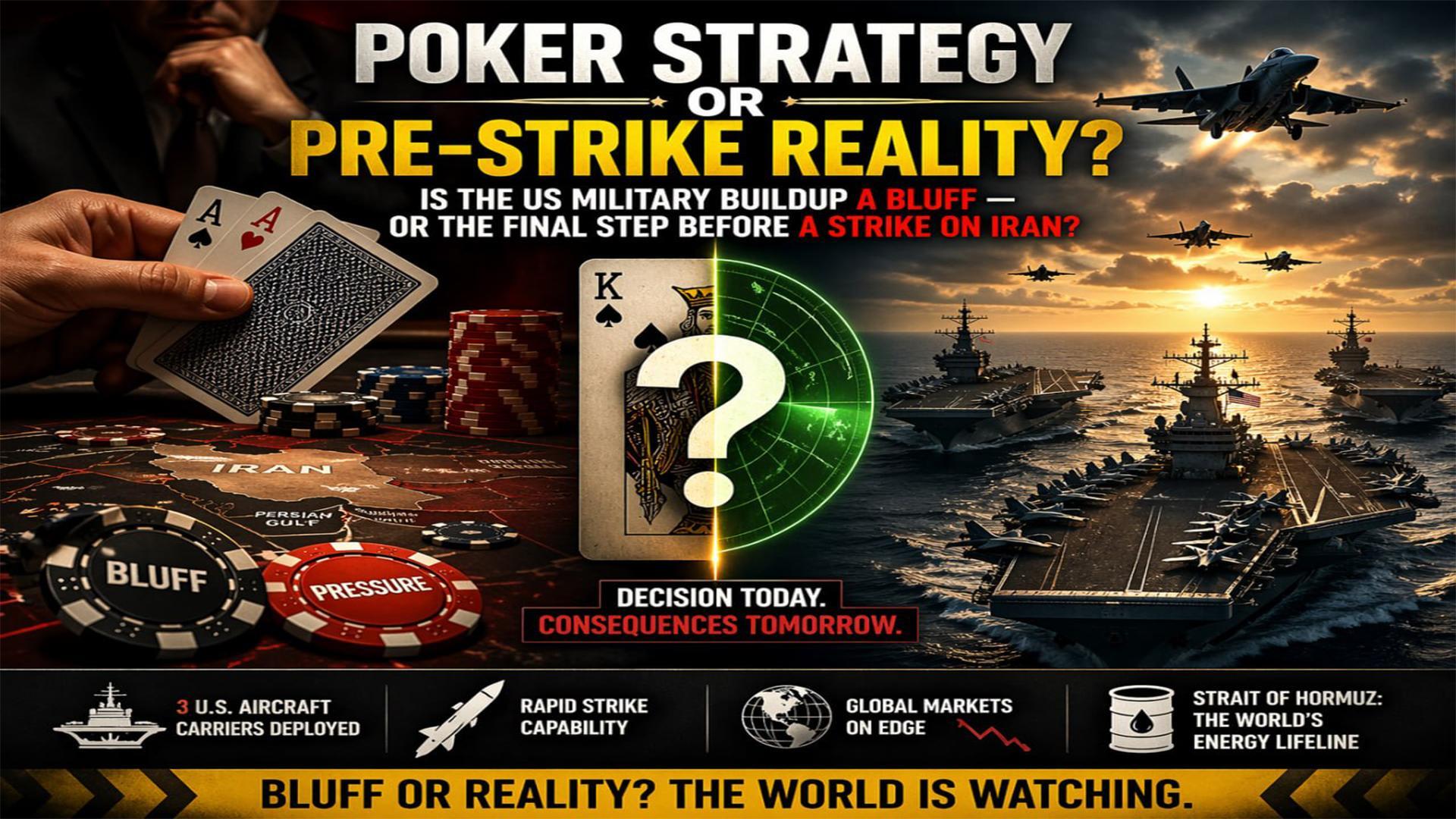
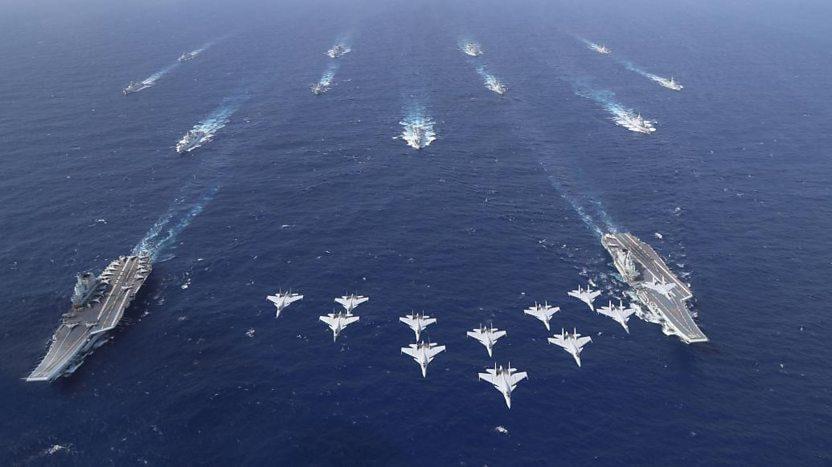
(Phnom Penh): As maritime blockades fail to force Iran into immediate collapse and negotiations remain deadlocked, the deployment of three US aircraft carriers to the Middle East is far from routine. It may signal a looming escalation—but it could also represent a calculated “poker strategy” designed to intimidate and psychologically pressure an adversary without direct confrontation.
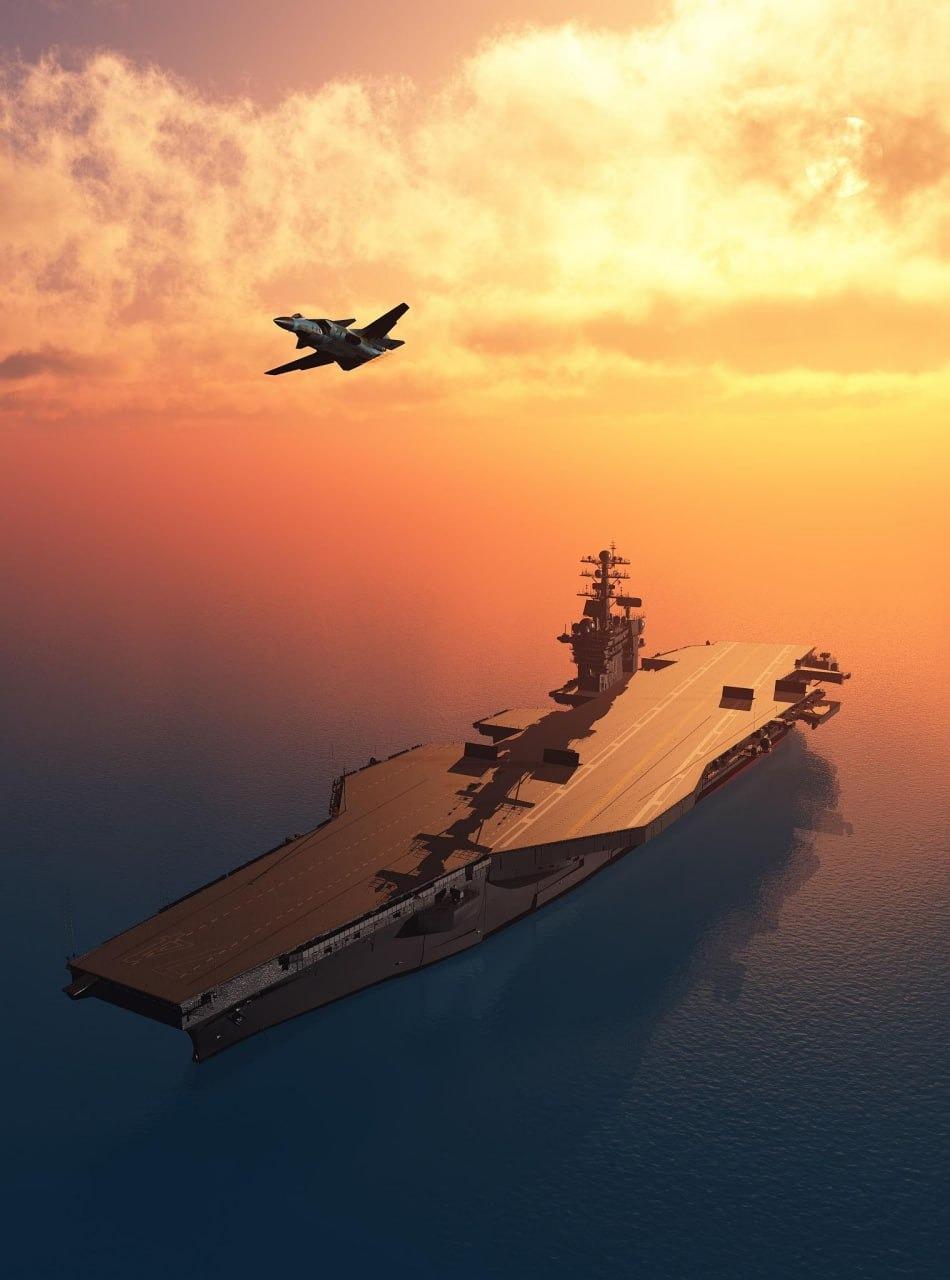
The arrival of a third US aircraft carrier, USS George H. W. Bush, joining USS Gerald R. Ford and USS Abraham Lincoln, marks a significant expansion of American naval power in the region. This buildup comes at a time when diplomatic efforts have stalled, and Iran has yet to return to the negotiating table for a second round of talks.
When Pressure Fails to Deliver
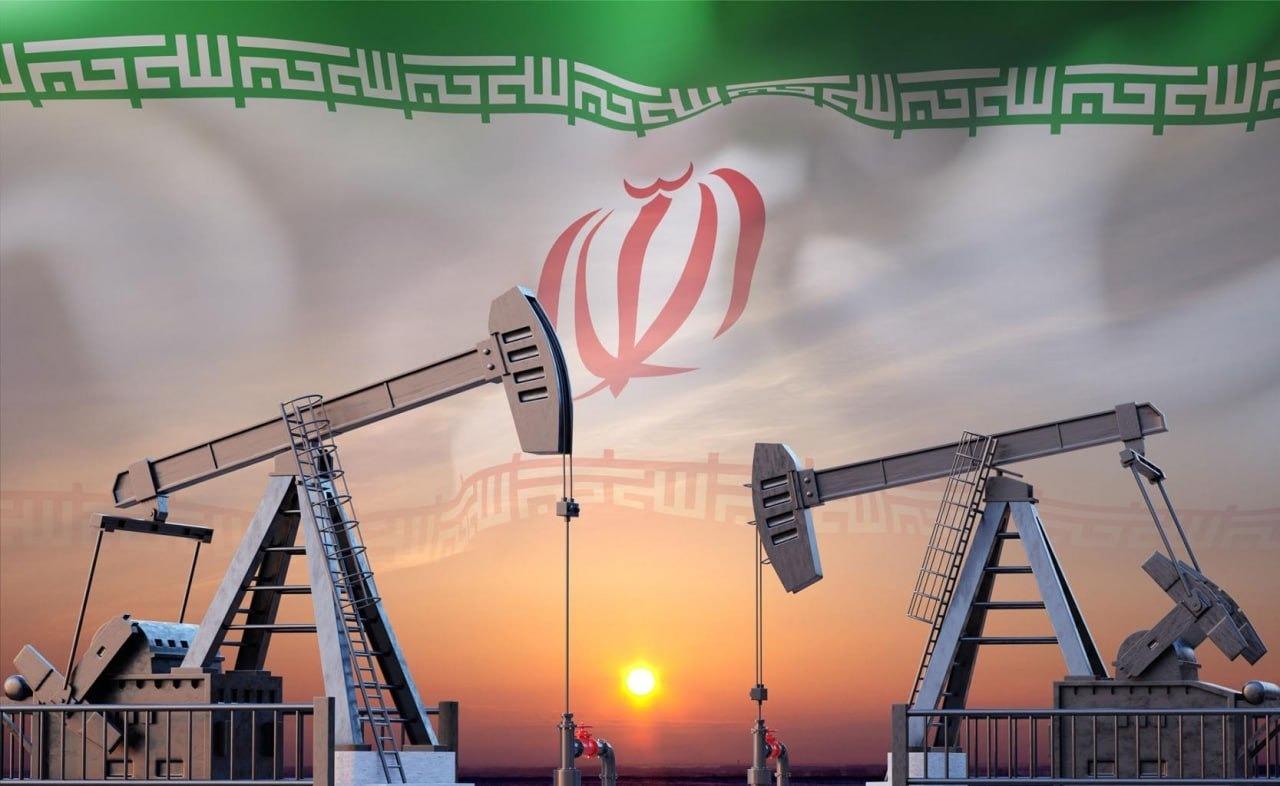
The core of President Donald Trump’s strategy has been “maximum pressure”—implemented through maritime blockades, control over the Strait of Hormuz, and efforts to cut off Iran’s oil revenues.
However, reports indicate that this strategy has yet to produce immediate results. Iran appears capable of sustaining its economic resilience for months.
According to Kenneth Katzman, a former Iran analyst at the Congressional Research Service in Washington, Tehran still holds between 160 and 170 million barrels of oil stored aboard tankers worldwide. These shipments had already passed through Hormuz before the blockade and are now waiting to be delivered.
Based on these reserves, Iran could maintain revenue flows until at least August, despite ongoing pressure. As Katzman noted, this raises a critical question: Does the United States have the time to wait?
In this context, the growing US naval presence suggests a shift. When economic pressure alone fails to achieve strategic objectives, military force increasingly becomes the next available option—raising the risk of escalation.
Three Aircraft Carriers: What Do They Mean?
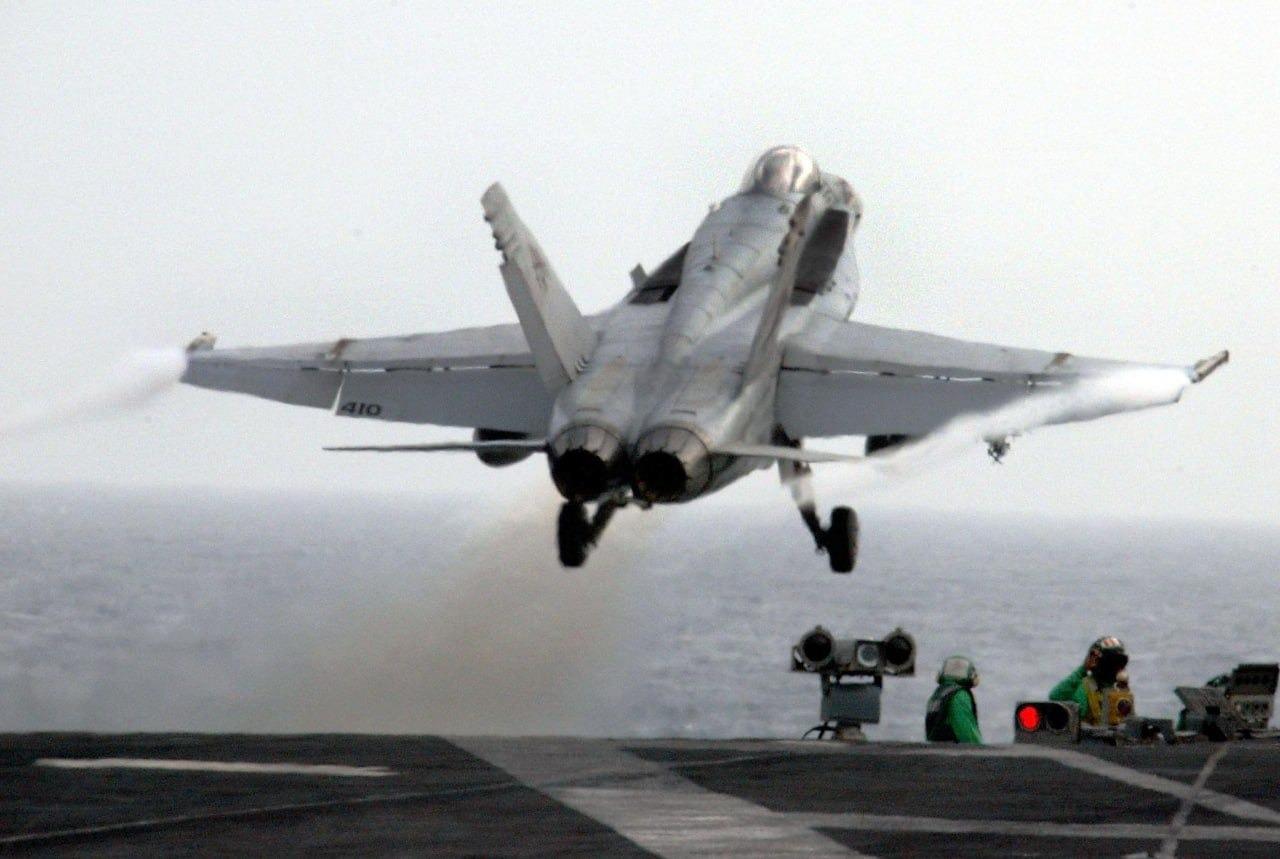
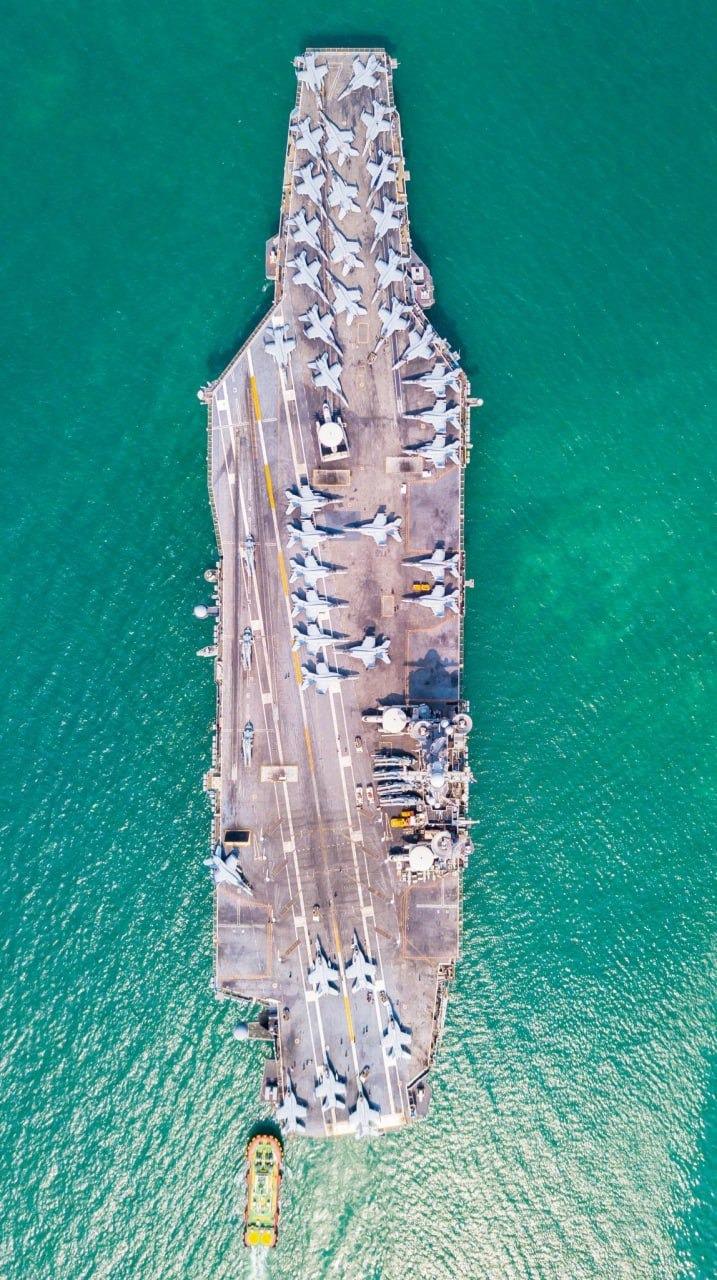
The United States operates approximately 11 active aircraft carriers, each capable of deploying 60 to 75 combat aircraft, supported by destroyers, submarines, and thousands of personnel. A single carrier strike group functions as a mobile airbase, capable of projecting power globally.
The deployment of three carriers—USS Gerald R. Ford, USS Abraham Lincoln, and USS George H. W. Bush—is therefore not a routine maneuver. It provides the capability for immediate, large-scale air operations and control of regional airspace.
Historically, such formations have played decisive roles in major conflicts, including the 2003 Iraq War and the War in Afghanistan (2001–2021), where carriers served as primary platforms for launching sustained air campaigns.
Yet history also shows restraint. In 2017, during tensions with North Korea, President Trump deployed multiple carrier groups without initiating military strikes. The objective was deterrence and psychological pressure—not immediate action.
This dual precedent highlights a key ambiguity:
- These forces can enable rapid strikes
- But they can also function as tools of coercion
This raises a central question: Is this preparation for action—or strategic signaling?
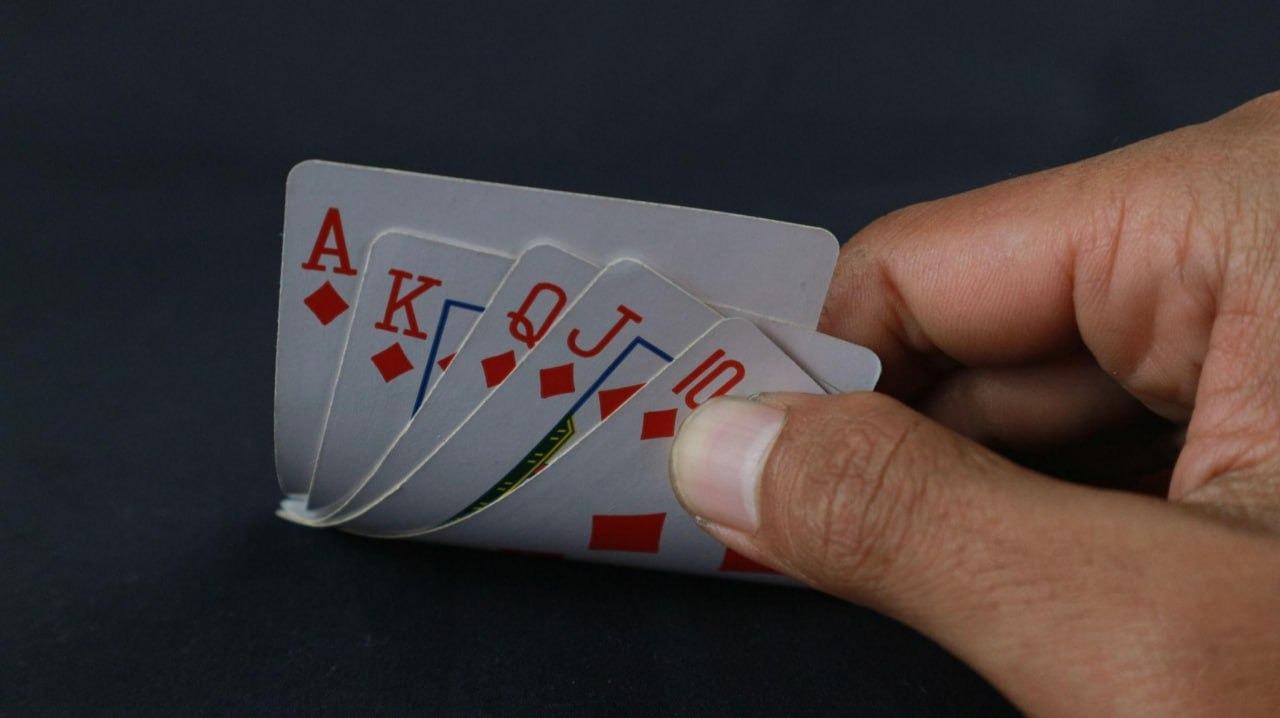
Poker Strategy: Bluff or Reality?
Some analysts compare the current strategy to a high-stakes game of poker, with three core objectives:
- Demonstrate overwhelming strength
- Increase pressure on the opponent
- Force a strategic retreat (“fold”) without direct confrontation
However, such a strategy carries inherent risk. If the opponent refuses to back down—what poker players call “calling the bluff”—the side making the threat must then reveal its real hand and follow through.
In this case, if Iran does not yield, the United States may face a difficult decision:
- escalate further or
- step back and risk undermining its own credibility
The Strait of Hormuz: A Global Pressure Point
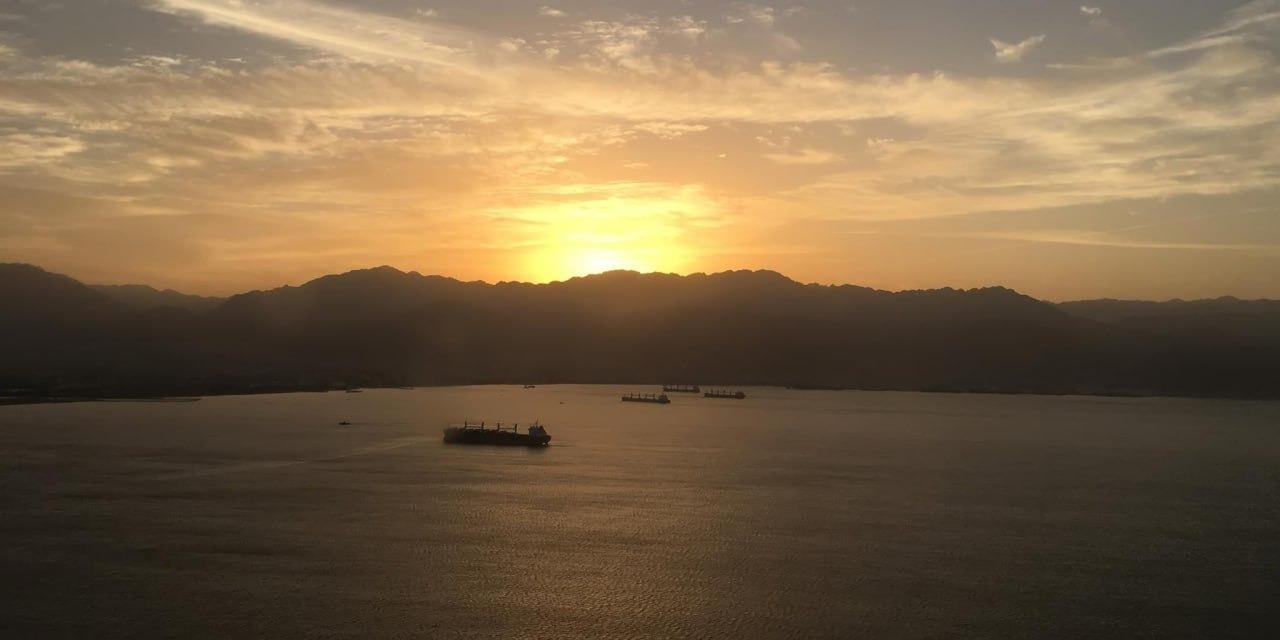
The Strait of Hormuz remains the most critical chokepoint for global energy, carrying roughly 20% of the world’s oil and gas supply.
Disruptions here have immediate global consequences:
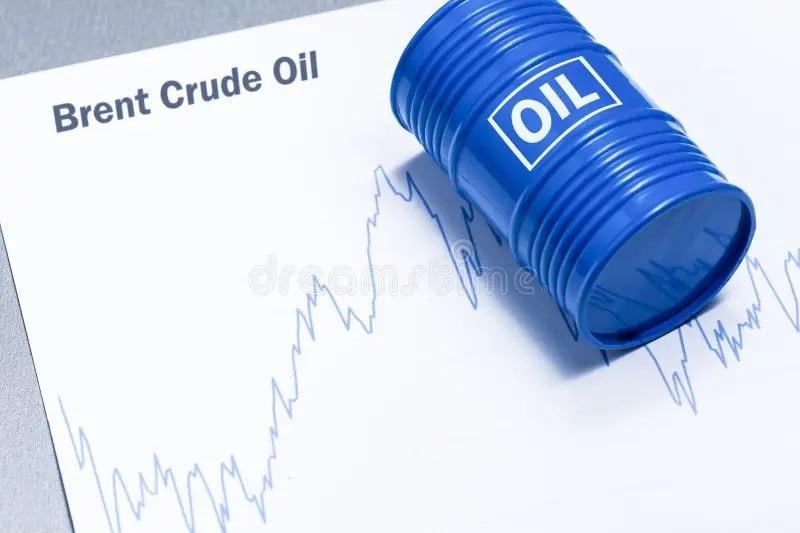
- Oil prices have surged above $100 per barrel
- Shipping activity has sharply declined
- Global economic pressure is intensifying
According to Al Jazeera, Brent crude reached $106.80 per barrel, rising nearly $5 in a short period. Meanwhile, US stock markets reacted negatively, with the S&P 500 falling 0.41% and Nasdaq dropping 0.89%.
Shipping traffic through Hormuz—once among the busiest in the world—has slowed dramatically. Iran asserts control over passage decisions, while the United States continues to restrict Iranian maritime trade.
The result is clear: This is no longer a regional issue—it is evolving into a global economic crisis, triggered by disruption at a single strategic chokepoint.
Conclusion
The deployment of three US aircraft carriers signals that Washington may be entering a phase beyond mere rhetoric—one defined by real pressure with global consequences.
At the same time, President Donald Trump has reinforced this pressure with stark warnings, declaring that “Iran’s clock is ticking.” Yet such rhetoric is not new; it has become a recurring feature of the broader pressure strategy.
Ultimately, one critical question remains: Is this a calculated poker strategy designed to force concessions—or a genuine prelude to military action?
The answer may determine not only the future of US-Iran relations, but also the stability of global energy markets and the wider international order.