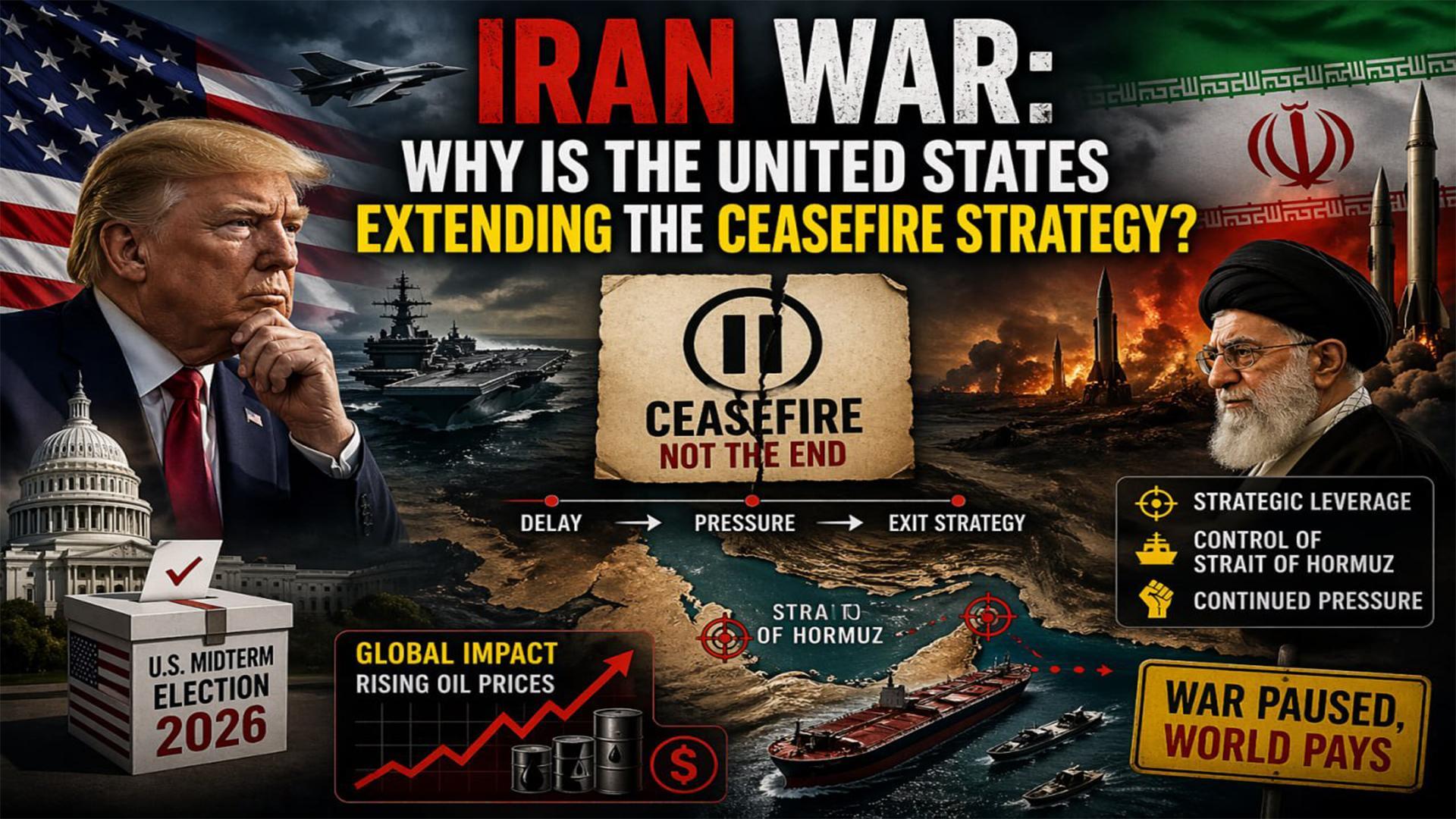
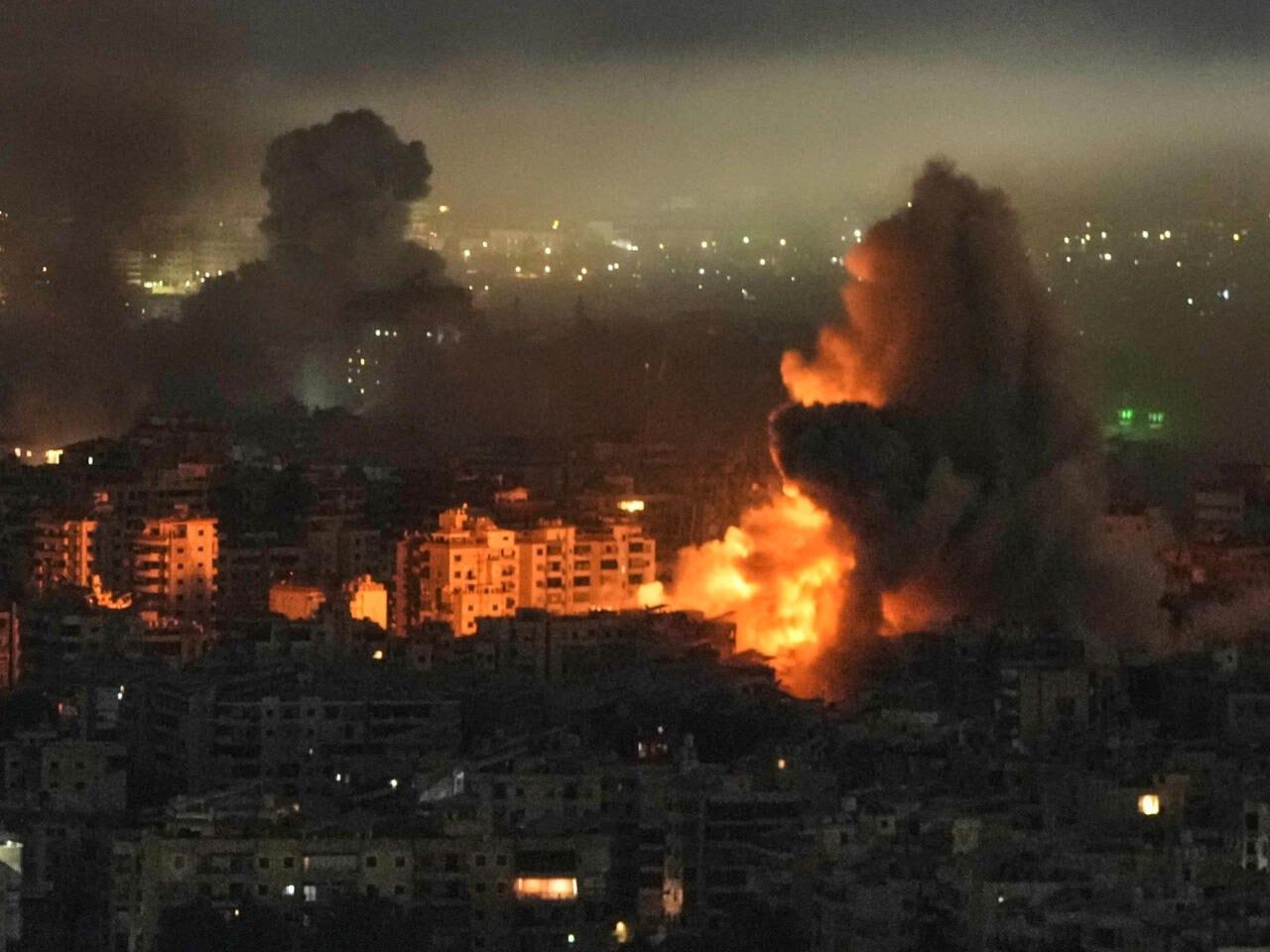
(Phnom Penh): While the world had hoped that a ceasefire between the United States and Iran might ease tensions or even pave the way toward peace, recent developments suggest otherwise. The repeated extensions of the ceasefire do not signal an end to the conflict; rather, they appear to be a calculated strategy by Washington to buy time—managing both battlefield dynamics and mounting domestic political pressure.
The continued delay of the ceasefire reflects a broader strategic approach by the United States to balance pressures from three critical fronts: domestic politics, the global economy, and direct military engagement—while simultaneously seeking an exit from the conflict without losing face.
Domestic Political Pressure
The latest extension of the ceasefire, announced just hours before the expiration of the 14-day deadline, highlights the growing importance of the upcoming U.S. midterm elections in November. These elections are increasingly becoming a major political constraint for the ruling Republican Party.
Polling data shows that public support for the Iran war stands at only around 30%, a notably low level. This indicates that the war is not a political asset for Republicans, but rather a liability.
As a result, extending the ceasefire can be understood as a way to “buy time”—reducing domestic political pressure and preventing the war from negatively impacting electoral outcomes.
The Strait of Hormuz — A Global Economic Pressure Point
As the Republican campaign seeks to regain public support, it faces increasing criticism from Democrats, who have leveraged rising oil and commodity prices as evidence of economic mismanagement.
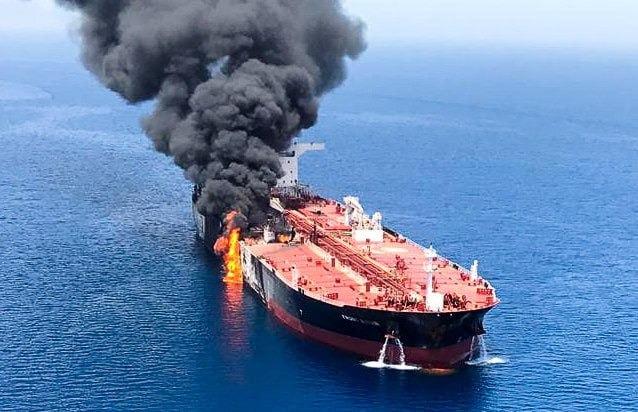
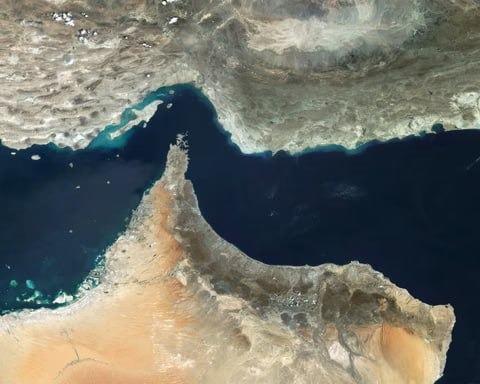
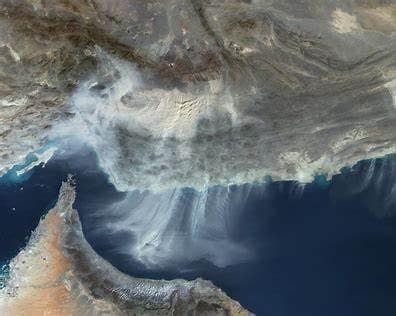
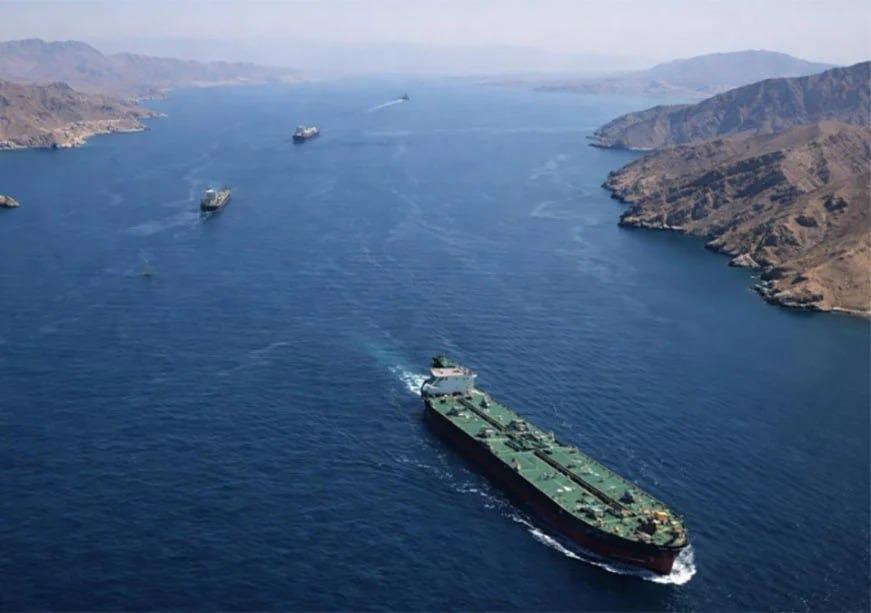
In this context, the Strait of Hormuz has become a critical pressure point in the global economy. Escalating tensions in the region—including ship seizures and retaliatory actions between Iran and the United States—have driven up global oil prices and disrupted commodity markets.
Although Washington has attempted to impose pressure through maritime restrictions, any disruption to the Strait carries significant global economic risks. Ultimately, these risks feed back into the U.S. domestic economy and political landscape.
For this reason, the United States cannot rush toward decisive military victory, as doing so could severely destabilize global energy markets. The extension of the ceasefire, therefore, serves as a mechanism to manage both economic and political risks simultaneously.
Narrative Warfare — Is Iran Fragmented or Unified?
In public statements, Donald Trump has argued that Iran does not truly intend to close the Strait of Hormuz, since keeping it open generates substantial daily revenue. He has characterized Iran’s actions as a face-saving measure in response to U.S. pressure, while also claiming that Iran is internally divided and lacks a clear decision-making authority.
However, reporting from Al Jazeera presents a contrasting picture. Despite targeted strikes on key figures, Iran’s command structure appears to remain functional, with internal cohesion possibly strengthening in response to external threats.
This divergence highlights an ongoing information war. Claims of internal fragmentation may be part of a broader strategy aimed at shaping public perception and exerting psychological pressure. In this light, extending the ceasefire may also reflect a strategy of waiting—for conditions or narratives to shift before making a decisive move.
Does the United States Want to End the War More Than Iran?
With the U.S. midterm elections approaching in just over six months, Donald Trump is working to rebuild public support. Many political analysts suggest that he is more inclined to seek an exit from the Iran conflict than to prolong it.
In this context, the repeated extension of the ceasefire can be seen as a strategy to reduce political risk while preserving public image—often supported by narratives such as Iran’s alleged internal divisions.
Analysts also warn that engaging in war amid rising domestic pressure could negatively impact election outcomes. With public support for the war at only around 30%, the political cost of continued conflict is significant.
Meanwhile, Iran continues to leverage the Strait of Hormuz as a strategic tool. Tehran has indicated that the waterway will only fully reopen if U.S. restrictions are lifted; otherwise, pressure tactics—including ship seizures and threats to close the strait—will persist.
These dynamics suggest that prolonged war carries higher political and economic costs for the United States, while Iran can maintain strategic pressure without achieving outright military victory.
In this sense, the United States appears to have stronger incentives to bring the conflict to an end—but not through defeat. Rather, it seeks a controlled exit that preserves political credibility and influence.
Ultimately, the central question is not “who wants peace more,” but “who can end the war without losing.” Both Washington and Tehran are searching for the same answer—through very different strategies.
Conclusion
In the end, the continued extension of the ceasefire does not signal peace, but rather reflects a conflict being managed across multiple dimensions—from the battlefield to energy markets to domestic politics.
For Donald Trump, finding an “exit strategy” is no longer optional—it is a necessity to balance avoiding defeat in war with avoiding defeat at the ballot box. Meanwhile, Iran continues to apply strategic pressure to demonstrate resilience and endurance.
This war is not nearing its end. Instead, it is entering a new phase—one in which victory is not defined by military dominance, but by the ability to conclude the conflict without losing power or political legitimacy.
The real question, therefore, is no longer when the war will end—but who will be able to end it without losing.