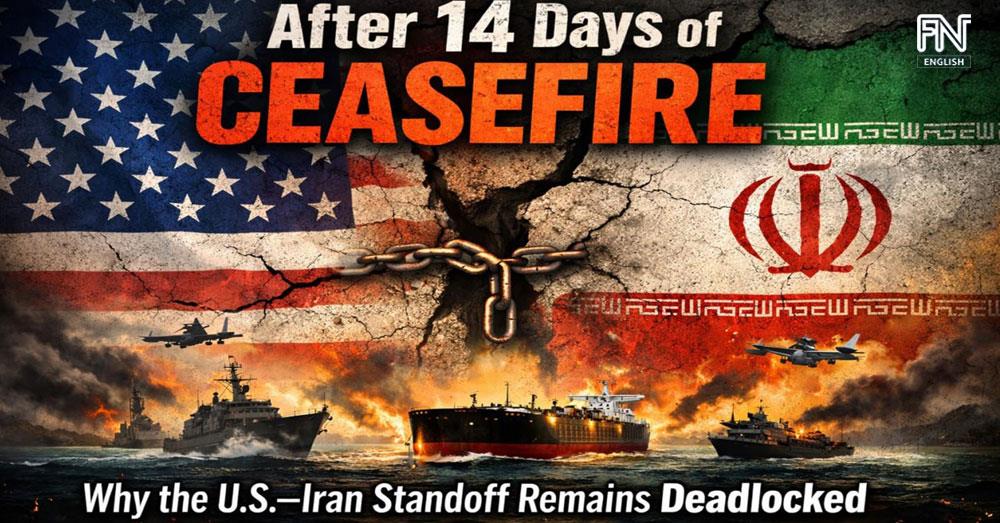
(Phnom Penh): As the temporary ceasefire between the United States and Iran approaches its final day, global hopes that it would pave the way for meaningful negotiations and lasting peace are fading. Instead, recent developments at sea and at the negotiating table suggest that tensions have not eased—but are, in fact, intensifying.
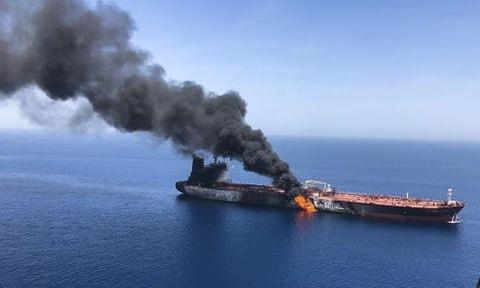
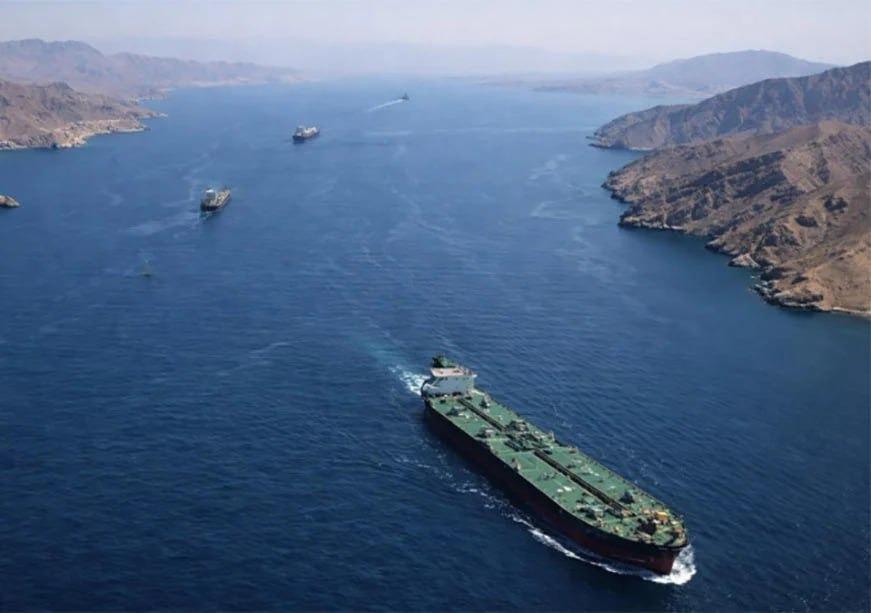
The seizure of an Iranian commercial vessel by the United States in the Gulf of Oman, followed by Tehran’s warnings of retaliation, underscores a stark reality: the current “ceasefire” is not peace, but merely a temporary pause in a conflict that could reignite at any moment.
At the same time, a U.S. delegation led by Vice President JD Vance has traveled to Pakistan in an effort to sustain dialogue with Iran before the 14-day deadline expires. However, Iran has yet to signal clear willingness to engage, insisting that negotiations cannot proceed unless Washington eases economic pressure and lifts restrictions affecting maritime access. This ambiguity suggests that diplomacy, rather than resolving the conflict, is increasingly becoming part of the broader strategic contest.
A Ceasefire Without Control
The ongoing ceasefire appears, on the surface, to offer breathing space for diplomacy. In reality, however, it lacks enforcement mechanisms and mutual trust—two essential elements required to ensure compliance.
Recent attacks on Iranian vessels and Tehran’s accusations of “armed piracy” against the United States illustrate how fragile the arrangement truly is. Violations of the ceasefire are not hypothetical—they are already occurring.
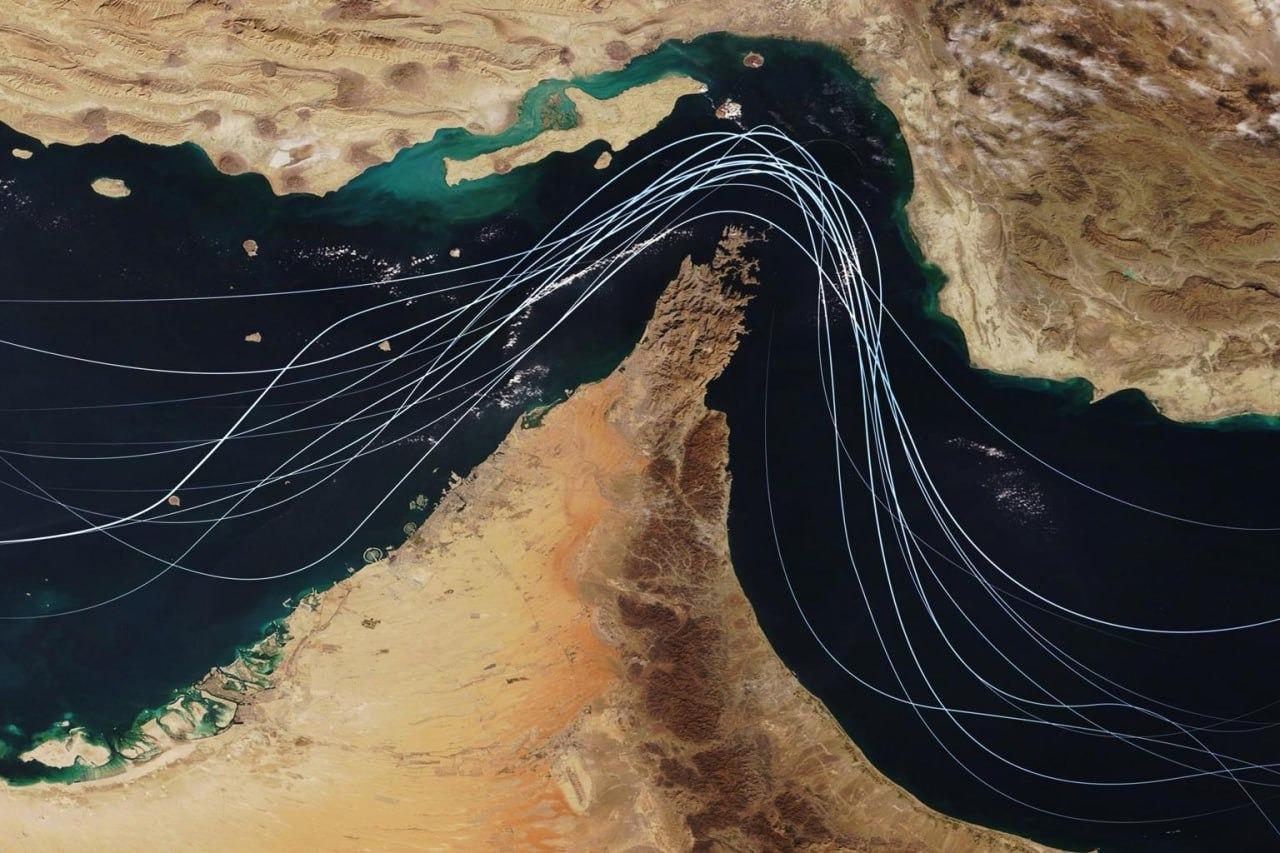
These incidents have taken place near the Strait of Hormuz, one of the world’s most critical energy chokepoints. This transforms the situation from a purely military confrontation into a global economic and geopolitical concern. Even a limited clash in this area could disrupt oil markets and trigger far-reaching consequences for the global economy.
Negotiation as a Battlefield
One of the most striking aspects of the current situation is the fundamentally different understanding of “negotiation” between Washington and Tehran.
For the United States, negotiations are a pathway toward agreement and conflict resolution. For Iran, however, they are an extension of the battlefield—another arena in which national interests are defended.
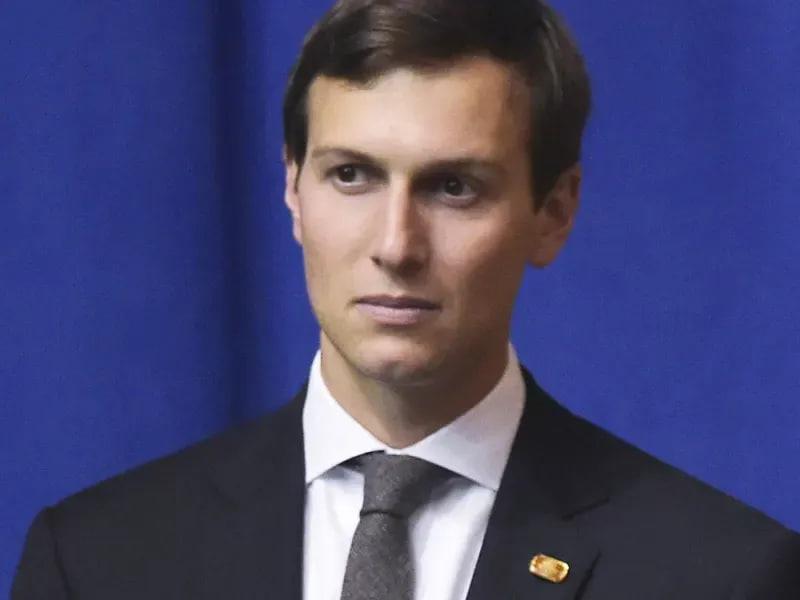
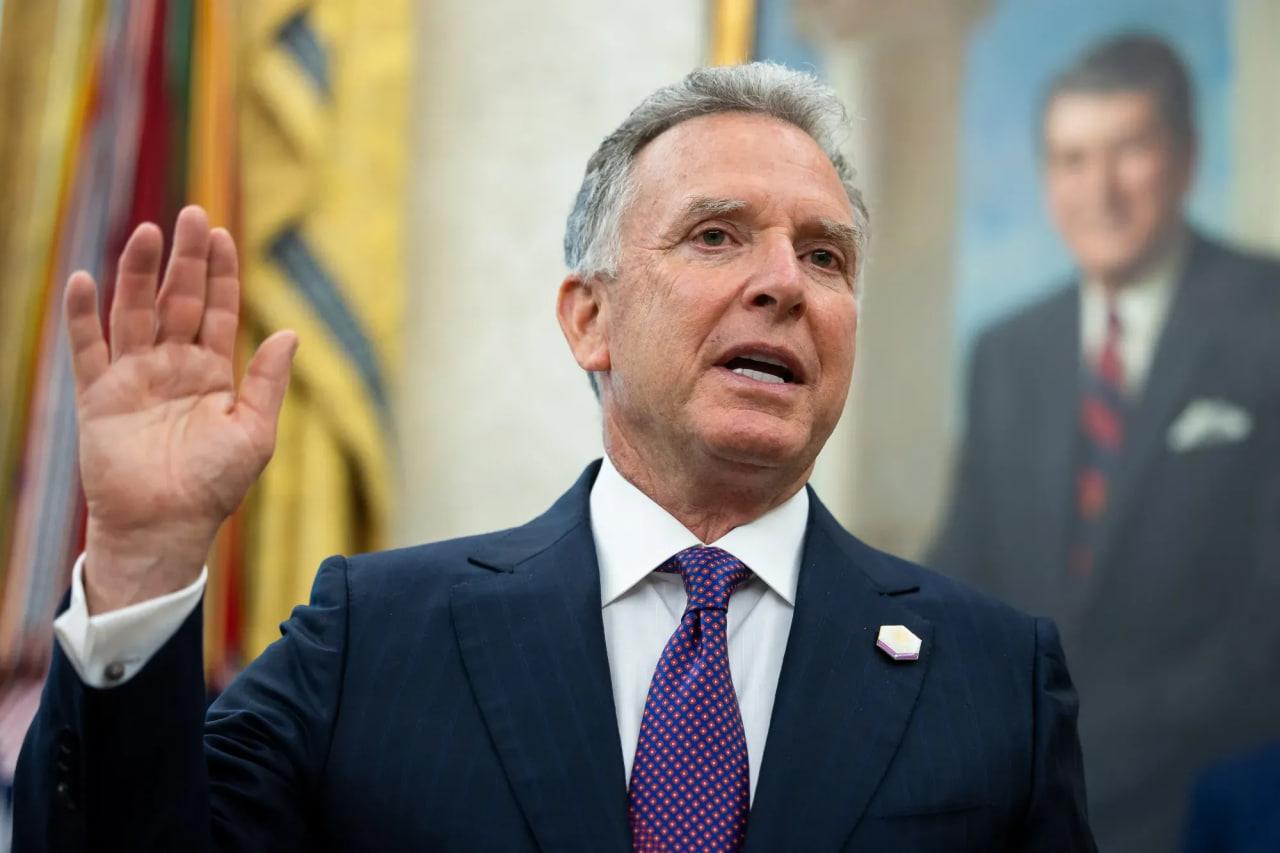
According to reporting by CNN, Vice President JD Vance is expected to participate in talks in Pakistan alongside special envoy Steve Witkoff and senior adviser Jared Kushner, reflecting Washington’s high-level commitment to the process. Yet Iranian officials have made it clear that participation in talks does not imply readiness to concede. Instead, diplomacy is viewed as a strategic tool to strengthen leverage while continuing broader geopolitical competition.
Core Points of Deadlock
The negotiations remain stalled due to several fundamental disagreements that have yet to find common ground.
1. Uranium Enrichment
The most critical issue is Iran’s uranium enrichment program. For the United States, this represents a major security concern—particularly Iran’s stockpile of uranium enriched to 60%, which Reuters reports at approximately 440 kilograms.
For Iran, enrichment at civilian levels is considered a sovereign right under international law. Tehran has rejected demands from Washington that seek to limit—or potentially eliminate—its enrichment activities.
Importantly, the issue is not whether enrichment should exist, but at what level and under what conditions. Discussions have focused on possible compromises, including reducing enrichment levels under the supervision of the International Atomic Energy Agency or transferring portions of enriched material abroad.
However, proposals such as sending uranium directly to the United States are politically unacceptable to Iran, while alternative arrangements involving third countries face trust deficits on the American side. This highlights that uranium is not merely a technical issue—but a deeply political and strategic one.
2. Economic Sanctions
The second major point of contention is economic sanctions.
Iran demands tangible relief—including access to frozen assets—at an early stage. The United States, by contrast, seeks to condition sanctions relief on prior nuclear concessions by Tehran.
This creates a classic sequencing dilemma: each side expects the other to act first, while fearing exploitation if it does so unilaterally.
3. Regional Security
The third issue involves regional security dynamics.
U.S. allies in the Gulf and Israel are pushing to include Iran’s ballistic missile program and its network of regional proxies in the negotiations. Iran, however, views these capabilities as essential deterrence tools for national defense, especially after recent military setbacks.
This divergence reveals a deeper problem: the two sides are not negotiating the same scope of conflict—one focuses on nuclear issues, while the other sees a broader regional equation.
Time Pressure and Domestic Politics
The negotiations are also shaped by internal political pressures on both sides.
In the United States, public support for further military engagement is declining, with voters increasingly opposed to another prolonged conflict. This puts pressure on policymakers to pursue diplomatic solutions—without appearing weak or compromising U.S. global leadership.
In Iran, domestic considerations are equally significant. Maintaining a firm stance on “red lines” is not only a strategic necessity but also a political imperative. Iranian leaders cannot afford to be seen as yielding to external pressure, as this could undermine internal stability.
As a result, negotiations are not just a diplomatic process—they are constrained by domestic political realities that limit how far each side can compromise.
Is There a Way Forward?
The answer is not zero—but neither is it simple.
In the short term, the most realistic outcomes include extending the ceasefire or reaching a limited interim agreement—such as capping uranium enrichment under international oversight or offering partial sanctions relief.
However, these measures would only buy time and reduce immediate risks. They would not resolve the underlying conflict.
A sustainable solution would require a broader strategic shift—rebuilding trust, clearly defining nuclear limits, and addressing regional security concerns, including Iran’s role and influence. At present, these conditions are not yet in place.
Conclusion: A Conflict in Transformation
Recent developments suggest that the U.S.–Iran confrontation is not moving toward resolution, but rather evolving in form.
Negotiation and military pressure are no longer opposing tracks—they are operating simultaneously as part of the same strategic framework.
When both sides treat diplomacy as a continuation of conflict rather than a path to peace, genuine resolution remains distant. In this context, the current ceasefire is not an endpoint, but a transitional phase that may shape what comes next.
The real question is no longer whether the conflict will end—but how it will evolve: toward escalation, or toward a managed and contained standoff.