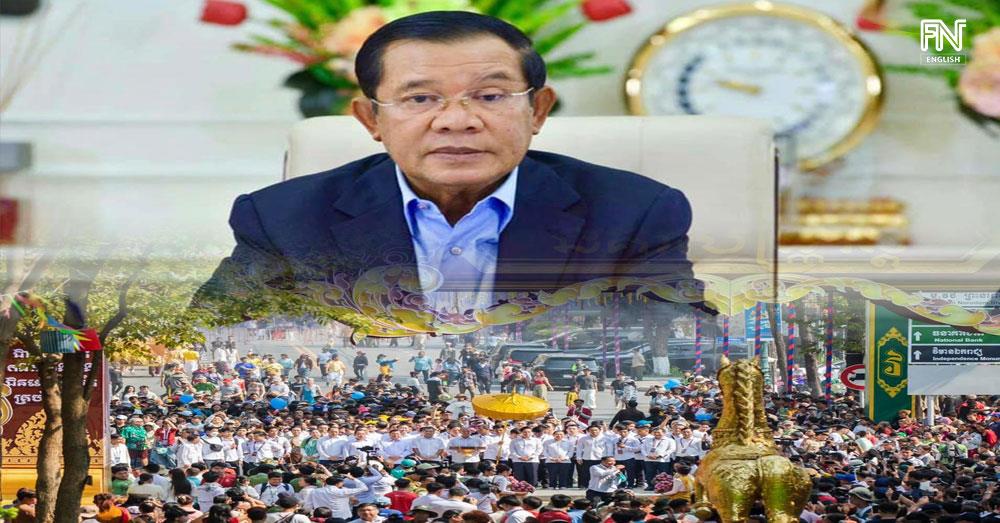
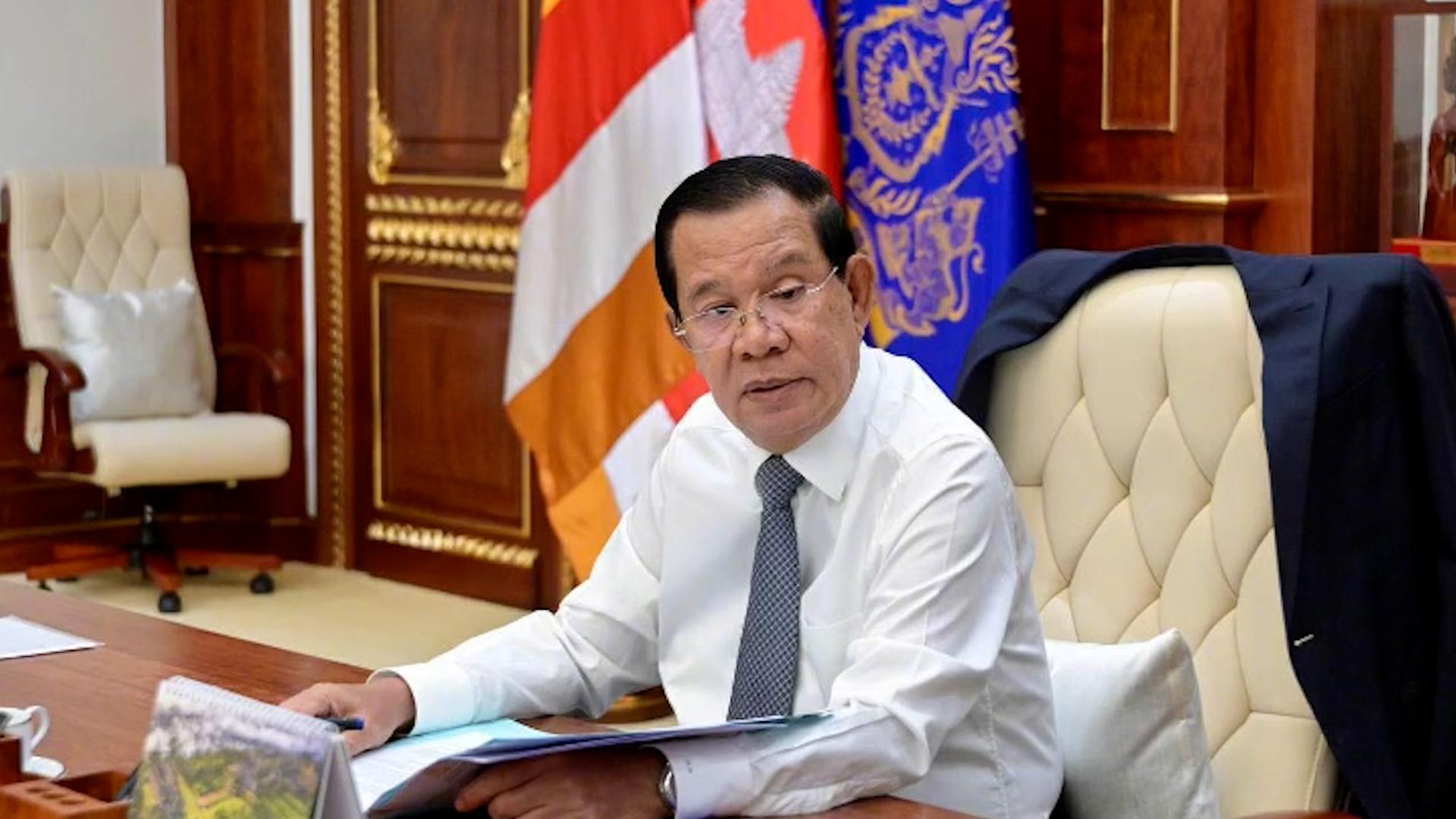
(Phnom Penh): At a time when nationalist sentiment is rising and inciting rhetoric is spreading across social media, Samdech Akka Moha Sena Padei Techo Hun Sen issued a response, using a powerful metaphor: “A wound to a finger should not cripple the entire body.”
This statement does not diminish the value of Cambodia’s territory. Rather, it underscores a clear message: Cambodia cannot allow a partial border issue to escalate into a nationwide crisis affecting its social stability, economy, and cultural life.
This deeply layered message also responds to criticism claiming that celebrating the Khmer New Year reflects a lack of concern for territorial integrity and frontline soldiers. In his more than 30-minute explanation, Hun Sen raised a fundamental question: Does defending the nation mean halting life, or continuing life in order to defend it?
“A Finger Wound”: Not Disrespect, But a Defense of the National Body
Hun Sen clarified that the phrase “a finger wound” is a metaphor about proportion—contrasting a localized issue with the overall stability of the nation. It is not an attempt to downplay territorial concerns.
Strategically, this reflects a critical stance: Cambodia does not ignore territorial issues, but neither will it allow them to undermine the country’s entire social and economic structure. A nation cannot suspend its functioning in response to a partial crisis, as doing so would cause greater harm than the issue itself.
Thus, this statement is not merely an explanation—it is a direct rebuttal to narratives suggesting that even a small territorial setback should halt all national activities, including cultural traditions such as the Khmer New Year.
The Real Choice: War or Peaceful Resolution
In his remarks, Hun Sen posed a direct challenge to critics: Should Cambodia choose military confrontation or peaceful negotiation?
The first option—war—would lead to loss of life among soldiers and civilians, destruction of infrastructure, and mass displacement, scenarios Cambodia has experienced in its past.
The second option—peaceful resolution—relies on diplomacy and international legal mechanisms. This approach prioritizes the well-being of citizens, the preservation of life, and national stability, while continuing to pursue territorial claims without abandoning them.
Hun Sen also warned that calls for violence are akin to “adding fuel to the fire,” emphasizing that war would not remain confined to border clashes but would spread into broader economic and social disruption.
Loss of Control Does Not Equal Loss of Sovereignty
A key misunderstanding in public discourse is the conflation of “temporary loss of control” with “permanent loss of sovereignty.”
Hun Sen made it clear that Cambodia does not recognize territorial control obtained through force. Instead, it pursues its claims through legal and diplomatic channels. History demonstrates that such disputes require time and strategic patience, as seen in the Preah Vihear case, which took years of legal struggle before reaching resolution.
Therefore, defending territorial integrity is not about speed—it is about strategy.
Khmer New Year Celebrations: A Sign of a Nation That Endures
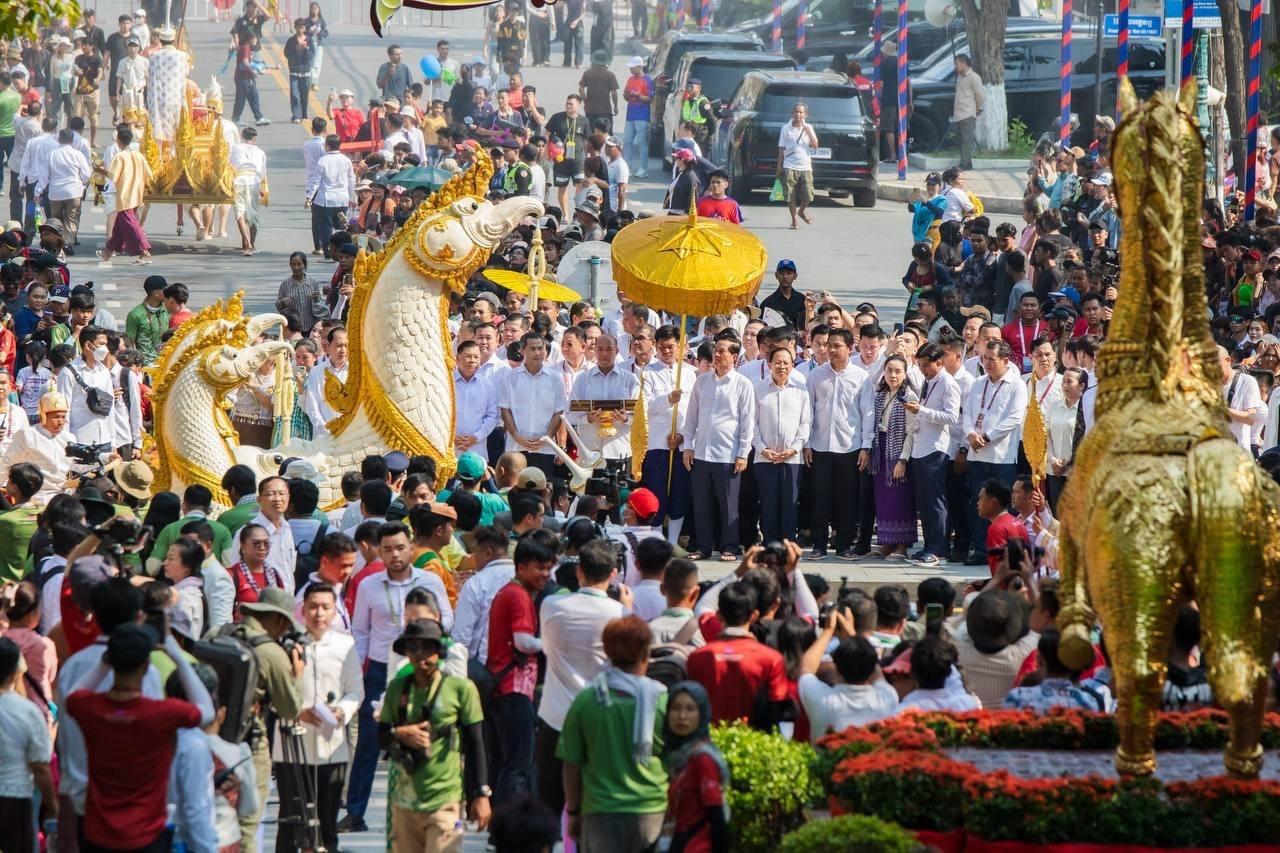
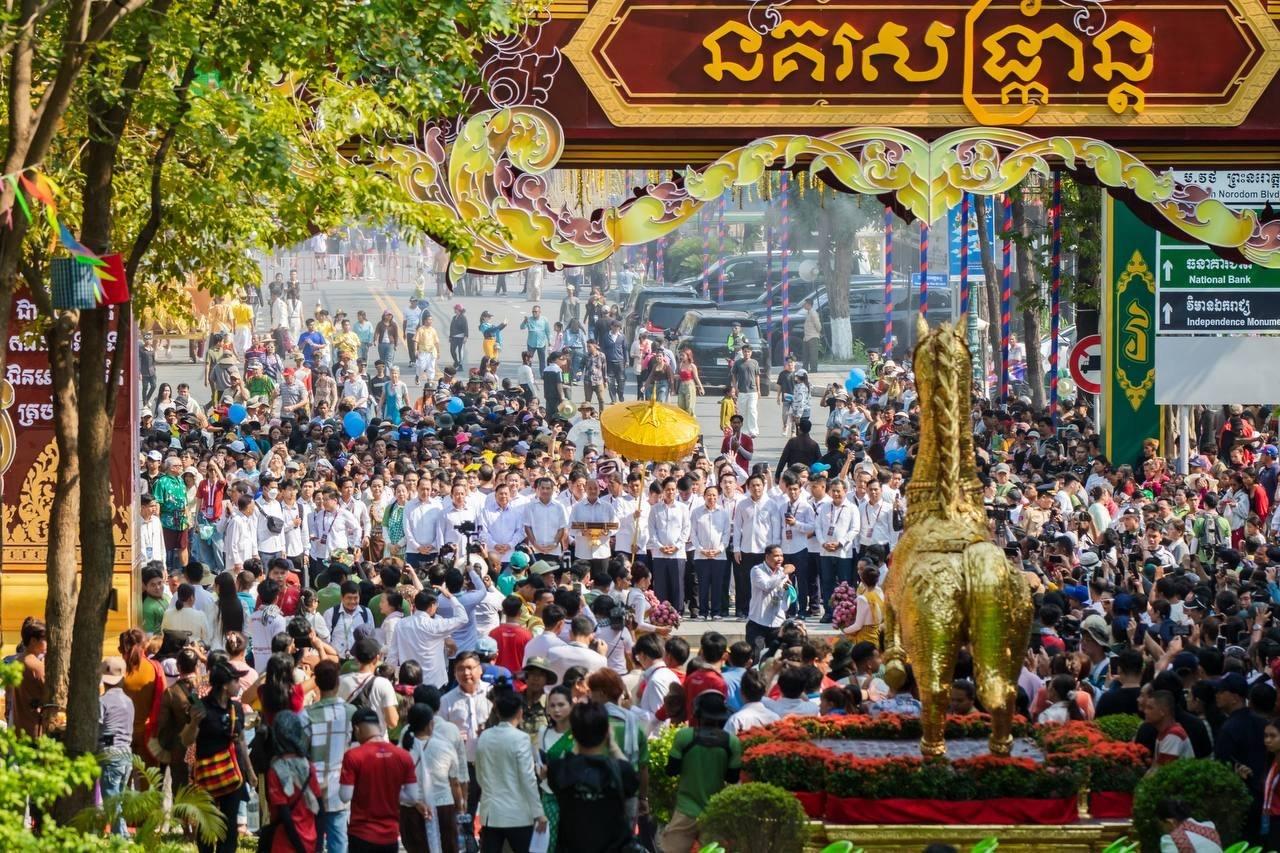
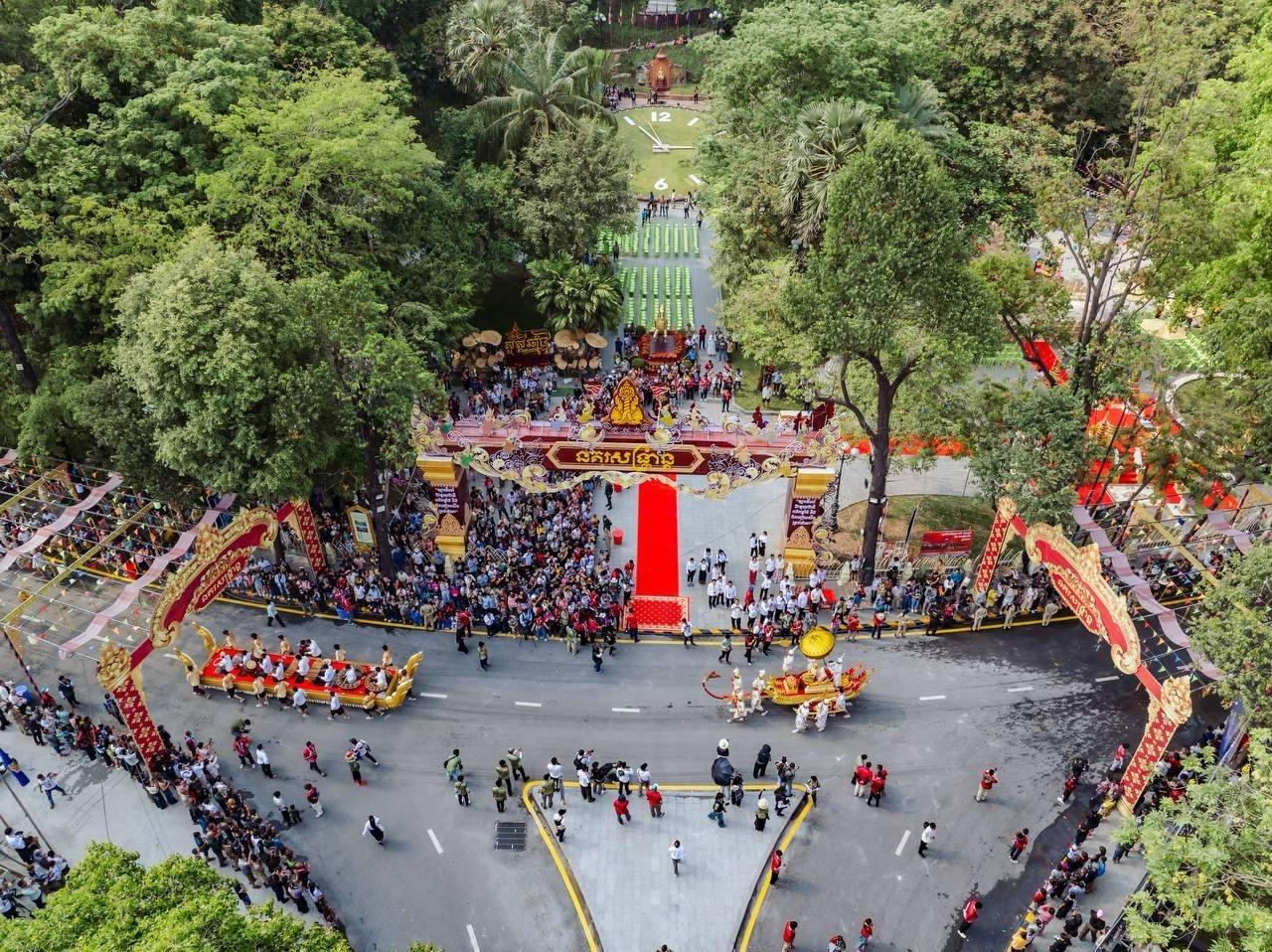
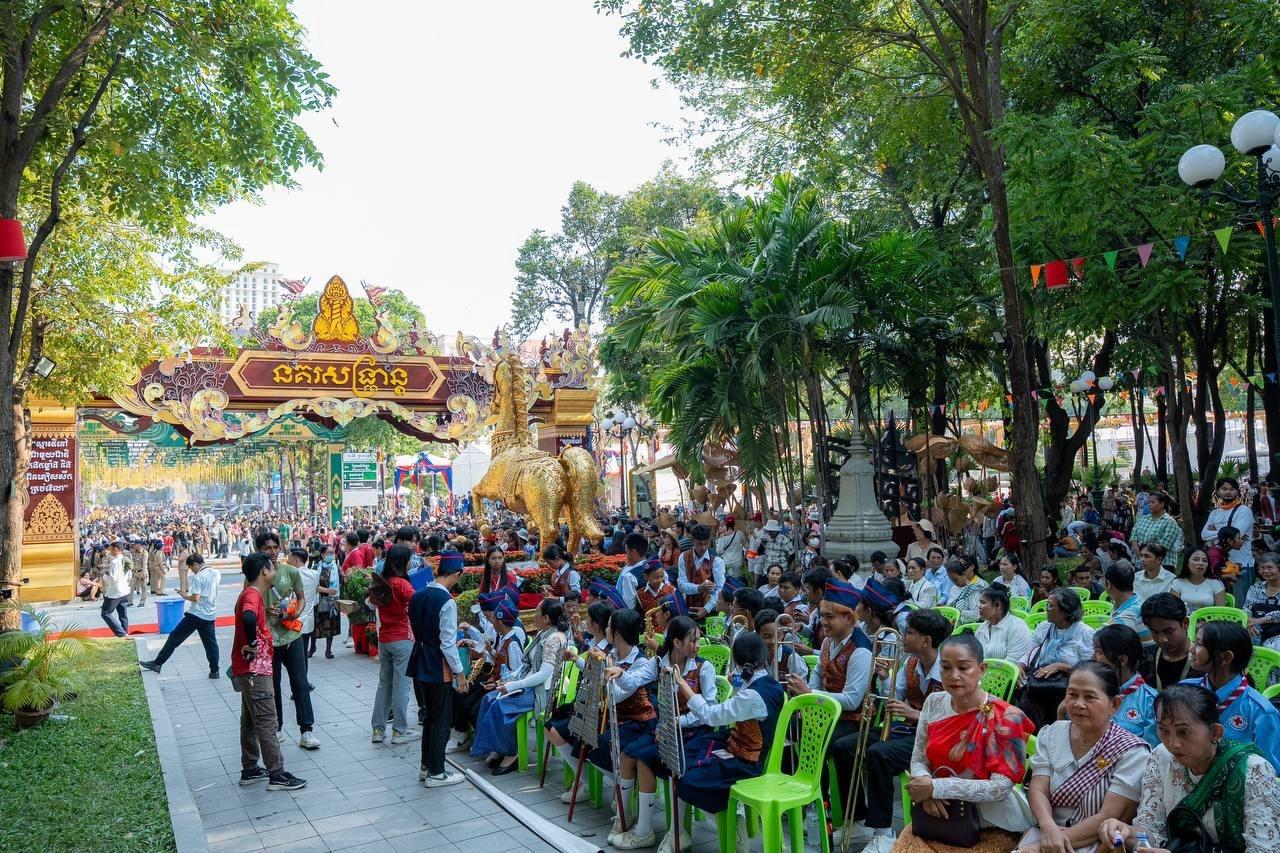
During the three days of Khmer New Year, millions of Cambodians participated in nationwide celebrations. While some critics interpret this as neglecting national concerns, the reality is quite the opposite.
These celebrations signal that society continues to function, the economy remains active, and cultural traditions are preserved. A nation that can sustain its daily life and traditions, even amid challenges, demonstrates resilience—not weakness.
The joy expressed during these days is not a sign of forgetting the nation, but a declaration that crises will not be allowed to paralyze national life.
Conclusion: A Nation Cannot Pause to Await Victory
Ultimately, the central question remains: Does defending the nation require stopping life, or continuing life in order to defend it?
Cambodia’s answer is clear: it does not choose war that leads to loss of life, it does not abandon its territorial claims, and it does not allow crises to halt national progress.
The phrase “a finger wound” is therefore not a dismissal of national concerns. It is a reminder that a nation cannot stop functioning while waiting for victory. Instead, it must continue to live, grow, and struggle forward—with patience and strategy—even while wounded.
As Cambodians, we must remember:
“Victory does not come from stopping progress, but from a nation that knows how to keep moving forward, even while wounded.”