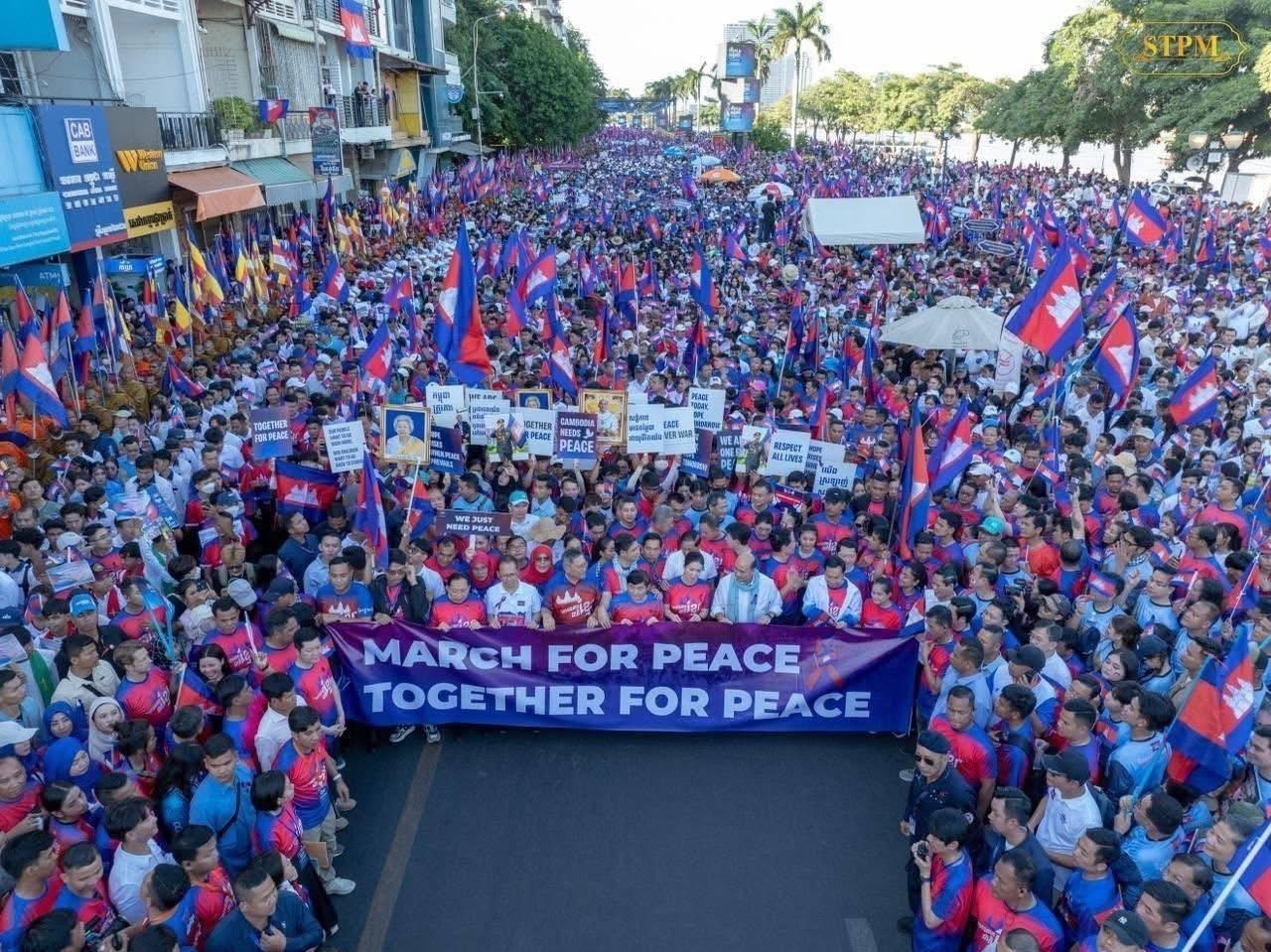
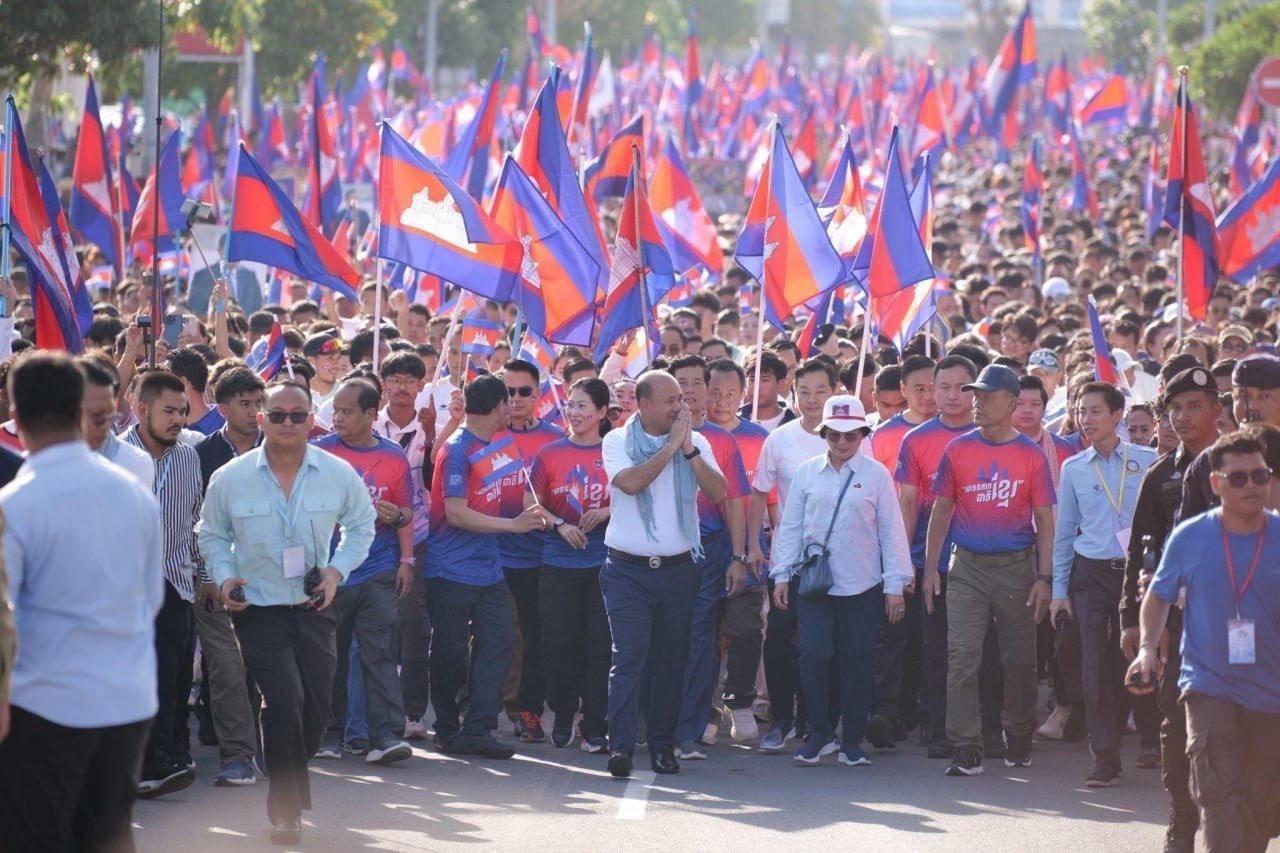
(Phnom Penh): April 17 stands as one of the most important days of historical reflection in Cambodia, a moment not only to remember the past but to safeguard the future and ensure that such a tragedy never happens again on this sacred land of Angkor.
Cambodia’s history has clearly shown that a nation is not destroyed solely by external enemies, but can collapse from within—through internal division, extremism, and political incitement that ultimately turns a nation against itself.
Therefore, commemorating April 17 is not merely about remembering the past. It is a profound reminder that peace and national unity do not come by chance. They are the result of painful lessons—paid for with the lives of millions of Cambodians.
April 17, 1975, was the outcome of prolonged war and deep internal conflict, which pushed Cambodian society into one of the darkest and most tragic periods in its history—one that must never be forgotten.
The Context of Today’s Commemoration
This year’s commemoration of April 17 takes place in a political and social environment where voices of incitement from extremist groups abroad continue to attempt to provoke unrest and division within Cambodian society.
These efforts are often framed through political narratives, including allegations that Cambodia has “ceded territory” to neighboring countries in exchange for political power. Such claims not only distort reality but also risk undermining national unity at a time when cohesion is most needed.
In this context, remembering April 17 is not about dwelling on the past—it is a critical warning. History can repeat itself if society falls again into division, incitement, and extremism, just as it did in the past.
April 17, 1975: A Turning Point in Cambodian History
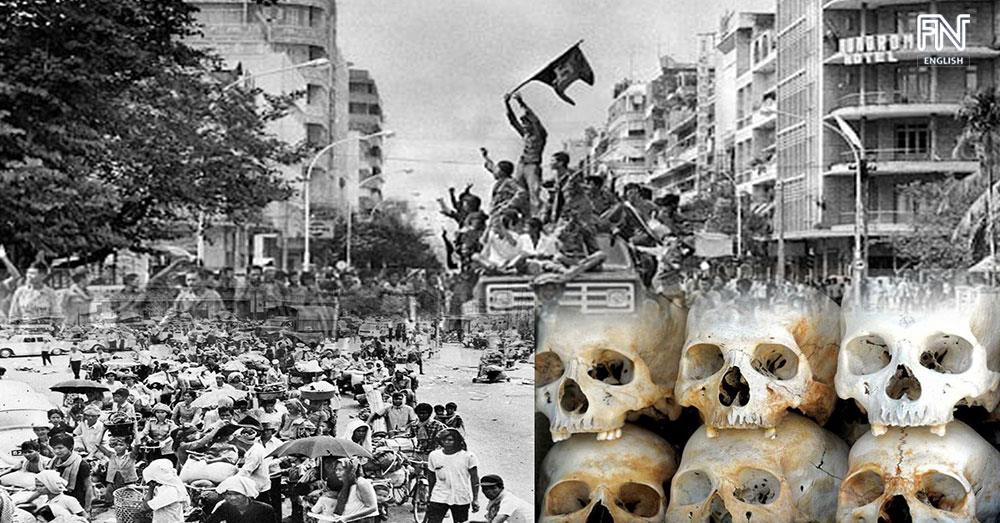
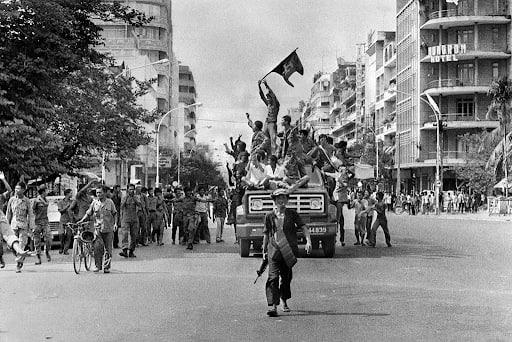
April 17, 1975, marked a decisive turning point when Phnom Penh fell to the Khmer Rouge, and Cambodia entered the period of Democratic Kampuchea, which lasted for three years, eight months, and twenty days.
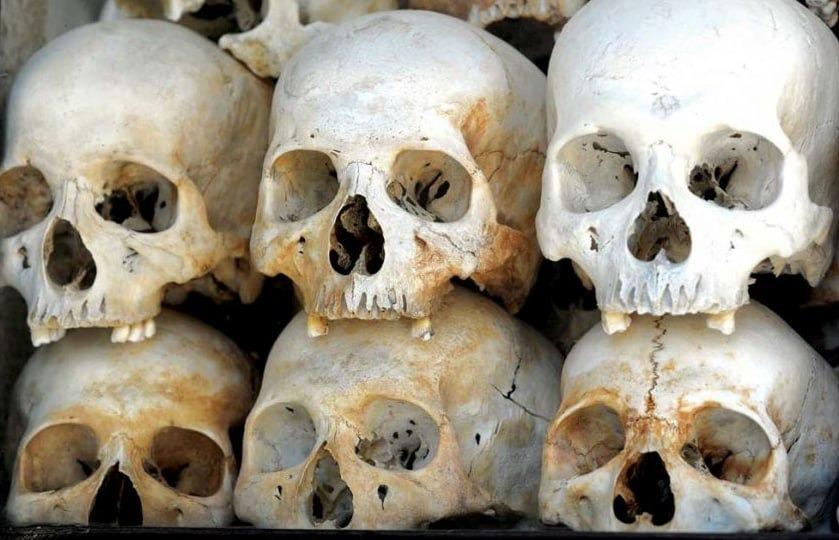
During this time, millions of Cambodians lost their lives due to executions, torture, starvation, and disease. Families were torn apart, human rights were abolished, and the entire society descended into one of the most severe humanitarian crises in modern history.
The regime came to an end on January 7, 1979, when the Kampuchean United Front for National Salvation, with external support, liberated the country and brought an end to the Khmer Rouge rule.
The history of April 17 is not a distant past to be forgotten—it is a powerful lesson showing how a nation can collapse when consumed by war, political division, and extremism.
Cambodia Before 1975: Division and War
Cambodia’s fall into the Khmer Rouge regime was not accidental. It was the result of years of political division, instability, and war.
From the 1960s to the early 1970s, Cambodia became entangled in political rivalries and regional conflicts that eroded state stability and social cohesion.
The situation worsened following the coup of March 18, 1970, which overthrew Prince Norodom Sihanouk and led to the establishment of the Khmer Republic. From that point, Cambodia descended into civil war, which continued until 1975.
Political fragmentation and conflict weakened institutions, devastated the economy, and created conditions in which extremist forces were able to rise and gain support—ultimately leading to the catastrophic events of 1975.
A Nation Emptied: Cities Without People
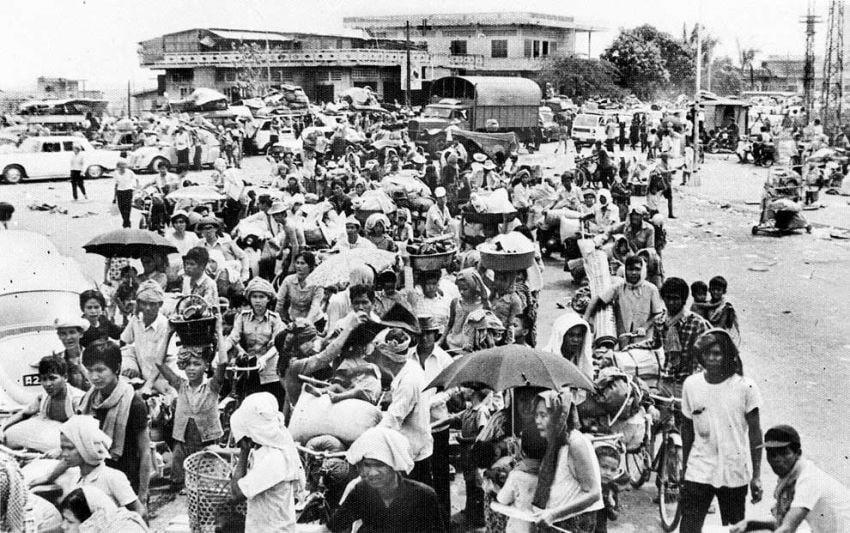
After April 17, 1975, once vibrant cities were emptied. Streets that were once full of life became silent. Schools, pagodas, and communities were abandoned as people were forcibly evacuated to the countryside.
Cambodia became a nation where there were houses but no residents, roads but no travelers.
Over the course of three years, eight months, and twenty days, the country endured immense suffering. Millions died, families were separated, and society was fractured.
The regime also institutionalized division—categorizing people into “base people” and “new people,” with those evacuated from cities often labeled as enemies. Many former civil servants, soldiers, intellectuals, and professionals became targets for execution.
Within a short time, Cambodia descended into a nightmare of violence, fear, and humanitarian catastrophe.
History shows that when a society is consumed by war, division, and extremism, neighbors can turn against each other, and a nation can collapse rapidly.
Lessons for Cambodia Today
The tragedy following April 17 is not only a matter of remembrance—it is a vital lesson for present and future generations.
Remembering history is not about living in the past, but about preventing its repetition.
The most important lesson is this: a nation can lose its peace, stability, and future when society falls into division, extremism, and political incitement.
When people can no longer coexist with tolerance and understanding, society becomes vulnerable to anger, revenge, and violence.
History has repeatedly shown that internal division can be more dangerous than external threats. Many nations have fallen not only because of outside enemies, but because of internal fragmentation and extremism.
Peace and Stability as National Priorities
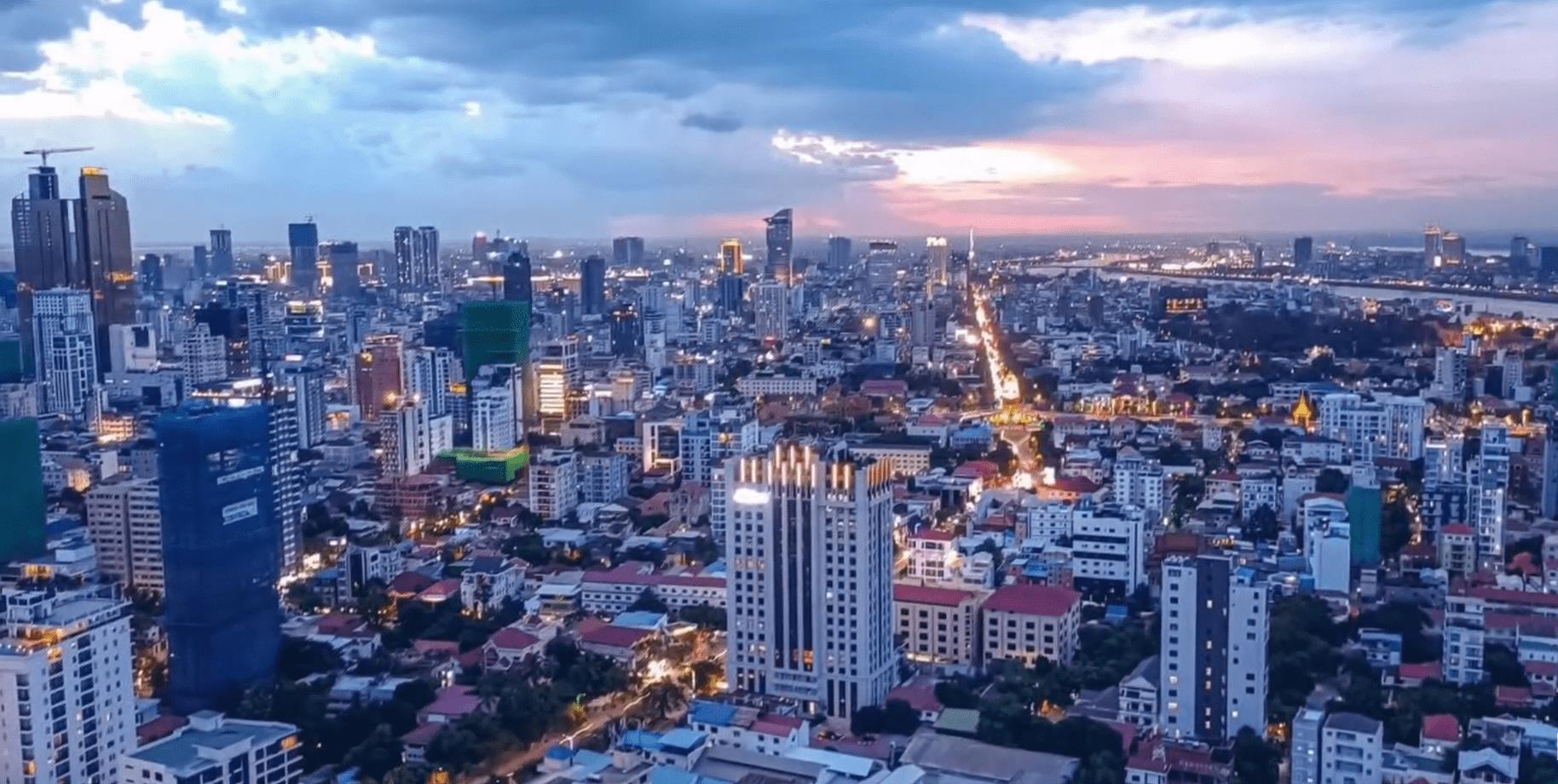
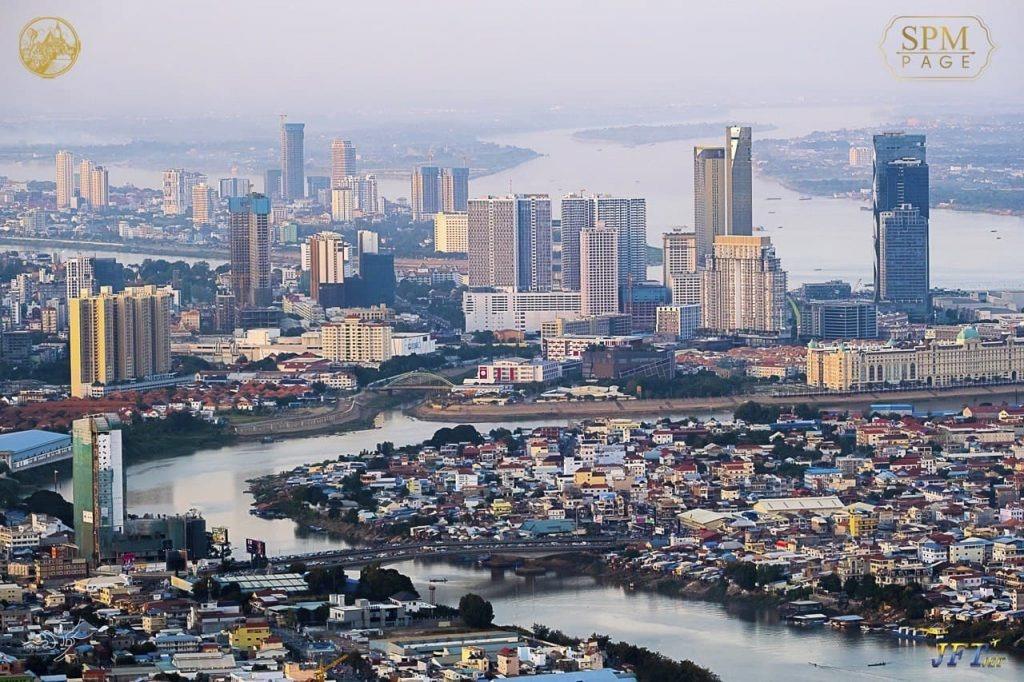
After decades of war and crisis, Cambodia has spent many years rebuilding its nation, restoring its economy, and securing peace.
However, historical tensions and external pressures—particularly along border areas—continue to present challenges to Cambodia’s sovereignty.
In response, the Royal Government of Cambodia has prioritized national interest and the safety of its people by choosing legal and diplomatic approaches to safeguard territorial integrity, rather than resorting to armed confrontation that could escalate into greater conflict.
At the same time, opposition groups abroad have attempted to incite unrest by accusing the government of “trading land for power.” These claims are not only unfounded but also risk creating misunderstanding and weakening national unity.
Peace and stability are not minor achievements, nor do they occur by chance. They are the foundation of economic development, investment, social progress, and the nation’s future.
A country without peace cannot develop. A country at war cannot prosper. And a divided society cannot achieve stability or a sustainable future.
Conclusion: Remembering the Past to Protect the Future
April 17 is not just a date in history—it is a reminder that a nation can lose everything in a short time when it falls into war, division, and extremism.
Remembering history is not about mourning the past, but about protecting the future.
Peace is not accidental—it must be preserved, protected, and defended.
The history of April 17 reminds us that what has happened once can happen again if society fails to learn from the past.
Ultimately, the greatest lesson is clear:
Peace and national unity are more valuable than anything else—and must never be lost again.