(Phnom Penh): Illegal transboundary shipments of electronic waste are increasing across Southeast Asia, prompting stricter enforcement as governments move to block hazardous imports and dismantle trafficking networks.
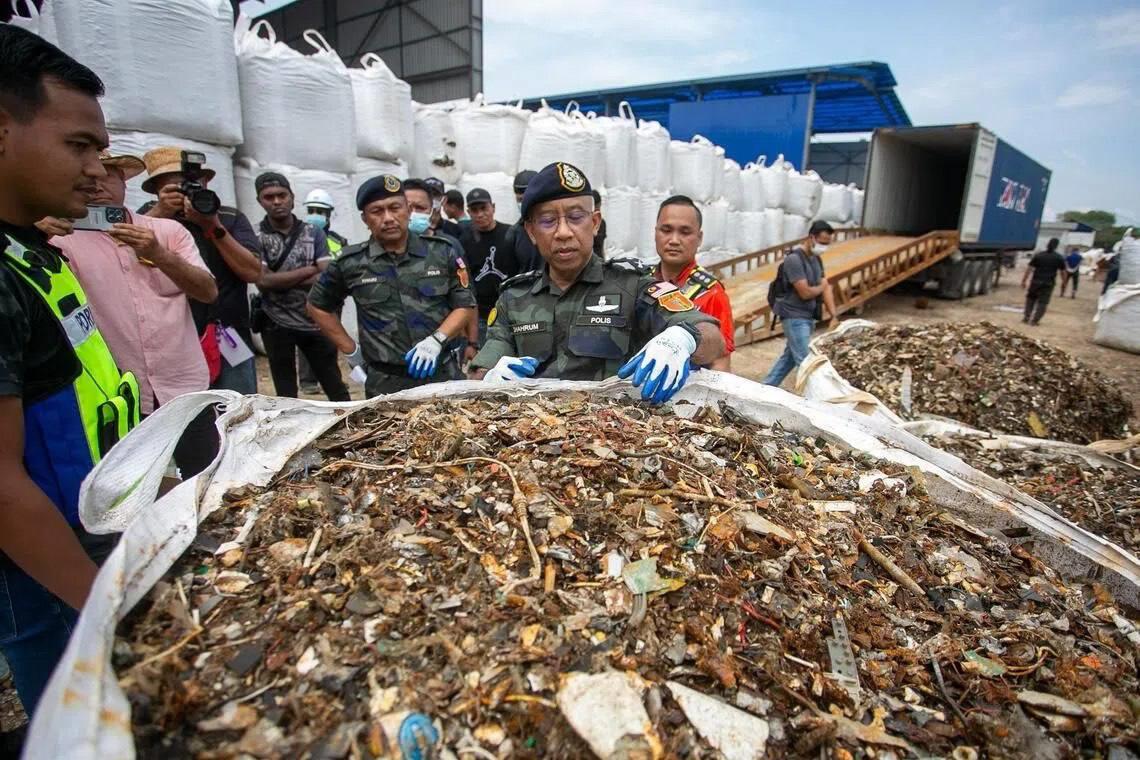
Authorities in Malaysia recently rejected multiple shipments of electronic waste at its ports, citing violations of environmental regulations and international rules governing hazardous waste movement.
Officials warned the region risks becoming a dumping ground for foreign waste without stronger enforcement.
Electronic waste, or e-waste, includes discarded devices such as computers, mobile phones and household appliances.
These materials often contain toxic substances including lead, mercury and cadmium, posing serious risks to human health and the environment if improperly handled.
In Thailand, authorities have intensified enforcement following a series of major seizures.
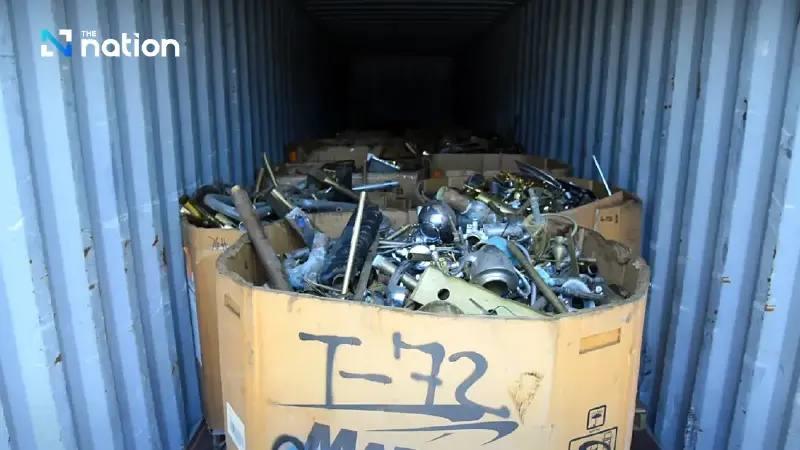
According to The Nation Thailand, the Customs Department has “intensified its drive against transnational syndicates smuggling electronic waste into the country,” after a March 10 operation uncovered 18 suspicious containers at Laem Chabang Port.
The case, supported by intelligence from the Basel Action Network and the United Nations Office on Drugs and Crime, led to the impoundment of 714 suspicious containers between April 2025 and March 2026.
Officials said the shipments were disguised as scrap materials, highlighting increasingly sophisticated tactics used by trafficking networks to evade detection.
Meanwhile, Cambodia has reinforced its legal framework, applying a zero-tolerance policy toward the import of e-waste. Authorities warned that illegal importation may be treated as a serious criminal offense, including under laws targeting financial crimes.
Environmental experts say Southeast Asia has become increasingly vulnerable to illegal waste shipments as tighter regulations elsewhere push traffickers to seek alternative destinations.
Governments across the region are strengthening inspections, expanding inter-agency cooperation and increasing legal penalties as part of broader efforts to curb the growing threat.
=FRESH NEWS