(Phnom Penh): At a time when some voices are urging Cambodia to pursue a military path to reclaim disputed territory from Thailand, the Royal Government of Cambodia, under the leadership of Prime Minister Hun Manet, has chosen a different course: diplomacy, negotiation, and the rule of law—placing bilateral mechanisms at the forefront to safeguard national sovereignty without bloodshed. This policy priority was formally articulated on April 11, 2026.
Cambodia’s decision to prioritize bilateral diplomacy is not a sign of weakness or political concession. Rather, it is a strategic choice grounded in careful assessment: avoiding a war with no real winners, relying on existing legal frameworks and agreements, and selecting mechanisms that are both practical and effective.
Avoiding War to Protect the Nation
Past conflicts have clearly demonstrated that the use of force does not lead to sustainable solutions. Instead, it results in severe losses—of lives, property, and social stability.
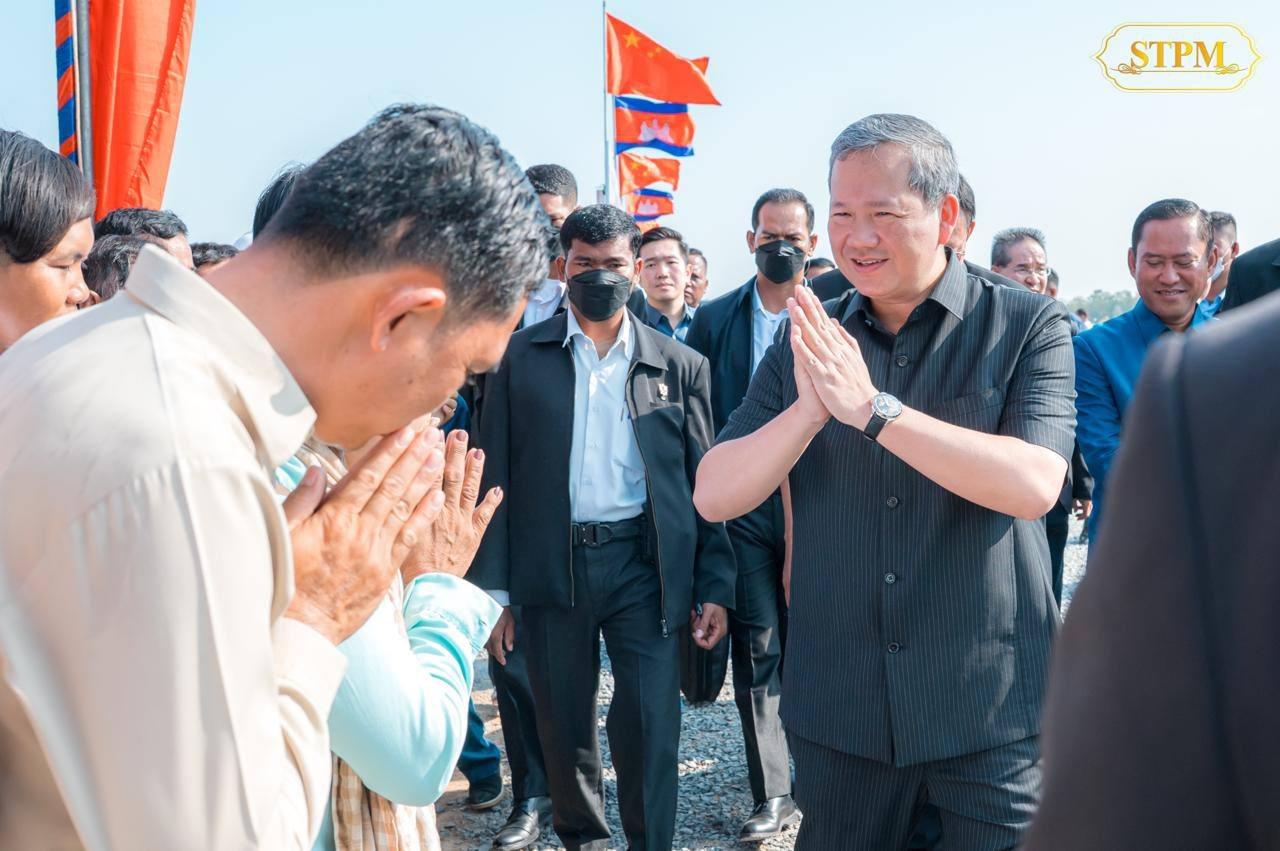
Prime Minister Hun Manet emphasized this point:
“Even if diplomatic mechanisms have only one percent chance of success, we must pursue them to the fullest. We cannot sacrifice the lives of our people, their property, and accept destruction… War does not end; it only leads to endless cycles of retaliation.”
Evidence from previous clashes shows that hundreds of thousands were displaced, forcing the Cambodian government to construct more than 3,000 temporary shelters for affected citizens.
Avoiding war, therefore, is not surrender—it is a deliberate strategy to protect lives and secure the country’s future.
Shared Policy Ground with Thailand
Cambodia retains multiple diplomatic options, including bilateral and multilateral engagement with partners such as the United States, ASEAN, and China. However, the prioritization of bilateral mechanisms is rooted in the recognition of at least two key areas of common ground with Thailand’s current government.
As the Prime Minister explained:
“Cambodia’s position is to resolve disputes peacefully, based on international law, treaties, and existing agreements… Thailand’s new government has also committed to resolving Cambodia–Thailand border issues through peaceful means and existing bilateral mechanisms.”
“Secondly, Cambodia respects existing agreements… and to date, neither the Thai government nor its military has rejected the Joint Statement of December 27; they continue to reaffirm it.”
These shared positions form a critical foundation for progress. The dispute is not without a starting point—it already has a legal and diplomatic framework acknowledged by both sides.
Existing Bilateral Mechanisms with Tangible Results
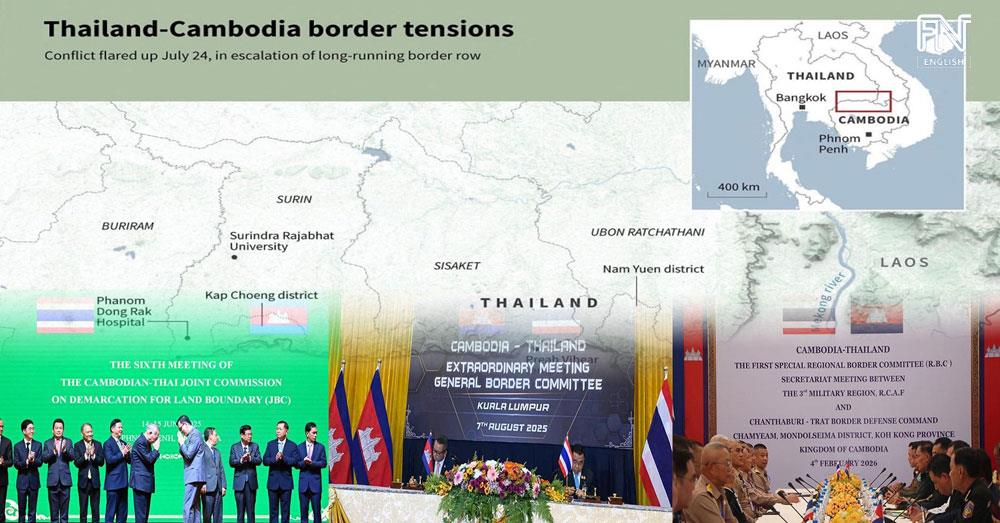
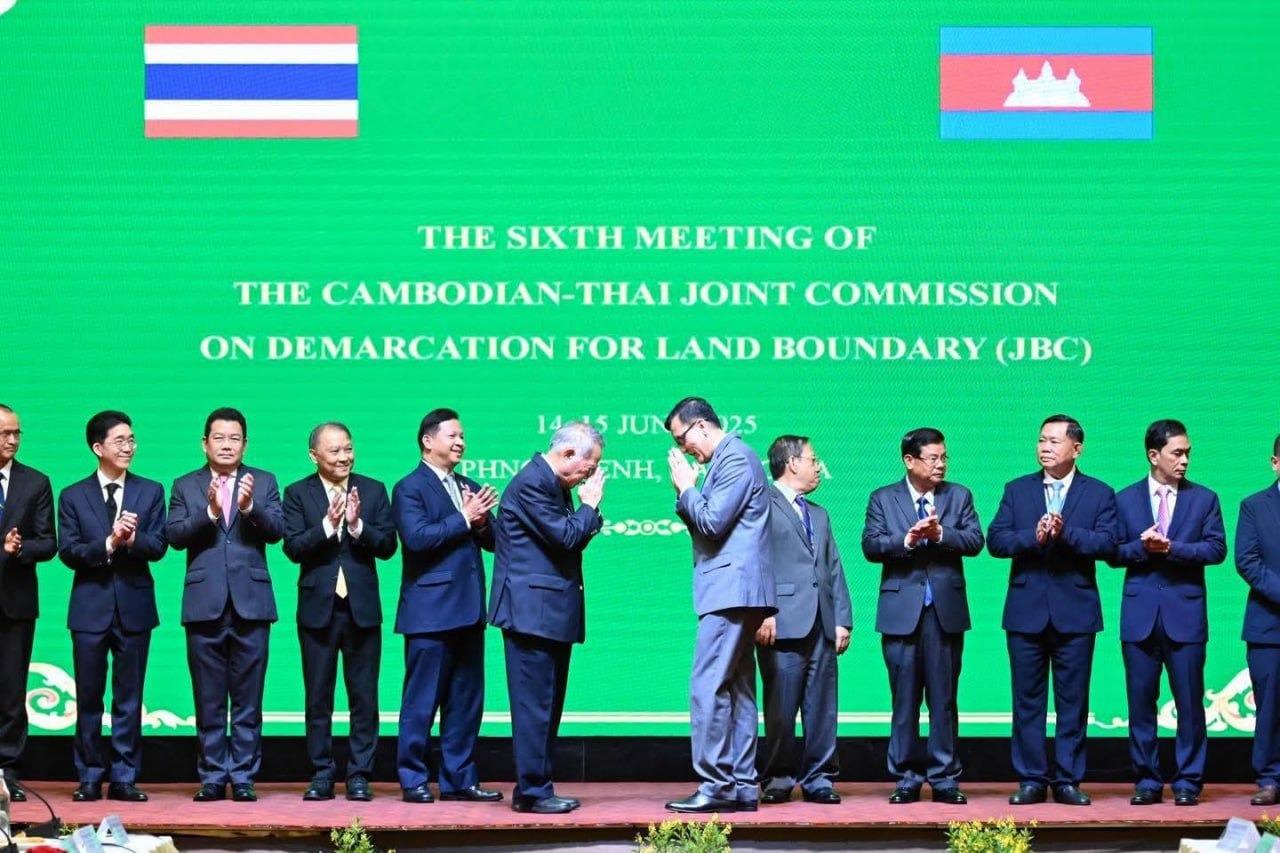
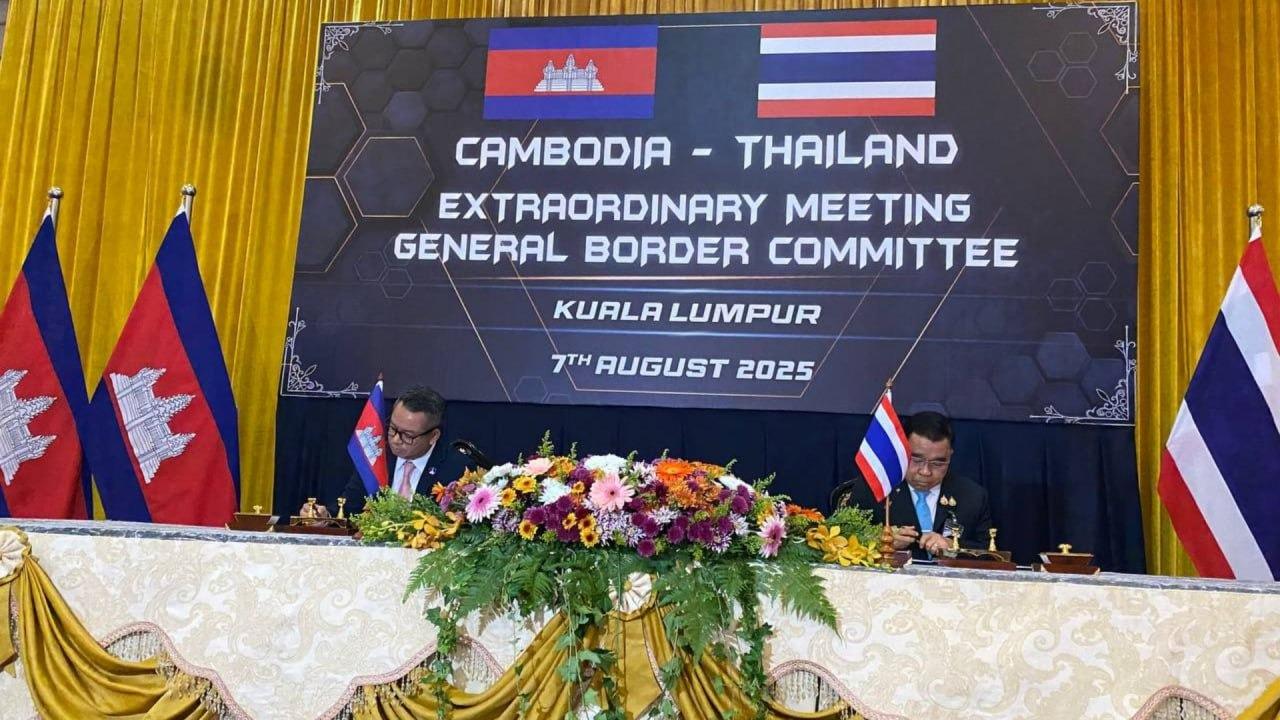
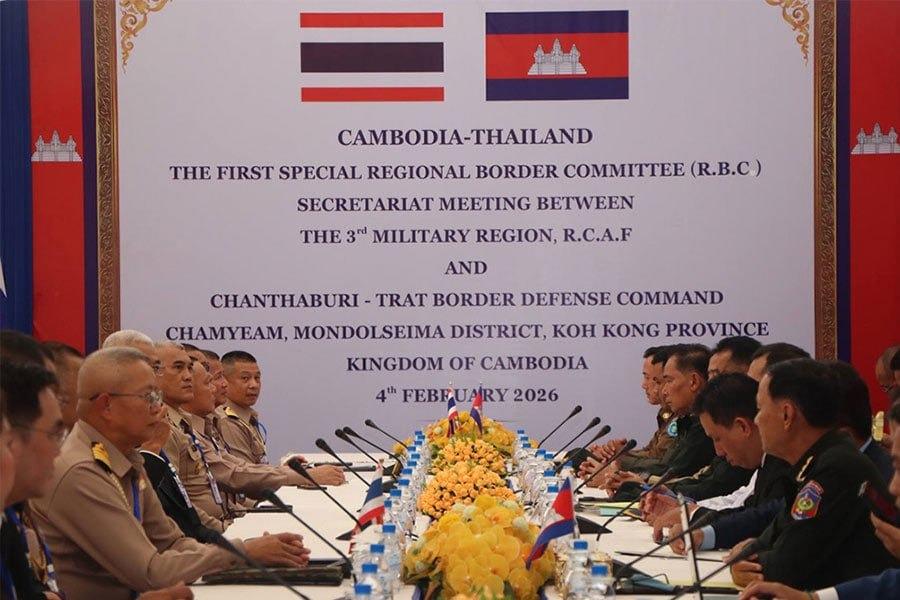
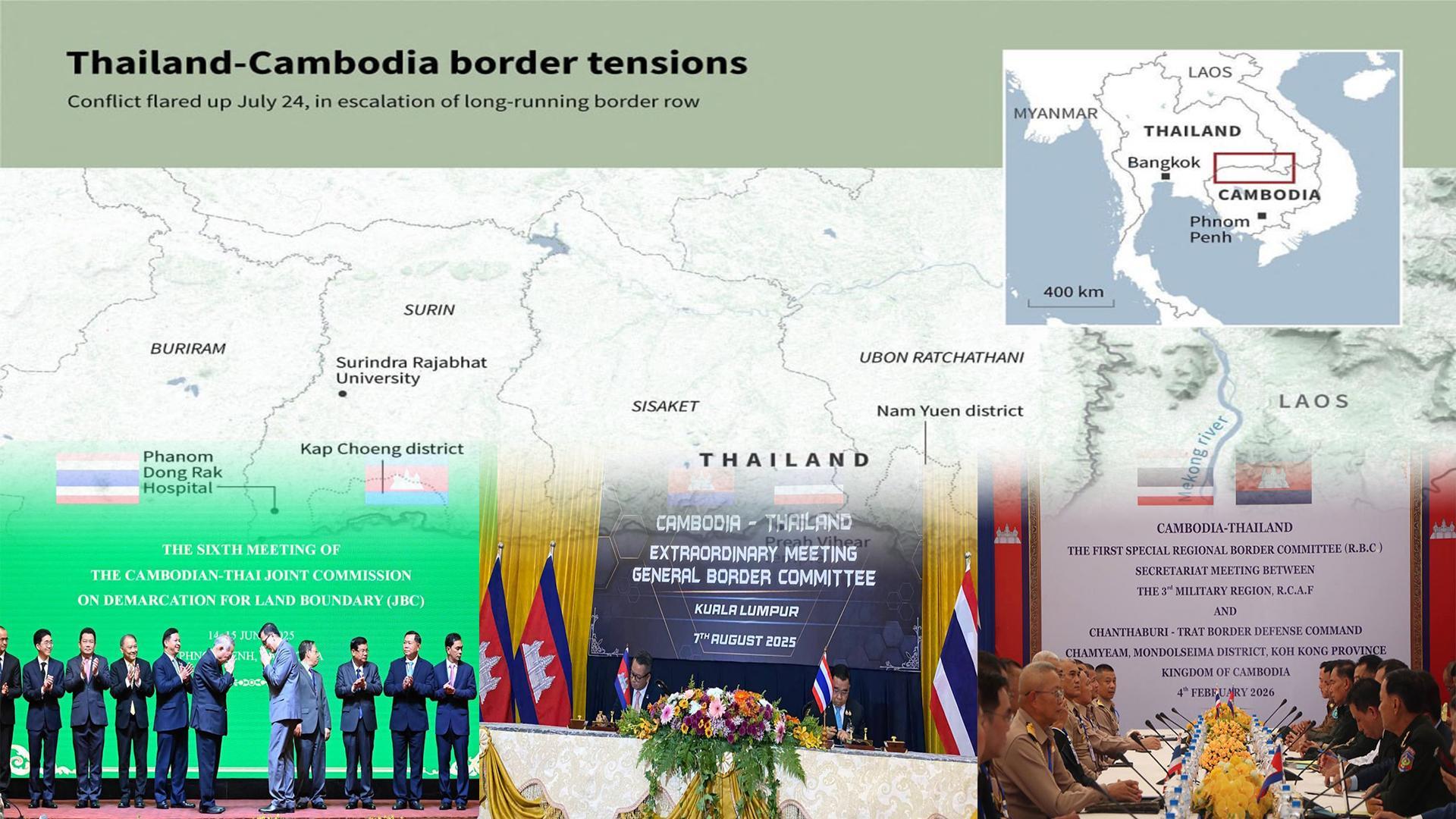
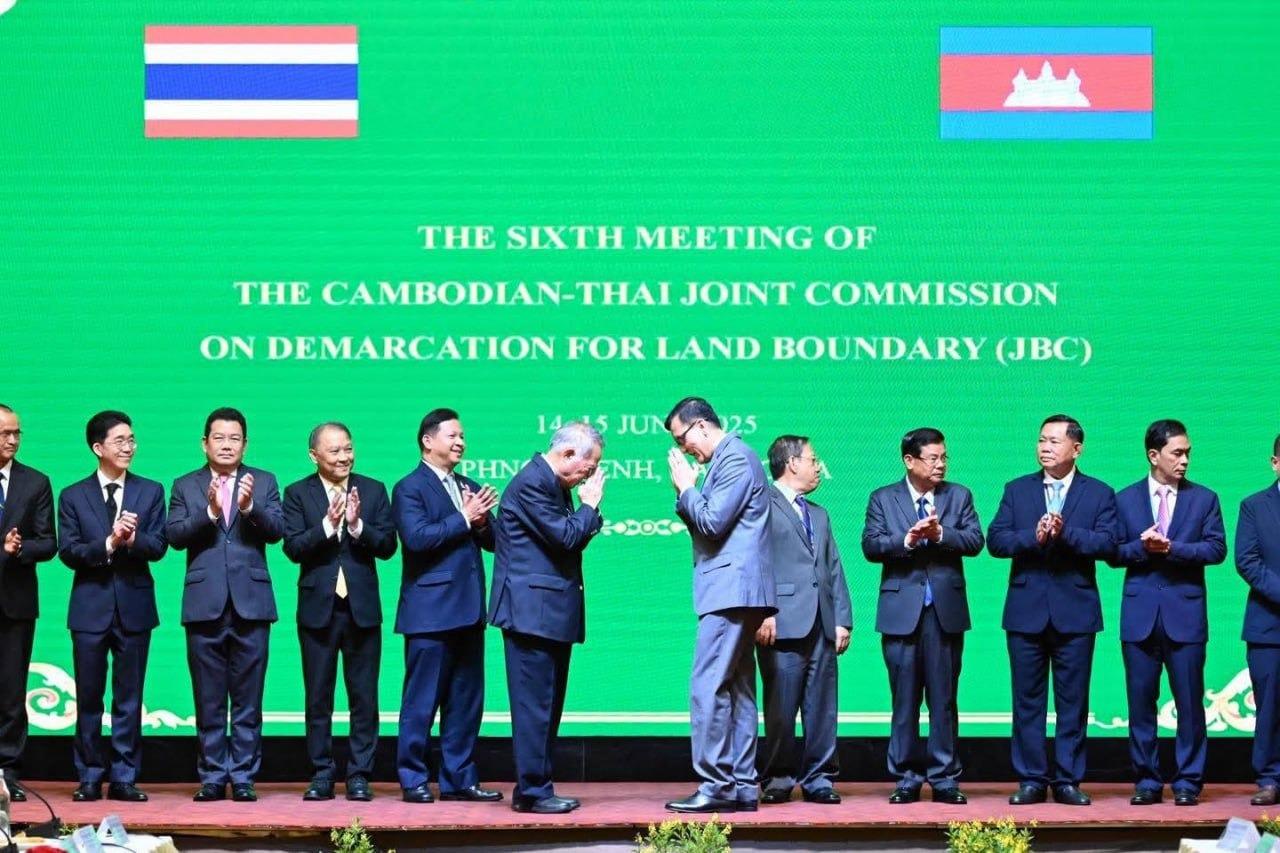
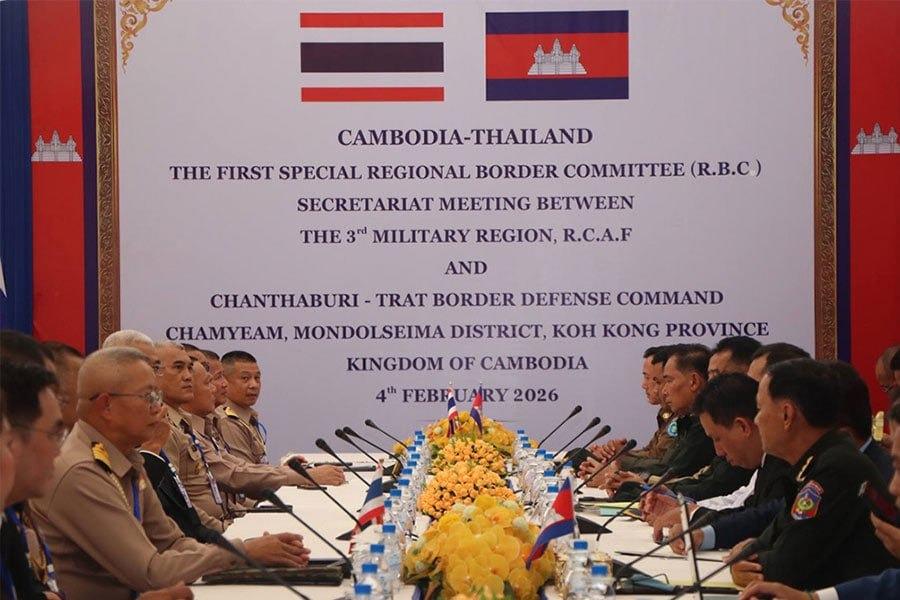
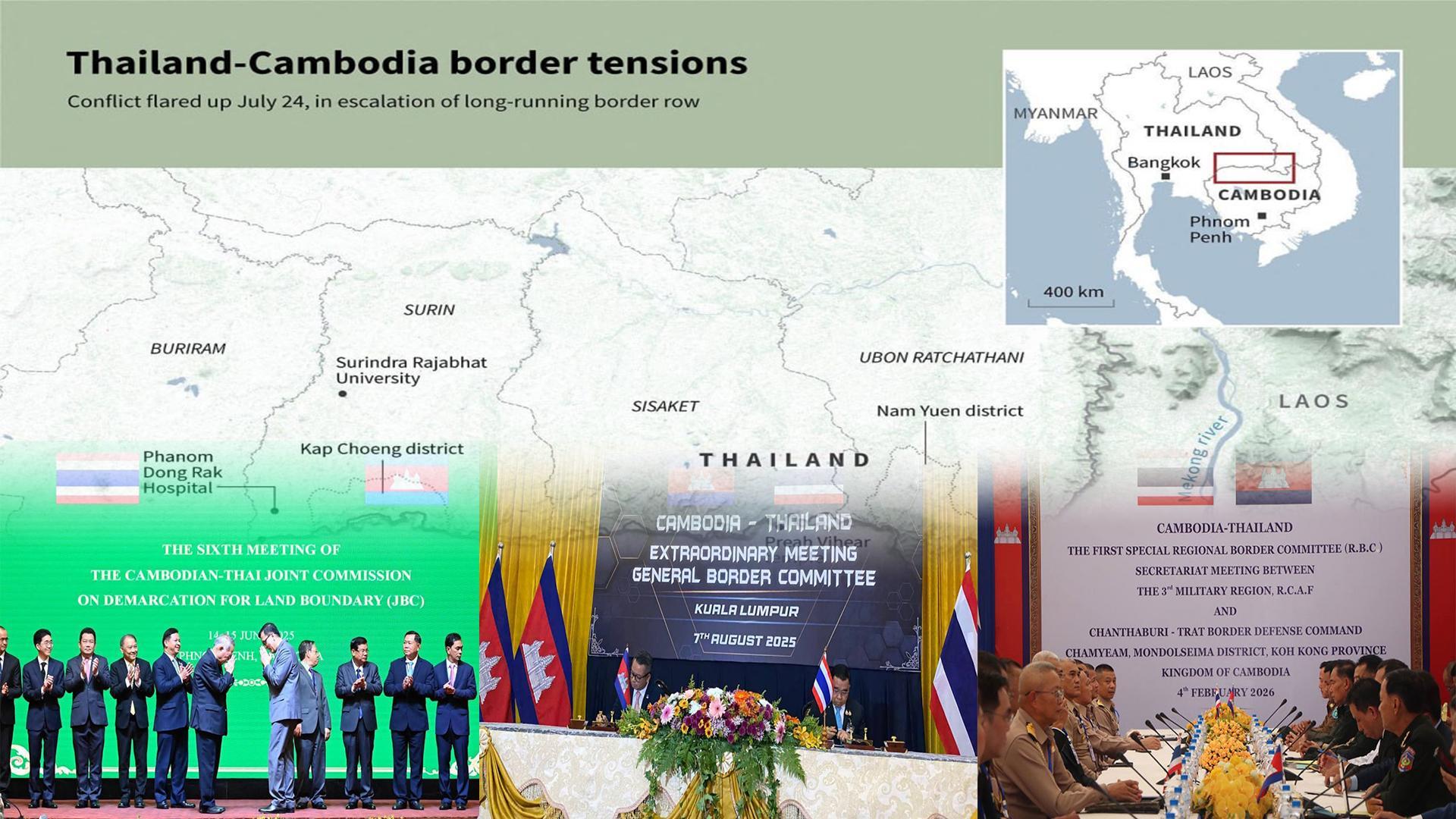
Cambodia and Thailand are not starting from scratch. Established mechanisms such as the Joint Boundary Commission (JBC), Regional Border Committee (RBC), and General Border Committee (GBC) have been in operation for over two decades.
These mechanisms have already produced measurable progress, with more than 50 percent of the land boundary demarcation agreed upon.
Prime Minister Hun Manet underscored this approach:
“Cambodia does not seek to violate anyone’s sovereignty, nor will it allow others to violate ours. We must use these mechanisms to measure and determine clearly what belongs to whom… based on treaties, agreements, and maps inherited from the past.”
This highlights a crucial principle: border disputes must be resolved through technical processes and legal frameworks—not emotion or force.
Relying on Law, Not Force
In a world increasingly marked by regional conflicts and weakening international mechanisms, smaller states cannot rely solely on global systems to protect their interests.
In this context, bilateral diplomacy—anchored in law—becomes a pragmatic and lower-risk strategy.
Prime Minister Hun Manet stated:
“We hope the Thai government will operationalize the JBC in line with the spirit of the bilateral agreements… We will pursue this bilateral approach until all possibilities are exhausted. Even if there is only one percent chance, we will continue pushing forward toward a full resolution.”
This reflects two key commitments:
- First, disputes must be resolved through legal mechanisms—not pressure or force.
- Second, Cambodia is committed to exhausting all diplomatic and legal avenues before considering alternatives.
In essence, Cambodia is choosing the power of law over the law of power.
Conclusion
Ultimately, Cambodia’s prioritization of bilateral diplomacy in resolving its border dispute with Thailand is not the easiest nor a perfect option. However, it is a strategic choice grounded in experience, legal foundations, and pragmatic calculation.
It reflects lessons from past conflicts, recognition of shared policy ground, reliance on functioning mechanisms, and a firm commitment to peaceful, law-based resolution.
Under Prime Minister Hun Manet, Cambodia’s approach demonstrates a clear vision: safeguarding national sovereignty not only through military means, but through diplomacy and law—ensuring long-term peace and international legitimacy.
In an increasingly uncertain and conflict-prone world, patience, negotiation, and respect for legal principles may appear slow. Yet they remain the only sustainable path toward lasting peace and stability.
Cambodia’s choice of bilateral diplomacy is therefore not a retreat—it is a reasoned strategy to resolve conflict without sacrificing lives or the nation’s future.