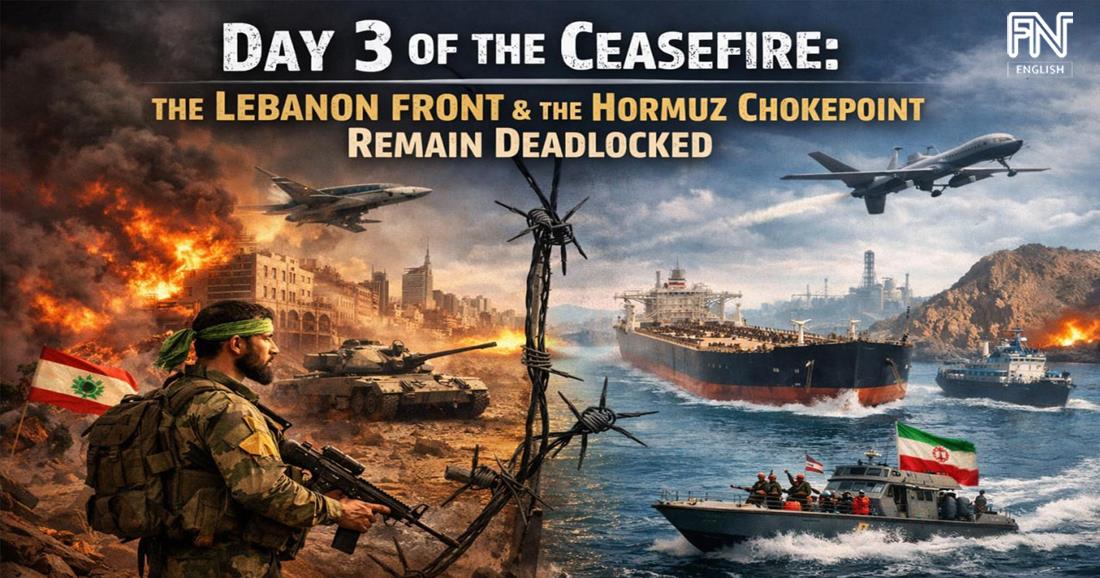
(Phnom Penh): The ceasefire in the Iran war has entered its third day, yet tensions remain high. Major questions remain unanswered: Will negotiations move forward, or will the conflict resume? The fragile truce has yet to produce a breakthrough, while military tensions across the region remain elevated and global markets are watching developments closely.
The key challenges in this war are closely tied to the situation in Lebanon and the Strait of Hormuz—two critical flashpoints that could directly impact global energy markets and economic stability. The ceasefire provides a window for diplomacy, but it could also become merely a pause before the next escalation.
Islamabad Talks — A Decisive Moment for the Future
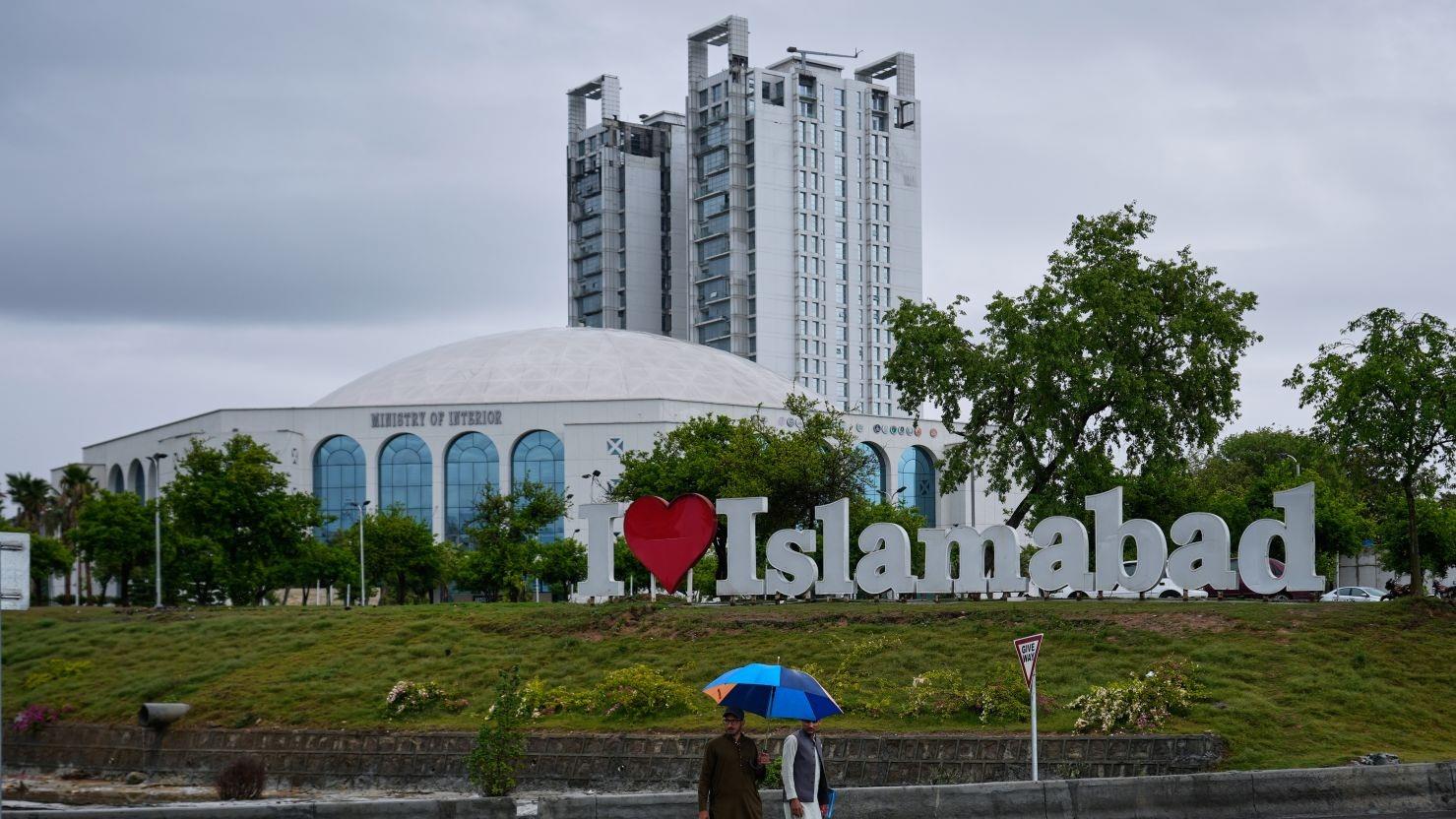
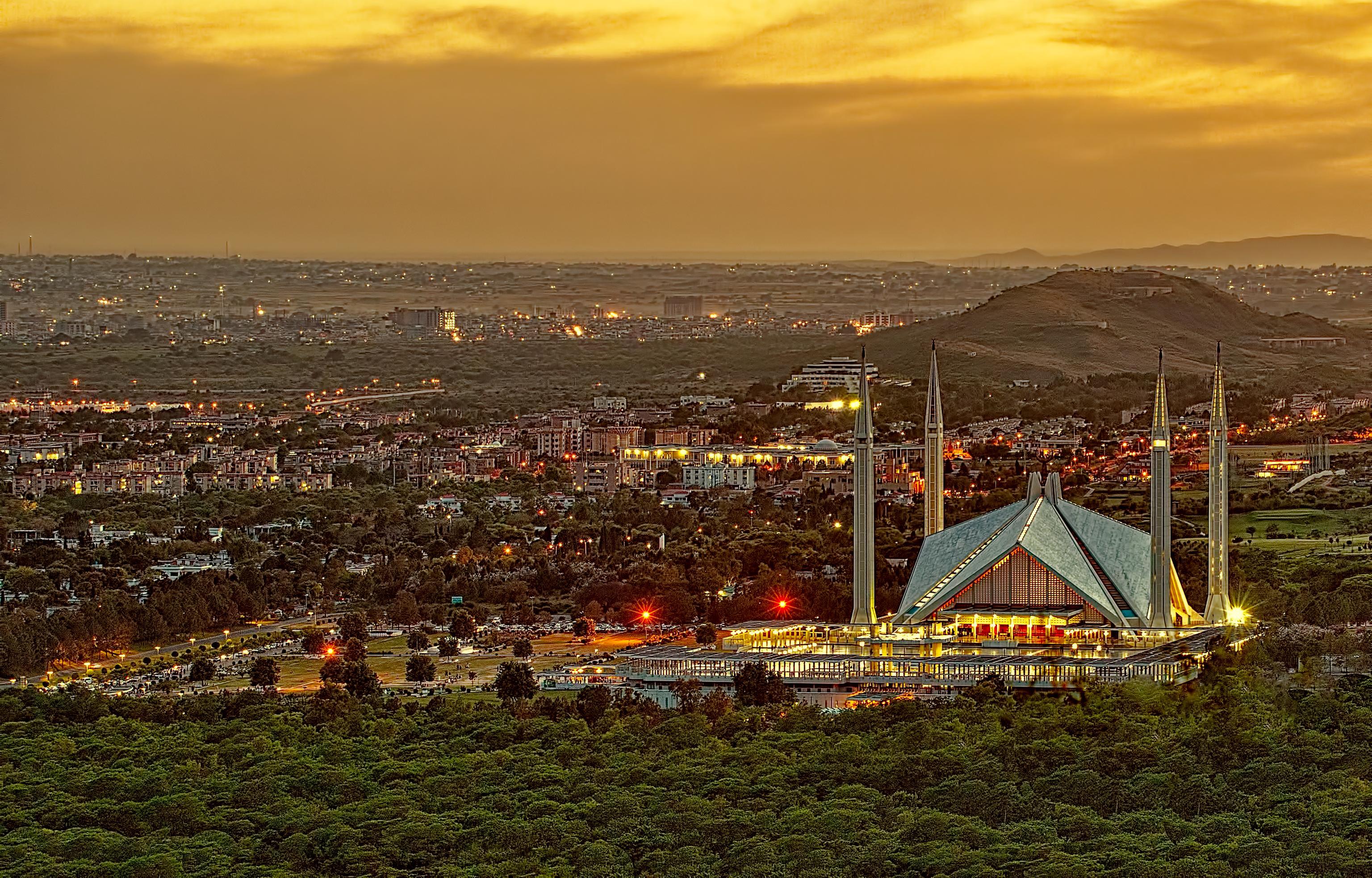
Negotiations between the United States and Iran are scheduled to take place in Islamabad. These talks are viewed as the most important opportunity to determine the direction of the conflict.
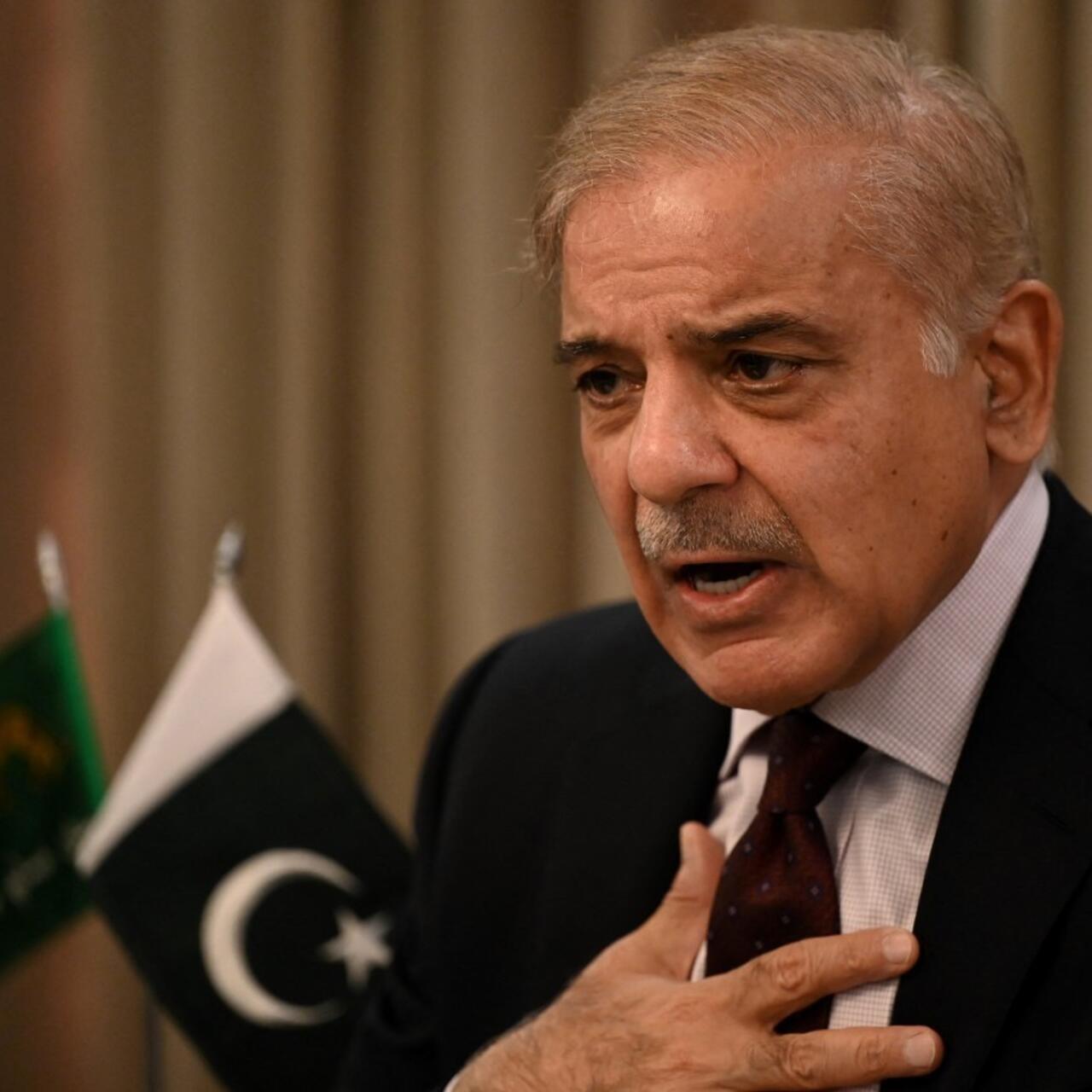
The U.S. delegation will be led by Vice President JD Vance, joined by top envoy Steve Witkoff and senior adviser Jared Kushner. On the Iranian side, Parliament Speaker Mohammad Bagher Ghalibaf and Foreign Minister Abbas Araghchi are expected to lead the delegation. Pakistan’s Prime Minister Shehbaz Sharif is expected to host the talks and hold separate preliminary meetings with both sides, depending on the arrival of the delegations.
If the talks succeed, they could reduce military tensions, open the path for longer-term diplomacy, and ease pressure on global energy markets. If they fail, the region could quickly return to serious military confrontation.
The Lebanon Front and Hezbollah
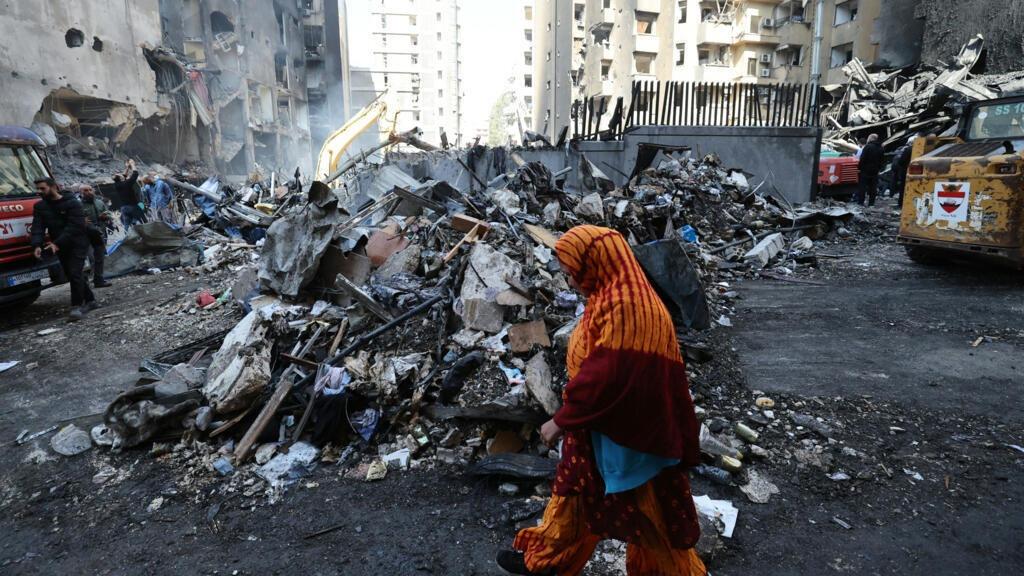
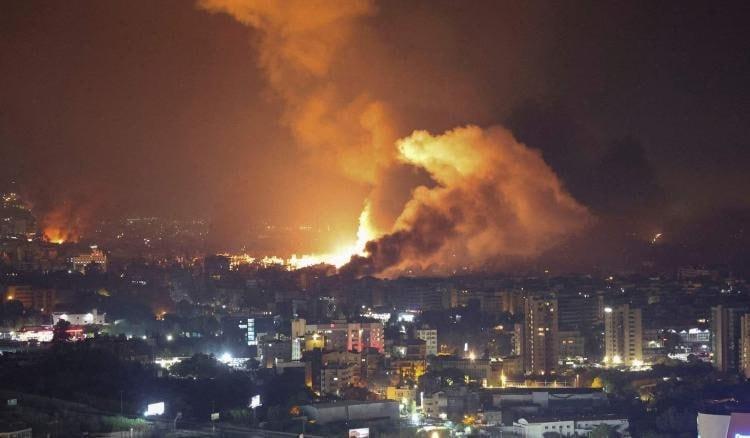
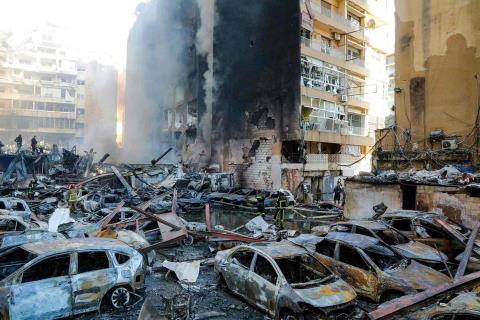
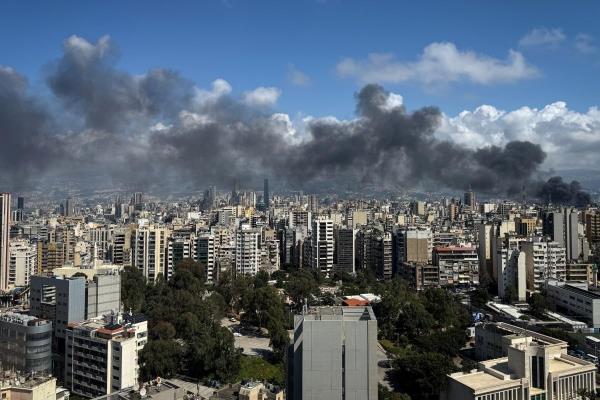
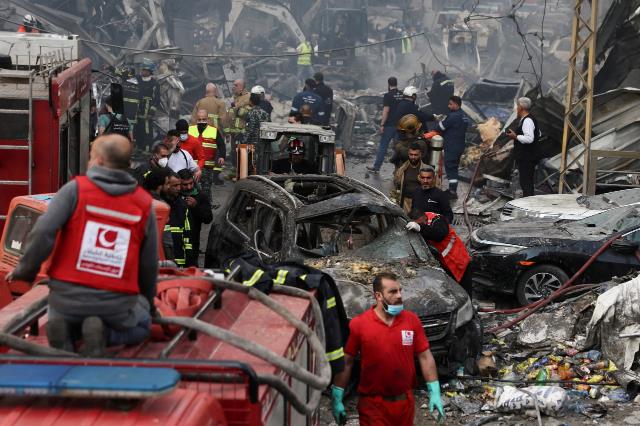
While Washington and Tehran prepare for talks, Israel continues its strikes on Lebanon. More than 300 people were killed and at least 1,150 were injured in a single day of attacks earlier this week.
World Health Organization Director-General Tedros Adhanom Ghebreyesus has called on Israel to withdraw evacuation orders affecting two major hospitals in Beirut, warning that Lebanon’s health system is struggling to care for civilian casualties.
Iranian Foreign Minister Abbas Araghchi warned that if Washington allows Israeli Prime Minister Benjamin Netanyahu to “kill diplomacy” by ignoring the ceasefire, the United States will be choosing to “crater its own economy.” He added that such a path would be “unwise,” but said Iran is prepared for that scenario.
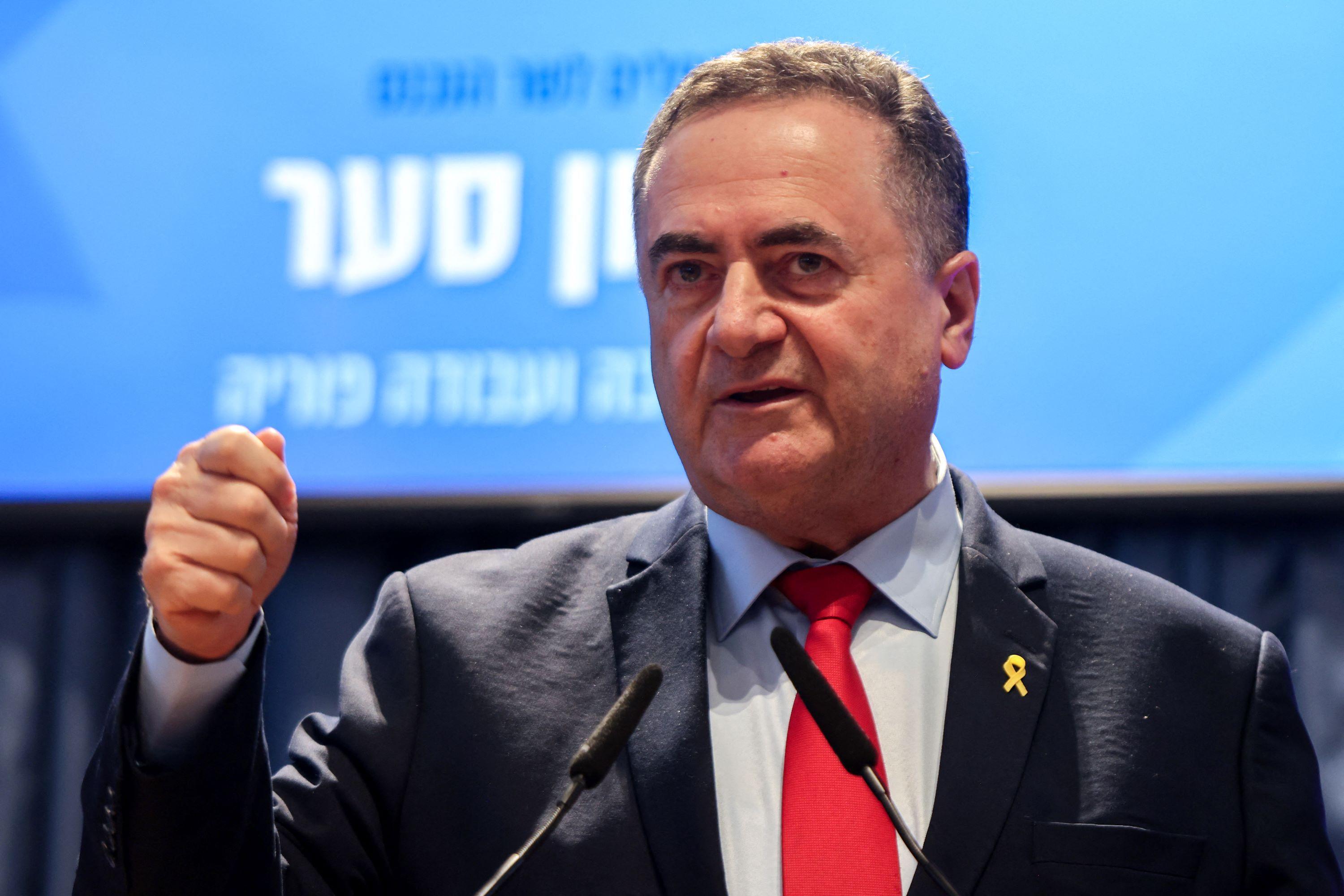
At the same time, Netanyahu said Israel is preparing to begin direct talks with Lebanon, aiming to disarm Hezbollah and establish peaceful relations. However, Israeli media reports that the country’s defense minister has said “the war will not stop.” Lebanese officials, meanwhile, say Beirut has not received a formal invitation to talks and insist there will be no negotiations “under fire.”
If fighting in Lebanon continues or intensifies, it could complicate U.S.–Iran diplomacy and further reduce the chances of a breakthrough.
The Strait of Hormuz — A Global Economic Lifeline
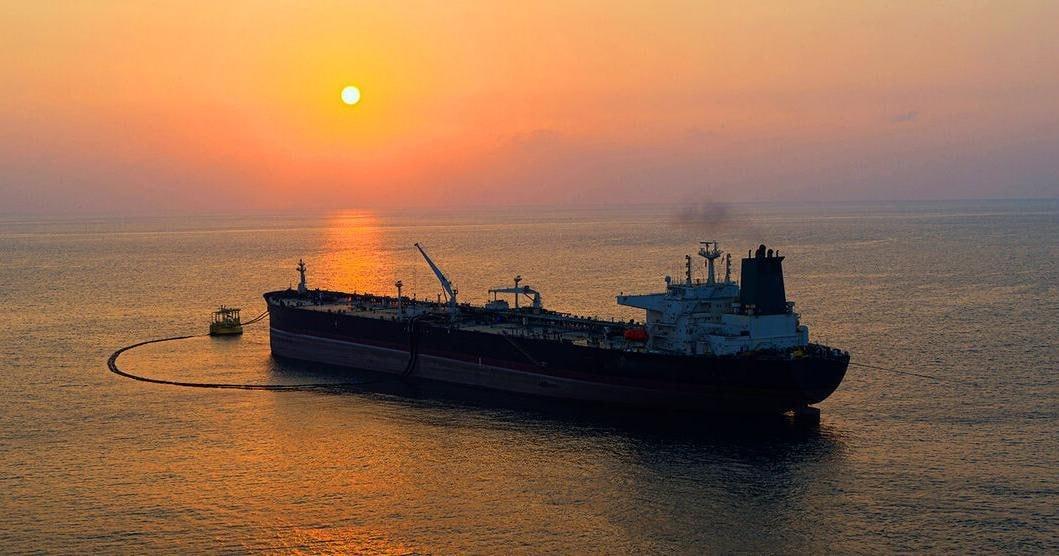
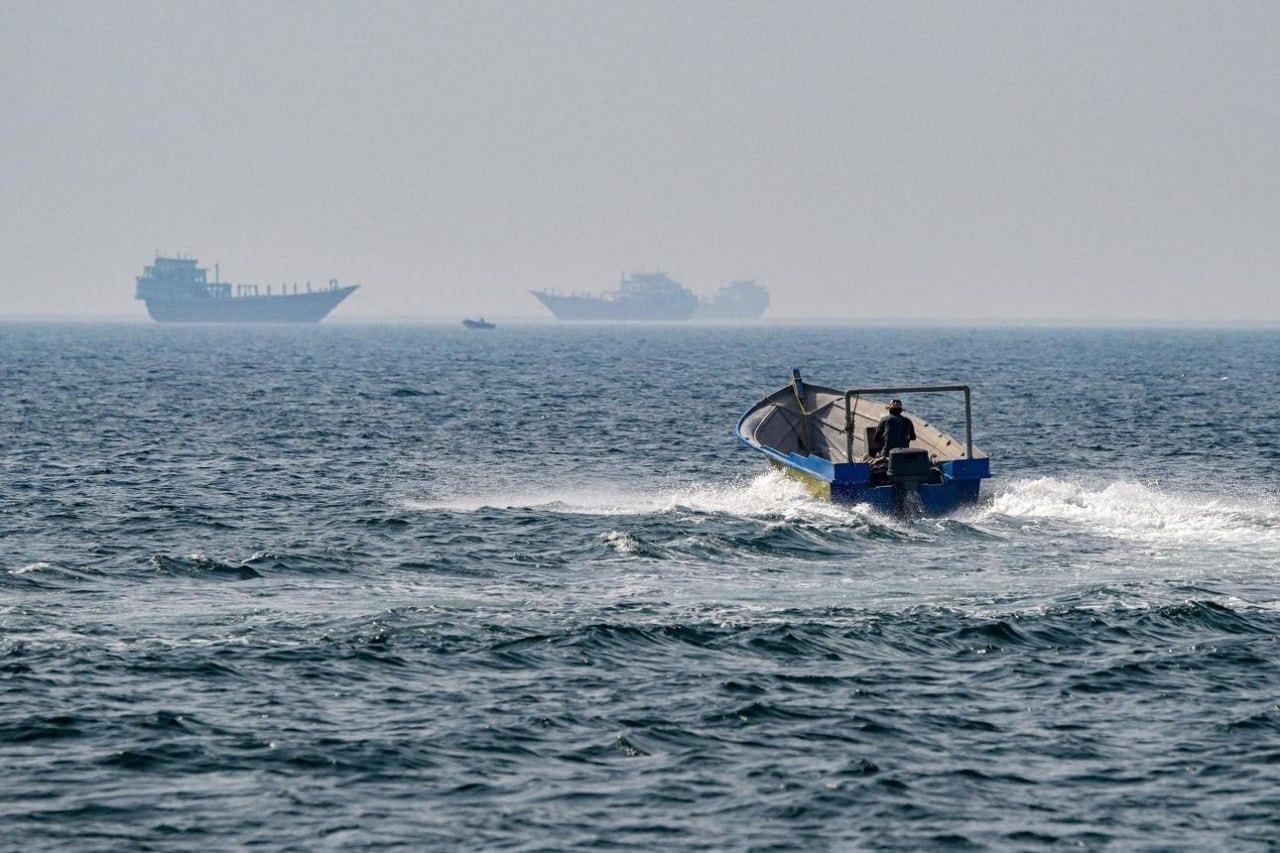
The Strait of Hormuz is a vital chokepoint for global oil shipments. Any disruption here could have immediate consequences for global energy prices and economic stability.
Before the conflict, the strait was an open international waterway. But after U.S.–Israeli strikes on Iran, Tehran began using the waterway as a strategic tool to exert pressure.
UAE Minister of Industry and Advanced Technology Sultan Al Jaber said this week that passage through the strait is now subject to “political conditions and influence” from Iran. He noted that the strait is not fully open, with access currently restricted and regulated.
U.S. President Donald Trump has warned Iran against charging fees to oil tankers using this critical shipping lane. While there is no official confirmation of any fee schedule, estimates suggest large tankers could face charges ranging from tens of thousands to hundreds of thousands of dollars per transit. One unconfirmed report suggested that a large vessel was charged approximately $2 million.
Concerns over possible fees or closure of the strait have rattled markets. Any significant restriction could drive global energy prices sharply higher, affecting economies worldwide.
Conclusion
No clear sign of real peace has emerged on the third day of the 14-day ceasefire. Eleven days remain, and the world is watching closely to see whether negotiations will bring genuine progress or merely provide a pause before the next escalation.
The next phase of this crisis will depend on three factors: the outcome of U.S.–Iran negotiations, the situation on the Lebanon front, and stability in the Strait of Hormuz. If these factors are not managed effectively, the war could resume at any moment, with consequences reaching far beyond the region and affecting global economic stability.