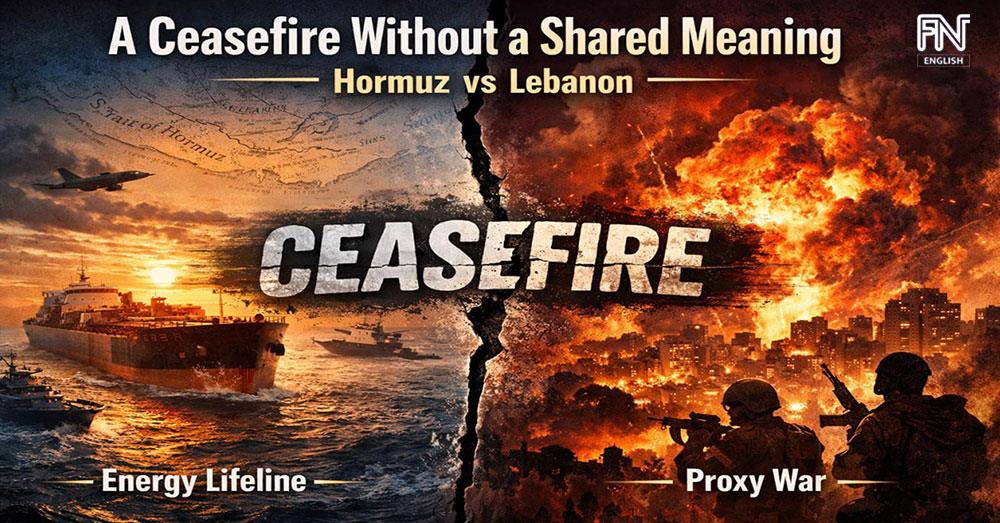
(Phnom Penh): When the United States and Iran agreed to a 14-day ceasefire, many believed the conflict was moving toward a path of peace. In reality, however, the situation is revealing something very different: this deadline is not progressing toward a shared positive outcome, but is instead beginning to fracture, as both sides fundamentally disagree on what a “ceasefire” actually means.
While Washington views the ceasefire as a mechanism to reopen the Strait of Hormuz and stabilize the global economy, Tehran sees it as already violated—particularly through what it describes as Israel’s continued military operations against Iranian-backed proxy forces in Lebanon.
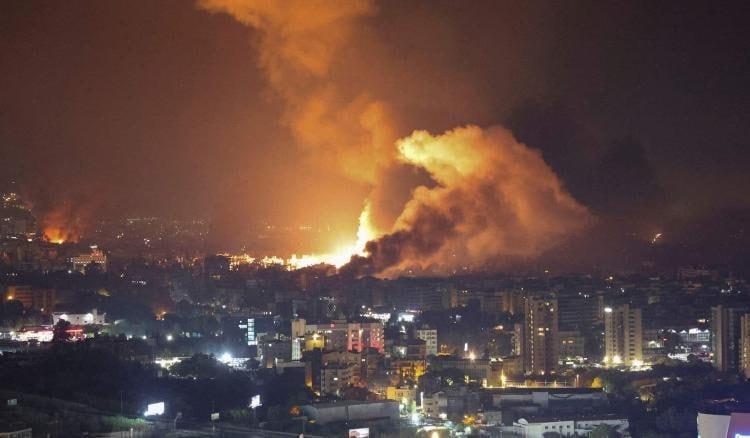
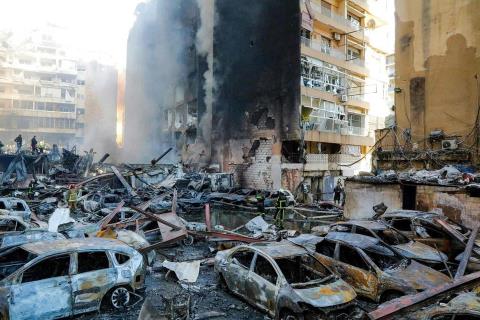
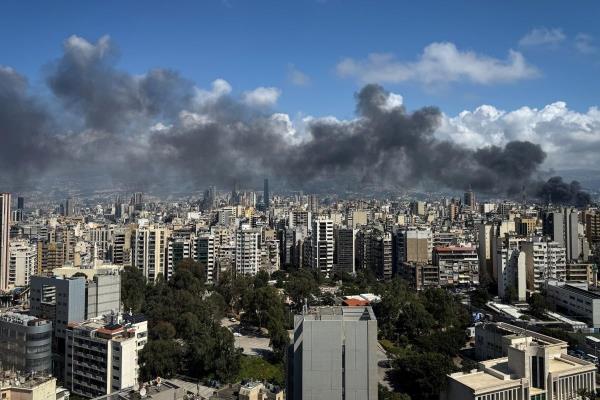
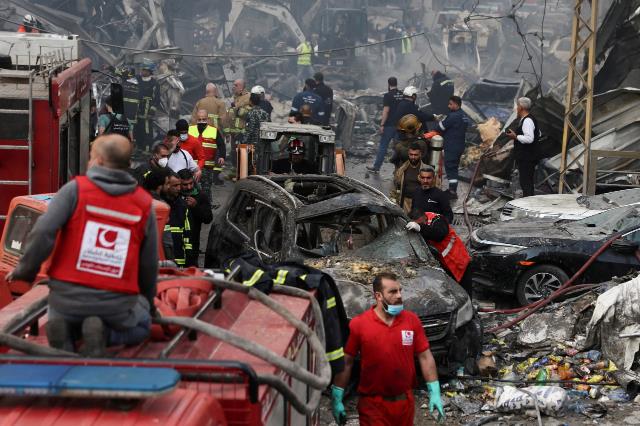
On the very first day of the ceasefire, the Strait of Hormuz remained only partially open, while Lebanon declared a national day of mourning following Israeli strikes that killed at least 254 people and injured more than 1,165. These developments highlight a stark reality: despite a ceasefire on paper, the war on the ground has not stopped.
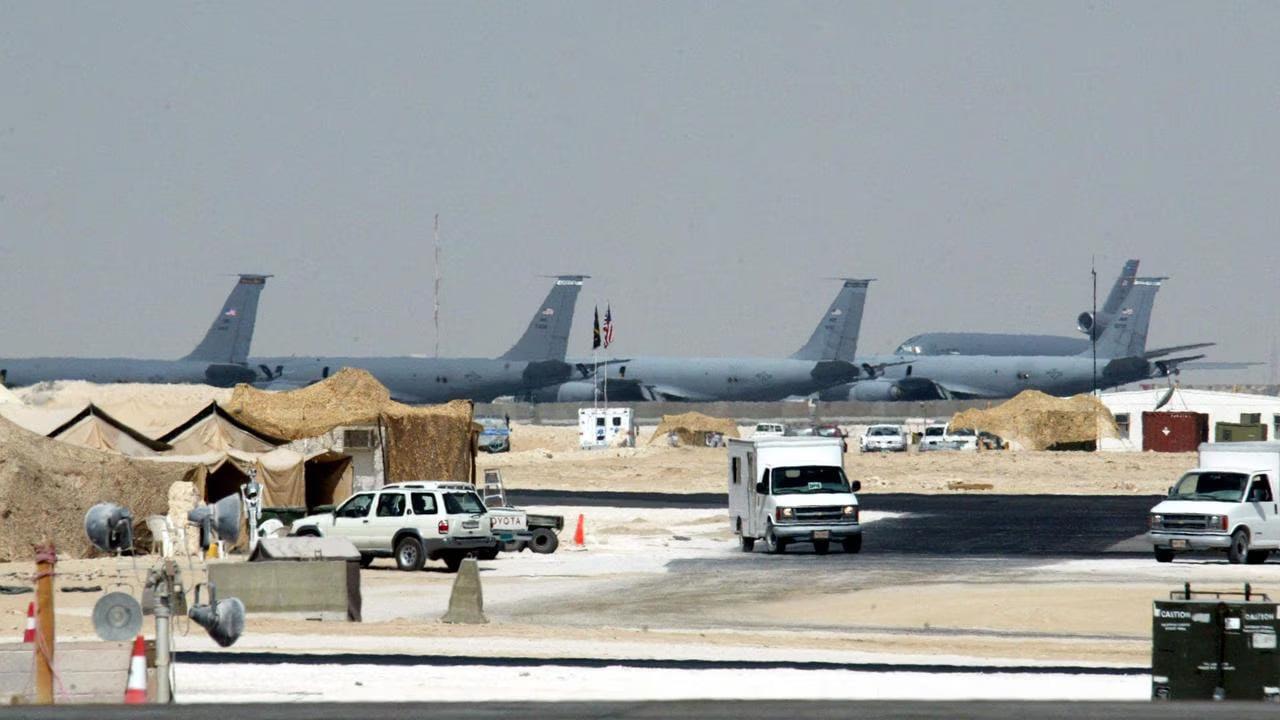
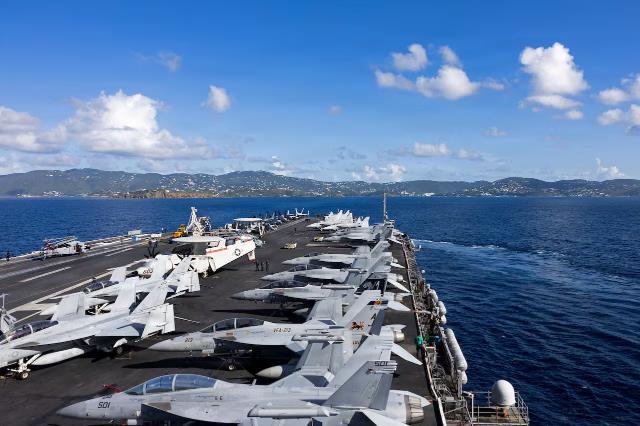
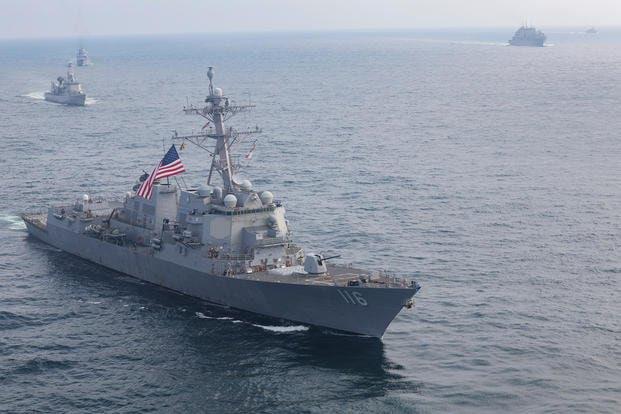
US President Donald Trump warned on social media that “all US ships, aircraft, and military personnel” would remain positioned around Iran until a “real agreement” is fully implemented, adding that further strikes remain possible if compliance is not achieved.
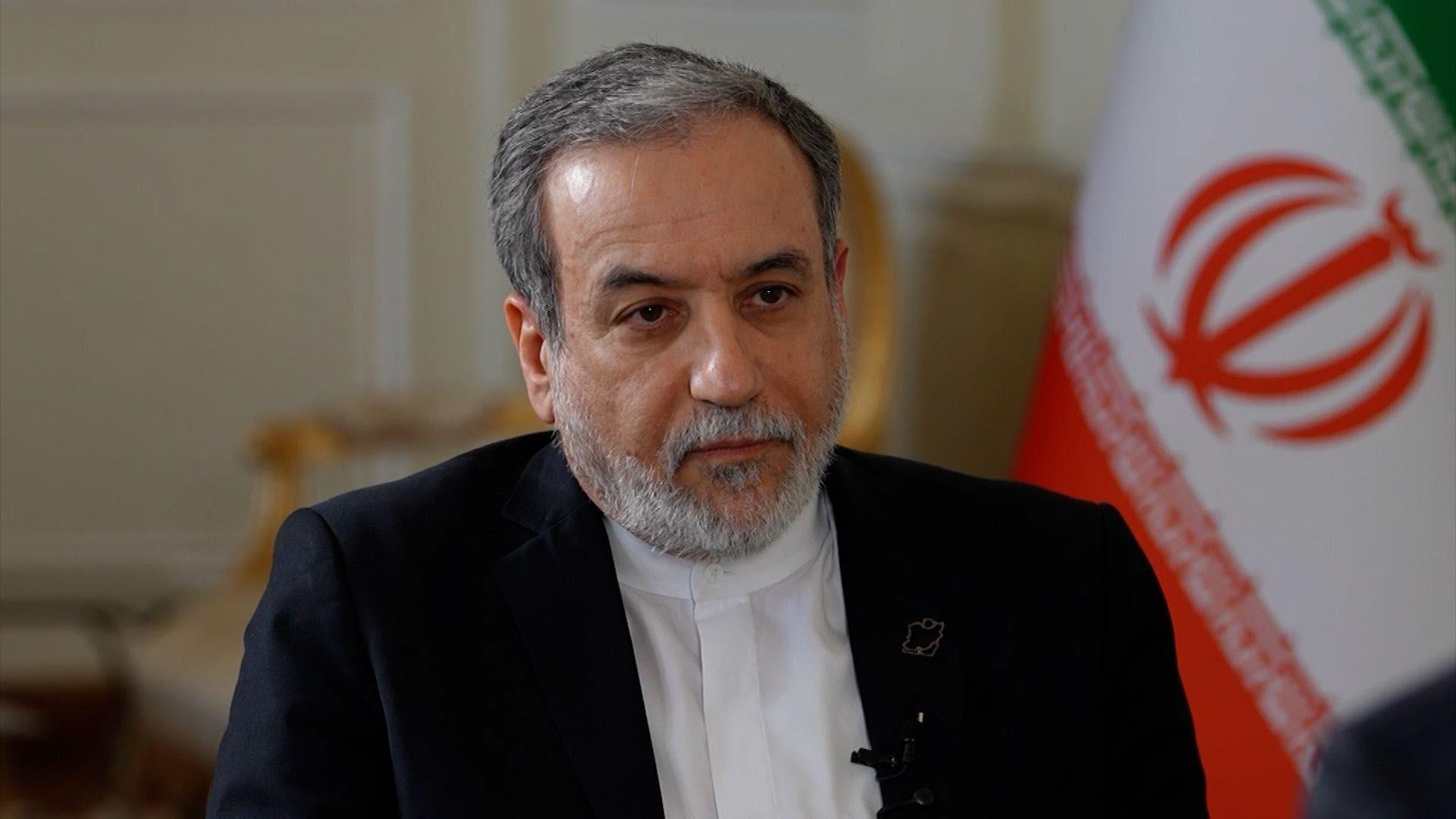
At the same time, Iranian Foreign Minister Abbas Araghchi responded that “the terms between the United States and Iran are clear,” particularly regarding Lebanon. He stressed that Washington must choose between a ceasefire or “continued war via Israel,” insisting that “it cannot have both.”
Hormuz: The World’s Energy Battlefield
Iran has claimed that shipping traffic through the Strait of Hormuz was halted following what it described as Israeli violations of the ceasefire through strikes in Lebanon. The United States and Israel, however, maintain that Lebanon is not part of the ceasefire agreement—an assertion Iran firmly rejects.
US Vice President JD Vance acknowledged that at least three different “10-point proposals” have circulated, creating confusion over the actual framework of negotiations. This underscores a deeper issue: even with a shared deadline, there is no shared understanding of the agreement itself.
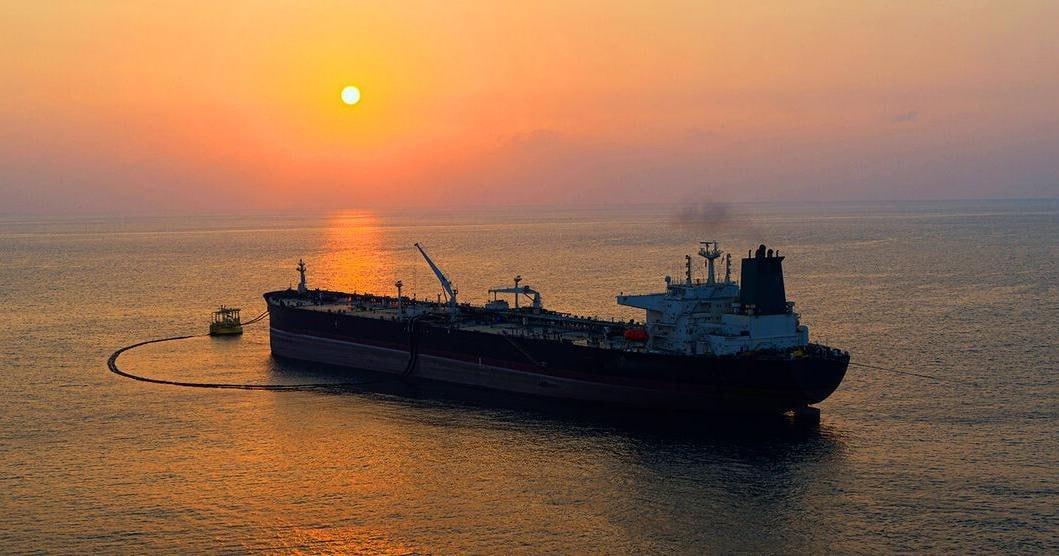
The Strait of Hormuz is not merely a geographic chokepoint; it is the most critical artery for global oil transportation. For the United States and the broader international economy, reopening the strait is essential to stabilizing oil prices, controlling inflation, and maintaining global economic balance.
This is why Washington has made it clear that the ceasefire must be tied to the reopening of Hormuz. Without it, the entire agreement risks becoming meaningless.
For Iran, however, Hormuz represents strategic leverage. Control over the strait is not just an economic matter—it is a powerful negotiating tool. The decision to open or close it is therefore not technical, but strategic, with the potential to shape the trajectory of the entire conflict.
Lebanon: The Battlefield of Regional Power
Meanwhile, Israel continues its military operations against Iranian-backed proxies in Lebanon, despite the ceasefire between Washington and Tehran. For both Israel and the United States, this front lies outside the scope of the agreement.
Israeli Prime Minister Benjamin Netanyahu has explicitly stated that Lebanon is not included in the ceasefire, a position echoed by Vice President JD Vance, who noted, “We never made that promise.”
Yet the impact on the ground tells a different story. The scale of casualties and destruction indicates that the conflict in Lebanon is not only ongoing but intensifying.
From Iran’s perspective, this is the core issue. Tehran views the strikes in Lebanon not as a separate conflict, but as a continuation of the war through a third party—something that should be considered part of the ceasefire.
Iranian Parliament Speaker Mohammad Bagher Ghalibaf has accused the United States of violating the agreement by failing to halt Israeli attacks, breaching Iranian airspace, and denying Iran’s nuclear rights.
This fundamental difference in interpretation has created significant tension. Lebanon has effectively become a battlefield of regional influence—one that could determine the fate of the ceasefire itself. Iran may use continued strikes there as justification to keep Hormuz closed, while Washington continues to treat the Lebanon front as separate from the agreement.
Risk: When a Ceasefire Becomes a Flashpoint
If the Strait of Hormuz is not fully reopened and the violence in Lebanon continues, the 14-day ceasefire is unlikely to lead to peace. Instead, it may become a new flashpoint, exposing the fragility of an agreement built on conflicting assumptions.
Oil markets have already reacted to the announcement of the ceasefire. Brent crude fell by 13.29% to $94.75 per barrel—its lowest level since March 11. However, prices remain significantly higher than the roughly $73 per barrel recorded before the war began in late February. This suggests that markets are responding to hope, not to realities on the ground.
If Hormuz and Lebanon remain unresolved points of tension, the ceasefire will struggle to hold. Rather than stabilizing the situation, it could open the door to renewed escalation.
In this context, Pakistan has emerged as a key mediator. US and Iranian officials are expected to meet face-to-face on April 10 to address the most contentious issues. This meeting could become a decisive moment—either paving the way toward de-escalation or pushing the conflict into a more dangerous phase.
Conclusion
What is unfolding is not a ceasefire leading toward peace, but a pause under which two different wars continue to unfold under a single name.
Hormuz represents the battlefield of energy—one that shapes global economic stability. Lebanon represents the battlefield of power—one that defines regional influence.
The 14-day ceasefire, therefore, is not a test of who will win the war, but whether the international system can manage two overlapping conflicts at the same time.
If it cannot, this deadline will not mark the end of the crisis—but the beginning of a new phase, one in which the war expands beyond the battlefield and into the foundations of the global economy.