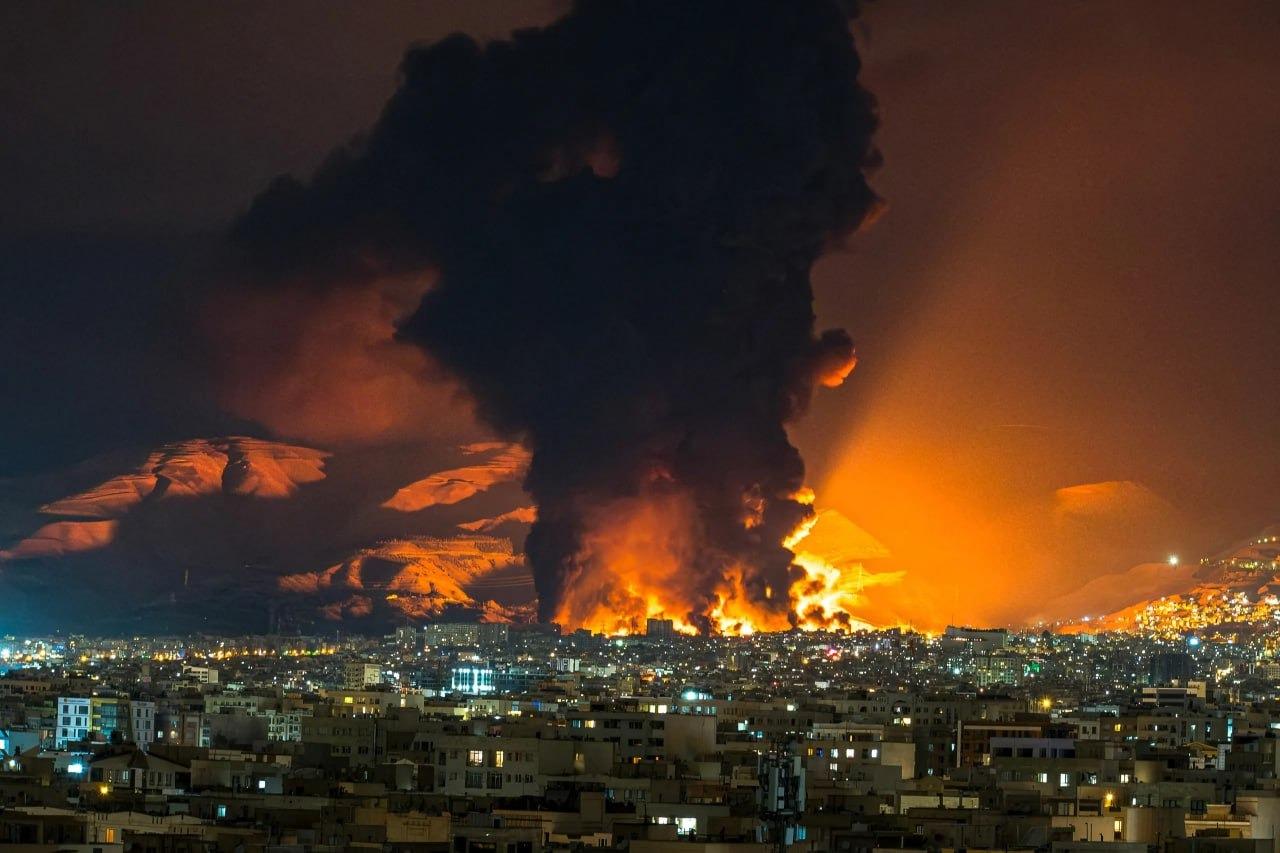
(Phnom Penh): As time steadily runs out, global pressure continues to rise and risks are drawing ever closer. The United States–Iran conflict is no longer a bilateral issue; it is rapidly evolving into a global crisis that the entire world is watching with growing anxiety. The central question is no longer “Who will win?” but rather “If the conflict escalates into full-scale war, who will suffer first?”
The U.S. president, who has issued multiple ultimatums, has now set what appears to be a fourth and final deadline, corresponding to Wednesday morning in Cambodia.
Reactions from major powers and international organizations reveal a striking reality: while no one wants this war to expand, no one appears willing—or able—to intervene directly to stop it. The world finds itself in a paradoxical position: everyone recognizes the danger, yet no one is stepping in to halt it.
China: An Economic Power Closest to the Risk
China stands at one of the most cautious positions amid rising tensions in the Middle East. Beijing has called for de-escalation and urged all parties to return to diplomatic negotiations, especially in response to U.S. threats targeting Iran’s critical infrastructure, including bridges, power plants, and public systems.
China has also voiced clear opposition to attacks on civilian infrastructure, warning that such actions could escalate the conflict and create severe consequences for regional stability and the global economy.
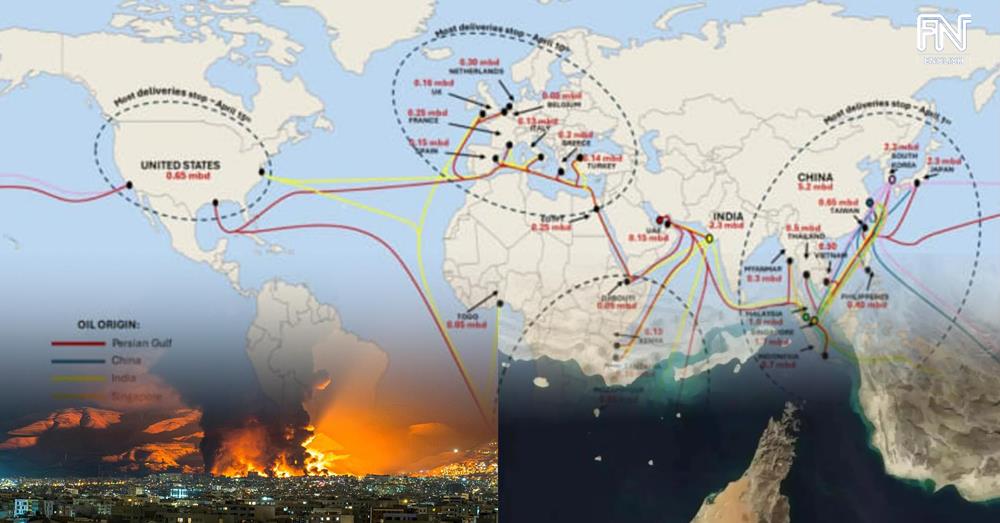
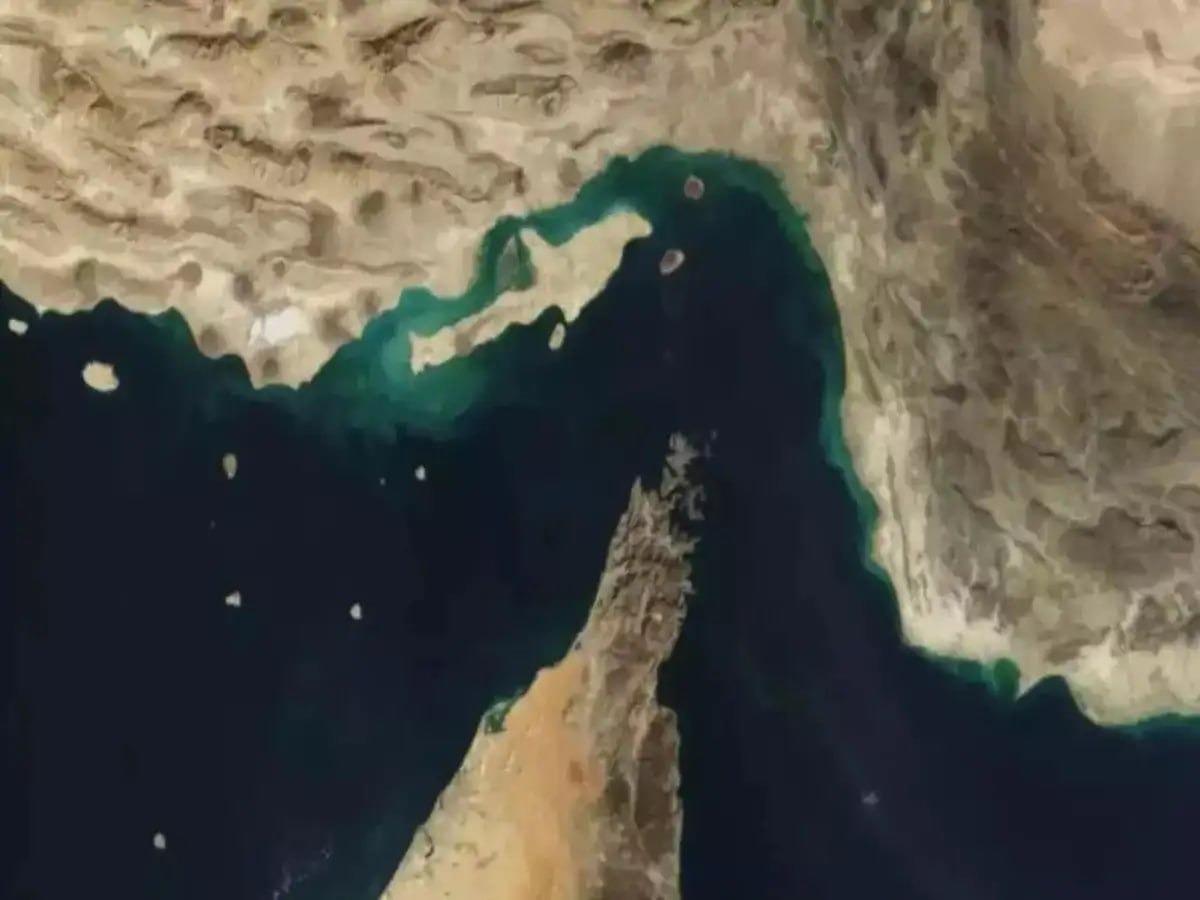
This concern is not merely political—it is deeply economic. China relies heavily on energy imports from the Middle East, particularly through the Strait of Hormuz, a critical global oil transit route. Any disruption to this chokepoint would immediately affect China’s energy security and economic stability.
As a result, China has no interest in direct military involvement but is actively leveraging diplomacy to push for a peaceful resolution while safeguarding its economic interests.
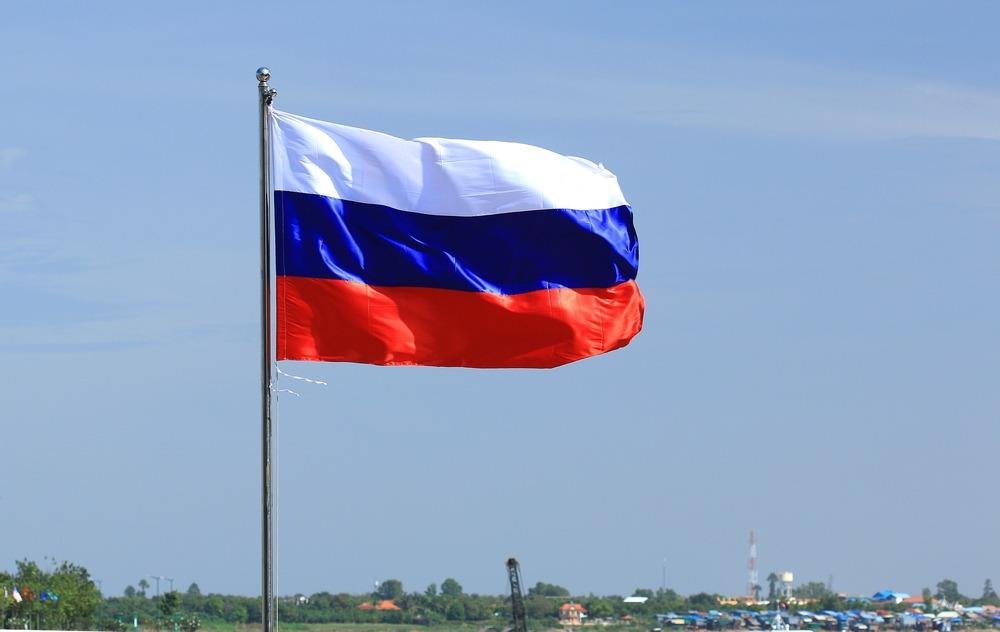
Russia: Supporting Iran While Managing Risk
Russia has openly supported Iran politically while sharply criticizing U.S. threats and attacks on civilian infrastructure. Moscow has called for adherence to international law and warned that strikes on civilian targets could dangerously escalate the conflict.
However, Russia is also acting with caution. It has no desire to enter a direct confrontation with the United States, particularly given its involvement in other geopolitical conflicts.
In this sense, Russia is pursuing a dual-track strategy: backing Iran to increase pressure on Washington while carefully managing risks to avoid a broader, uncontrollable war.
Europe: The Strongest Voice Warning of Economic and Energy Crisis
The European Union and its member states have expressed deep concern over the escalating tensions. European leaders have called for restraint and diplomacy, warning that attacks on energy infrastructure could trigger a severe economic crisis.
Europe fears three key risks: rising oil prices, renewed inflation, and disruptions to energy supply. Given the fragility of European economies, instability in the Middle East could quickly translate into another major energy crisis.
For Europe, therefore, the stakes are immediate and tangible—it is not only advocating for peace but also trying to prevent direct economic fallout.
Gulf States: Silent, Yet Closest to Danger
Countries in the Gulf region—including the United Arab Emirates, Saudi Arabia, and Qatar—find themselves in an especially delicate position. While they do not want Iran to gain dominance, they are equally unwilling to see the conflict escalate, as they are geographically closest to the battlefield.
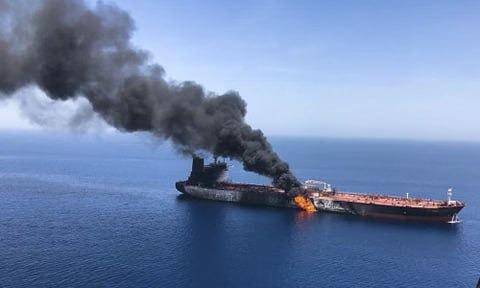
Their energy infrastructure and economic hubs could become immediate targets if the war expands. Moreover, any disruption to the Strait of Hormuz would directly impact their oil exports and economic stability.
As a result, Gulf states have adopted a cautious and quiet strategy—supporting de-escalation and diplomacy while avoiding direct involvement.
International Organizations: Strong Warnings, Limited Power
International organizations such as the United Nations, the International Committee of the Red Cross, and the International Atomic Energy Agency have issued strong warnings about the escalating conflict. Their message is clear: avoid targeting civilian infrastructure, prevent further escalation, and remain vigilant about nuclear risks.
The United Nations has urged restraint and renewed negotiations. The Red Cross has emphasized that attacks on civilians violate international humanitarian law. Meanwhile, the IAEA has warned that military activity near nuclear facilities could lead to catastrophic consequences beyond Iran’s borders.
Yet despite the strength of these warnings, these organizations face clear limitations. They can raise alarms and mobilize international opinion, but they lack the authority to enforce a halt to the conflict.
In this crisis, they represent the voice of law and conscience—but not the power to stop war.
The World Is Already Paying the Price of War
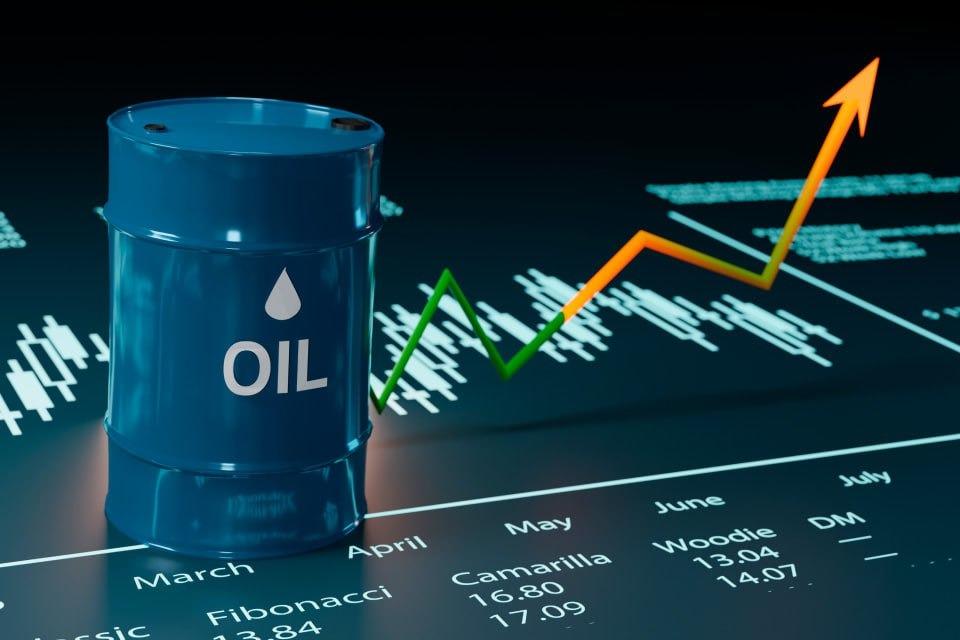
Even without a full-scale escalation, the economic consequences are already being felt worldwide. Oil markets have reacted immediately to rising tensions, with prices climbing day by day as investors and energy-importing nations fear supply disruptions.
Global financial markets are showing signs of anxiety, and economic uncertainty is placing increasing pressure on growth. Rising energy costs threaten to fuel inflation, increase production expenses, and slow economic recovery in many countries.
At the center of this instability lies the Strait of Hormuz. Any disruption to this vital oil corridor would not only affect the Middle East but could trigger a global energy shock.
This reality makes one thing clear: the world does not need to wait for full-scale war to feel its consequences—the impact is already unfolding.
Conclusion: A War the World Cannot Escape
The United States–Iran conflict reveals a critical truth: even without large-scale military escalation, its consequences have already crossed borders. The world does not need bombs to fall to experience crisis—the crisis has already begun in oil markets, economic systems, and global stability.
Rising oil prices, market anxiety, and economic pressure demonstrate that this is no longer a regional issue—it is a global one affecting every nation, whether directly involved or not.
In this context, the real question is no longer “Will war escalate?” but “How far can the world contain its consequences?”
Because every threat, every limited strike, and every moment of uncertainty is adding pressure to the global system.
The undeniable reality is this: the war may not have fully erupted—yet the world has already entered it, through the price it is paying every single day.