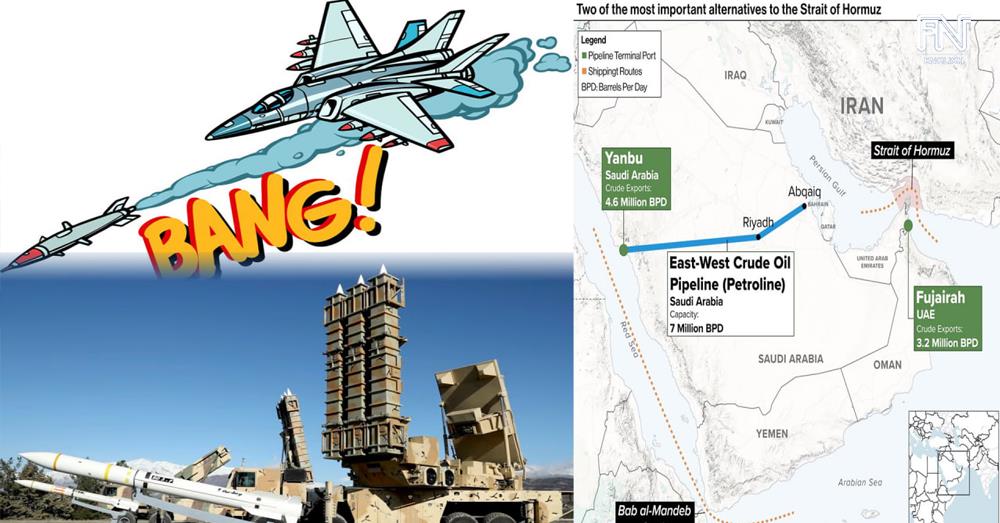
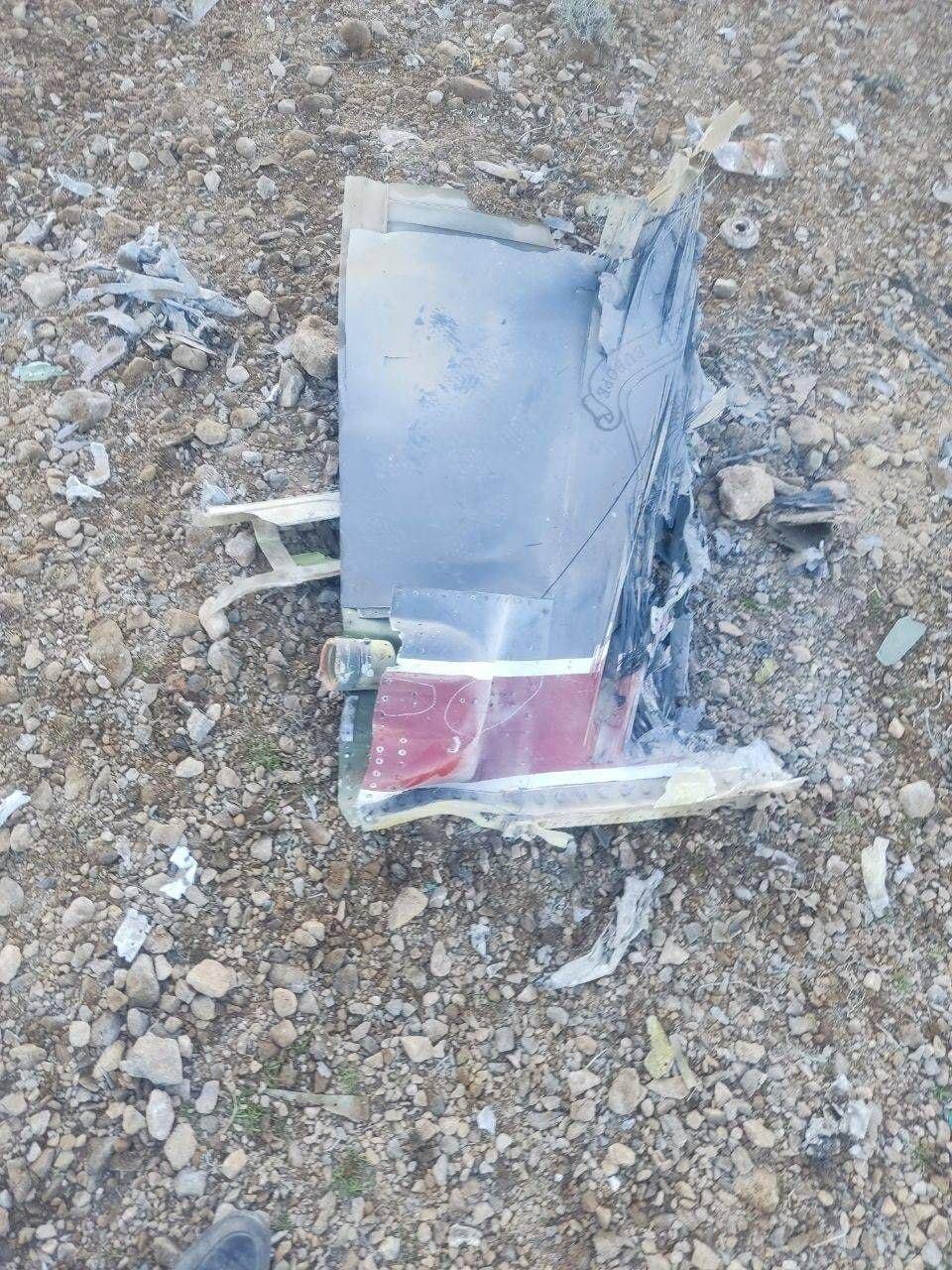
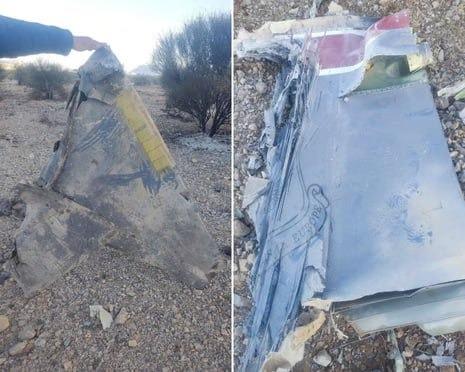
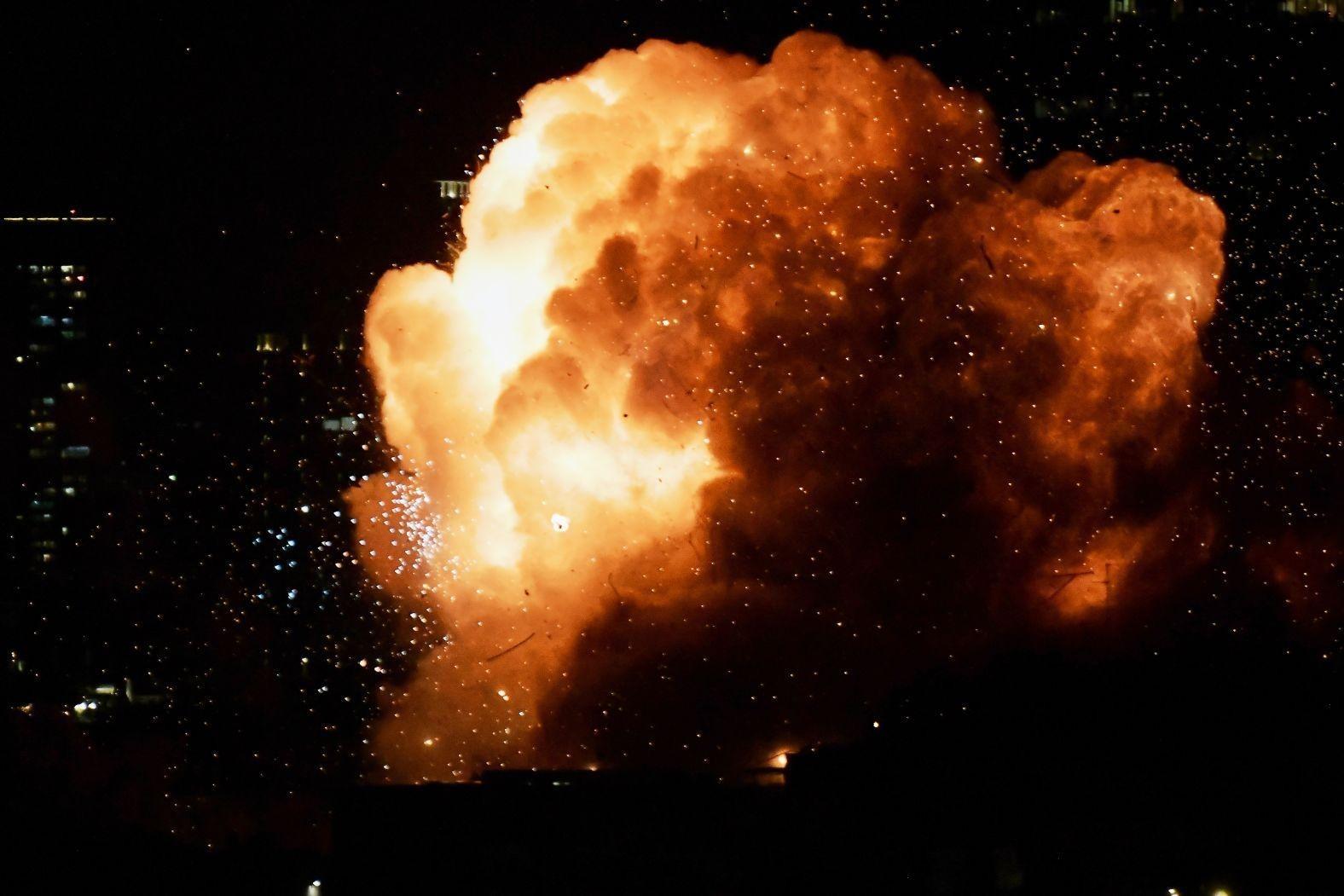
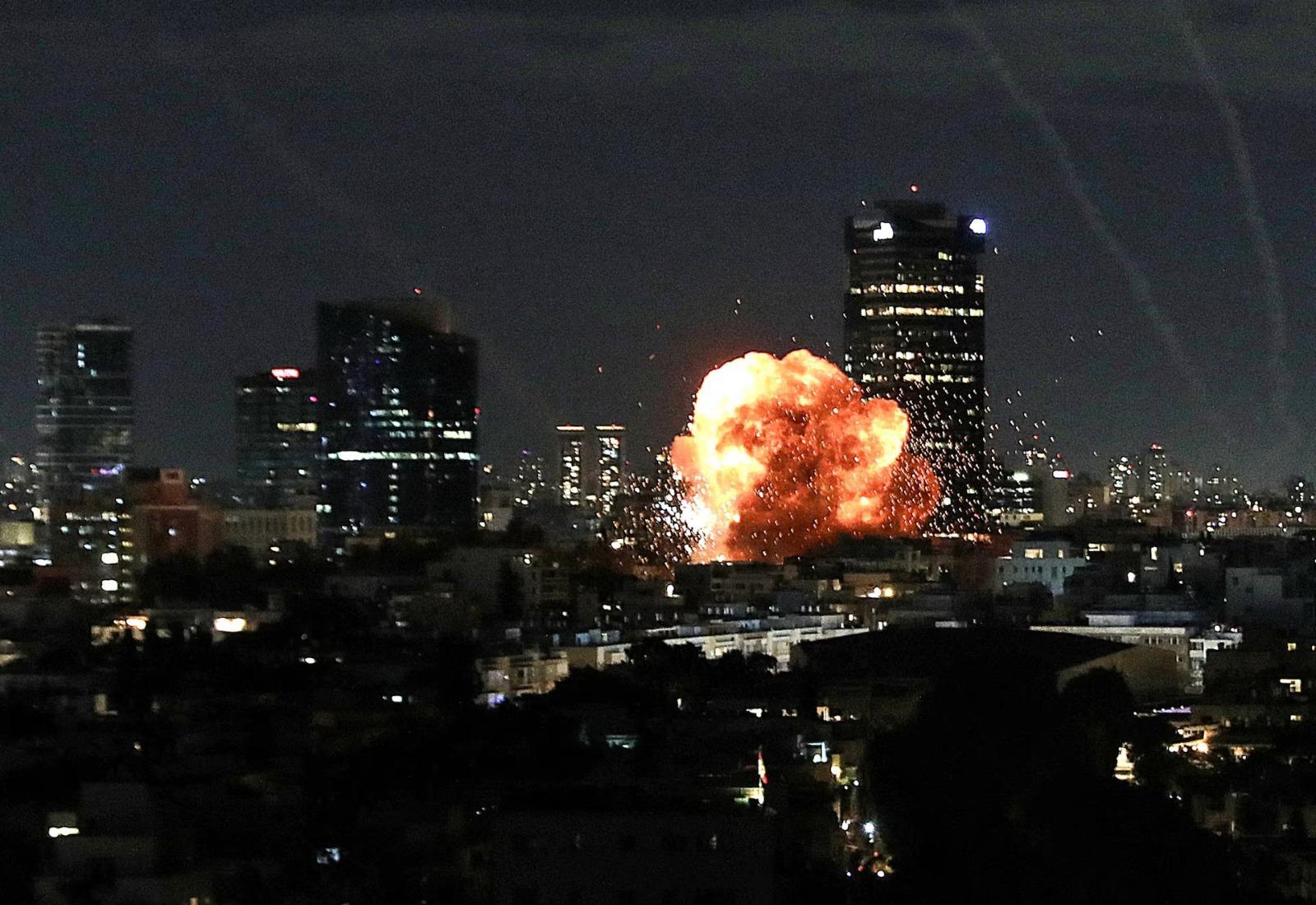
(Phnom Penh): The downing of two US warplanes on the 35th day of the Iran war does not mean that Iran is winning the war. However, it clearly shows that Iran has not been defeated as the United States had previously suggested. The reported downing of two US aircraft, including one F-15 fighter jet, indicates that Iran’s air defense system still retains the capability to target advanced US military aircraft. The incident was widely celebrated by civilians in Tehran, highlighting the psychological and political dimensions of the conflict.
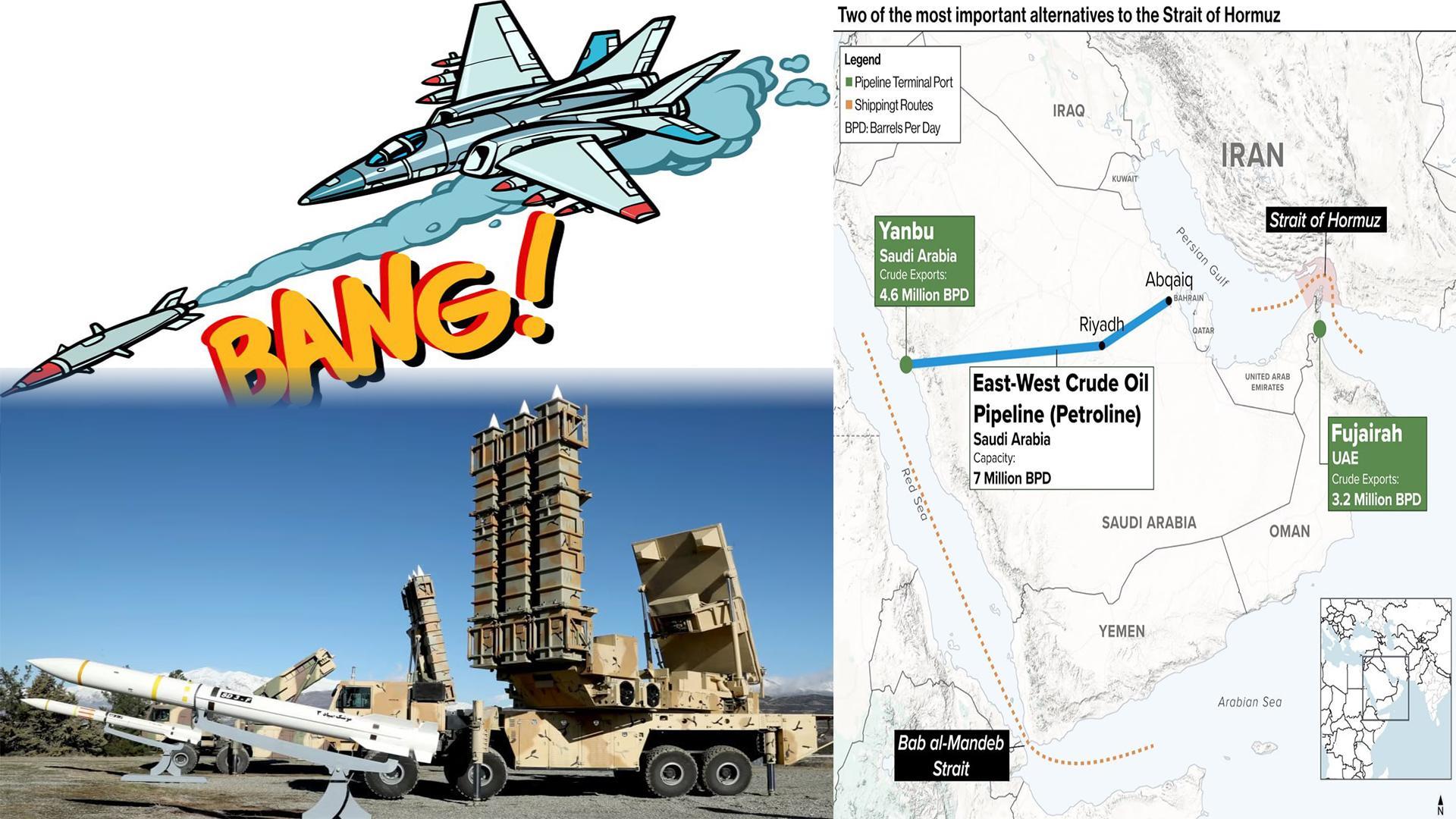
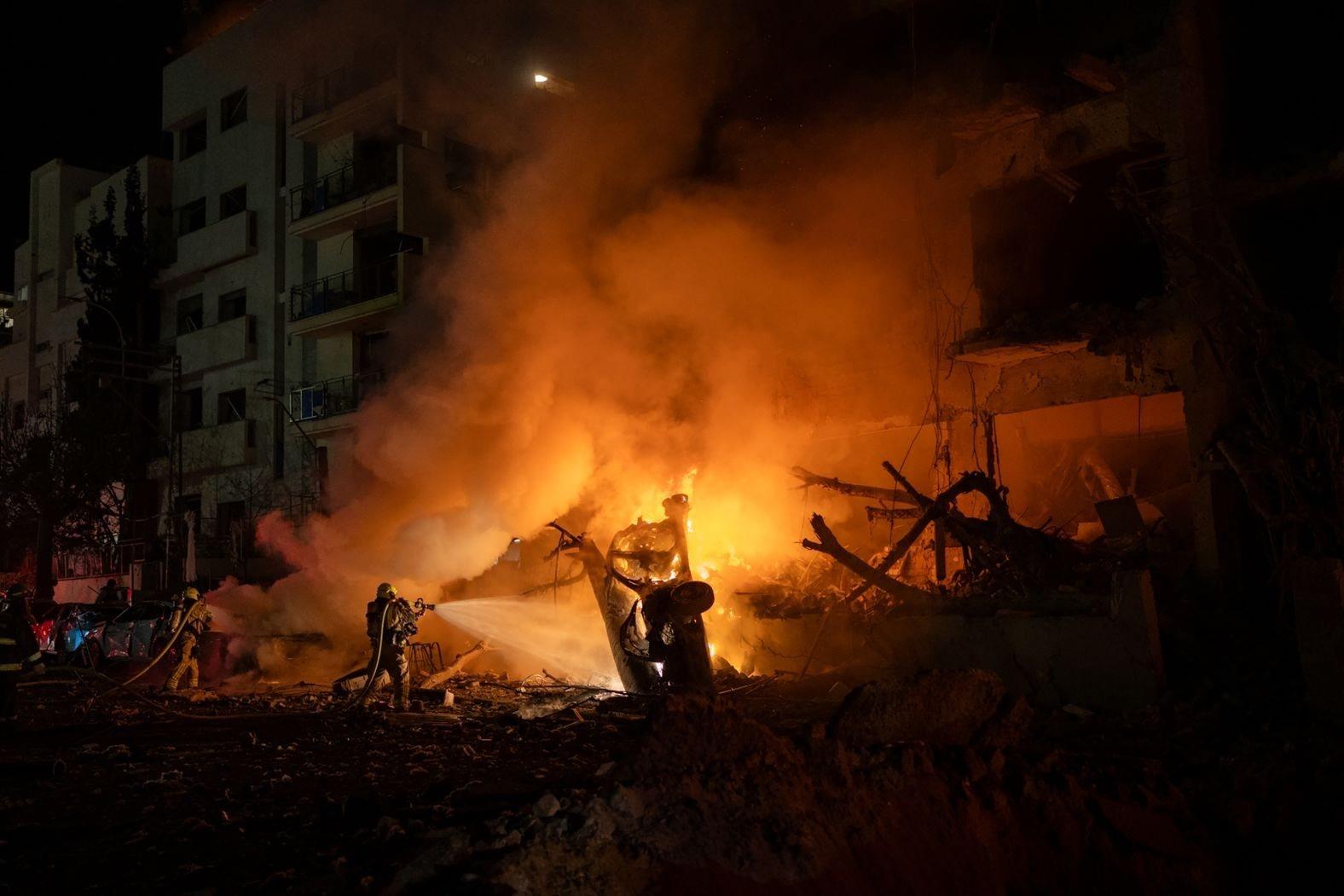
This development comes as the United States and Israel continue strikes on key Iranian targets, including nuclear facilities, military bases, energy infrastructure, and scientific research centers. At the same time, the conflict has expanded into Lebanon, the Red Sea, and critical maritime chokepoints, suggesting that this is no longer a conventional military conflict but a strategic war involving energy, trade routes, and regional power balance.
The “Back to the Stone Age” Strategy
Looking at the targets struck over more than a month of war, it is increasingly clear that the United States and Israel are not only targeting military positions but also the fundamental capabilities of the Iranian state. Targets reportedly include nuclear facilities, oil and gas infrastructure, missile bases, air defense systems, airports, ports, scientific research centers, power grids, and transportation infrastructure.
Strikes on these types of targets indicate that this war is not simply about battlefield victories but about weakening the state’s overall capacity. This strategy has sometimes been described by US officials and analysts as a “Back to the Stone Age” strategy — not to destroy the country entirely, but to cripple industrial capacity, energy production, scientific development, and infrastructure so that the country can no longer function normally as a modern military and economic power.
However, some analysts warn that this strategy may underestimate Iran’s resilience and military capabilities. The downing of two US warplanes and Iran’s continued retaliatory strikes against Israel and across the Gulf region suggest that Iran still retains significant military capacity and the ability to open multiple fronts, potentially expanding and prolonging the conflict.
The Meaning of the Downed US Warplanes
The downing of two enemy aircraft in the context of the US “Back to the Stone Age” strategy carries important implications. It demonstrates that despite extensive US and Israeli strikes on military bases and infrastructure, Iran’s air defense systems and military capabilities have not been completely neutralized.
The downing of advanced fighter aircraft such as the F-15 is not a minor event. It suggests that Iran still possesses radar systems, missile defenses, and air defense networks capable of threatening advanced US aircraft. This also indicates that the United States does not yet have full air superiority over Iran, and the air war is still ongoing.
For Iran, the downing of US aircraft carries significant psychological and political importance. It signals to the domestic population that the military is still capable of defending the country and that Iran has not lost the war. Public celebrations in Tehran following the incident show that this war is not only a military conflict but also a psychological and political war.
For the United States, the loss of two aircraft does not necessarily represent a strategic defeat. However, it does indicate that this war is unlikely to end quickly, as some had expected. In this type of conflict, victory is not determined by a single battle or the loss of a few weapons, but by which side can sustain the war longer and degrade the opponent’s capabilities over time.
Therefore, the downing of two US warplanes does not immediately change the direction of the war. It simply demonstrates that Iran has not yet been defeated and that the war is still far from its conclusion.
The War Is Expanding Across the Region
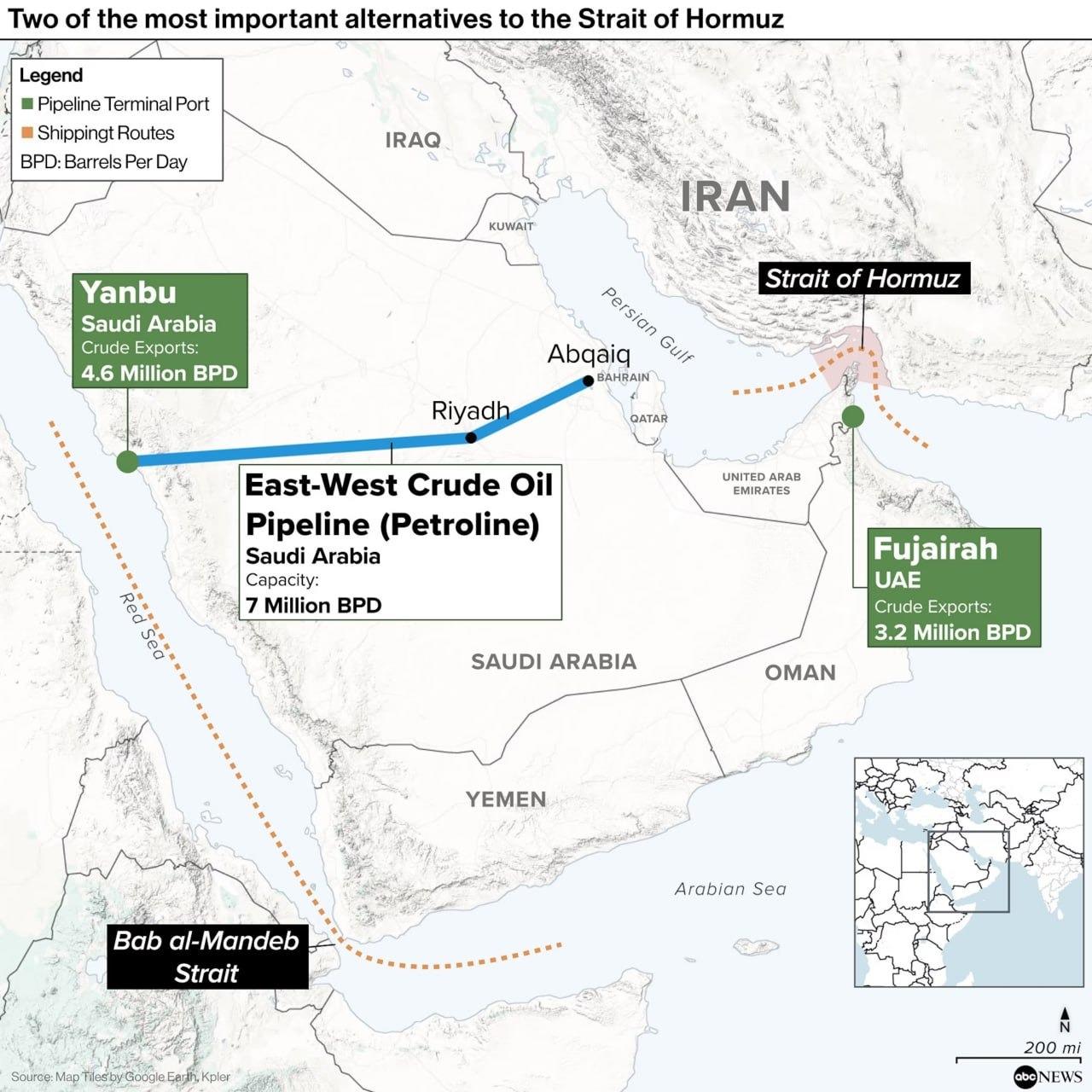
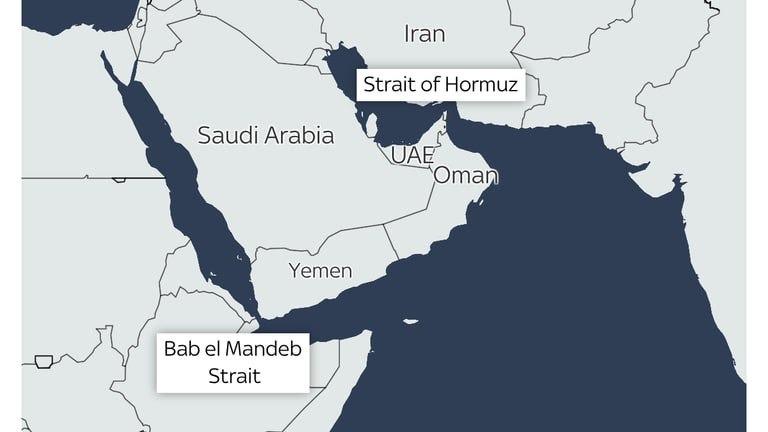
Beyond direct confrontation between Iran and the United States, the conflict is expanding across multiple fronts in the region. Iran has launched retaliatory strikes against Israel, while Hezbollah in Lebanon has carried out attacks on Israeli forces in the north. At the same time, the Houthis in Yemen have increased pressure on maritime shipping in the Red Sea and the Bab al-Mandeb Strait.
The opening of multiple fronts indicates that the Iran war is no longer a bilateral conflict but is evolving into a regional war involving multiple countries and armed groups. As the conflict spreads across strategic maritime routes and energy corridors, the risks to global trade and the world economy increase significantly.
When a war expands into multiple fronts, it often becomes longer, harder to end, and more dangerous for global economic stability and international trade.
Conclusion
On the 35th day of the Iran war, one reality is becoming increasingly clear: there is still no winner and no loser, but the war is expanding and becoming more dangerous.
The downing of two US warplanes does not mean that Iran is winning the war, but it does show that Iran has not been defeated and has not been completely neutralized. In wars of this nature, victory is not determined by a single day on the battlefield or by the loss of a few weapons, but by the ability to sustain the war and gradually weaken the opponent over time.
When a war has no clear winner and no clear loser, it often becomes a long war, expands further, and becomes more dangerous. As this conflict spreads into energy routes, maritime chokepoints, and global trade networks, it is no longer just a conflict between two countries — it has the potential to affect the global economy and international security.
The biggest question about the Iran war today is therefore not who is winning the war, but how much the world will lose before this war finally ends.