(Phnom Penh): In modern warfare, when the leader of a superpower warns that an opponent could be bombed “back to the Stone Age,” it is not merely political rhetoric. It signals that the war may be entering a new phase — a phase in which the objective is no longer just to destroy military forces, but to cripple the entire functioning capacity of a state. The key question is whether such a goal is actually achievable.
Over the past several weeks, the Iran war has not slowed down. Airstrikes have continued against military bases, missile and drone attacks have targeted US and allied positions, radar systems have been hit, shipping has been disrupted near the Strait of Hormuz, and proxy forces such as the Houthis have continued operations. All of this suggests that the war is expanding, not ending.
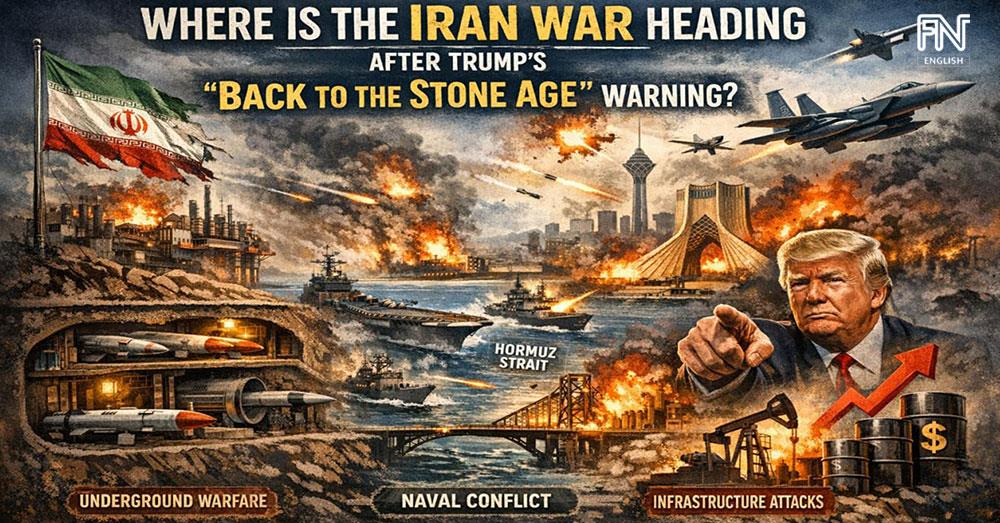
Three New Battlefields That Are Shaping the Direction of the War
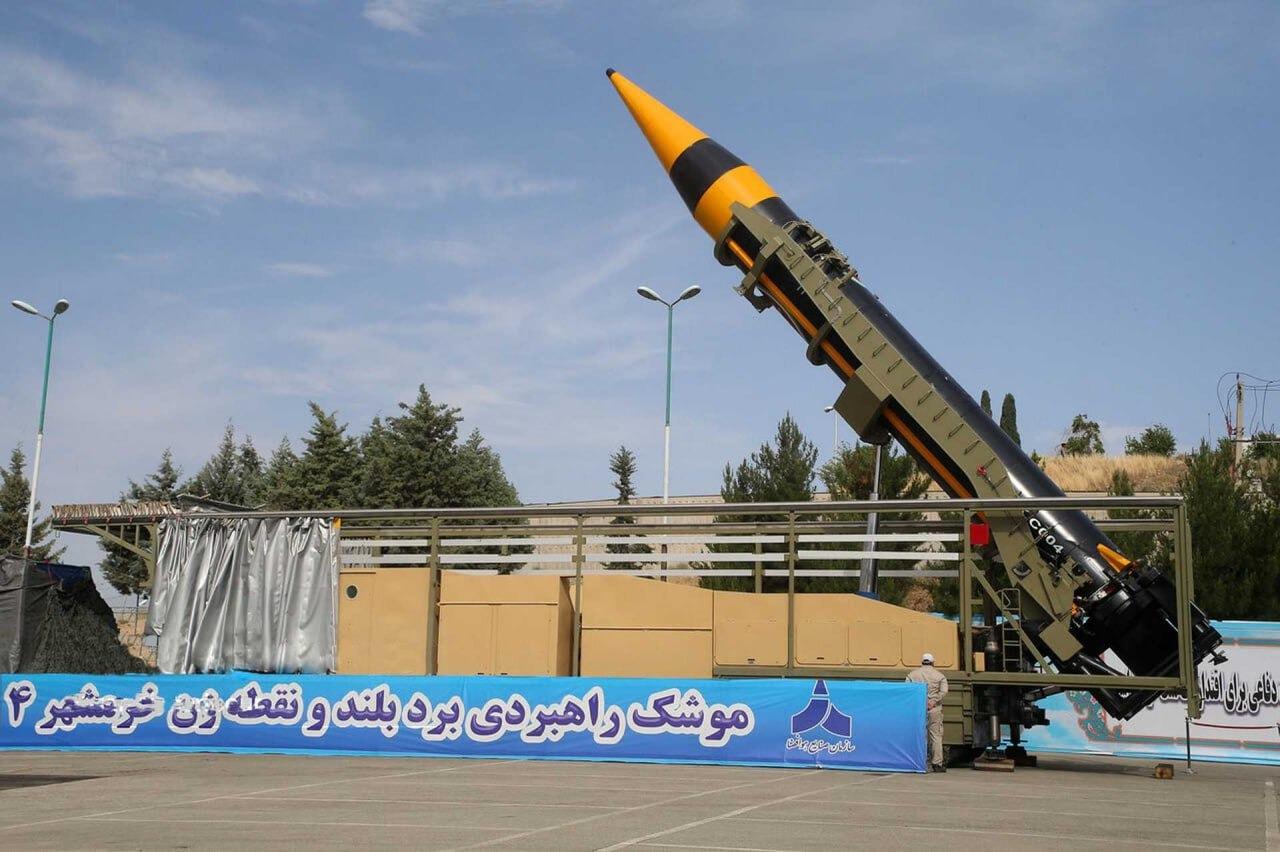
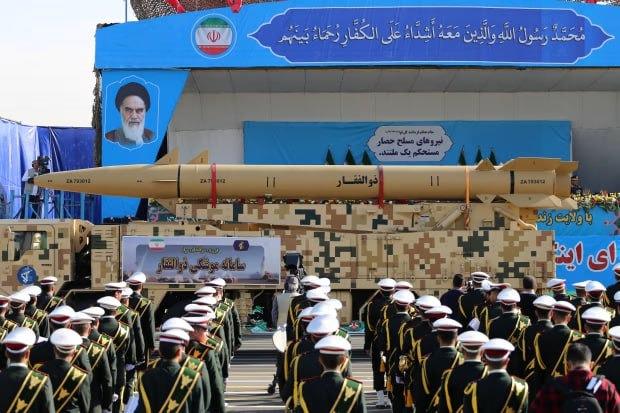
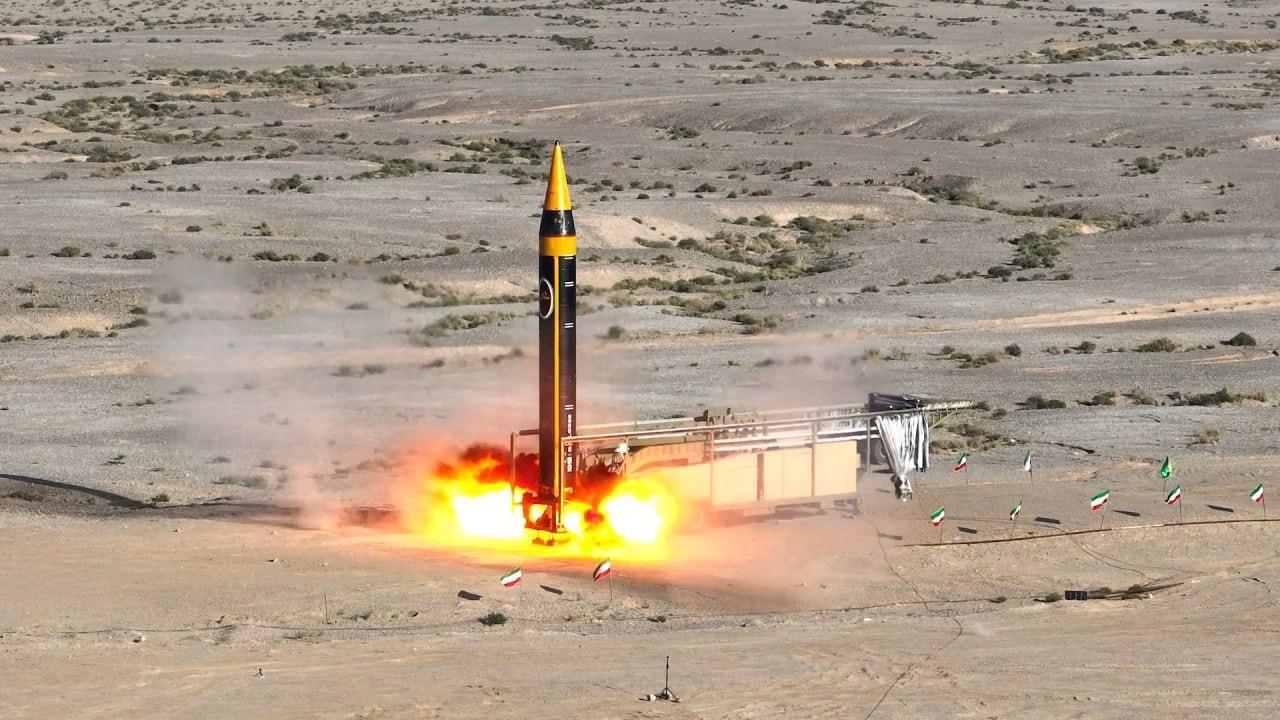
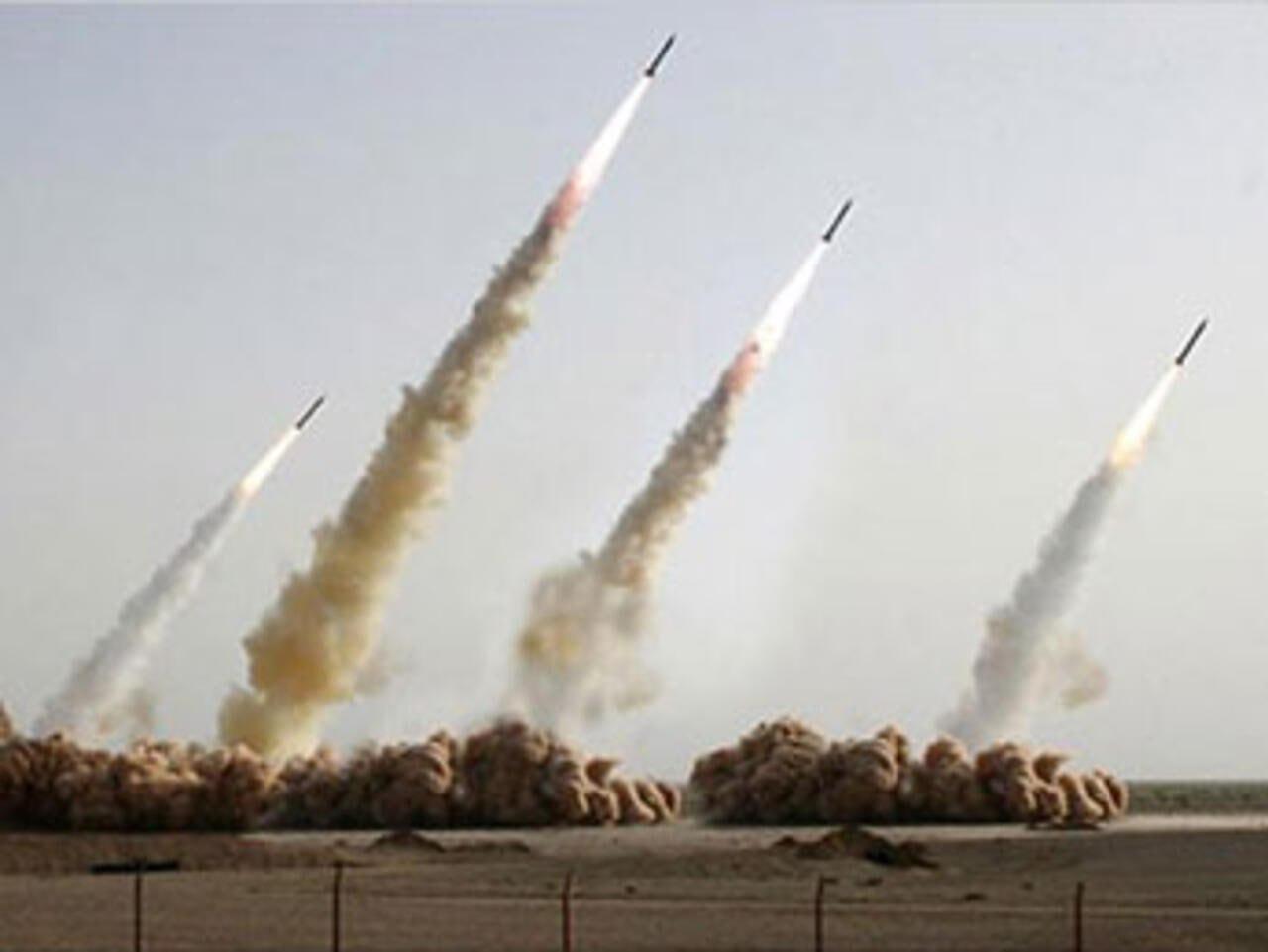
US intelligence assessments reported by CNN indicate that despite more than a month of heavy strikes, Iran still retains roughly half of its missile launch capability and significant drone strike capacity. Some coastal defense missile systems also remain operational and continue to threaten shipping in the Strait of Hormuz. This suggests that Iran has not lost its ability to wage war, and the conflict could expand further than many had expected.
The real question now is not how many missiles Iran has fired or how powerful US strikes are. The real question is: What phase is this war entering, and what will ultimately determine victory — military power, oil, the Strait of Hormuz, or economic pressure?
Based on recent developments, the Iran war appears to be evolving in three major directions:
1. Underground and tunnel warfare
2. Naval warfare and the Strait of Hormuz
3. Infrastructure destruction warfare
From Destroying Military Forces to Destroying State Capacity
The phrase “Stone Age” does not simply refer to conventional military strikes. According to Reuters, former President Donald Trump warned of strikes on Iranian bridges and power stations following attacks near the Tehran–Karaj area. This indicates that the war’s targets may be expanding from missile sites and military bases to critical infrastructure that keeps a country functioning.
If strikes continue in this direction, the war will no longer be limited to weakening military capabilities. Instead, it will become a form of coercive warfare aimed at weakening Iran economically, socially, and administratively — in other words, targeting the state’s overall capacity to function.
Core Problem: Iran Has Not Lost Its Fighting Capability
One major reason the war cannot end quickly is the uncertainty surrounding Iran’s remaining military capability. CNN reported that US intelligence assessments suggest that about half of Iran’s missile arsenal still remains, along with thousands of suicide drones. Some coastal missile defense systems are also still operational and capable of threatening shipping in the Strait of Hormuz.
Reuters also reported that the United States estimated roughly one-third of Iran’s missile stockpile had been destroyed, but accurately measuring Iran’s total arsenal is extremely difficult because many weapons are hidden underground or inside tunnel networks. This means a reduction in missile launches does not necessarily mean Iran has lost its overall capability.
This situation resembles the conflict in Yemen, where the United States and its allies have struggled to stop Houthi missile and drone attacks despite repeated airstrikes.
This suggests that the war cannot be won by air power alone. Iran does not necessarily need to win the war quickly; it only needs to continue retaliating and creating risks long enough to turn the conflict into a war of attrition — a long war that exhausts the enemy financially and economically.
President Trump’s statements that “victory is near” contrast with intelligence assessments and media reports indicating that Tehran still retains enough capability to keep the entire region unstable. This is why the war does not appear likely to end easily within “two to three weeks.”
The War Is Moving from Above Ground to Underground
Strategically, the Iran war is shifting. The first phase involved airstrikes against exposed targets. The next phase involves targets that are hidden, mobile, and located underground.
CNN reported that many Iranian missile launch systems can be moved in and out of tunnels and underground networks, making them extremely difficult to locate and destroy. Reuters similarly reported that uncertainty surrounding underground weapons is one of the core challenges in assessing US success.
Therefore, the “Stone Age” threat may be difficult to achieve because Iran’s most important strategic weapons are hidden underground and are difficult to destroy completely.
At the same time, some radar systems and intelligence infrastructure supporting US operations have also been targeted by Iranian weapons, making battlefield awareness and targeting more difficult for the United States. This is one of the most important developments in the war.
Naval War and the Strait of Hormuz
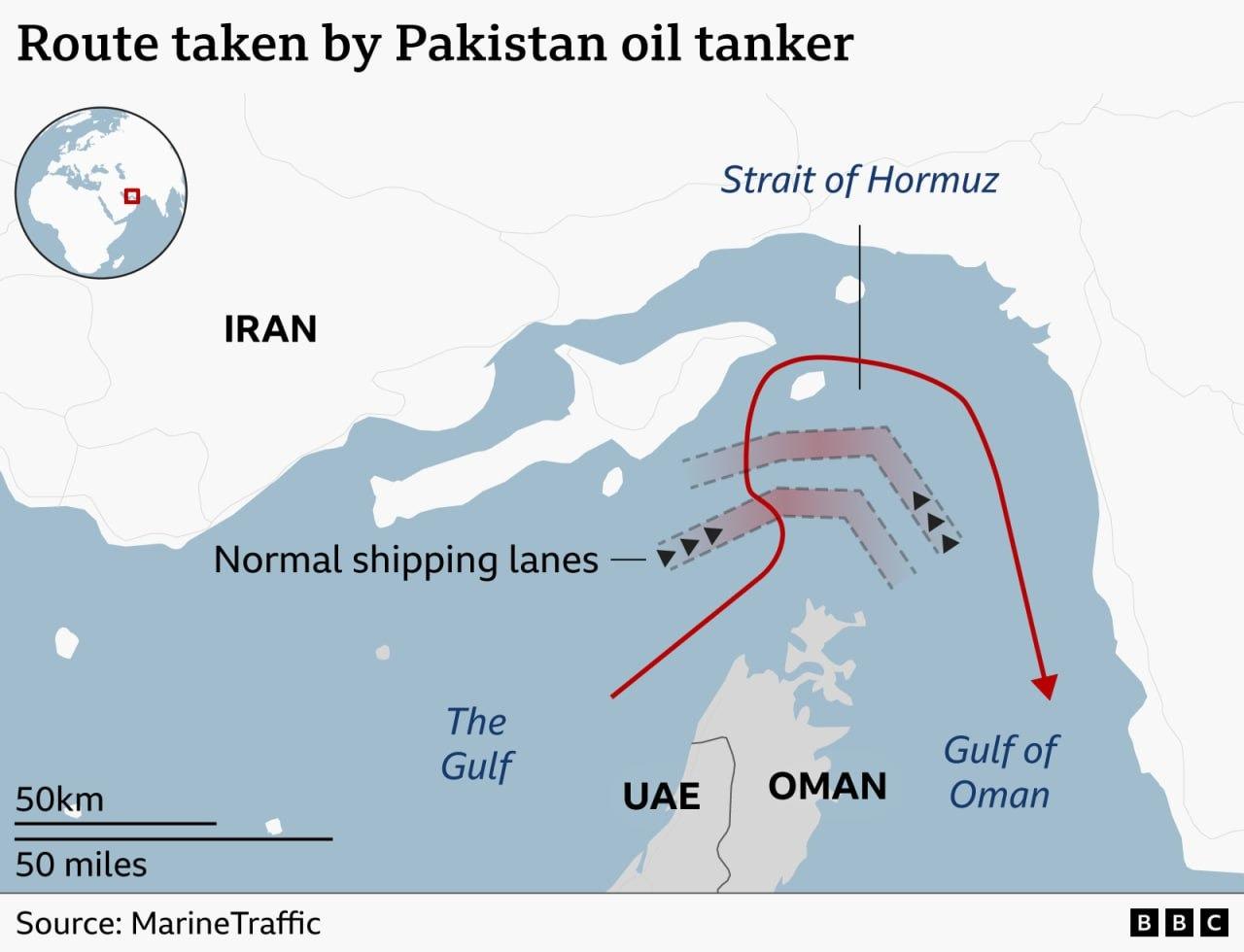
One of the most critical fronts in the Iran war is not on land or in the air, but at sea — particularly in the Strait of Hormuz. Iran’s naval forces and Islamic Revolutionary Guard Corps naval units still operate coastal missile systems despite US strikes on several bases. These forces represent Iran’s most important strategic weapon for threatening oil tankers and commercial shipping passing through the Strait of Hormuz.
The Strait of Hormuz is one of the most important maritime chokepoints in the world because millions of barrels of oil pass through it every day on their way to Asia, Europe, and global markets. If this route becomes dangerous or disrupted, oil prices could rise sharply, and Asian countries that rely heavily on oil imports would be affected first.
Reports also indicate that thousands of ships are currently stuck in the Persian Gulf, while ships from countries such as Russia, China, India, and Pakistan appear to pass through the Strait of Hormuz with fewer obstacles, while ships linked to US allies face higher risks. This suggests that Iran may be using the Strait of Hormuz as a strategic weapon — open for friends, closed for enemies — rather than completely shutting it down.
Conclusion: Can the “Back to the Stone Age” Threat Become Reality Within 2–3 Weeks?
Based on the current situation, a major question being asked by analysts is whether the United States can actually bomb Iran “back to the Stone Age,” and whether this could be achieved within just two or three weeks.
From a military capability perspective, the United States does have the ability to strike major infrastructure such as power plants, electrical grids, military bases, oil facilities, and communication systems. In theory, such strikes could severely disrupt a country’s operations.
However, turning a large country like Iran “back to the Stone Age” is unlikely to be achievable within just a few weeks — especially given Iran’s underground infrastructure, tunnel-based weapons systems, and its ability to retaliate.
Furthermore, the war is expanding into naval conflict, the Strait of Hormuz, global oil markets, and the global economy.
Therefore, the phrase “Back to the Stone Age” may be more of a psychological warfare and pressure strategy rather than a realistic short-term military objective. The real global impact of this war may ultimately be seen not on the battlefield, but in oil prices and the global economy — consequences that may be unavoidable.