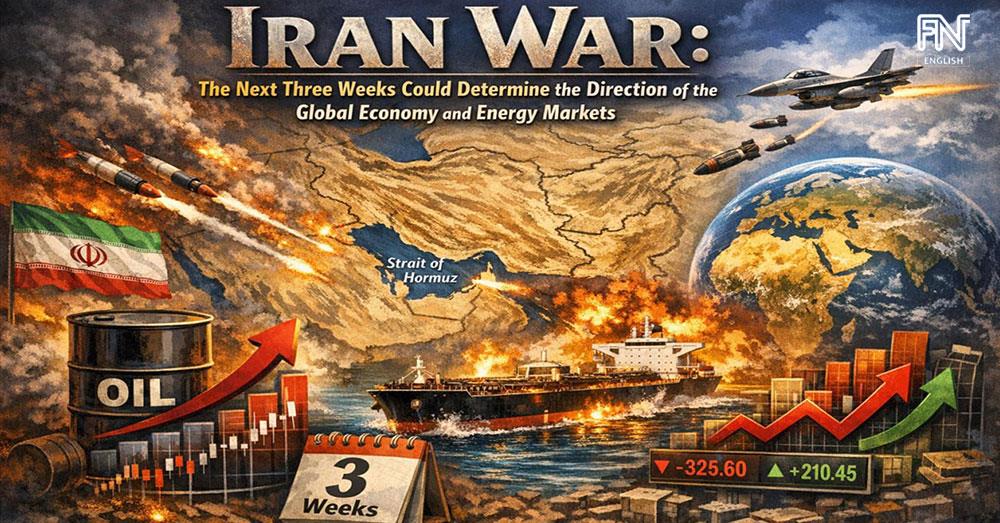
(Phnom Penh): When US President Donald Trump previously said that the Iran war could end within two to three weeks, many people around the world — including some Iranians inside the country — felt relieved and even hopeful, believing the conflict might be moving toward an end that would prevent further bloodshed. However, following the US president’s latest speech, which was filled with threats and a pledge to continue striking and destroying Iranian infrastructure, tensions quickly rose again. Global financial markets and oil markets shifted rapidly from optimism to anxiety. The biggest question now is: How could the next three weeks change the world?
The War Is Entering a Critical Phase After Trump’s Speech
Donald Trump said on Wednesday night, April 1, that the United States is preparing to intensify attacks on Iran over the next two to three weeks. In that speech, he used strong language, saying, “We will hit them very hard and take them back to the Stone Age.” This statement signals a commitment to increasing military pressure, not a sign that the war is ending immediately.
In many wars throughout history, the most dangerous phase is not at the beginning, but often near the end — before negotiations begin or before one side accepts the outcome. When both sides believe they must win before coming to the negotiating table, that is often when the most intense and dangerous attacks occur.
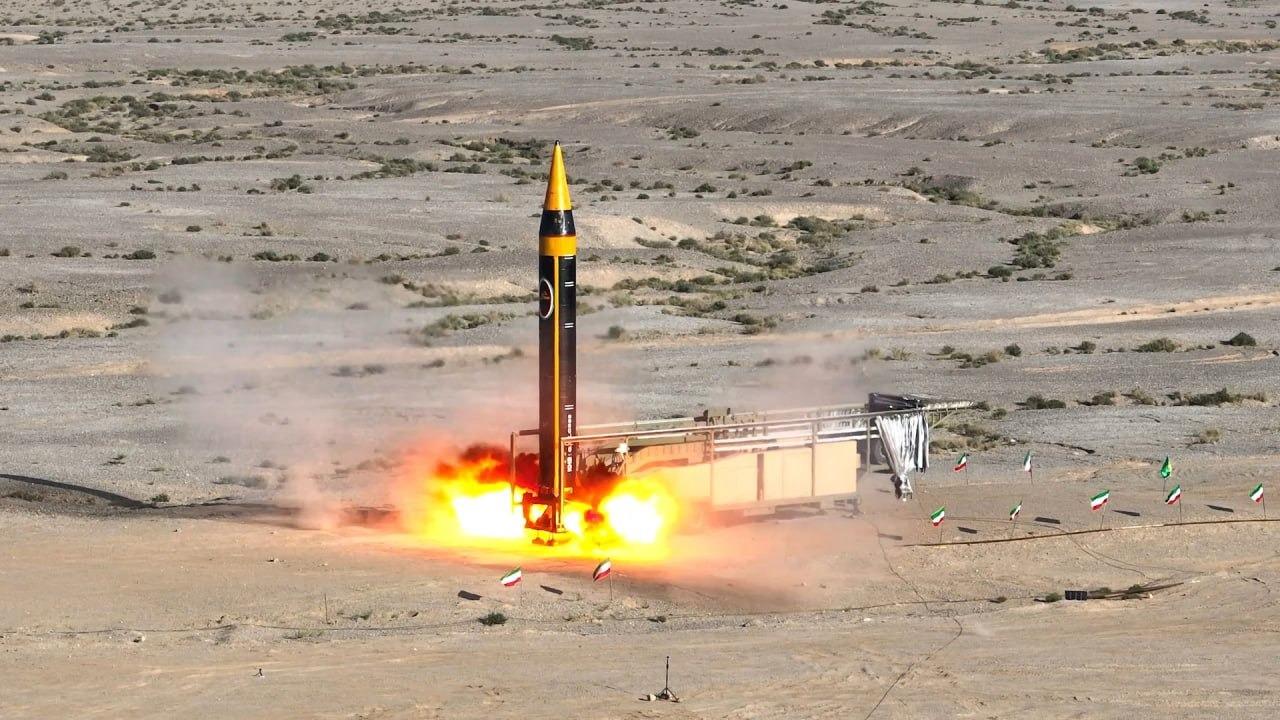
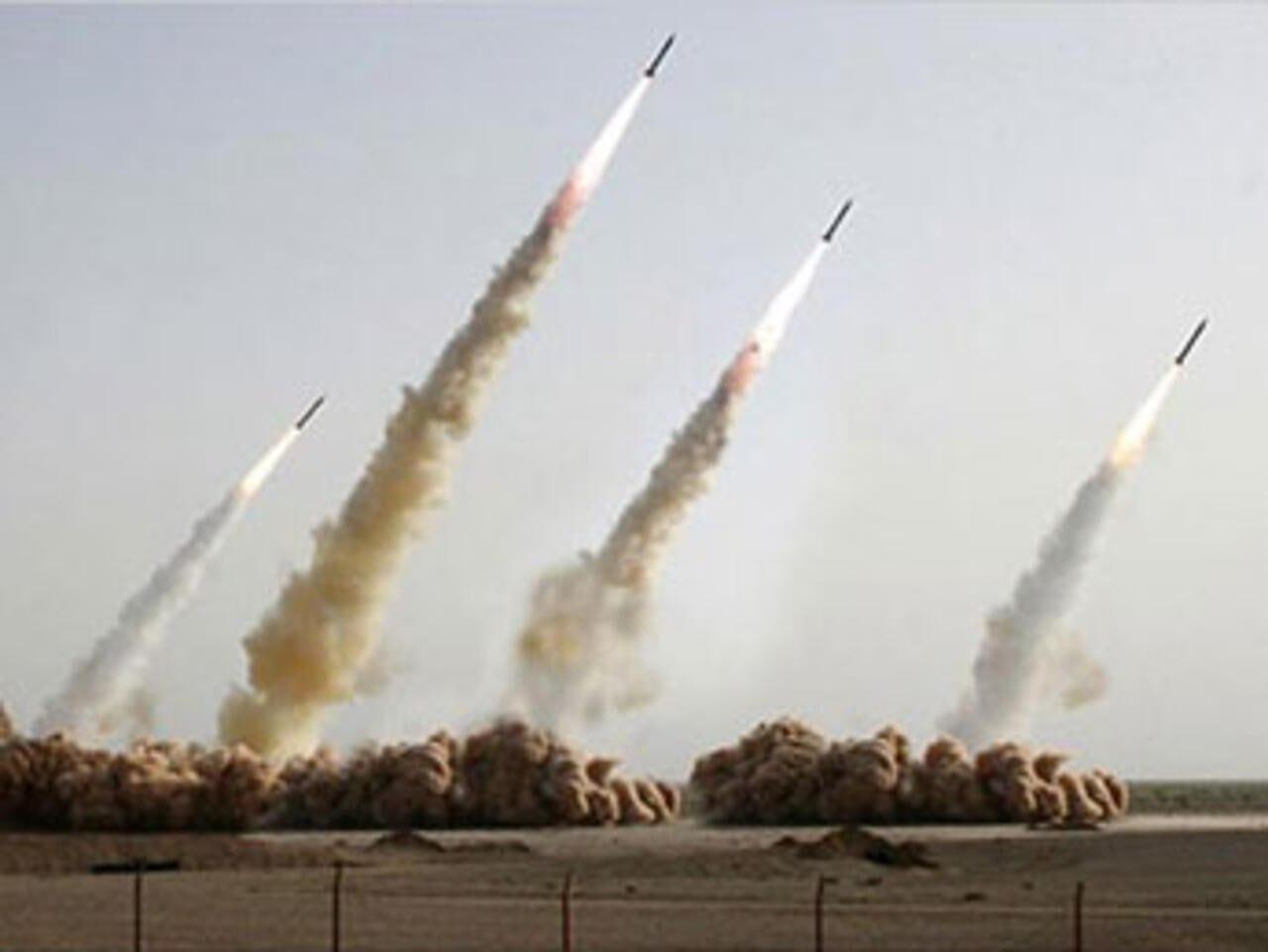
The Iran war now appears to be entering that phase. While the United States claims its military objectives are close to being achieved, Iran continues launching missiles and retaliating across the region. This suggests that the war still has no clear winner, and both sides are trying to increase military and political pressure before any negotiations or the final phase of the conflict.
Military Threats Are Shaking Global Energy and Economic Markets
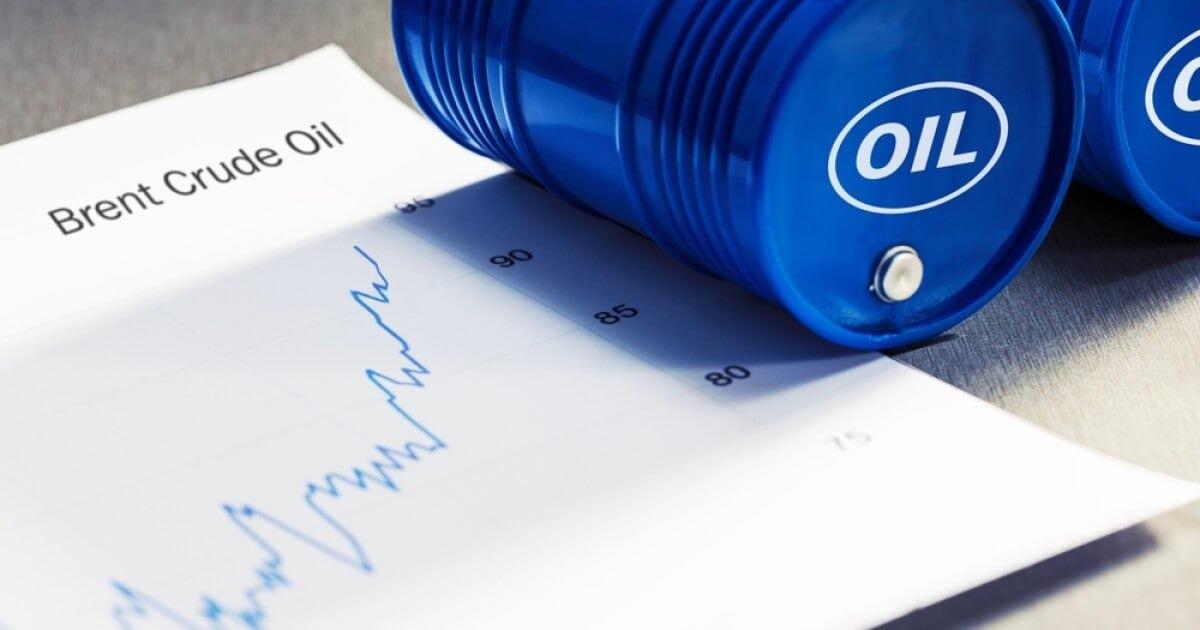
Many people see this conflict simply as a war between the United States and Iran, but in reality, it is deeply connected to global energy and the world economy. Trump’s speech did not calm oil markets. Instead, after his threats, Brent crude oil prices rose from around $100 to over $105 per barrel. The main reason is that markets believe disruptions to major oil shipping routes are unlikely to end soon.
Not only oil markets were affected — Asian stock markets such as Nikkei, Kospi, and Hang Seng declined, and US stock markets also showed downward trends. This indicates that global investors are not confident that the situation will stabilize soon, even though Trump said oil facilities were not the main targets.
Trump also stated that countries that rely on oil shipments through the Strait of Hormuz should protect and secure the route themselves, rather than relying on the United States. This statement suggests that while the United States may eventually end its military operations, the responsibility for energy security and maritime routes could be left to other countries.
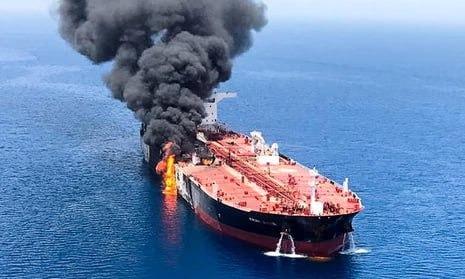
One of the most important shipping routes in the world is the Strait of Hormuz, through which roughly 20% of the world’s oil supply passes. If this route were blocked or if tankers were attacked, oil prices could rise dramatically, and the global economy could suffer serious consequences.
Therefore, even though Donald Trump said the war might end in the near future, global energy and financial markets do not believe the crisis will end simply because of political statements. For markets and investors, the real signals are not speeches, but what is happening on the battlefield and in critical energy shipping routes.
Asia Could Become the Biggest Economic Casualty of This War
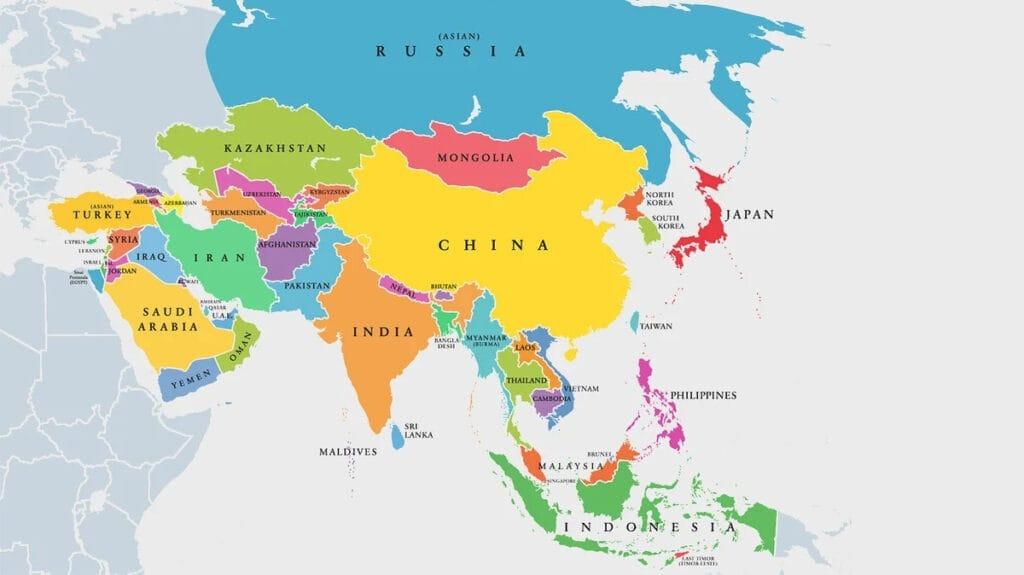
Looking at the global energy map, the biggest economic impact of the Iran war may not fall on the United States, but on Asian countries. The reason is that many Asian economies rely heavily on oil and gas from the Middle East, most of which must pass through the Strait of Hormuz.
Countries such as Japan, South Korea, China, India, and many ASEAN nations import energy from this region. If shipping routes are disrupted or threatened, oil supply could be affected and prices could rise rapidly. When oil prices rise, the impact is not limited to the energy sector — it affects the entire economy.
Fuel prices increase, transportation costs rise, food and goods become more expensive, electricity costs may increase, and inflation rises. In simple terms, a war in the Middle East can make daily life more expensive for people in Asia, even though the war is taking place thousands of kilometers away.
In this sense, the Iran war is not just a regional conflict; it is a war that could affect the economies and living standards of hundreds of millions of people across Asia.
Conclusion: The Next Three Weeks Could Become a Turning Point for the World
Looking at the overall situation, the Iran war does not appear to be in its final stage as many people once hoped. Trump’s threats are pushing the situation into what could be the most critical phase before negotiations or a major strategic shift.
The next three weeks could determine several key outcomes:
1. Whether the war expands or moves toward negotiations
2. Whether major oil shipping routes remain open or face continued threats
3. Whether oil prices continue rising or begin to fall
4. Whether the global economy moves toward stability or crisis
Therefore, the next three weeks may not only determine the direction of the Iran war, but also the direction of global energy markets and the world economy. If the war continues and the energy crisis worsens, the world could enter a new economic phase marked by high energy prices, rising inflation, and slower economic growth. But if negotiations begin and energy markets stabilize, the world may avoid a major economic crisis.
In this sense, the Iran war is not simply a conflict between two countries — it is an event that could reshape global energy, economics, and geopolitics within just a few weeks.