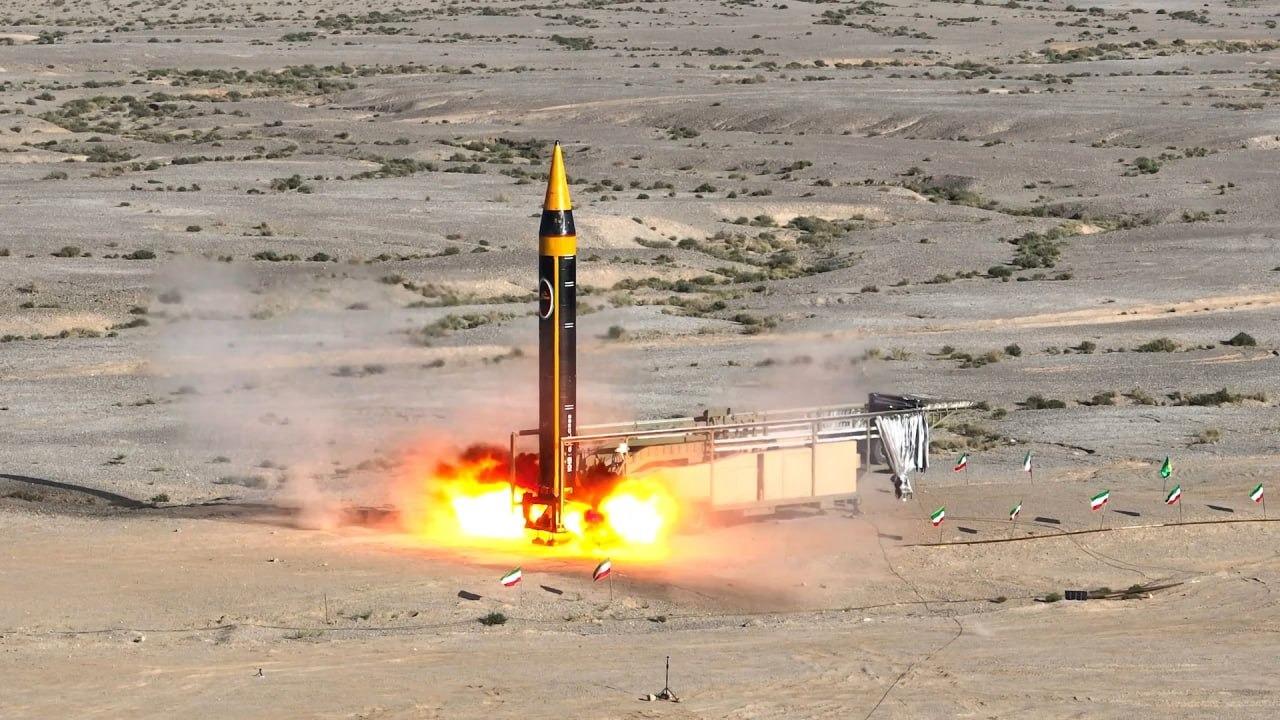
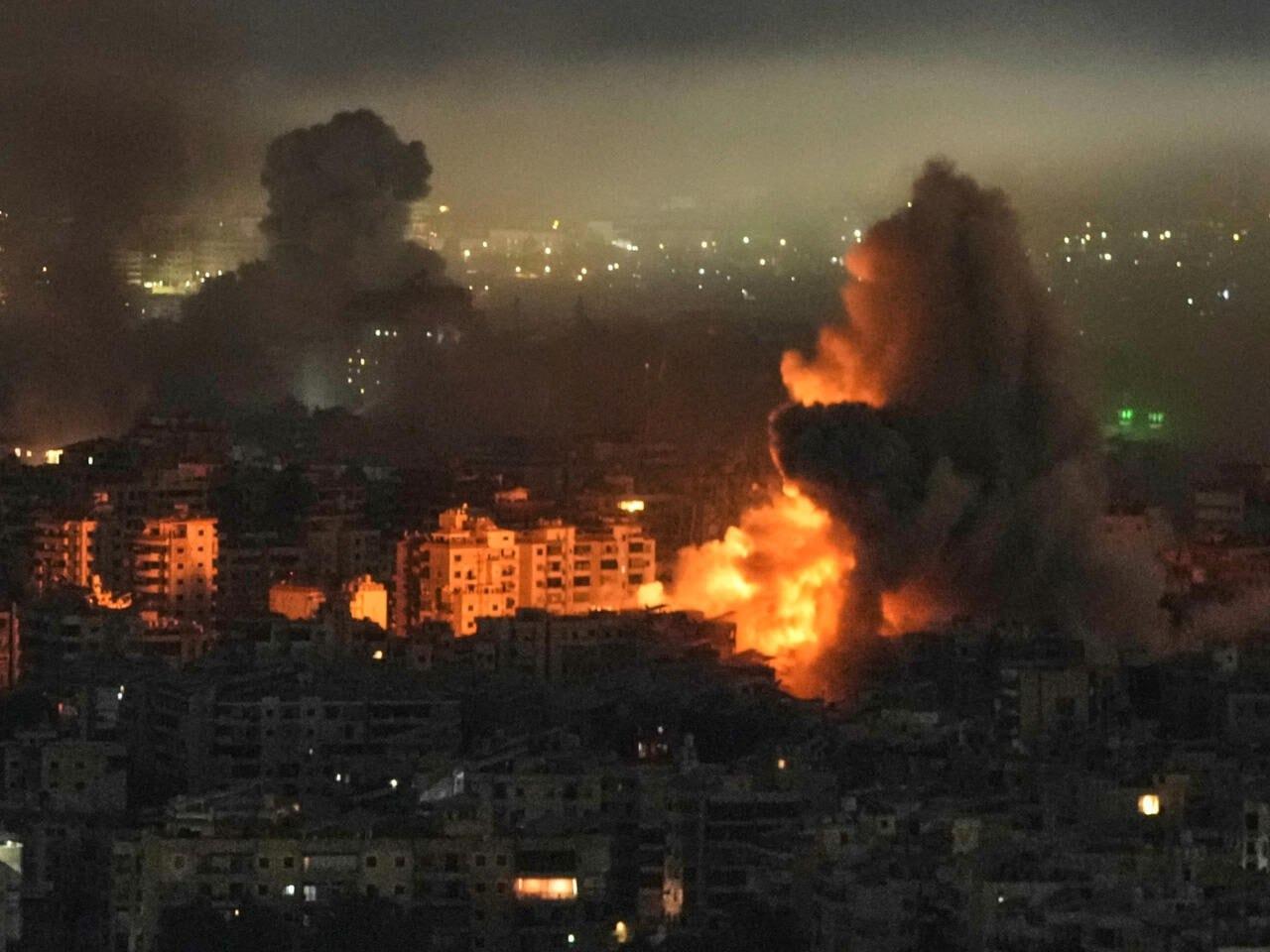
(Phnom Penh): The Iran war will likely not end on the day the Strait of Hormuz is reopened. Instead, it may end on the day the United States believes it has degraded Iran’s military capabilities, missile forces, and nuclear program to a level sufficient to force Tehran to return to the negotiating table.
Recent statements by U.S. President Donald Trump have opened the door to new interpretations about the direction of this war. He suggested that the United States could end the war with Iran in the near future, even if the issue of the Strait of Hormuz remains unresolved. This implies that, for Trump, reopening one of the world’s most important energy shipping routes may no longer be a prerequisite for declaring the war over. Instead, it may be postponed and addressed in a later phase, after the core objectives of the war have been achieved.
Policy Shift: From “Reopen Hormuz” to “End the War First”
From a military theory perspective, most wars have both military objectives and political objectives. Military objectives involve destroying the enemy’s capabilities — such as armed forces, military bases, or critical infrastructure. Political objectives, however, are about forcing the opponent to accept certain conditions or opening the path toward a political settlement that ends the war.
U.S. President Donald Trump stated in late March that the United States could end its war with Iran within approximately two to three weeks. He clarified that the most important U.S. objective is no longer regime change in Iran, but ensuring that Iran cannot obtain nuclear weapons. This statement indicates that the war’s objectives are limited in scope; it is not a war to achieve total victory or to occupy Iran.
Information about White House strategy suggests that Trump is considering ending the war based on four core objectives:
- Destroy Iran’s military capabilities
- Stop Iran’s nuclear program
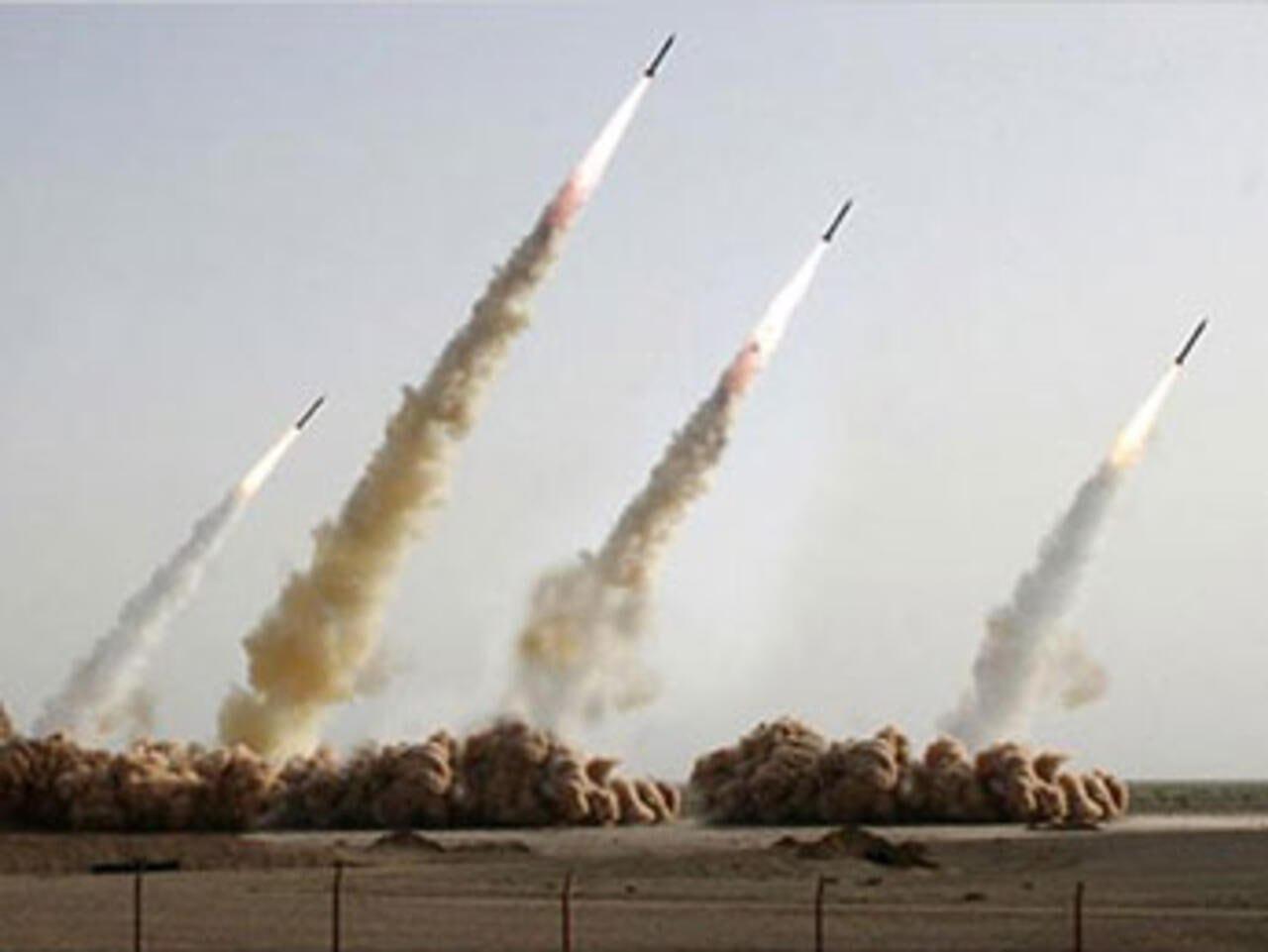
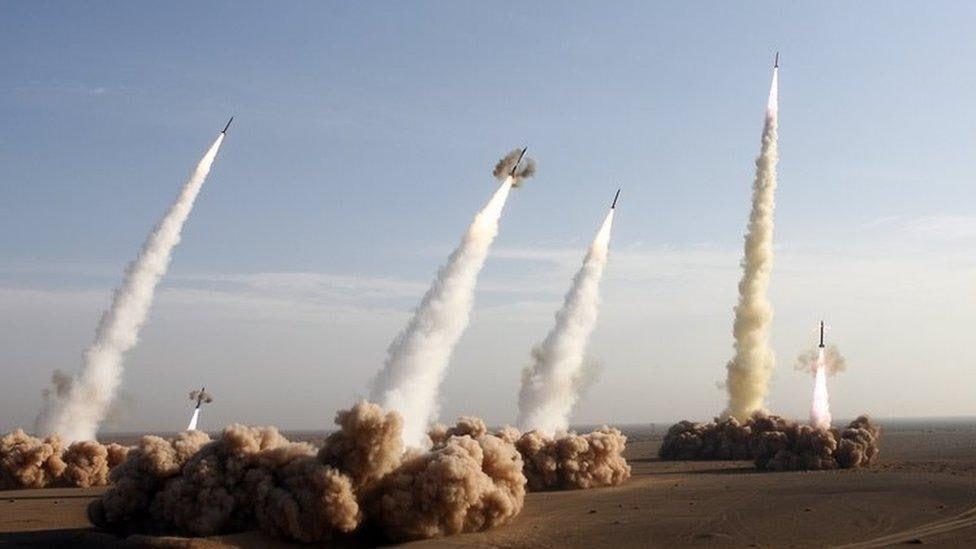
- Degrade Iran’s missile capabilities and naval forces
- Increase pressure to force Iran into negotiations
From a strategic perspective, this is a strategy of “strike to force negotiations,” not “strike to win total victory.” Therefore, an important signal emerging now is that Trump may be shifting from a strategy of fighting until complete victory to a strategy of ending the war once core objectives have been achieved.
In other words, for the United States, reopening the Strait of Hormuz may not be the final condition for ending the war. Instead, degrading Iran’s military and nuclear capabilities may be the key benchmark for determining when the war should end.
The 15-Point Peace Plan: A Framework for Ending the War
Another development that clarifies the potential endgame is the introduction of a 15-point peace plan by the United States. Broadly speaking, the plan has two main components that reflect a strategic exchange between the two sides.
The first part outlines U.S. conditions for Iran, focusing on reducing Iran’s military and nuclear threat:
- Abandon enriched uranium stockpiles
- End the nuclear program
- Reduce missile programs
- Stop supporting armed groups in the region
- In exchange for sanctions relief
- Begin peace negotiations and a ceasefire
The second part reflects Iran’s conditions, focusing on lifting economic pressure and reducing U.S. military influence in the region:
- Full sanctions relief
- Withdrawal of U.S. troops from the region
- No interference in Iran’s internal politics
From an analytical perspective, this is not a simple peace plan or a basic ceasefire agreement. It is a strategic exchange package. The United States wants to remove Iran’s military and nuclear threat, while Iran wants relief from economic pressure and reduced U.S. military influence in the region.
In such situations, wars often do not end with a decisive military victory. Instead, they end when both sides conclude that continuing the war is more costly than accepting a negotiated agreement.
Signals from Iran: End the War If Security Is Guaranteed
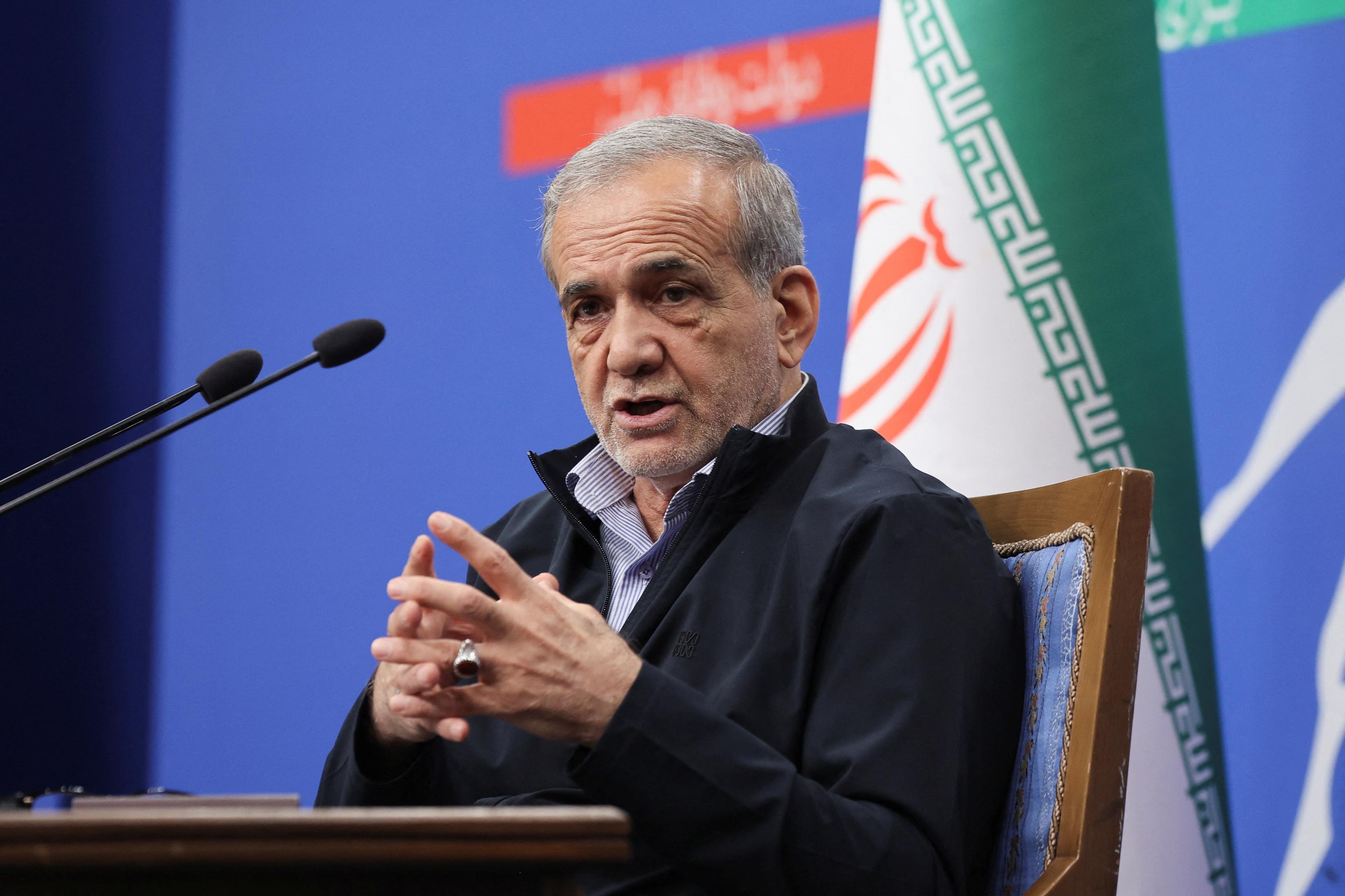
It is not only the United States that has been talking about ending the war; Iran has also sent similar signals. Iranian state media reported that Iranian President Masoud Pezeshkian said Iran is prepared to stop fighting if it receives guarantees that it will not be attacked again.
According to Press TV, Pezeshkian stated:
“We have never sought tension or war at any stage, and we have the necessary solutions to end this war if the required conditions are met, especially the necessary guarantees to prevent renewed aggression.”
This statement carries significant strategic meaning. It shows that for Iran, the key issue is not simply a ceasefire, but security guarantees and assurance that the war will not restart. In other words, Tehran does not want a temporary ceasefire; it wants assurance that the conflict will not resume in the future.
Strategically, statements from both the U.S. and Iranian leaders share one important similarity: neither side is talking about total victory. Instead, both are discussing conditions for ending the war. This is a strong indication that the conflict may be shifting from the combat phase toward the negotiation phase.
In many wars, when both sides begin talking about how to end the war instead of how to win it, the conflict is often entering its endgame phase.
Strategic Uncertainty: The Trust Problem in Ending the War
Despite growing expectations that the war could end soon, one major issue cannot be ignored: U.S. government messaging has not been entirely consistent and has changed frequently. While President Trump has repeatedly said the war is nearing its end, some analysts believe the timeline remains unclear and the situation on the ground could still change rapidly.
This raises an important analytical question:
Does the White House truly have a clear plan to end the war? Or are these messages part of psychological pressure designed to force Iran into negotiations? Or are they part of a broader political or military strategy that has not yet been fully revealed?
For strategic analysts, this is the most sensitive and dangerous phase of a war. History shows that many wars appeared to be close to ending but suddenly escalated again due to miscalculation, misinterpretation, or unexpected events.
Oil, the Strait of Hormuz, and Global Economic Pressure
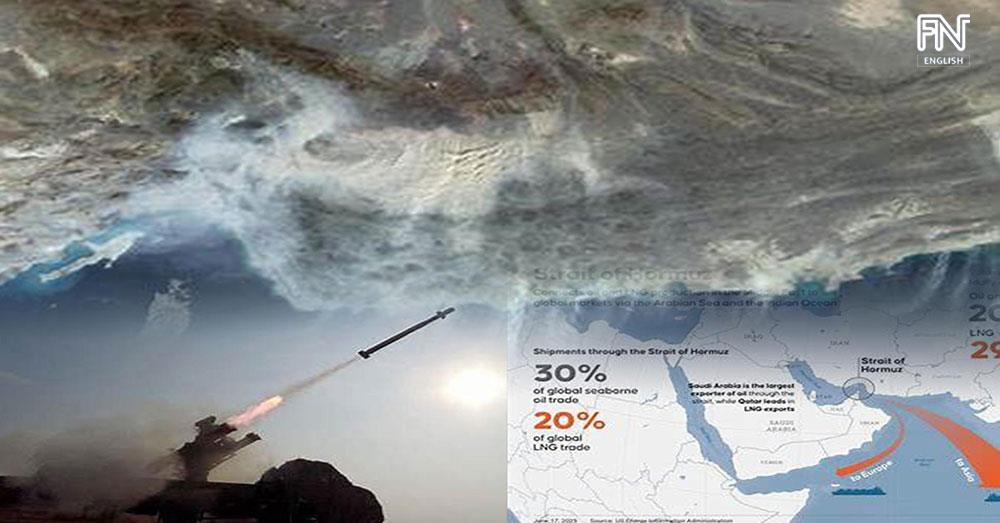
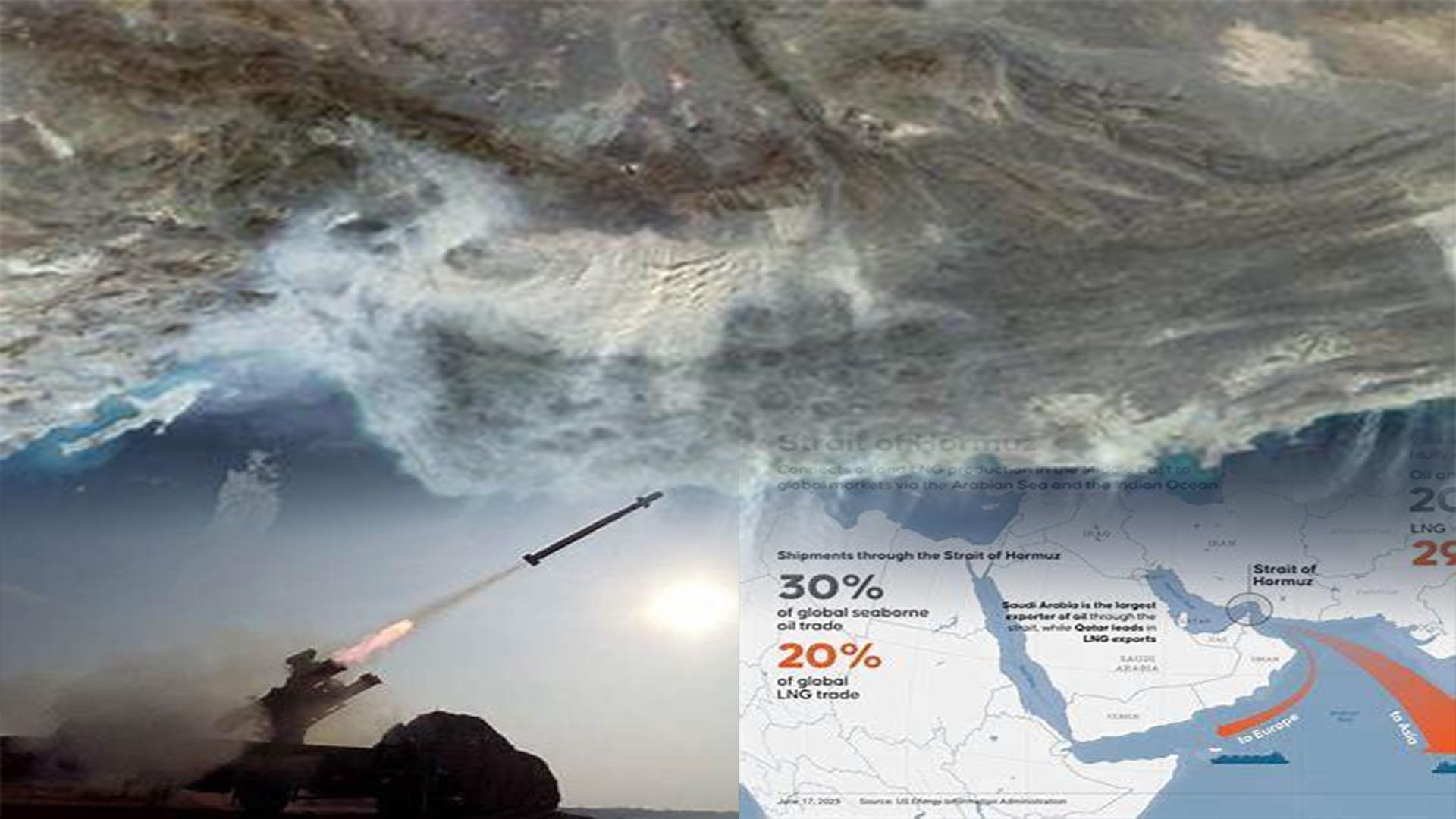
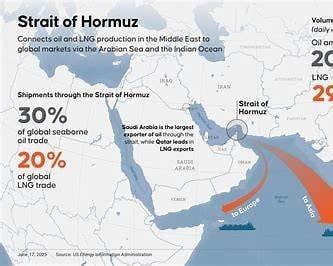
If the Iran war is viewed only from a military perspective, one might assume that the final outcome will be decided on the battlefield. However, from an economic and energy perspective, this war is far larger than a military confrontation alone. One of the most critical factors is the Strait of Hormuz, one of the world’s most important oil shipping routes.
A significant portion of global oil shipments passes through this strait. If it were closed or heavily disrupted, oil prices could surge dramatically, potentially triggering inflation, economic pressure, and even economic crises in many countries. Therefore, the Iran war does not affect only the United States and Iran — it affects Europe, Asia, and the global economy as a whole.
When a war begins to affect global oil markets and the world economy, many countries will start pressuring both sides to end the conflict or at least reduce hostilities. This means that in the Iran war, global oil markets and economic pressure could become major factors in determining how and when the war ends.
In other words, this is not just a war between two countries; it is also a war shaped by energy markets and global economic pressure. If oil prices rise too high, pressure from global markets and other countries could push the parties toward negotiations faster than a military victory would.
Conclusion: What Will Determine the End of the Iran War?
In summary, the Iran war today is not a conflict whose outcome can be determined by a single factor. It is shaped by multiple interconnected factors, including military capability, economic pressure, oil prices, and political negotiations.
The United States appears focused on achieving its core military and political objectives and then moving toward negotiations. Iran, on the other hand, has signaled its willingness to stop fighting if security guarantees are provided and further attacks are prevented. At the same time, global oil markets and the world economy are exerting pressure to prevent the war from continuing indefinitely.
Therefore, the true end of the Iran war will likely not be determined solely on the battlefield or by control of the Strait of Hormuz. The war will end when continuing the conflict no longer produces additional strategic benefits but instead only increases costs and pressure — including rising oil prices, transportation costs, commodity prices, military expenditures, and domestic political pressure in both the United States and Iran.
In other words, the Iran war will probably not end on the day one side wins a decisive military victory, but on the day both sides conclude that continuing the war brings nothing new except greater losses, higher costs, and increasing pressure.
When a war becomes more expensive than its strategic value, that is often the moment when it begins to move toward its end.