(Phnom Penh): In many wars throughout history, the end has not been determined by the final battle or the fall of a particular city, but rather by the cost of war, economic pressure, and political pressure. The war between the United States and Iran is now showing similar signs. To understand whether this war is approaching its final stage, analysts are closely examining five strategic pillars that could determine the direction and eventual outcome of the conflict.
Pillar 1: Oil Prices
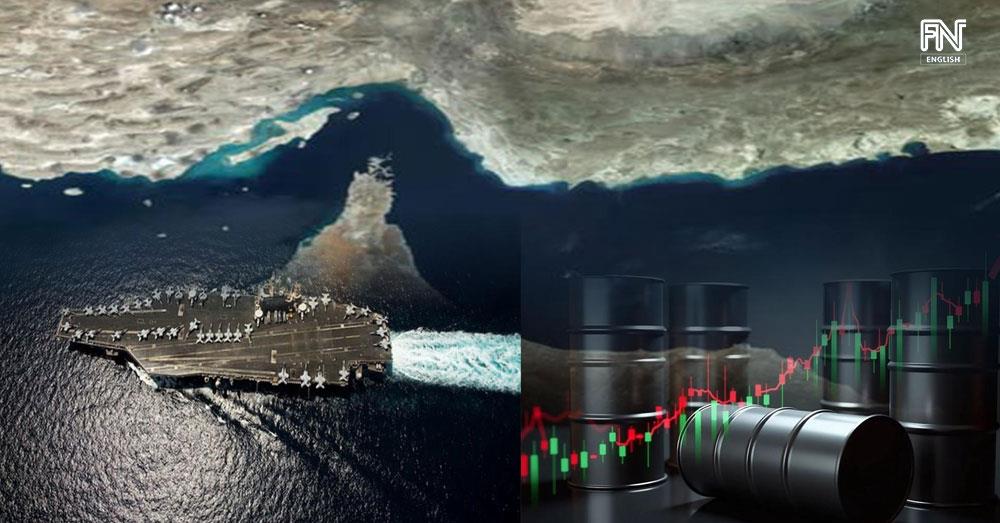
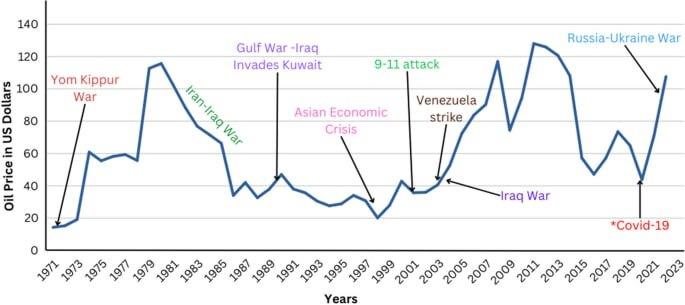
Oil prices are one of the most important indicators in conflicts in the Middle East. Whenever tensions rise around the Strait of Hormuz, oil prices immediately increase because global markets fear disruptions to oil transportation. Historically, many Middle Eastern conflicts have triggered oil crises that placed significant pressure on the global economy.
Energy analysts often classify oil price levels per barrel to measure economic and political pressure as follows:
- Below $80 — Normal conditions
- $80–$100 — Tension
- $100–$120 — Economic pressure
- $120–$150 — Severe global pressure
- Above $150 — Global economic crisis
By the end of March 2026, oil prices were reported to be between approximately $110 and $116 per barrel. This suggests that the war has already pushed the global oil market into the stage of economic pressure, though it has not yet reached the level of a global economic crisis.
If oil prices rise to between $120 and $150 per barrel, pressure from major economies and global markets will intensify significantly. Historically, this is often the point when serious negotiations begin in order to prevent a broader global crisis.
Therefore, in this war, oil is not only an economic issue but also a strategic weapon, as it can create economic and political pressure on many countries around the world.
One notable signal is a report suggesting that the U.S. leadership has considered ending the war even if the Strait of Hormuz issue remains unresolved, with plans to address that issue later. If accurate, this would indicate that U.S. strategy may be shifting from seeking military victory toward managing the political end of the war. In strategic studies, this is often seen as a sign that a war has entered its late stage, when leaders begin thinking about how to end the war rather than how to continue it.
Pillar 2: Shipping Routes
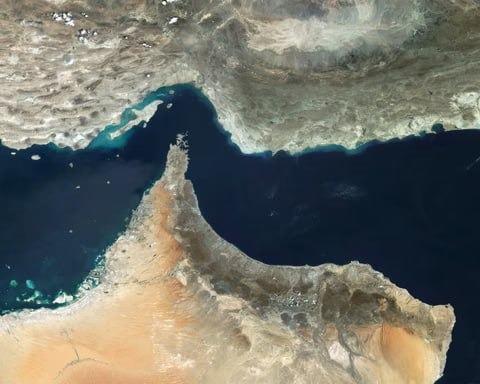
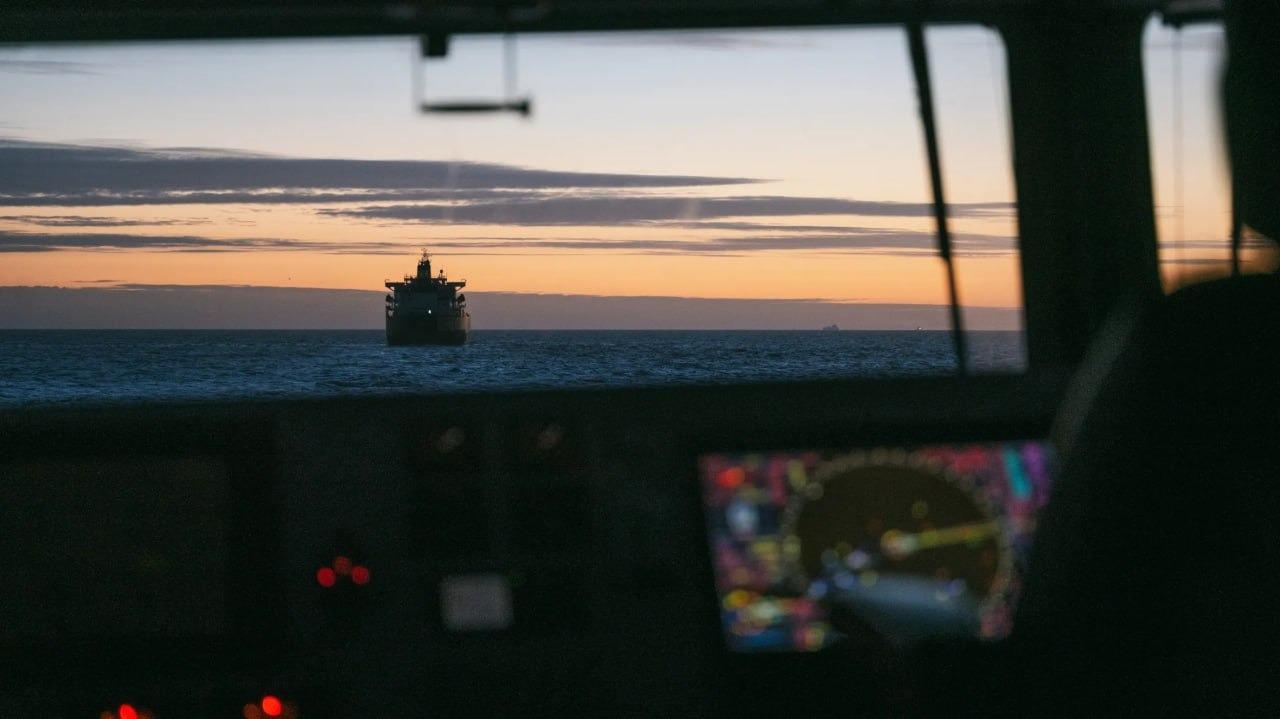
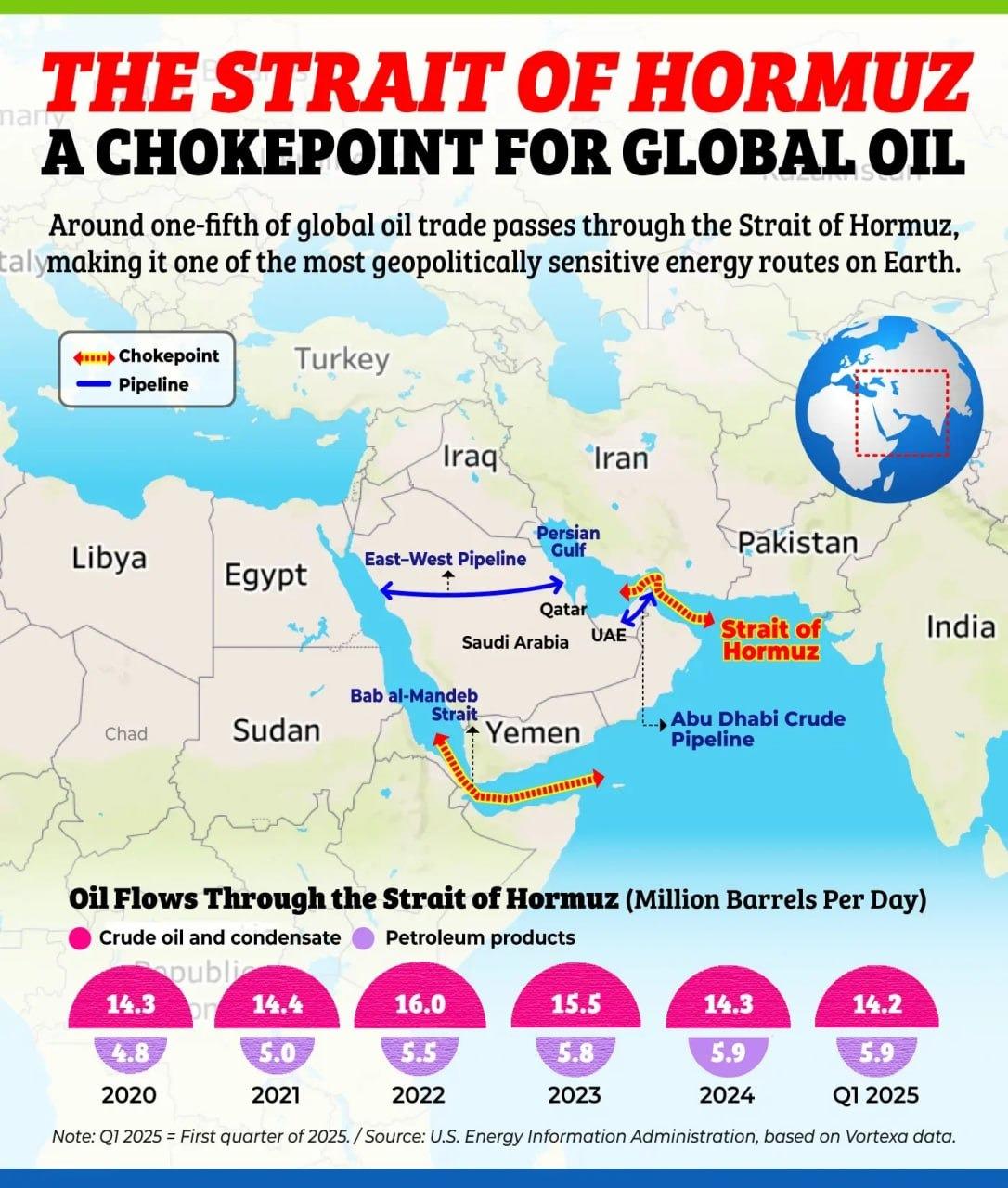
The Strait of Hormuz is one of the most important oil shipping routes in the world. A significant portion of global oil supply passes through this route. If this passage is disrupted or blocked, the global economy is affected immediately.
When oil tankers are attacked or the strait is threatened:
- Marine insurance costs increase
- Shipping costs increase
- Shipping companies reroute vessels
- Delivery times become longer
- Global commodity prices rise
In simple terms, if shipping routes are disrupted, the entire global economy faces consequences. This is one of the main reasons why major powers do not want the war to continue for too long.
Since late February 2026, more than 20 commercial vessels and oil tankers have reportedly been attacked or disrupted near the Strait of Hormuz. Under normal conditions, around 90 to 100 ships pass through the strait each day, but during the conflict, this number has dropped to around 60 to 70 ships per day — a decline of approximately 25 to 35 percent. Analysts view this level of disruption as a sign of economic pressure, but not yet a global economic crisis.
Pillar 3: The Cost of War
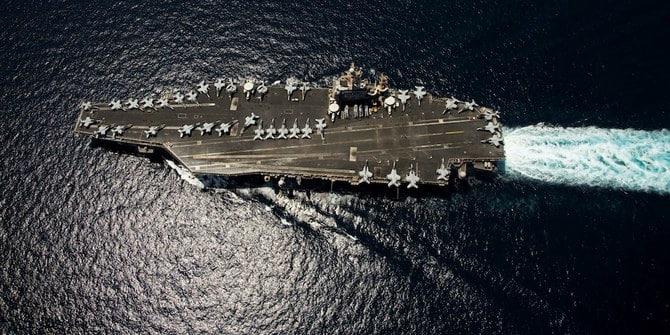
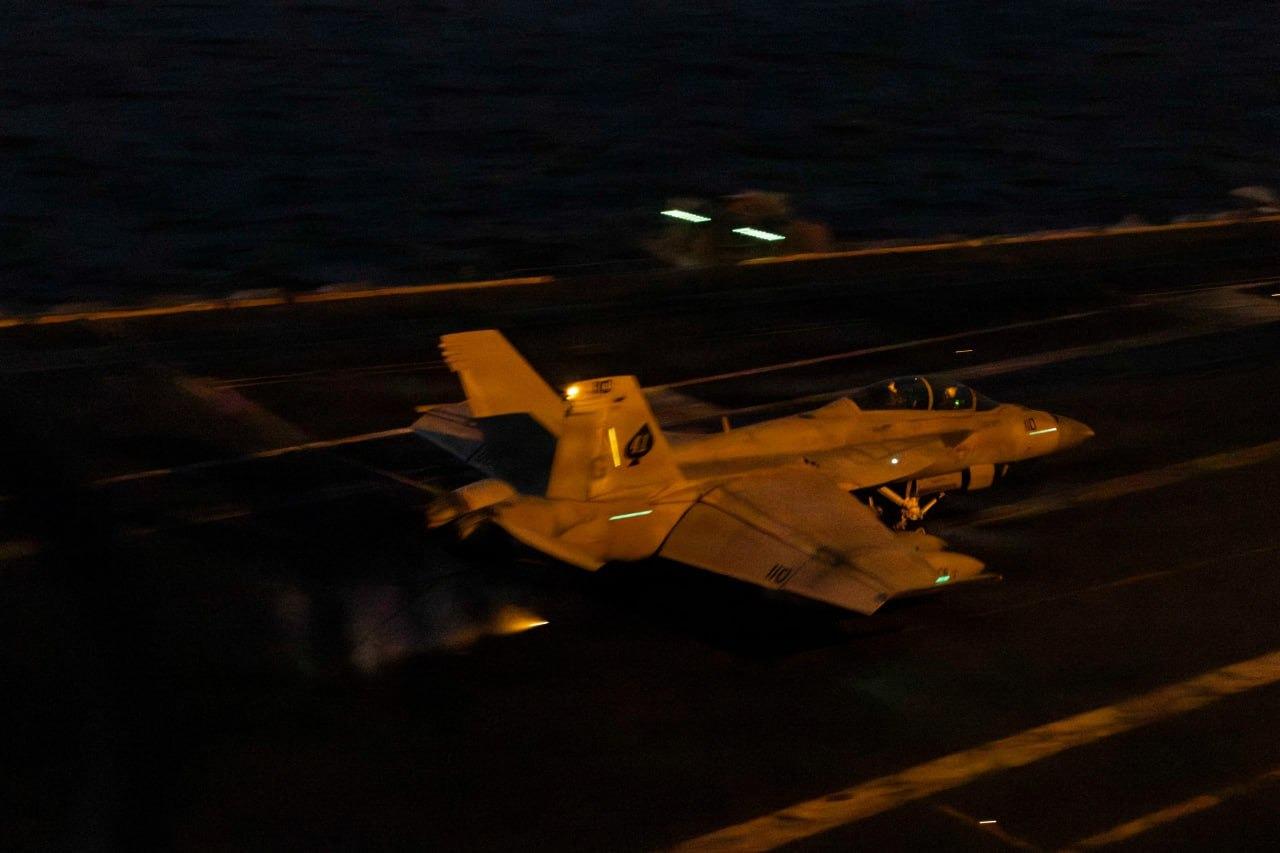
Modern warfare is extremely expensive. Operating aircraft carriers, missiles, aircraft, and defense systems costs billions of dollars.
Military analysts estimate that the United States may be spending at least around $100 million per day on military operations in the region, while Iran may be spending roughly $5 to $15 million per day using asymmetric warfare strategies. This means that the longer the war continues, the faster the cost of war rises for the United States compared to Iran.
In strategic theory, there is a well-known concept:
Wars continue when the objectives of war are greater than the cost of war.
Wars end when the cost of war becomes greater than the objectives of war.
Therefore, the key question is not who will win the war, but who can afford to sustain the cost of war longer.
Pillar 4: Political Pressure
Wars are not fought only on battlefields abroad; they are also fought in political arenas at home. As wars continue:
- Public opposition to the war may grow
- Legislators begin questioning war spending
- Allies begin calling for negotiations
- Domestic economic pressure increases
Since the attacks began on February 28, political pressure has increased in both the United States and Iran. In the United States, rising oil prices and war spending have become political issues in Congress and among voters. In Iran, economic challenges, sanctions, and internal pressure are also increasing.
Historically, many wars did not end on the battlefield but ended due to political pressure at home. Therefore, the end of the Iran war may be determined not only by military developments but also by political factors.
Pillar 5: Negotiation Channels
Many wars do not end with immediate peace agreements but end through negotiations that take place while fighting continues.
In modern conflicts, countries often fight on the battlefield while negotiating behind the scenes at the same time. Negotiations are often conducted not directly by national leaders but through diplomats, security officials, and intermediaries. Representatives of the United States and Iran have reportedly engaged in direct or indirect talks through mediators such as Oman, Qatar, Switzerland, and the United Nations to exchange messages, discuss conditions, and explore ways to end the conflict.
From a strategic perspective, this is a sign that the war has entered the political phase, not just the military phase.
Conclusion
Looking at oil prices, attacks on shipping, the cost of war, political pressure, and ongoing negotiation channels, the Iran war has not yet reached its final conclusion, but it appears to have entered a phase where leaders are beginning to think about how to end the war.
Reports suggesting that U.S. leadership is considering ending the war even if the Strait of Hormuz issue remains unresolved may indicate that the conflict is shifting from a military phase to a political phase — which is often the final stage of many wars.