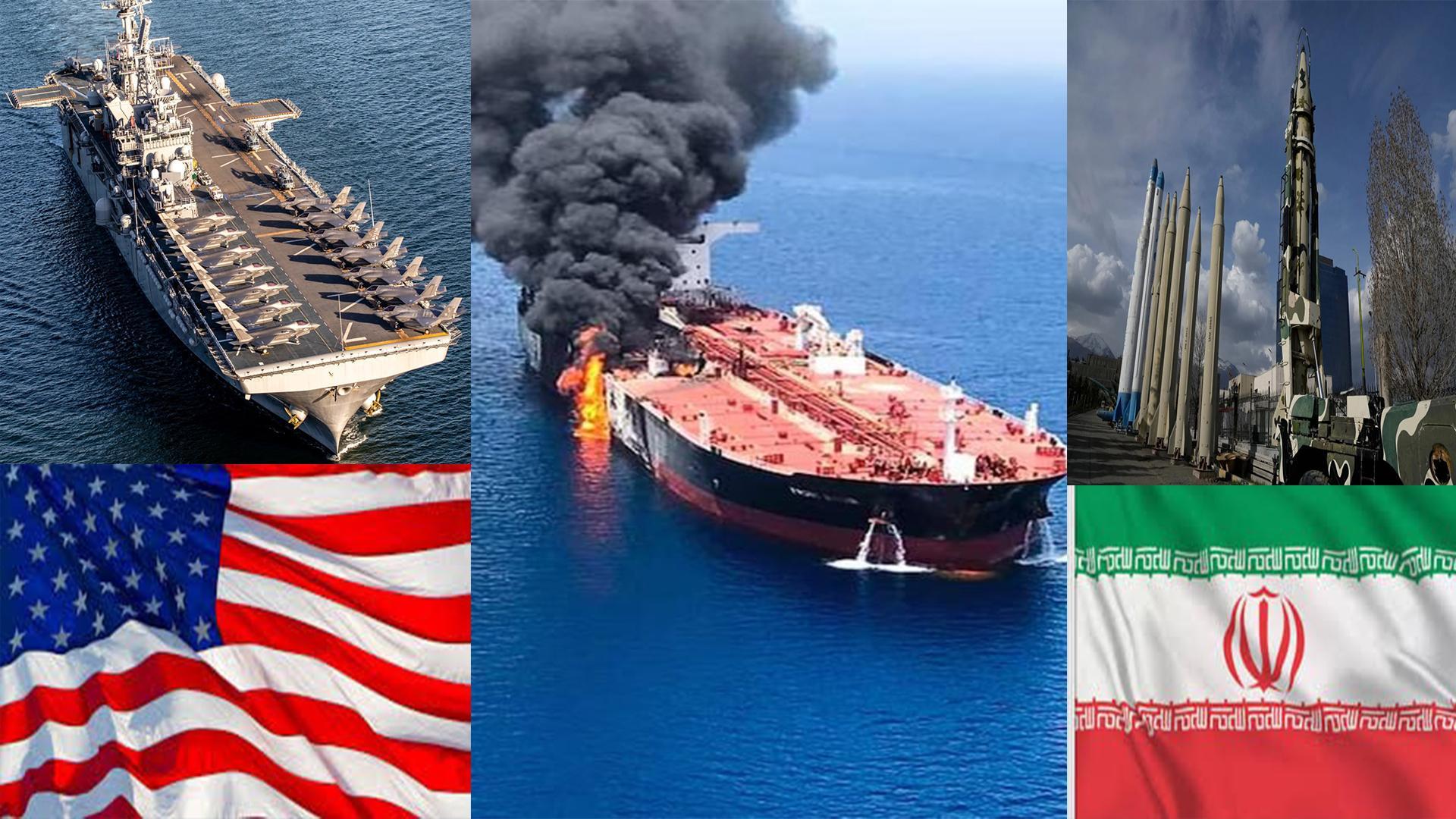
(Phnom Penh): As the 10-day ultimatum approaches, tensions between the United States and Iran are entering a decisive phase. The biggest question now is no longer simply whether war will happen or not. The real question is: If war breaks out, will it be a short war or a long war? And ultimately, which side will become trapped in this conflict?
Because before the deadline arrives, both sides are not only negotiating and continuing military operations — they are also preparing for the next phase, which could determine the direction and duration of the entire conflict.
Before the Deadline: What Are Both Sides Preparing?
If we look at the military, political, and economic developments before the 10-day deadline, the actions of both sides suggest that they are not simply waiting for negotiation results. Both sides are clearly preparing for post-deadline scenarios.
1. What Is the United States Preparing?
The current actions of the United States in the Middle East clearly show that Washington is not only pursuing political negotiations. The United States is preparing on multiple fronts for what may happen after the deadline. These preparations are not only military — they also involve economic, energy, and diplomatic strategies.
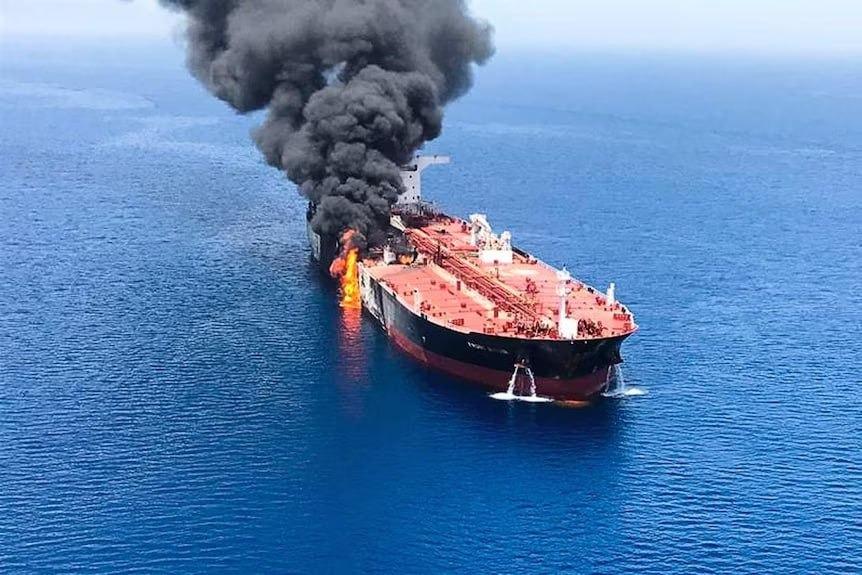
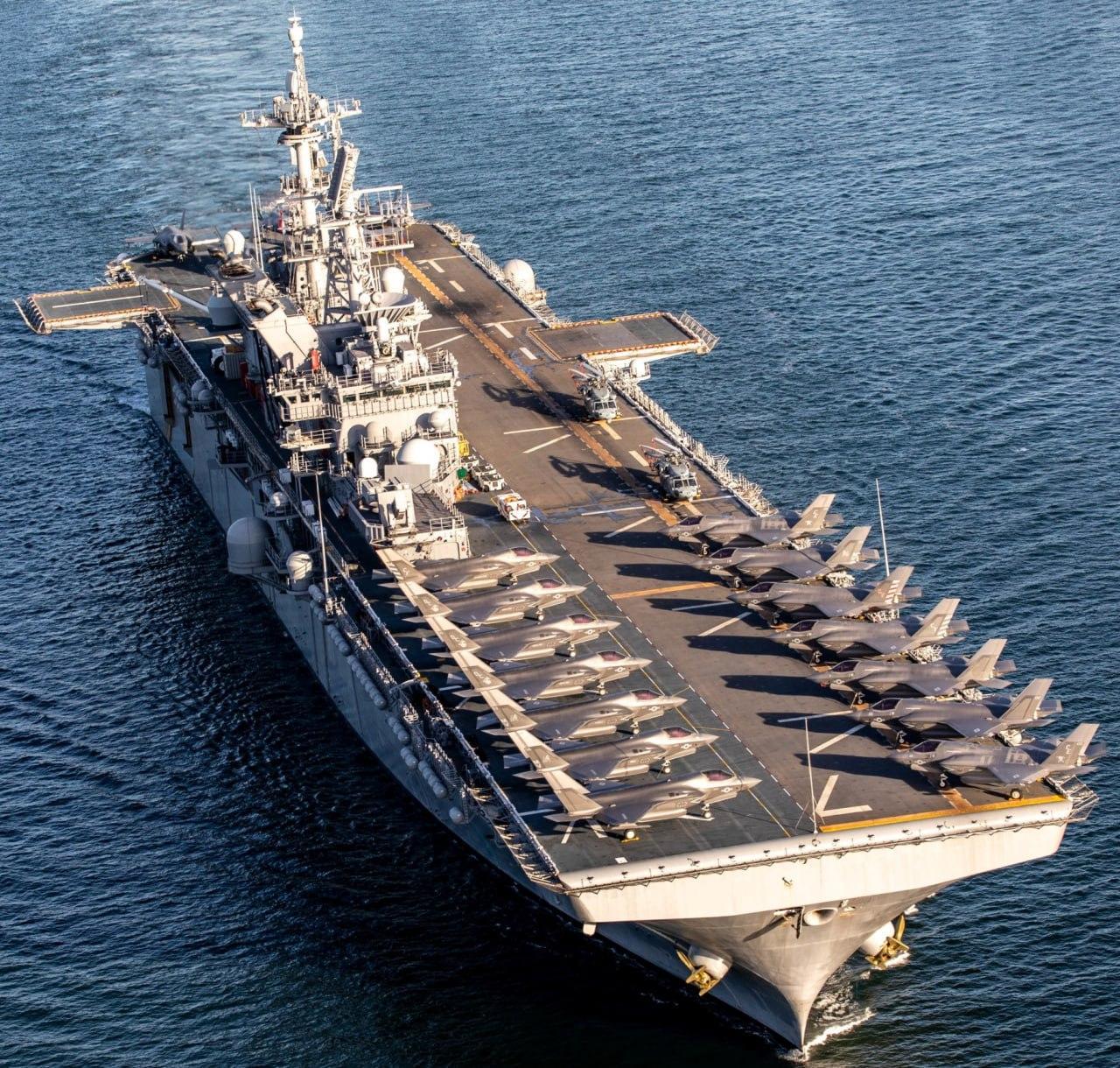
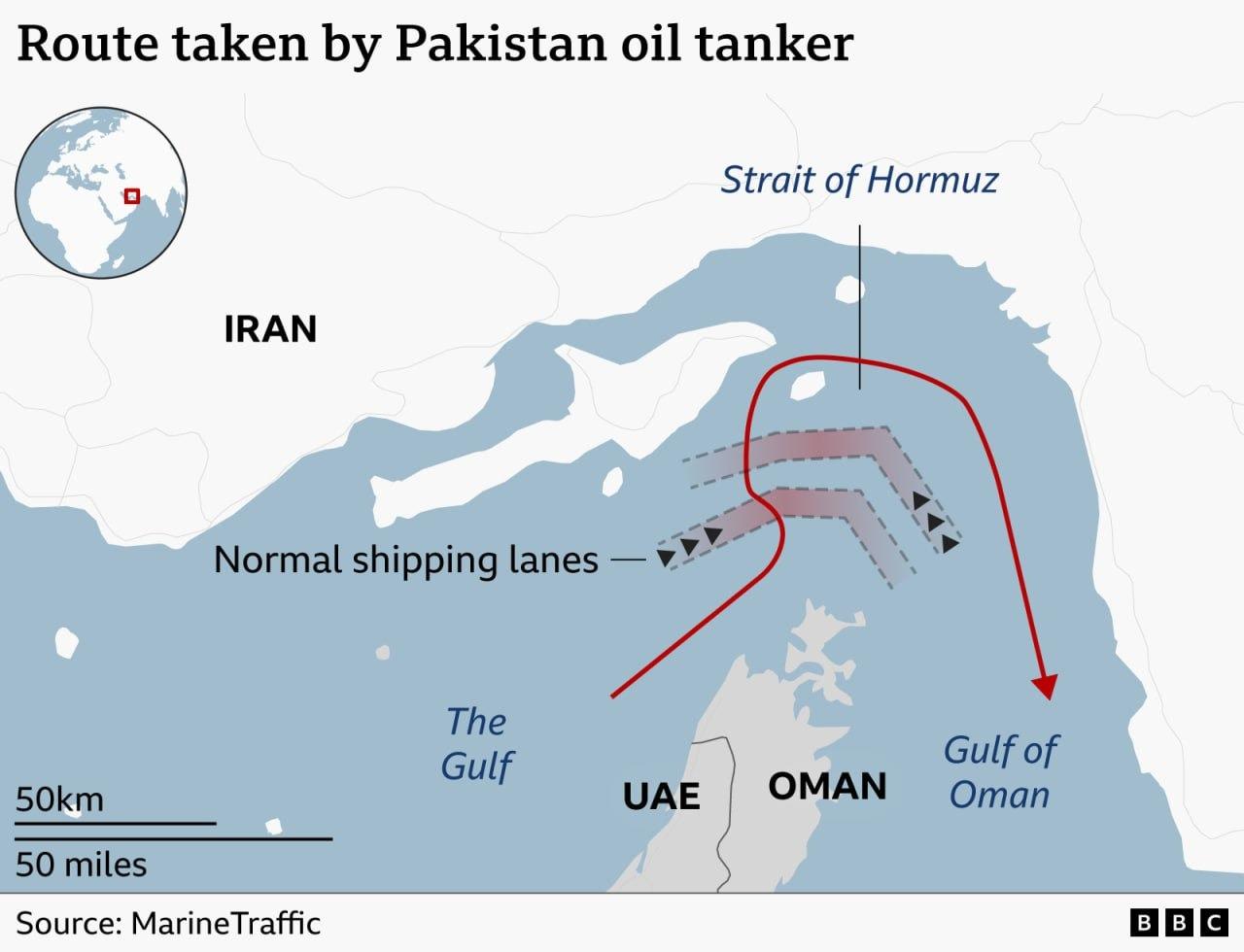
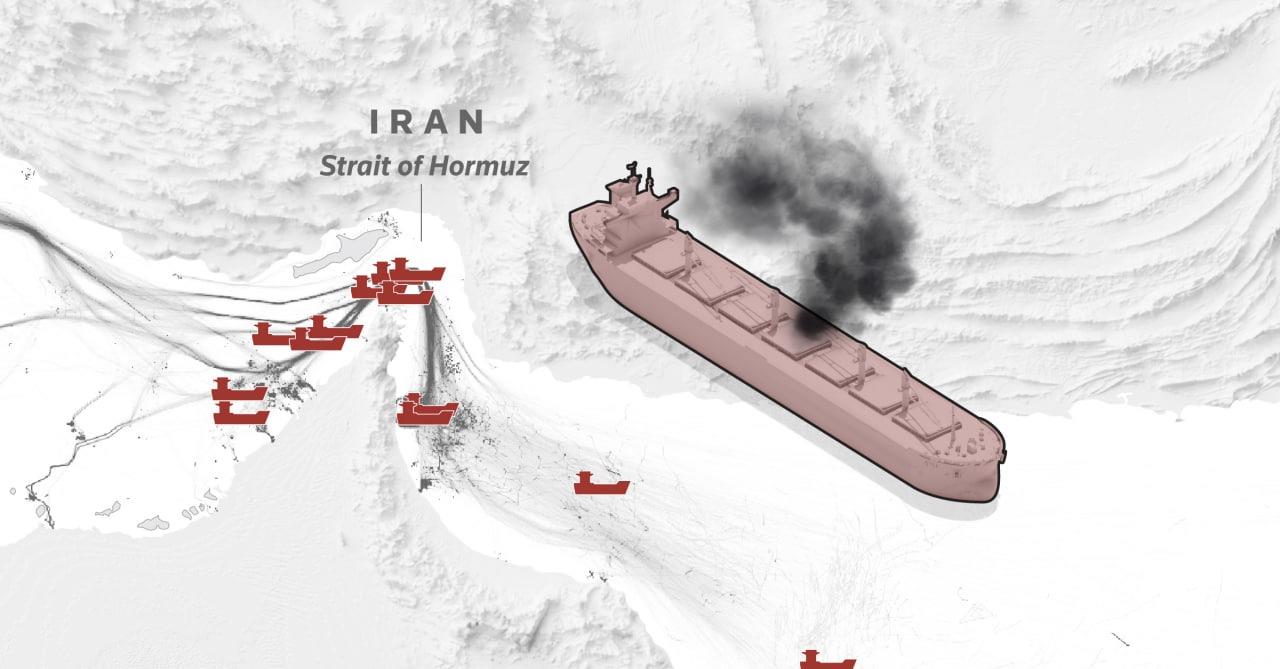
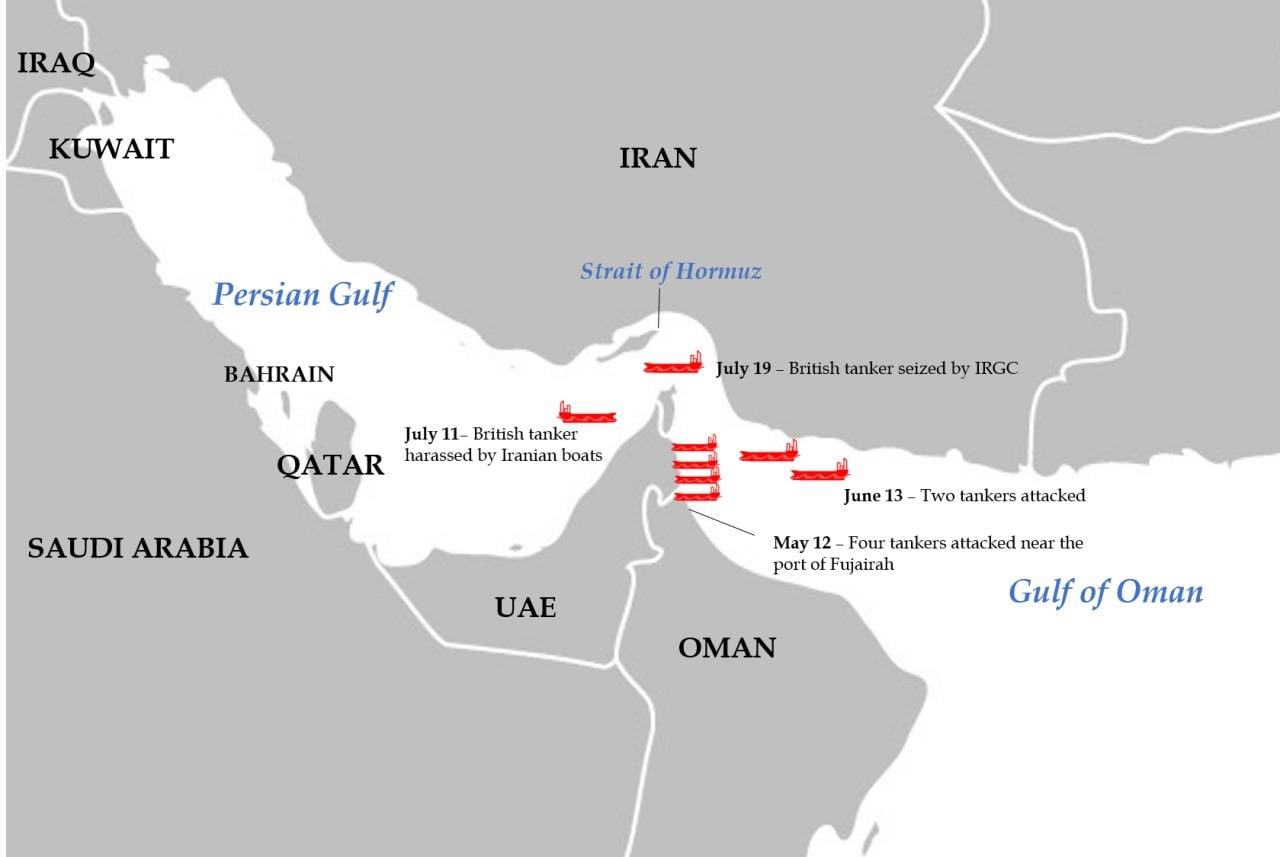
On the military side, the United States has deployed naval forces and warships to the Middle East to protect oil tankers and ensure freedom of navigation through the Strait of Hormuz, one of the most important oil shipping routes in the world. At the same time, air power and missile defense systems have been deployed to protect U.S. bases and allies in the region.
On the economic and energy front, the United States is working with oil-producing countries to manage global oil markets and prevent major oil price spikes if shipping disruptions occur in the Middle East. Meanwhile, Washington continues to use economic pressure and sanctions to push Iran toward negotiations.
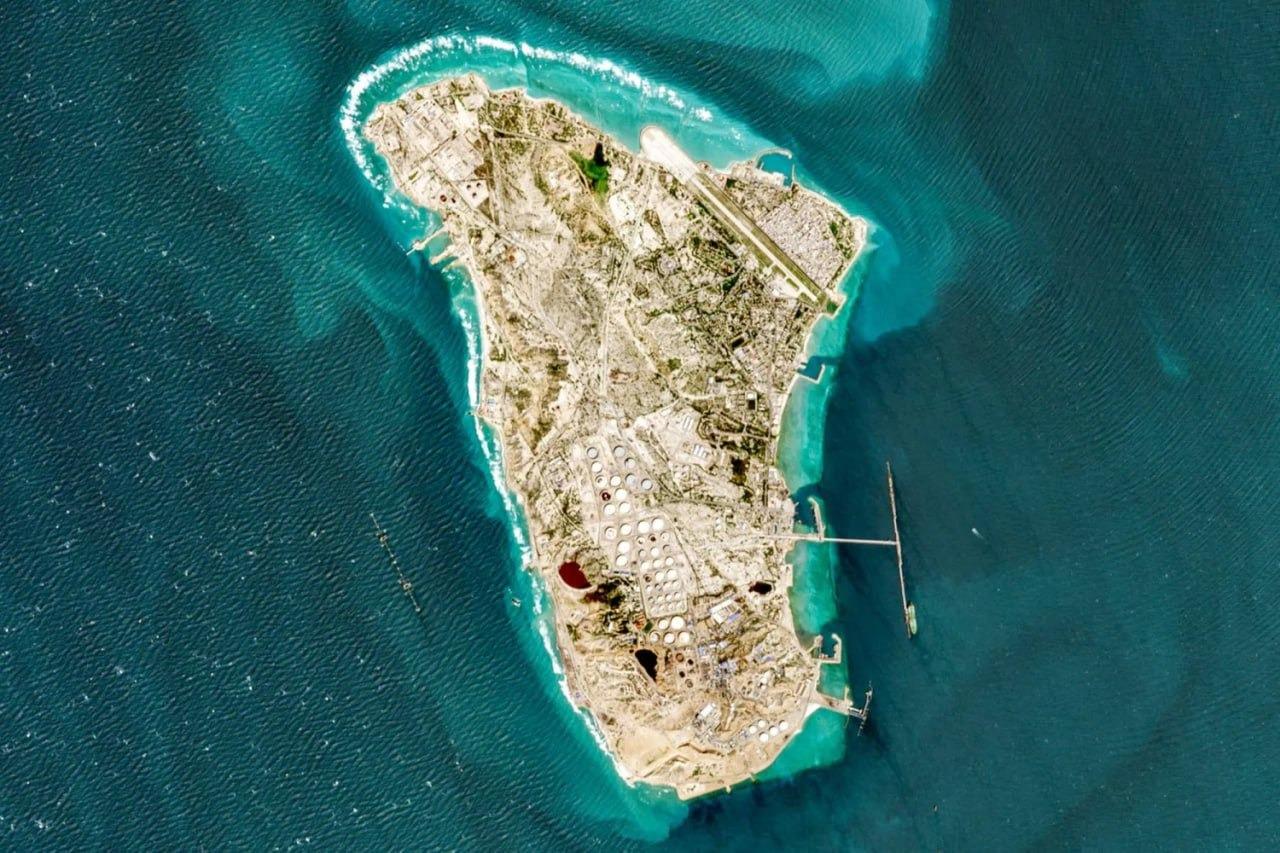
On the political and diplomatic front, the United States is conducting negotiations through third-party countries and working with allies to build international pressure on Iran. At the same time, U.S. leaders have spoken about controlling Kharg Island and securing the Strait of Hormuz, indicating that oil and shipping routes are at the core of this strategic conflict.
Former President Donald Trump also told the Financial Times that what interested him the most was Iranian oil. This suggests that energy and oil markets may be one of the central strategic objectives in this conflict.
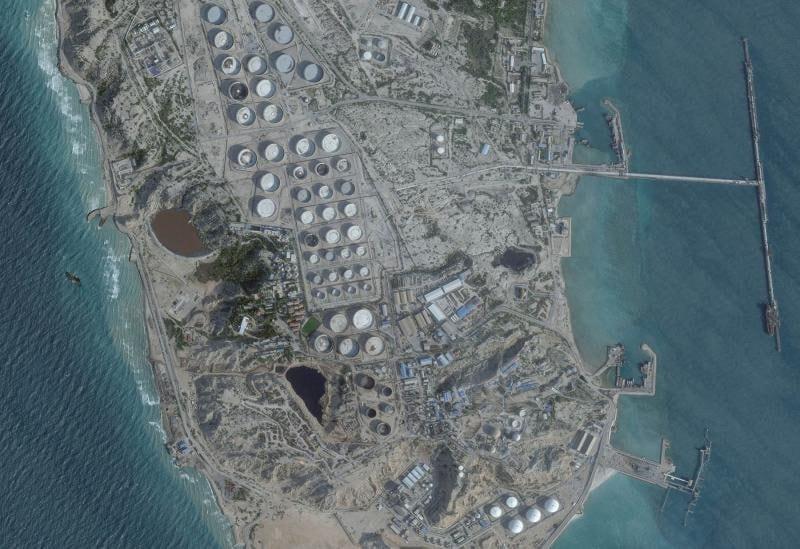
Kharg Island is the most important oil export hub for Iran, as about 90% of Iran’s oil exports pass through this island. Therefore, Kharg Island can be considered one of Iran’s most critical economic lifelines. If this island were attacked or controlled, it could severely damage Iran’s economy.
Reports also indicate that U.S. forces have targeted military facilities on Kharg Island, including naval mine storage facilities, missile storage tunnels, and other military installations. This shows that Kharg Island is not only an oil hub but also an important military position.
All these actions suggest that the United States appears to be preparing for a short war or a pressure strategy — using military, economic, and diplomatic pressure to force Iran into negotiations before a larger war begins.
2. What Is Iran Preparing?
Unlike the United States, which appears to be preparing for a short war and pressure strategy, Iran does not seem to be preparing for a conventional war. Tehran appears to be preparing for asymmetric warfare and a long war, with the objective not necessarily to win quickly on the battlefield, but to prolong the war, increase its cost, and make it difficult for the enemy to control the situation.
Reports indicate that Iran is preparing multiple strategic tools, including:
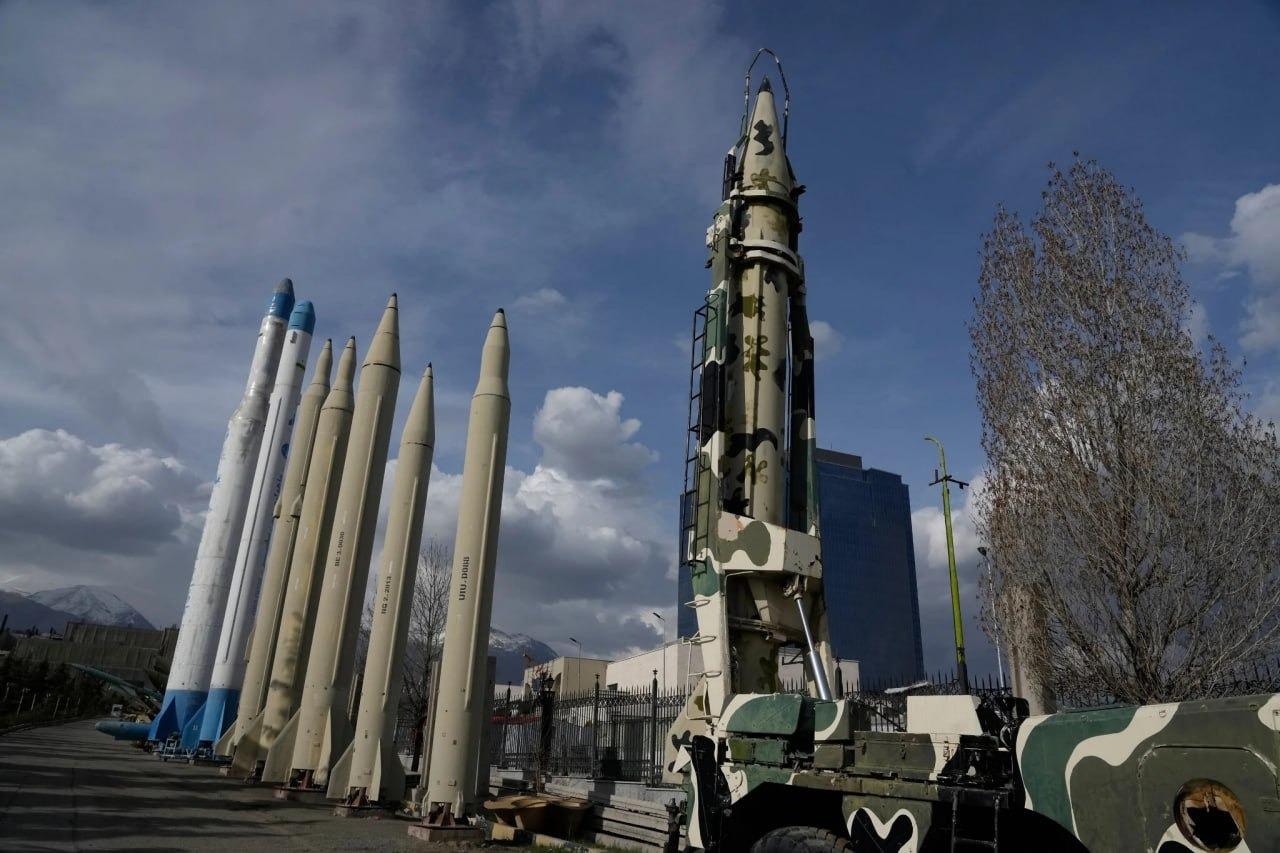
- Missile systems and long-range strike capabilities
- Attack drones
- Naval mines
- Fast attack boats and naval forces
- Potential disruption or closure of the Strait of Hormuz
- Regional proxy forces
- Volunteer militia forces
- Preparations for a long war
- Using oil as a strategic weapon
- Information warfare and psychological warfare
These preparations suggest that Iran is not preparing for a short war, but rather for a long and costly conflict that would create economic and political pressure on its adversaries.
CNN quoted a senior Iranian security official who said that Iran will determine when the war ends and that Iran is prepared to sustain offensive operations for an extended period. This statement directly challenges U.S. assessments that the conflict could end within a few weeks.
The message from Iran appears clear: Iran is not thinking about a short war — it is preparing for a long strategic conflict that could evolve into an economic war, an energy war, and a broader geopolitical struggle.
Short War vs. Long War: Who Has the Advantage?
From a military and economic strategy perspective, the conflict between the United States and Iran can be seen as a competition between a short-war strategy and a long-war strategy.
For the United States, a short war has many advantages. The U.S. has superior military power, especially air power and naval forces. If the war ends quickly, the U.S. could use airstrikes to destroy military facilities, missile sites, and critical infrastructure to force Iran into negotiations. A short war would also reduce financial costs, limit domestic political pressure, and avoid long-term global economic disruption.
For Iran, however, a long war may be more advantageous. Iran understands that it cannot defeat the United States in a conventional war, but it can use asymmetric warfare — missiles, drones, naval mines, oil disruptions, proxy forces, and economic pressure — to prolong the war and increase its cost. In this strategy, Iran does not need to win the war militarily. It only needs to ensure that the war cannot end quickly.
History shows that stronger countries do not always lose battles, but they can lose long wars — as seen in Vietnam, Afghanistan, and Iraq. These cases show that modern wars are not determined only by weapons or military strength, but by time, economics, and political endurance.
Therefore, this conflict may not be about who has more aircraft carriers or missiles, but rather who can sustain the war longer.
If the war is short, the United States may have the advantage.
If the war becomes long and involves oil, global markets, and alliances, Iran may gain strategic advantages.
If China and Russia Support Iran, How Could the War Evolve?
One of the most important factors that could change the direction of the war is the role of China and Russia.
If the conflict remains only between the United States and Iran, it may remain a regional conflict and could end relatively quickly. However, if China and Russia support Iran — even indirectly — the conflict could evolve into a much larger strategic confrontation affecting global power balance.
Russia could support Iran through weapons, missile technology, intelligence sharing, and energy cooperation. If Russia helps Iran sustain the war longer, the conflict may not end quickly and could increase the cost for the United States.
China, on the other hand, may not support Iran militarily, but could support Iran economically by continuing to buy Iranian oil, providing financial support, and offering political backing internationally. If Iran can continue selling oil and generating revenue, it can continue the war longer.
If China and Russia support Iran in these ways, the conflict may no longer be a war between two countries. It could become a major strategic competition between global powers, involving oil, trade routes, economic systems, and global power balance.
In such a scenario, the conflict could evolve into:
1. A prolonged regional war
2. An economic and energy war
3. A global strategic rivalry resembling a new Cold War
At that point, the most important question would not only be who wins the war, but how this conflict could reshape the global economic and geopolitical order.
Conclusion: Who Will Be Trapped in This War?
Ultimately, the biggest question in this conflict is not simply who wins battles or who has stronger weapons. The real question is which side will become trapped in this war if the conflict turns into a long and difficult war.
If the war remains short and is fought through airstrikes, naval control, and economic pressure, the United States may have the advantage and could force Iran into negotiations quickly. However, if the war becomes prolonged and involves oil, the Strait of Hormuz, economic warfare, and global alliances, the entire direction of the conflict could change.
History shows that stronger countries do not necessarily lose battles, but they can lose long wars due to economic costs, political pressure, and strategic exhaustion.
Therefore, in the end, this war may not be determined by who has stronger weapons, but by time. The side that can end the war quickly and avoid becoming trapped in a long war may be considered the strategic winner. But if the war drags on and causes severe economic and political damage, the conflict could become a strategic trap for one side.
In modern warfare, victory does not always belong to the stronger side — it belongs to the side that can control time, economics, and strategy better than its opponent.