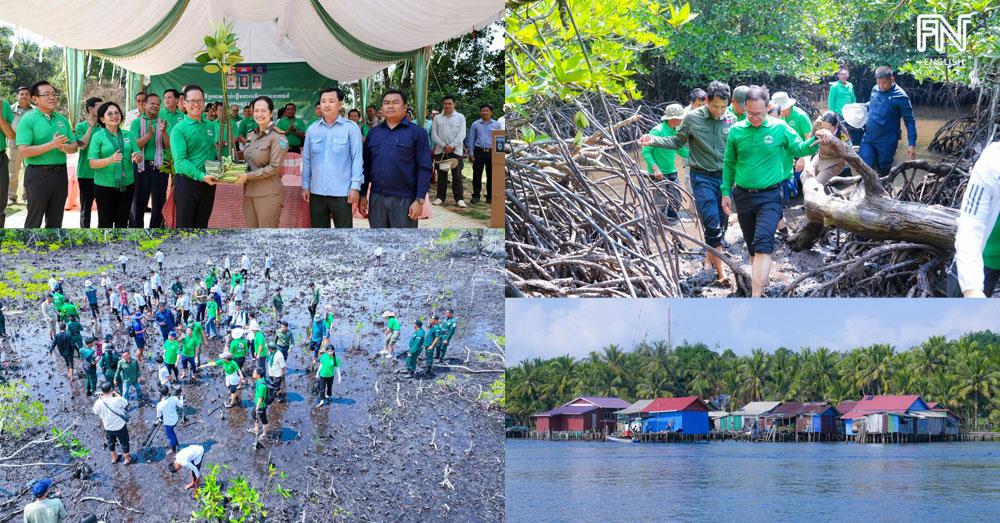
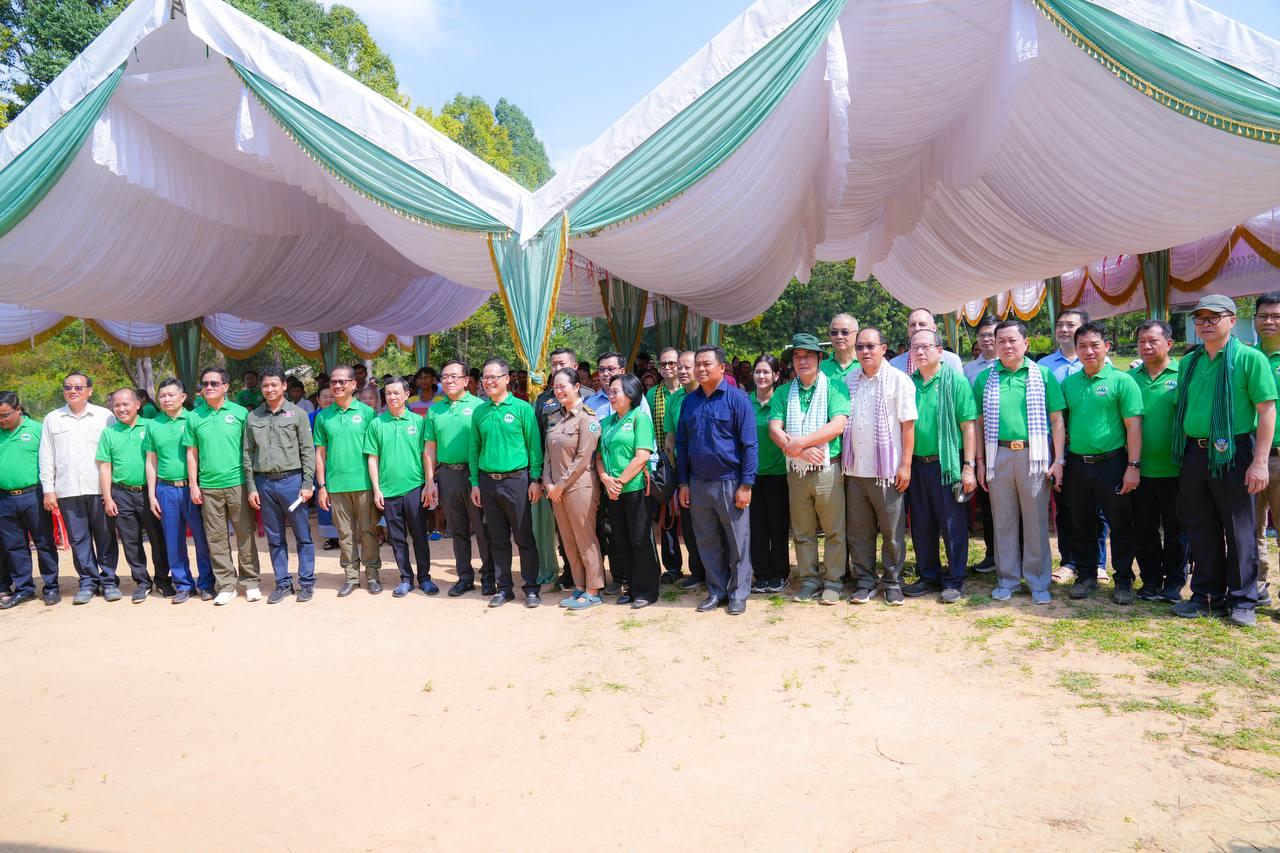
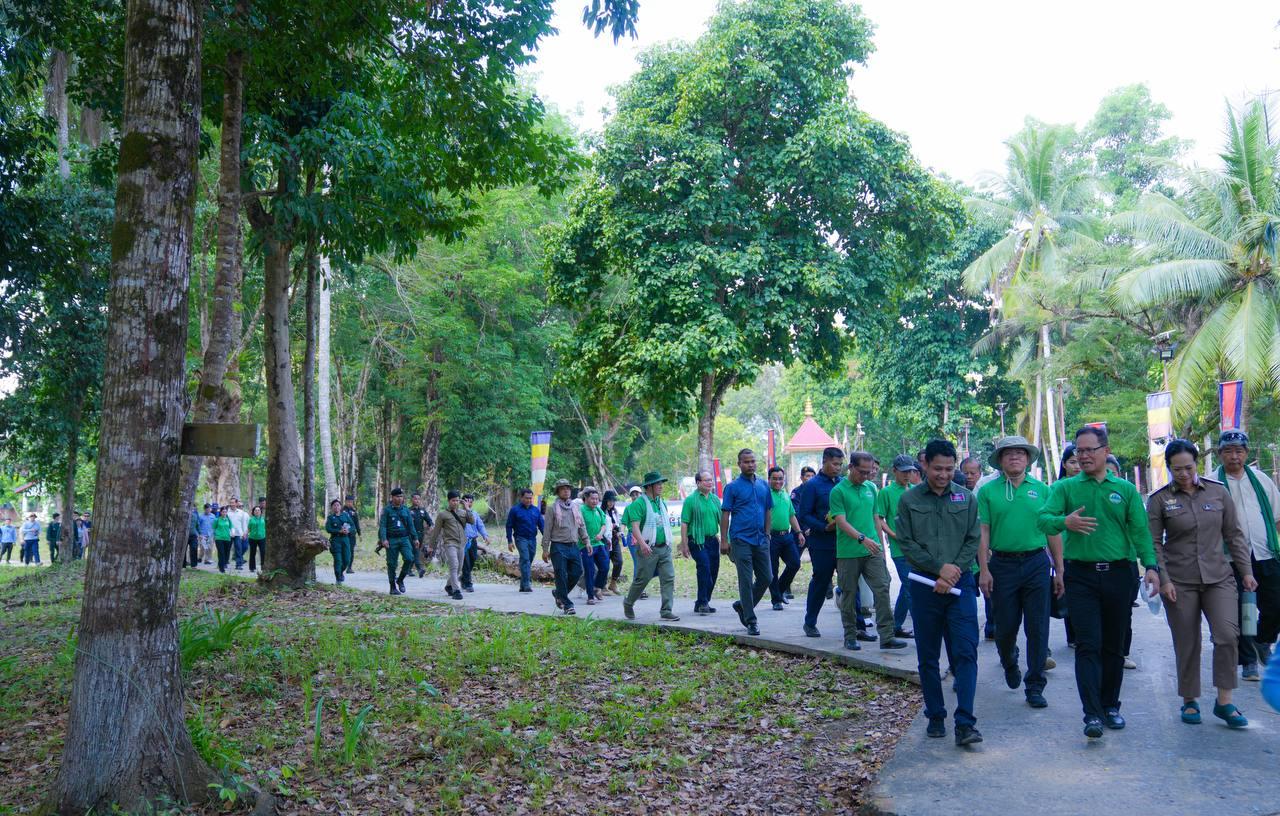
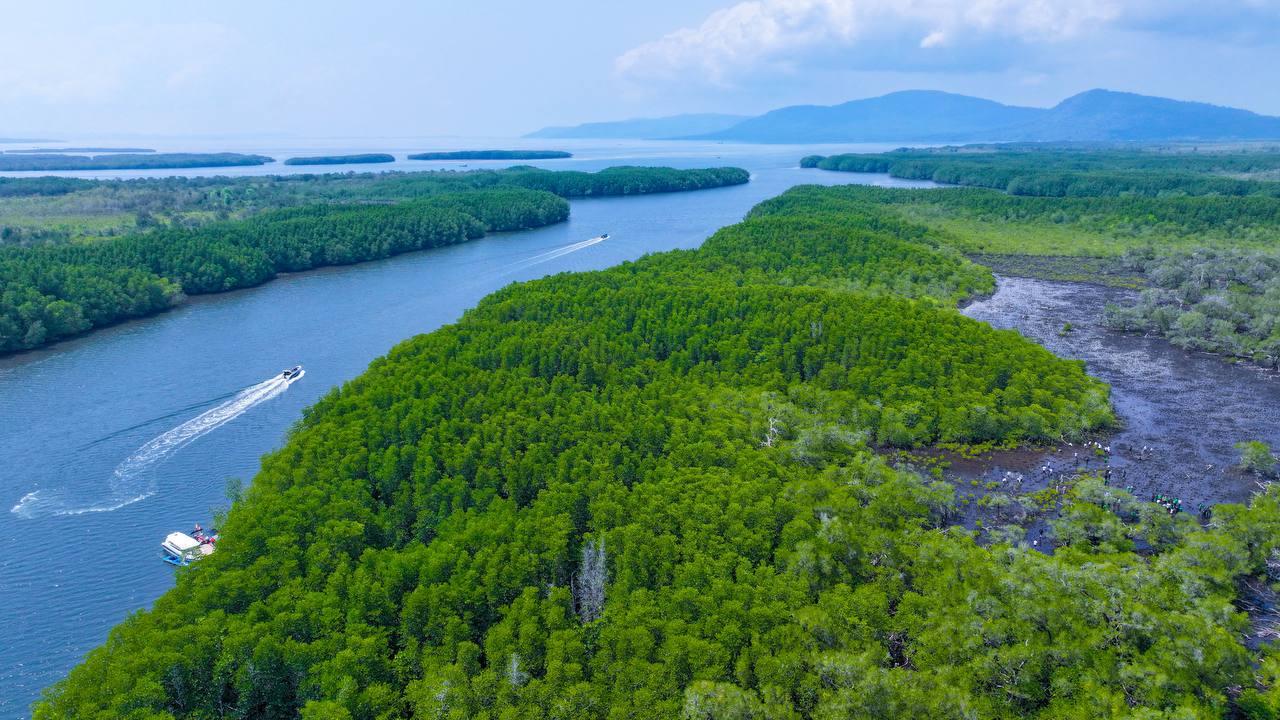
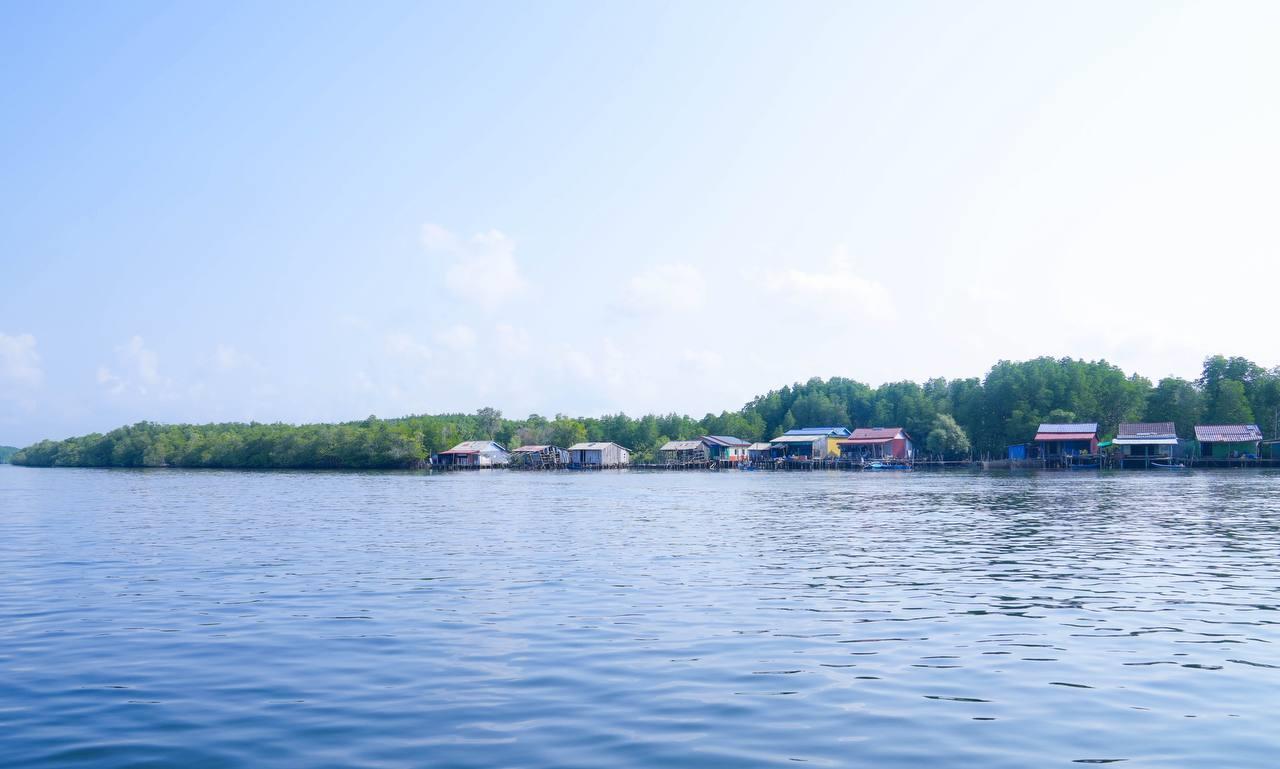
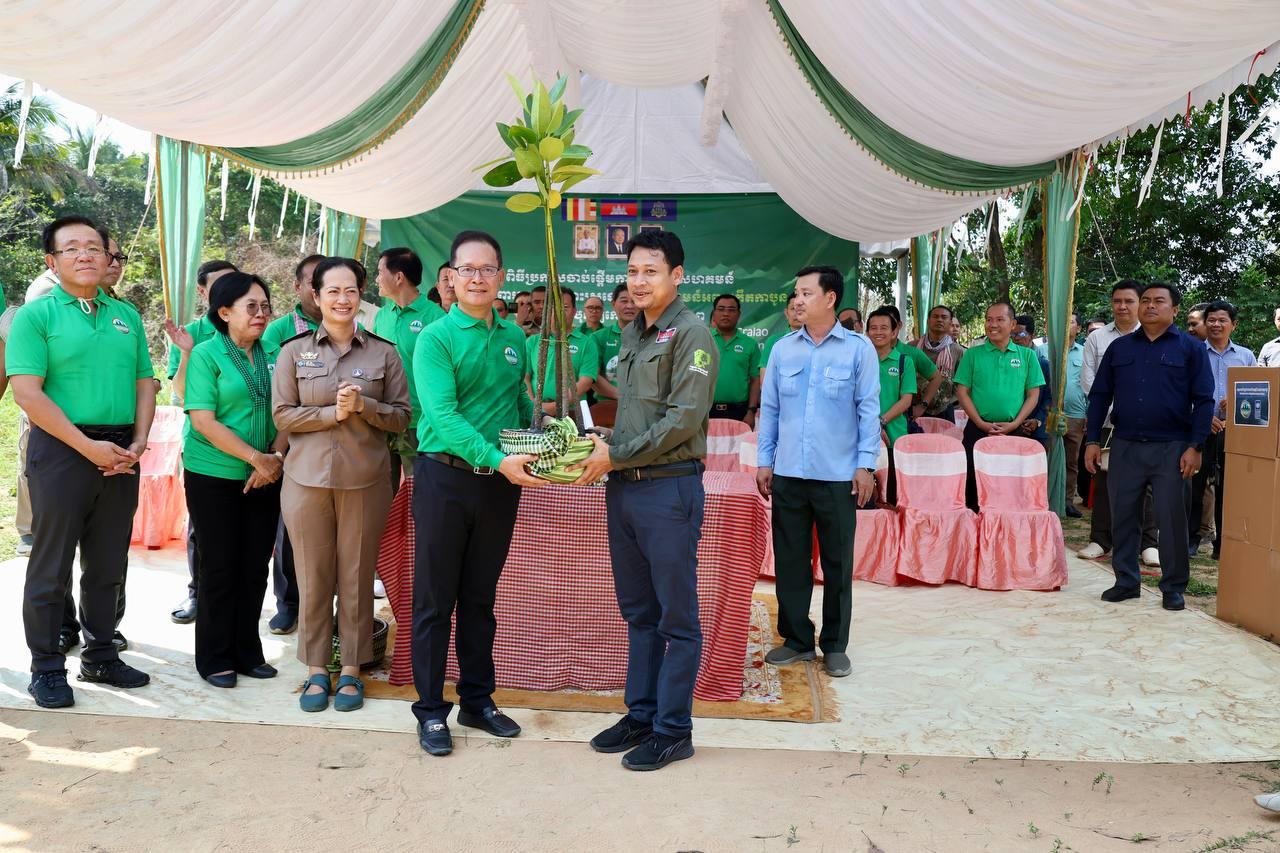
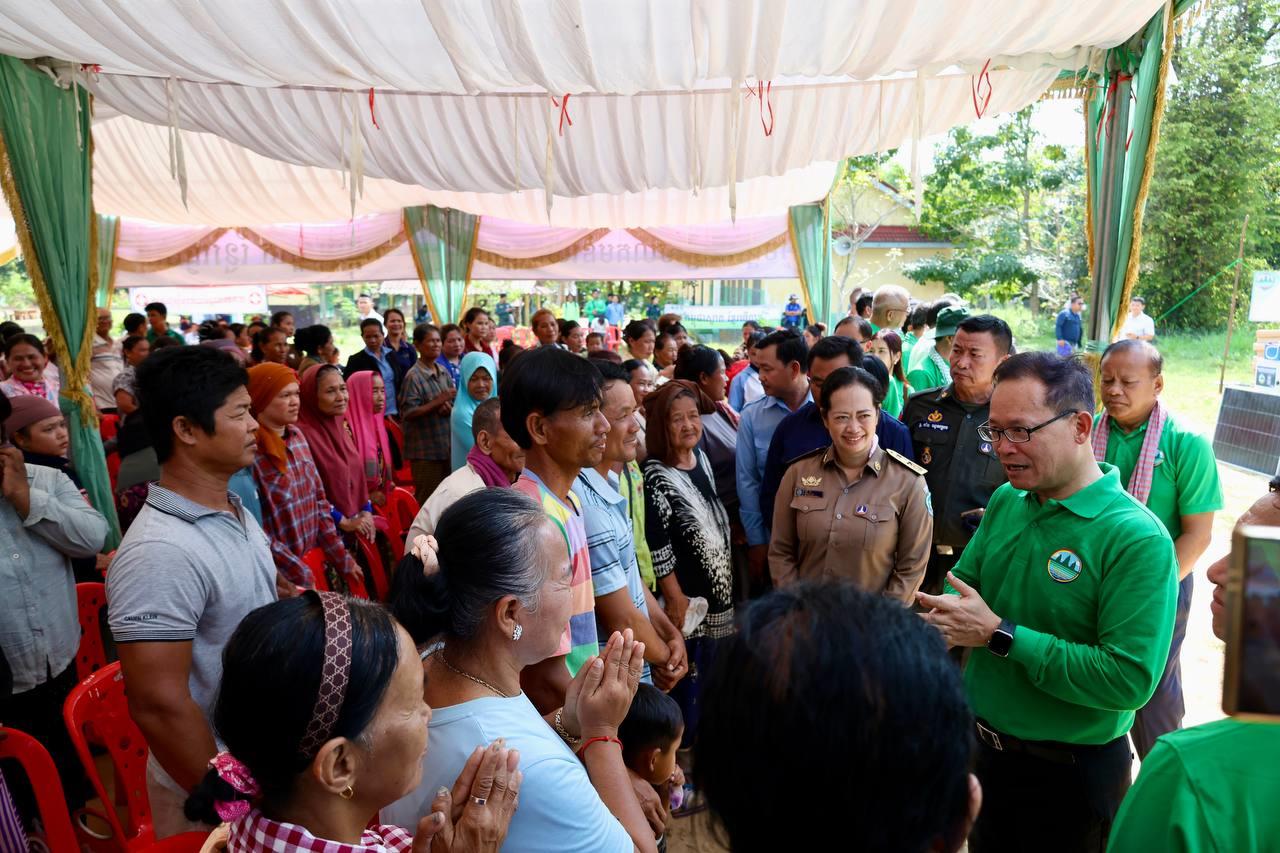
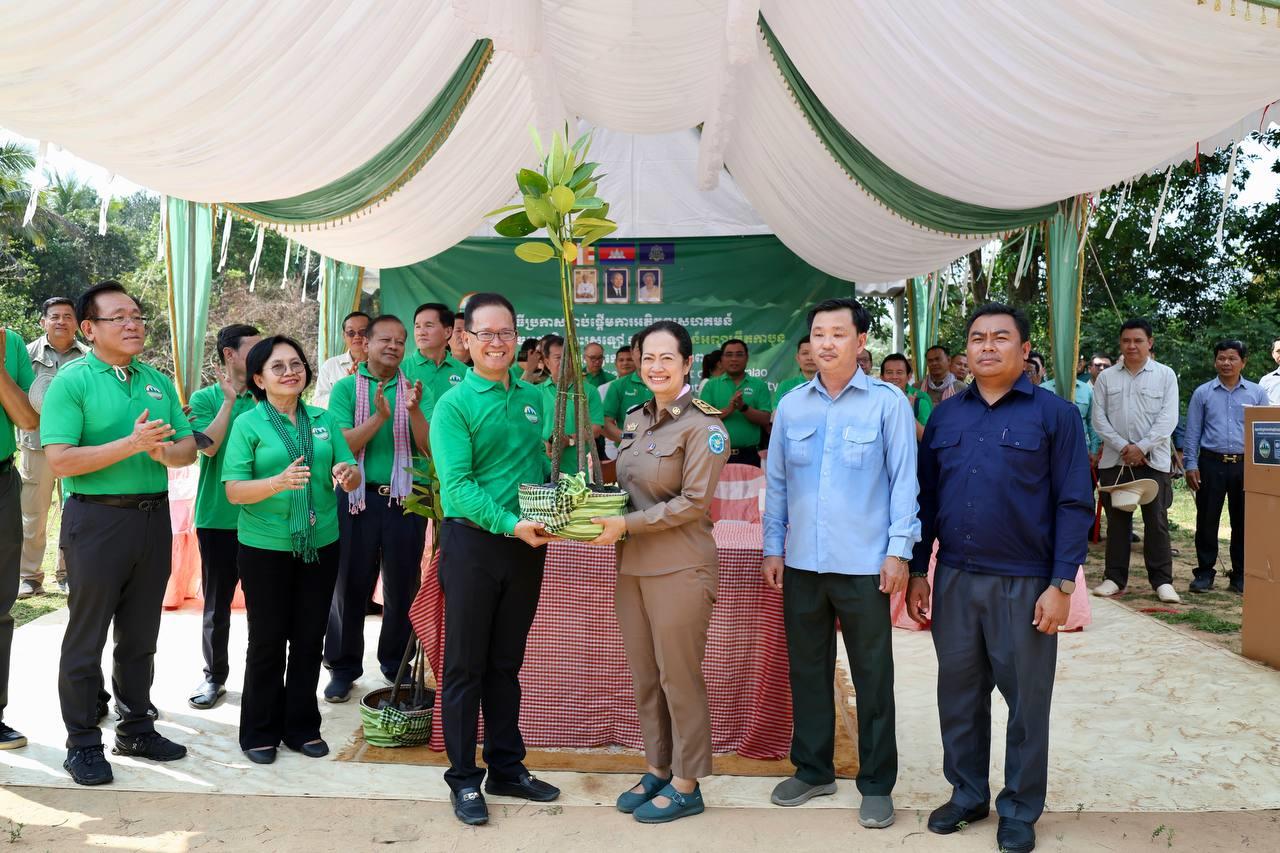
(Phnom Penh): A carbon-neutral vision is taking shape on Koh Srulao, a small island in Koh Kong province, Cambodia, where nature and community life remain closely connected.
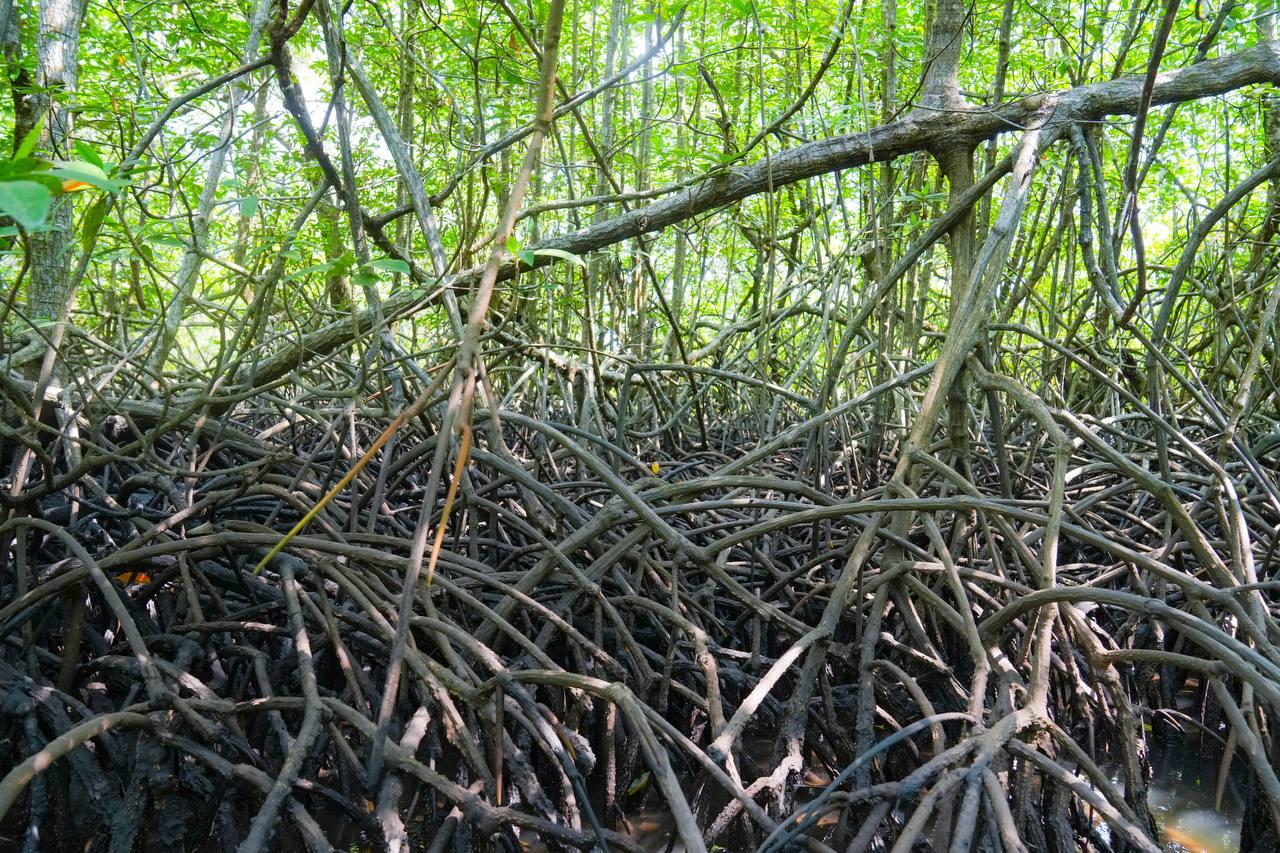
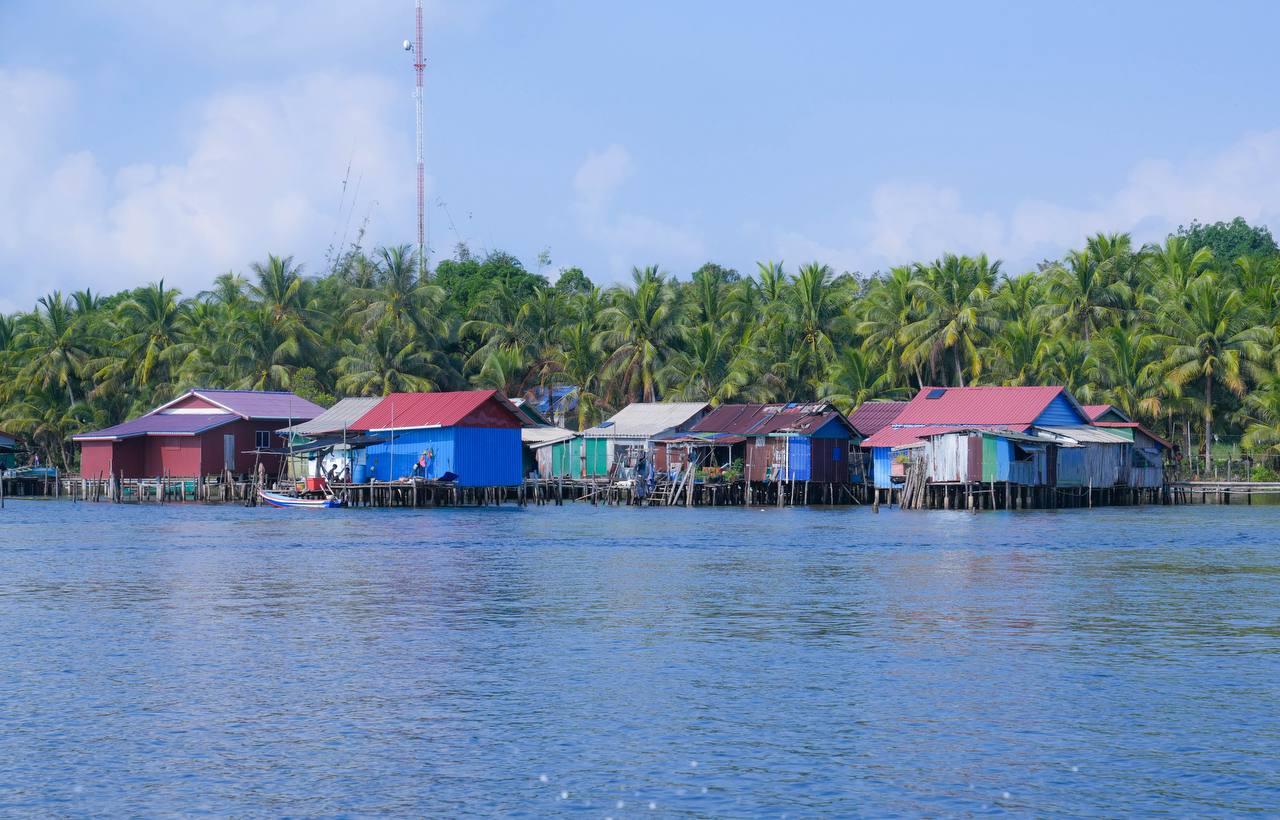
With no factories and minimal industrial activity, the island is rich in mangrove forests, coastal trees, and a traditional fishing community.
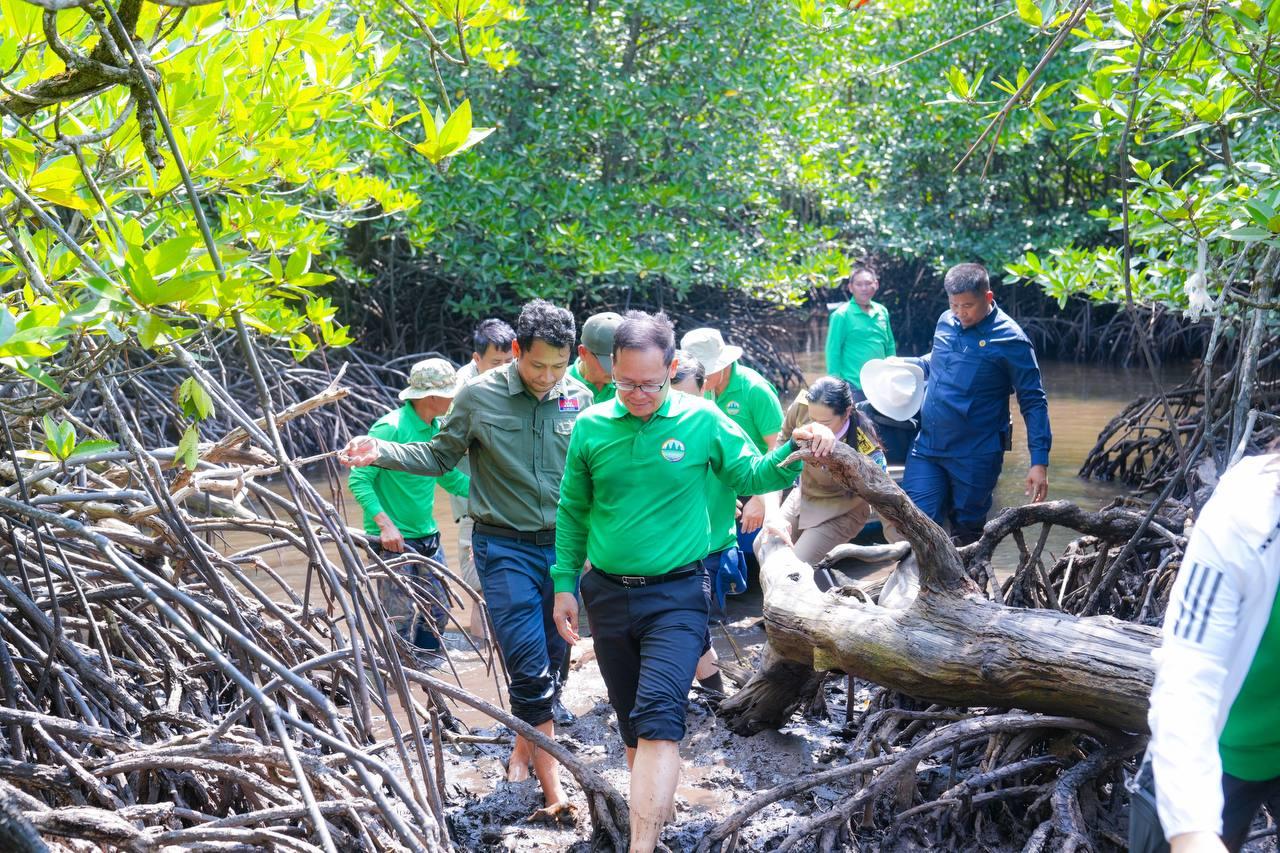
Today, under the leadership of Cambodia’s Minister of Environment, Eang Sophalleth, efforts are underway to transform Koh Srulao into a model carbon-neutral island, supported by international partners and the private sector.
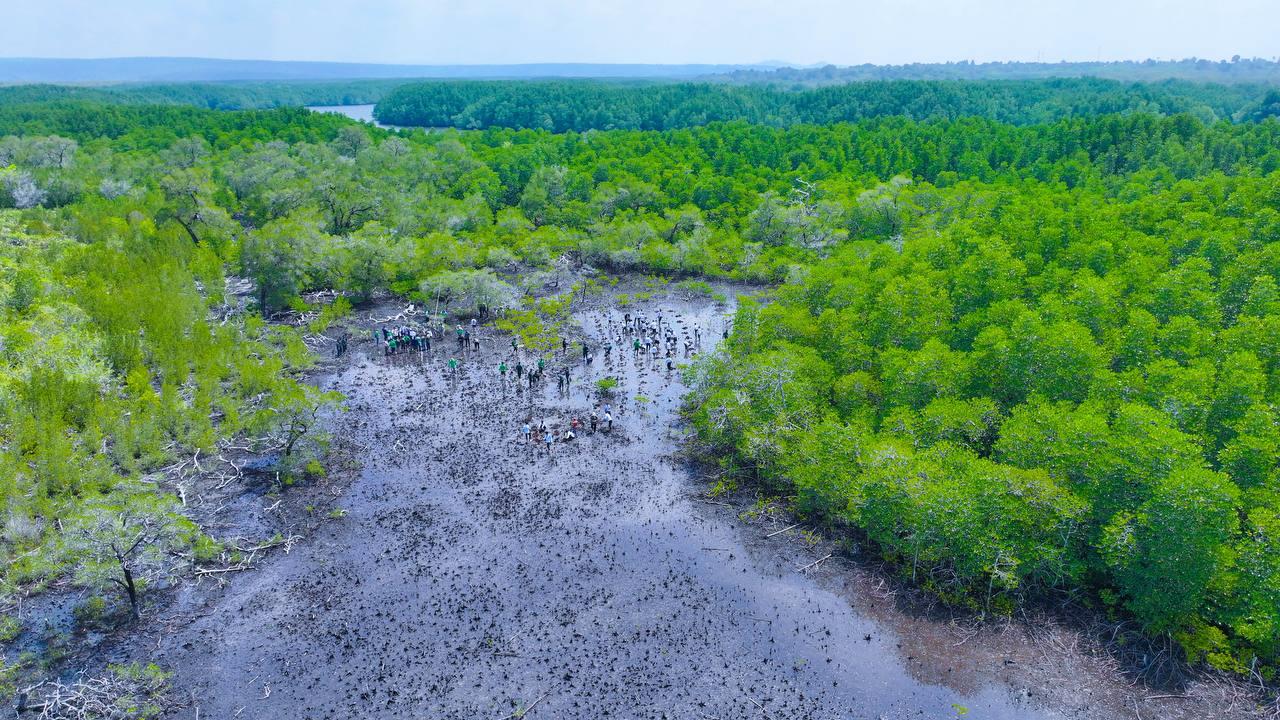
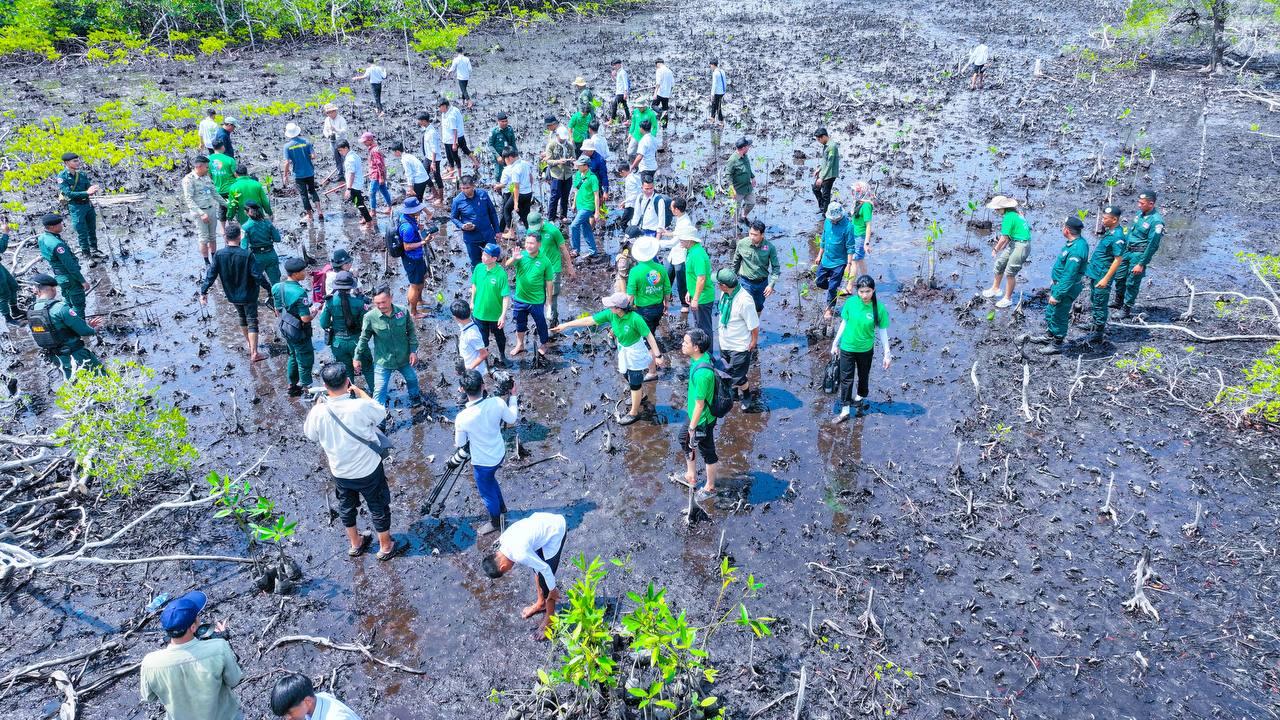
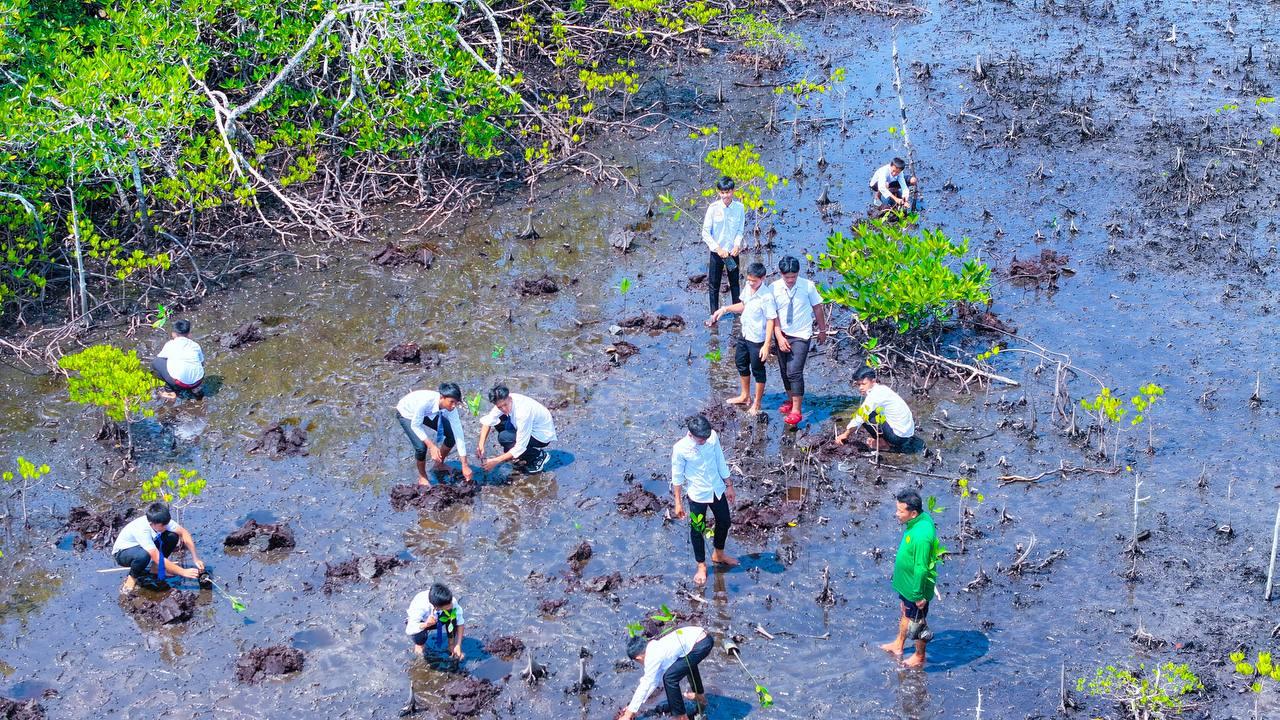
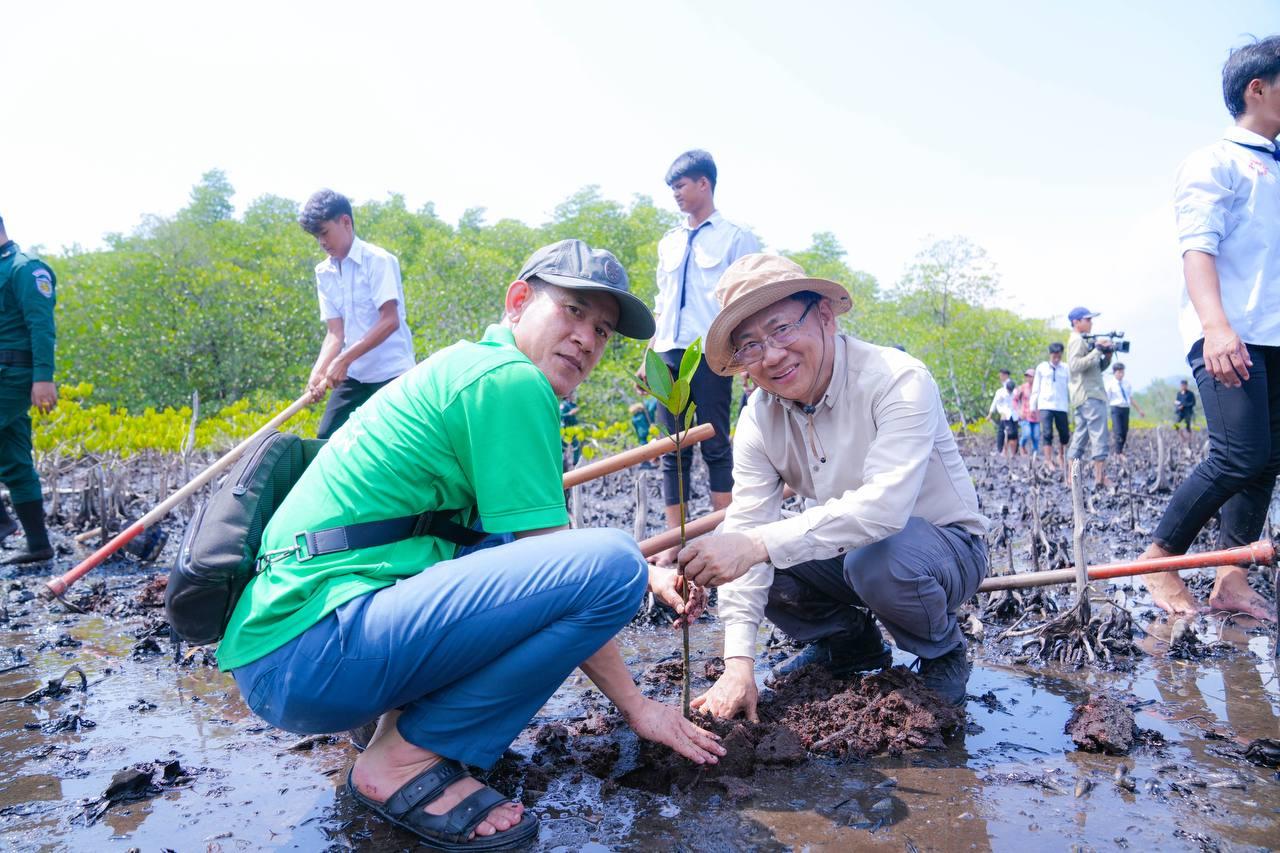
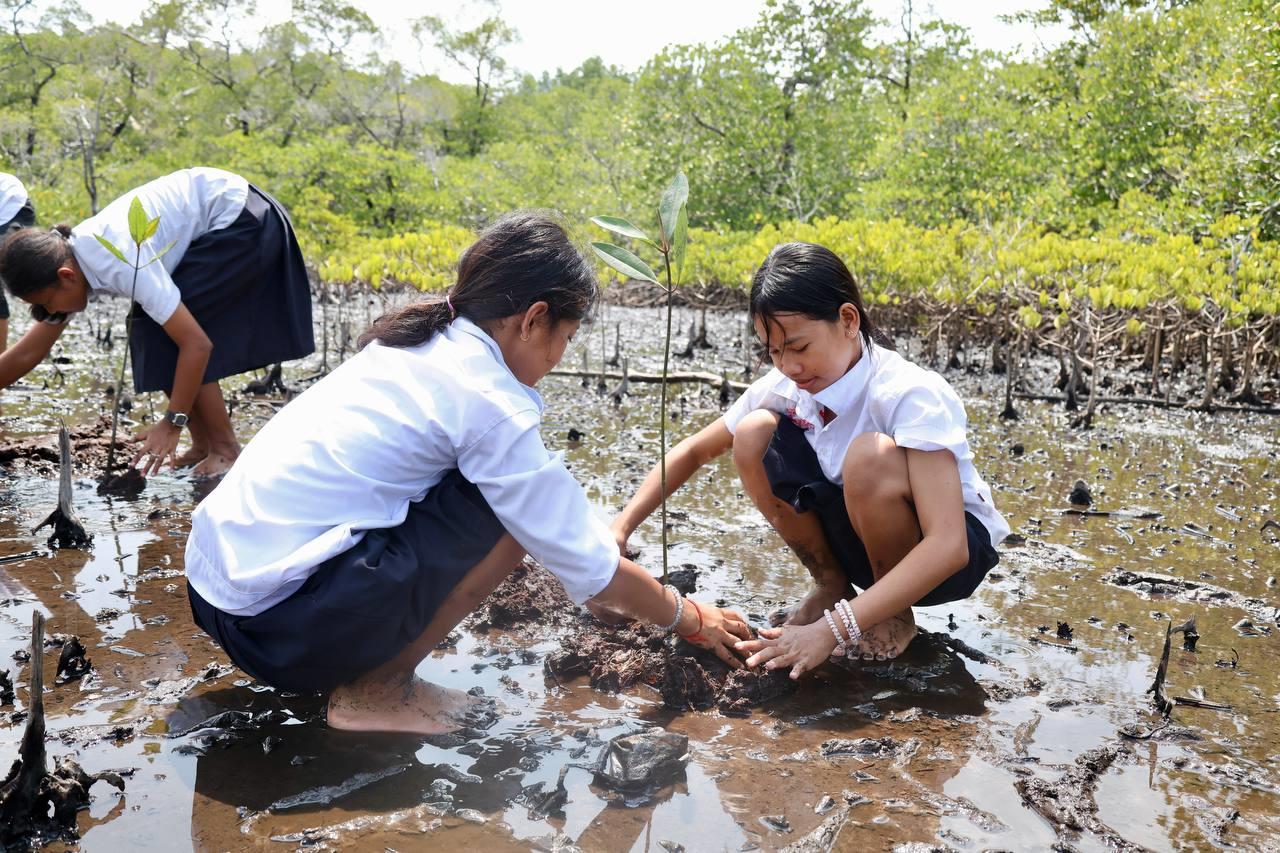
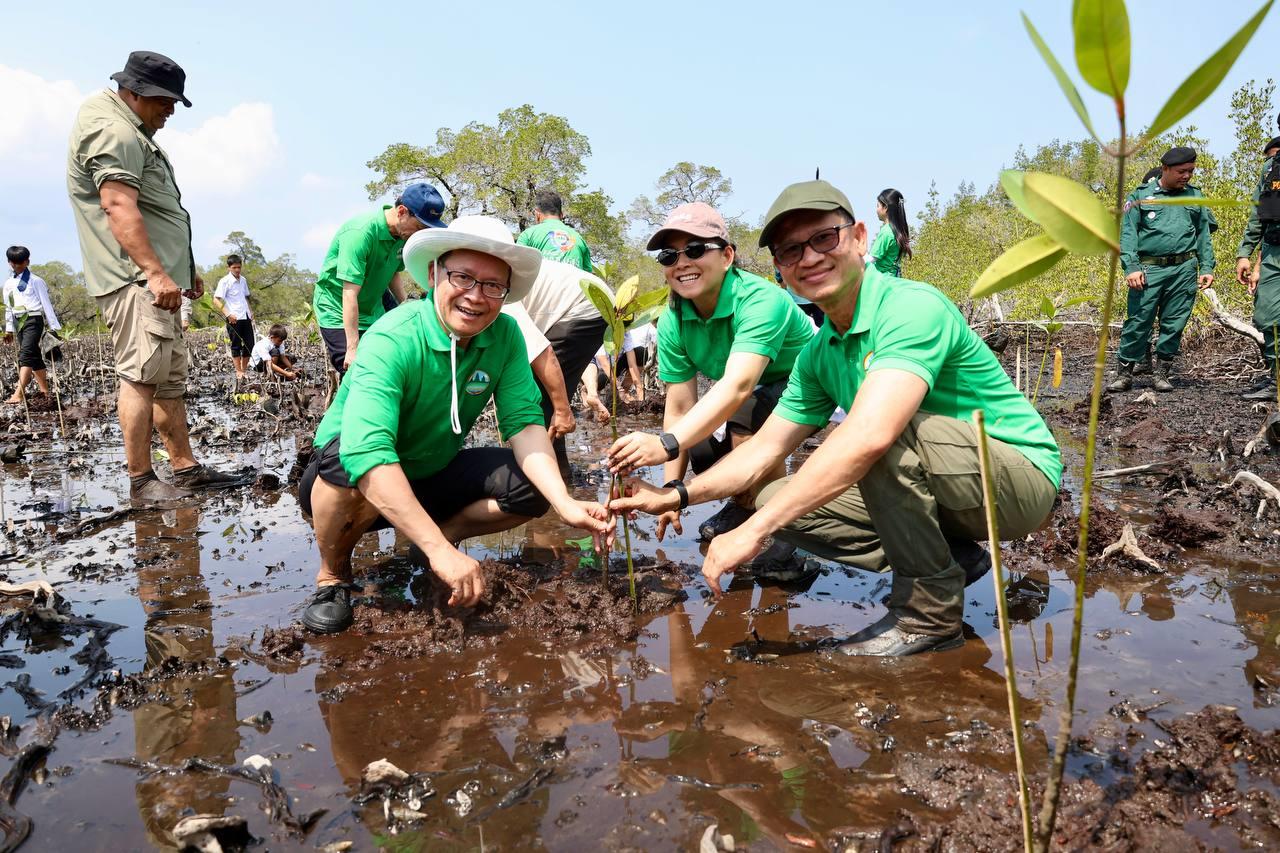
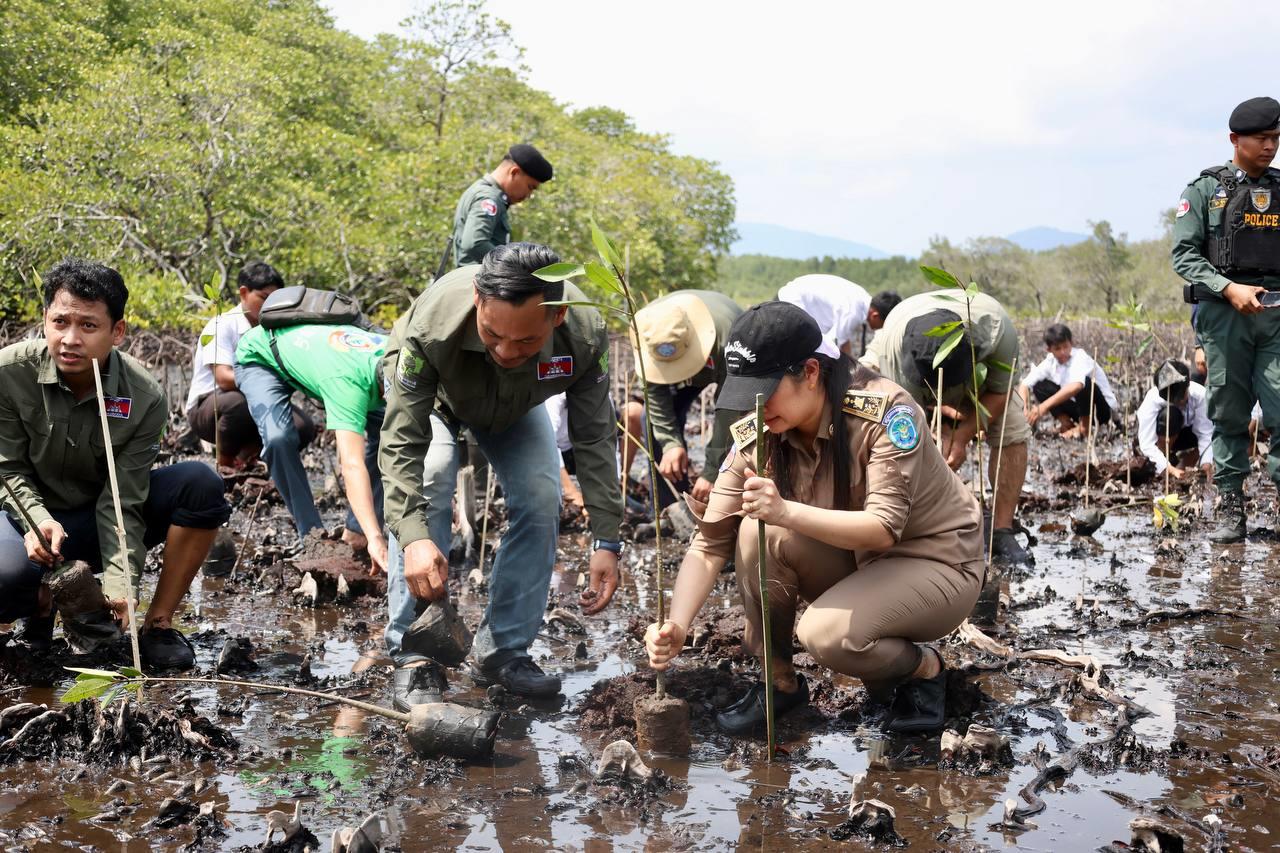
At the heart of this initiative is a strong commitment to environmental protection, restoration, and expansion. Existing forests and mangroves are being safeguarded through community-based conservation, while degraded areas are being restored through reforestation and mangrove planting programs.
These efforts not only increase the island’s capacity to absorb carbon dioxide but also strengthen coastal protection, prevent erosion, and enhance biodiversity. Expanding mangrove coverage is particularly important, as it creates richer marine habitats that support fish populations and sustain local livelihoods.
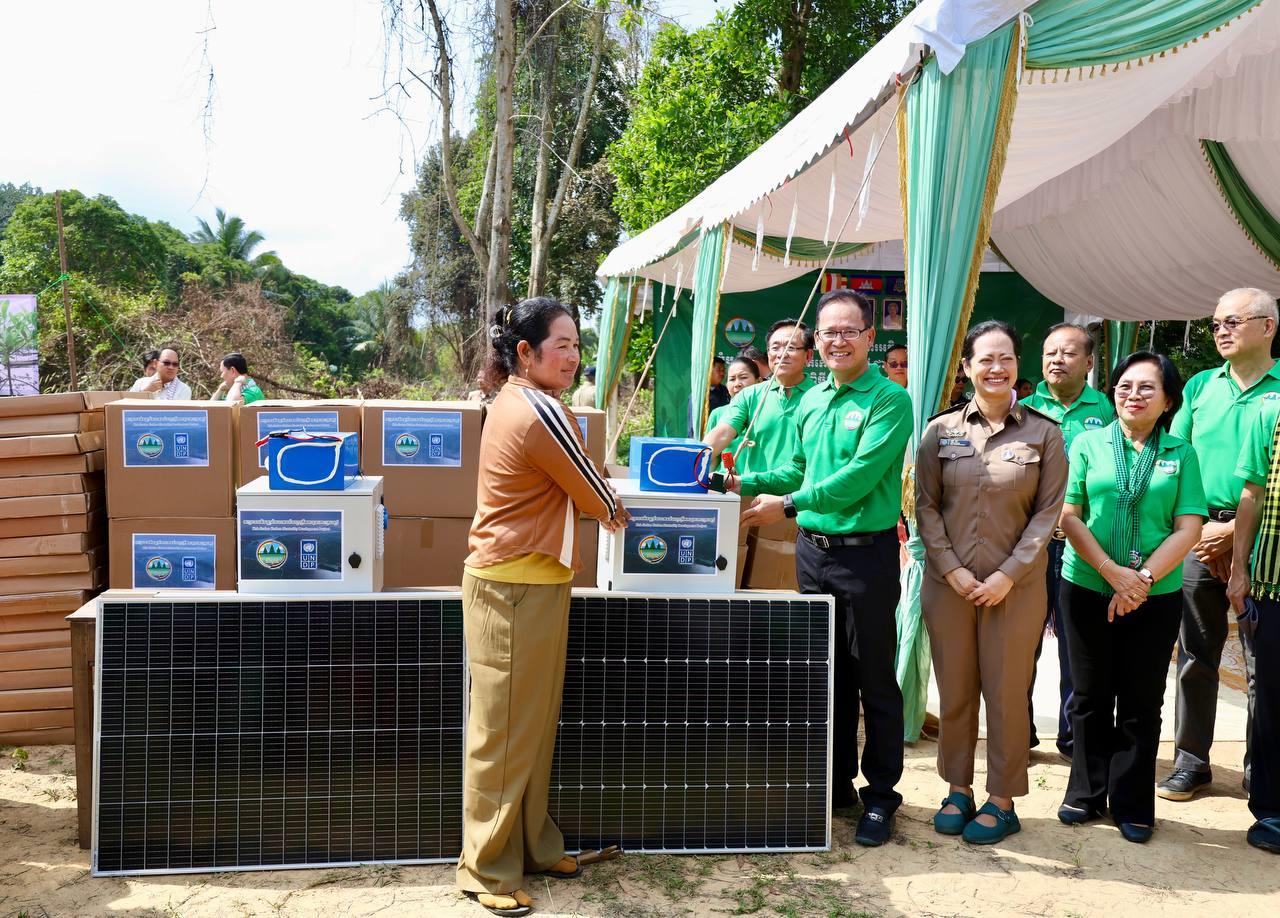
These environmental actions are being carried out with the support of key development partners, including GIZ, UNDP, and GGGI, alongside private sector partners.
Together, they provide technical expertise, funding, and capacity-building to ensure that conservation and restoration activities are effective and sustainable. Their support also helps introduce modern tools for monitoring forest growth and measuring carbon storage.
Economically, these efforts create new opportunities for the community. In addition to sustainable fishing, reforestation and mangrove expansion can generate income through carbon credit programs.
By increasing forest cover, Koh Srulao can enhance its carbon sequestration potential and participate more effectively in carbon markets. This allows the community to earn revenue by protecting and expanding natural ecosystems.
At the same time, ecotourism development is closely linked to these conservation efforts. Visitors are increasingly drawn to destinations that demonstrate active environmental stewardship.
On Koh Srulao, tourists can take part in mangrove planting activities, explore restored forests, and learn about community-led conservation.
Such experiences not only generate income but also raise awareness and support for environmental protection.
Solar home lighting continues to play a key role in maintaining the island’s low-carbon lifestyle.
By relying on renewable energy, households reduce emissions while improving daily living conditions. This aligns with the broader goal of creating a sustainable and self-sufficient community.
Socially, the initiative strengthens community engagement and ownership. Local residents are directly involved in protecting and restoring their natural environment, ensuring that benefits are shared and traditions are respected.
Income from ecotourism and carbon credits can support education, healthcare, and local infrastructure, improving quality of life without compromising the island’s ecological balance.
In conclusion, under the leadership of Eang Sophalleth, and with the support of GIZ, UNDP, GGGI, and private partners, Koh Srulao is emerging as a leading example of carbon-neutral development.
Through the protection, reforestation, and expansion of forests and mangroves, combined with clean energy, ecotourism, and carbon financing, the island demonstrates how integrated efforts can build a resilient, sustainable future for both people and the environment.
=FRESH NEWS