(Phnom Penh): In war, it is not only attacks that matter. Sometimes, delay itself can be a strategy more significant than direct military action. The decision by U.S. President Donald Trump to extend the deadline by another 10 days for Iran to reopen the Strait of Hormuz has raised a major question: Is the United States waiting for peace, or preparing for the next phase of war?
This was not the first extension, but the second, and it came as the war had already continued for nearly a month, while negotiations between the two sides remained unclear. The United States says talks are ongoing, but Iran has shown deep distrust and no clear sign that Tehran is ready to end the war.
This suggests that the delay is not a sign that the war is ending. Instead, it may indicate that the war is entering a more critical and strategic phase.
The Deadline Extension Is a Strategic Pause, Not Peace
In military and diplomatic strategy, extending a deadline often does not mean the situation is improving or the war is ending. Instead, it usually means one side is allowing pressure to do its work before taking larger action. A delay is not necessarily a stop — it can be a pause to allow strategy to continue.
The United States has threatened to strike Iran’s energy facilities and infrastructure if Iran does not reopen the Strait of Hormuz. However, the decision to delay suggests that Washington is calculating the costs and risks of further escalation.
If the United States strikes Iran’s energy sector, it could severely damage Iran’s economy. But it could also drive global oil prices sharply higher and hurt U.S. allies. In energy-related wars, attacking the enemy does not only hurt the enemy — it can also damage the global economy and even one’s own allies.
Therefore, extending the deadline may not be a sign of weakness, but rather a strategic calculation. It shows that Washington is not thinking only about the battlefield, but also about global markets, oil prices, allies, and domestic political consequences.
At the same time, the United States likely wants to keep the diplomatic path open. A major strike on Iran’s energy infrastructure could immediately end negotiations and push the conflict into a more dangerous escalation phase that may lead to unintended strategic outcomes.
In this sense, the 10-day extension may not be a wait for peace, but a wait to decide whether the next step should be further negotiations or a larger military escalation.
The Strait of Hormuz Is Iran’s Most Powerful Strategic Weapon
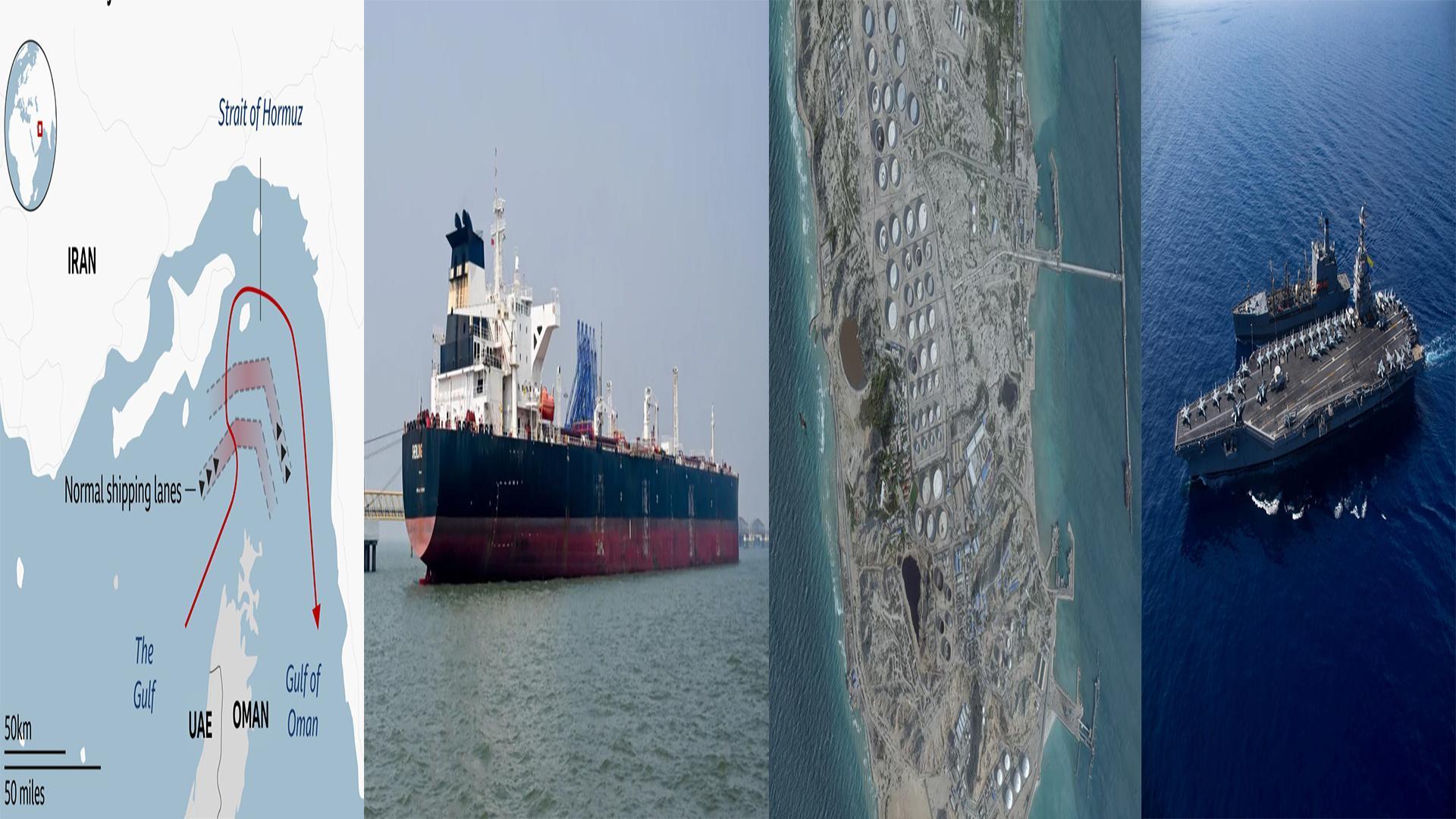
This war is not only a land war or an air war. It is also a war over sea lanes and energy. The Strait of Hormuz is one of the most important oil shipping routes in the world. If the strait is blocked or disrupted, global oil prices could rise immediately.
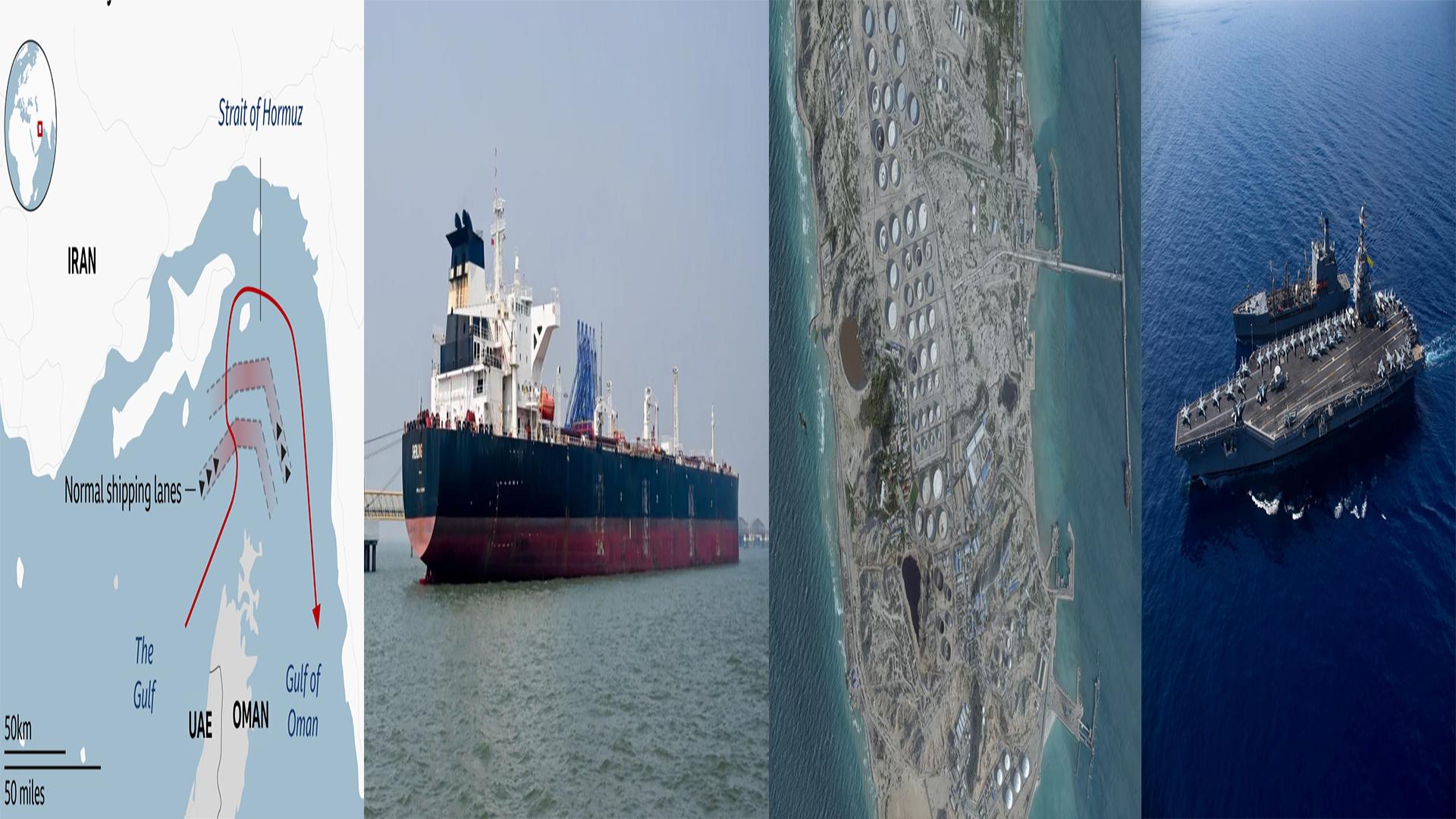
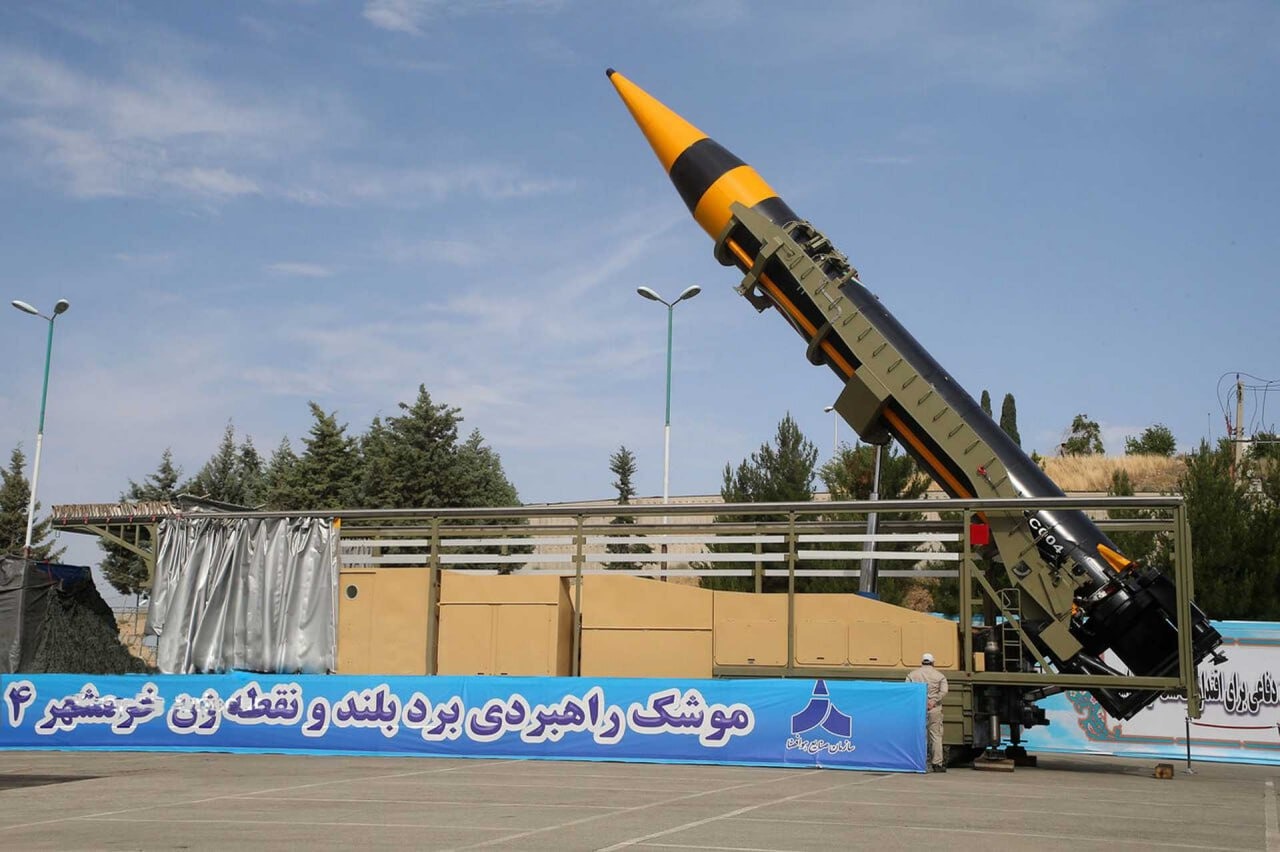
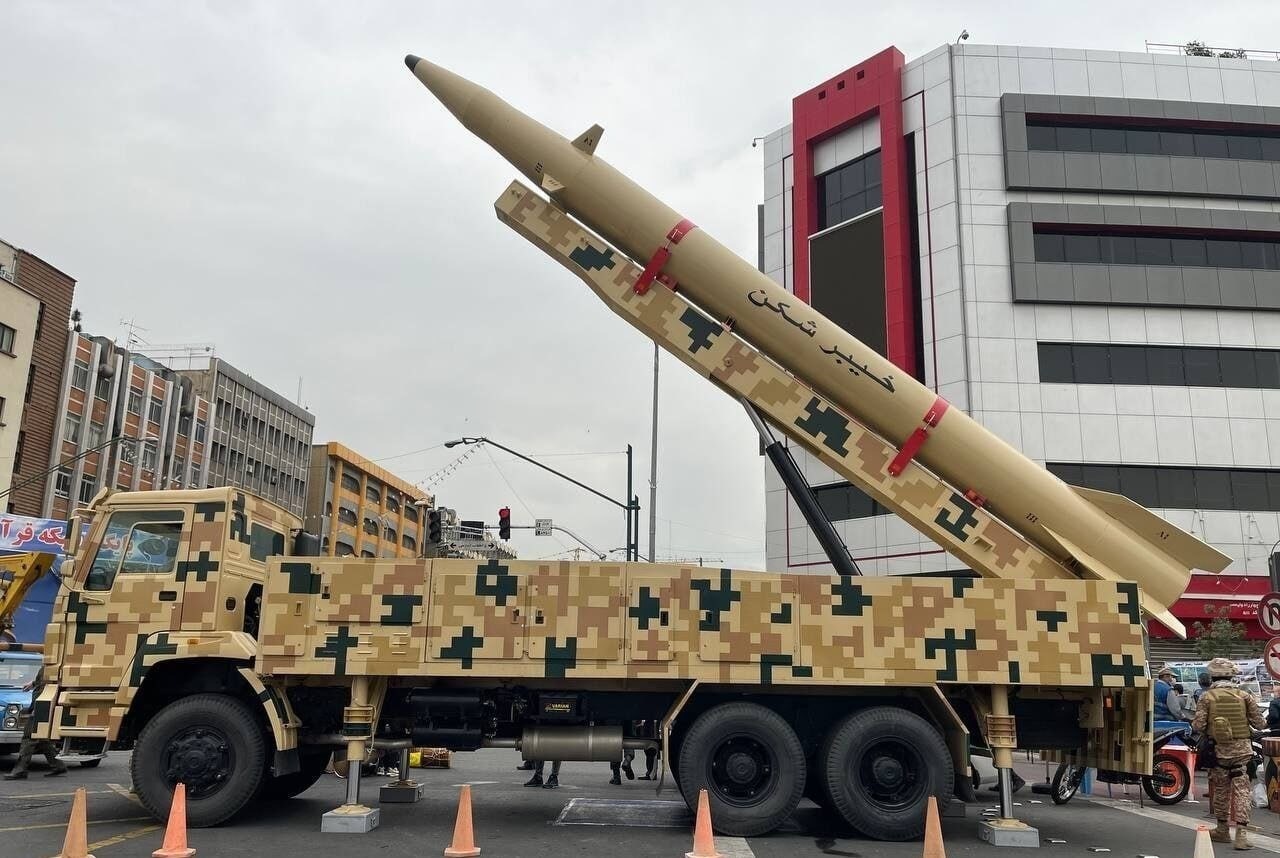
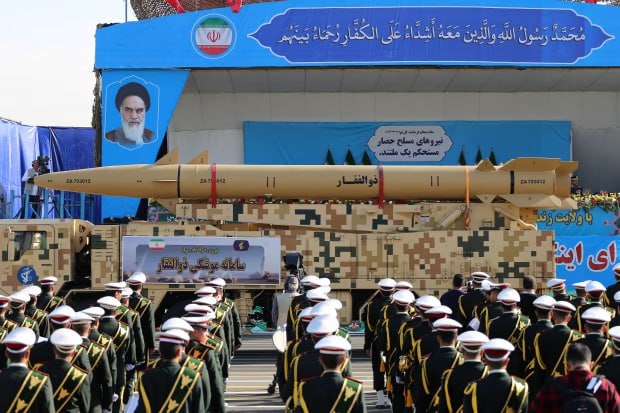
Iran may not be able to match the United States in conventional military power, but Iran can use asymmetric strategy — sea mines, anti-ship missiles, fast attack boats, and drones — to threaten oil tankers and naval forces attempting to secure the Strait of Hormuz. This type of strategy does not require winning the entire war on the battlefield. Instead, it aims to make the war extremely costly and increase economic pressure on the enemy.
In this context, Iran does not need to win the war militarily. Iran can win by prolonging the war and increasing the cost for its opponent while creating economic pressure on the global economy.
The War Is Already Affecting the Global Economy
After nearly a month of war, many countries have begun to feel the impact of the energy crisis. Some countries have started releasing strategic oil reserves, while others have implemented emergency economic measures.
South Korea announced an emergency economic response to the energy crisis. Japan began releasing oil from its state reserves. Meanwhile, the Philippines declared an energy emergency, with only about 40 to 45 days of petroleum supply remaining.
At the same time, global financial markets have been shaken. The war has affected not only stock markets but also traditional safe-haven assets such as bonds, gold, and currencies, which have also experienced declines. This indicates growing instability in global markets driven by war and energy risks.
This shows that the war is not limited to the Middle East. It is affecting the global economy. In a conflict centered on the Strait of Hormuz, military action against Iran would not affect only Iran, but also oil-importing countries across Asia and Europe. In such a situation, a war can damage both the enemy and the global economy — including allies.
Nuclear Risk: Bushehr Could Turn War Into a Disaster
Another serious concern is military strikes near Iran’s Bushehr nuclear power plant. International nuclear authorities have warned that if the facility is damaged, it could cause a nuclear disaster affecting the entire region, not just Iran.
This risk makes the war more than a military or economic conflict — it becomes an environmental and human security risk. A war in the Middle East could transform into an international crisis affecting many countries.
This means that attacking certain targets is not only a military calculation, but also an environmental and political risk calculation. A nuclear accident could immediately change international opinion and alliance politics, potentially altering the entire direction of the war.
Kharg Island Could Be a Military Victory but a Strategic Trap
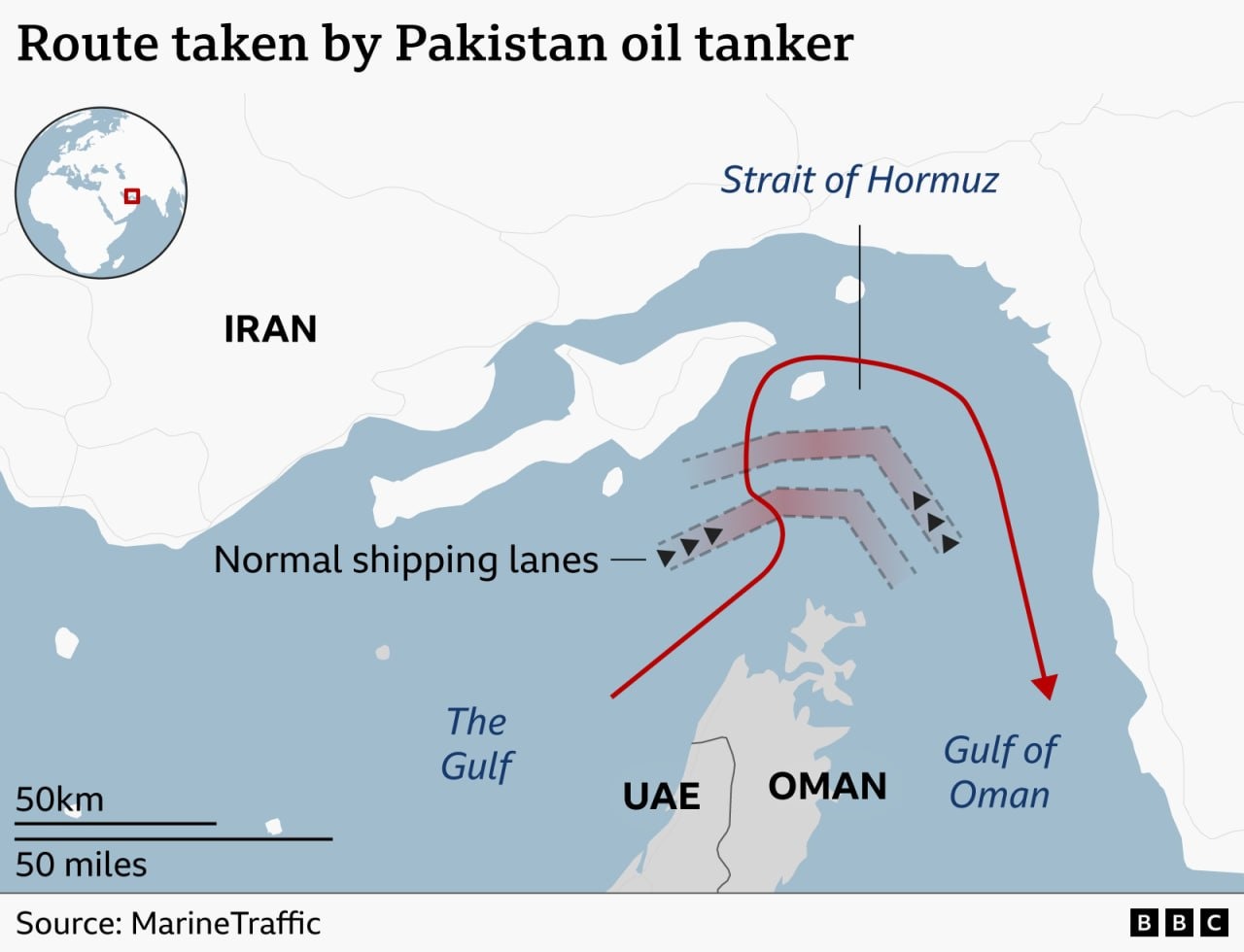
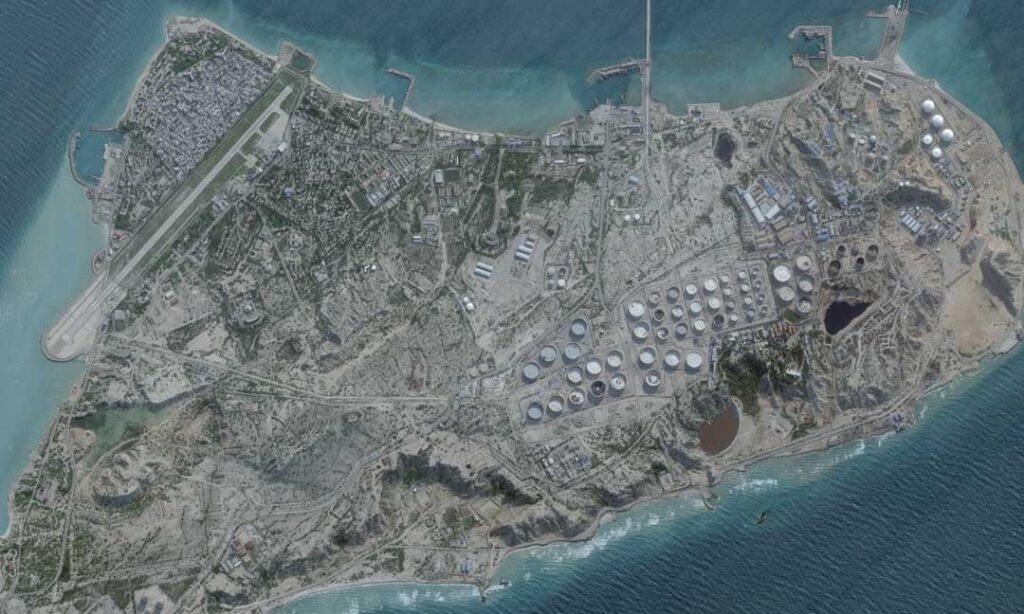
One of the most important strategic targets in this war is Kharg Island, Iran’s main oil export terminal. If Kharg Island were destroyed or captured, Iran’s economy could suffer severe damage. From a military perspective, this could be seen as a tactical victory.
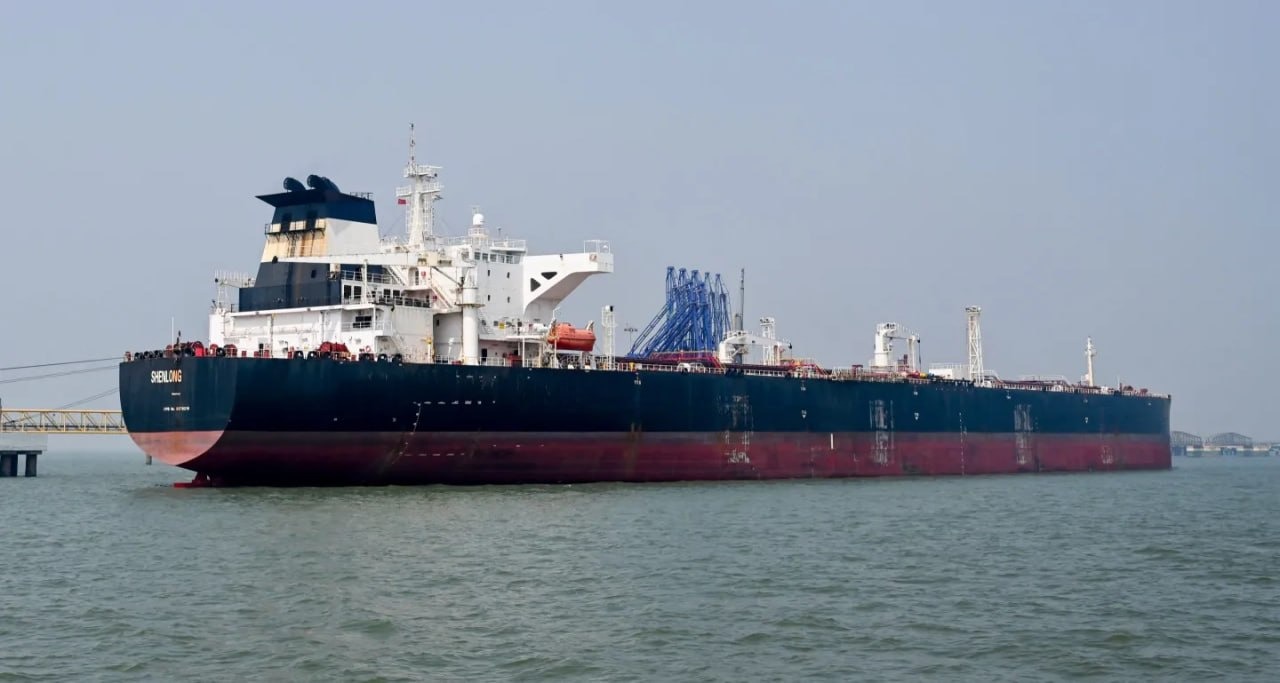
However, attacking Kharg Island carries major risks. Iran has reportedly heavily mined and defended the area. U.S. naval forces would have to pass through the Strait of Hormuz, where mines, missiles, coastal defense systems, and drones are deployed. This means that the operation would carry significant military risk even before reaching the target.
More importantly, the strategic consequences could be severe. An attack on Kharg Island could provoke Iran to respond more aggressively by blocking or heavily disrupting the Strait of Hormuz. If Hormuz were disrupted, global oil prices could surge, causing severe damage to the global economy — potentially greater than the damage caused to Iran’s oil exports.
This means that destroying or capturing Kharg Island could be a tactical military victory but a strategic defeat if it leads to a larger war, higher oil prices, and economic damage to U.S. allies.
In wars like this, winning a battle does not necessarily mean winning the war. Sometimes, winning a military objective can lead into a much larger strategic trap.
A Long War Is the Greatest Risk for the United States
History shows that the greatest challenge for the United States in many wars has not been losing on the battlefield, but fighting long wars that become expensive and politically unpopular at home and among allies. Long wars create economic pressure and political pressure, even for stronger countries.
In the current conflict with Iran, several signs suggest that this war may not end quickly. Negotiations remain uncertain, attacks continue, and the energy crisis is beginning to affect the global economy. If the war continues for a long time, it will become an expensive war requiring sustained funding, military resources, and political support.
Support from allies and the U.S. Congress is also critical. If the war does not receive strong support from allies or creates political division at home, it could become a domestic political problem that complicates military decision-making and overall strategy.
In this type of war, the stronger side does not necessarily win if the war becomes long and costly. Sometimes, the weaker side’s strategy is simply to prolong the war, forcing the stronger side to spend more money, more time, and lose political support.
Conclusion
At this point, the U.S.–Iran war is no longer a conventional war between armies. It has become a war over energy, economics, sea lanes, and international pressure. The conflict is being fought not only on battlefields, but also in oil markets, financial markets, diplomacy, and time itself.
The extension of the 10-day deadline may be a strategic move to allow economic and diplomatic pressure to continue before deciding the next step. It may be part of a broader strategic calculation aimed at achieving a strategic outcome. But if this calculation fails, the war could turn into a strategic trap — a long, expensive conflict that creates political pressure both domestically and internationally.
History shows that great powers do not always lose wars on the battlefield. Sometimes they lose because wars become too long and politically unsustainable, as happened in the Vietnam War.
Therefore, the biggest question now is not who is stronger militarily, but who can control the war — and prevent it from becoming a long and costly conflict. In wars like this, victory is not determined by who wins battles, but by who can better control time, economics, and risk. And that will ultimately determine whether this war ends in strategic victory or in a strategic trap.