(Phnom Penh): The five-day ceasefire in the war between the United States and Iran is not truly a pause in the war. It is merely a change in strategy. While the world hears the word “ceasefire,” the military battlefield, political negotiations, and economic pressure are all continuing simultaneously. This indicates that the war has entered a new phase in which negotiation, pressure, and military action are being conducted as part of a combined strategy.
Negotiation Strategy
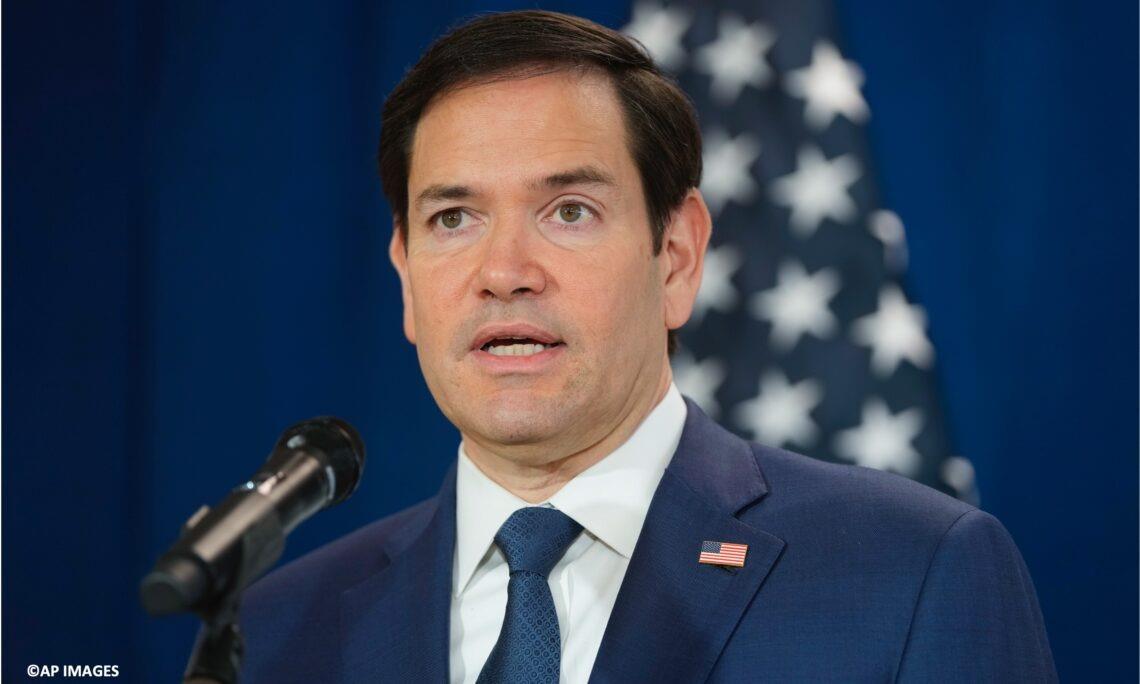
U.S. President Donald Trump said on Tuesday that Vice President JD Vance, Secretary of State Marco Rubio, and other senior officials are leading negotiations with Iran. Trump expressed optimism that a possible agreement may be beginning to take shape.
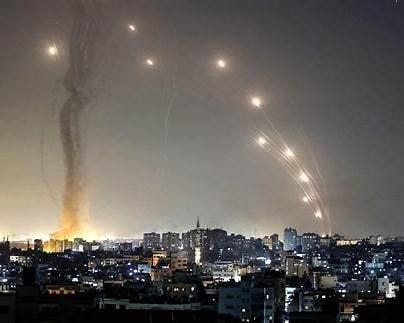
However, while negotiations are ongoing, the war has not stopped. The sound of gunfire is still heard in Tehran, while drone attacks continue across several countries in the Gulf region, including strikes on energy infrastructure in Kuwait.
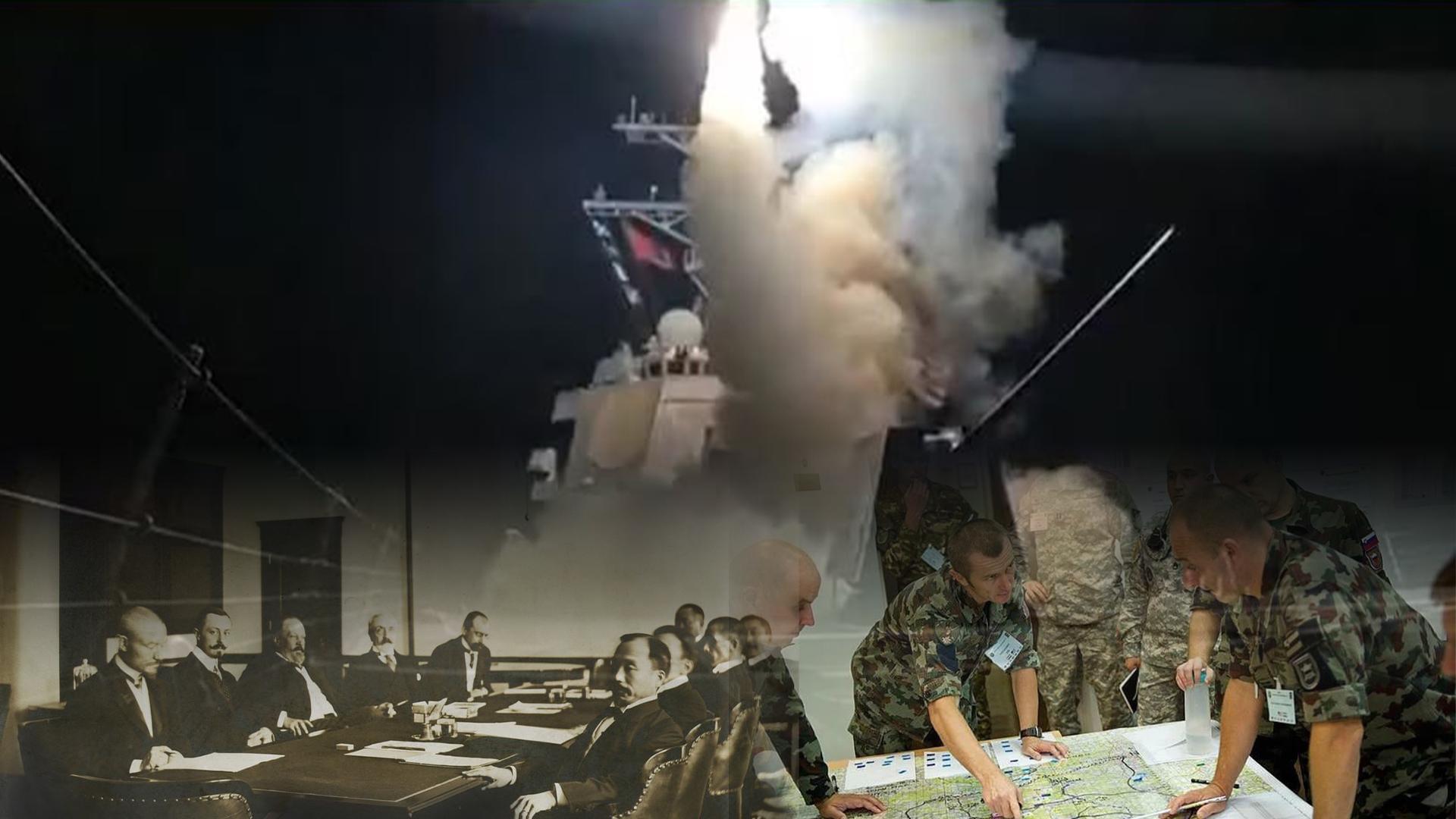
This situation shows that negotiation and fighting are happening at the same time. In geopolitics, it is not unusual for a country to negotiate while simultaneously applying military pressure to strengthen its bargaining position. Many analysts describe this strategy as “negotiating while fighting.”
In this sense, the five-day ceasefire does not necessarily mean that the war is stopping. Instead, it may indicate that the conflict is shifting from the military battlefield to the negotiation table, where both sides are trying to gain strategic advantage before any agreement is reached.
Pressure and Deterrence Strategy
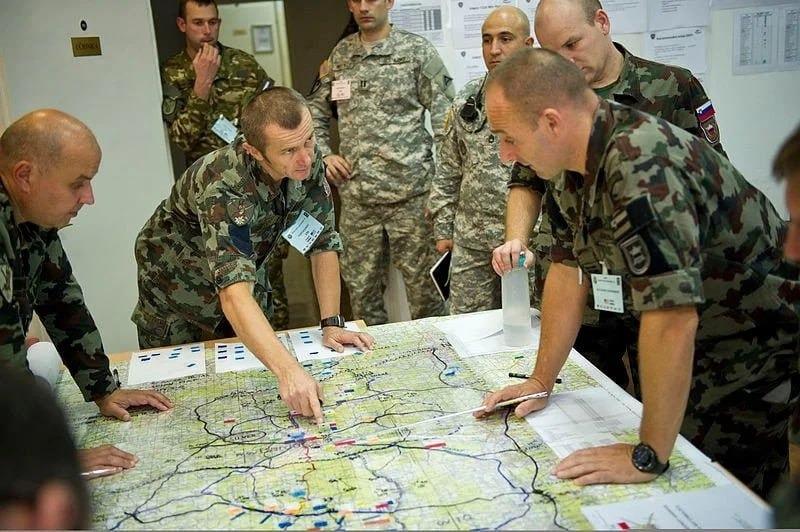
While negotiations are taking place, military forces are also being repositioned and prepared. This shows that negotiations are not being conducted in a peaceful environment, but under military and economic pressure.
In geopolitics, there is a principle that “negotiations should be conducted from a position of strength.” This means that the side with stronger military or economic pressure will have greater leverage in negotiations.
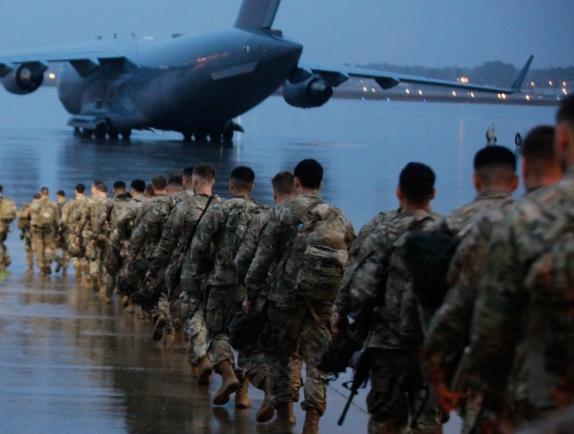
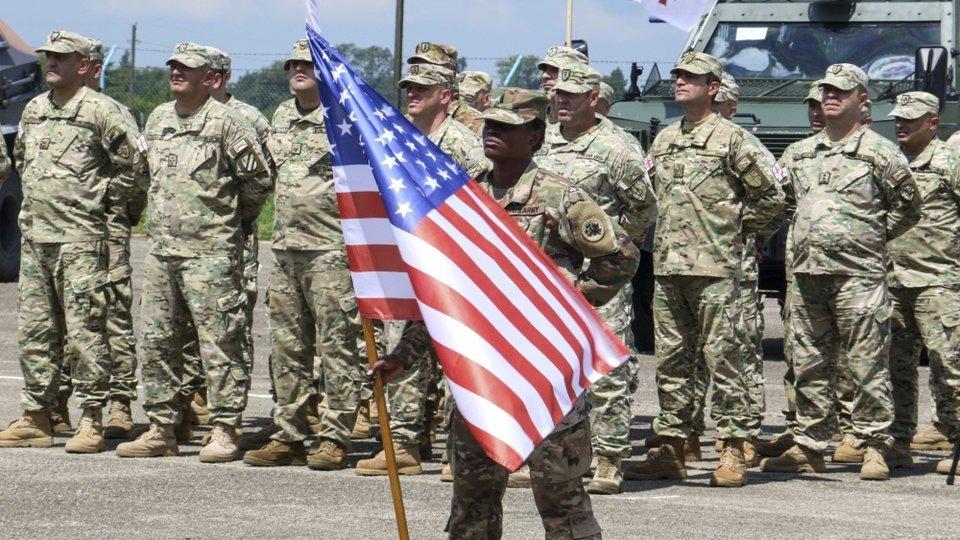
CNN reported that approximately 1,000 U.S. troops from the Army’s 82nd Airborne Division are expected to deploy to the Middle East in the coming days. This deployment adds to the growing U.S. military presence in the region, even as the Trump administration claims it is negotiating with Iran to end the conflict.
The report added that the deployment includes Major General Brandon Tegtmeier, commander of the 82nd Airborne Division, along with division staff and a battalion from the 1st Brigade Combat Team, which is currently serving as the Immediate Response Force (IRF). The first elements are expected to deploy within a week, while additional units may deploy later depending on how the situation develops.
Sources indicated that this unit will serve as a “ready force” in the Middle East, prepared to be called into action if necessary.
From a strategic perspective, such military movements are not merely defensive measures. They also serve as a signal of pressure toward Iran — that the United States is negotiating while still keeping military options open.
Therefore, troop movements, rising oil prices, threats to close the Strait of Hormuz, and attacks on energy infrastructure are not isolated events. They are all part of a broader pressure strategy taking place alongside negotiations.
Strike and Preparation Strategy
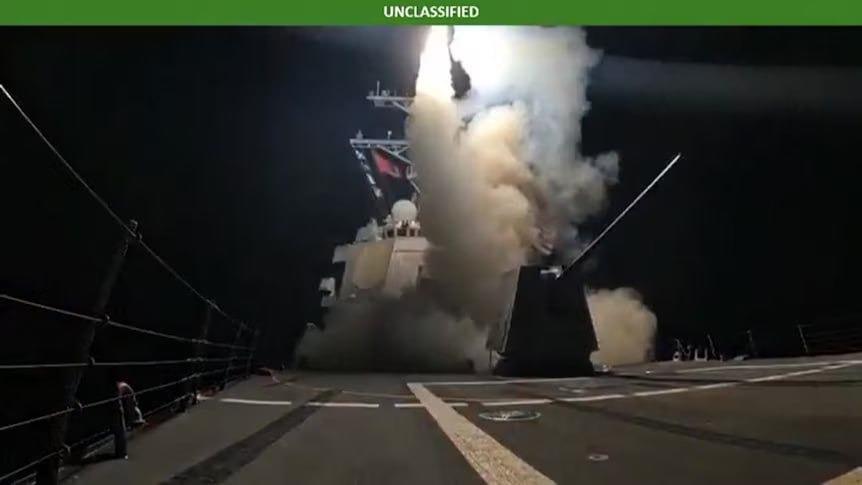
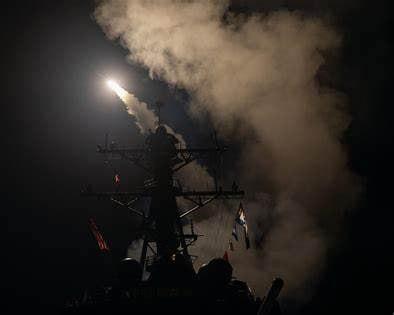
Despite the ceasefire announcement, attacks have not completely stopped. Drone strikes and attacks on energy infrastructure continue in the region. This shows that the ceasefire does not represent a complete halt to military operations, but rather a reduction or change in the form of operations.
CNN also reported that thousands more U.S. troops are moving into the region, in addition to the 82nd Airborne Division deployment. At the same time, two Marine Expeditionary Units and Amphibious Ready Groups have recently been deployed to the region, bringing significant firepower and military options.
According to CNN, the 11th Marine Expeditionary Unit and the Boxer Amphibious Ready Group are accelerating and rerouting their deployment from the Indo-Pacific to the Middle East, while the 31st Marine Expeditionary Unit and the Tripoli Amphibious Ready Group are also deploying to the region.
Each ARG-MEU unit includes approximately 4,500 Marines and sailors and brings substantial capabilities beyond ground operations, including aviation, logistics, and operational support, making them capable of supporting large-scale military operations.
In military strategy, there is a term called Operational Pause, which means forces temporarily pause operations in order to:
- reorganize forces
- reposition troops
- resupply weapons and equipment
- reassess the situation
- prepare for the next phase of operations
Therefore, a ceasefire does not always mean the war is ending. It may instead mean that the war is preparing for the next phase.
Historically, many major offensives have not occurred during the most intense fighting, but after a pause or ceasefire period. When both sides pause but keep their weapons ready, that is often the most dangerous moment, because the war can escalate again at a higher level.
Thus, the five-day ceasefire may not be the end of the fighting, but rather a stage in preparing for new operations or a new strategic phase of the war.
Modern War Across Multiple Domains
Looking at the overall situation, this war is not occurring only on the military battlefield, but across multiple domains at the same time, including:
- the military battlefield
- political negotiation tables
- energy markets
- the global economy
- supply chains
- international pressure
This is the nature of modern warfare, often referred to by analysts as multi-domain conflict.
In such conflicts, a country may use multiple strategies simultaneously:
- military force
- political negotiations
- economic pressure
- energy as a strategic weapon
- international diplomatic pressure
All of these tools are used to force the opposing side to change its behavior or accept negotiation terms.
Therefore, even if there is a ceasefire, the war does not truly stop, because war today is not fought only with bullets. It is also fought through politics, economics, energy, and negotiations. In other words, the war may pause on the battlefield, but it does not pause at the strategic level.
Conclusion
The five-day ceasefire is not a sign that the war is ending. Instead, it represents a phase in which negotiation, pressure, and military action are taking place simultaneously as part of a broader strategy. This shows that the war has not stopped, but is changing form and shifting from direct fighting to strategy, pressure, and negotiation.
In geopolitics, wars do not always end when the guns fall silent. Sometimes, negotiation, pressure, and military preparation are themselves part of the war. The battlefield may grow quieter, but the strategic conflict continues.