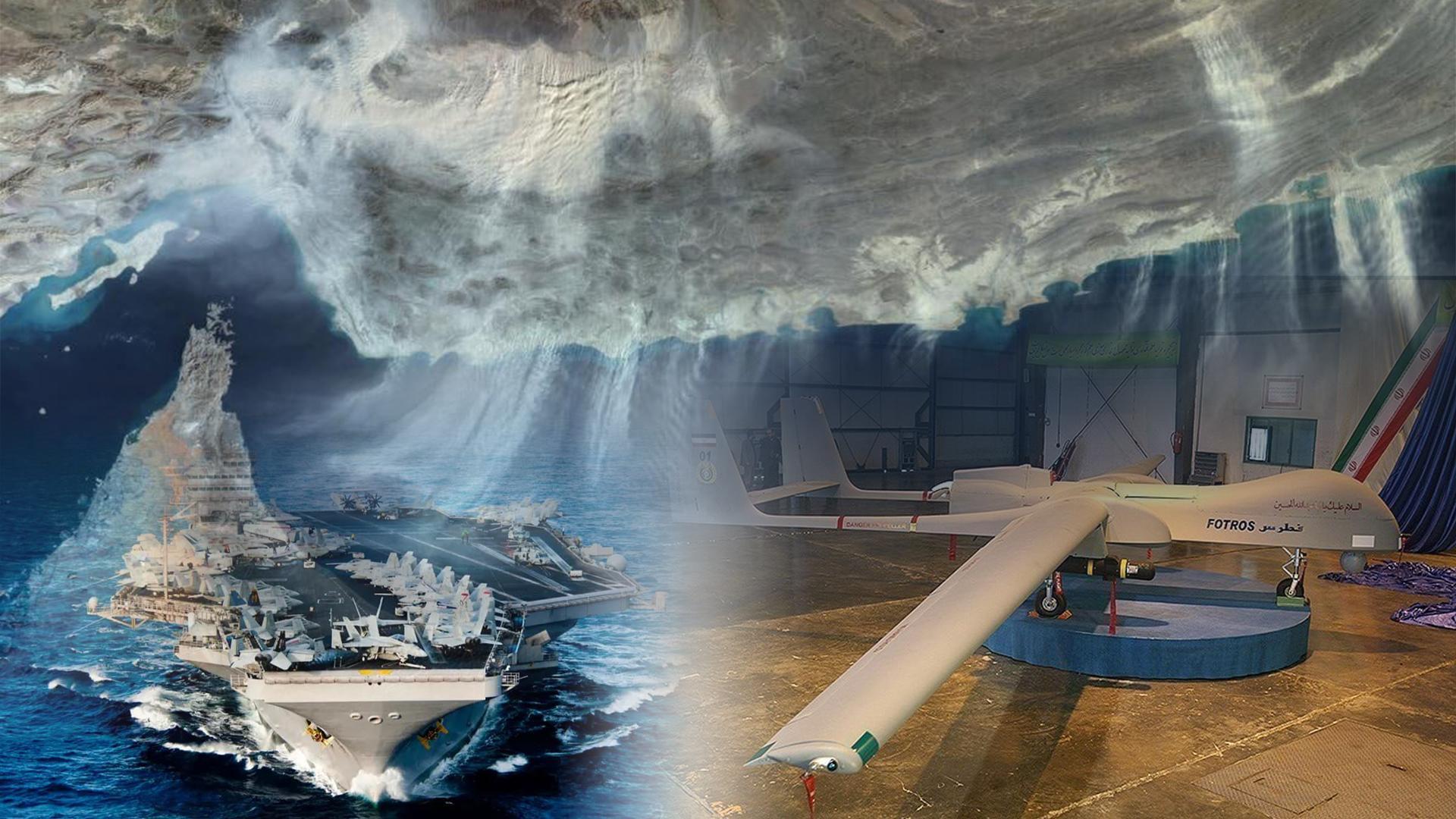
(Phnom Penh): In conventional wars, people usually ask simple questions: Which side has more aircraft? Which side has more missiles? Which side has the stronger army?
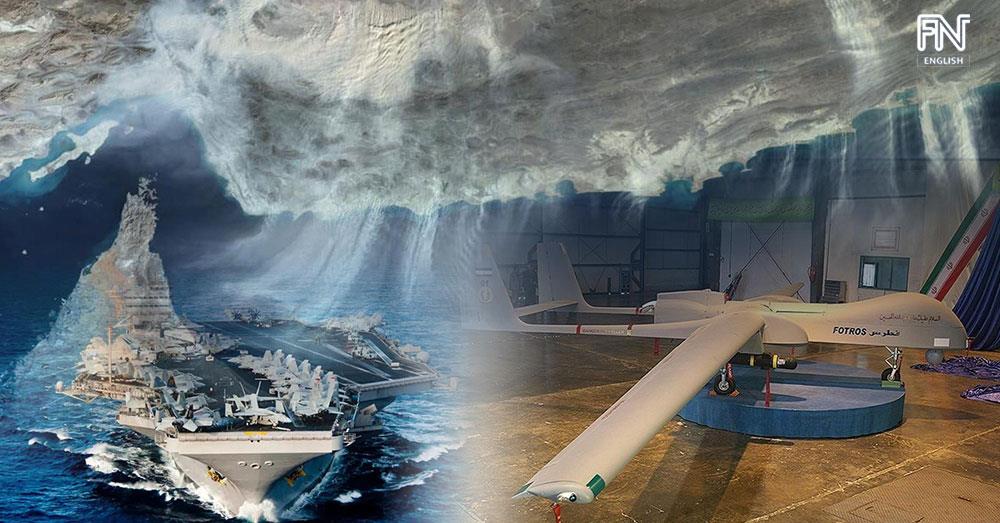
But the current conflict in the Middle East is no longer about those questions. This war is revealing a different kind of competition — not a competition of military strength alone, but a competition of strategy. One side is using power and war management, while the other is using risk and escalation as a strategy for survival.
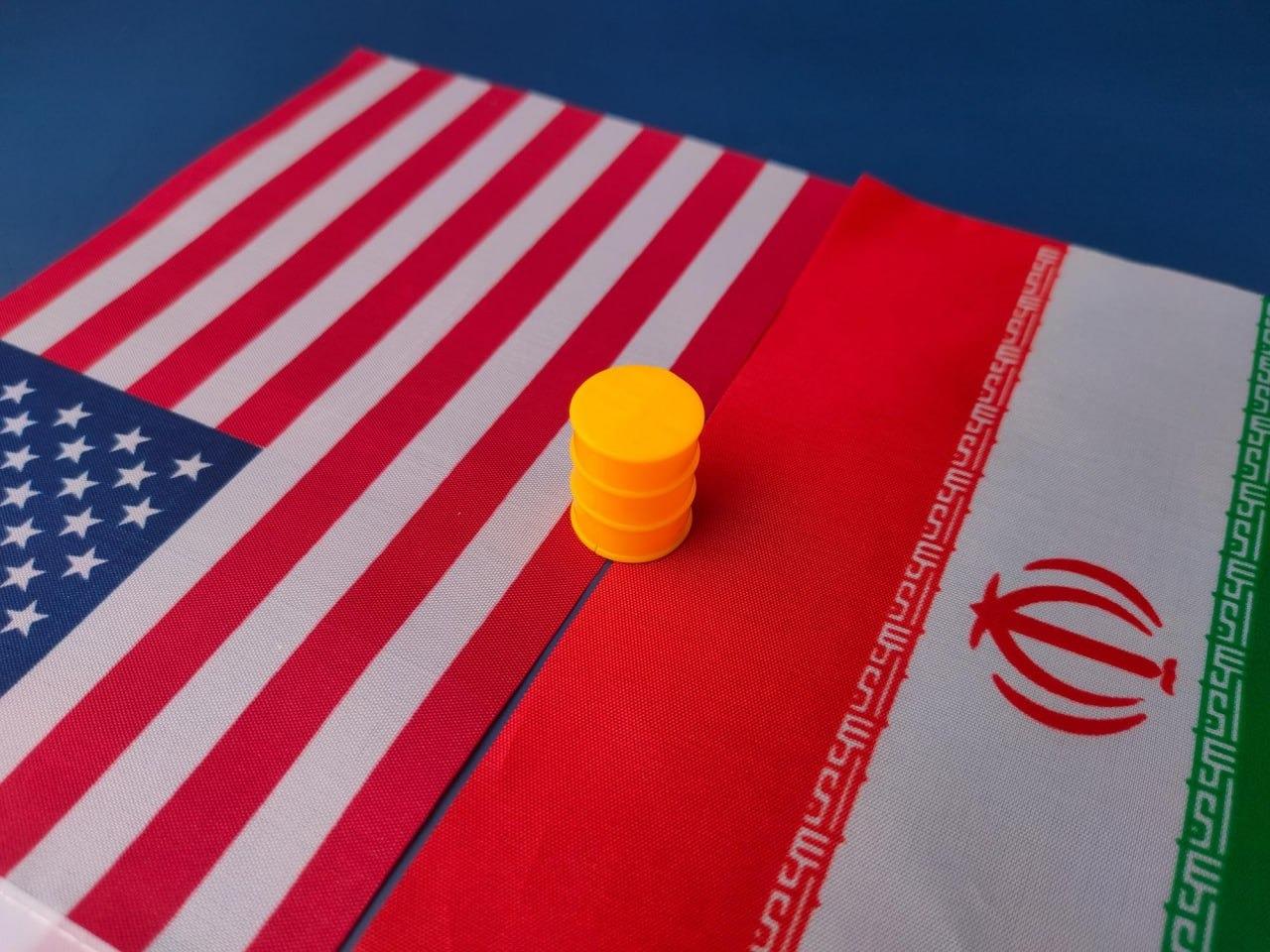
US President Donald Trump stated on Saturday, March 21, that he would order strikes on Iranian energy infrastructure if the Strait of Hormuz was not fully reopened to shipping within 48 hours. In response, Iran announced on Sunday that if the United States bombed Iranian power plants, the Strait of Hormuz would be completely closed until the destroyed facilities were rebuilt.
These statements clearly show that this is not a conventional war. It is a strategic competition between two very different approaches to war.
The American Strategy: Power and War Control
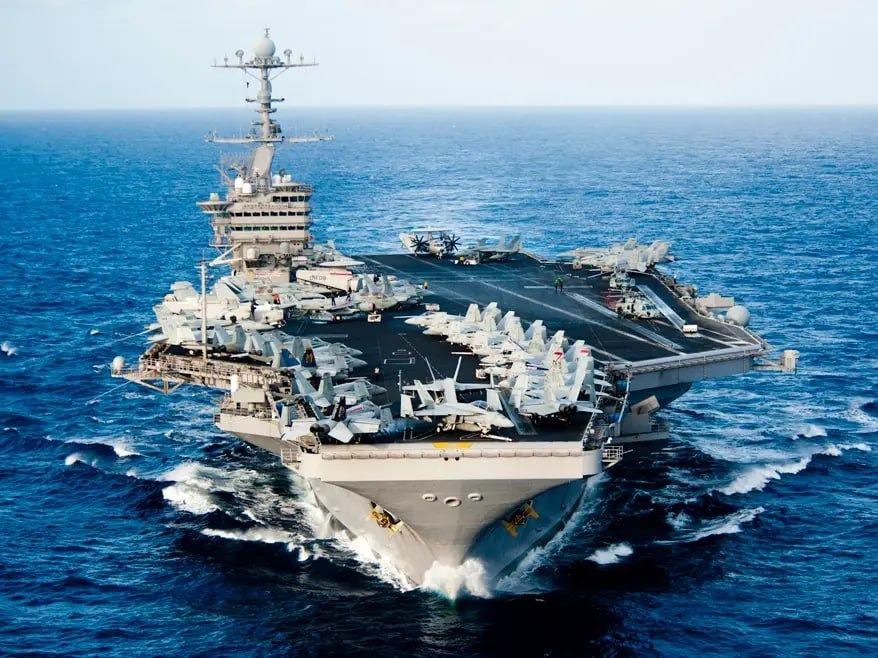
The United States is pursuing what can be called a strategy of power and war control. The objective is not simply to win battles, but to control the direction, pace, and escalation level of the war.
This strategy can be seen through several actions:
- Targeted strikes on military and infrastructure sites
- Attacks on proxy networks before direct confrontation
- Efforts to cut Iran’s oil revenue
- Building international coalitions
- Using the justification of protecting global oil routes and the world economy
- Keeping the war within manageable limits
In short, the United States does not want an uncontrolled large-scale war. It wants a war whose speed, scope, and escalation can be carefully managed.
The Iranian Strategy: Risk and Escalation
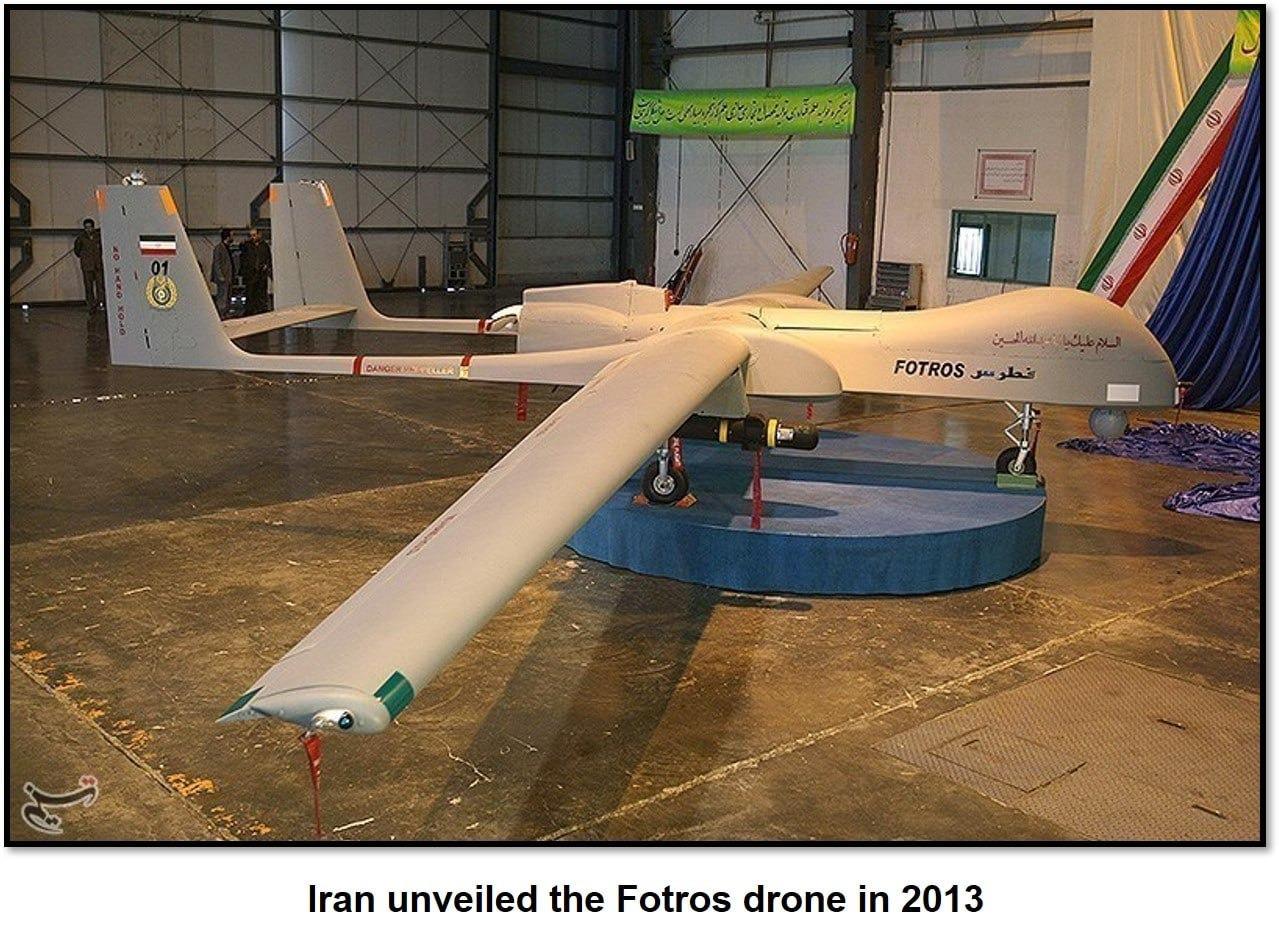
Unlike the United States, Iran cannot rely on direct power strategy because its military, technology, and economic strength are smaller. Therefore, Iran has chosen a different approach — a strategy of risk and escalation, which can be described as “risking destruction in order to survive.”
Instead of fighting directly with superior force, Iran is attempting to raise the cost of war to a level that its enemies cannot easily bear.
This strategy can be seen in several actions:
- Using proxy groups in Lebanon, Iraq, Syria, and Yemen
- Launching missiles and drones from distance
- Threatening to close the Strait of Hormuz, one of the world’s most important oil routes
- Threatening attacks on oil infrastructure across the Gulf region
- Creating the risk of regional war escalation
- Creating global economic risk through rising oil prices
The message Iran is sending is clear:
If Iran is destroyed, the war will not remain inside Iran. It will spread to the entire region and potentially affect the global economy.
This is the core of the “risk everything to survive” strategy — not necessarily to win the war in the traditional sense, but to make the war too dangerous and too expensive for the enemy.
In short, Iran is not trying to win the war in the conventional way. It is trying to make the war dangerous for everyone in order to ensure its own survival.
The Strait of Hormuz: An Economic Weapon, Not Just a Waterway
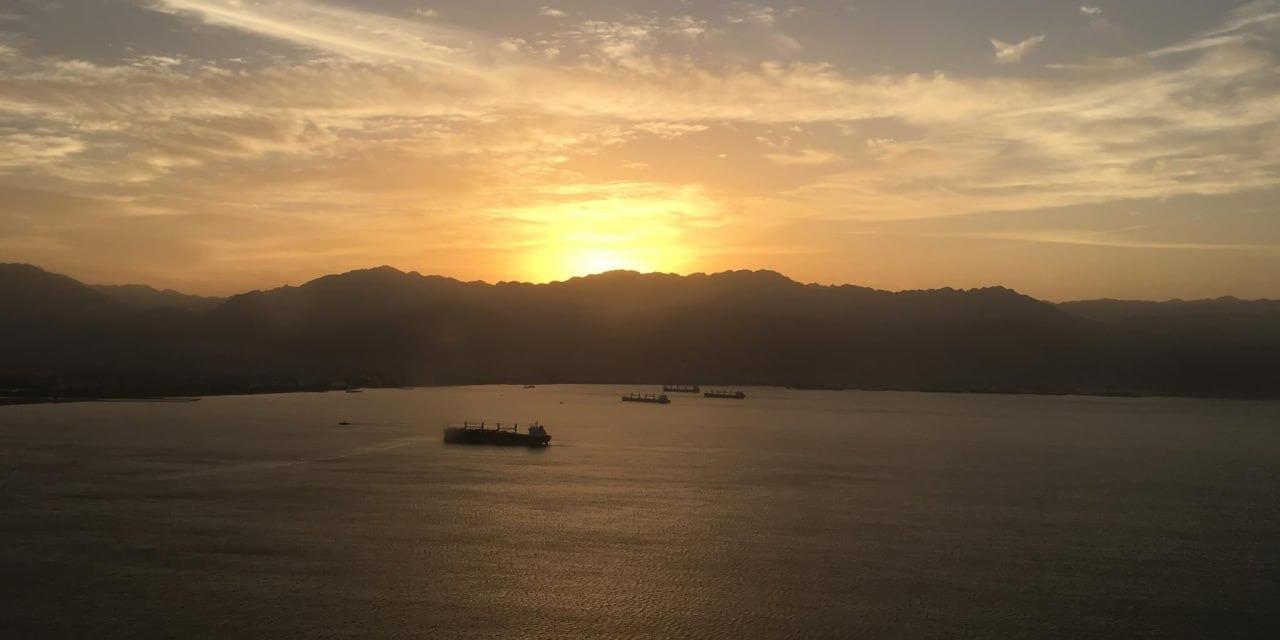
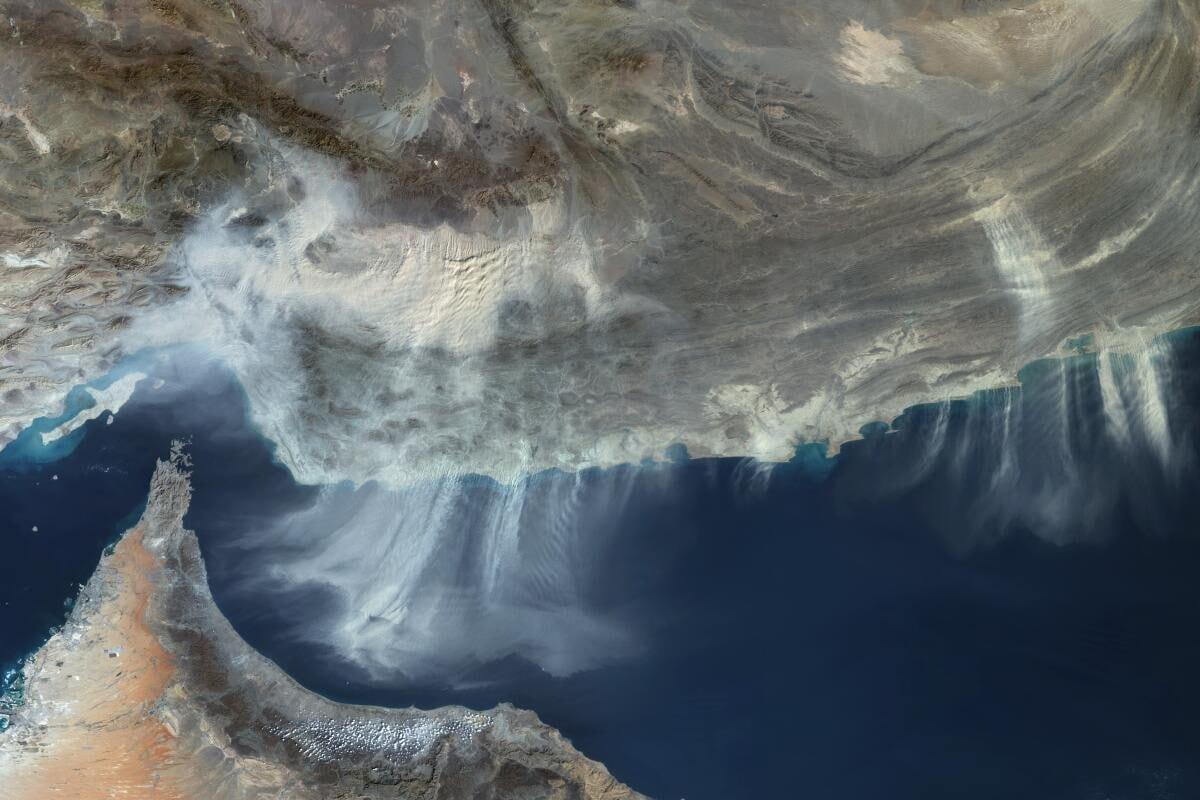
One of the most important elements in this conflict is the Strait of Hormuz. On a map, it looks like a small waterway, but in geopolitical and economic terms, it is one of the most strategic locations in the world.
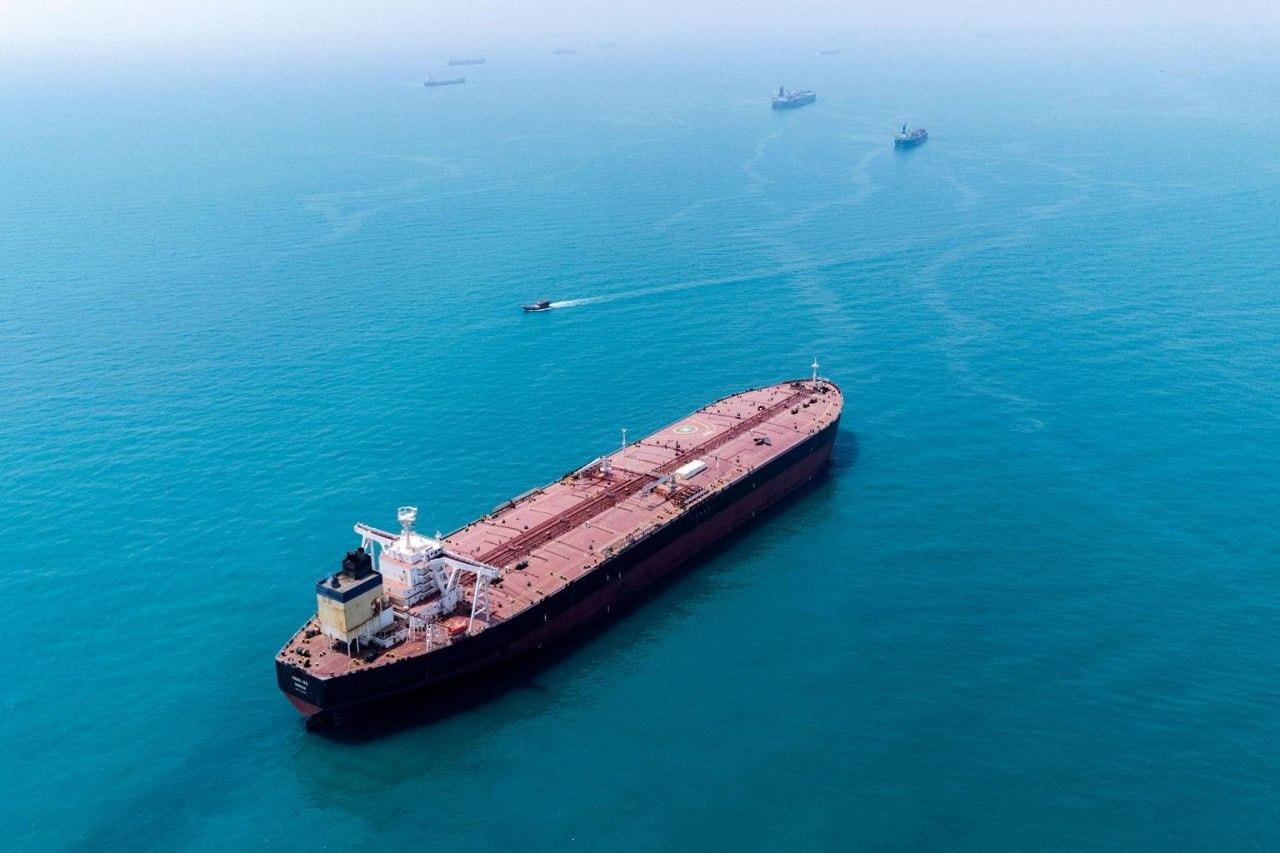
A significant portion of the world’s oil supply passes through the Strait of Hormuz. Therefore, if this strait is closed — or even threatened — the impact will not be limited to the Middle East. It could affect the entire global economy.
If the Strait of Hormuz is closed or seriously disrupted:
- Oil prices would surge
- Shipping and many industries would be affected
- The global economy could face serious pressure
- Asian countries that rely on oil imports would be heavily affected
- International pressure on the war would increase dramatically
Therefore, the Strait of Hormuz is not just a geographic location — it is a strategic point that can influence oil prices, global economic stability, and international political pressure.
For Iran, Hormuz is a tool to create economic risk for the world.
For the United States, Hormuz becomes a justification for military action and international coalition building in the name of protecting global trade and energy supply.
In this war, Hormuz is not just a sea route — it is the center of the strategic competition between military power and economic pressure.
In short, whoever can influence the Strait of Hormuz can influence the global economy. That is why this small waterway has become one of the most important strategic points in the entire conflict.
A Conflict That Could Destroy the Region’s Oil Industry
Beyond the threat of closing the Strait of Hormuz, analysts are increasingly worried about another, even more dangerous scenario: the war could escalate into systematic attacks on oil infrastructure across the Middle East.
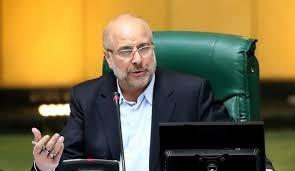
Iranian parliamentary speaker Mohammad Baqer Qalibaf warned that major energy infrastructure across the Middle East could be “irreversibly destroyed” if Iranian energy facilities were targeted.
This warning suggests that the war’s risks are not limited to shipping routes. The conflict could expand into attacks on oil fields, refineries, pipelines, and export terminals across the Gulf region — one of the world’s most important energy production areas.
If energy infrastructure in the Gulf were widely attacked, the consequences would not be limited to the region. The global energy market could be severely disrupted, oil prices could surge dramatically, transportation costs could rise, and many economies could face serious pressure. At that point, the war would no longer be only a military conflict — it would become a global energy and economic crisis.
Such a scenario would transform the war from a military conflict into an economic and energy war in which no one truly wins. If oil infrastructure across the Gulf were heavily damaged, it would not only hurt Middle Eastern countries, but could also destabilize the global economy.
In this scenario, the war would not just be a conflict between countries. It would become a global energy and economic crisis.
Conclusion
Looking at the bigger picture, this war is not about which side is militarily stronger. The real question is: Who can control the escalation of the war?
The United States is using military power, economic pressure, and alliances to control the direction and scale of the conflict. Iran, on the other hand, is using risk and escalation to make the war dangerous for everyone, not just the countries directly involved.
Therefore, the real competition is not between aircraft, missiles, or armies. It is a strategic competition between power and risk — between those who want to control the war and those who want to expand the war beyond anyone’s control.
In the end, the most important question may not be who wins on the battlefield, but who can control what happens after the war.
Because in modern warfare, victory does not always belong to the side with the strongest military. It may belong to the side that can better manage risk, the economy, energy supply, and global public opinion.
In short, this war may not be decided on the battlefield, but in the oil markets, the global economy, and international public opinion. That is why the current conflict involving Iran is not just a conventional military war — it is a strategic, economic, and geopolitical struggle on a global scale.