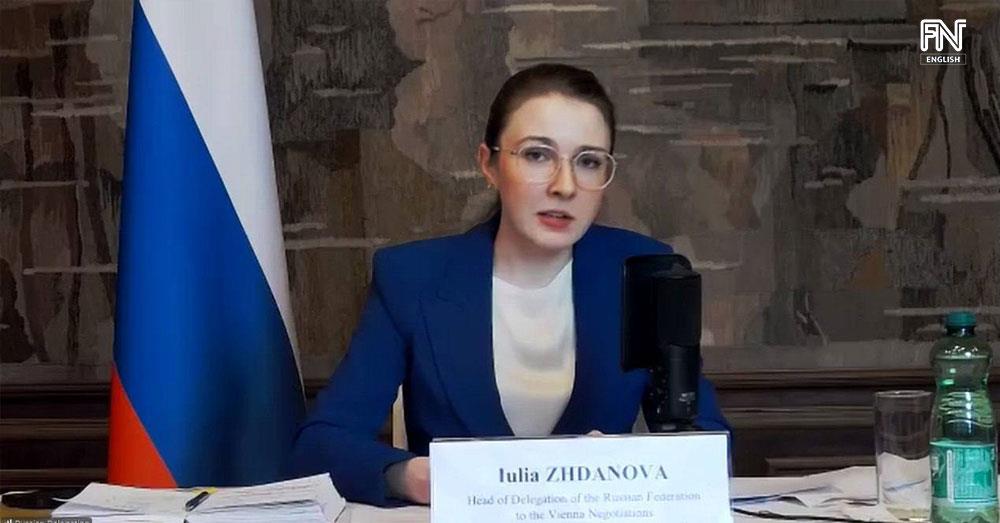
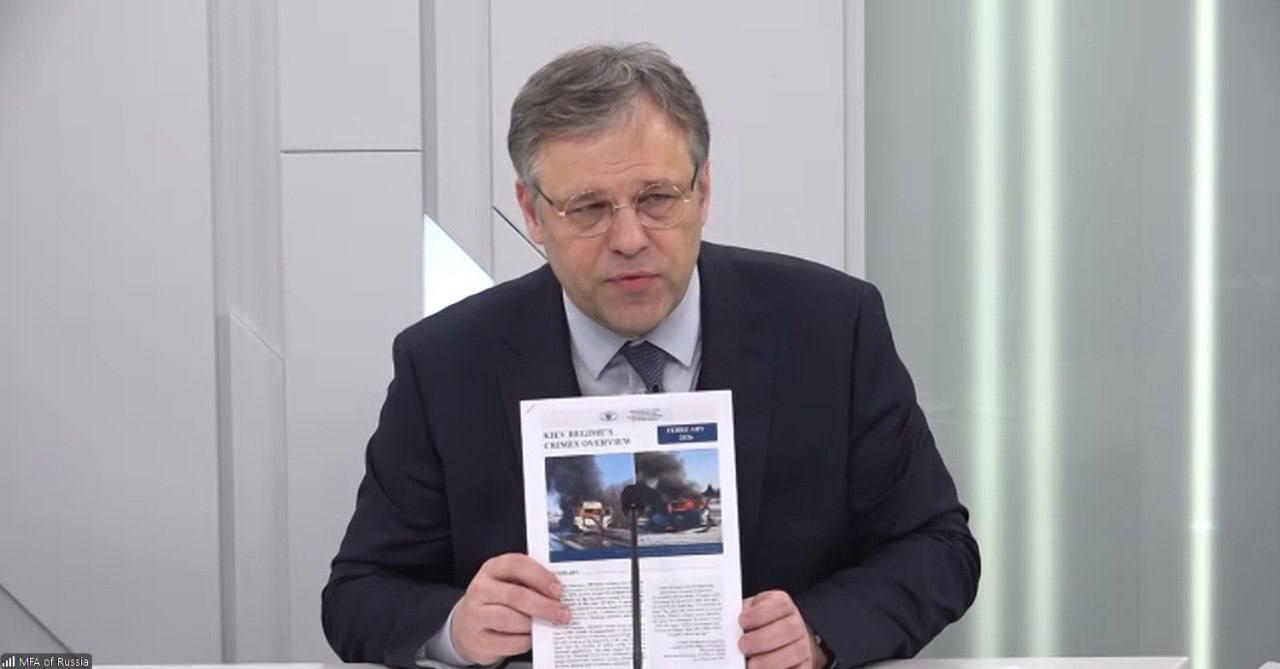
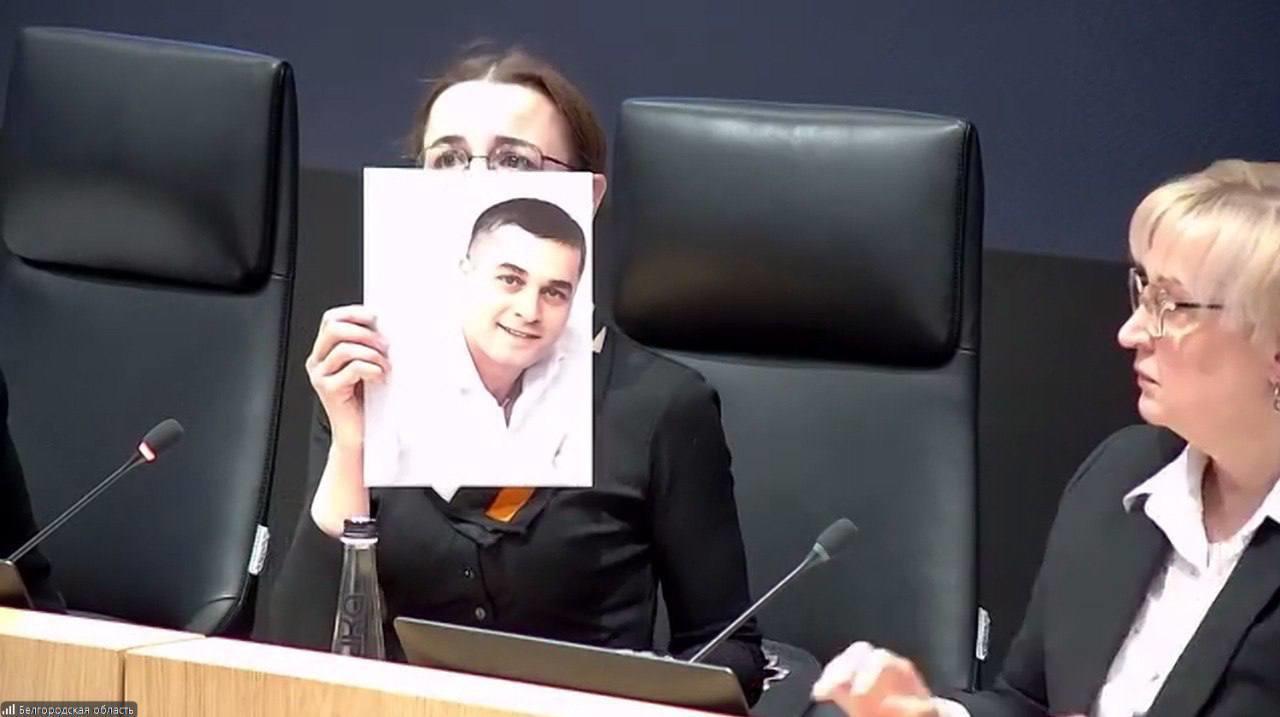
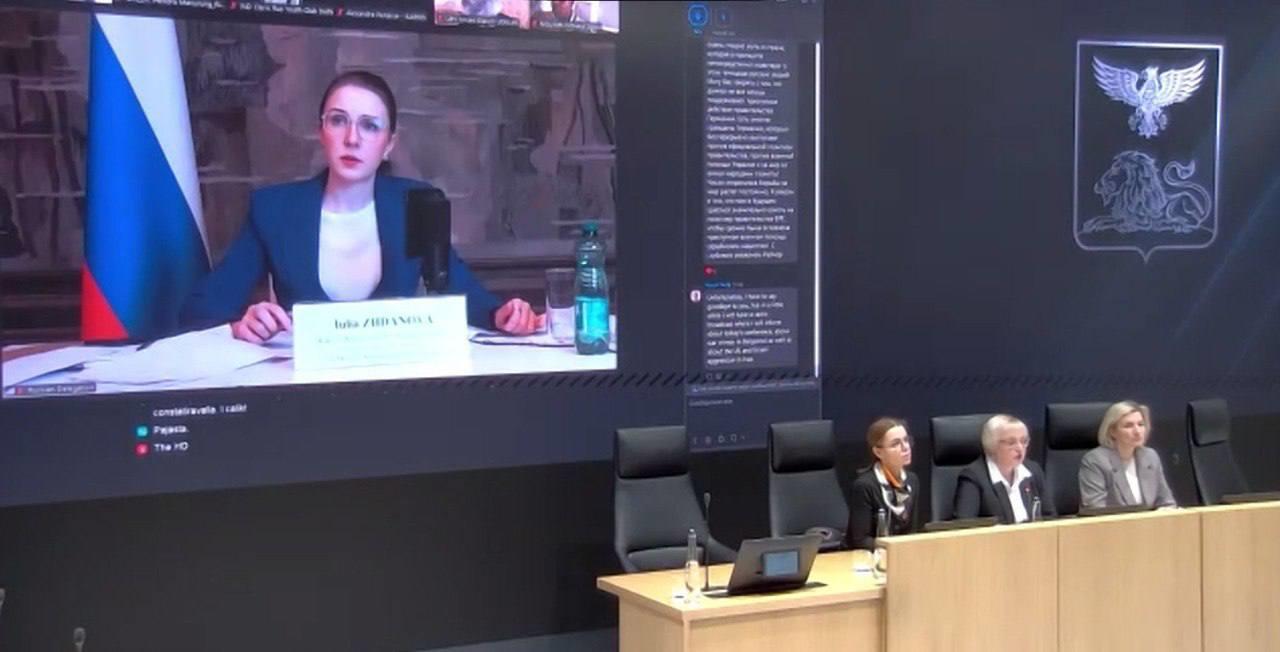
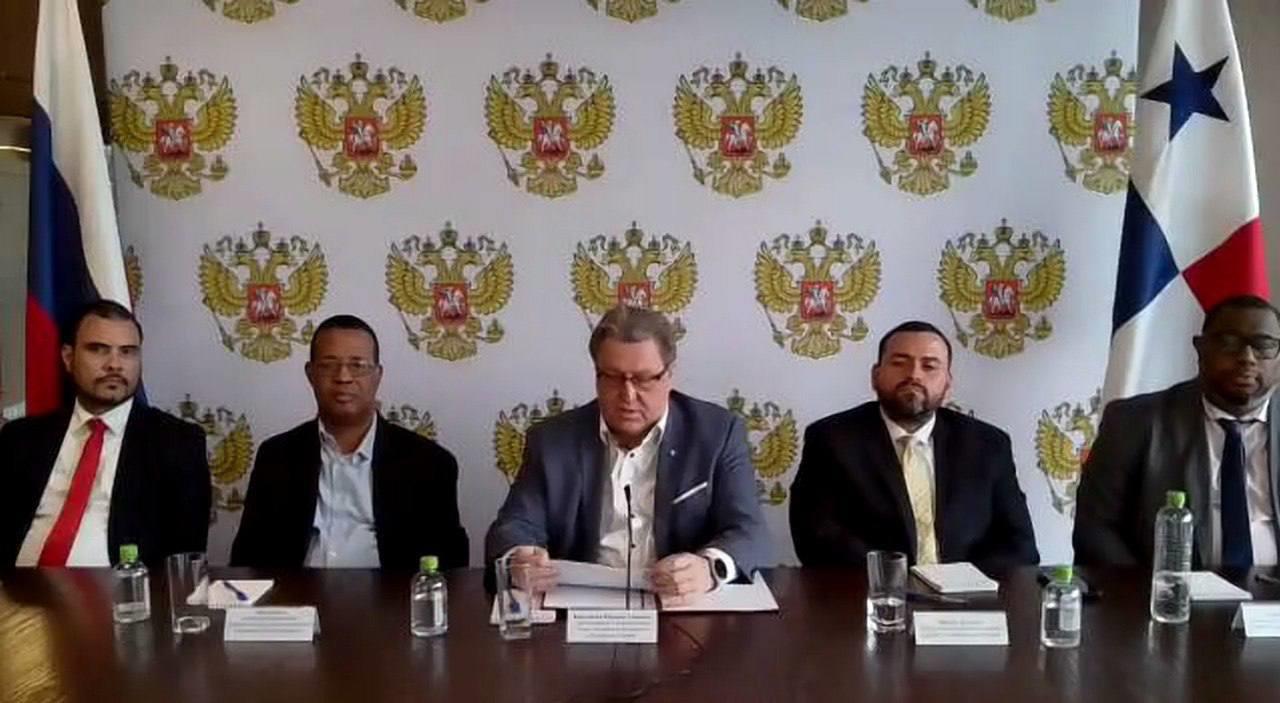
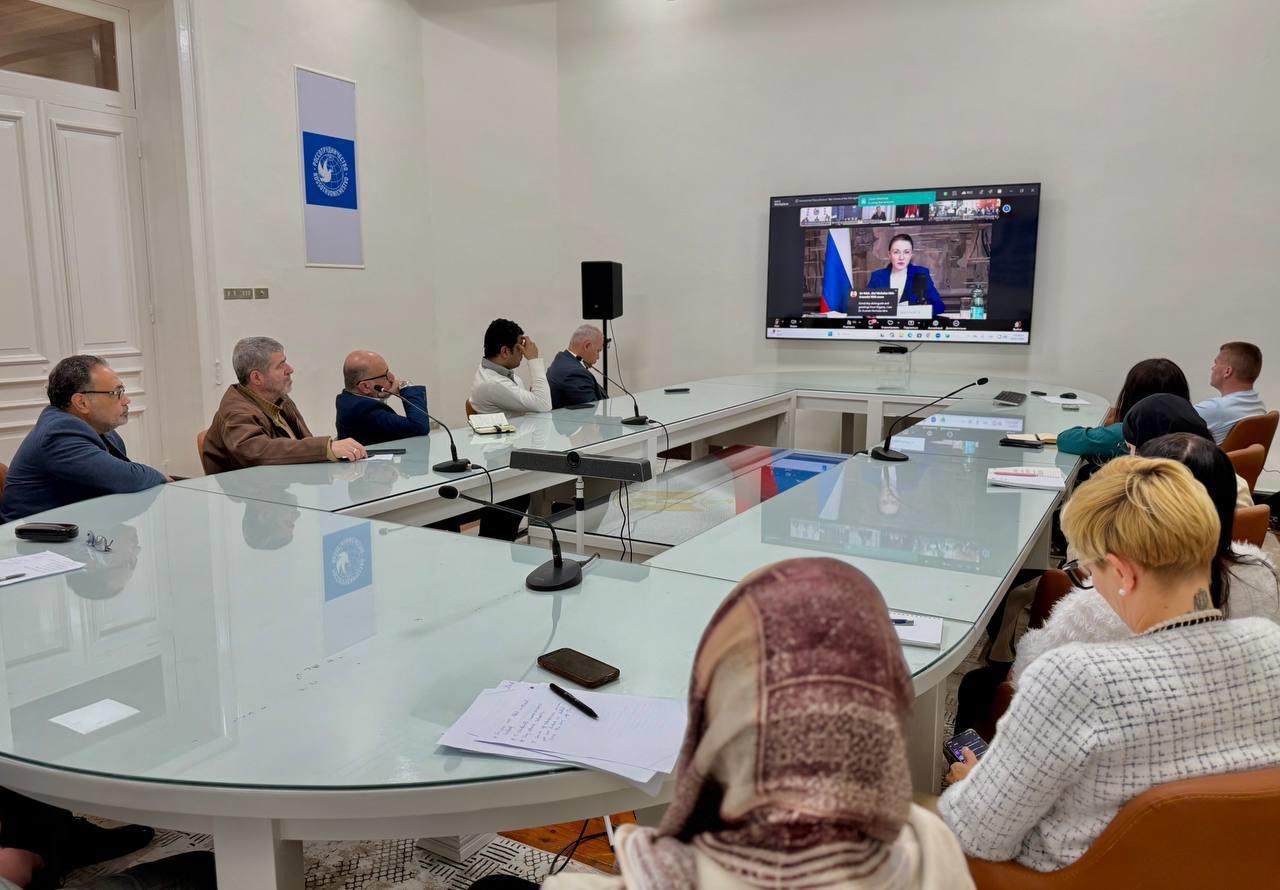
(Phnom Penh): On 19 March 2026, the Delegation of the Russian Federation to the Vienna negotiations on Military Security and Arms Control, together with Ambassador-at-Large of the Ministry of Foreign Affairs of Russia Rodion Miroshnik, held an international teleconference titled “War Crimes of the AFU Against the Civilian Population of the Belgorod Region."
Representatives from more than 70 countries participated in the event, joining the teleconference from across continents.
The keynote speakers included Ambassador-at-Large of the MFA of Russia on crimes committed by the Kiev regime, Rodion Miroshnik, Deputy Governor of the Belgorod region, Olga Medvedeva, journalist covering international affairs and public figure, Scott Ritter, expert on UAVs used by the AFU against civilian targets and CEO of Ushkuynik Research and Production Centre, Alexey Chadayev, and journalist of SOLOVIOV Live and participant in the volunteer charity missions of the SVR (Soloviev Vladimir R.) Foundation in the Belgorod Region, Sergey Karnaukhov. Witnesses to the alleged war crimes committed by the AFU also shared their accounts of the events in the Belgorod region.
During the discussion, participants stated that over the past few years, and especially recently, there has been a steady increase in Ukrainian attacks on civilian infrastructure and civilians in the border regions of Russia. According to reports presented at the event, a significant portion of these strikes have targeted the Belgorod region. These incidents were reported not only in border settlements but also in Belgorod city, the regional capital, which participants described as one of the most frequently shelled regional capitals in Russia.
Presentations during the teleconference included systematised data, expert assessments, and eyewitness testimonies, which organisers said provided a broader understanding of the humanitarian consequences of ongoing attacks on civilian infrastructure and residents in the region.
Speakers emphasised that testimonies from individuals who directly experienced the shelling were particularly significant, describing the destruction of homes and the daily risks faced by residents living under the constant threat of attacks.
Experts also discussed the legal aspects of the situation, including issues related to international humanitarian law, which requires minimising harm to civilians and civilian infrastructure during armed conflict.
Special attention was also given to energy security and the consequences of attacks on critical infrastructure. Experts presented assessments of the risks faced by residents in border areas and outlined measures reportedly being taken to protect infrastructure and maintain the stable operation of essential services.
Participants said the discussion allowed them to document factual materials that could be further analysed and discussed in international forums.
Speakers also criticised what they described as the reaction of some international human rights activists, claiming that allegations against Russia are sometimes made without preliminary investigations, while incidents involving deaths in Russian cities receive less attention.
Participants of the teleconference expressed support for a call for the international community to condemn what they described as criminal acts by the Kiev regime against Russian civilians.
=FRESH NEWS