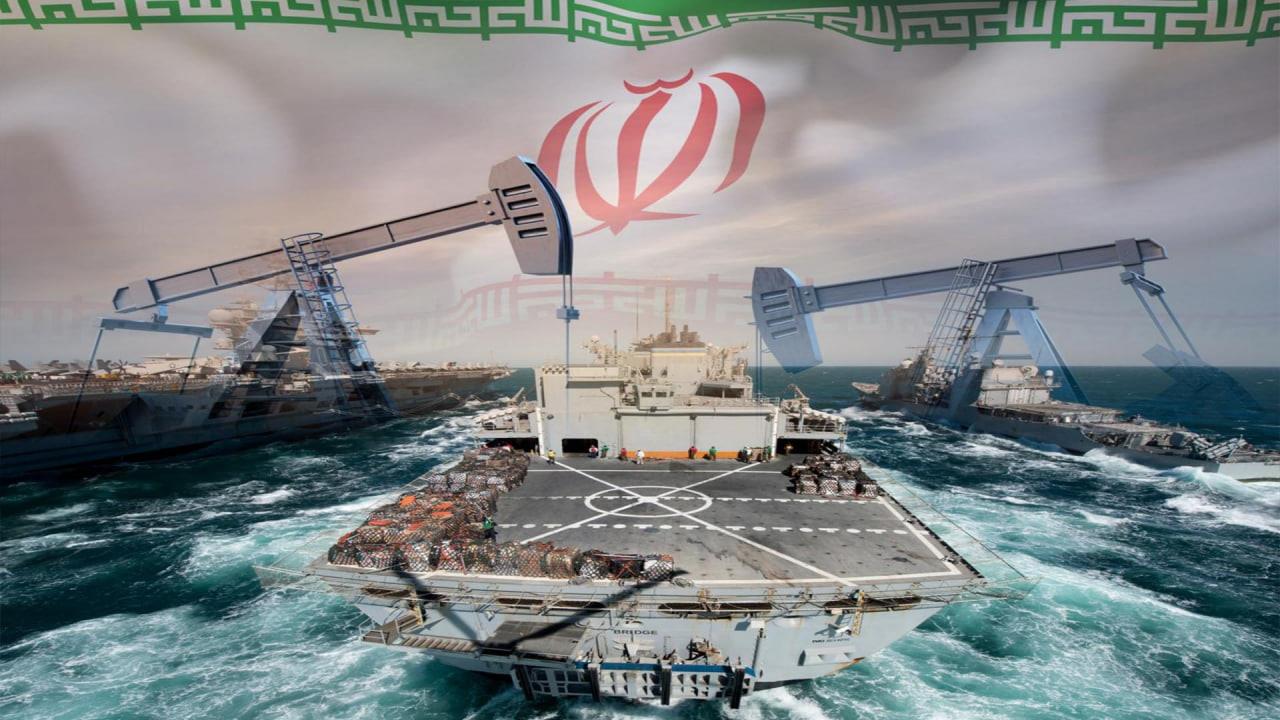
(Phnom Penh): The temporary lifting of oil sanctions on Iran by the United States is not merely a routine policy adjustment. It is a clear signal that the war involving Iran cannot be won by military force alone. In this conflict, whoever controls the global oil market and the energy shipping routes through the Strait of Hormuz may hold as much power — or even more — than those who control the battlefield.
A War Moving from the Battlefield to the Energy Market
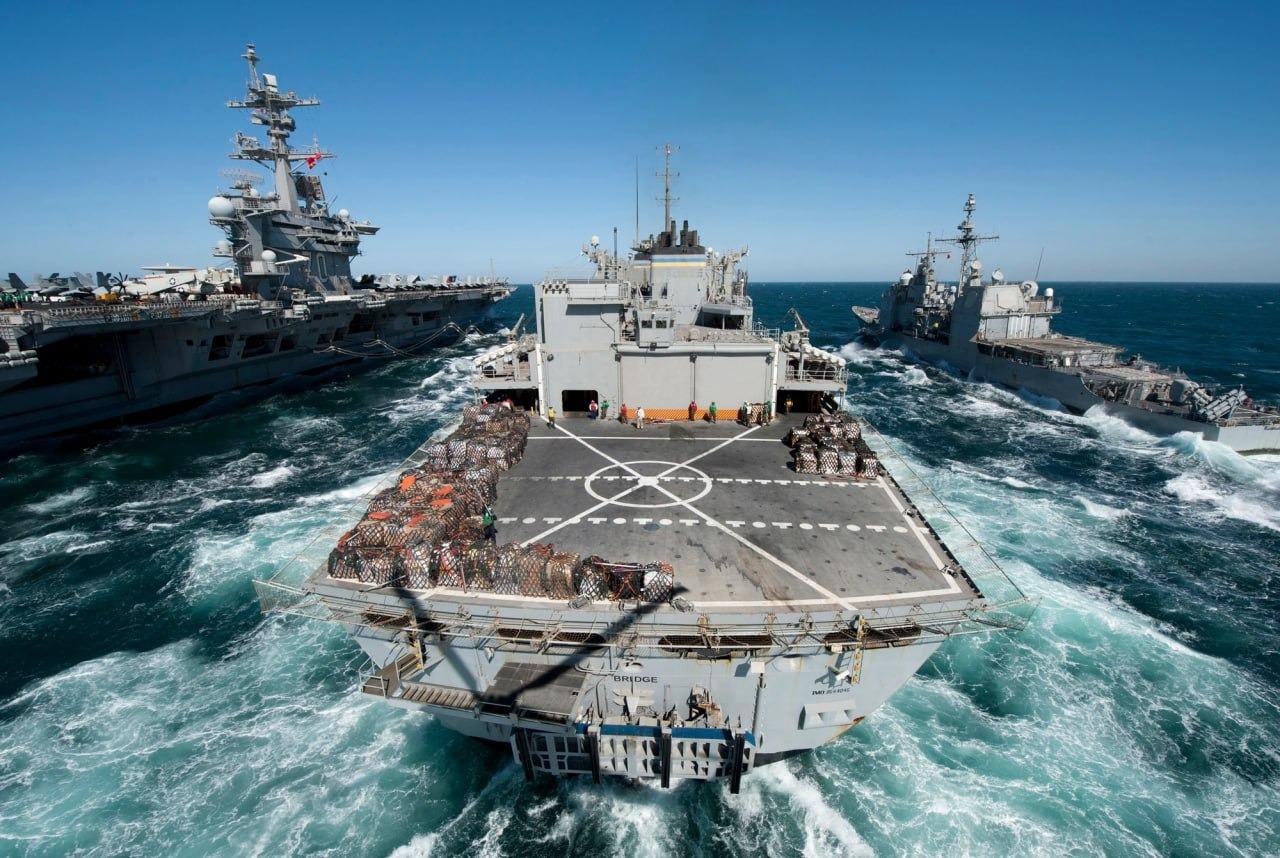
In the early stage, the conflict between the U.S.–Israel alliance and Iran appeared to be a conventional military confrontation. Airstrikes targeted missile sites, military bases, air force assets, and naval capabilities. By military metrics, the United States could claim that certain operational objectives had been achieved.
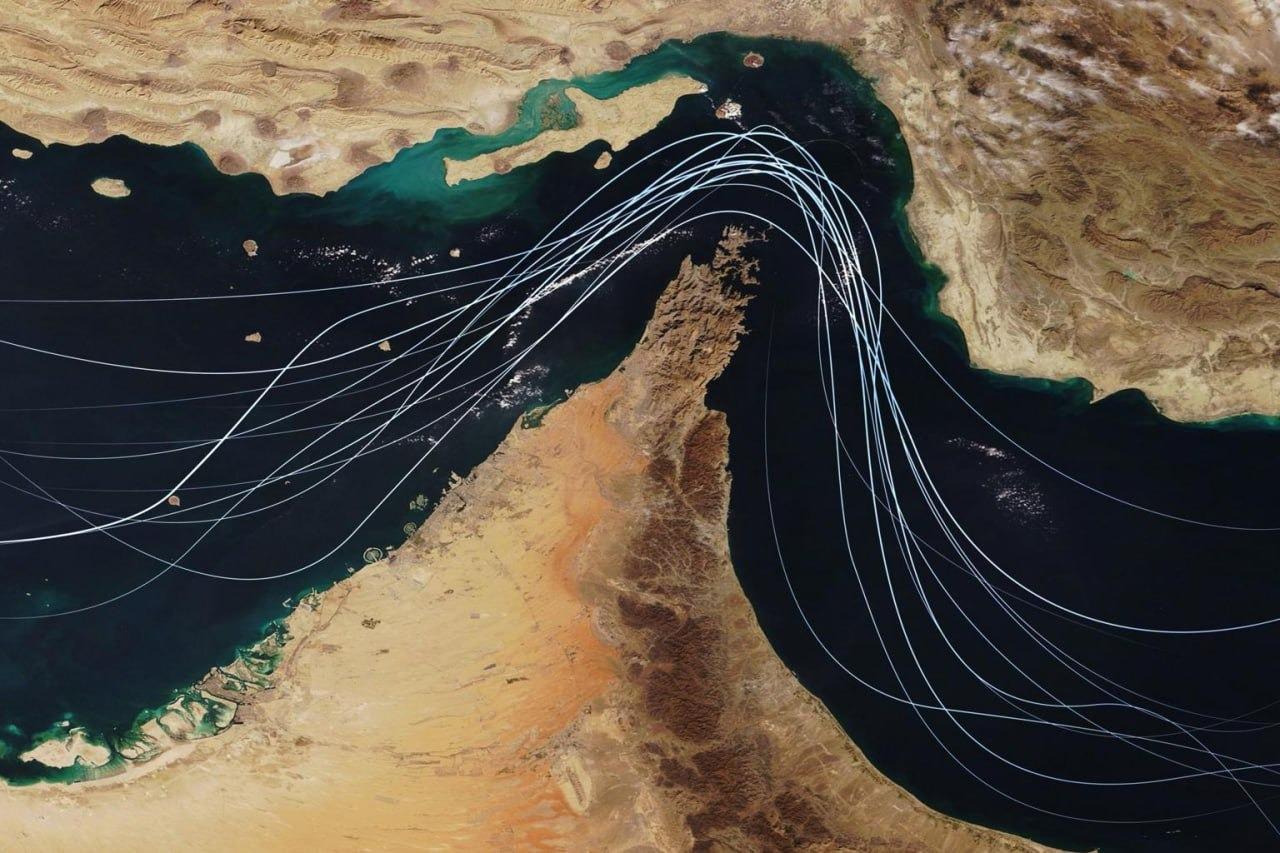
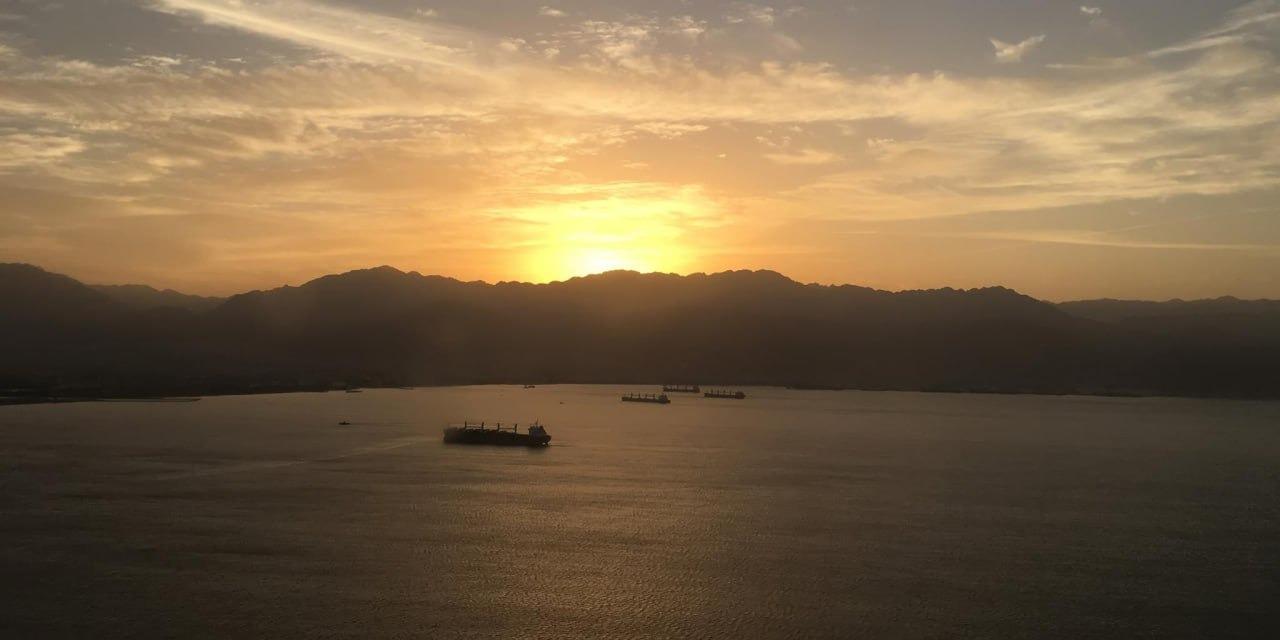
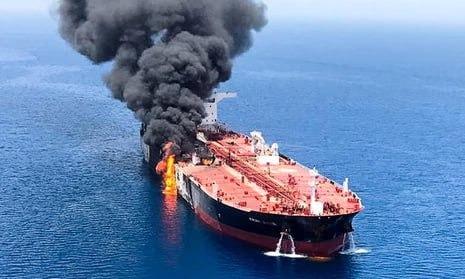
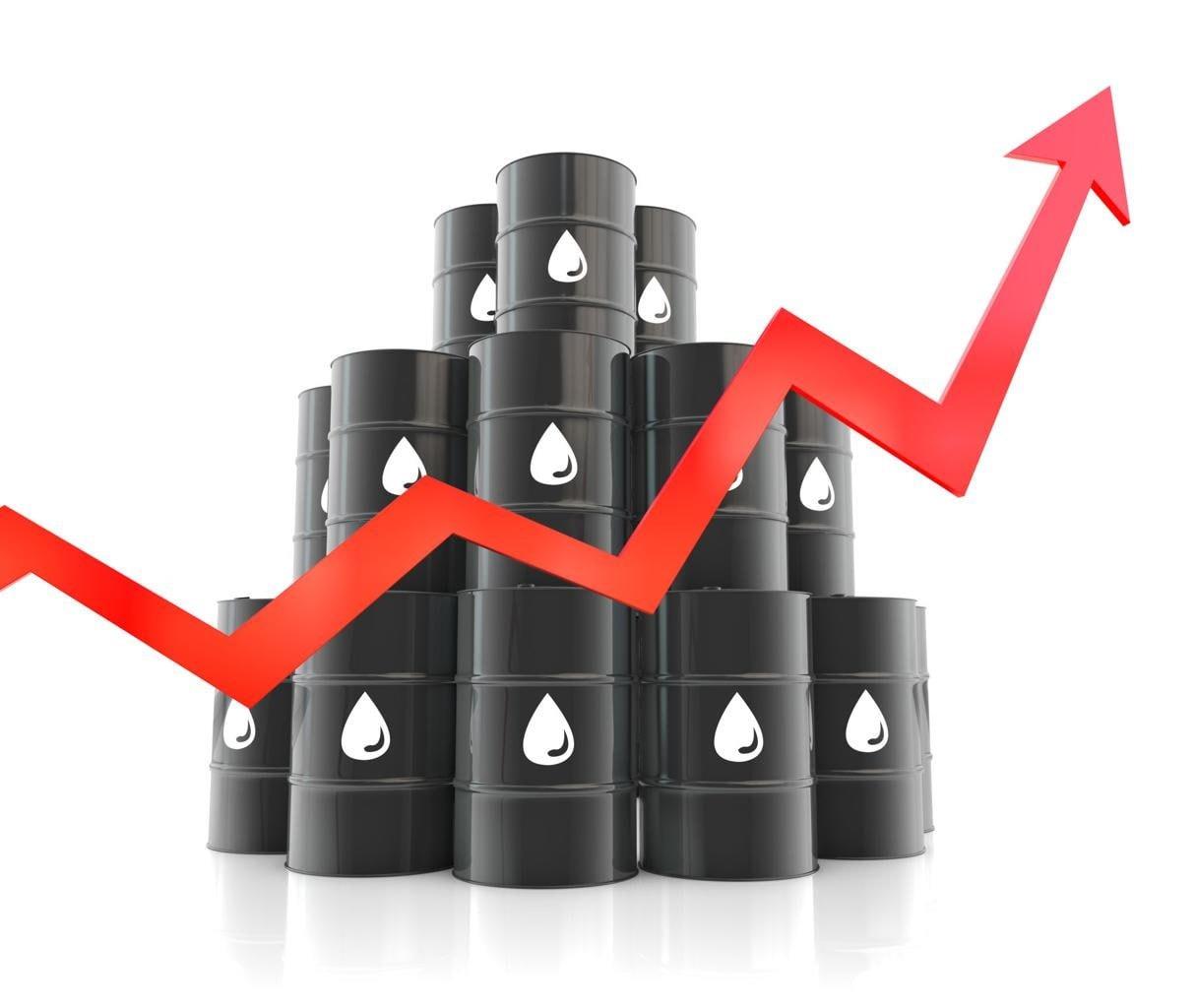
But the war did not end there. It gradually shifted from the battlefield to the global energy market and the world economy. The Strait of Hormuz — through which roughly one-fifth of the world’s oil supply passes — became the most critical strategic point. When oil shipping routes are threatened, oil prices rise immediately, and the global economy feels the impact almost instantly. At this stage, the war is no longer fought only on military maps, but on oil price charts.
The United States Is Using Almost Every Tool
Within a relatively short period, the United States has employed nearly every available tool to manage the energy and economic pressure resulting from the Iran conflict. These measures include releasing oil from the Strategic Petroleum Reserve, easing sanctions on Russian oil, temporarily waiving the Jones Act, increasing domestic oil production, using military force, requesting additional war funding from Congress, and attempting to form a naval coalition to secure the Strait of Hormuz.
These actions show that Washington is deploying almost all instruments of national power at its disposal.
However, the most notable step is the latest one: the United States decided to temporarily lift oil sanctions on Iran to allow Iranian oil to enter the global market. This is not just an economic measure; it is a signal that the war has expanded beyond the battlefield and is forcing the United States to manage energy markets, economic pressure, and alliances simultaneously.
When a country must use military power, energy policy, economic tools, and diplomacy all at once, the conflict is no longer a conventional war. It becomes a system war, where victory is determined not only on the battlefield, but also by who can better manage energy markets, economic stability, and alliances over time.
What Does Lifting Iran Oil Sanctions Mean Strategically?
At first glance, lifting oil sanctions on Iran appears to contradict years of U.S. policy aimed at restricting Iranian oil exports. However, from a strategic perspective, it suggests that the United States is attempting to manage the energy war and prevent an oil crisis from damaging the global economy and its own domestic economy.
In this conflict, Iran is not relying solely on military strength; it is also using geography and the Strait of Hormuz as economic leverage over the global oil market. The United States, on the other hand, cannot allow oil prices to rise excessively, as this would harm the global economy and domestic political stability. Therefore, Washington is using oil markets and supply management as tools to counter that pressure.
In this sense, lifting oil sanctions on Iran is not necessarily a sign of weakness or surrender. Instead, it may be a strategy to manage oil markets, reduce economic pressure, and maintain economic stability during the conflict. This shows that the war cannot be won by military power alone — it must also be won in the energy and economic arenas.
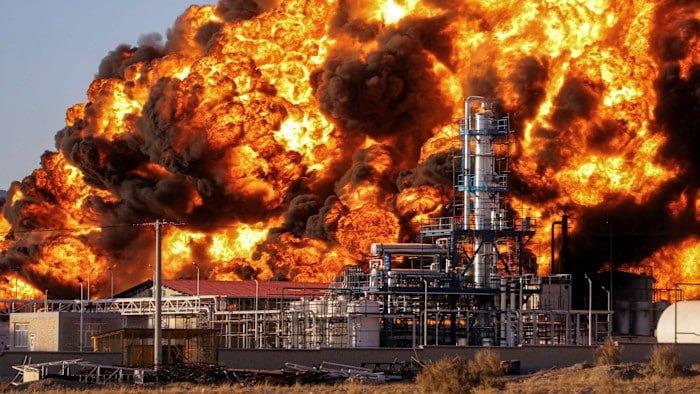
In the Iran conflict, weapons are not limited to missiles and aircraft. Oil, markets, and energy shipping routes have also become weapons. When oil becomes a weapon, the war is no longer confined to the battlefield; it extends to the entire global economic system.
Modern Warfare: Power Is Not Only Military Power
The Iran conflict demonstrates an important lesson: in the 21st century, power is not defined solely by military strength, but also by control over energy, transportation routes, economic systems, and alliances.
A country may win battles on the battlefield, but if oil prices surge, the economy suffers, and allies refuse to participate, that war cannot be considered a complete victory.
Modern history has demonstrated this many times. In the Vietnam War and the war in Afghanistan, the United States possessed overwhelming military superiority but failed to achieve strategic victory because wars are not determined solely on the battlefield; they are determined by politics, economics, and alliance support. The wars in Iraq and Afghanistan also showed that winning the military phase does not mean winning the entire war if the political and economic situation cannot be stabilized afterward.
The Iran conflict is now showing another new form of warfare — energy war and shipping route war. Iran may not be able to compete with the United States militarily, but it can use geography and the Strait of Hormuz to pressure the global oil market. When oil prices rise, the global economy suffers, and U.S. allies are also affected. This means the war is not just a military confrontation but a struggle over the global economic and energy system.
Therefore, modern wars are no longer defined by the question, “Who wins on the battlefield?” but by the question, “Who can control the economy, energy, alliances, and sustain the war longer?”
In a system war, the winner is not the country with the most aircraft or missiles, but the country that can better manage the economic and energy system.
Conclusion
The lifting of oil sanctions on Iran clearly shows that this war is not merely a military confrontation, but a competition over energy, economics, and alliances. The battlefield may be on land or in the air, but the outcome of the war may be decided in oil markets and the global economy.
The Iran conflict demonstrates that in the 21st century, power is not measured solely by military strength, but by the ability to control energy, economic systems, transportation routes, and alliances. In a system war, the winner is not simply the country with the strongest military, but the one that can manage the economic and energy system better and sustain the war longer.
But one major question remains: if the United States, in order to achieve victory over Iran, must release oil from its reserves, ease sanctions on adversaries, increase domestic production, request additional war funding, and seek new alliances to secure oil shipping routes — then how much will this war ultimately cost before victory is achieved?
This question may be more important than the question of who wins the war. In modern warfare, costs are not measured only in military spending, but also in energy markets, economic stability, market pressure, and alliance management. Modern wars may not always be as long as the wars in Iraq or Afghanistan, but their economic costs and global impact can be faster and broader.
In modern warfare, the real question is not only who wins the war, but how much that victory costs — and who can afford that cost longer.