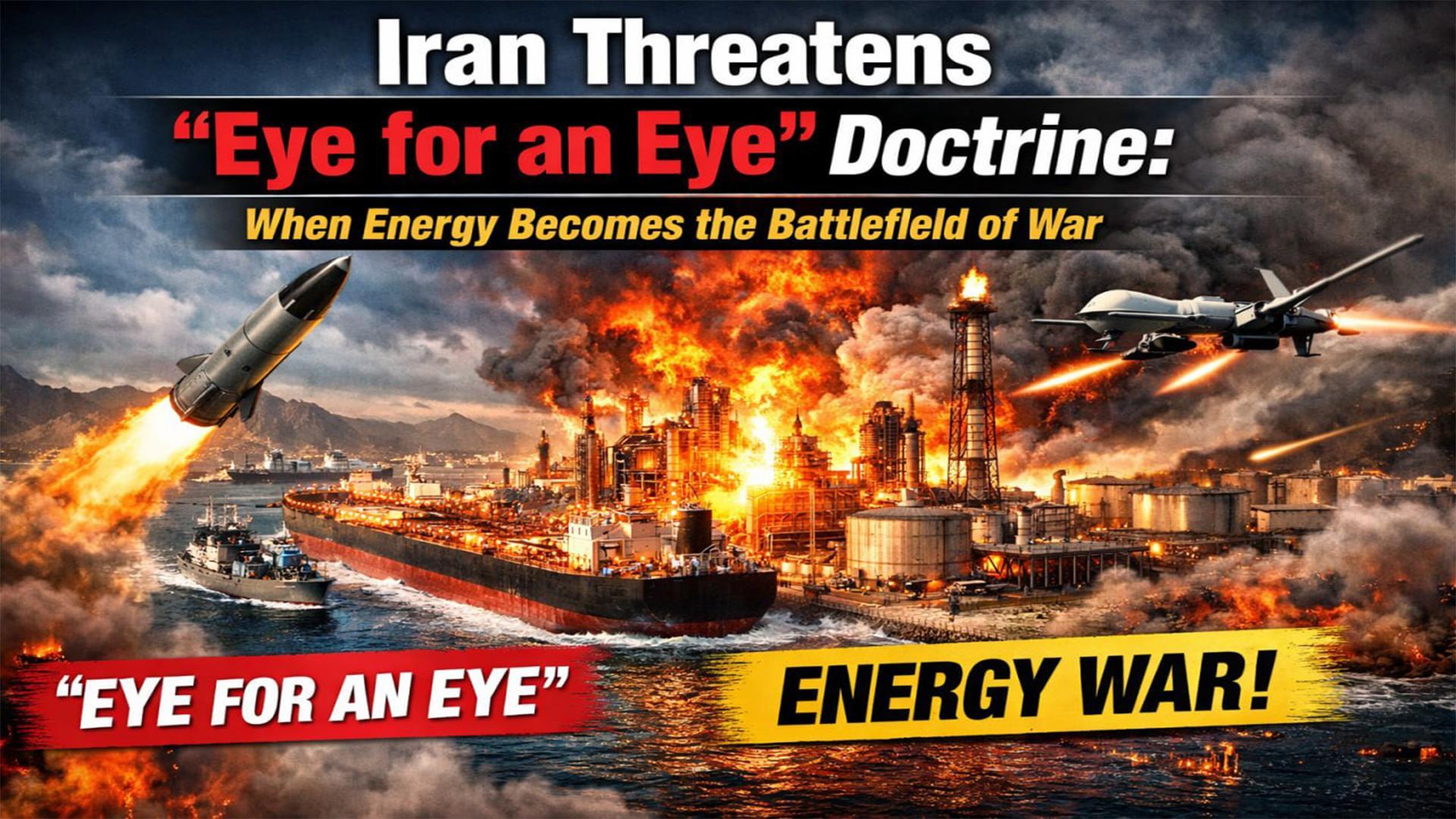
(Phnom Penh): The conflict between Iran and Israel is entering a new phase, shifting from conventional military confrontation to direct attacks on critical energy infrastructure. As tensions escalate, Tehran has warned it will implement an “eye for an eye” doctrine—raising the risk of an open-ended cycle of retaliation that could destabilize the global economy.
International media reports indicate that fighting intensified on the morning of Friday, March 20, as several Middle Eastern countries activated air defense systems to intercept drones and missiles crossing their airspace—at a time when Muslims across the region were celebrating Eid al-Fitr.
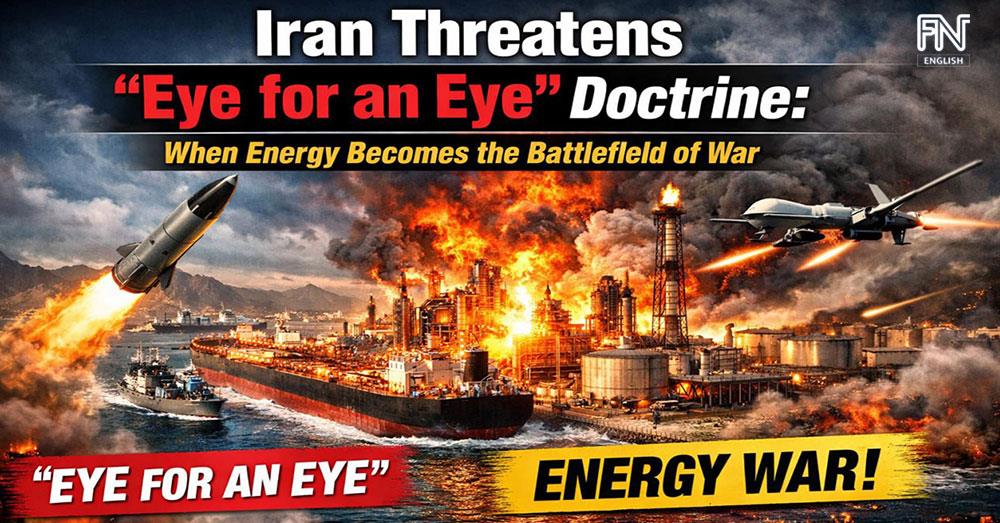
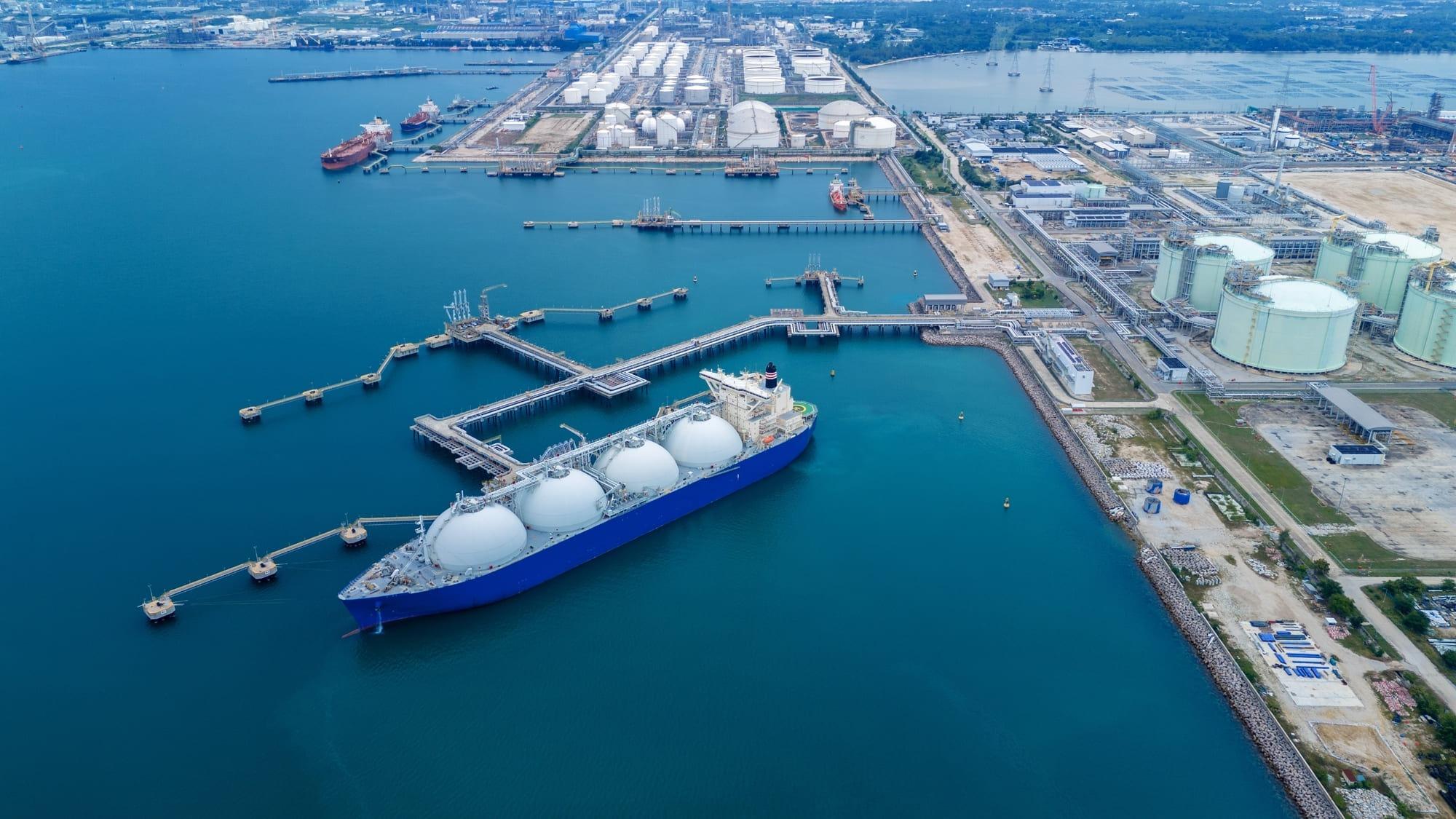
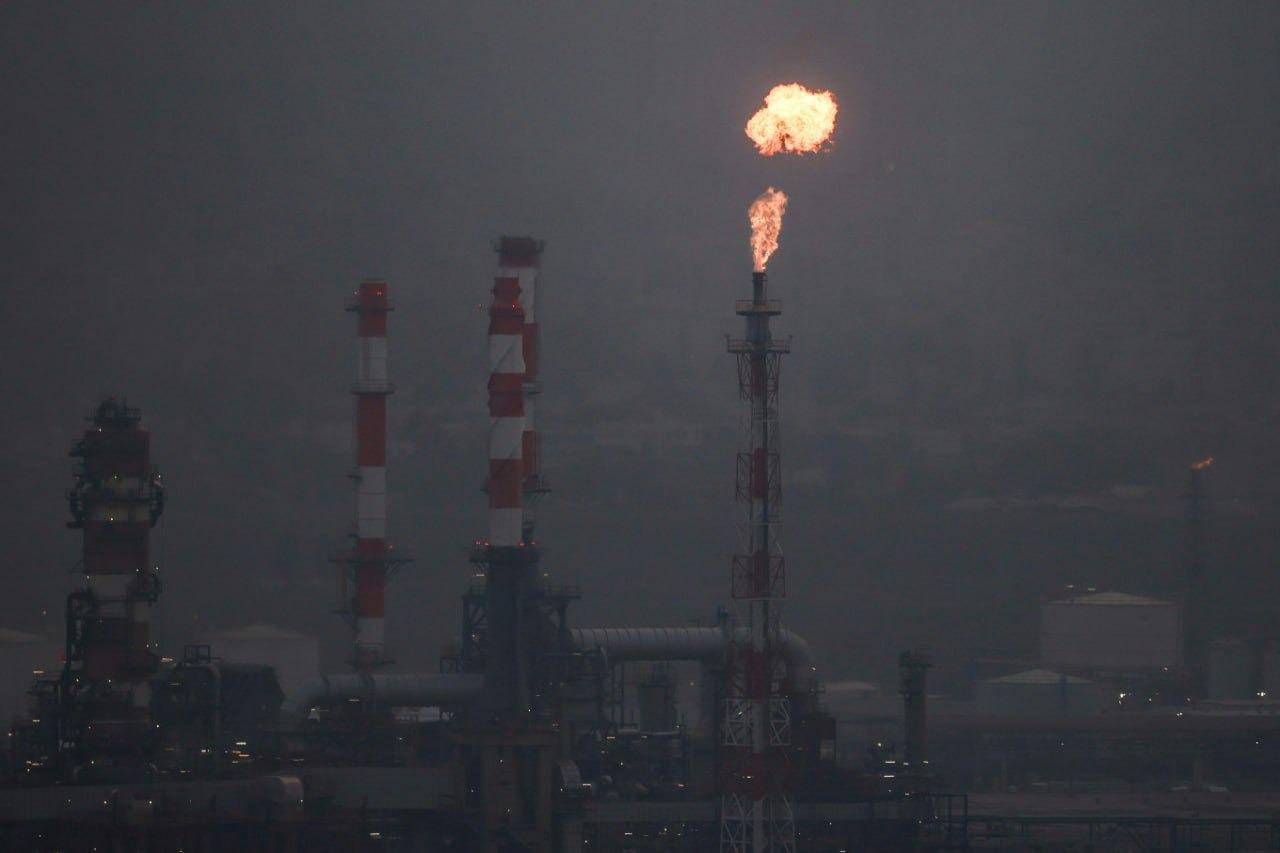
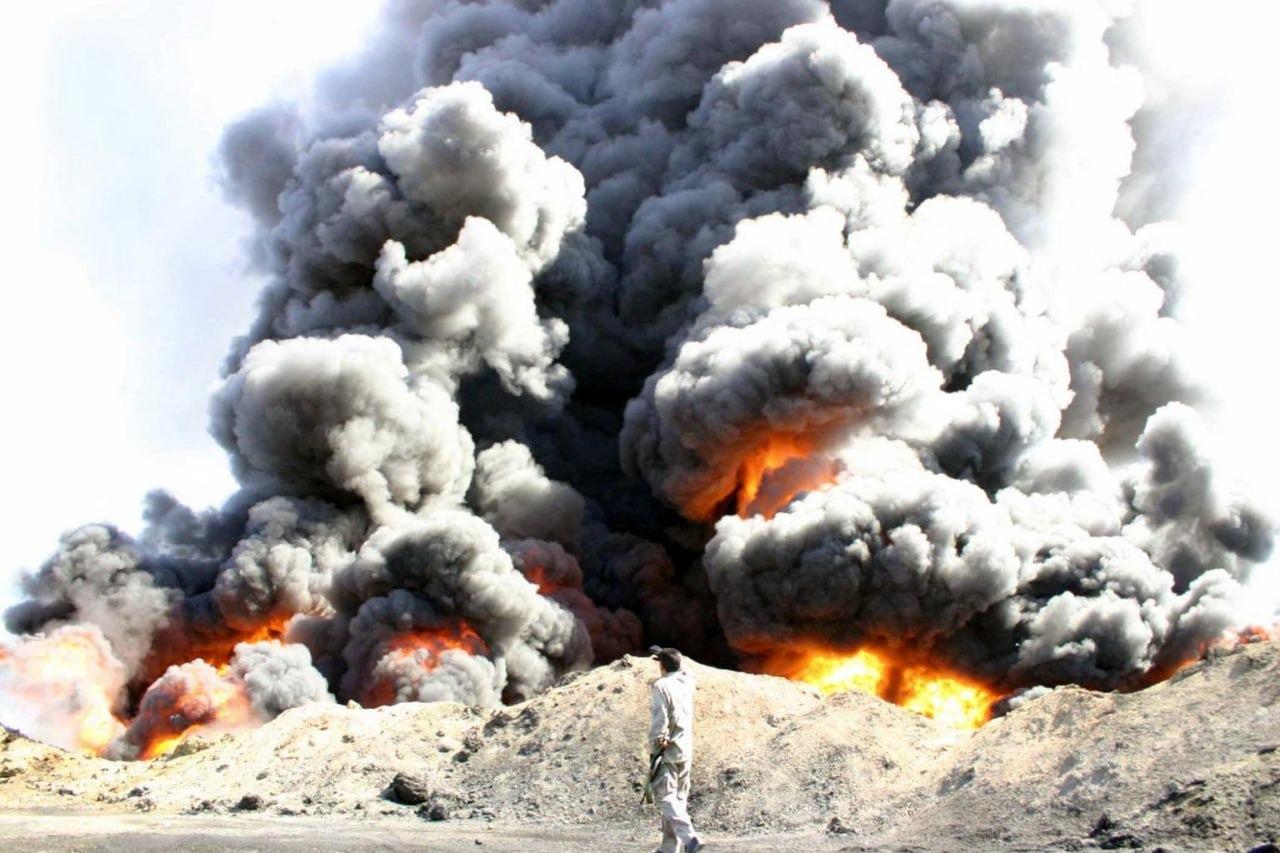
Amid this escalation, Israel launched strikes on Iran’s South Pars gas field, while Iran retaliated by targeting energy infrastructure, including liquefied natural gas (LNG) facilities in Qatar. These developments signal a clear shift in the nature of the conflict—from a military confrontation to what analysts increasingly describe as a full-scale “energy war.” Tehran has made it explicit that any attack will be met with a proportional or stronger response under its “eye for an eye” doctrine—heightening the danger of uncontrolled escalation.
From Military Battlefield to Energy Battlefield
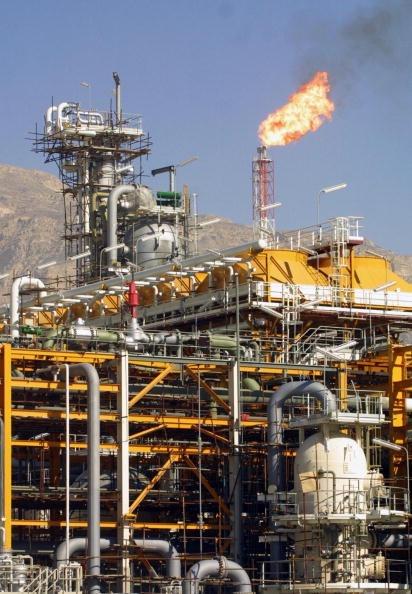
Israel’s strike on the South Pars gas field—the world’s largest natural gas reserve—marks a critical strategic turning point. This was not merely a conventional military target, but a core pillar of Iran’s economy and a vital component of the global energy supply system. As such, the attack carries not only military implications, but also significant economic and geopolitical signals to international markets.
Iran’s response, expanding its targets to include broader energy infrastructure—such as LNG facilities in Qatar, one of the world’s leading gas exporters—demonstrates that the conflict is rapidly evolving into a competition over energy systems.
At this trajectory, the war is no longer confined to military forces; it is increasingly disrupting global energy supply chains, with potential ripple effects across oil and gas markets. This is why many analysts now view the conflict as a full-fledged “energy war,” with consequences extending far beyond regional borders.
“Eye for an Eye”: A Cycle of Endless Escalation
The “eye for an eye” doctrine may appear logically straightforward, but it carries profound risks. At its core, it implies reciprocal retaliation:
- If energy infrastructure is attacked, it will be counterattacked
- If escalation intensifies, retaliation will intensify further
In recent days, Iran’s actions—including strikes on LNG facilities, demonstrations of advanced ballistic missile capabilities, and threats to disrupt the Strait of Hormuz—reflect the operationalization of this doctrine.
Such a framework risks triggering a broader escalation spiral, potentially extending beyond energy targets to include ports, power grids, shipping routes, and other critical economic infrastructure. Tehran has made clear that if attacks expand, its response will follow suit—raising the possibility that a regional conflict could evolve into a global crisis.
Strait of Hormuz: The Decisive Flashpoint
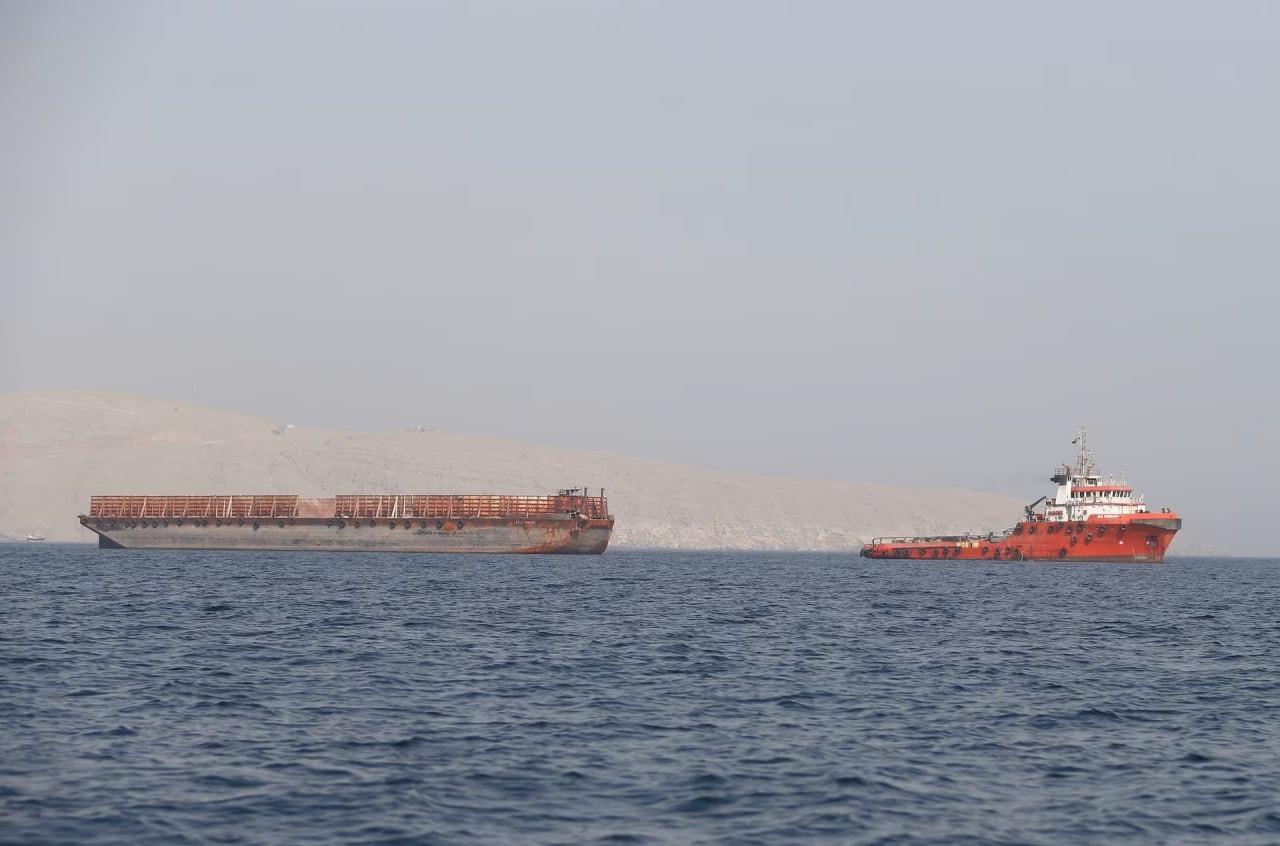
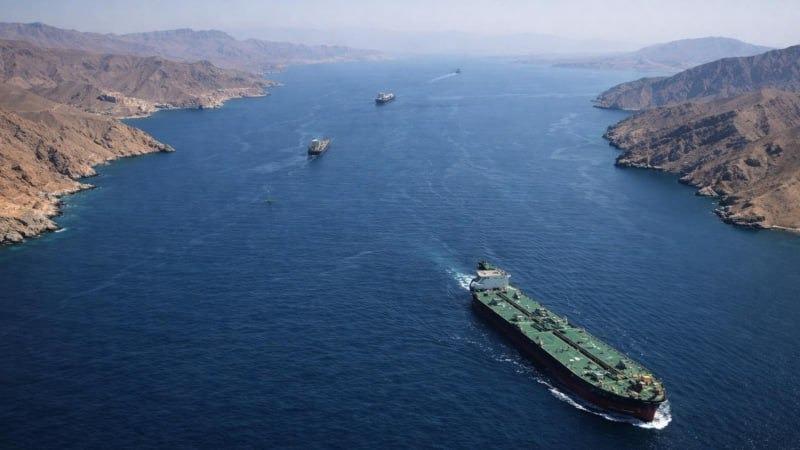
The most dangerous flashpoint in this conflict is the Strait of Hormuz, through which approximately 20% of the world’s oil supply passes. Iran has warned that the strait “will not return to pre-war conditions” if hostilities continue and its doctrine is fully implemented.
Any disruption to this vital shipping route could drive oil prices sharply higher—potentially exceeding $115 per barrel or more—triggering what analysts describe as a “global oil shock.”
At the same time, the implications of the “eye for an eye” doctrine appear to be shaping strategic restraint. Israel has indicated it will heed calls from U.S. President Donald Trump to avoid further strikes on Iran’s key energy infrastructure—suggesting an effort to prevent the conflict from escalating into a full-scale global energy crisis.
Global Markets and U.S. Dual Strategy
Despite rising tensions and volatile oil prices, U.S. President Donald Trump has sought to calm markets, stating that the situation is “not bad” and “will be over soon.”
However, behind these reassurances, Washington’s actions tell a more complex story. The United States has released approximately 172 million barrels of oil from its strategic reserves to stabilize markets, while also considering a $200 billion increase in defense funding to strengthen military readiness and munitions stockpiles.
These moves reflect a clear dual strategy:
- Front-facing: Reduce market anxiety and maintain energy price stability through public messaging and strategic oil releases
- Back-end: Prepare for a prolonged conflict by reinforcing military capabilities and logistical readiness
In this sense, Trump’s statements are not merely expressions of optimism—they are part of a broader effort to manage market sentiment, even as the United States prepares for potential escalation behind the scenes.
International Alliances and Managing Escalation
On the morning of March 20, as Eid al-Fitr celebrations took place across countries such as Saudi Arabia, the United Arab Emirates, Kuwait, and Bahrain, airstrikes and drone interceptions generated widespread concern. These states activated air defense systems to protect their airspace—demonstrating their role in maintaining regional stability, even without direct military engagement.
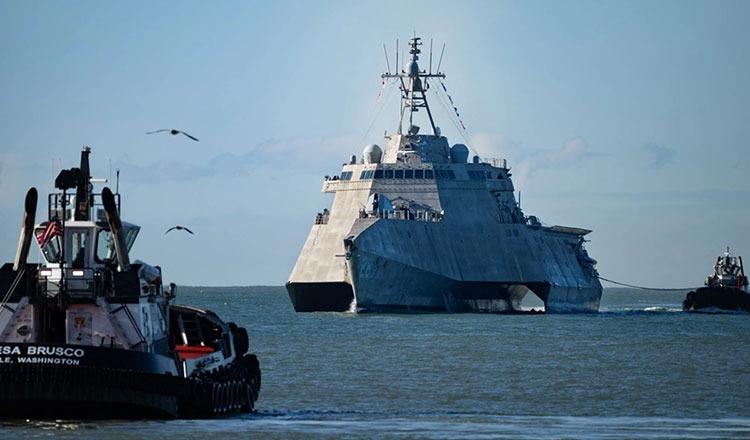
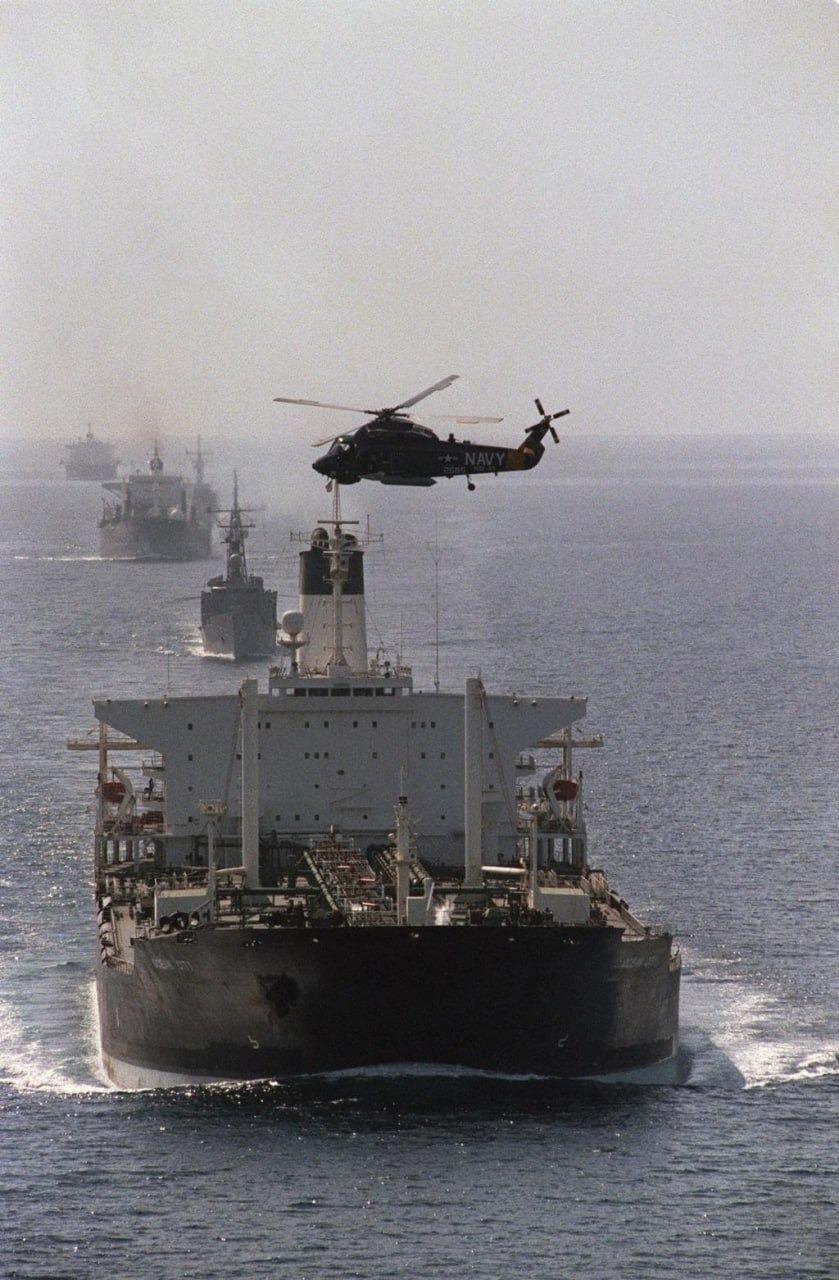
Meanwhile, the United States is working to form an international naval coalition to escort oil tankers through the Strait of Hormuz. However, many allies remain cautious, reluctant to become directly involved for fear of being drawn into a broader conflict with Iran.
This situation highlights a critical dynamic: the global community is attempting to manage escalation and prevent a wider war, even as Iran continues to increase retaliatory pressure under its declared doctrine.
Conclusion
The Iran conflict is no longer a conventional war between two states—it is evolving into a broader contest over energy, economics, and global power.
The “eye for an eye” doctrine introduced by Tehran is not merely defensive—it is a mechanism of escalation that, if left unchecked, could destabilize the global system.
When missiles target not only military objectives but also energy infrastructure, the conflict transcends regional boundaries—becoming a global economic crisis.
In such a scenario, no country remains untouched. Even those not directly involved in the confrontation between the U.S.–Israel alliance and Iran may still feel the far-reaching consequences of a war that now extends beyond the battlefield into the very foundations of the global economy.